Loading video…

 17 Concepts
 5.3K views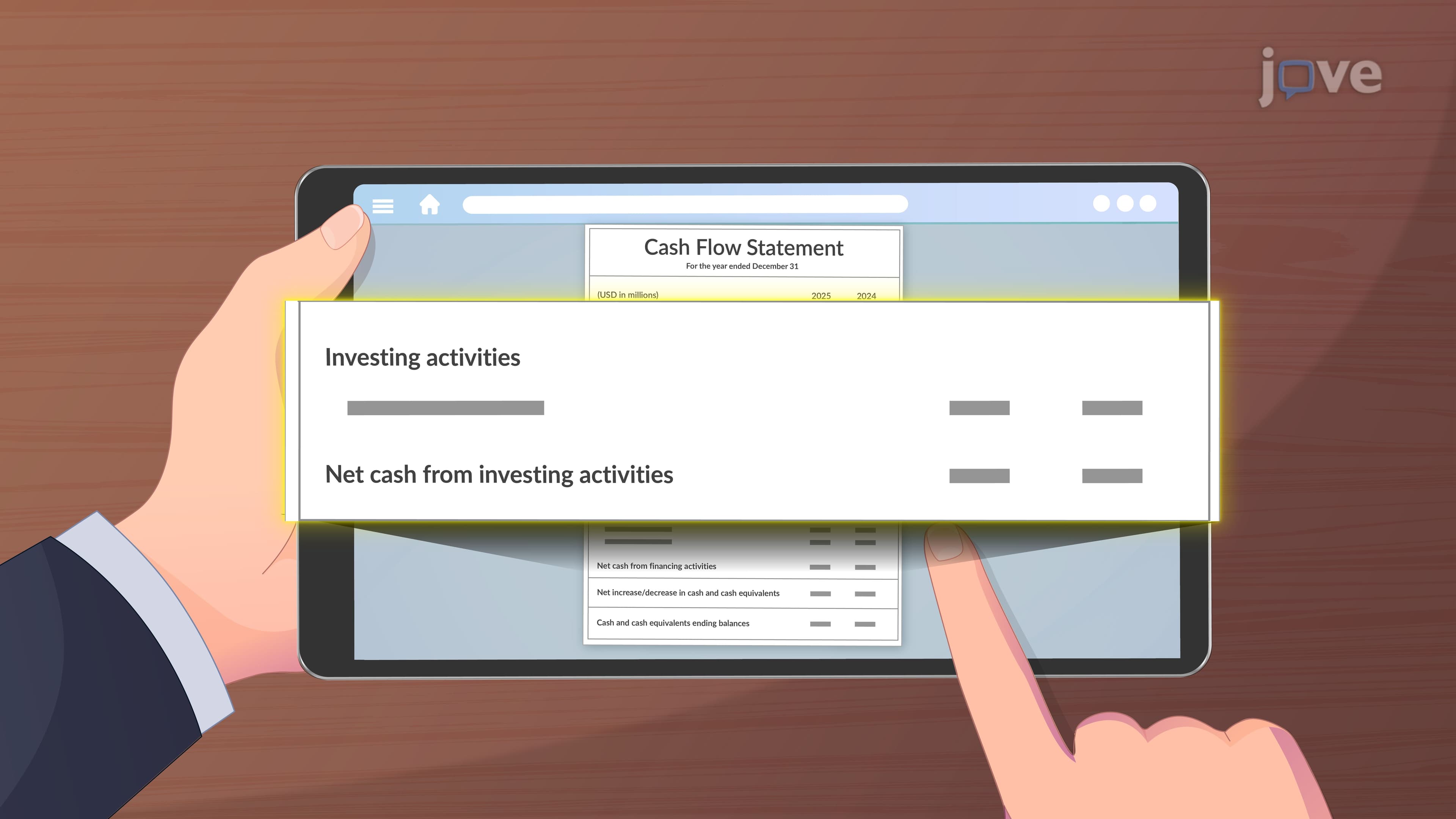

Video Summary: Investing Activities Explained
Investing activities basics trip up even experienced managers who need to interpret financial reports confidently. Understanding investing activities, how an organization channels capital into long-term assets and strategic growth, is a critical skill when you're justifying budget decisions or evaluating business performance. Investing activities explained gives you the practical financial fluency to read cash flow statements with clarity and purpose. Watch the full video on JoVE Coach to master this concept with expert-led visuals and step-by-step explanations.
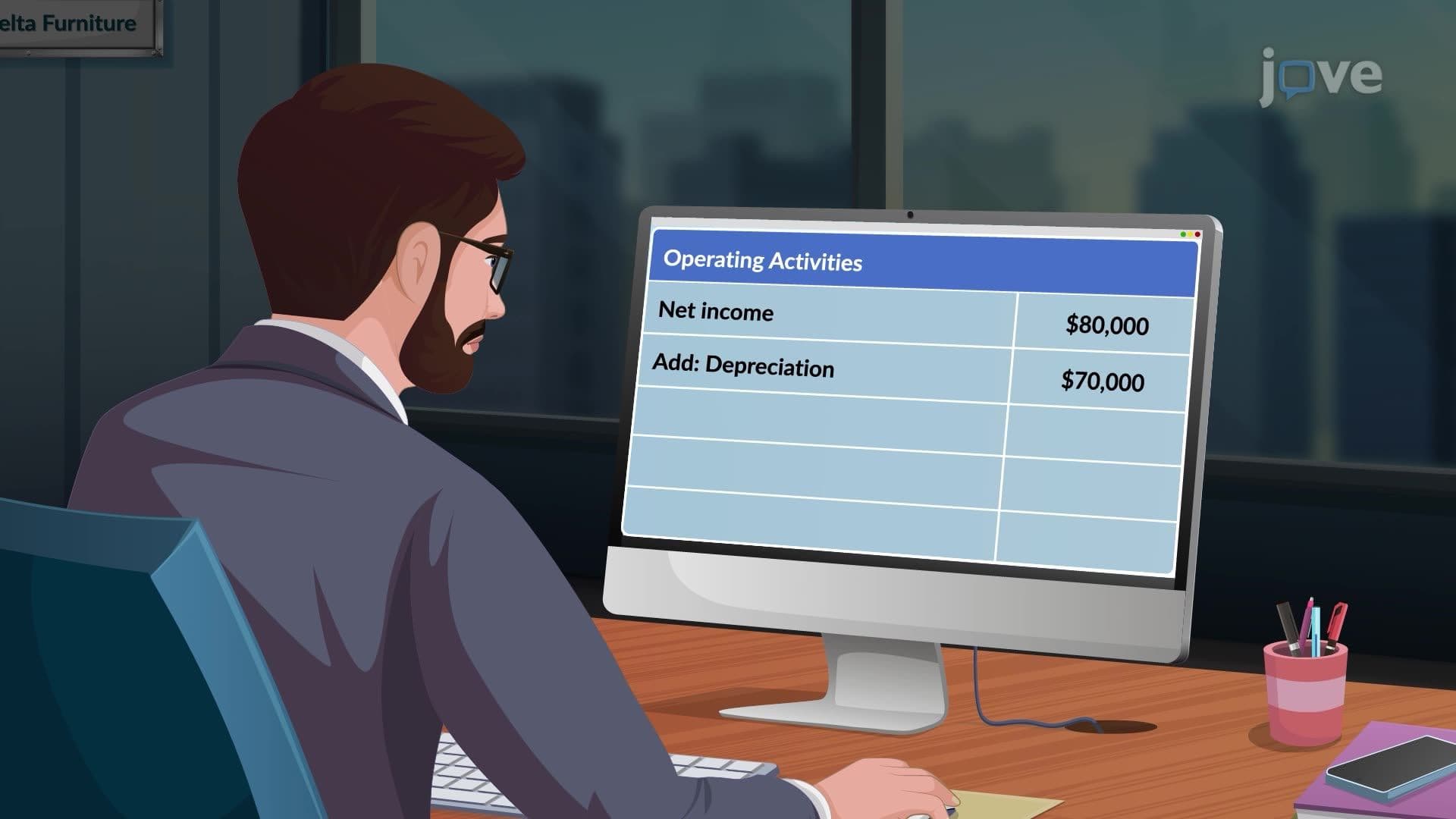
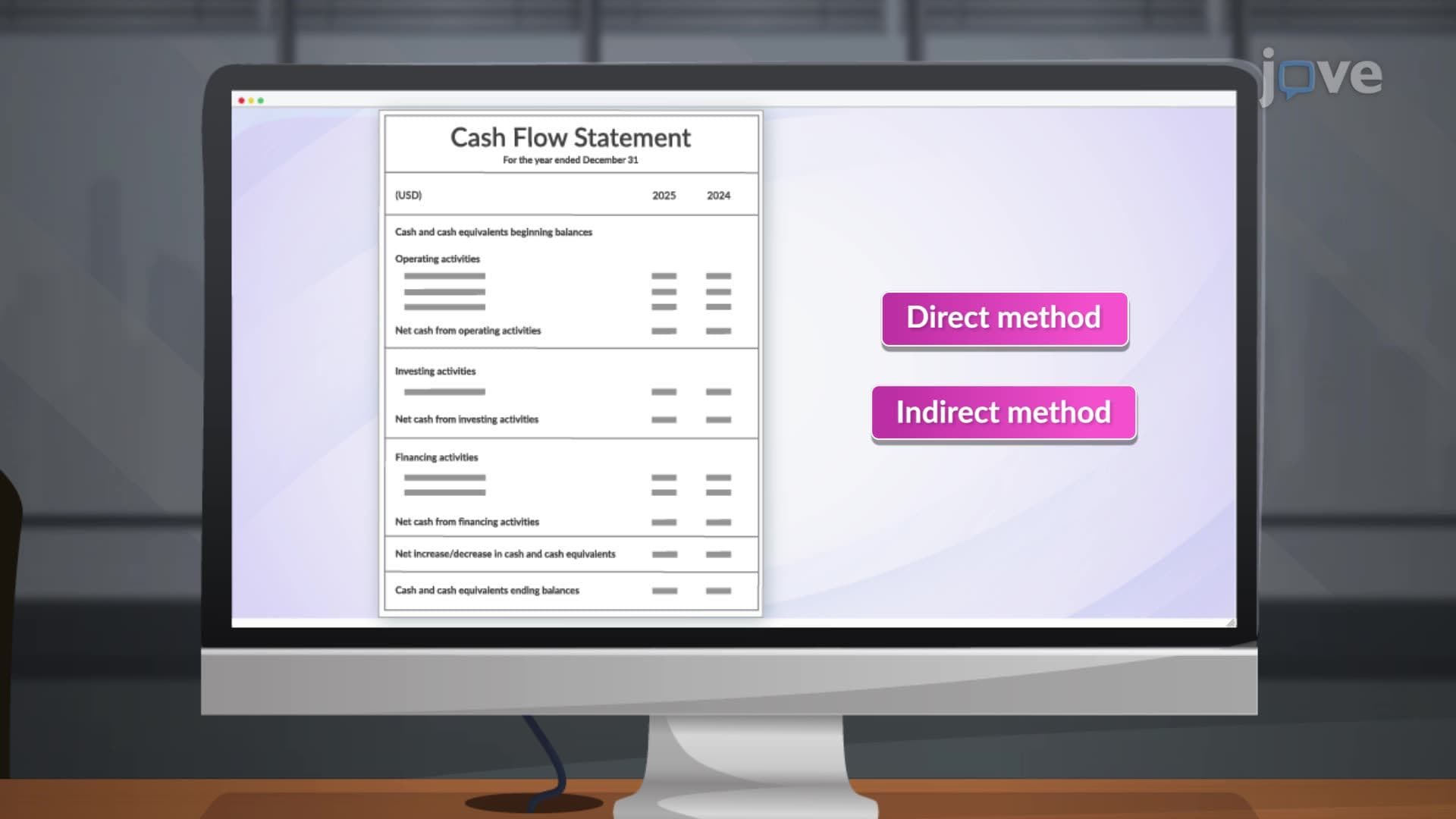
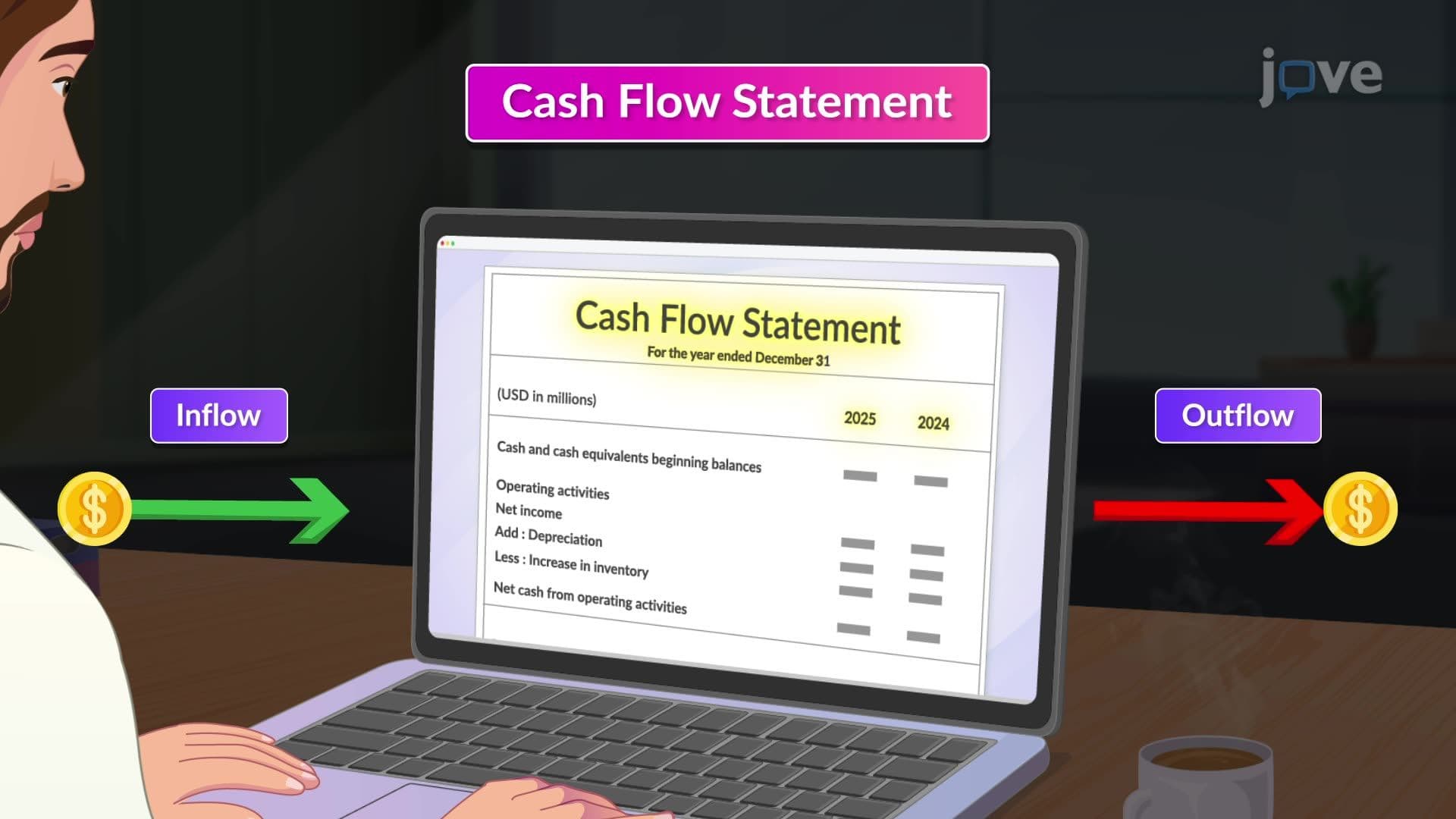
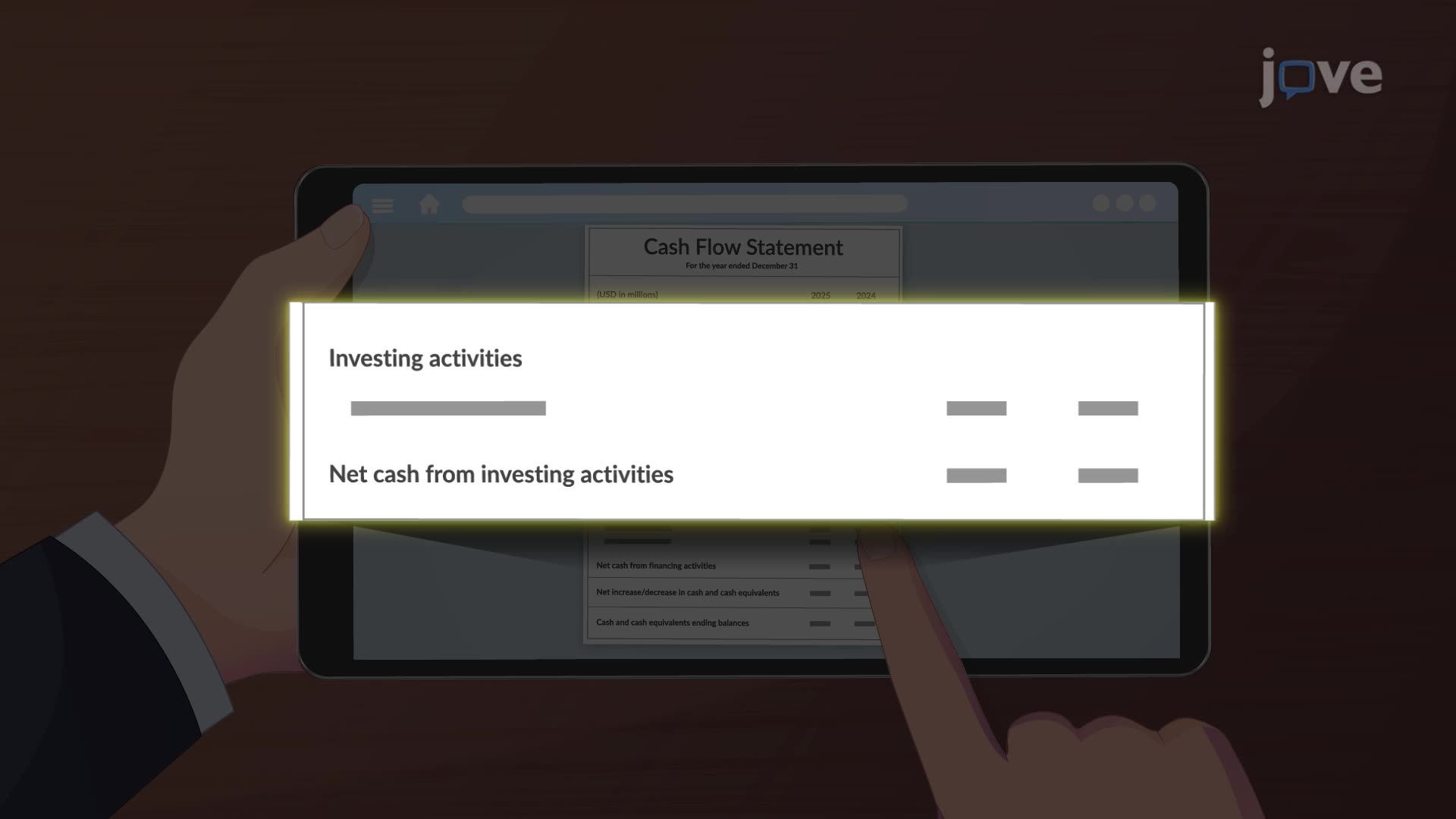
Picture this: you're sitting in a quarterly business review and the CFO flashes a cash flow statement on the screen. The investing activities section shows a significant net outflow. Is that a red flag or a healthy sign of growth? Most managers either stay silent or make assumptions, because nobody taught them how to read this section with confidence. That ends here.
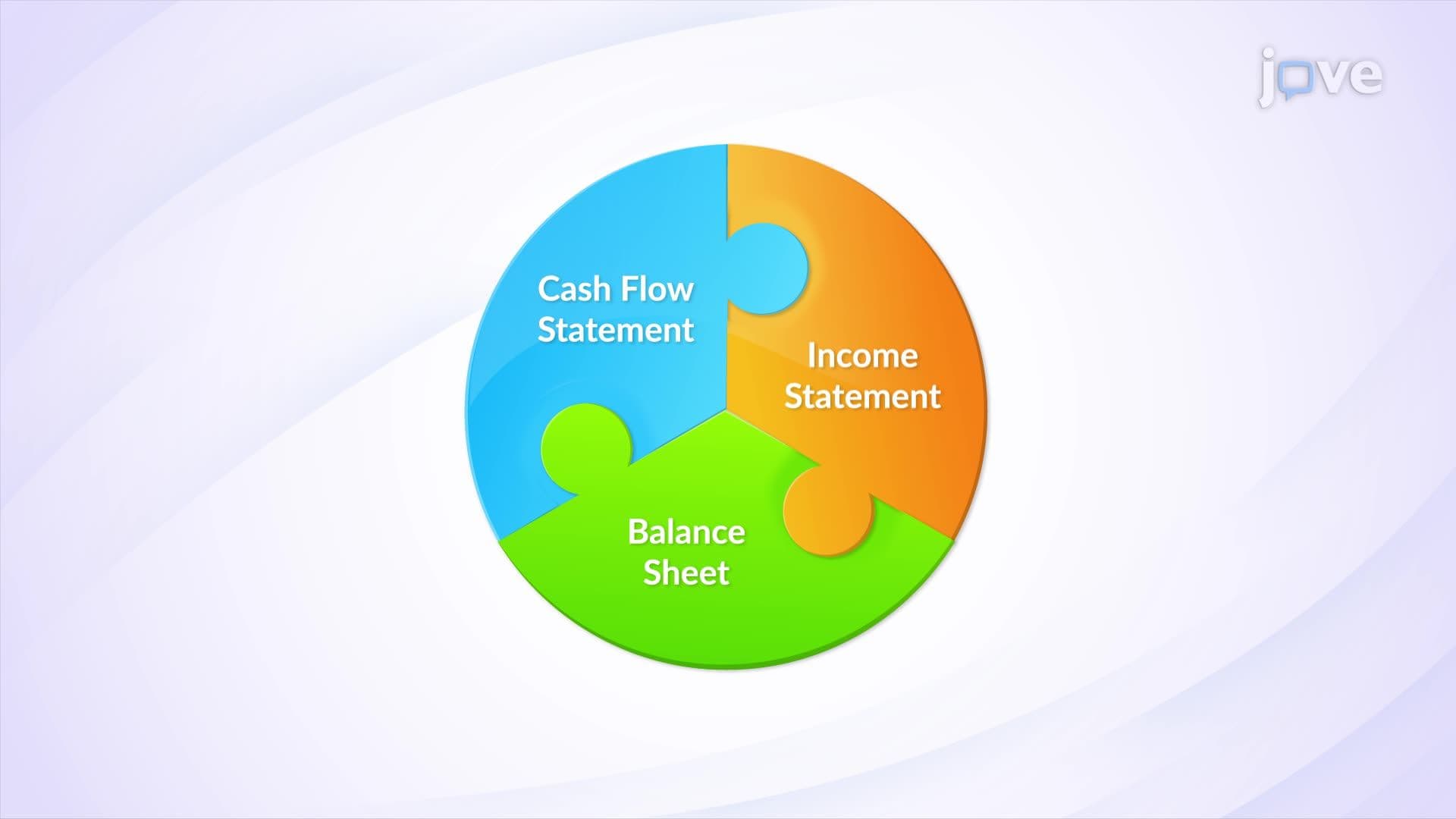
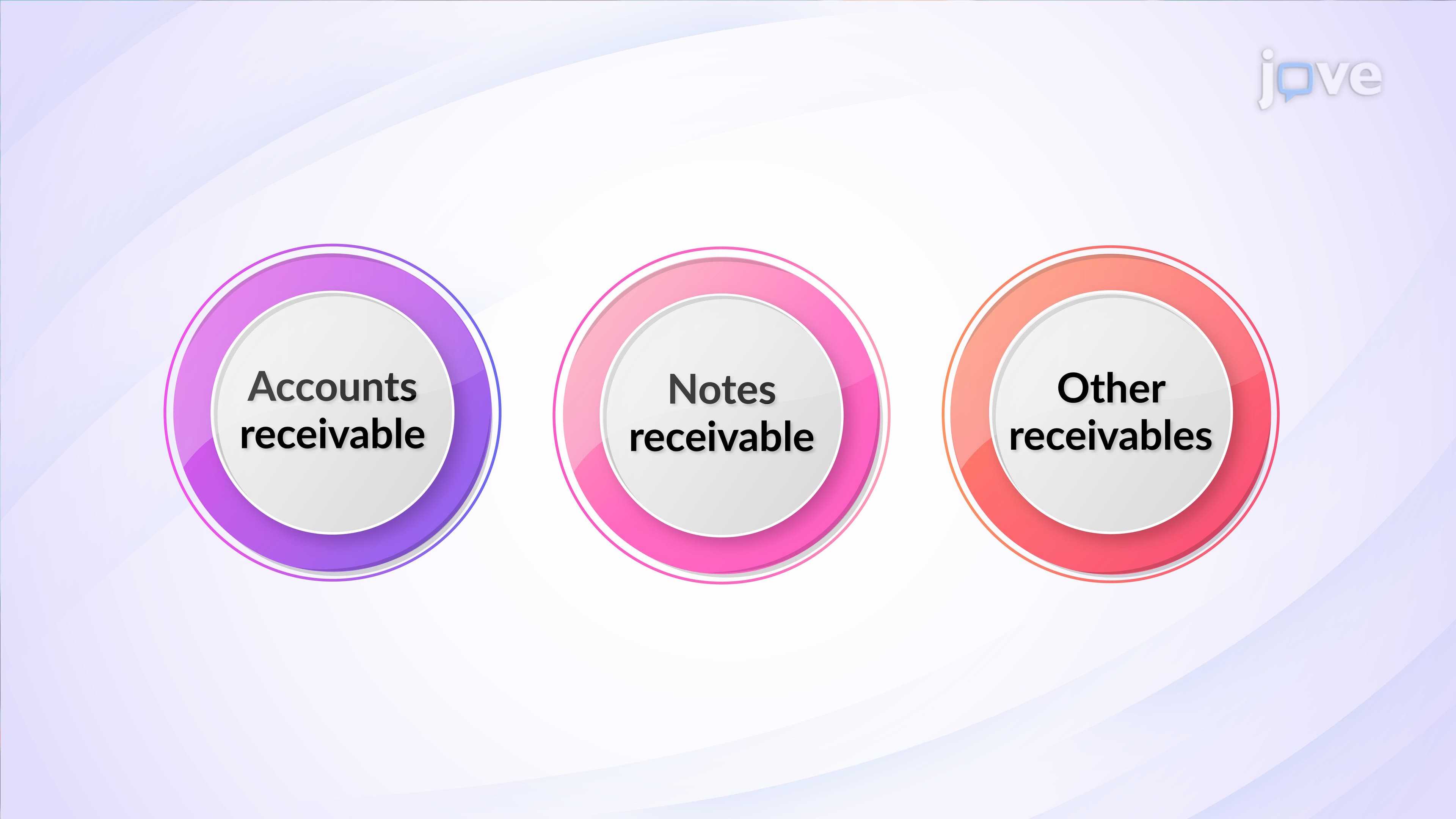
Most leadership development focuses on people skills, leaving financial literacy as an afterthought. The result? Managers nod along in budget meetings without truly understanding what cash flow from investing activities signals about organizational strategy. The confusion usually comes from conflating three distinct categories: operating, investing, and financing activities. Operating activities cover day-to-day revenue and expenses. Financing activities involve debt, equity, and shareholder transactions. Investing activities sit in the middle, focused entirely on long-term asset decisions. Once you separate these three cleanly, the picture becomes much clearer.
Think of investing activities as your organization's long-term bet tracker. Every significant cash movement here is a statement about where leadership believes future value will come from. Apply a simple three-lens framework in any financial review:
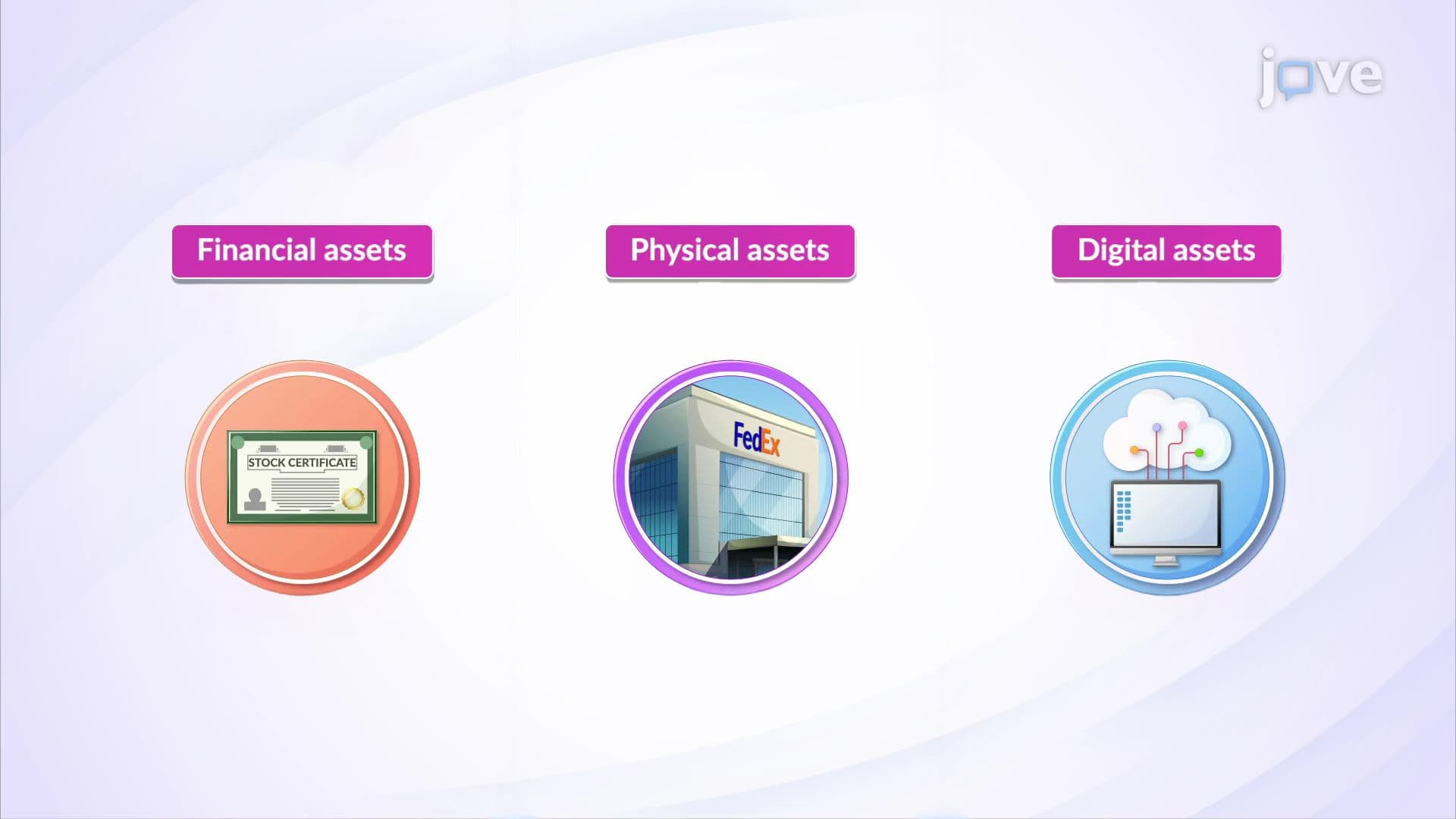
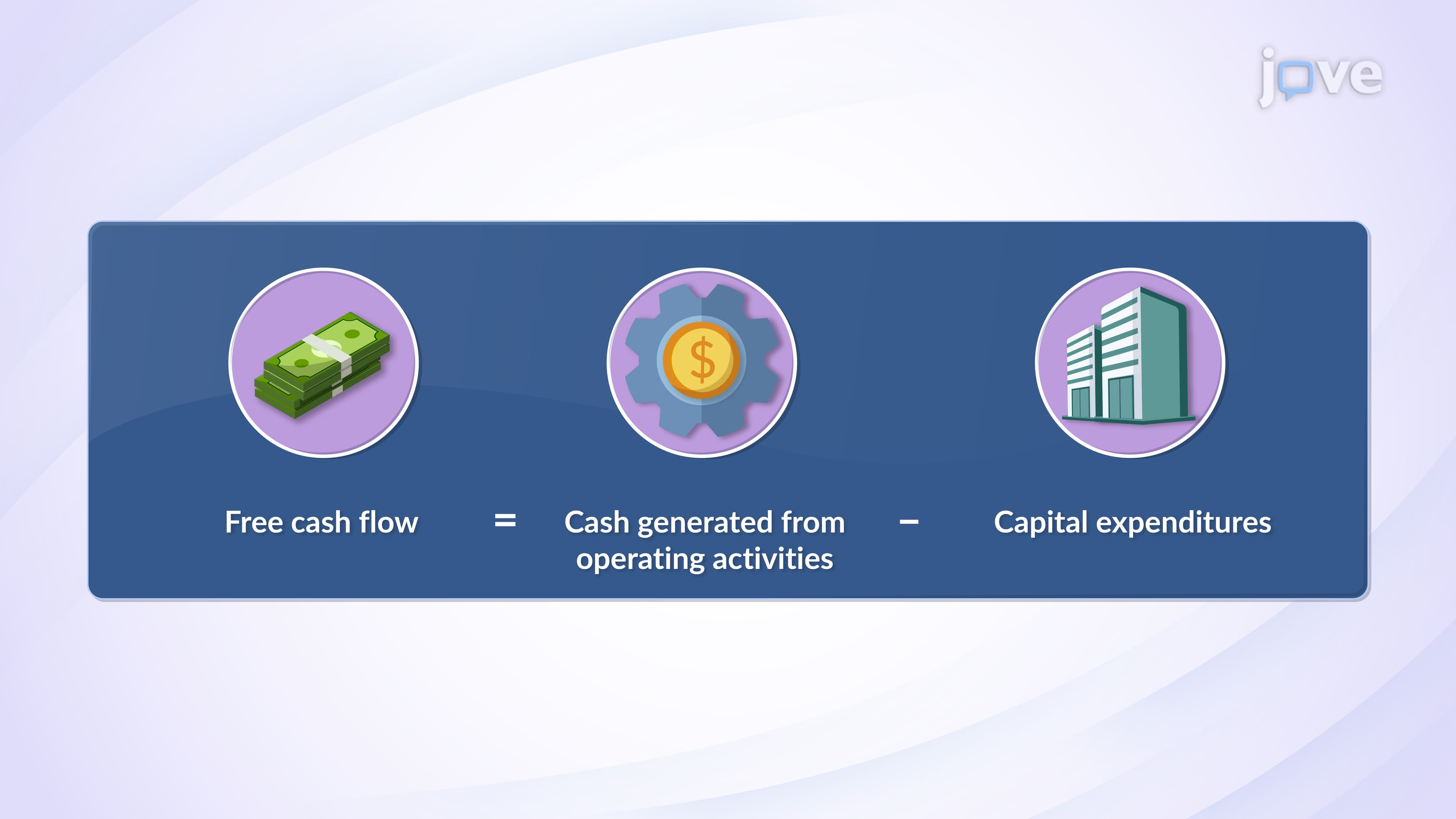
1. What did we buy?, Capital expenditures (CapEx) on property, equipment, technology, or other companies represent cash outflows. A large outflow signals growth investment or strategic expansion. 2. What did we sell?, Cash inflows from divesting assets, land, equipment, subsidiaries, indicate restructuring or resource reallocation. 3. What's the net signal?, Net cash flow from investing activities, when negative, typically means the organization is growing. When positive, it may mean the organization is liquidating assets, which warrants deeper questions.
Use this lens before any budget conversation or strategic planning session where financial results will be discussed.
You don't need to be a finance expert to ask better questions. Here's how to apply investing activities knowledge practically:
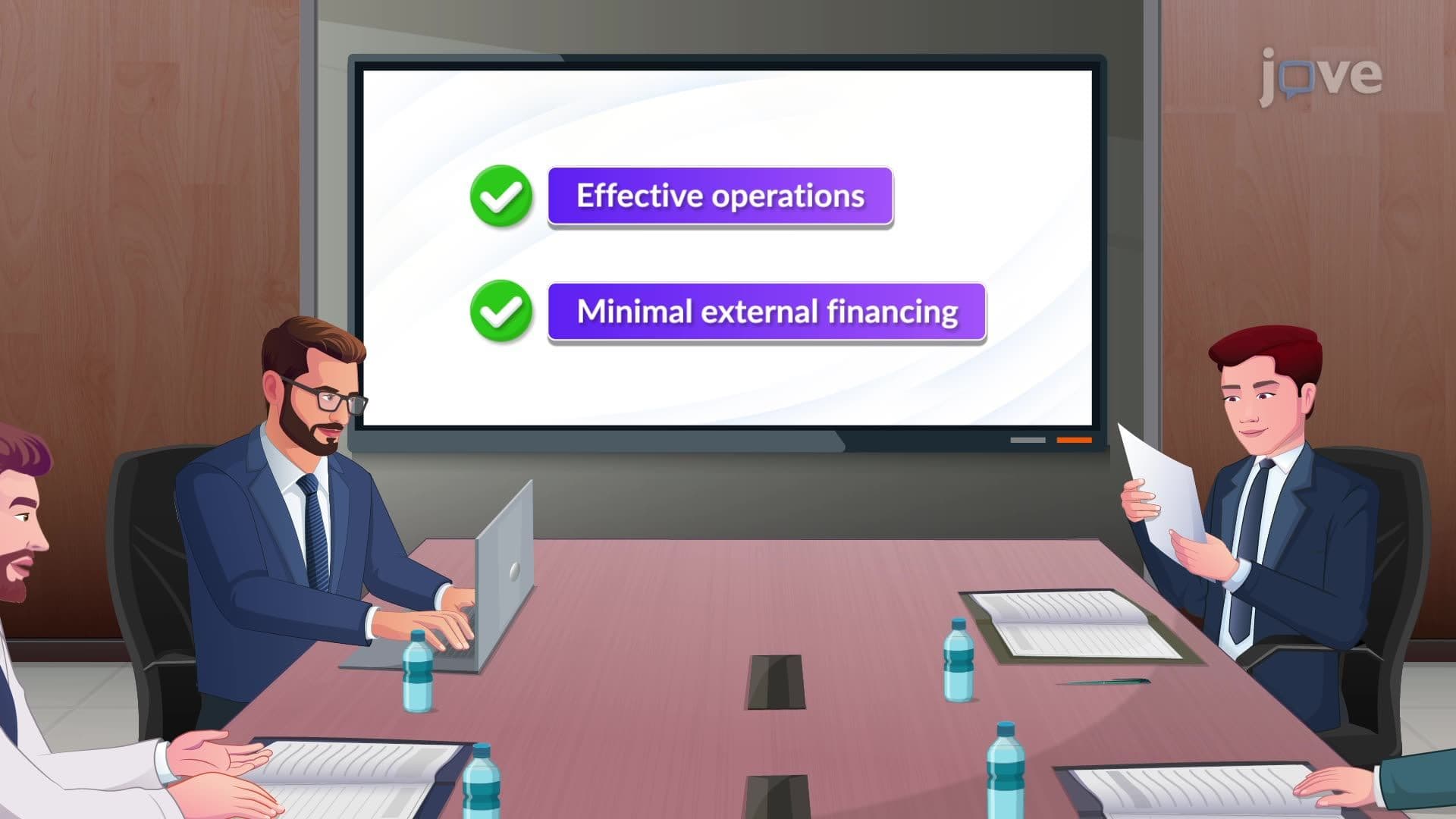
The broader principle: financial literacy is a leadership multiplier. Managers who understand investing activities basics can connect resource decisions to business outcomes, a skill that visibly differentiates them at the senior level.
Related Micro-courses