Loading subject page…

- Chemistry
- Electrochemistry
- Balancing Redox Equations
Micro-course: Electrochemistry
389,001 views
Learn key concepts and earn your certificate.



Balancing Redox Equations


00:00
02:58
Video Summary: What are Balancing Redox Equations
Ever wonder why your iPhone battery eventually dies or why the Statue of Liberty turned green? These everyday phenomena involve balancing redox equations, chemical reactions where electrons transfer between atoms. From the lithium-ion batteries powering Tesla vehicles to the corrosion of bridges across America, redox reactions are everywhere. What are Balancing Redox Equations becomes crucial for understanding electron transfer processes in chemistry. Watch the full video on JoVE Coach to master this concept with expert-led visuals and step-by-step explanations.
- Understand what are balancing redox equations and their fundamental role in electron transfer reactions
- Identify oxidation and reduction processes by tracking changes in oxidation states of elements
- Analyze the half-reaction method for systematically balancing complex redox equations
- Apply the law of conservation of mass to ensure equal numbers of atoms and electrons on both reaction sides
- Compare balancing procedures for acidic versus basic aqueous solutions
- Evaluate electron transfer by calculating the number of electrons gained and lost in each half-reaction
- Recognize real-world redox reactions in batteries, corrosion, and biological processes
- Explore advanced balancing techniques for multi-step redox equations in various chemical environments
Understanding What are Balancing Redox Equations
Balancing redox equations represents one of chemistry's most practical skills, essential for understanding everything from cellular respiration to industrial electroplating. Unlike simple chemical equations that only require balancing atoms, redox equations demand careful attention to electron transfer, the driving force behind countless processes in our daily lives.
When General Motors engineers design electric vehicle batteries, they must precisely calculate electron flow through redox reactions. Similarly, when pharmaceutical companies at Pfizer synthesize medications, they rely on balanced redox equations to predict reaction outcomes and optimize production efficiency.
Types of Balancing Redox Equations Methods
The half-reaction method stands as the gold standard for balancing complex redox equations. This systematic approach divides the overall reaction into two half-reactions: one showing oxidation (electron loss) and another showing reduction (electron gain). Students preparing for the AP Chemistry exam frequently encounter this method, as it appears in approximately 15% of free-response questions.
For acidic solutions, the process follows six distinct steps: assign oxidation states, separate half-reactions, balance atoms except hydrogen and oxygen, add water molecules for oxygen balance, add protons for hydrogen balance, and finally add electrons to balance charges. Basic solutions require an additional step, adding hydroxide ions to neutralize excess protons.
Real-World Applications in American Industries
Understanding balancing redox equations proves invaluable across numerous American industries. In Pittsburgh's steel mills, engineers use redox principles to convert iron ore into steel through carefully balanced reduction reactions. NASA scientists apply these concepts when designing fuel cells for space missions, ensuring optimal hydrogen-oxygen reactions for power generation.
The pharmaceutical industry particularly relies on redox chemistry. Companies like Johnson & Johnson use balanced redox equations to synthesize active pharmaceutical ingredients, where precise electron accounting prevents dangerous side reactions that could create toxic byproducts.
Exam Success Strategies
Students tackling the MCAT's Chemical and Physical Foundations section will encounter redox balancing in biochemistry contexts, particularly cellular respiration and photosynthesis pathways. College general chemistry courses typically dedicate 2-3 weeks to redox concepts, with balancing equations comprising roughly 20% of midterm exam content.
Success requires consistent practice with the systematic half-reaction method, rather than attempting shortcuts that often lead to errors. Many students find success by creating step-by-step flowcharts, particularly helpful for SAT Subject Test Chemistry preparation.
Frequently Asked Questions
Balancing redox equations is the process of ensuring equal numbers of atoms and electrons on both sides of a chemical reaction involving electron transfer. It's like balancing a checkbook, every electron "withdrawn" by oxidation must be "deposited" through reduction. This skill is fundamental for understanding batteries, corrosion, and biological processes.
American chemistry curricula primarily teach the half-reaction method and the oxidation number method. The half-reaction method, preferred in AP Chemistry and college courses, systematically separates oxidation and reduction processes. The oxidation number method works well for simpler reactions but becomes unwieldy with complex molecules.
Redox balancing appears in approximately 8-12% of MCAT Chemical and Physical Foundations passages, often integrated with biochemistry topics like cellular respiration. The exam rarely asks for explicit balancing but expects understanding of electron flow in biological systems. Focus on conceptual understanding rather than mechanical balancing for optimal MCAT preparation.
Redox balancing connects to electrochemistry (Unit 9), thermodynamics calculations, and kinetics studies in AP Chemistry. Students must master this skill before tackling galvanic cells, electrolytic processes, and standard reduction potentials. Approximately 15-20% of AP Chemistry free-response questions involve redox concepts either directly or indirectly.
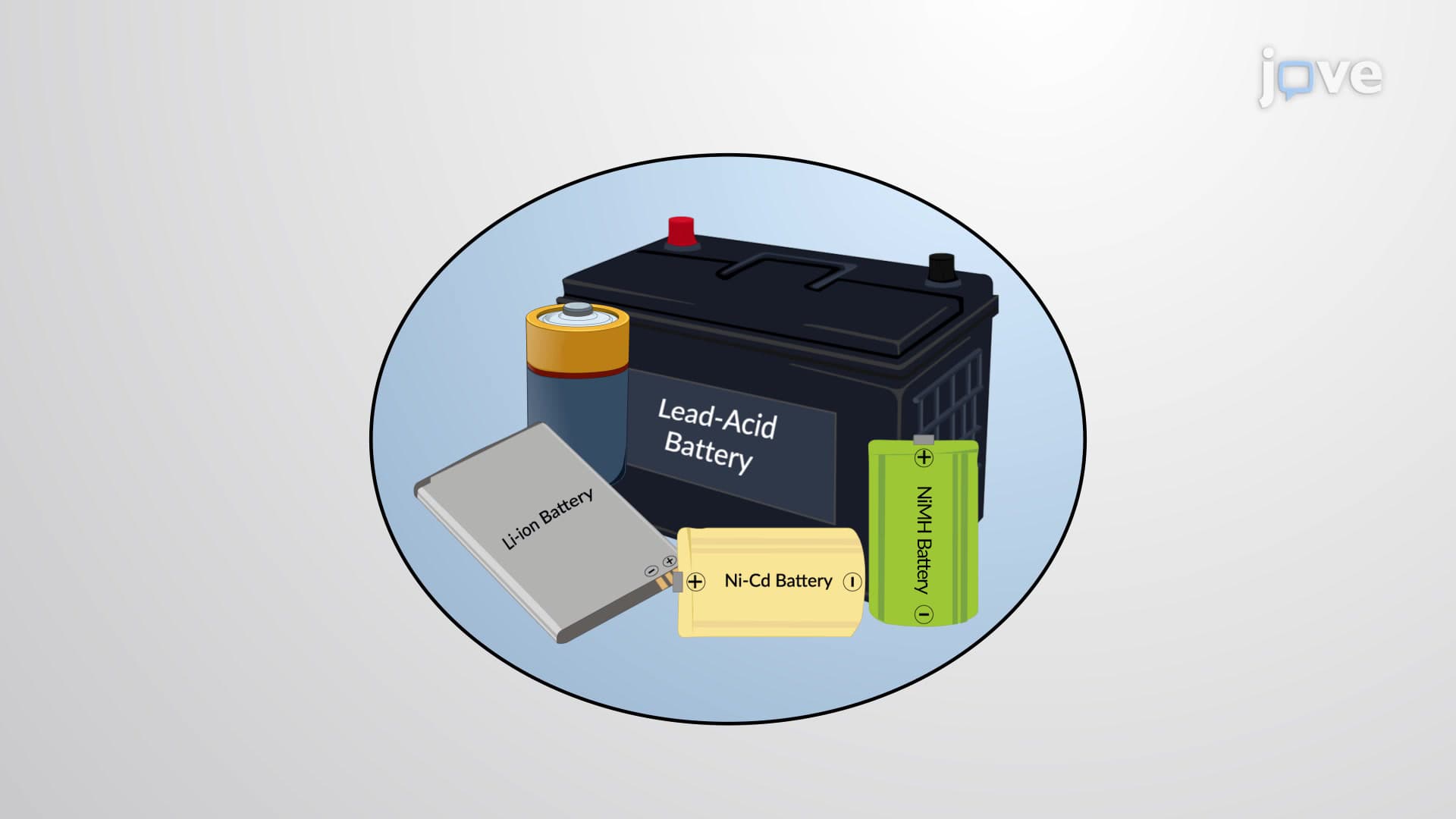
From smartphone batteries to water treatment plants, redox reactions power modern American infrastructure. Municipal water systems use chlorine-based redox reactions for disinfection, while automotive catalytic converters rely on redox processes to reduce emissions. Even baking involves redox chemistry when browning reactions create flavors and colors in foods.
Basic arithmetic and algebra suffice for most redox balancing scenarios encountered in high school and introductory college chemistry. The process relies more on systematic thinking and pattern recognition than complex calculations. Students comfortable with solving simple linear equations typically excel at redox balancing with consistent practice.
Create a step-by-step checklist and practice 15-20 problems weekly using the half-reaction method exclusively. Focus on identifying oxidation state changes before attempting to balance equations. Many successful students use flashcards for common oxidation states and practice with released AP Chemistry problems for exam-relevant difficulty levels.
Progress to electrochemistry concepts including galvanic cells, electrolysis, and standard electrode potentials. These topics directly build upon redox balancing skills and frequently appear in upper-level chemistry courses, MCAT preparation, and chemical engineering programs at universities like MIT and Stanford.
Related Micro-courses

10 Concepts
10 Concepts

12 Concepts