Loading…
Loading video…

16,906 views

Ever wondered how your smartphone amplifies weak radio signals into clear audio? Small signal analysis of bjt amplifiers is the key engineering principle behind this everyday technology. The concept of small signal analysis of bjt amplifiers involves understanding how bipolar junction transistors operate in their linear region to amplify weak signals while maintaining signal fidelity. Companies like Texas Instruments rely on these principles to design amplifier circuits found in everything from hearing aids to satellite communication systems. Watch the full video on JoVE Coach to master this concept with expert-led visuals and step-by-step explanations.
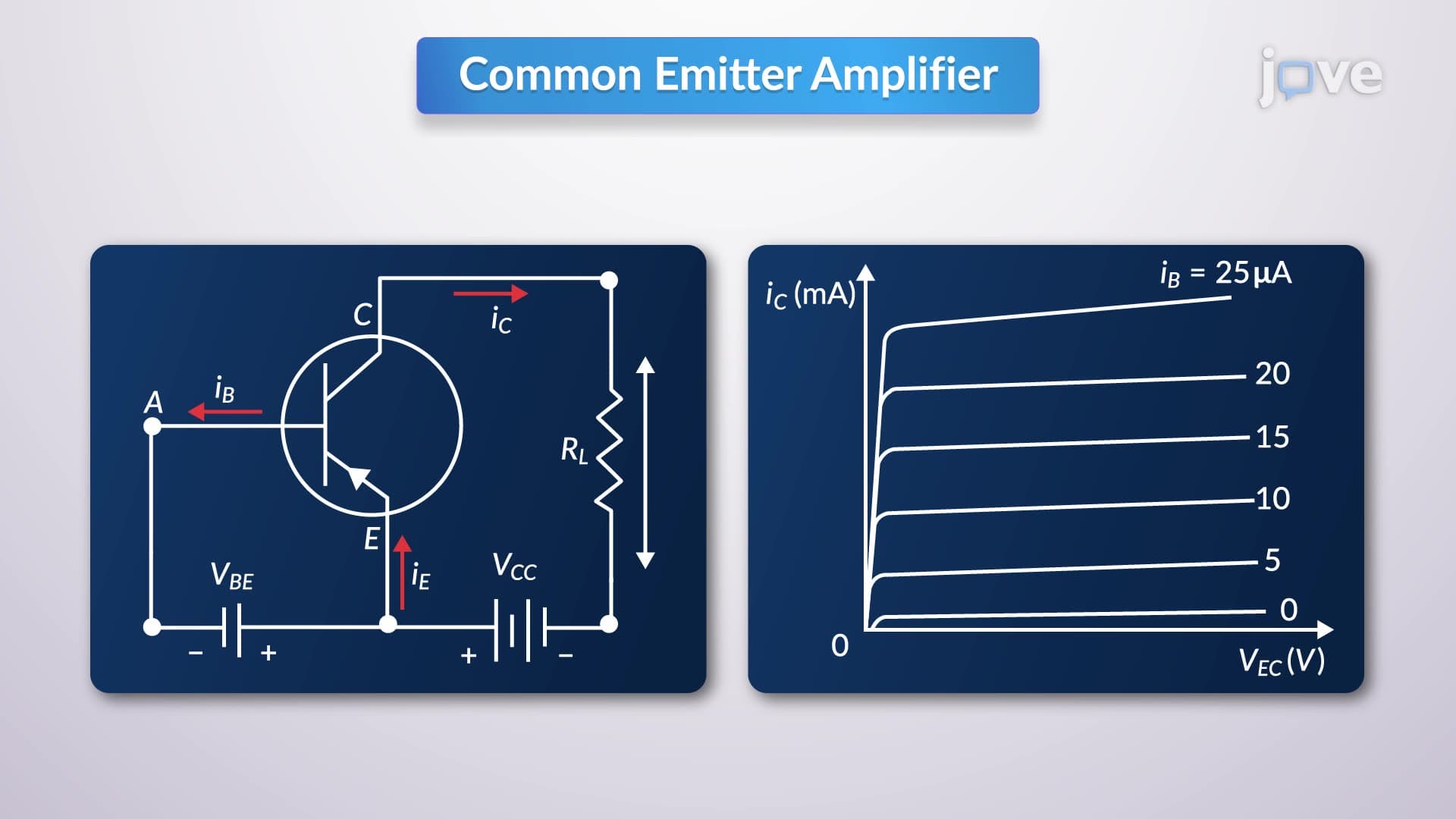
BJT amplifiers represent one of the most fundamental building blocks in modern electronics, serving as the backbone for signal amplification in countless devices. A bipolar junction transistor (BJT) functions as an amplifier by using a small input signal at the base terminal to control a much larger output signal at the collector terminal. This amplification capability makes BJT amplifiers essential components in audio equipment, radio frequency circuits, and sensor interfaces found throughout American technology infrastructure.
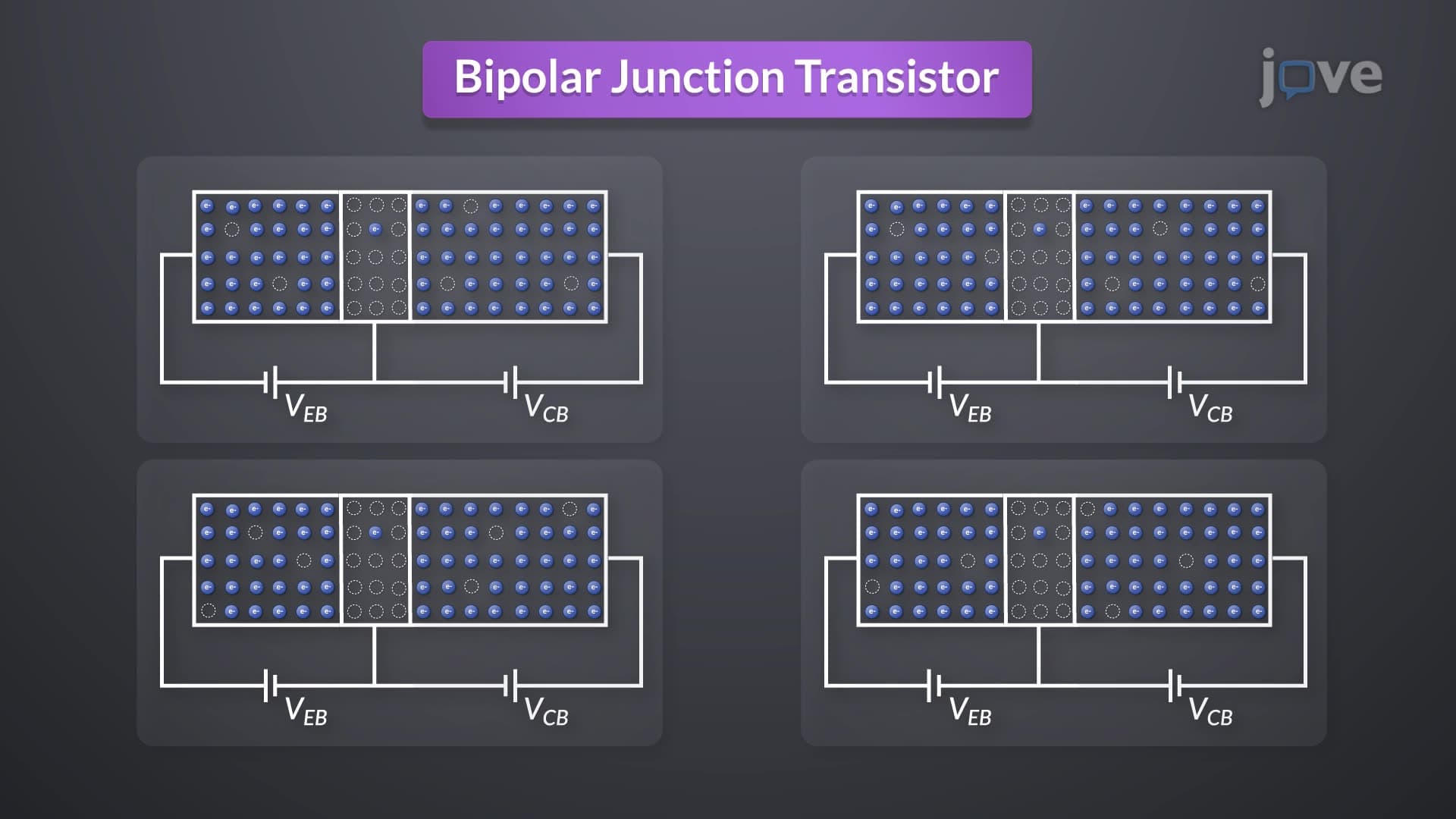
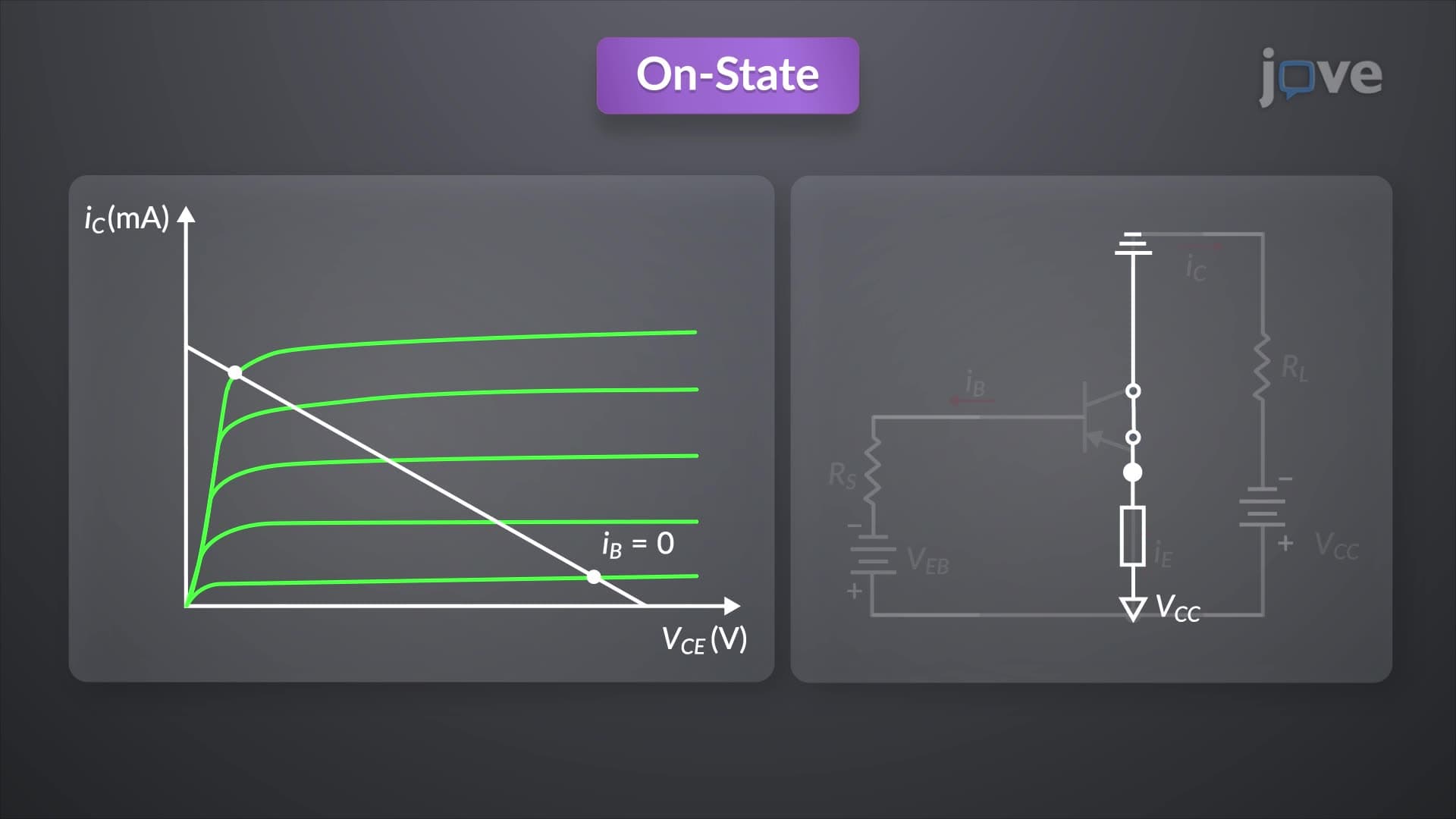
BJT transistors operate in three distinct regions: cutoff, active, and saturation. For amplification purposes, the active region is paramount because it provides the linear relationship between input and output signals necessary for faithful signal reproduction. In this region, the base-emitter junction remains forward-biased while the base-collector junction stays reverse-biased. Students preparing for AP Physics or college-level electronics courses should focus on understanding how proper biasing keeps the transistor in this active region, as this concept frequently appears on standardized exams and laboratory practical assessments.
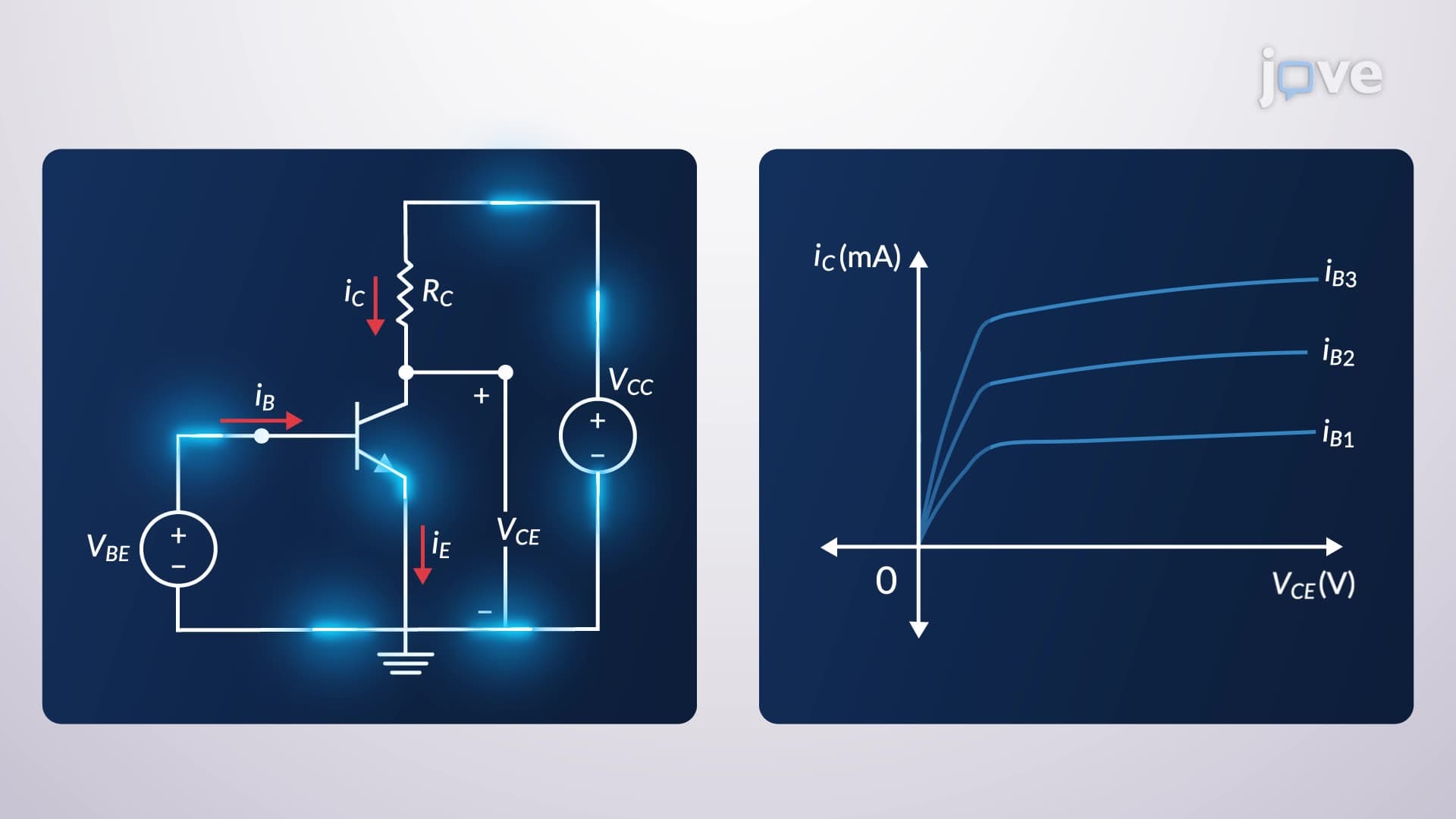
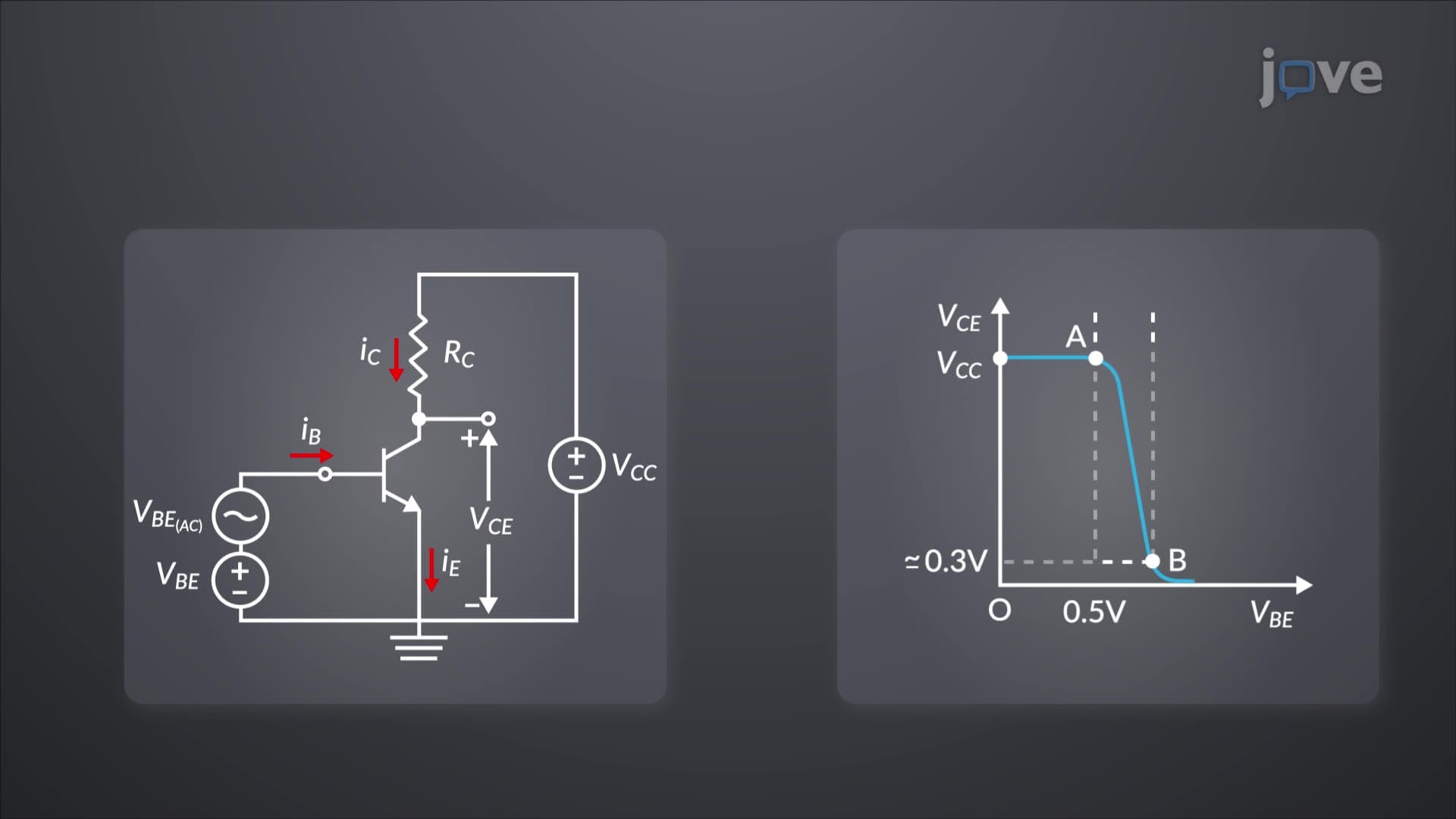
The voltage-transfer characteristic curve illustrates the relationship between input base voltage and output collector voltage, revealing the amplifier's gain properties. The quiescent point (Q-point) represents the DC operating point where the transistor rests without any AC input signal. Proper Q-point selection ensures the transistor operates in the most linear portion of its characteristic curve, maximizing amplification while minimizing distortion. Engineering programs at institutions like MIT and Stanford emphasize mastering Q-point analysis because it directly impacts amplifier performance in practical circuit designs.
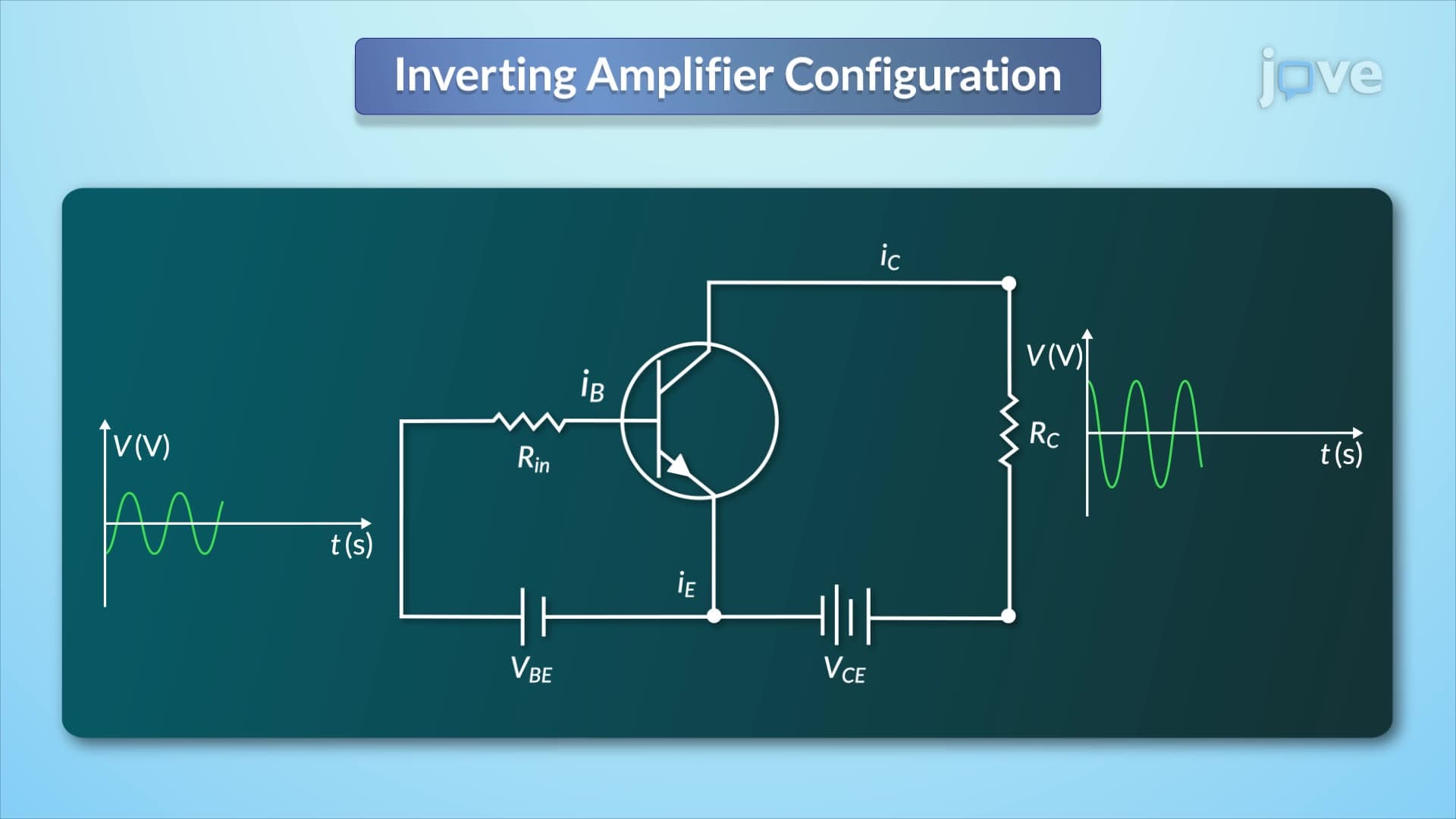
Small signal analysis examines how tiny AC variations around the DC operating point get amplified. When a small time-varying signal superimposes on the DC bias voltage, the transistor operates within a narrow, nearly linear segment of its characteristic curve. This linear operation produces an amplified output that maintains the original signal's shape while increasing its amplitude. Companies like Analog Devices and Linear Technology utilize these principles to create precision amplifiers for medical devices, automotive sensors, and industrial control systems that require high fidelity signal processing.
Frequently Asked Questions
BJT amplifiers use bipolar junction transistors to increase signal amplitude through current control mechanisms. Unlike operational amplifiers or field-effect transistor amplifiers, BJT amplifiers rely on both electron and hole current flow, making them particularly effective for high-frequency applications and providing excellent current gain characteristics.
Exam questions typically focus on calculating voltage gain, determining Q-point values, and analyzing circuit stability. Students should practice drawing load lines, interpreting characteristic curves, and solving for AC equivalent circuits. Common problems involve calculating input/output impedance and predicting amplifier frequency response.
Medical devices like ECG machines and ultrasound equipment rely heavily on signal amplification principles. MCAT physics sections test understanding of how weak biological signals get amplified for medical diagnosis. Questions often involve calculating gain ratios and understanding signal-to-noise improvement in medical instrumentation.
Texas Instruments incorporates BJT amplifiers in automotive radar systems for collision avoidance. Intel uses them in high-speed communication interfaces for data centers. Medtronic employs BJT amplification in pacemaker circuits to detect and amplify cardiac electrical signals for proper heart rhythm regulation.
Absolutely not! The concepts build naturally from basic Ohm's law and voltage divider principles already covered in introductory physics. Starting with DC analysis and gradually introducing AC concepts makes the material highly accessible. Many successful engineering students first encounter these ideas in high school AP Physics courses.
Focus on understanding the physical meaning behind mathematical relationships rather than memorizing formulas. Practice drawing equivalent circuits, work through numerical examples, and connect theoretical concepts to practical applications. Create summary sheets linking Q-point analysis to gain calculations and frequency response characteristics.
Students should progress to operational amplifier circuits, which build directly on BJT amplifier principles. Multi-stage amplifier design, feedback systems, and oscillator circuits represent natural next steps. These topics frequently appear in advanced placement courses and serve as prerequisites for computer engineering and electrical engineering degree programs.
Related Micro-courses


Related Subjects
 Civil Engineering 30 micro-courses›Mechanical Engineering 28 micro-courses›