Loading…
Loading video…

16,906 views
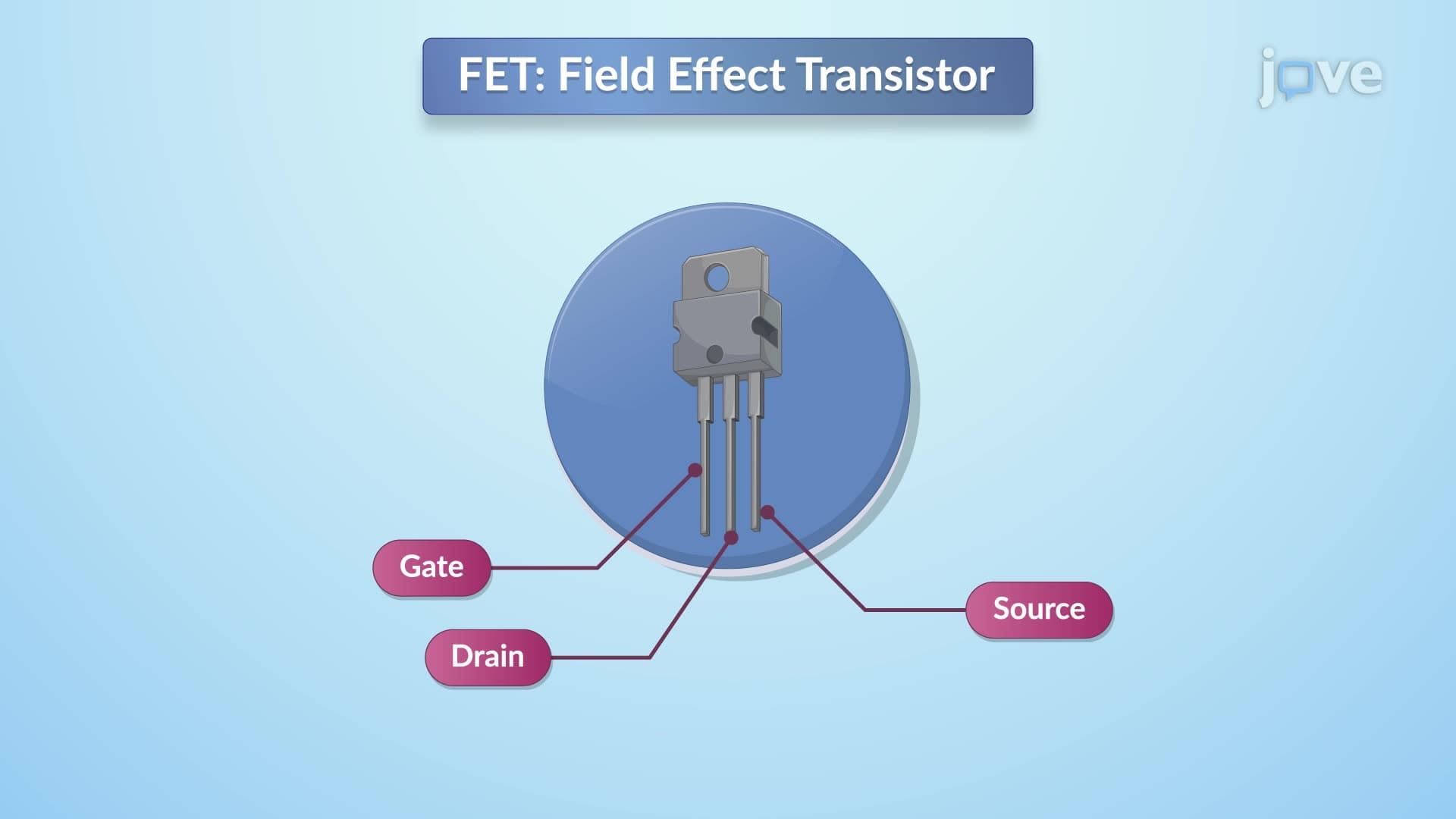
Ever wondered how your smartphone processes billions of operations per second? The characteristics of jfet and other field effect transistors make this possible through precise control of electrical current flow. These three-terminal devices—featuring gate, drain, and source terminals—form the backbone of modern electronics, from Intel's microprocessors manufactured in Oregon to power management systems in Tesla vehicles. Watch the full video on JoVE Coach to master this concept with expert-led visuals and step-by-step explanations.
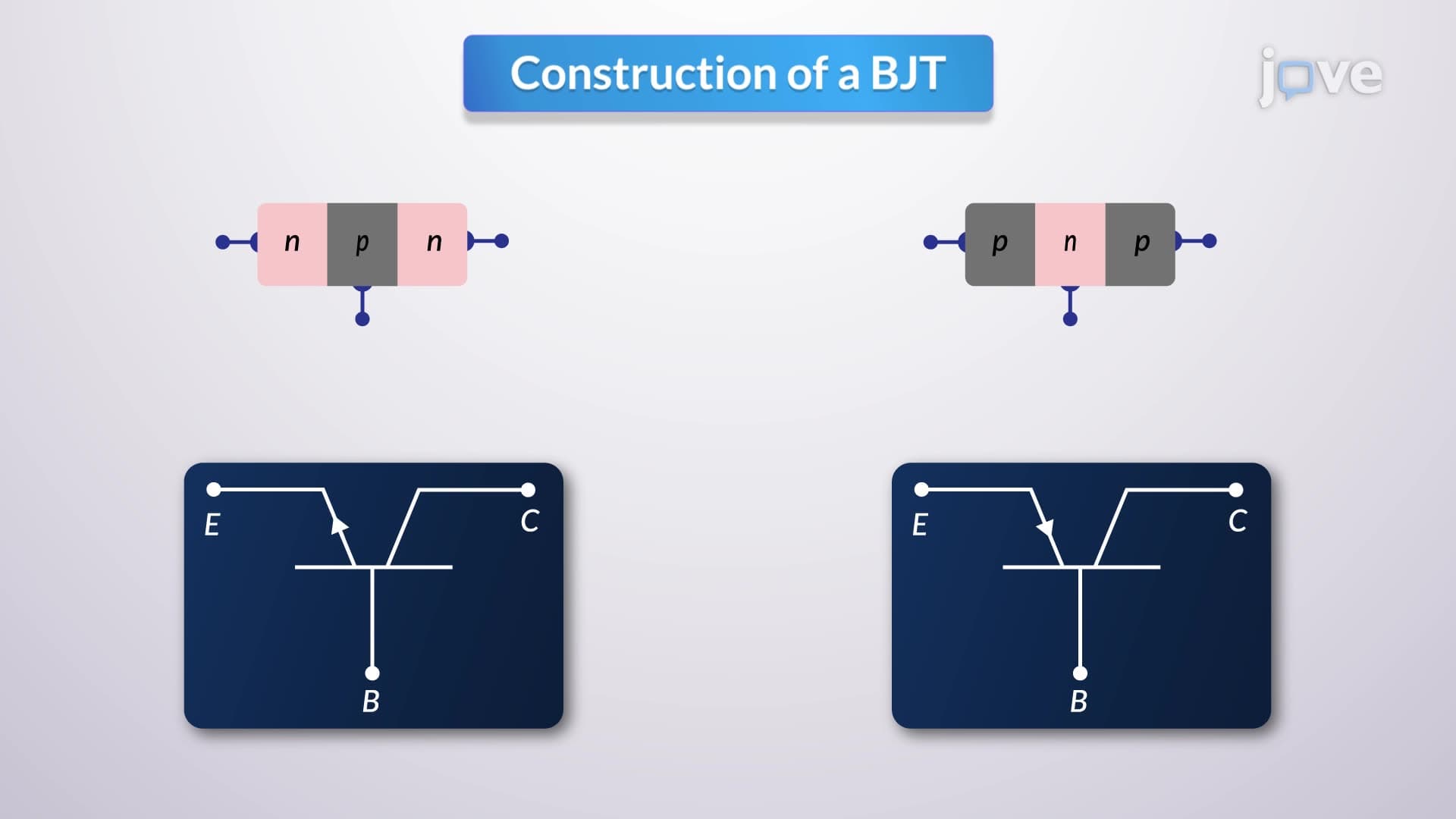
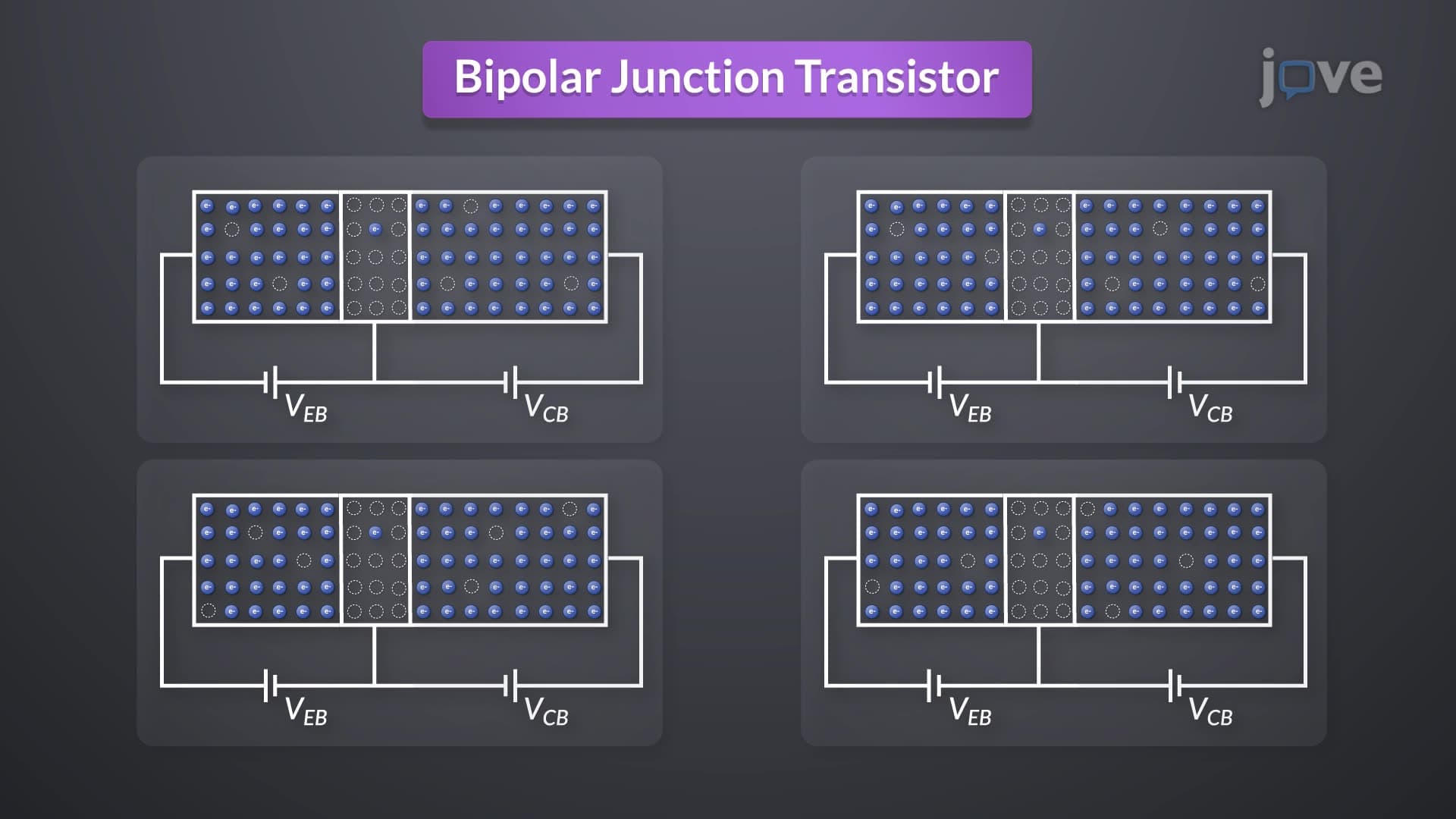
A field effect transistor represents a revolutionary approach to controlling electrical current through electric fields rather than current injection. Unlike bipolar junction transistors that rely on both electron and hole movement, FETs operate as unipolar devices, using only one type of charge carrier. This fundamental difference creates the characteristics of jfet and other FET variants that make them indispensable in modern electronics.
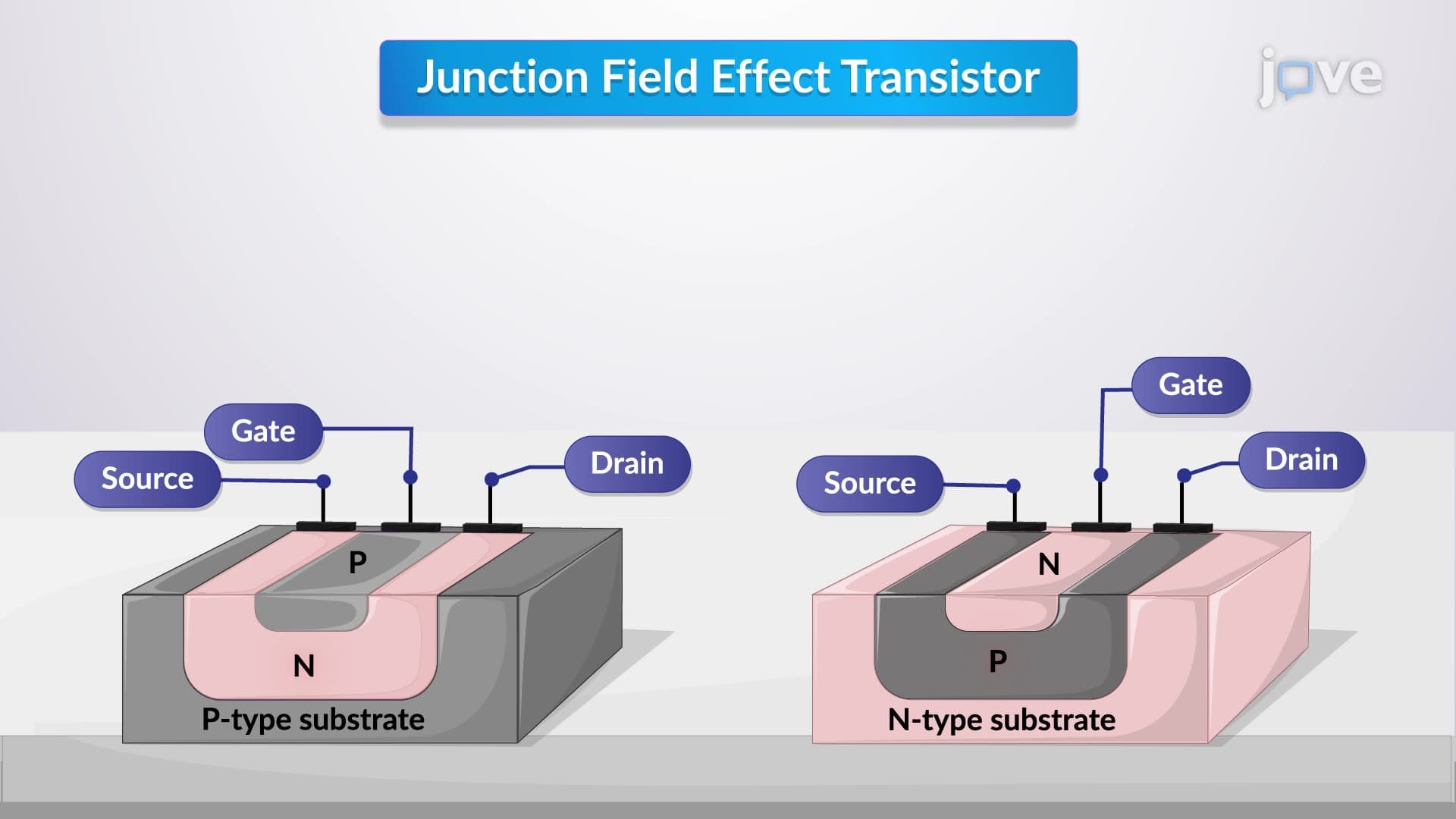
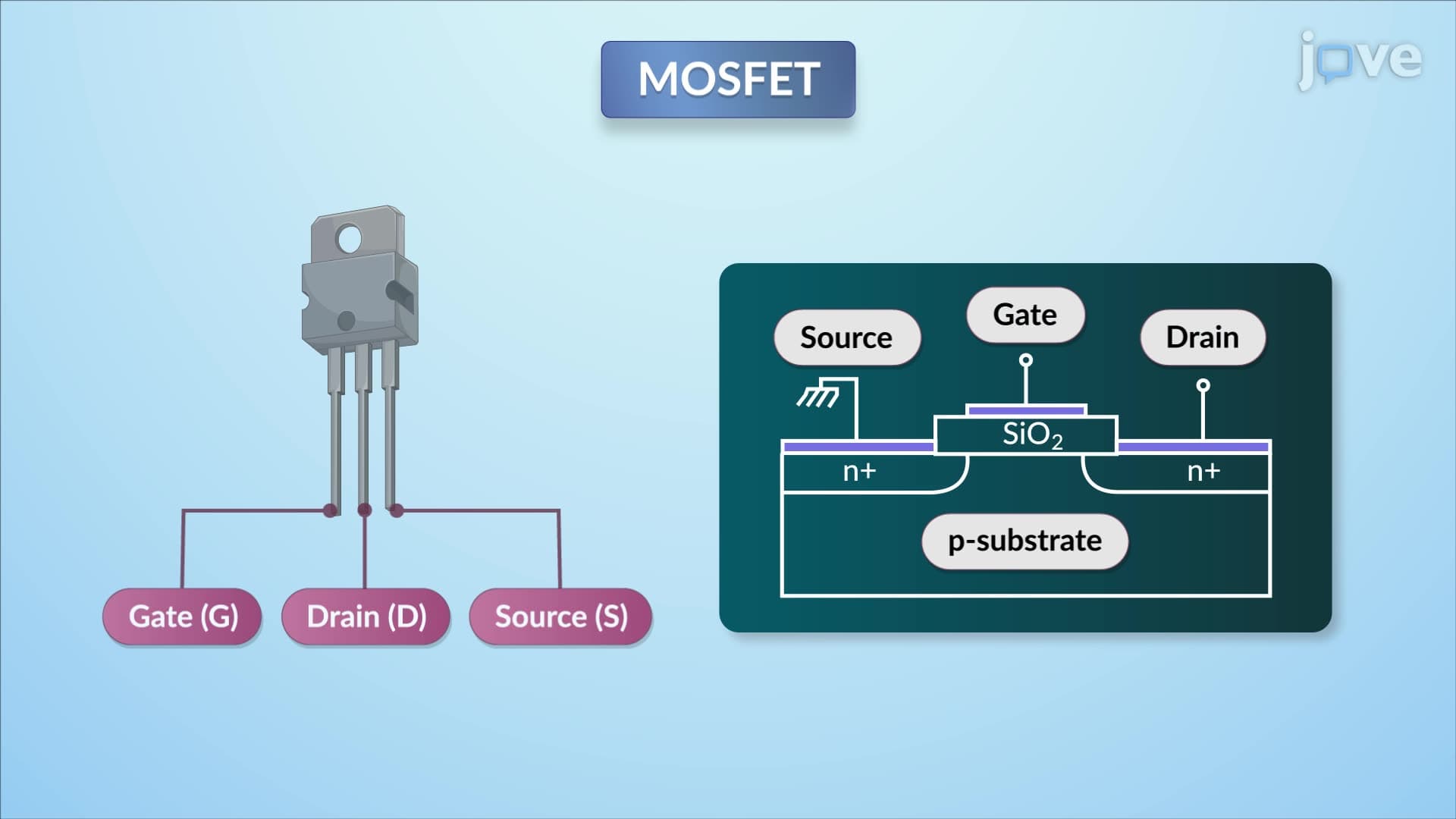
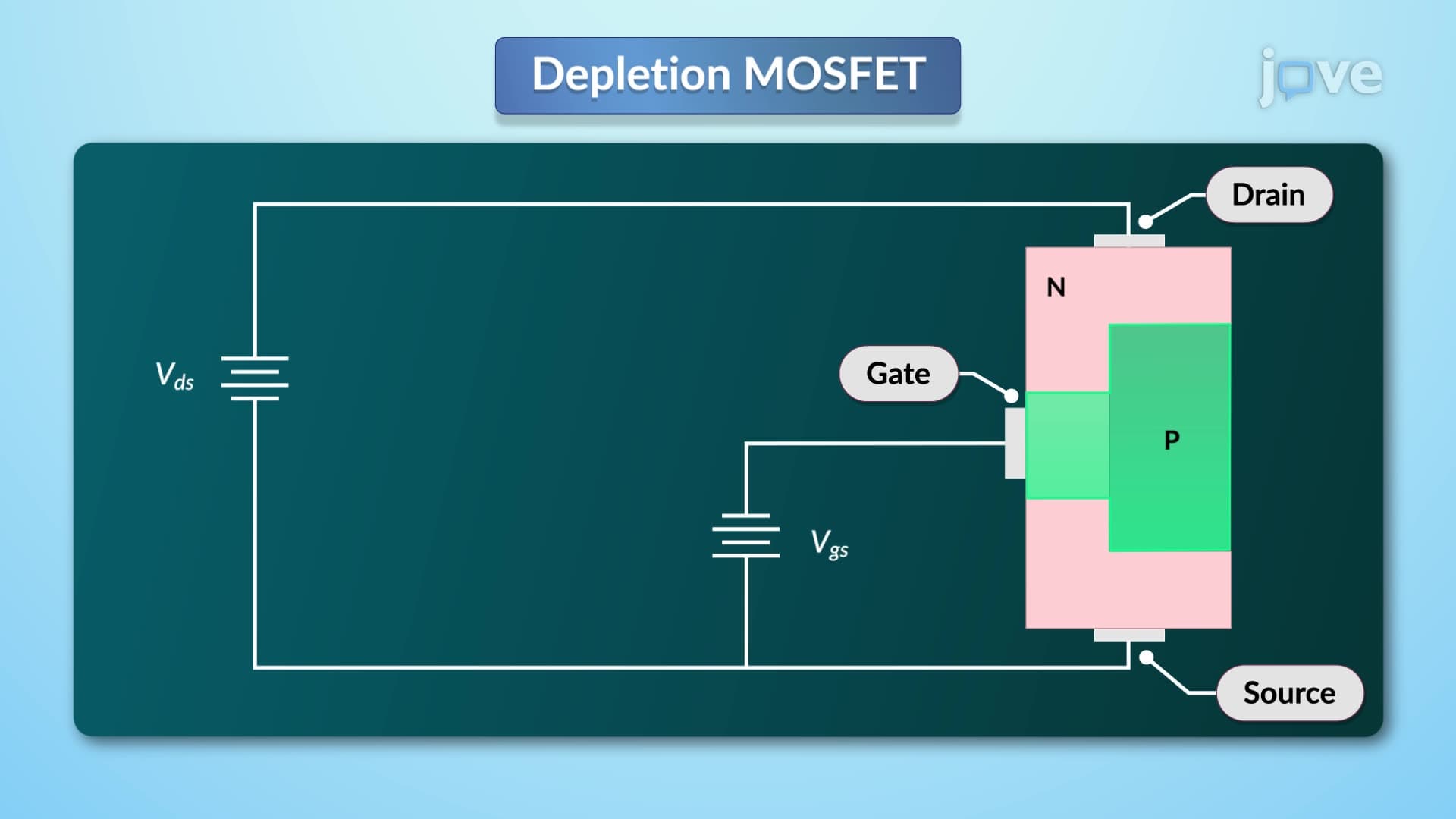
The three terminals—gate, source, and drain—work together to create a voltage-controlled current path. Current flows from source to drain through a conductive channel, while the gate terminal acts as a control electrode. By applying voltage between gate and source, engineers can precisely modulate the channel's conductivity, effectively turning the transistor on or off or controlling current flow levels.
Junction Field Effect Transistors (JFETs) utilize a p-n junction between the gate and channel to control conductivity. When reverse voltage is applied to this junction, the depletion region expands, narrowing the conductive channel and reducing current flow. This creates the distinctive characteristics of jfet that make them ideal for analog amplification circuits used in audio equipment and radio frequency applications.
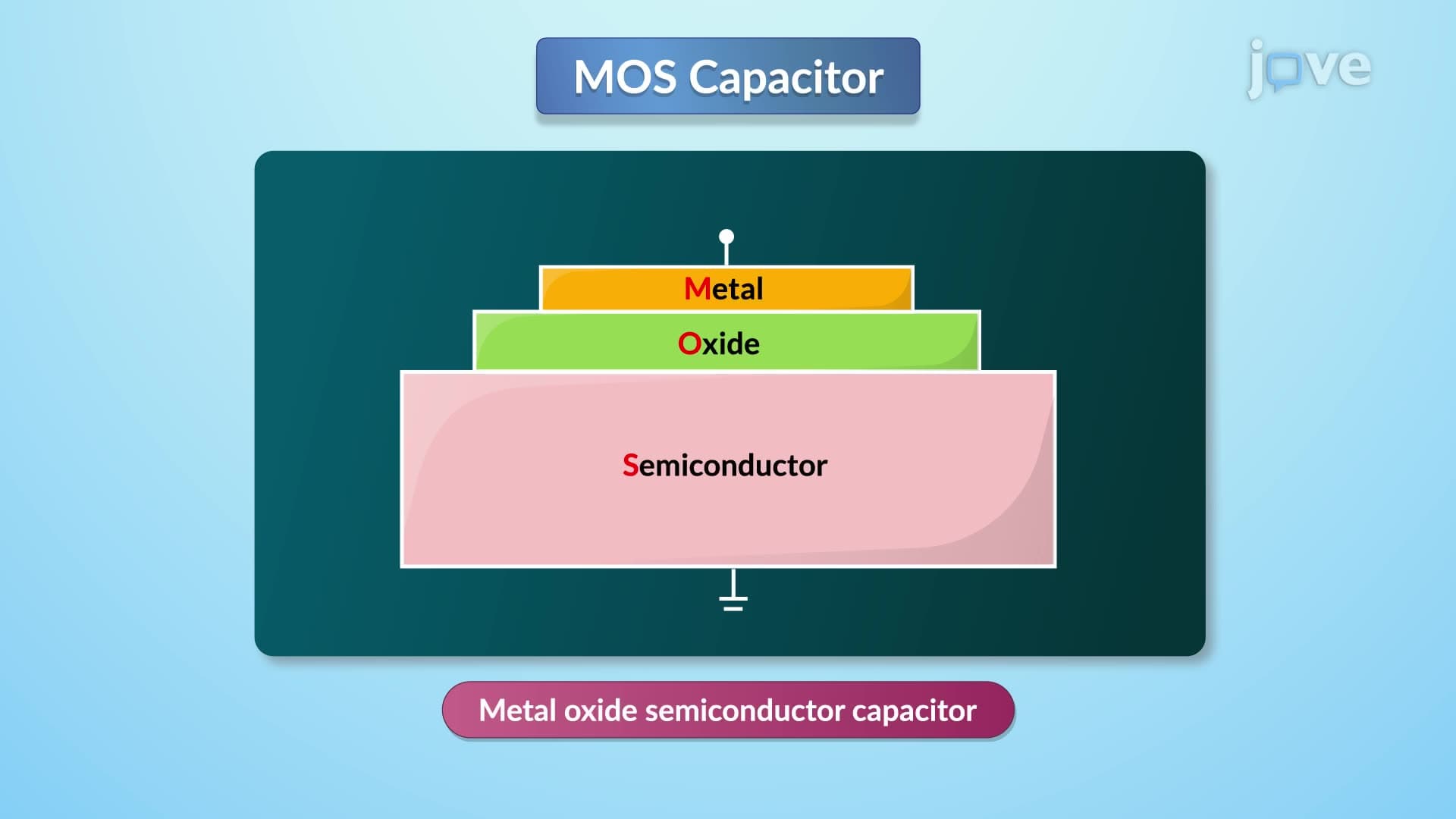
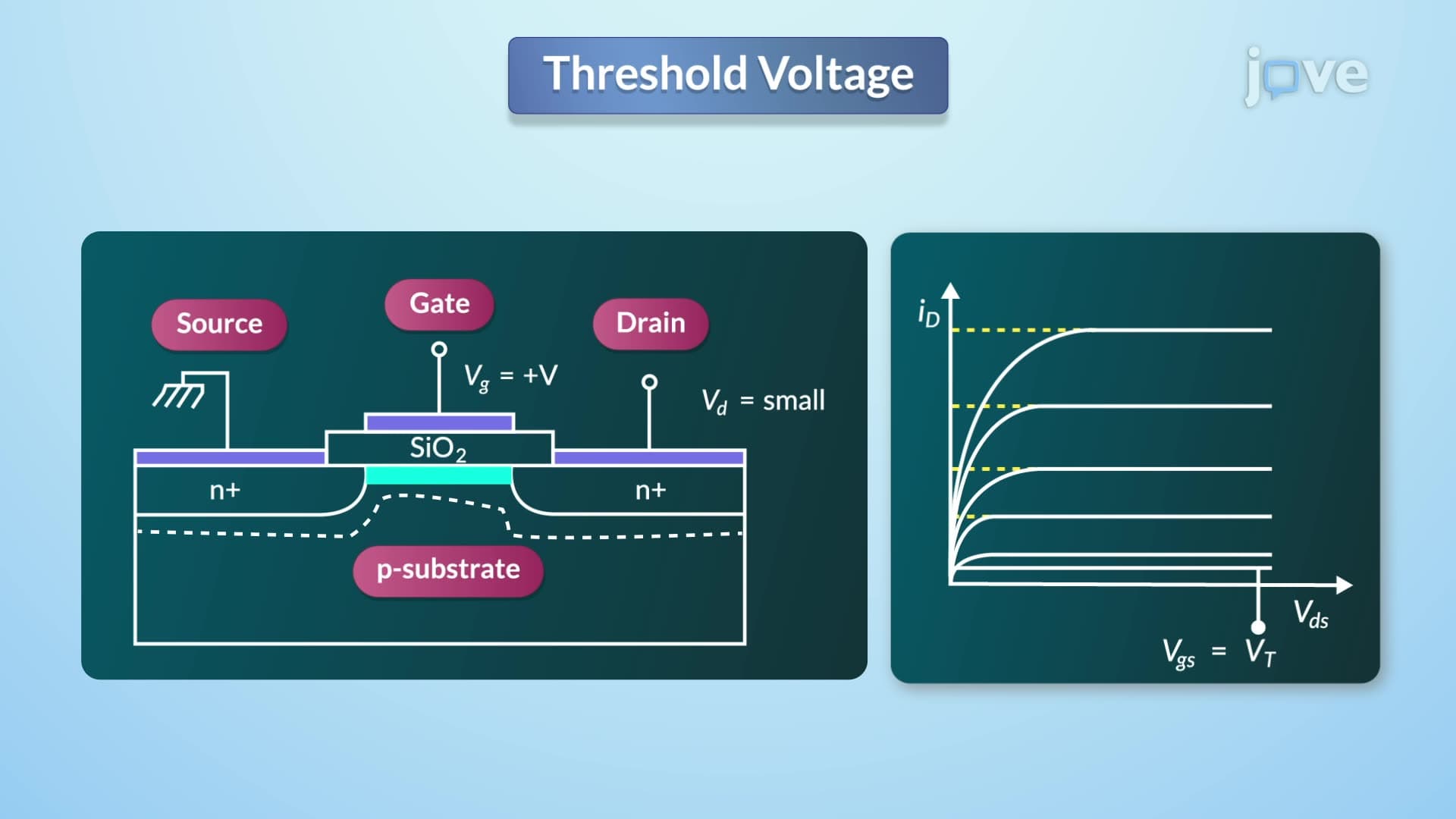
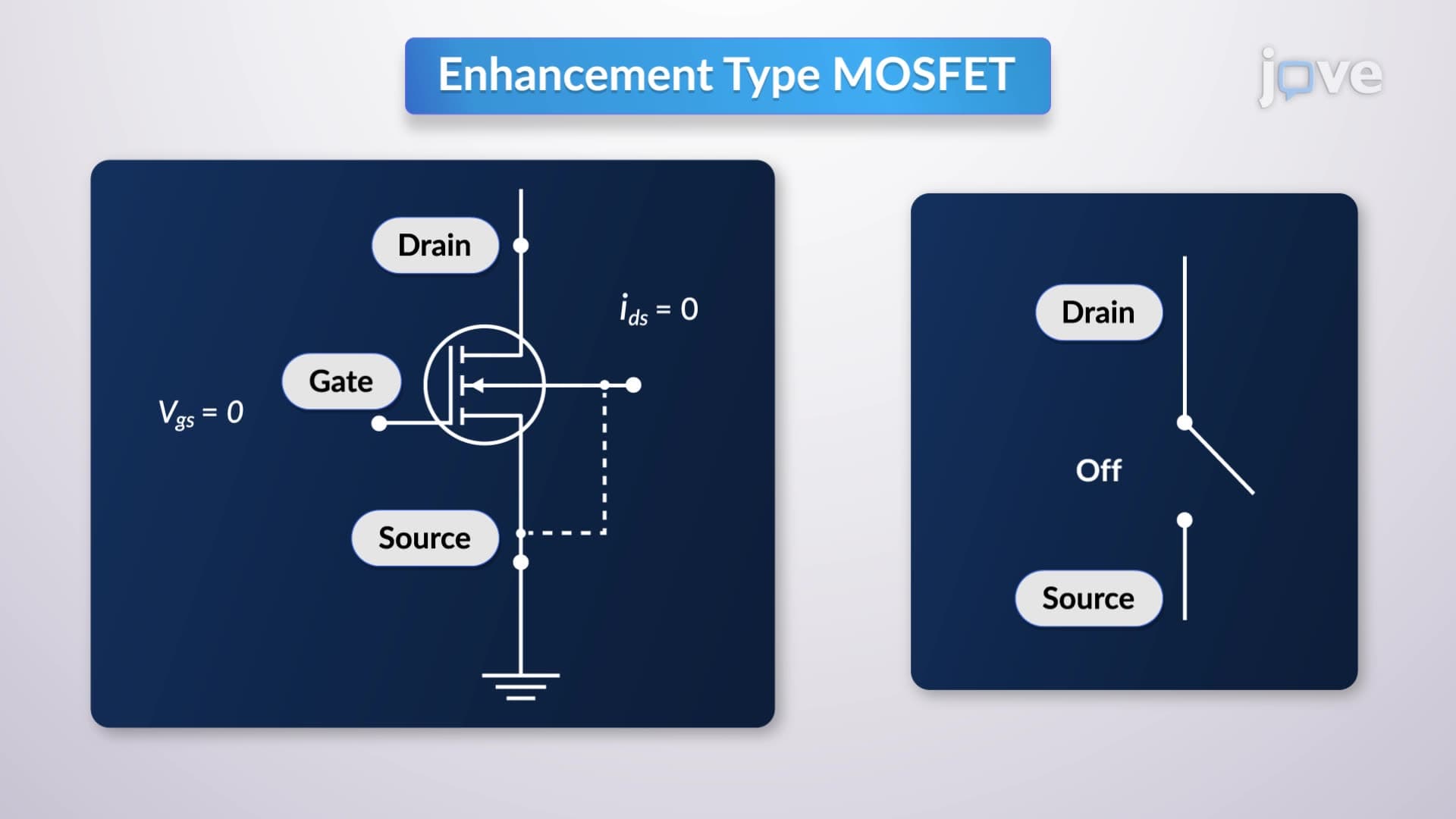
Metal-Oxide-Semiconductor FETs (MOSFETs) dominate digital electronics due to their extremely high input impedance and ability to be manufactured in complementary pairs. Companies like AMD and NVIDIA rely on MOSFET technology for their graphics processing units, while smartphone manufacturers utilize billions of these devices in their system-on-chip designs.
Metal-Semiconductor FETs (MESFETs) excel in high-frequency applications, particularly in radar systems and satellite communications. Their metal-semiconductor junction provides superior performance at microwave frequencies, making them essential components in military and aerospace applications.
The characteristics of jfet study guide reveals why these devices remain relevant despite MOSFET dominance in digital circuits. JFETs offer superior noise performance and temperature stability, making them preferred choices for precision analog circuits in medical instrumentation and scientific equipment manufactured by companies like Texas Instruments and Analog Devices.
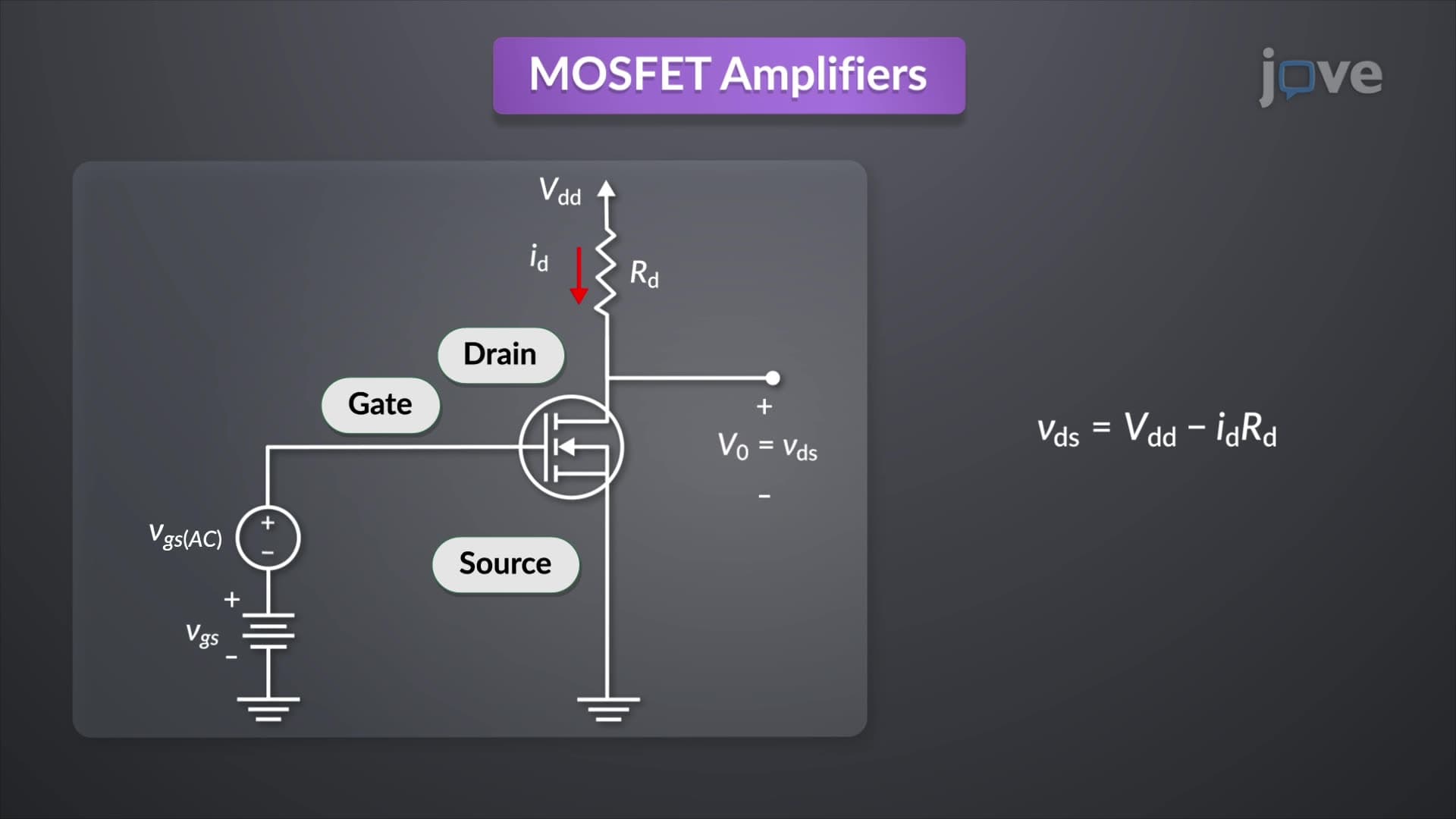
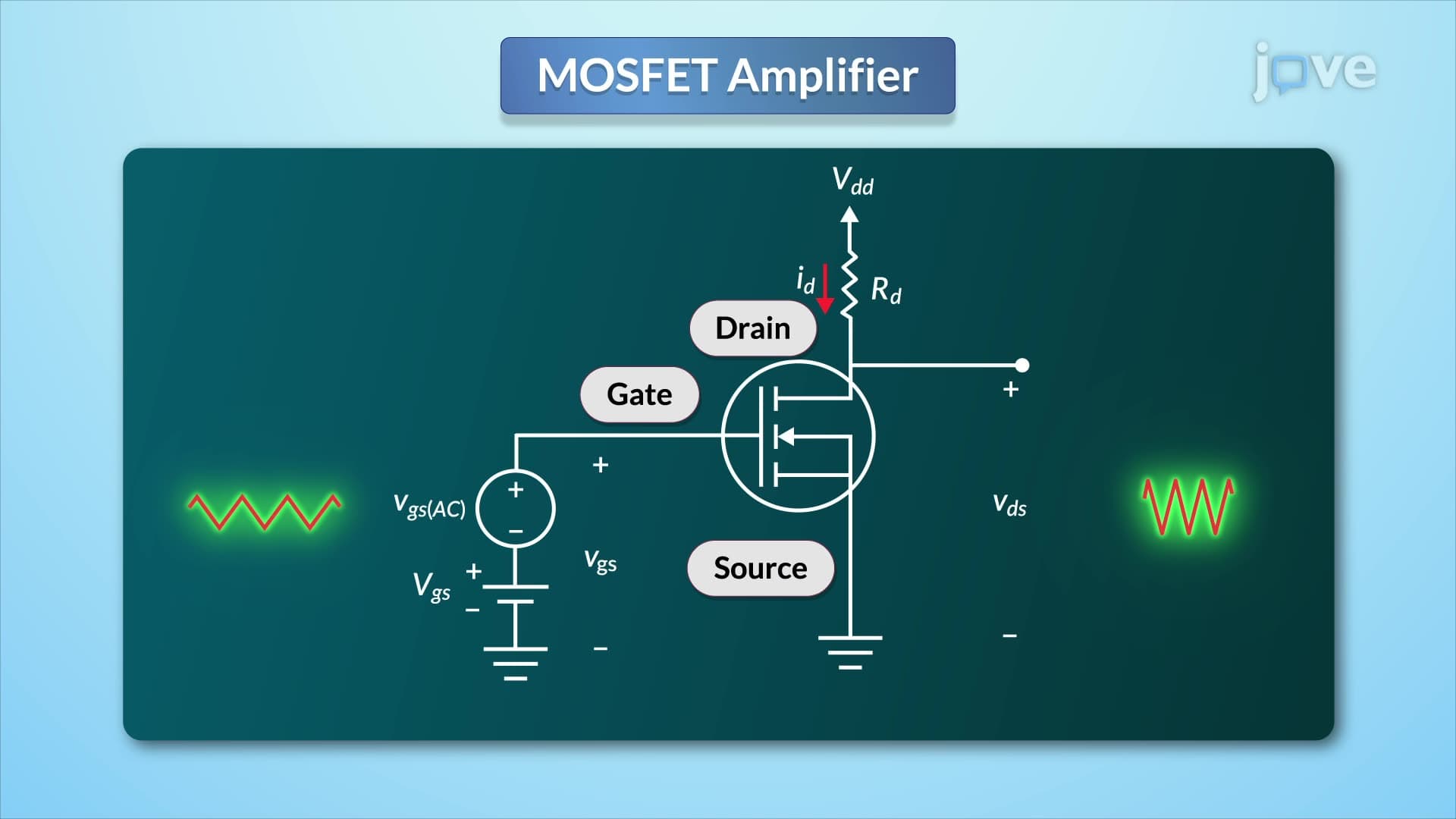
In amplifier design, JFETs provide high input impedance while maintaining excellent linearity, crucial for audio applications where signal distortion must be minimized. Their self-biasing capability simplifies circuit design, while their inherent current limiting provides built-in protection against overcurrent conditions.
For students preparing for AP Physics or college-level electronics courses, understanding these characteristics of jfet basics provides essential foundation knowledge for more advanced semiconductor device physics and electronic circuit design.
Frequently Asked Questions
A field effect transistor is a three-terminal semiconductor device that controls current flow through an electric field rather than current injection. The gate terminal creates an electric field that modulates the conductivity of a channel between source and drain terminals. This voltage-controlled operation provides high input impedance and low power consumption compared to current-controlled bipolar transistors.
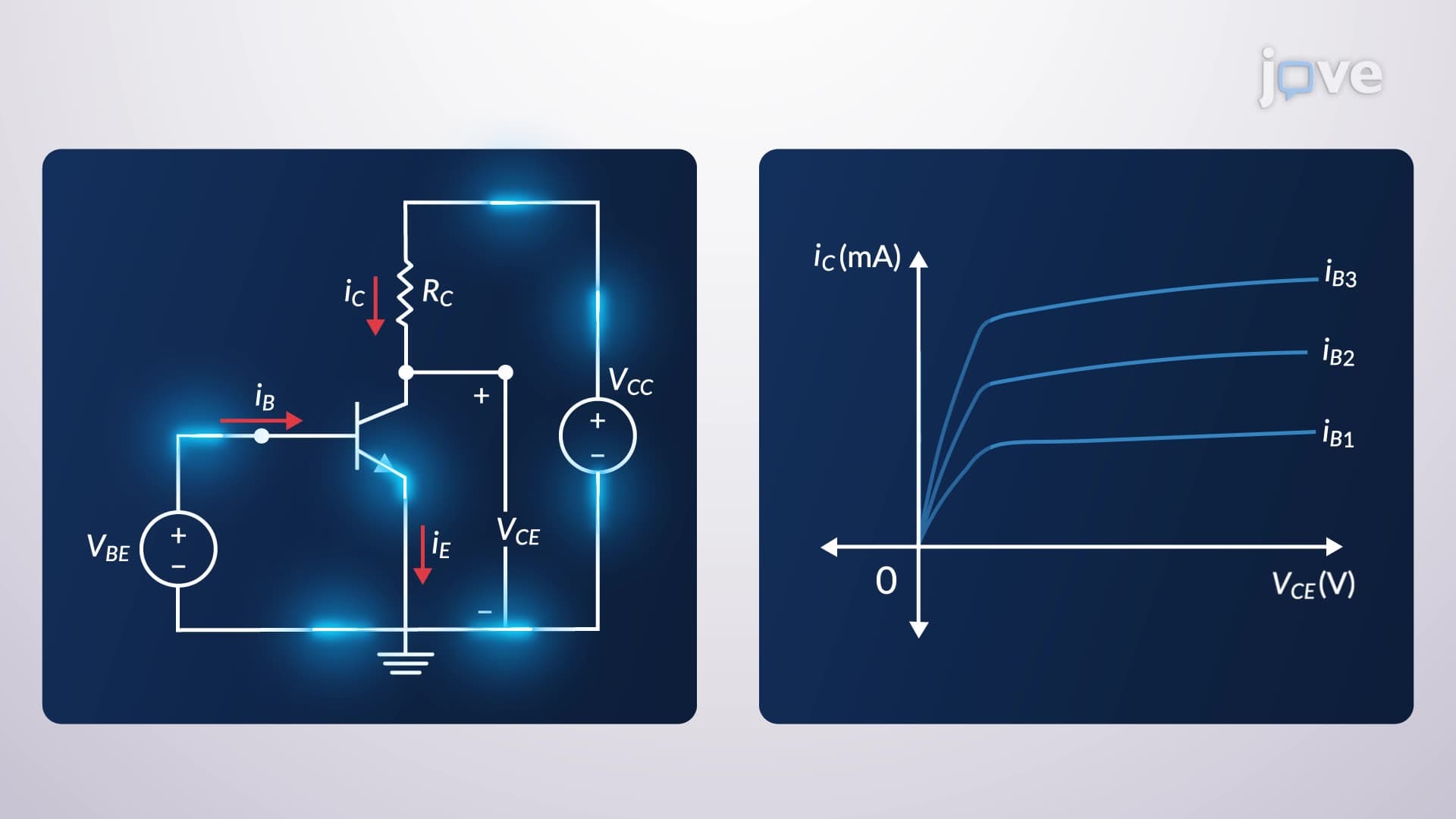
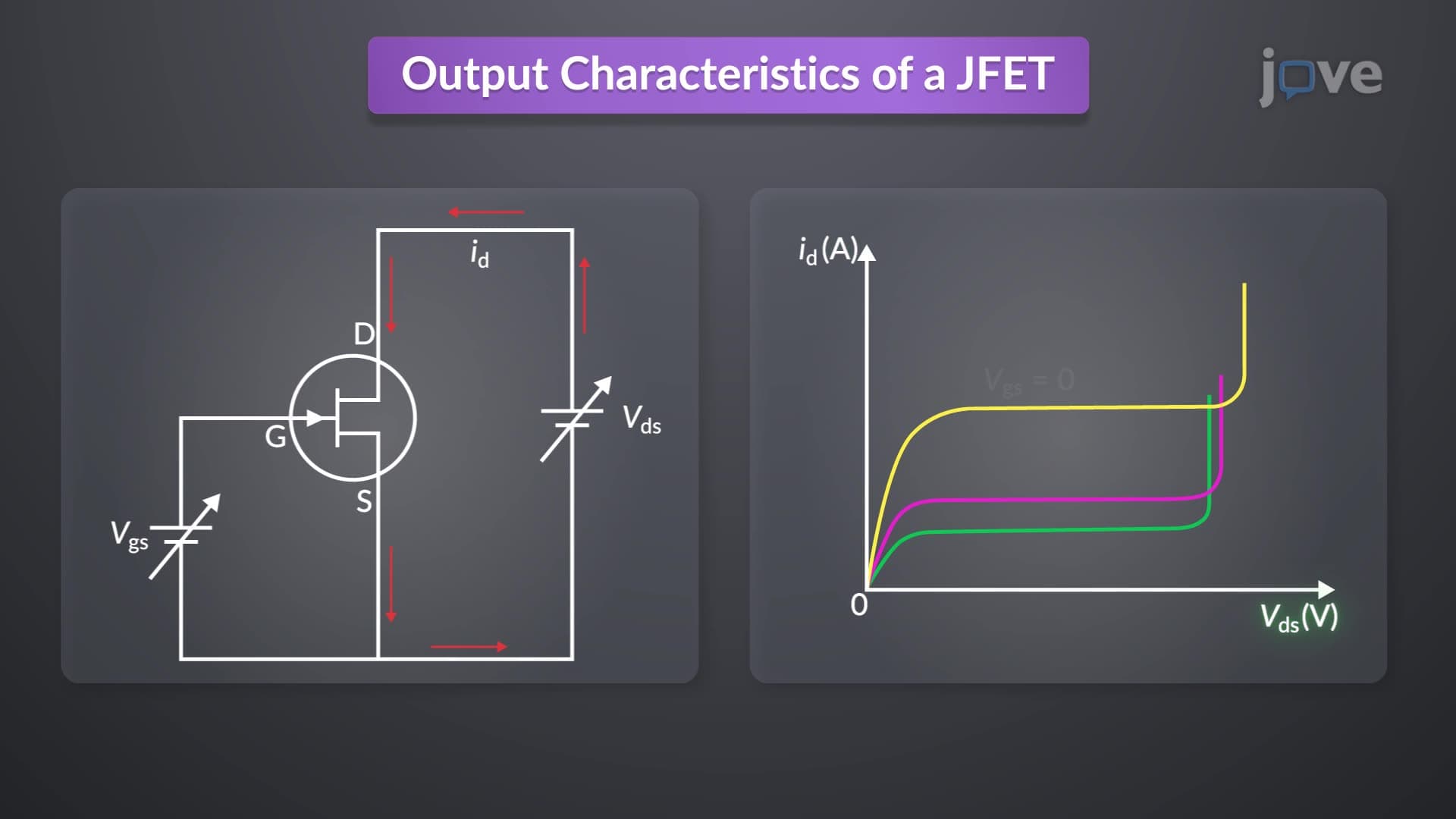
JFET characteristics include transfer characteristics (showing drain current vs. gate-source voltage) and output characteristics (drain current vs. drain-source voltage). Students should understand pinch-off voltage, saturation region operation, and transconductance parameters. These concepts frequently appear on AP Physics exams and college electronics midterms, particularly in circuit analysis problems.
AP Physics exams often test JFET operation through circuit analysis problems requiring students to determine operating points and calculate current values. Questions may involve identifying saturation vs. linear regions or calculating transconductance from characteristic curves. Understanding drain current equations and voltage relationships is essential for earning full credit on free-response questions.
JFETs are extensively used in precision instrumentation by companies like Keithley Instruments and National Instruments for data acquisition systems. Audio equipment manufacturers such as Fender and Marshall utilize JFETs in guitar amplifiers for their low-noise characteristics. Medical device companies employ JFETs in electrocardiogram machines and other sensitive measurement equipment due to their high input impedance.
Basic algebra and graphing skills from high school math are sufficient to understand JFET characteristics and operation principles. While advanced semiconductor physics involves calculus and differential equations, introductory JFET concepts focus on voltage-current relationships and circuit analysis using Ohm's law. Students with Algebra II background can successfully master these fundamental concepts.
Focus on understanding characteristic curves through practice problems rather than memorizing equations. Create summary sheets showing different operating regions and their corresponding equations. Practice circuit analysis problems from past AP exams or college textbooks, emphasizing graphical interpretation of JFET behavior. Form study groups to discuss real-world applications and solve problems collaboratively.
Progress to MOSFET operation and characteristics, followed by amplifier design principles and frequency response analysis. Advanced topics include small-signal modeling, feedback systems, and integrated circuit design. Students interested in semiconductor physics should explore device fabrication processes and quantum mechanical effects in modern transistors.
JFETs serve as an excellent introduction to field-effect principles before studying MOSFETs and other advanced devices. Understanding JFET operation provides foundation knowledge for analyzing more complex transistor circuits and integrated systems. Many electronics textbooks use JFETs to introduce concepts of transconductance, input impedance, and amplifier design that apply across all FET families.
Related Micro-courses


Related Subjects
 Civil Engineering 30 micro-courses›Mechanical Engineering 28 micro-courses›