Loading…
Loading video…

16,906 views
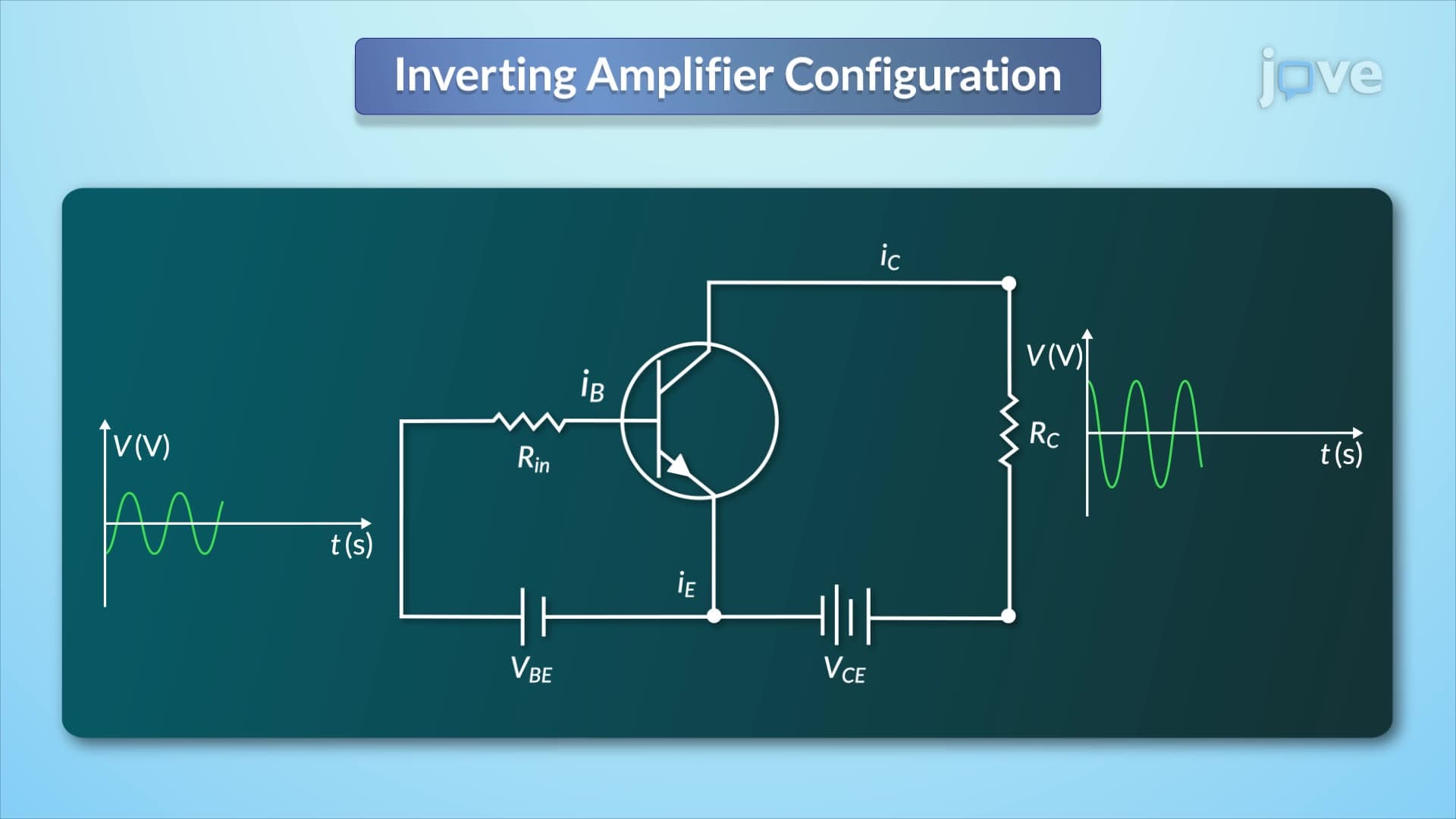
Ever wonder how your smartphone processes millions of calculations per second? The secret lies in configurations of bjt (bipolar junction transistors), the fundamental building blocks powering everything from Apple's A-series processors to Tesla's electric vehicle control systems. What is Bipolar Junction Transistor technology reveals how these three-terminal semiconductor devices revolutionized electronics by controlling current flow through strategic doping of emitter, base, and collector regions. Watch the full video on JoVE Coach to master this concept with expert-led visuals and step-by-step explanations.
Bipolar Junction Transistors represent a cornerstone of modern electronics, distinguished by their unique three-layer semiconductor structure. Unlike field-effect transistors that rely solely on electric fields, BJTs utilize both electron and hole carriers—hence the term "bipolar." This dual-carrier mechanism enables exceptional current amplification capabilities that make BJTs indispensable in high-performance applications.
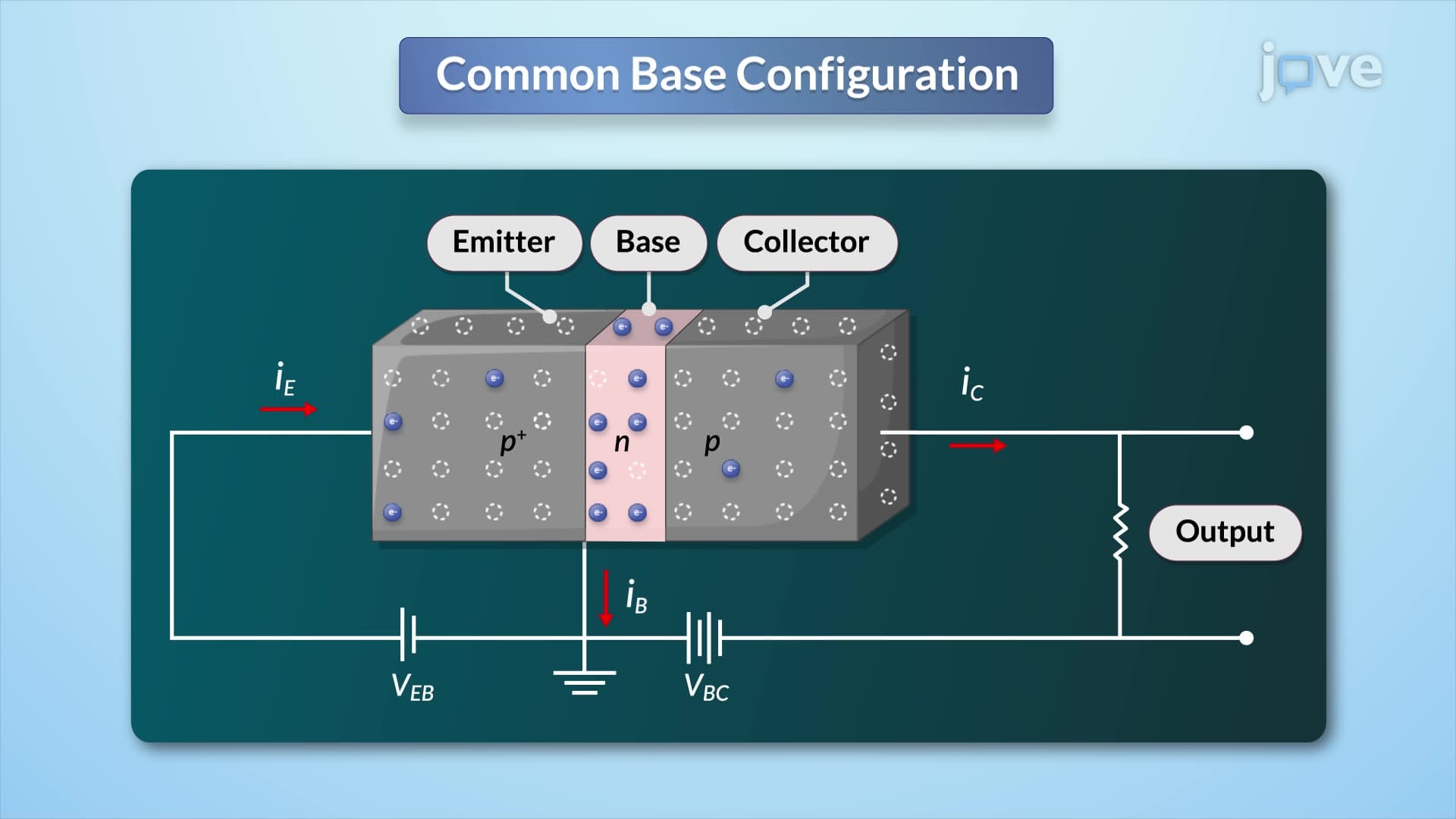
The fundamental BJT structure consists of three precisely engineered regions. The emitter, heavily doped with impurities, serves as the primary source of charge carriers. The base region, though moderately doped, remains intentionally thin—typically less than the minority carrier diffusion length. This critical dimension ensures efficient carrier transport across the junction. The collector, lightly doped and physically largest, captures the majority of carriers flowing from the emitter.
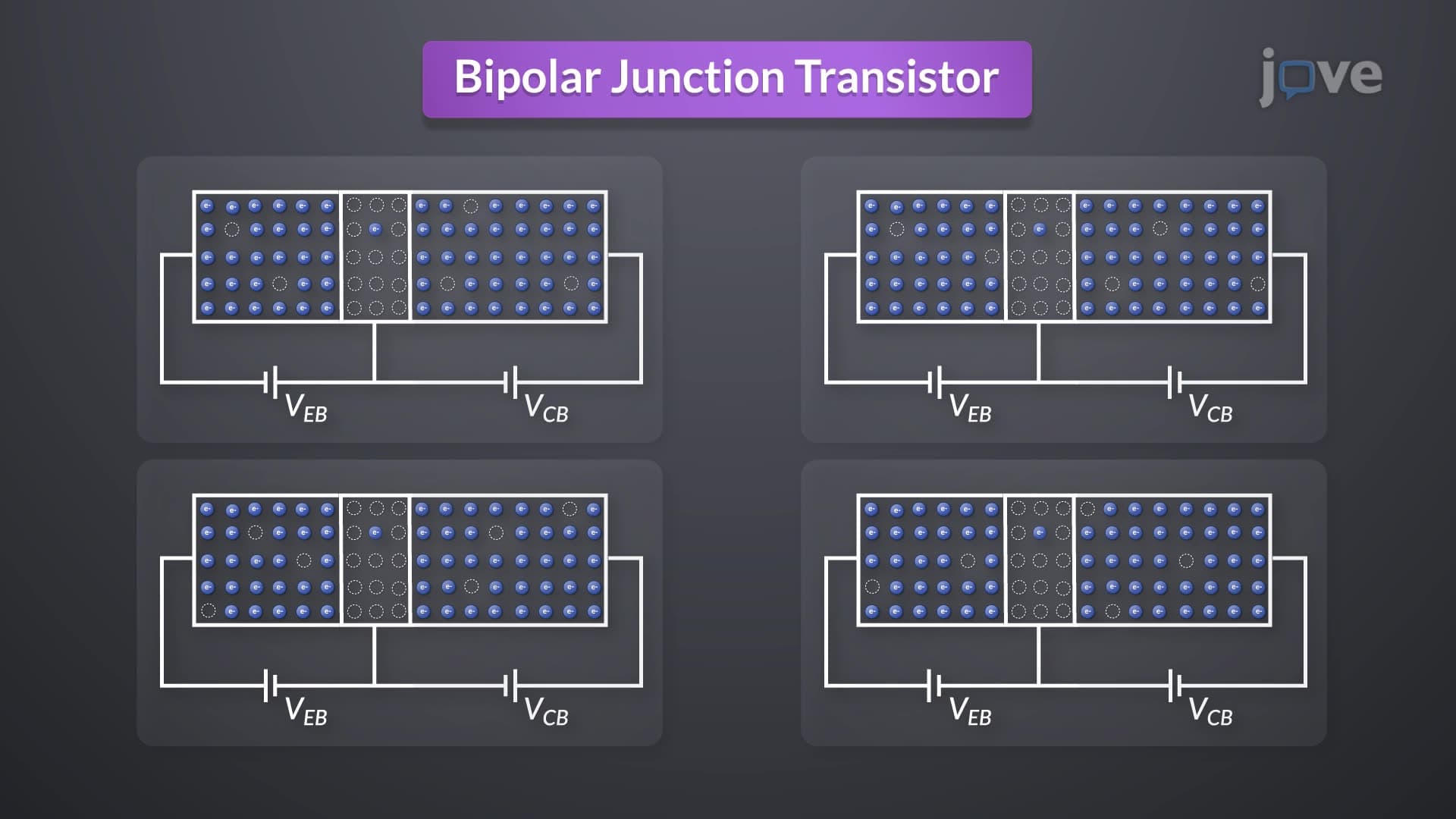
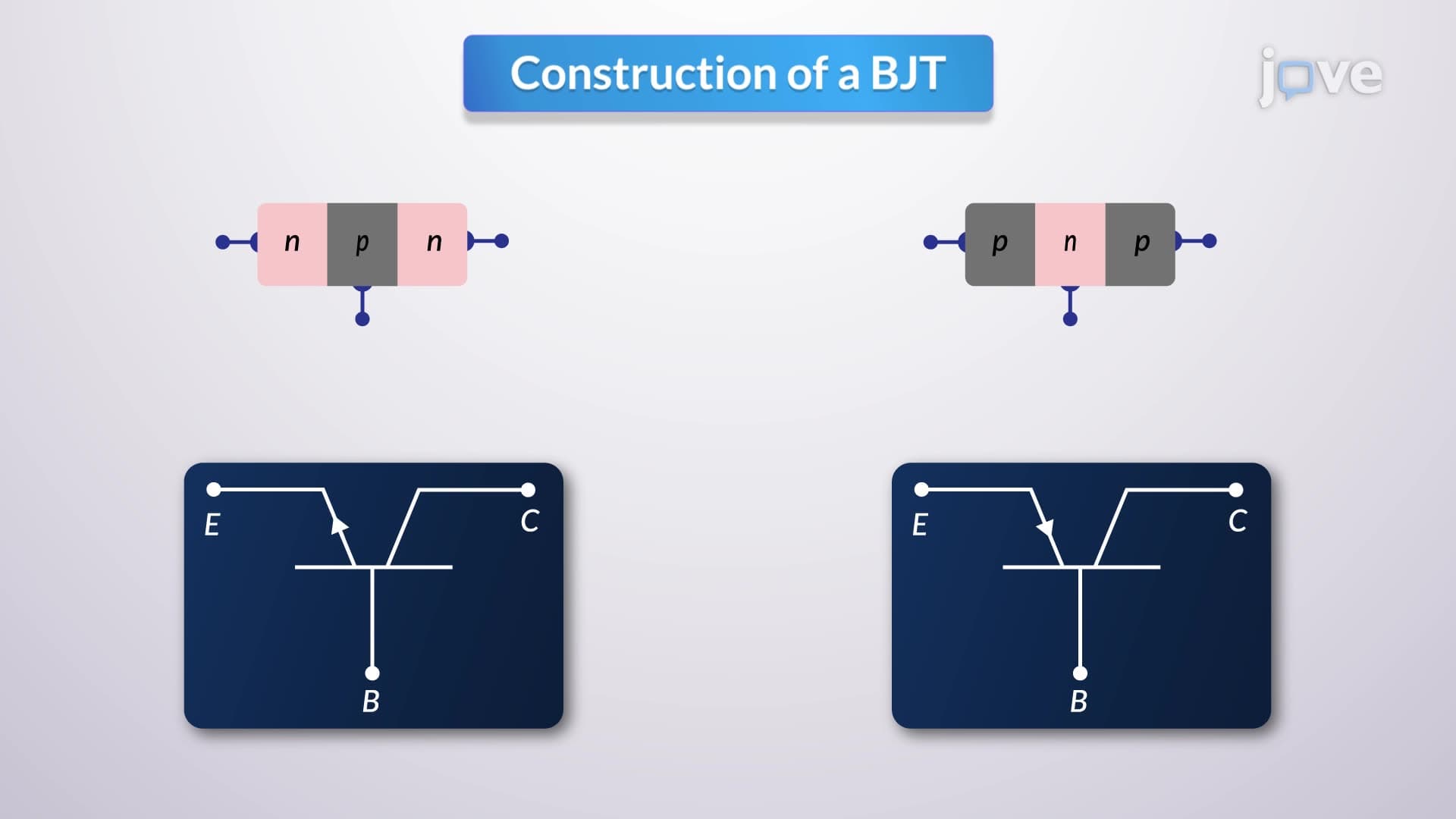
Configurations of bjt definition centers on the arrangement of P-type and N-type semiconductor materials. NPN transistors feature a thin P-type base sandwiched between two N-type regions, while PNP transistors reverse this pattern. This structural difference fundamentally affects current flow direction and biasing requirements.
In US engineering curricula, students encounter these configurations extensively in courses like ECE 2040 at Georgia Tech or EE 16A at UC Berkeley. Understanding configurations of bjt basics proves essential for AP Physics C: Electricity and Magnetism, where transistor operation frequently appears in free-response questions.
What is configurations of bjt in detail becomes clearer when examining real-world implementations. Intel's processor architectures utilize billions of BJTs in complementary configurations, enabling the logic gates that power everything from medical imaging systems at Mayo Clinic to NASA's Mars rover communications. The automotive industry, particularly companies like General Motors and Ford, relies heavily on BJT-based power amplifiers for electric vehicle motor control systems.
Configurations of bjt study guide approaches typically emphasize the relationship between physical structure and electrical behavior. Students preparing for the MCAT encounter BJT principles in passages about biomedical devices like pacemakers and neural stimulators. Understanding configurations of bjt concept proves crucial for success in undergraduate circuits courses, where problems often involve calculating current gain, input/output impedance, and frequency response characteristics.
The bipolar nature of these devices creates unique advantages in analog applications, particularly in operational amplifier designs used throughout US research institutions and industrial facilities. This understanding forms the foundation for advanced topics in semiconductor physics and electronic system design.
Frequently Asked Questions
A Bipolar Junction Transistor is a three-terminal semiconductor device that controls current flow using both electrons and holes as charge carriers. Unlike field-effect transistors that use electric fields, BJTs rely on current injection across p-n junctions. This bipolar operation provides excellent current amplification and fast switching capabilities, making them ideal for high-frequency applications and precision analog circuits.
AP Physics C frequently tests BJT configurations through circuit analysis problems and conceptual questions about semiconductor physics. Students must identify NPN vs PNP types, explain current flow directions, and calculate basic parameters like current gain. The College Board emphasizes understanding the relationship between doping concentrations and transistor behavior, particularly in free-response sections worth 15-20% of the total score.
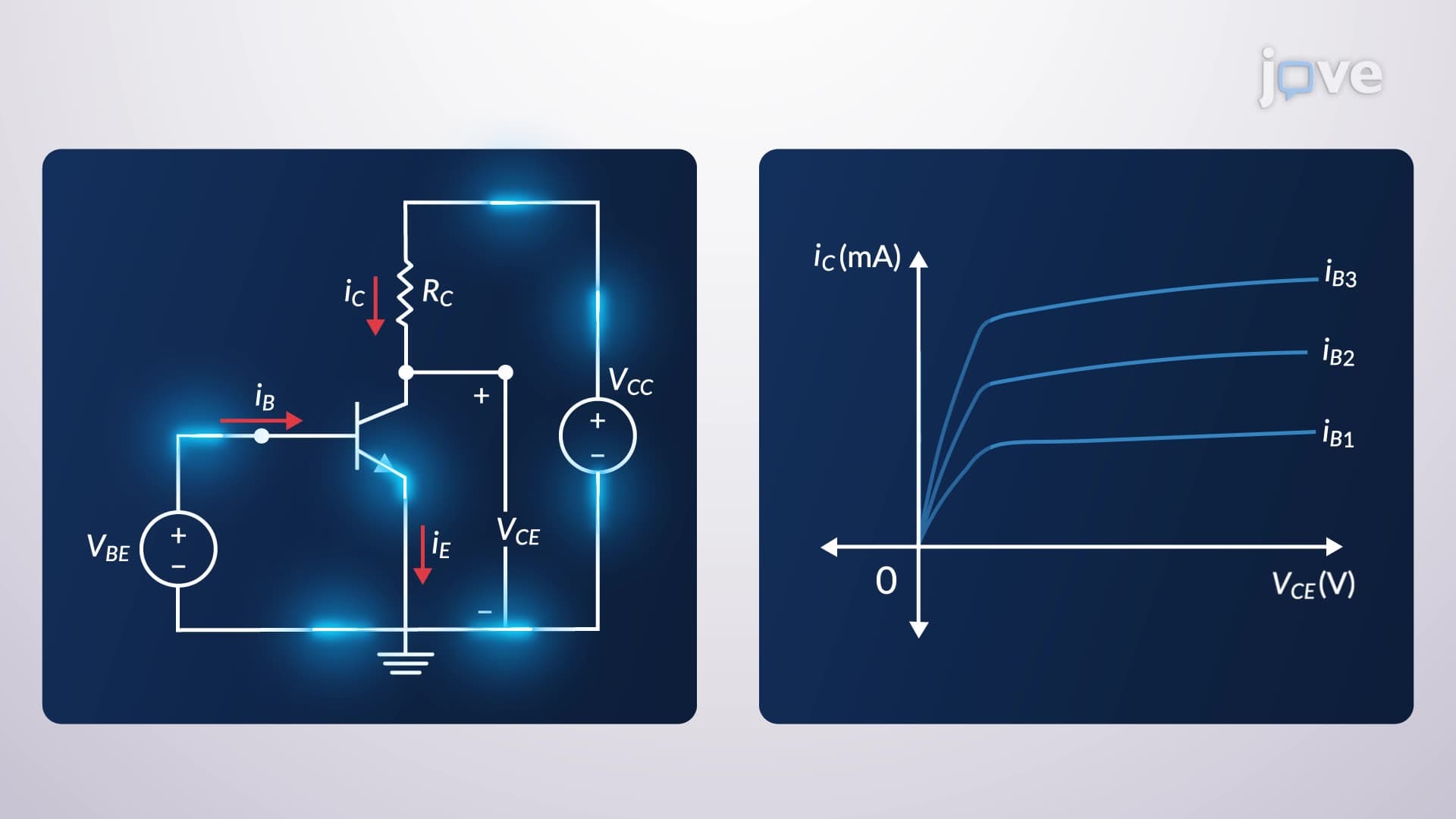
MCAT passages often feature BJTs in biomedical device contexts, such as amplifiers in EKG machines or switching circuits in automated drug delivery systems. Focus on understanding how transistor configurations enable signal amplification, the role of p-n junctions in current control, and basic circuit symbols. Practice interpreting graphs showing collector current versus base current relationships, as these frequently appear in passage-based questions.
BJT configurations power countless devices you use daily, from the audio amplifiers in your car stereo system to the power management circuits in your laptop charger. Major US companies like Texas Instruments and Analog Devices manufacture billions of BJTs annually for applications ranging from smartphone cameras (image sensor amplification) to smart home thermostats (temperature sensing and control circuits).
Configurations of bjt basics can be mastered with algebra and basic physics concepts you already know from earlier coursework. The key is focusing on conceptual understanding rather than complex mathematical derivations. Most high school physics courses introduce BJTs through qualitative explanations and simple circuit analysis, building the foundation for more advanced college-level treatment of semiconductor physics.
Create visual diagrams comparing NPN and PNP structures, practice identifying transistor symbols in circuit schematics, and work through numerical problems calculating current relationships. Use active recall by explaining BJT operation to classmates, and connect concepts to real devices like amplifiers or digital logic gates. Many students find success using online circuit simulators to visualize how changing parameters affects transistor behavior.
After understanding fundamental configurations of bjt concept, explore transistor biasing circuits, small-signal analysis, and frequency response characteristics. Advanced undergraduate courses typically cover topics like differential amplifiers, current mirrors, and integrated circuit design. Students interested in semiconductor engineering often pursue specialized coursework in device physics, VLSI design, and RF circuit analysis at universities like MIT, Stanford, or UC Berkeley.
US semiconductor companies like Intel, Micron, and GlobalFoundries manufacture BJTs using sophisticated fabrication processes in cleanroom facilities across states like Oregon, Idaho, and New York. Understanding BJT configurations helps explain how these companies optimize transistor performance through precise control of doping profiles, junction depths, and device geometries. This knowledge proves valuable for students considering careers in semiconductor engineering or materials science.
Related Micro-courses


Related Subjects
 Civil Engineering 30 micro-courses›Mechanical Engineering 28 micro-courses›