Loading subject page…

- Microeconomics
- Consumer Behavior
- The Consumer Preferences II
Micro-course: Consumer Behavior
9,930 views
Learn key concepts and earn your certificate.









The Consumer Preferences II

00:00
01:23
Video Summary: What Is the Consumer Preferences Ii
Why do Tesla buyers choose electric over gas-powered cars, even when fuel vehicles cost less upfront? Consumer preferences drive these seemingly irrational decisions through predictable behavioral patterns economists can measure and model. What is The Consumer Preferences II explores how transitivity and marginal rate of substitution shape purchasing decisions-from Amazon's recommendation algorithms to Netflix's viewing suggestions. These foundational microeconomic principles explain why American consumers make consistent trade-offs between competing products and services. Watch the full video on JoVE Coach to master this concept with expert-led visuals and step-by-step explanations.
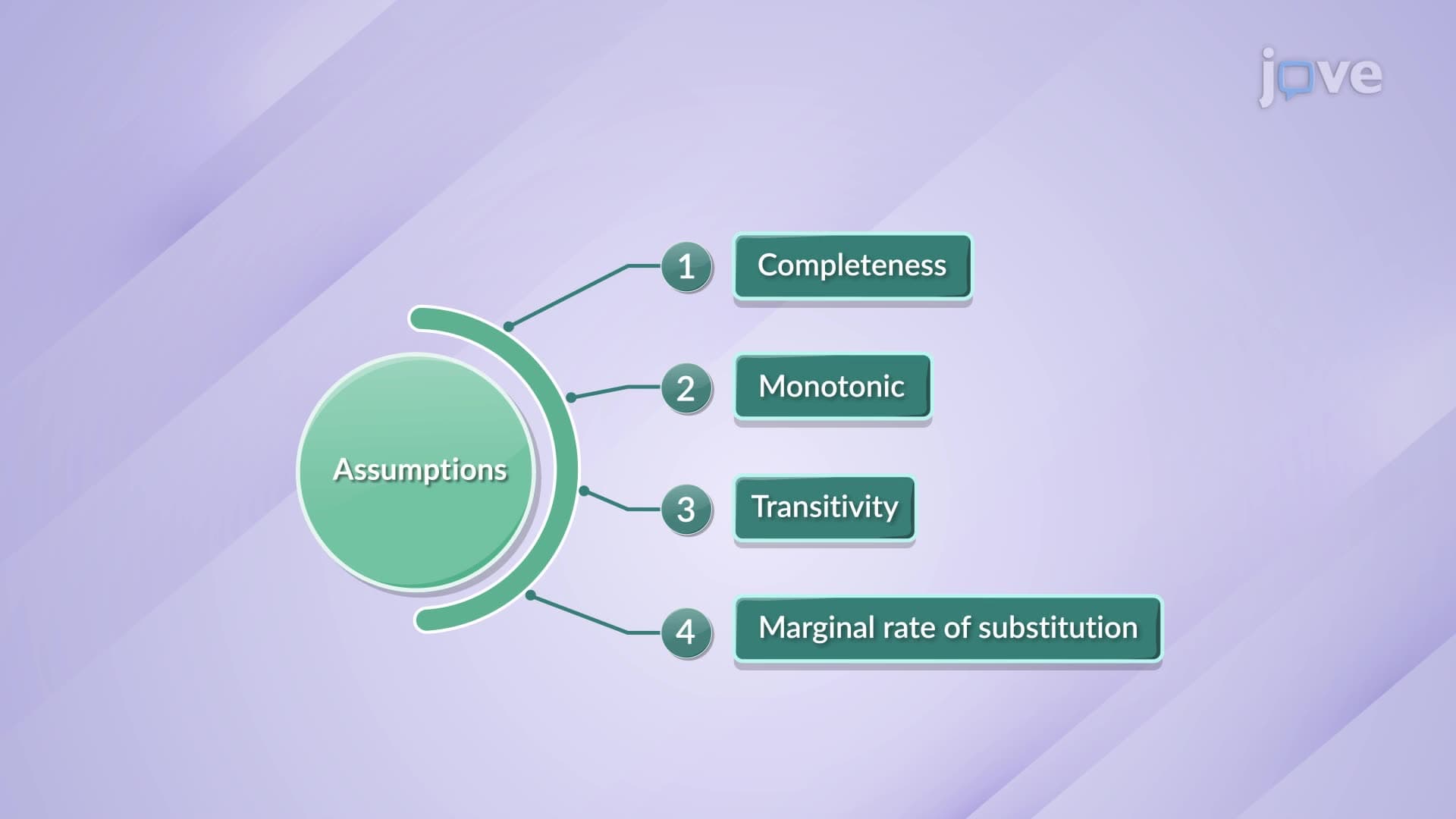
- Understand What is The Consumer Preferences II and how transitivity ensures logical consistency in consumer decision-making across multiple product choices
- Identify the marginal rate of substitution (MRS) and calculate how willingness to trade decreases as consumers accumulate more of a specific good
- Analyze real-world consumer behavior patterns using transitivity principles to predict purchasing decisions in competitive markets
- Compare different consumer preference scenarios to determine when assumptions hold true versus when behavioral anomalies occur
- Evaluate how continuity of preferences creates smooth demand curves that economists use for market analysis and forecasting
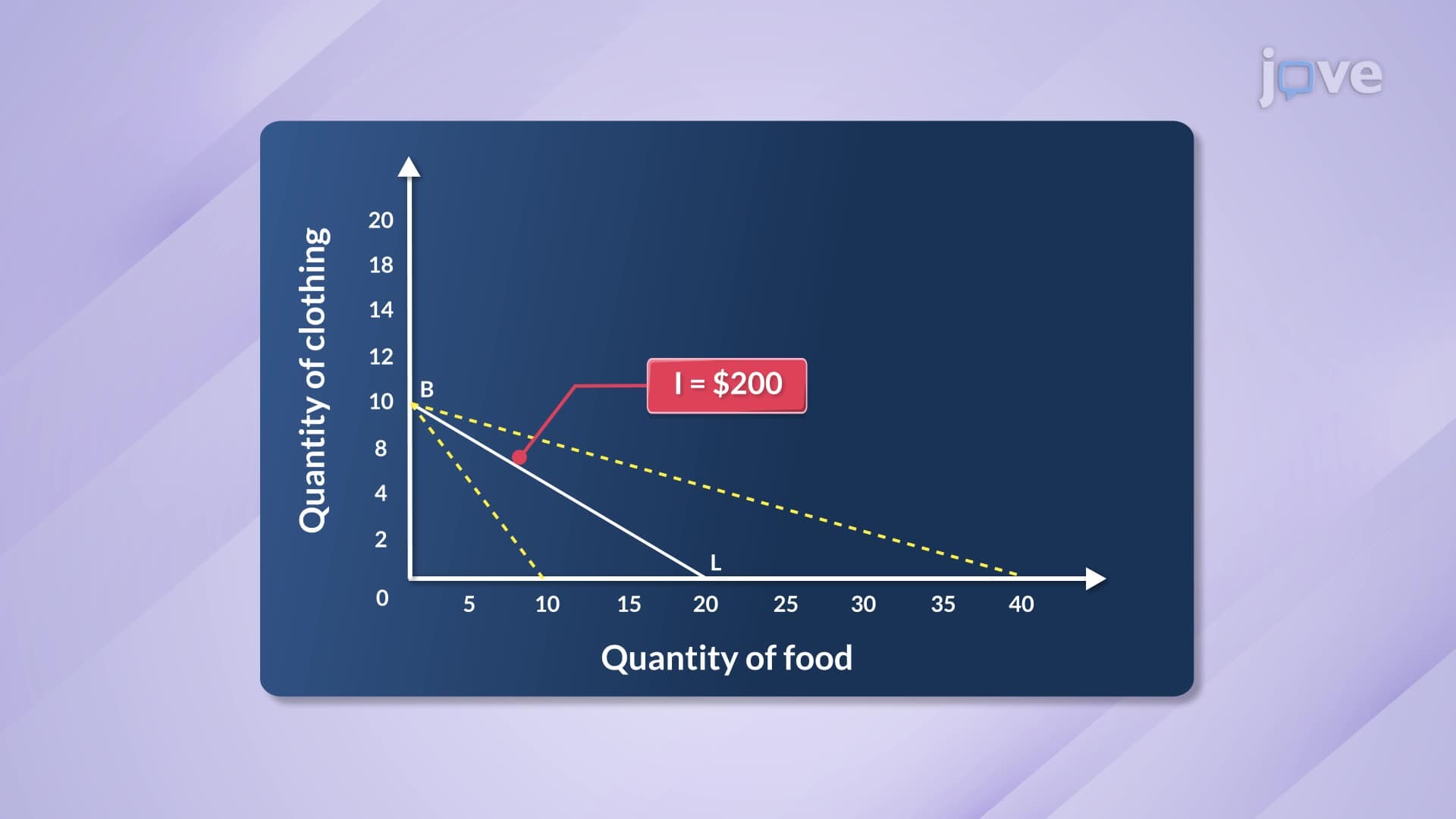
- Apply consumer preference theory to solve microeconomics problems involving budget constraints and utility maximization
- Recognize how these foundational assumptions enable demand analysis, price elasticity calculations, and market equilibrium predictions
- Explore connections between consumer preference theory and behavioral economics research conducted at major US universities
Understanding What is The Consumer Preferences II: Core Assumptions
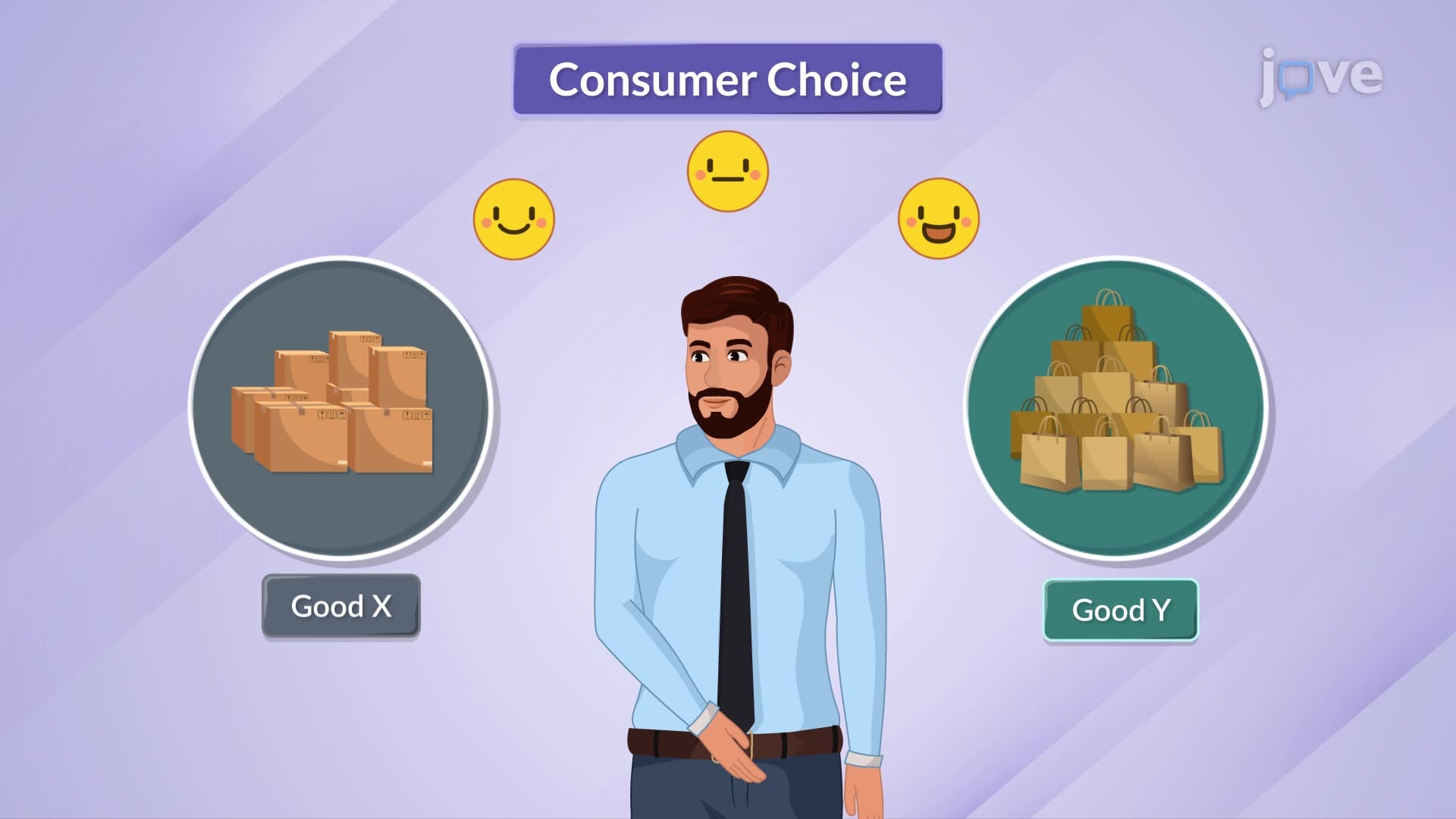
What is The Consumer Preferences II builds upon fundamental behavioral assumptions that economists use to model rational consumer decision-making. These assumptions create mathematical frameworks allowing researchers at institutions like MIT and Stanford to predict market outcomes and consumer responses to price changes.
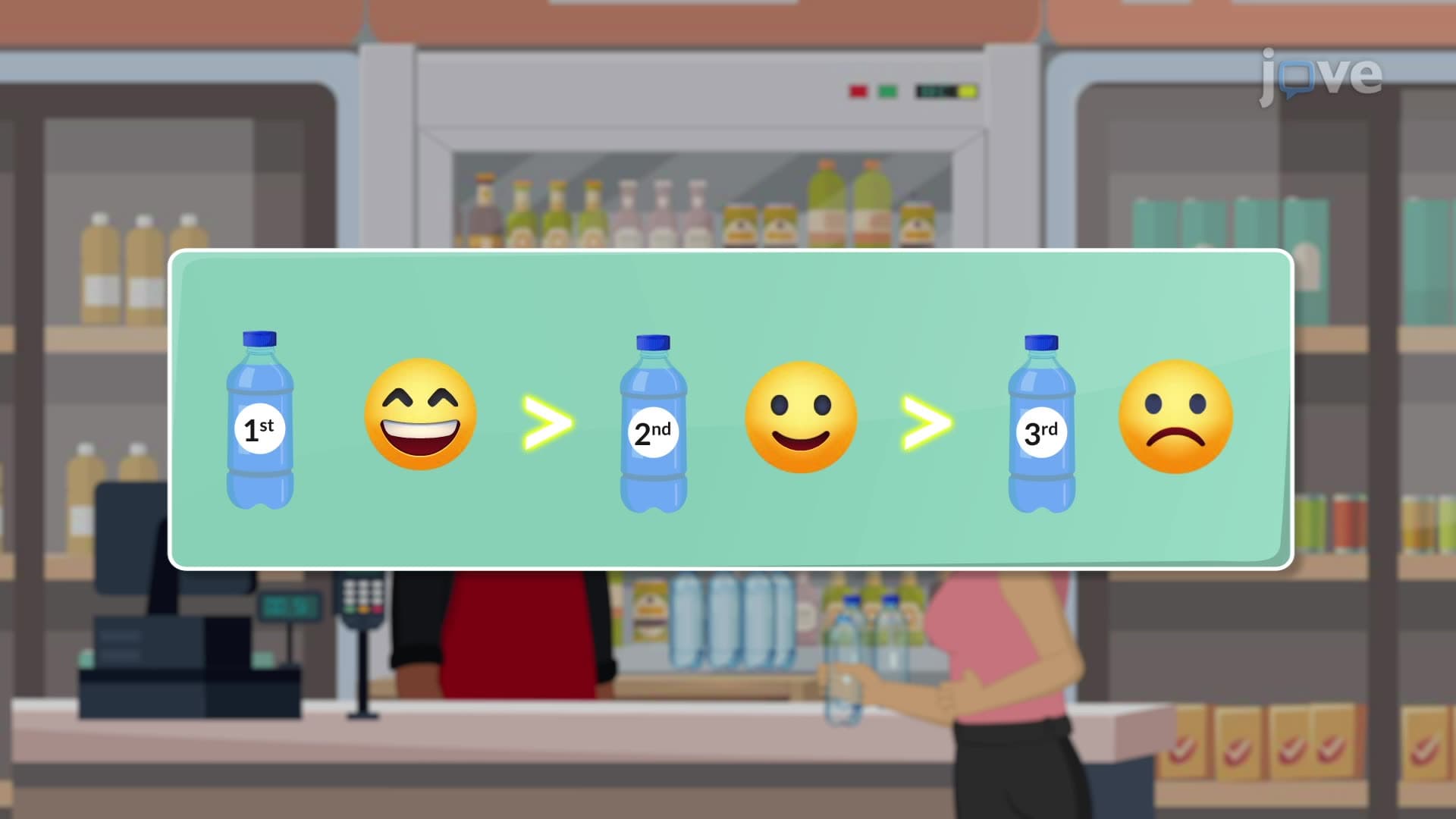
The transitivity assumption forms the backbone of logical consumer behavior. When evaluating smartphone options, if a consumer prefers iPhone over Samsung, and Samsung over Google Pixel, transitivity predicts they'll prefer iPhone over Google Pixel. This logical consistency appears in AP Microeconomics exam questions and college-level problem sets, where students must identify preference orderings and predict consumer choices.
Marginal Rate of Substitution: The Trade-Off Mechanism
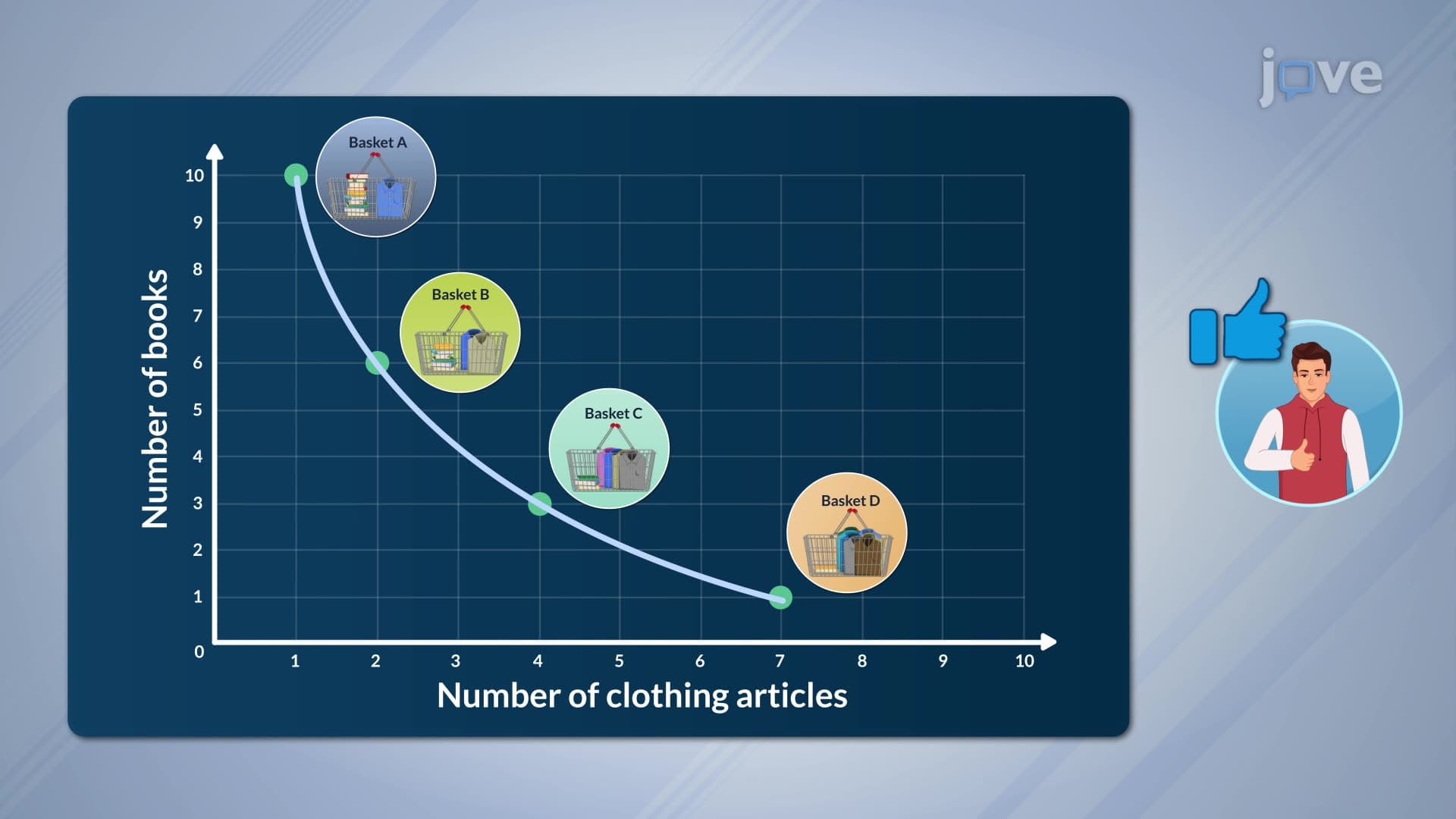
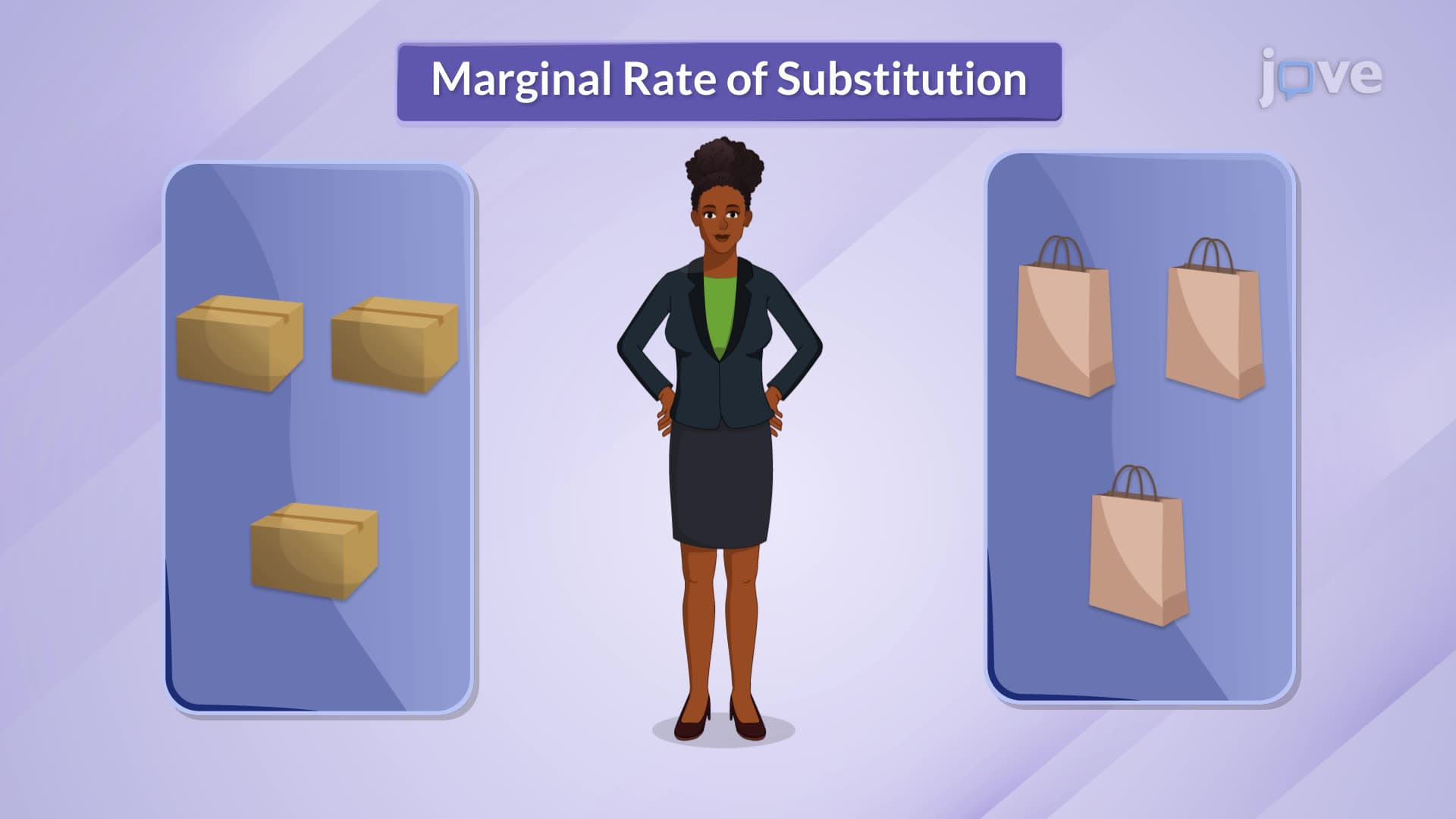
The marginal rate of substitution (MRS) quantifies how consumers balance competing desires as they accumulate goods. Consider streaming services: initially, someone might cancel their gym membership to afford Netflix. After adding Disney+, they become less willing to sacrifice other goods for Hulu, demonstrating diminishing MRS.
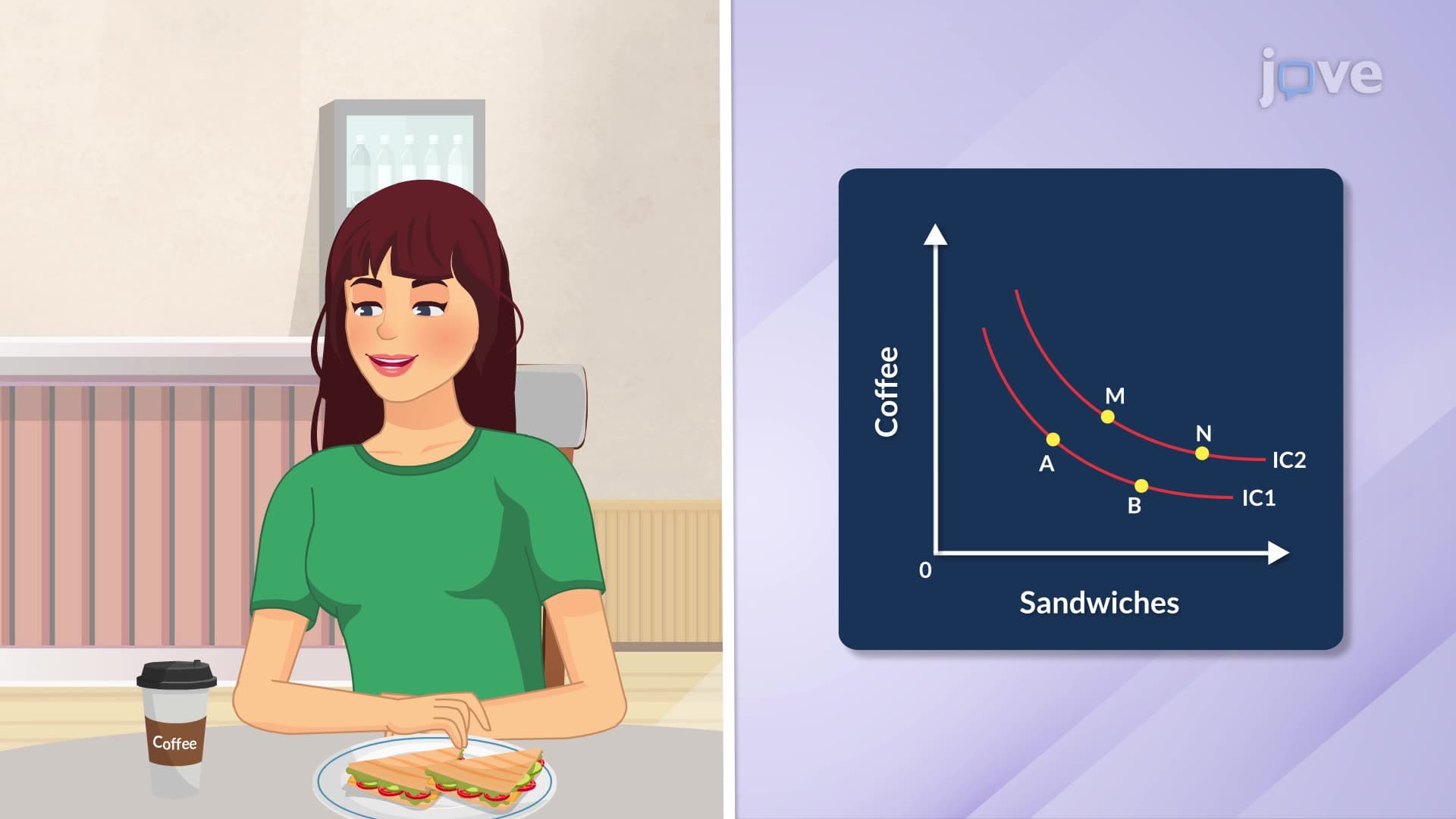
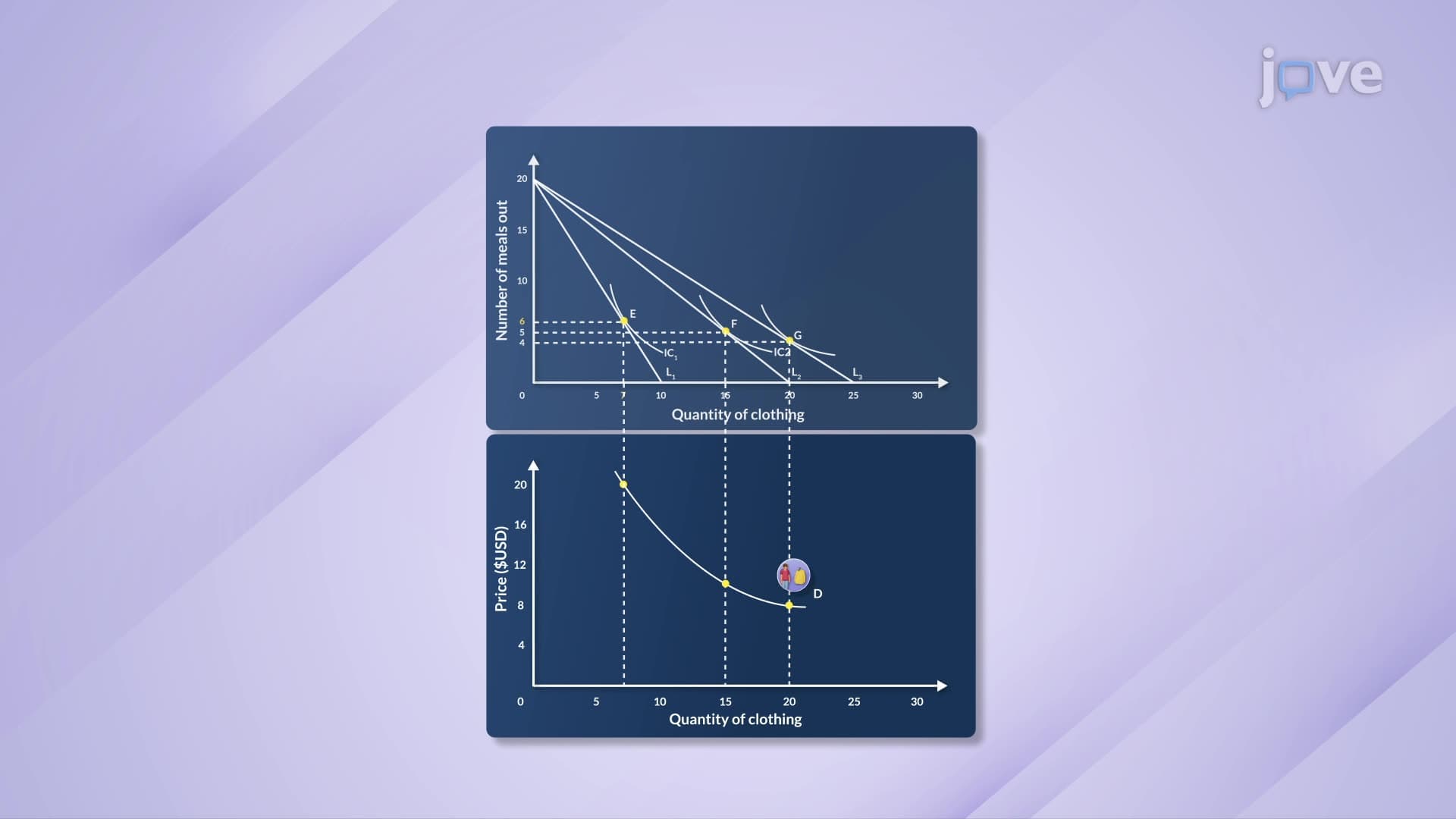
This concept appears frequently on SAT Subject Tests and college microeconomics midterms. Students learn to calculate MRS using indifference curve slopes, determining optimal consumption bundles where budget lines intersect preference curves. Harvard Business School case studies utilize MRS analysis when examining consumer responses to product launches and pricing strategies.
Real-World Applications in American Markets
Major US retailers leverage consumer preference theory daily. Amazon's recommendation algorithms assume transitivity when suggesting "customers who bought this also bought" products. Target's marketing teams apply MRS principles, recognizing that customers loading up on back-to-school supplies become less willing to trade money for additional items as their carts fill.
These applications extend beyond retail into healthcare economics, where insurance companies analyze patient preferences for treatment options, and financial services, where investment firms model risk-return trade-offs using preference-based utility functions.
Exam Strategy and Academic Context
Consumer preference questions appear across multiple academic levels, from AP Economics to graduate-level microeconomic theory courses. Students should practice graphing indifference curves, calculating MRS at various points, and identifying when real-world behavior violates standard assumptions. Understanding these concepts provides essential foundation for advanced topics like game theory, behavioral economics, and market design-subjects taught at leading economics programs nationwide.
Frequently Asked Questions
Consumer Preferences II focuses on specific mathematical assumptions economists use to model rational decision-making, particularly transitivity and marginal rate of substitution. While basic preference theory introduces the concept that consumers have preferences, Consumer Preferences II examines the logical consistency requirements and trade-off mechanisms that make economic modeling possible. These assumptions allow economists to create predictive models used in business strategy and policy analysis.
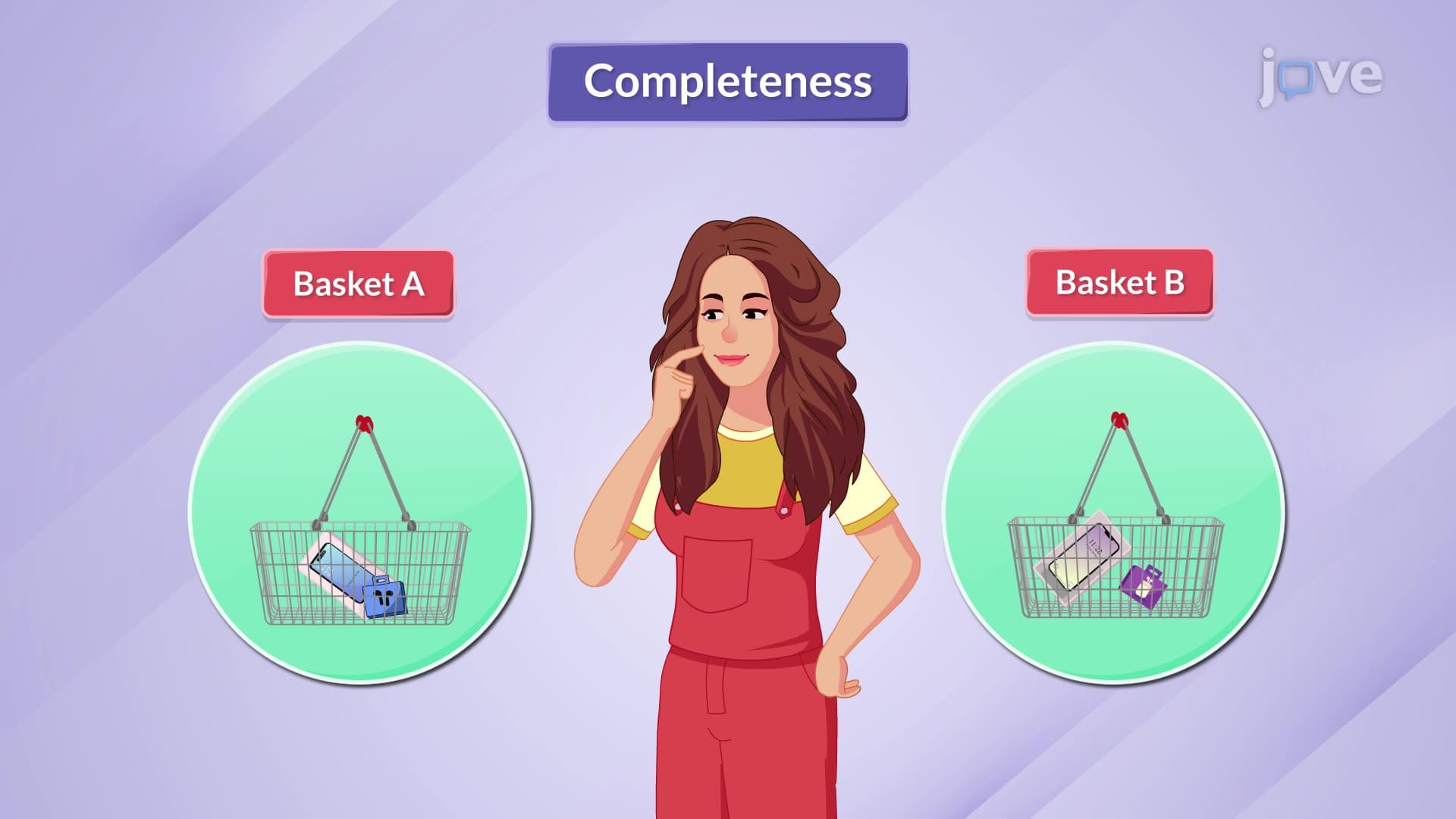
AP Microeconomics frequently tests transitivity through ranking problems where students must identify logical preference orderings. Exam questions often present scenarios with three goods (A, B, C) and ask students to complete preference rankings or identify violations of transitivity assumptions. Free response questions may require drawing indifference curves and calculating marginal rates of substitution at specific points.
College exams emphasize mathematical applications of preference theory, including indifference curve analysis, budget constraint optimization, and utility maximization problems. Students typically solve for optimal consumption bundles, calculate MRS using partial derivatives, and analyze how preference changes affect demand curves. Many professors use real-world examples from companies like Apple or Starbucks to test conceptual understanding.
While the MCAT doesn't extensively test microeconomic theory, behavioral decision-making concepts appear in psychology and sociology sections. Understanding how people make consistent choices and evaluate trade-offs helps with questions about healthcare decision-making, resource allocation in medical settings, and patient preference analysis in clinical scenarios.
Netflix applies preference theory through their recommendation algorithms, assuming transitivity when suggesting content based on viewing history. Their data scientists analyze viewing patterns to determine marginal rates of substitution between different content types, helping optimize their content acquisition budget by understanding how willing subscribers are to trade one genre for another.
Consumer preference theory builds naturally from everyday decision-making experiences, making core concepts accessible to high school students. The mathematical applications become more complex in college courses, but basic principles like "people make consistent choices" and "willingness to trade decreases as you get more stuff" connect easily to familiar situations like choosing classes or spending allowance money.
Practice drawing indifference curves and budget lines repeatedly, focusing on where they intersect to find optimal points. Create your own examples using familiar products like phones, clothing, or food items to internalize MRS concepts. Work through numerical problems calculating slopes and trade-off rates, and always check whether given preferences satisfy transitivity by testing all possible three-way comparisons.
Consumer preference foundations lead directly into game theory, where strategic interactions between consumers create complex preference interdependencies. Behavioral economics extends these concepts by examining when real people violate standard assumptions, while industrial organization courses analyze how firms design products to exploit consumer preference patterns for competitive advantage.
Related Micro-courses