Loading subject page…


9,675 views


Video Summary: Analysis Methods of Pharmacokinetic Data Guide
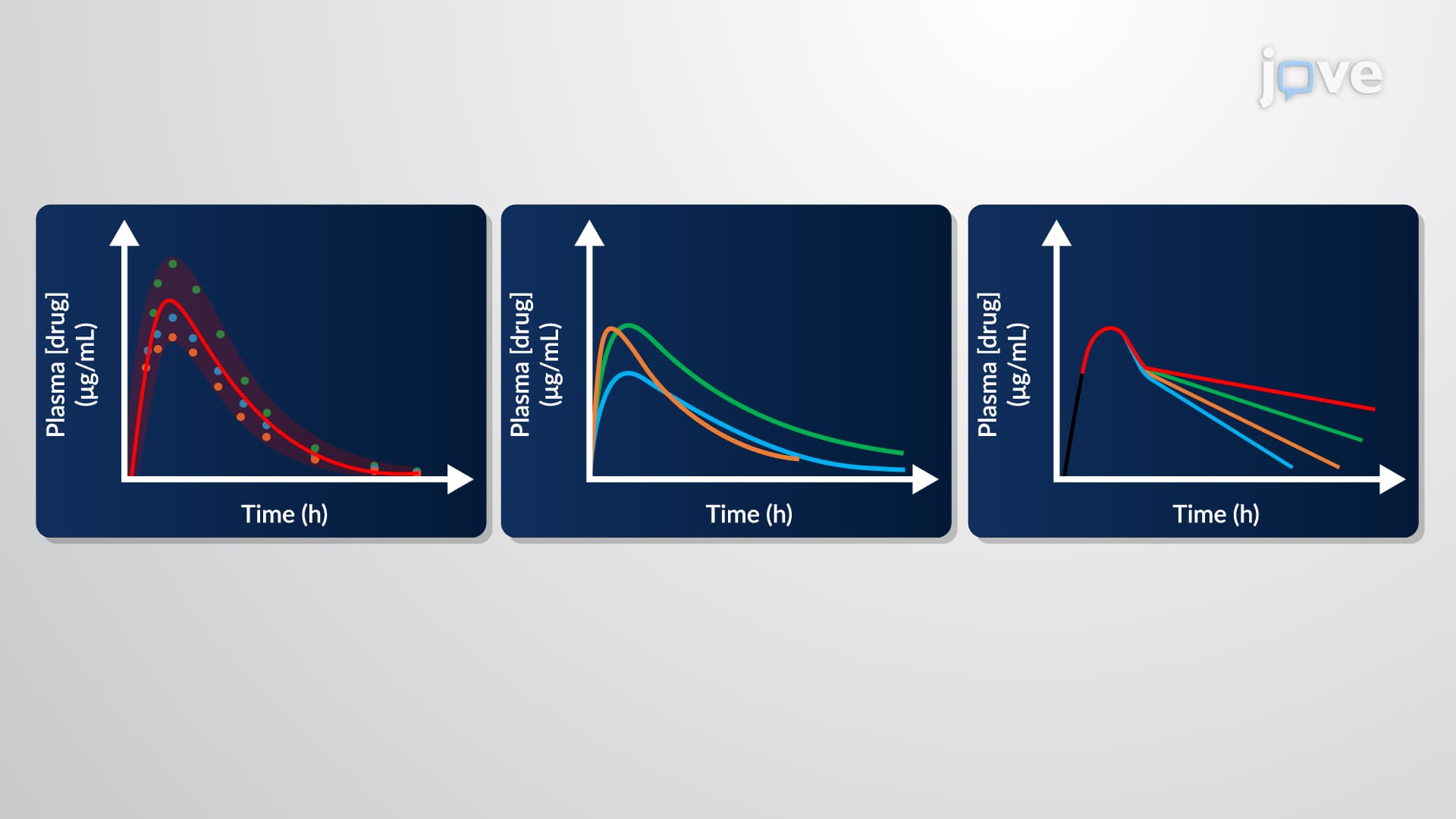
Ever wonder how the FDA determines if a new medication like Advil will stay in your system long enough to relieve pain without causing toxicity? Analysis methods of pharmacokinetic data provide the mathematical frameworks scientists use to predict drug behavior in the human body. These techniques help pharmaceutical companies at major US firms like Pfizer optimize dosing schedules and ensure patient safety. The Analysis Methods of Pharmacokinetic Data Guide covers both model-dependent approaches using mathematical compartments and model-independent methods that work regardless of the underlying system complexity. Watch the full video on JoVE Coach to master this concept with expert-led visuals and step-by-step explanations.
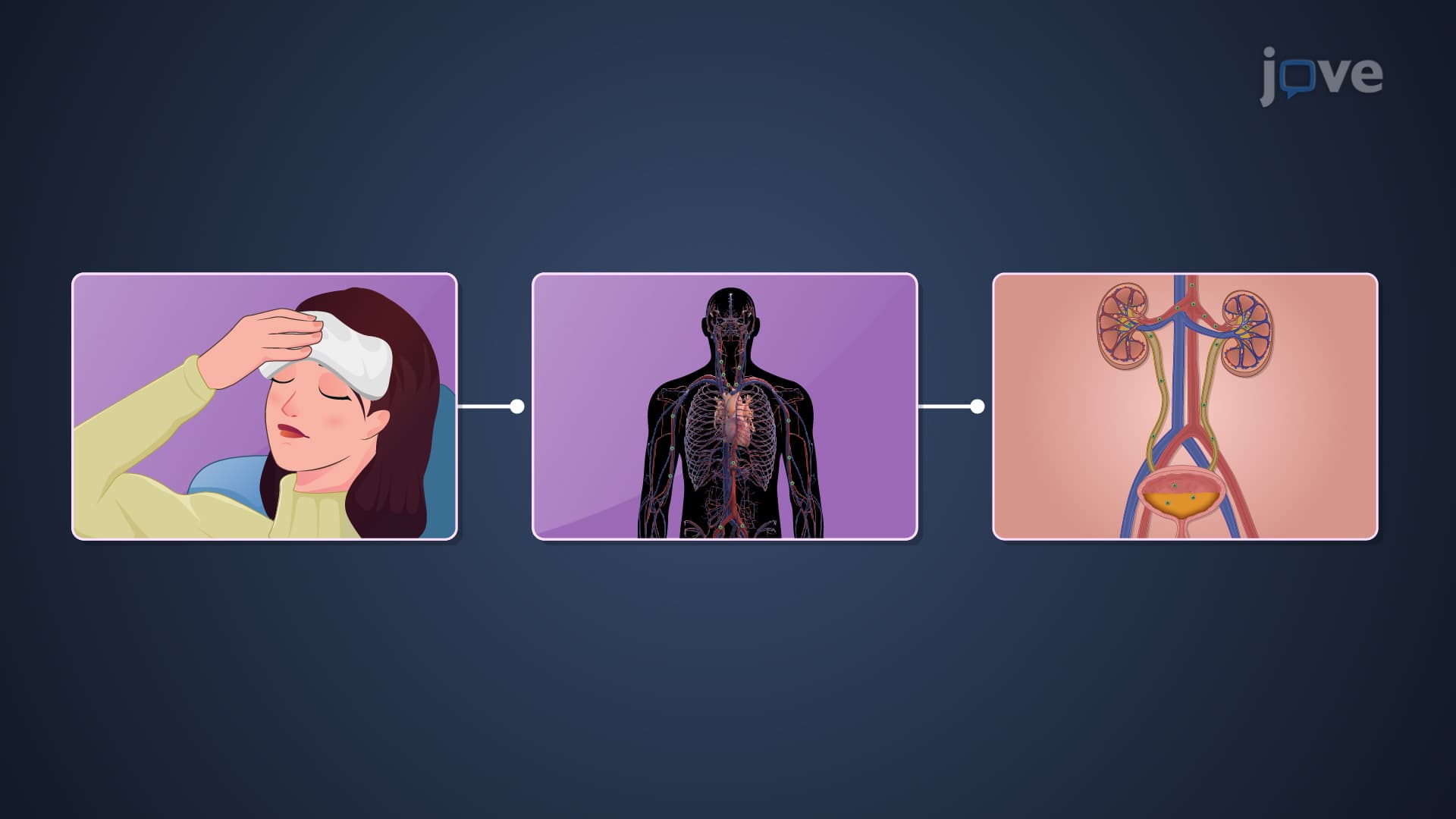
Pharmacokinetic data analysis forms the backbone of modern drug development and clinical practice. When pharmaceutical researchers at companies like Johnson & Johnson develop new medications, they must understand exactly how drugs move through the human body-from absorption through elimination. This knowledge directly impacts everything from the dosing instructions on your prescription bottle to the safety warnings that accompany medications.
The complexity of drug disposition in living systems requires sophisticated analytical approaches. Unlike simple chemical reactions in test tubes, drug behavior in humans involves multiple tissues, varying blood flow rates, protein binding, and metabolic processes that change over time. This is why pharmacokineticists have developed two complementary methodological frameworks to tackle this complexity.
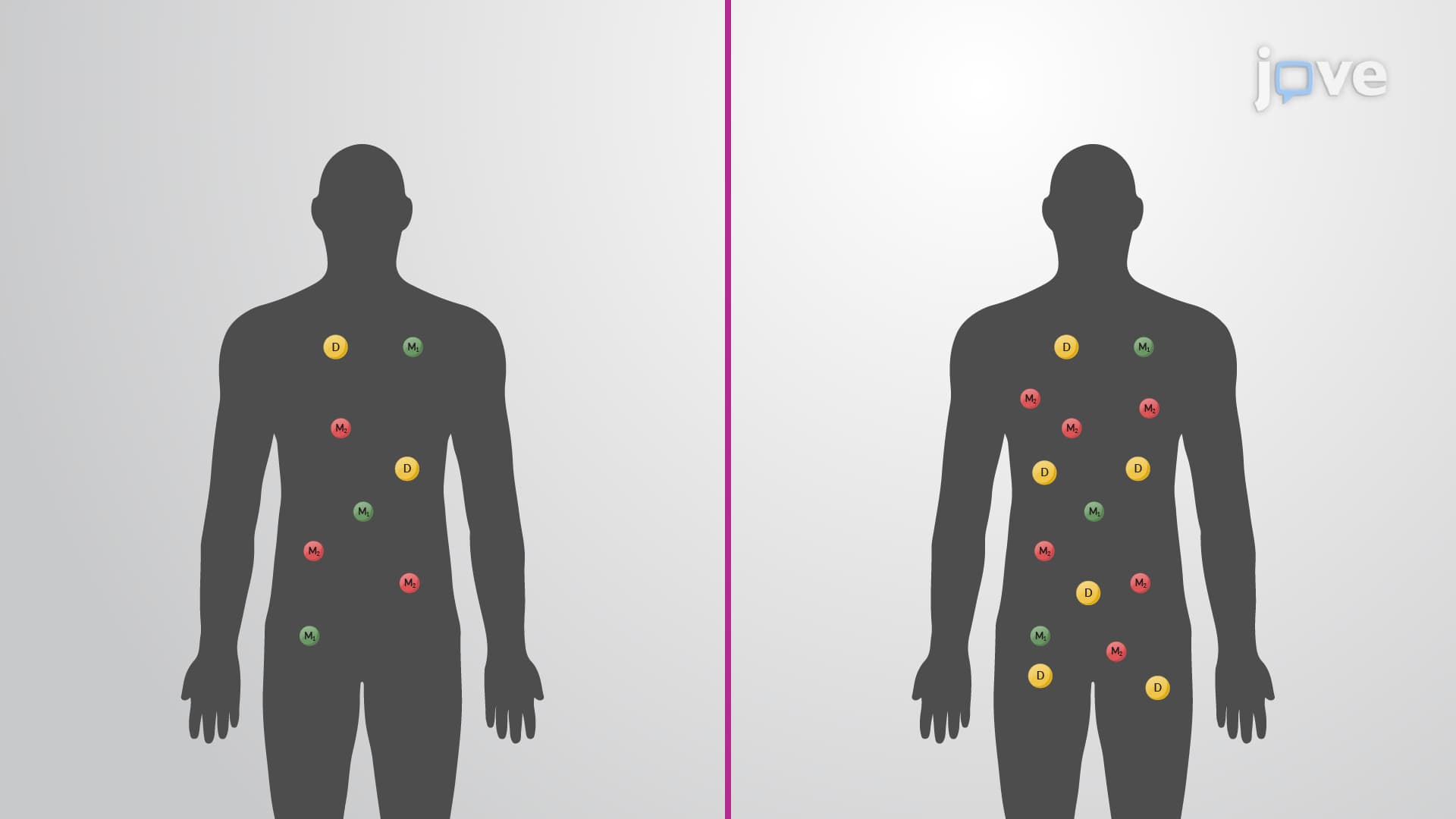
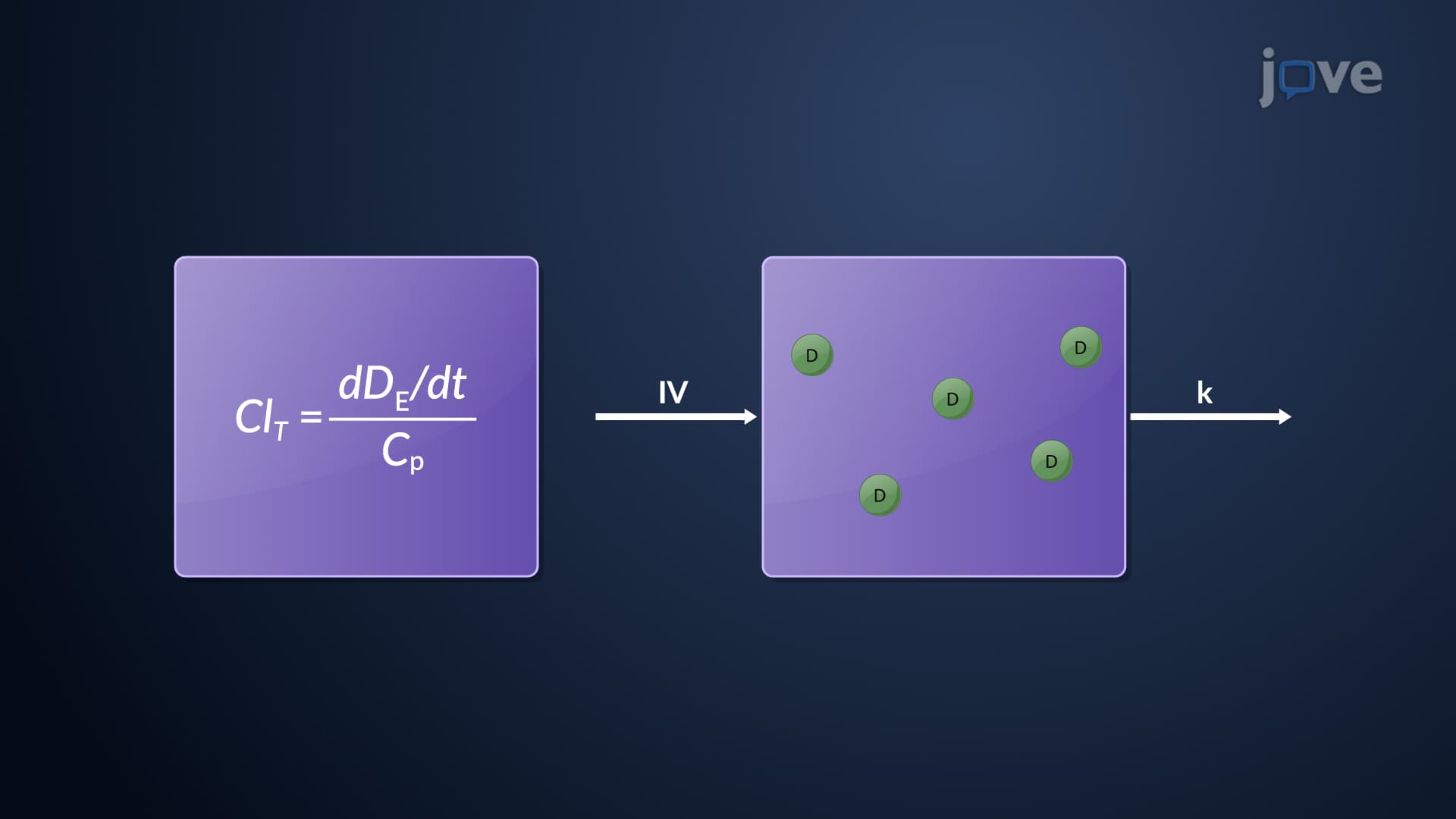
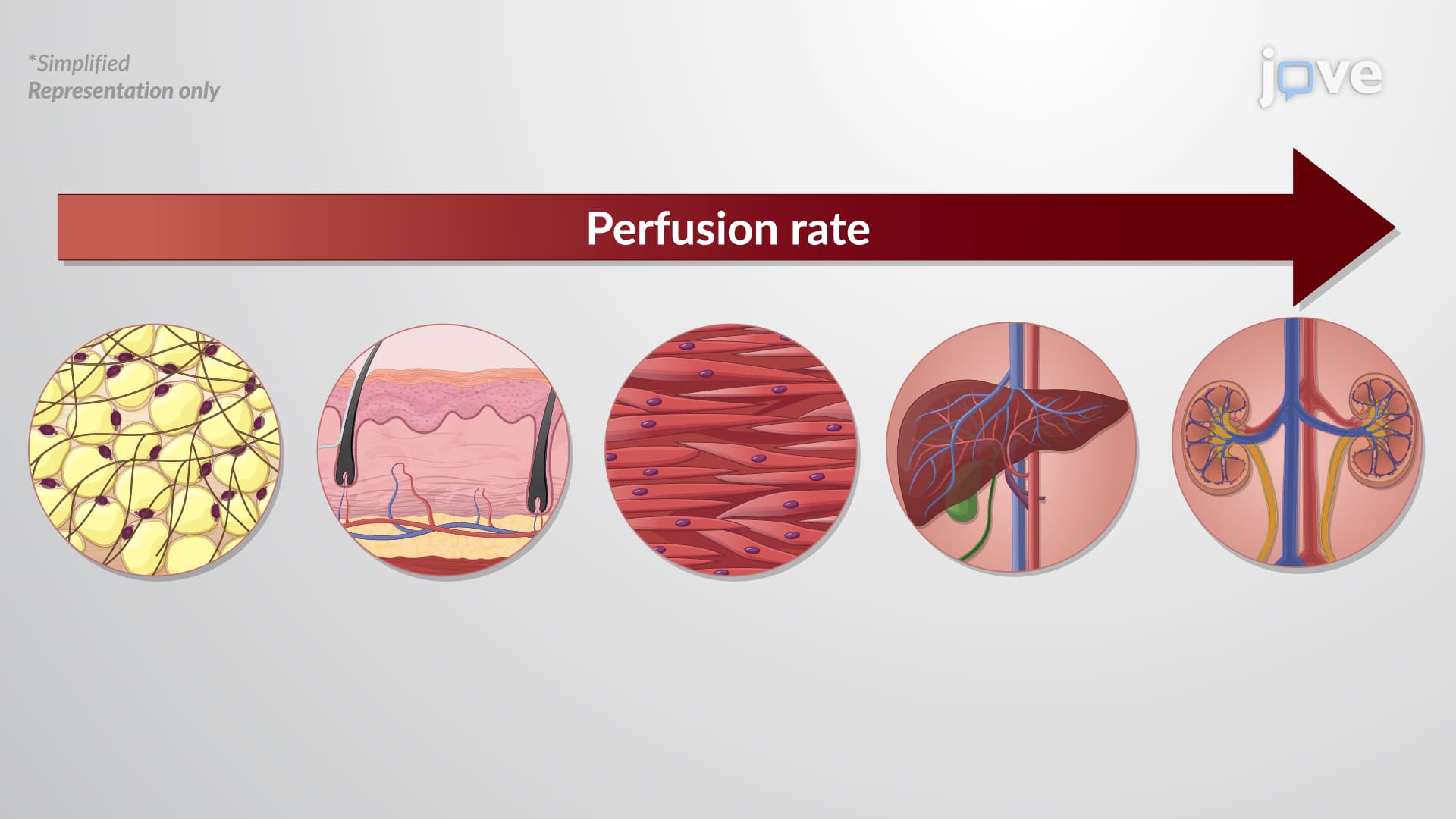
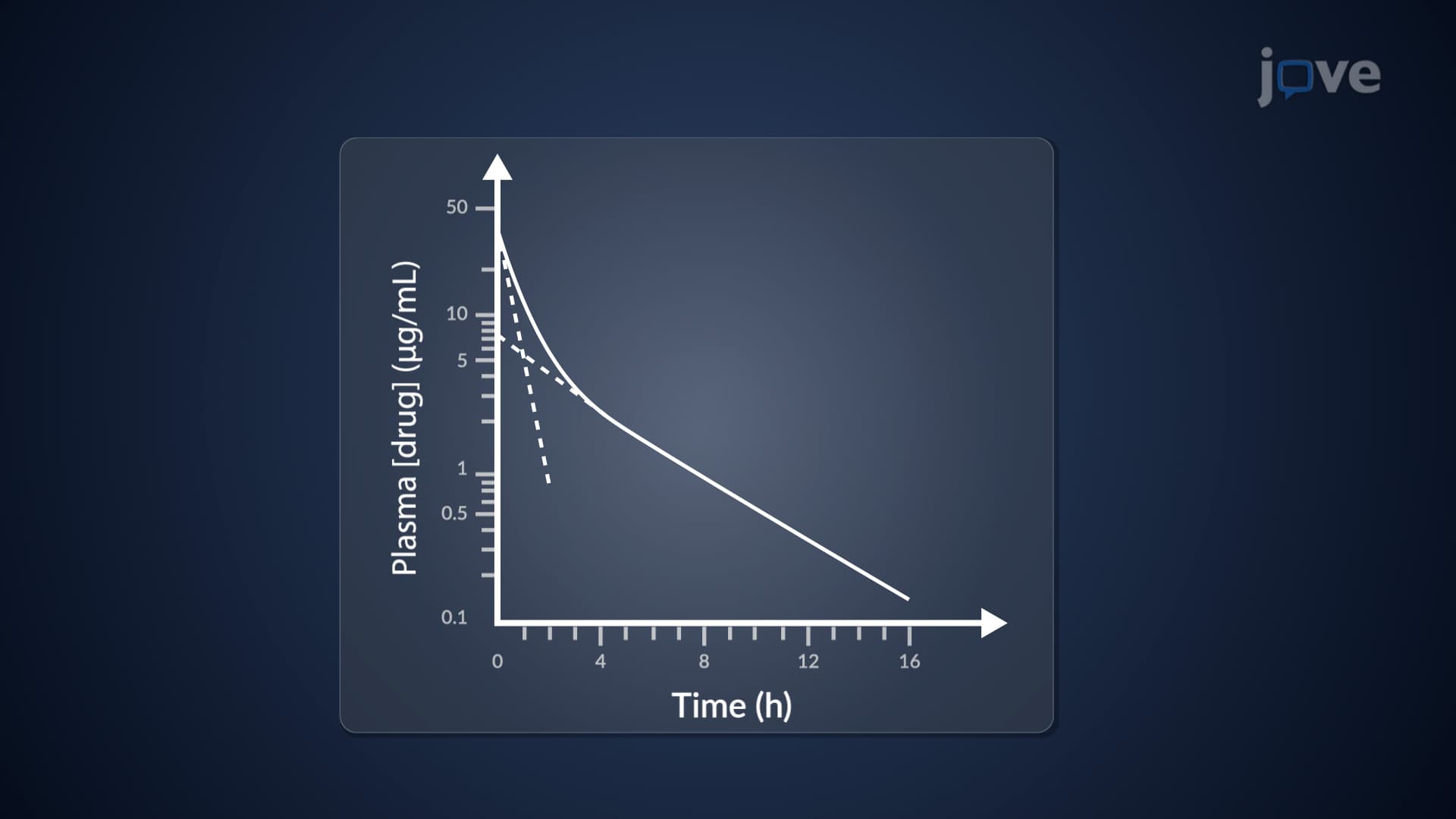
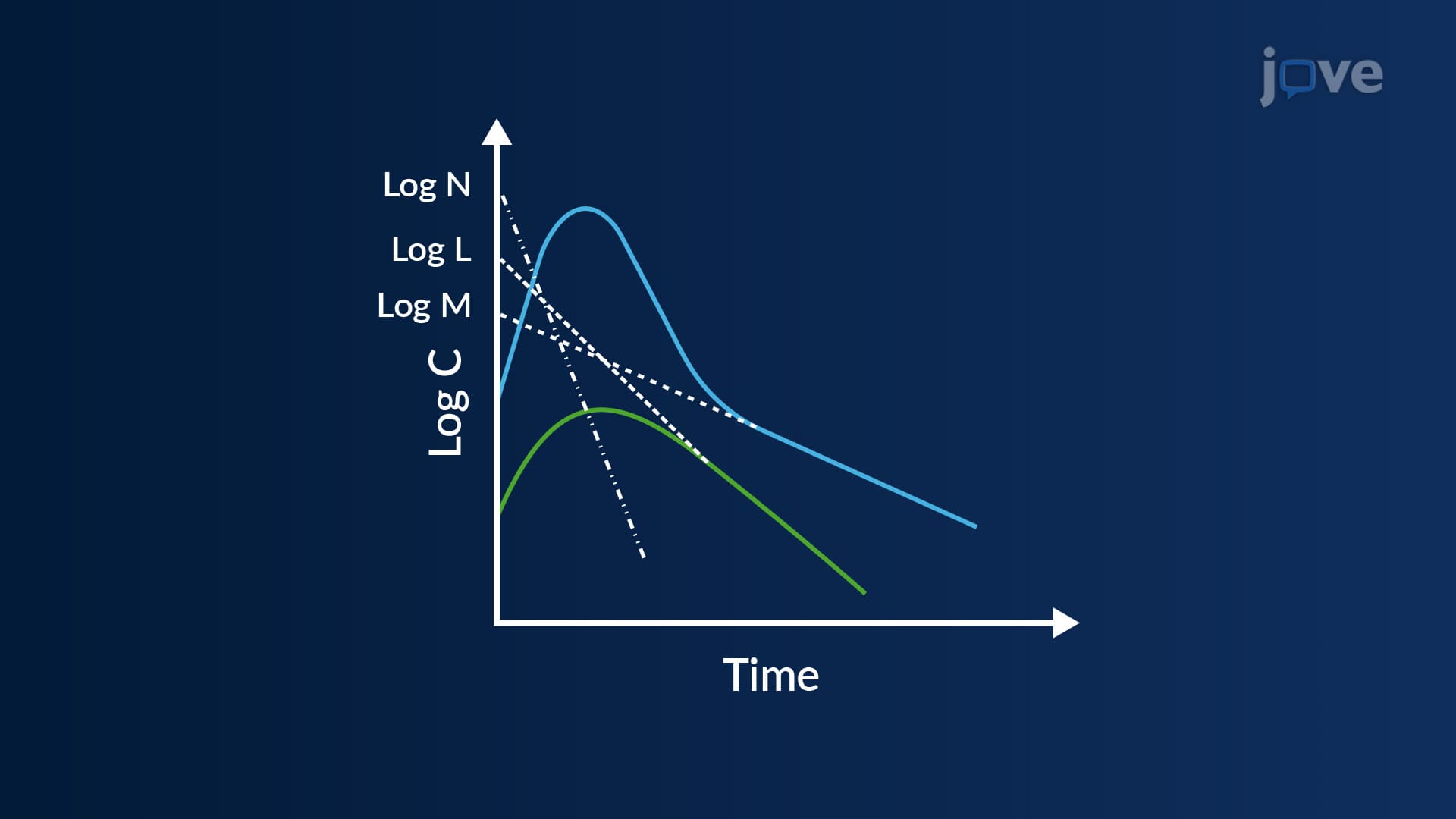
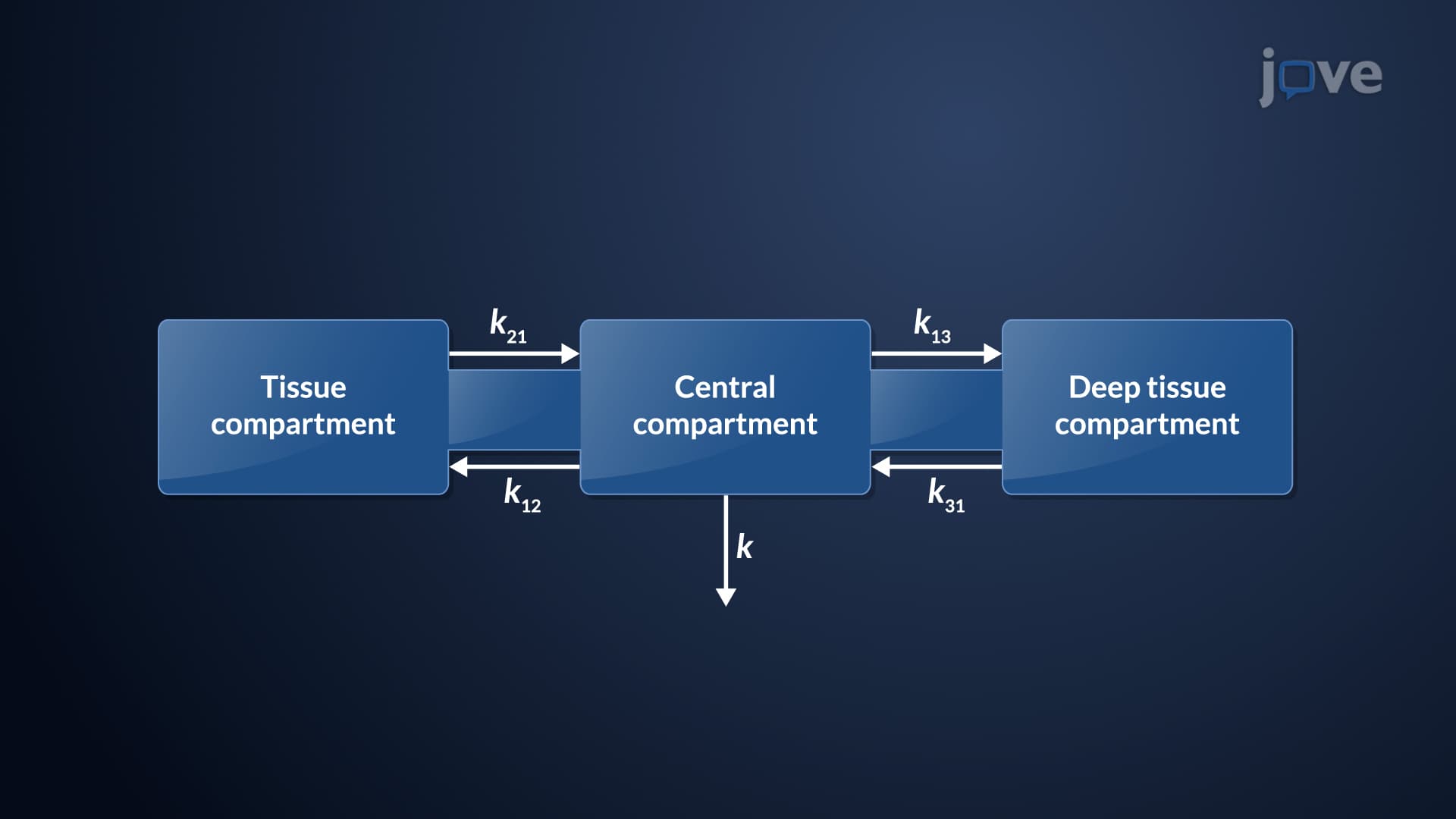
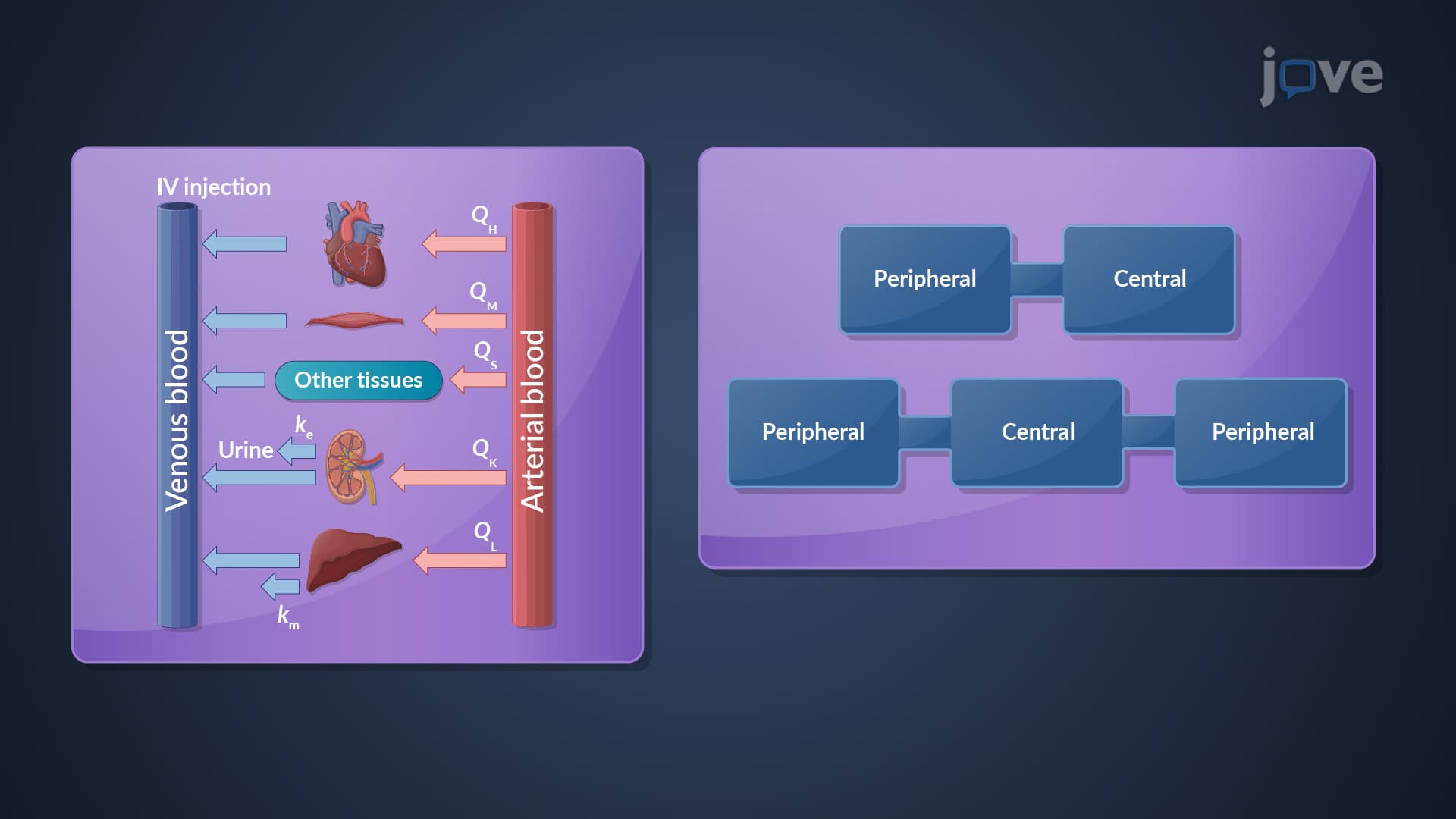
Model-dependent analysis uses mathematical equations to describe drug behavior through theoretical constructs. The most common approach involves compartment models, where the body is visualized as one or more interconnected compartments representing different tissues or organs. For example, a two-compartment model might represent rapid distribution to highly perfused organs (like the heart and brain) versus slower distribution to muscles and fat tissue.
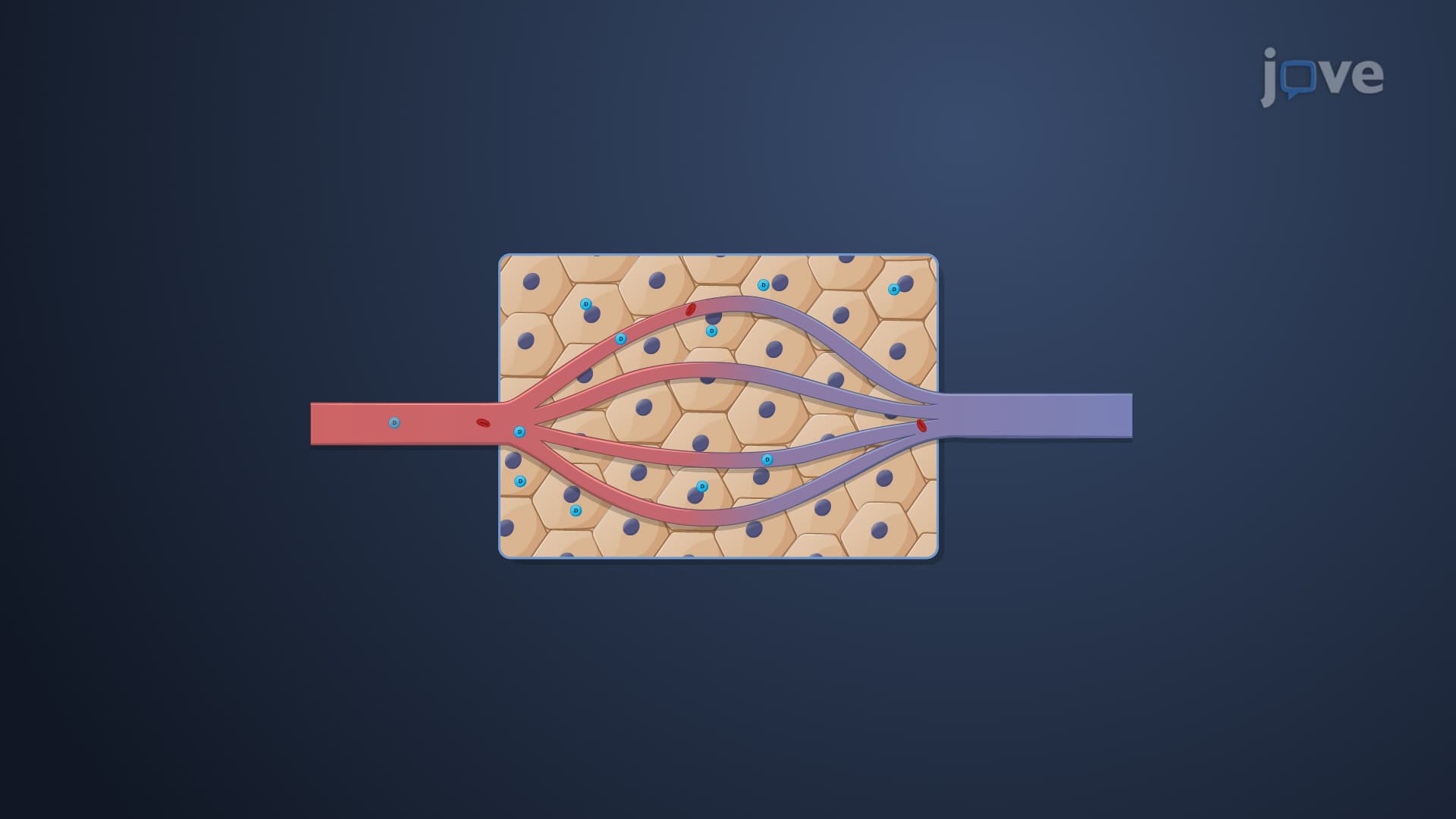
Physiological models take this concept further by incorporating actual anatomical and physiological parameters. These models use real data about organ blood flow, tissue volumes, and metabolic capacity. The FDA often requires physiologically-based pharmacokinetic (PBPK) modeling for new drug applications, especially when extrapolating from animal studies to human populations.
Distributed parameter models represent the most sophisticated approach, accounting for the continuous nature of drug distribution rather than treating tissues as uniform compartments. These models are particularly valuable for understanding drugs that exhibit complex spatial distribution patterns.
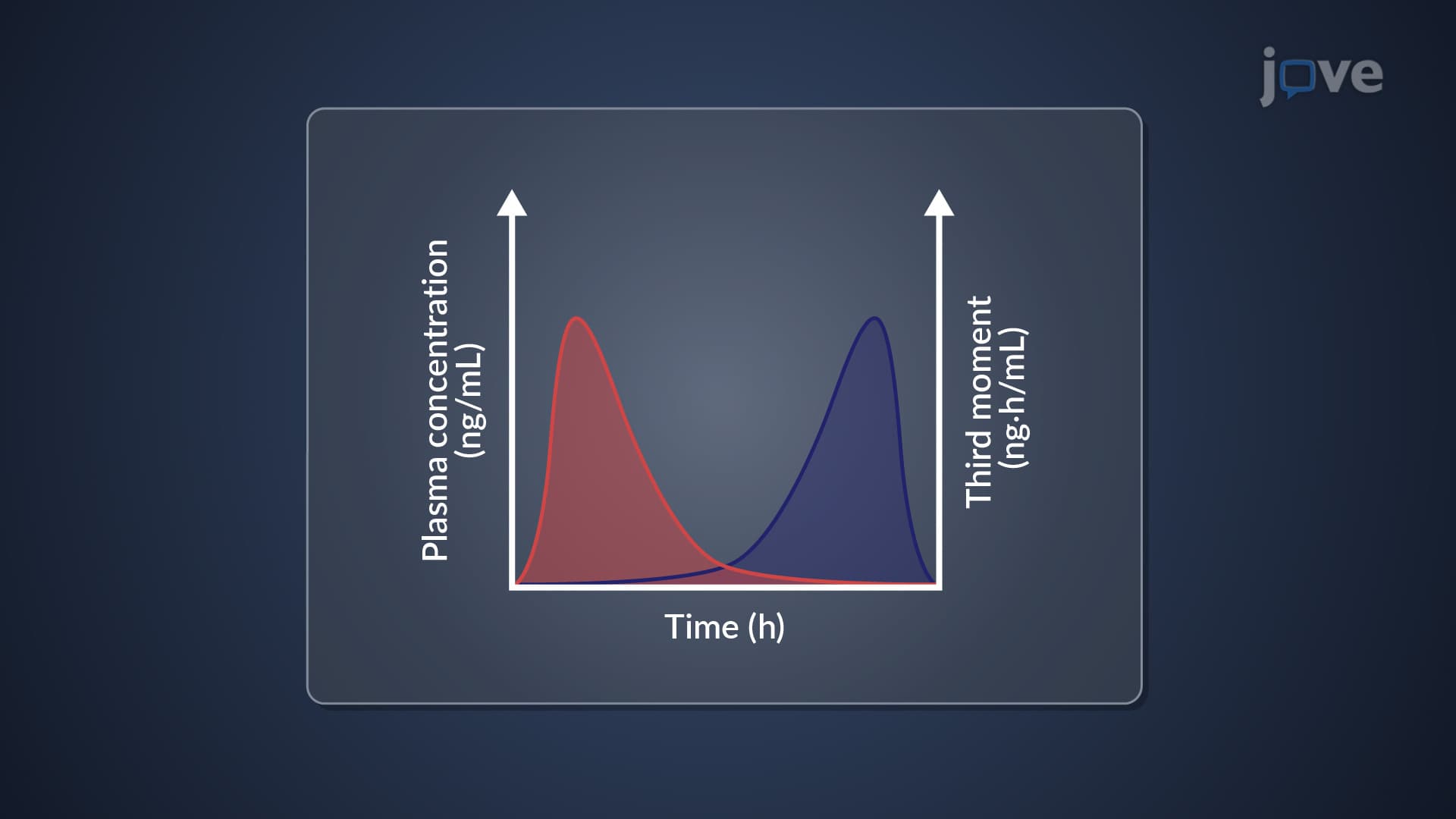
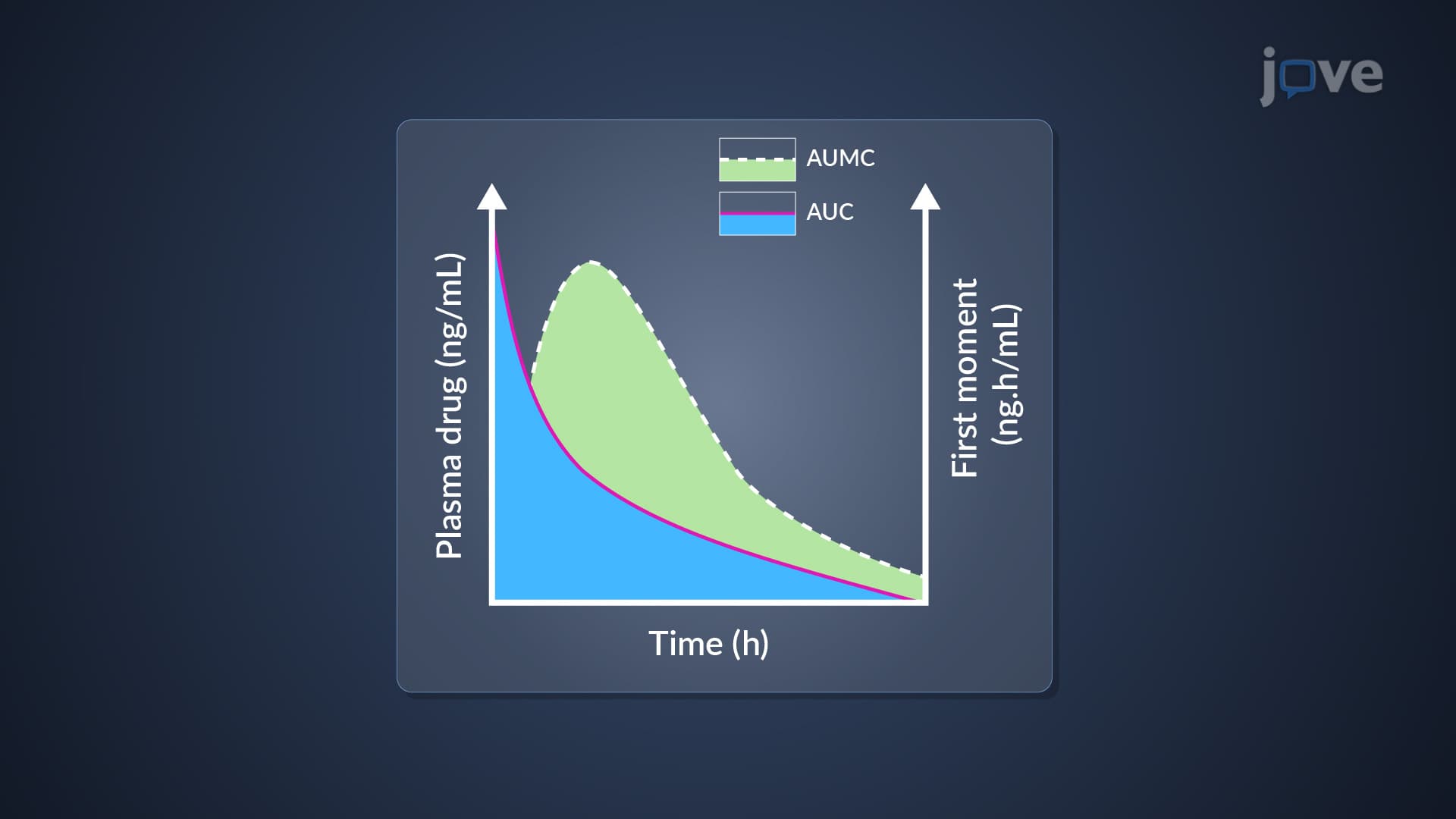
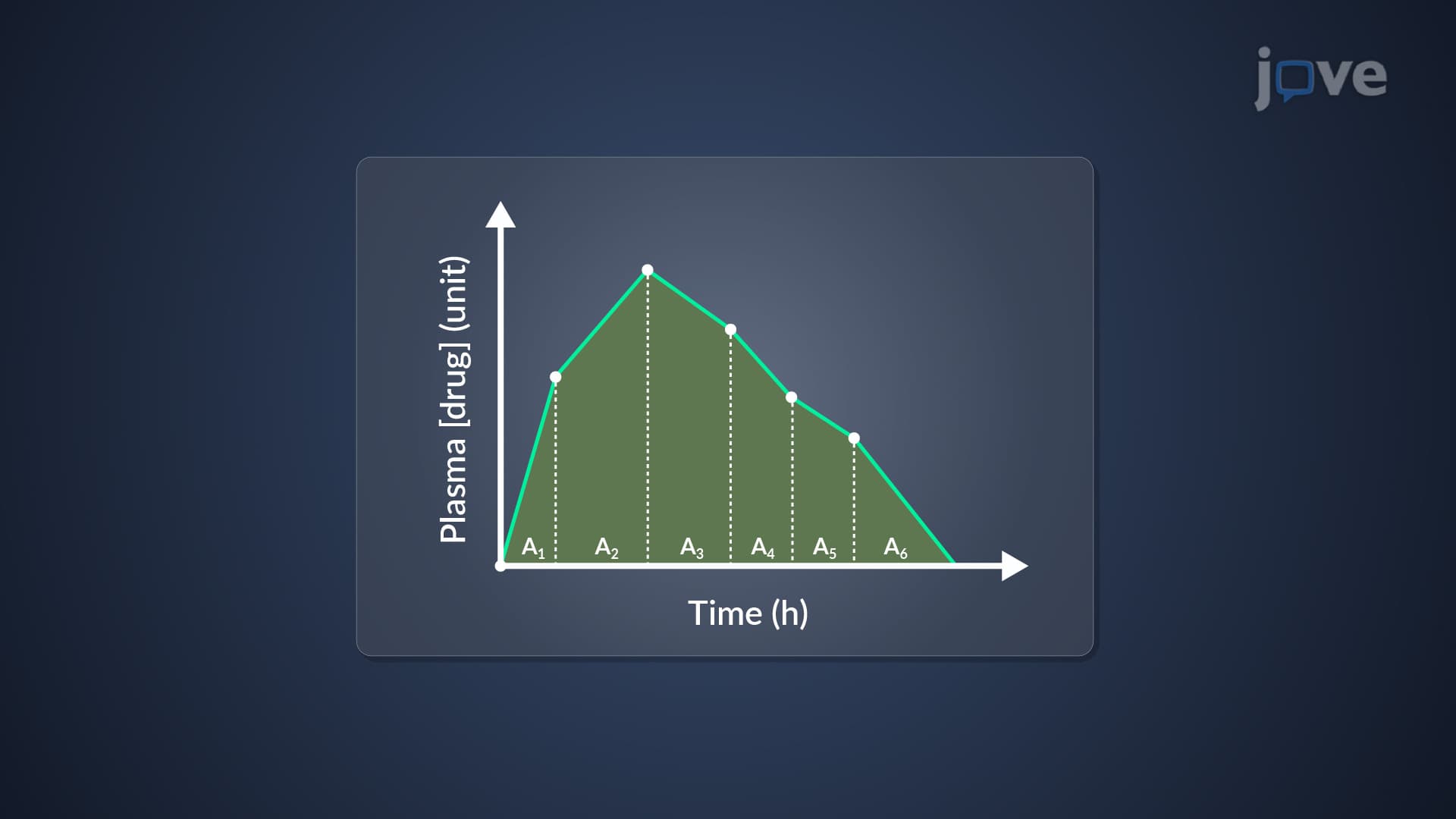
Noncompartmental analysis offers a more straightforward approach that doesn't require assumptions about specific compartment structures. This method focuses on calculating key pharmacokinetic parameters directly from concentration-time data using mathematical principles like the trapezoidal rule for area calculations.
The beauty of noncompartmental analysis lies in its broad applicability. Whether dealing with a simple one-compartment drug or a complex multi-compartment system, the same analytical principles apply. This approach is particularly valuable in clinical settings where quick parameter estimation is needed without extensive modeling efforts.
Students preparing for the MCAT or advanced placement chemistry exams will encounter these concepts when studying drug metabolism and elimination kinetics. Understanding both approaches provides the analytical toolkit necessary for modern pharmaceutical science careers.
Related Micro-courses