Loading video…


 30 Concepts
 9.7K views

Video Summary: Mechanistic Compartment Models in Individual and Population Pharmacokinetic Analysis
Ever wonder how the FDA determines safe dosages for millions of Americans taking the same medication? Mechanistic compartment models individual analysis and population studies reveal how drugs like insulin move through your body differently than your neighbor's. These mathematical models help pharmaceutical companies predict drug behavior in both single patients and entire populations, accounting for why some people need higher doses of medications like warfarin while others require less. Watch the full video on JoVE Coach to master this concept with expert-led visuals and step-by-step explanations.
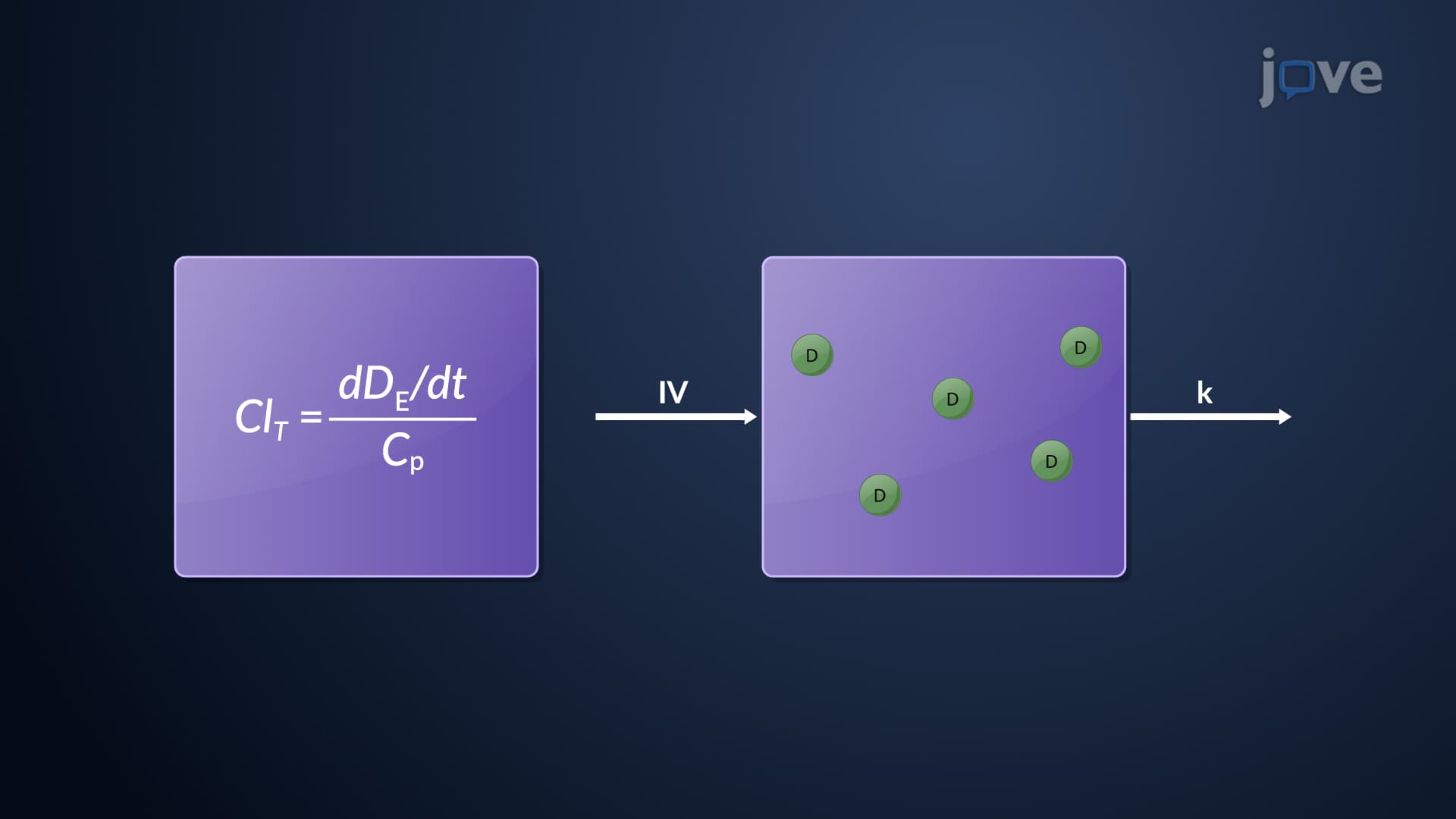
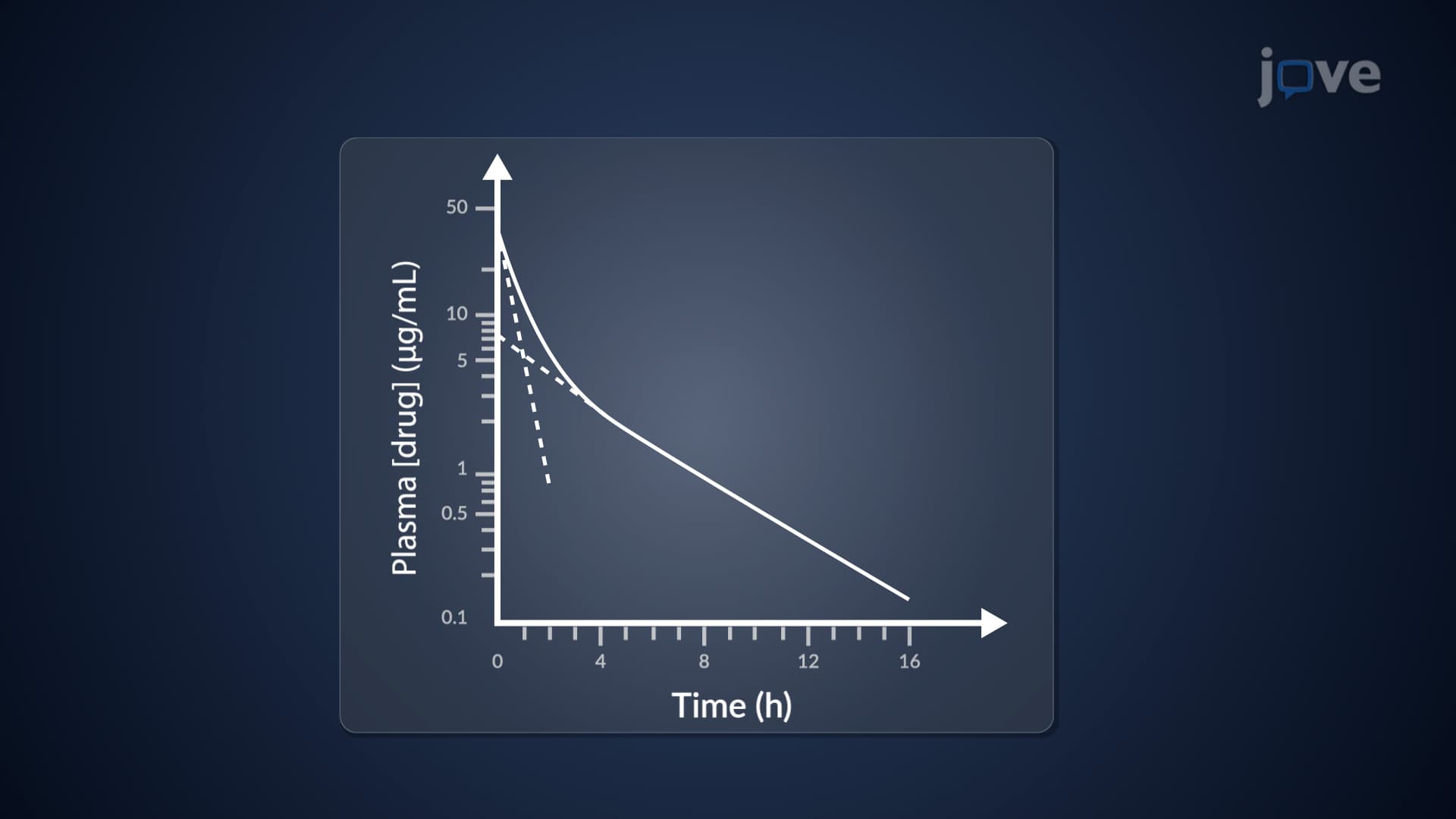
Pharmacokinetics-the study of how drugs move through the body-relies heavily on mathematical modeling to predict drug behavior. These models are essential for determining safe and effective dosages, whether for a single patient or an entire population.
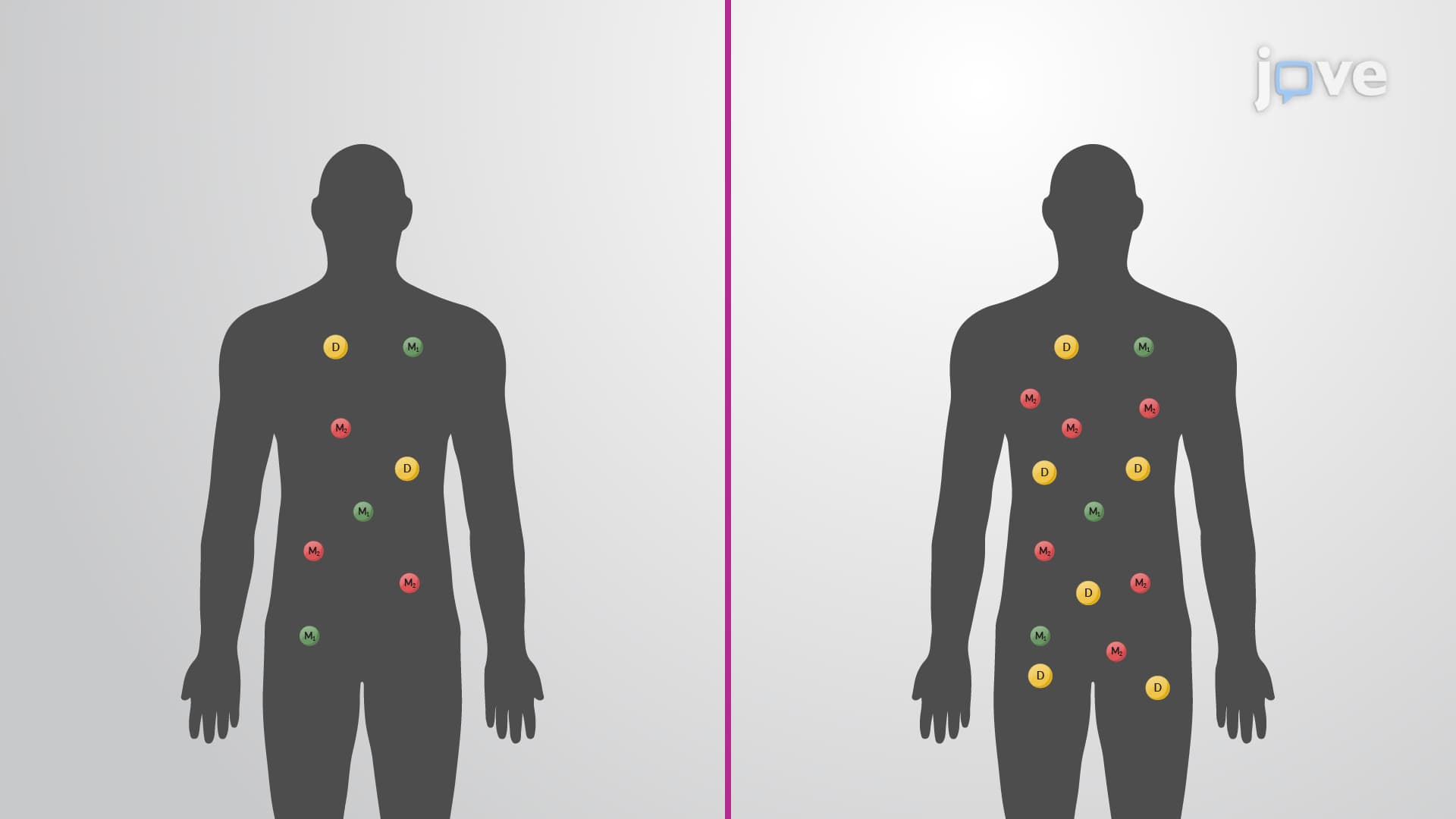
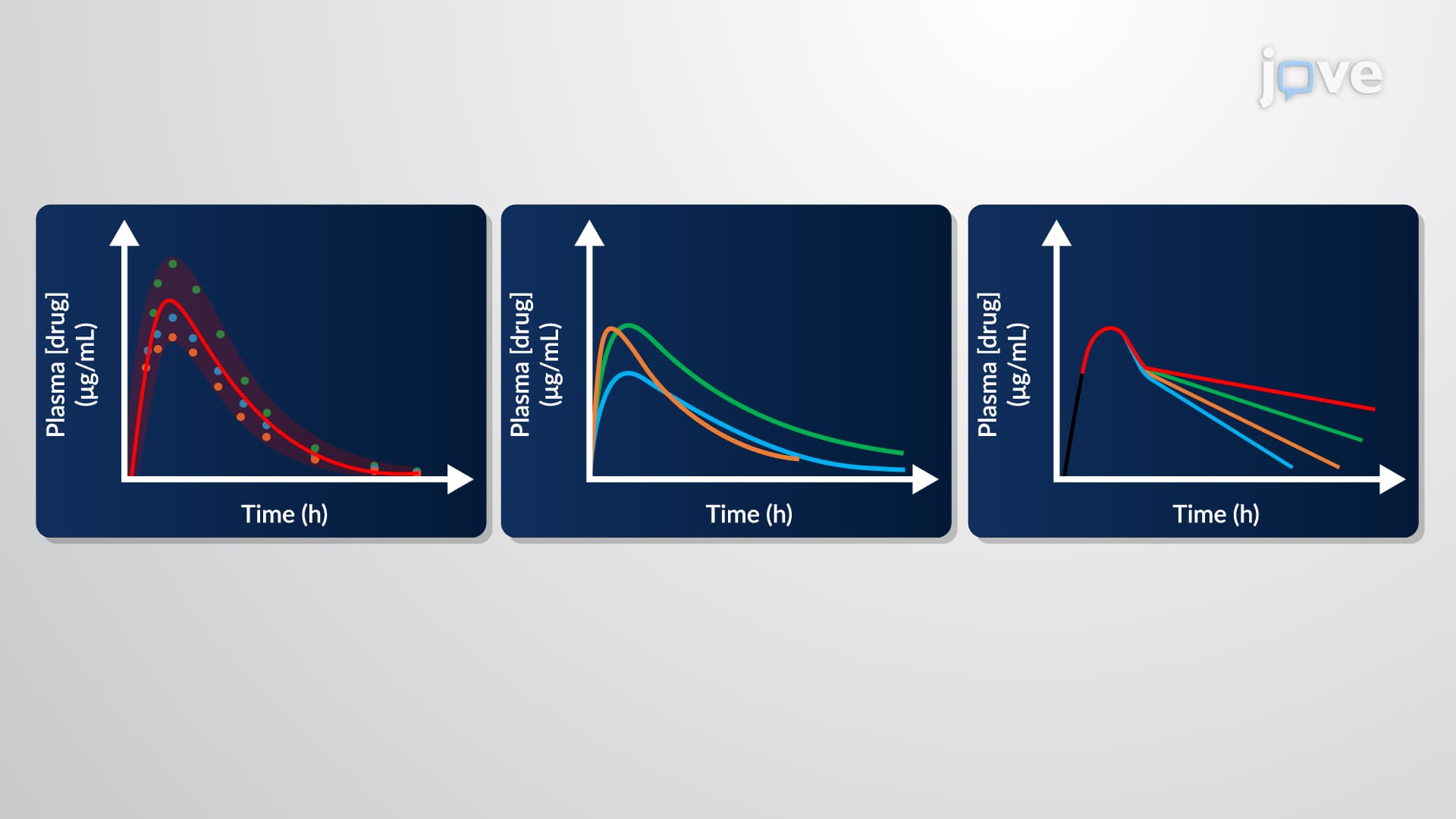
Individual pharmacokinetic analysis focuses on mechanistic models using data from one person at a time. Think of it like creating a personalized map of how a specific drug travels through your unique body. The mathematical foundation involves several key variables: observed drug concentrations (what we actually measure), measurement errors (inevitable inaccuracies in our instruments), and model parameters (the mathematical values that describe your body's drug processing).
However, perfect predictions are impossible due to data collection errors. Real-world factors like slight variations in blood sampling times, instrument calibration differences, or even patient movement during sample collection introduce uncertainties. This is where statistical methods become crucial.
The ordinary least squares (OLS) method, commonly taught in AP Statistics and college biostatistics courses, has a significant limitation: it's biased toward larger observations. Imagine measuring drug concentrations-if one reading is much higher than others, OLS gives it disproportionate weight in the final model.
Weighted least squares and maximum likelihood methods solve this problem by incorporating weighting factors. These advanced techniques, covered in upper-level pharmacokinetics courses and relevant for MCAT preparation, provide more accurate predictions by appropriately balancing all data points.
Population pharmacokinetic analysis takes a broader approach, predicting drug behavior across multiple subjects while accounting for interindividual variability. Consider how the same dose of acetaminophen affects different people-some metabolize it quickly, others slowly, based on genetic factors, age, liver function, and other variables.
The elegant aspect of population modeling is using the same structural model framework for all individuals studying a specific drug, while allowing parameters to vary between people. This approach is fundamental to how the FDA evaluates new medications and establishes dosing guidelines.
These concepts frequently appear on the MCAT's Chemical and Physical Foundations section and in college pharmacology courses. Understanding the distinction between individual and population approaches helps explain why precision medicine-tailoring treatments to individual patients-represents the future of healthcare, while population studies remain essential for initial drug approval and general dosing guidelines.
Related Micro-courses