Loading subject page…

- Pharmacokinetics and Pharmacodynamics
- Pharmacokinetic Models
- Mechanistic Models: Compartment Models in Algorithms for Numerical Problem Solving
Micro-course: Pharmacokinetic Models
9,673 views
Learn key concepts and earn your certificate.














Mechanistic Models: Compartment Models in Algorithms for Numerical Problem Solving


00:00
01:29
Video Summary: Mechanistic Compartment Models in Numerical Algorithms and Problem Solving
Ever wonder how pharmaceutical companies like Pfizer determine the exact dosage of medications that will be both safe and effective? Mechanistic compartment models numerical approaches solve this complex puzzle by using sophisticated algorithms to track how drugs move through your body. These Mechanistic Compartment Models in Numerical Algorithms and Problem Solving combine mathematical precision with biological reality, enabling researchers at institutions like Johns Hopkins to optimize treatments for conditions ranging from diabetes to cancer. Watch the full video on JoVE Coach to master this concept with expert-led visuals and step-by-step explanations.
- Understand how Mechanistic Compartment Models in Numerical Algorithms and Problem Solving integrate mathematical algorithms with biological systems to solve complex pharmacological problems
- Identify key linearization techniques including Cauchy's method, Newton-based methods, and Gauss-Newton approaches used in individual population analyses
- Analyze the differences between first-order (FO) and first-order conditional estimation (FOCE) algorithms in population compartmental modeling
- Compare linearization-based methods with non-linearization approaches like the Nelder-Mead simplex method
- Evaluate the advantages of advanced algorithms such as Levenberg-Marquardt modifications and Laplacian FOCE methods
- Apply Taylor series expansions (first-order and second-order) to understand how complex biological models are simplified for computational analysis
- Recognize the role of maximum likelihood expectation maximization (MLEM) algorithms in iterative parameter estimation
- Explore how these numerical methods are implemented in specialized software like NONMEM for real-world pharmaceutical applications
Understanding Mechanistic Compartment Models in Numerical Problem Solving
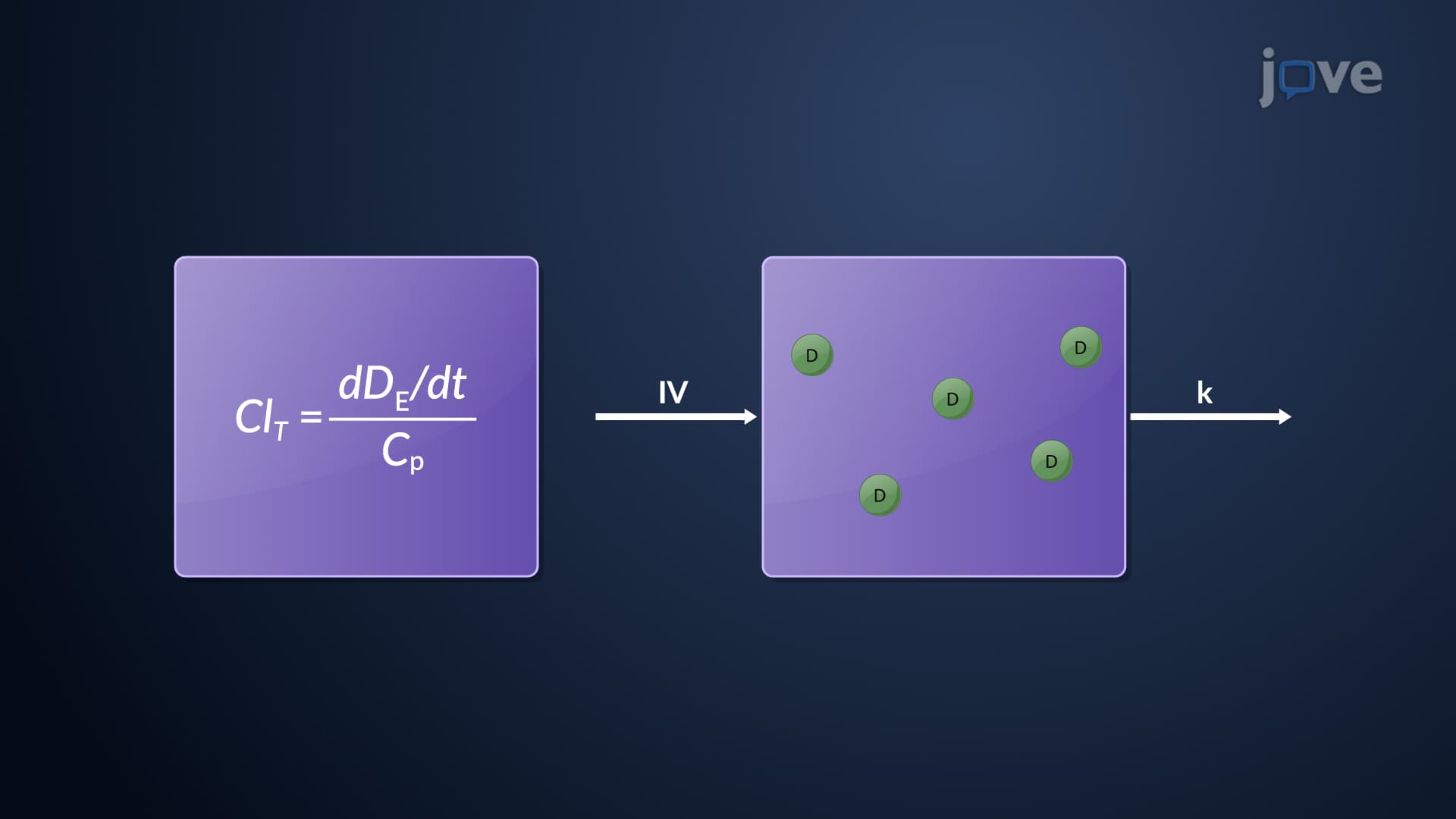
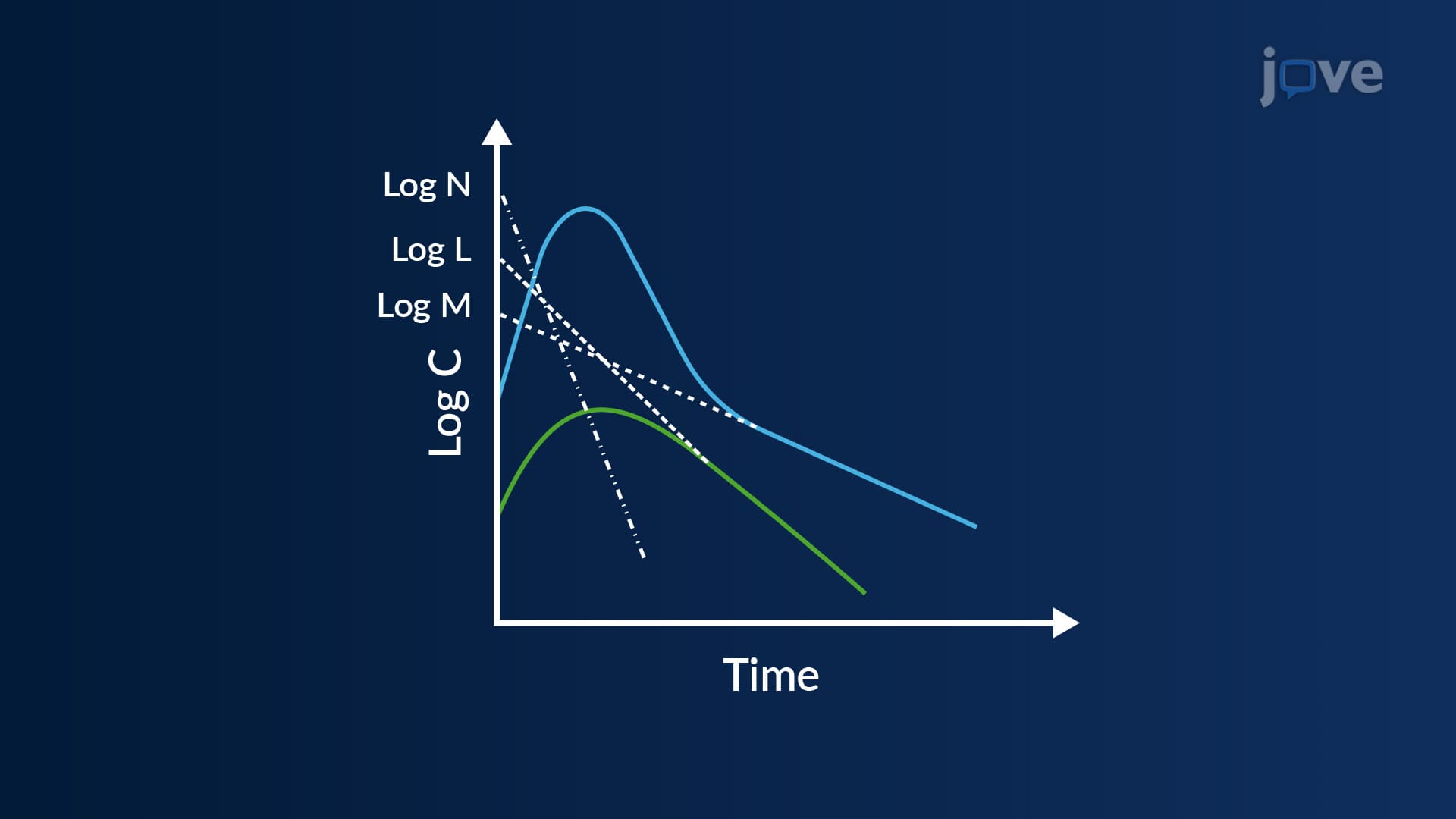
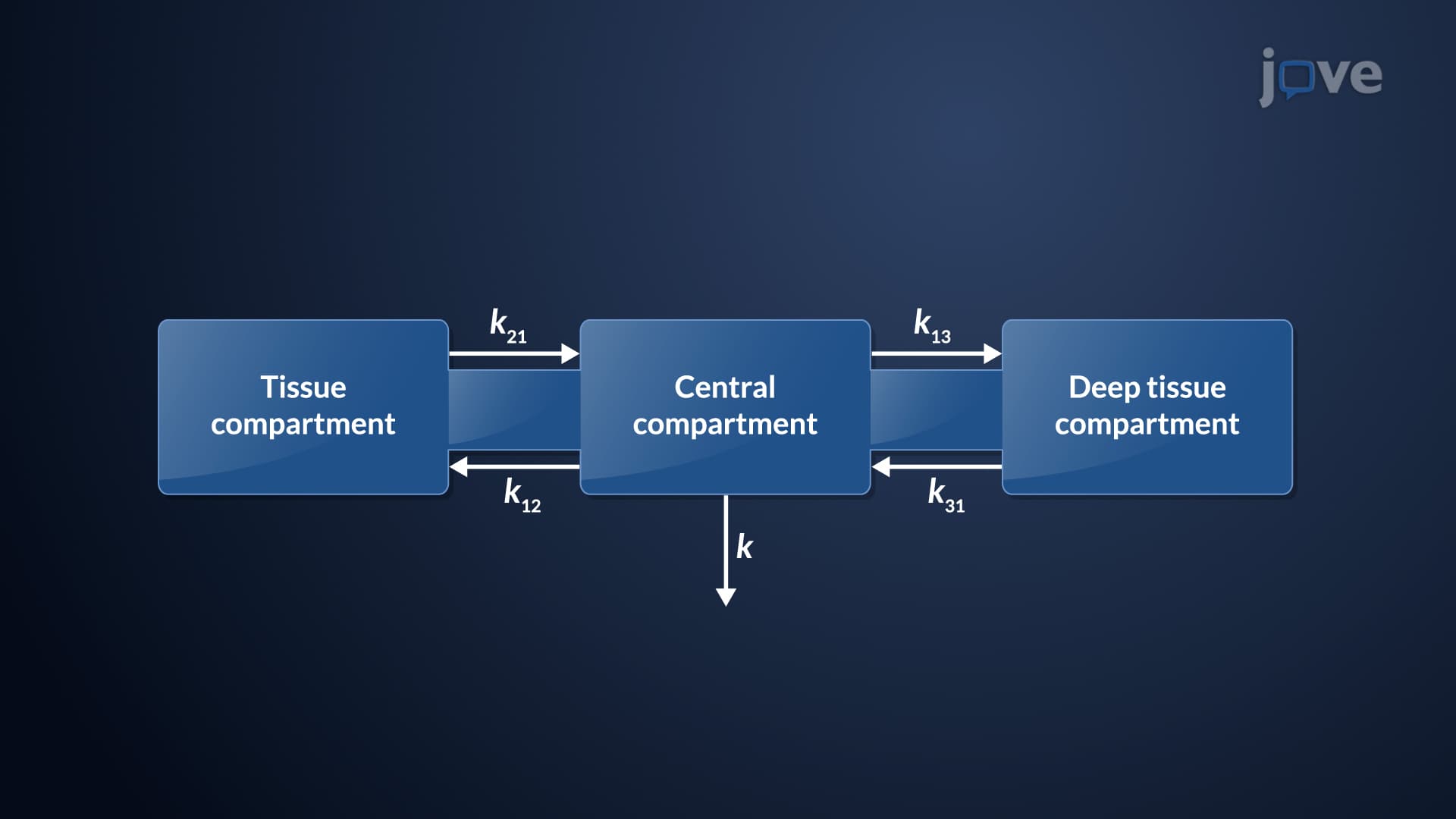
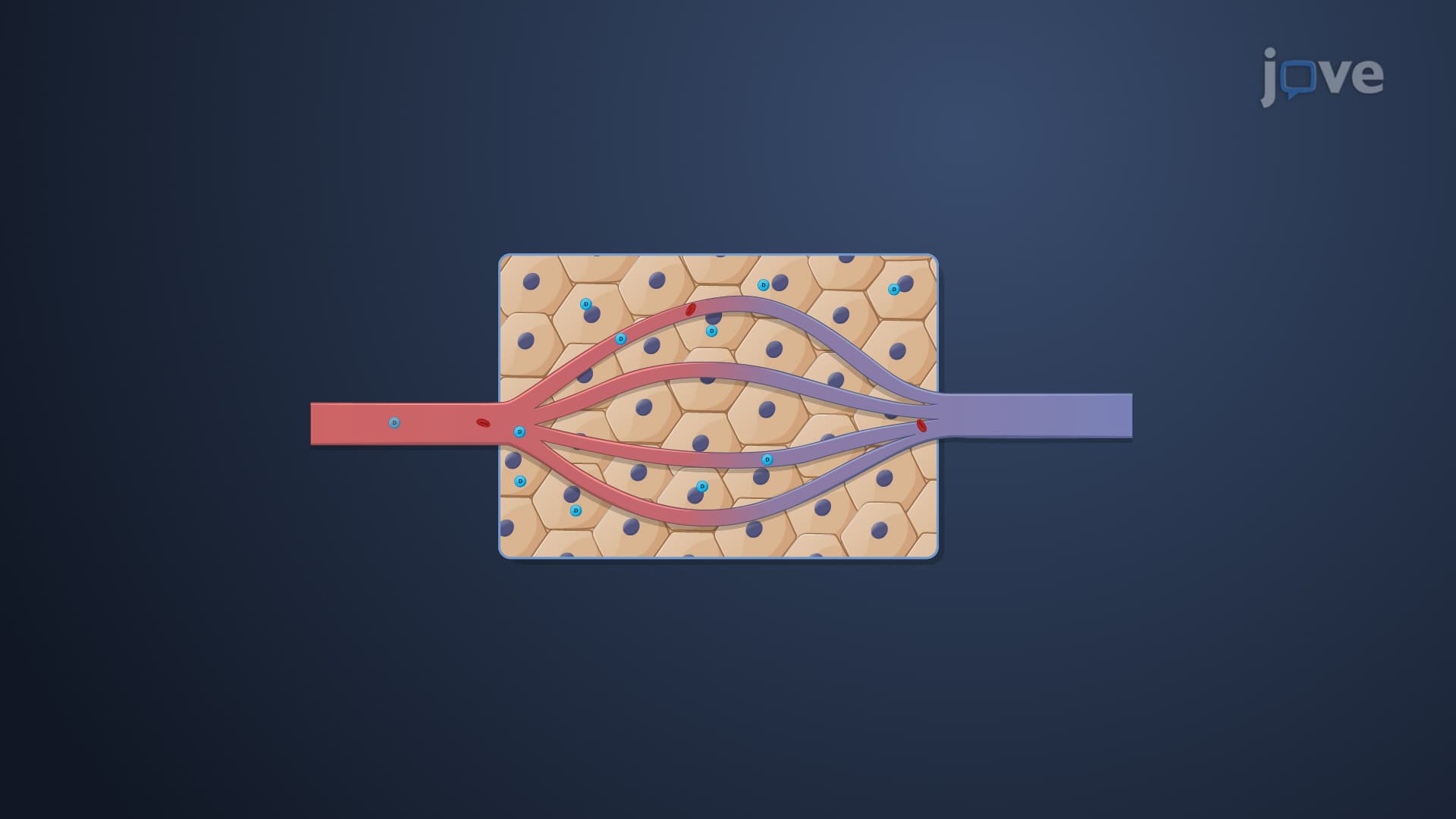
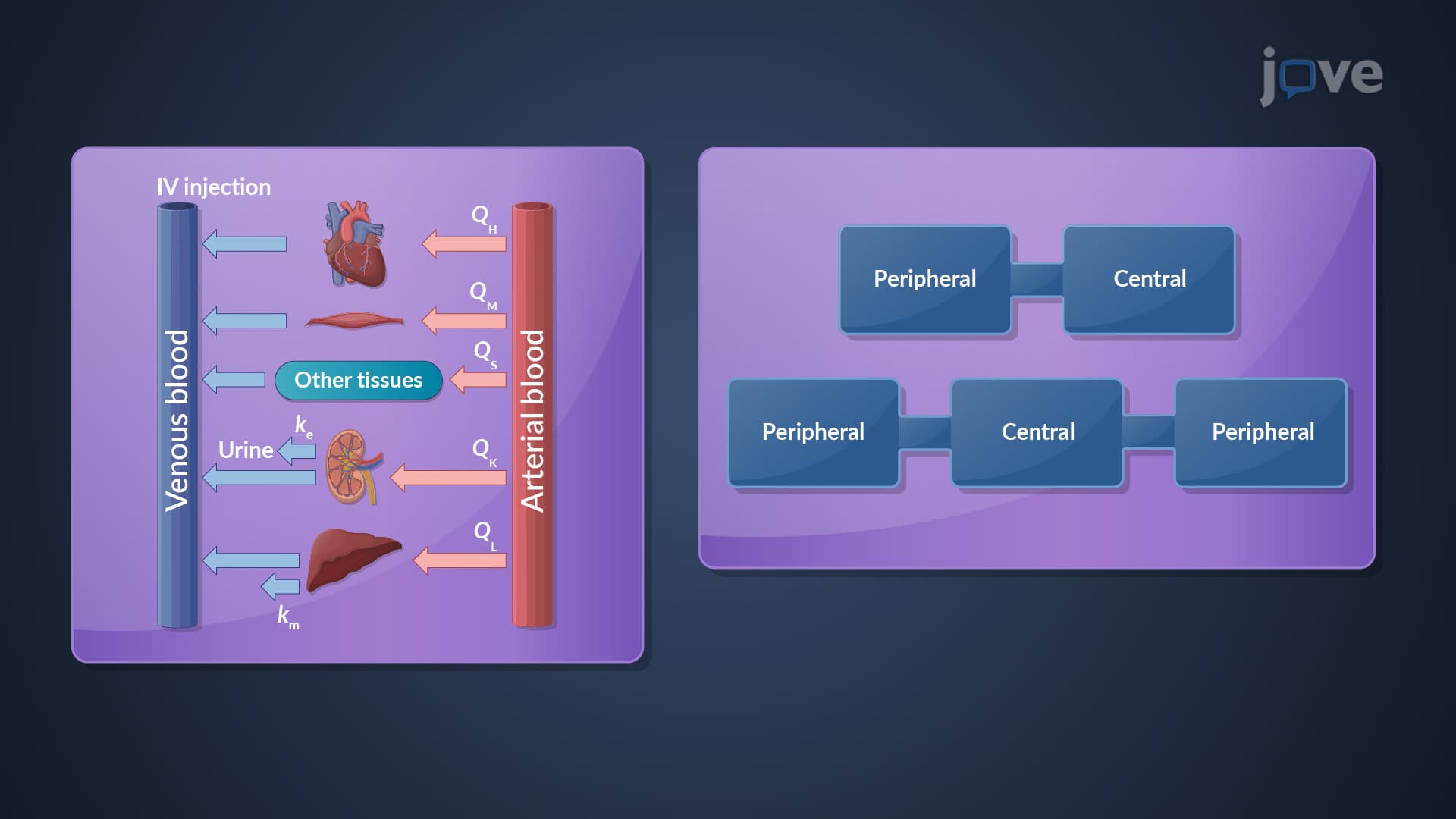
Mechanistic compartment models numerical systems represent one of the most sophisticated approaches in computational biology and pharmacology. These models treat the human body as a series of interconnected compartments-think of them as different rooms in a house where a drug can move between the bloodstream, liver, kidneys, and target tissues. Unlike simple mathematical models, mechanistic approaches incorporate actual biological processes, making them invaluable for drug development and medical research.
Linearization Techniques and Individual Analysis Methods
The complexity of biological systems often requires sophisticated mathematical approaches to make problems computationally tractable. Linearization techniques transform nonlinear biological relationships into simpler linear equations that computers can solve efficiently. Cauchy's method provides foundational iterative approaches, while Newton-based methods offer rapid convergence for parameter estimation. The Gauss-Newton method specifically excels in least-squares problems common in pharmacokinetic modeling.
The Levenberg-Marquardt algorithm represents a significant advancement, combining the stability of gradient descent with the speed of Gauss-Newton methods. This hybrid approach proves particularly valuable when dealing with ill-conditioned problems-situations where small changes in input data lead to large changes in results, a common challenge in biological modeling.
Population-Level Algorithms and NONMEM Applications
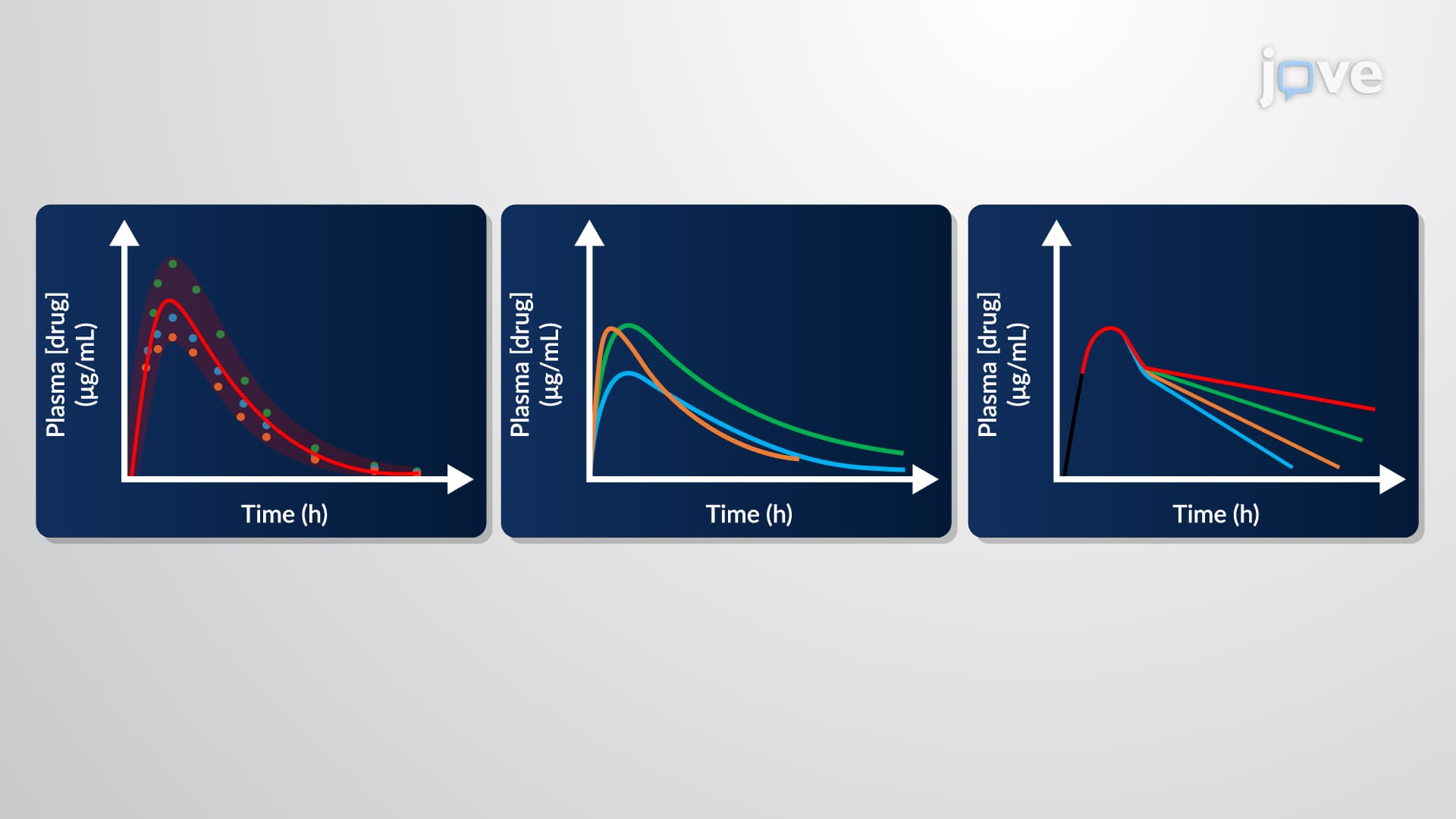
Population compartmental analysis moves beyond individual patient modeling to understand drug behavior across diverse patient populations. The first-order (FO) method uses Taylor series linearization around population means, making it computationally efficient but potentially less accurate for highly nonlinear systems. First-order conditional estimation (FOCE) improves upon FO by estimating individual parameters alongside population parameters, providing more robust results for complex biological systems.
Modern approaches like Laplacian FOCE employ second-order Taylor series expansions, capturing more mathematical complexity at the cost of increased computational demands. These methods prove essential for analyzing drugs with narrow therapeutic windows, where precision directly impacts patient safety.
Non-Linearization Approaches and Advanced Optimization
The Nelder-Mead simplex method represents a fundamentally different approach, exploring the mathematical "landscape" of possible solutions without requiring derivatives or linearization. This method proves particularly valuable for discontinuous or noisy biological data, common in real-world clinical studies.
Maximum likelihood expectation maximization (MLEM) algorithms offer another powerful approach, iteratively improving parameter estimates by maximizing the probability that the observed data would occur given the model parameters. These methods find extensive application in biomedical research, from analyzing clinical trial data at the FDA to optimizing treatment protocols at major medical centers like the Mayo Clinic.
Students preparing for advanced placement exams or college-level biomedical engineering courses should focus on understanding how these numerical methods translate biological complexity into computationally manageable problems, as this intersection of mathematics and biology increasingly appears in standardized tests and university curricula.
Frequently Asked Questions
Mechanistic compartment models in numerical algorithms combine mathematical computation with biological reality to solve complex problems in drug development and medical research. These models treat the body as interconnected compartments (like blood, liver, tissues) and use sophisticated algorithms to predict how drugs move and act within these systems. They're essential for determining safe and effective medication dosages.
MCAT questions often test understanding of pharmacokinetic principles underlying these models, including first-order kinetics and compartmental analysis. You'll encounter problems involving drug absorption, distribution, and elimination that require applying compartment model concepts. Focus on understanding how mathematical models translate to biological processes rather than memorizing specific algorithms.
While AP exams don't explicitly test these advanced models, they do assess foundational concepts like enzyme kinetics and mathematical modeling in biological systems. Understanding compartment model principles helps with kinetics problems and data analysis questions. These concepts also prepare you for college-level biochemistry and biomedical engineering courses.
Pharmaceutical companies use these models throughout drug development, from early research to clinical trials and FDA submissions. For example, they determine optimal dosing schedules for new diabetes medications or predict how kidney disease affects drug clearance. These models help companies save millions in development costs and ensure patient safety.
Basic understanding of derivatives and exponential functions provides a solid foundation, but you don't need advanced calculus to grasp core concepts. Focus on understanding how mathematical relationships represent biological processes. Many applications use software that handles complex calculations, so conceptual understanding matters more than computational ability.
Start with simple one-compartment models and gradually build complexity, practicing with real pharmacokinetic data sets. Create concept maps linking algorithms to their biological applications, and work through practice problems that connect mathematical methods to clinical scenarios. Focus on understanding when to apply different algorithms rather than memorizing formulas.
Biomedical engineering programs commonly include dedicated pharmacokinetic modeling courses, while chemical engineering curricula cover these topics in transport phenomena classes. Pre-med students encounter these concepts in advanced biochemistry and physiology courses. Many universities now offer interdisciplinary courses specifically focused on mathematical modeling in biology.
Consider studying physiologically-based pharmacokinetic (PBPK) modeling, which incorporates detailed organ physiology, or population pharmacokinetics for analyzing clinical trial data. Machine learning applications in drug development and systems pharmacology represent cutting-edge fields combining compartment modeling with artificial intelligence approaches.
Related Micro-courses
12 Concepts

17 Concepts