Loading subject page…


9,675 views

Video Summary: Mechanistic Models Overview of Compartment Models Explained
Ever wonder how the FDA determines safe dosing for children when testing new medications like insulin pumps for pediatric diabetes patients? Mechanistic models overview compartment analysis provides the mathematical framework that makes this possible. Unlike simple data descriptions, the Mechanistic Models Overview of Compartment Models Explained approach incorporates known biological factors to predict drug behavior in special populations. This robust modeling technique uses differential equations to describe how medications move through body compartments, enabling safer treatments for vulnerable patients across US healthcare systems. Watch the full video on JoVE Coach to master this concept with expert-led visuals and step-by-step explanations.
Mechanistic Models Overview of Compartment Models Explained represents a sophisticated approach to understanding how drugs behave in the human body. Unlike empirical models that simply describe data patterns, mechanistic models incorporate our biological knowledge about physiological processes. Think of it like the difference between memorizing that water boils at 212°F versus understanding the molecular mechanisms that cause boiling.
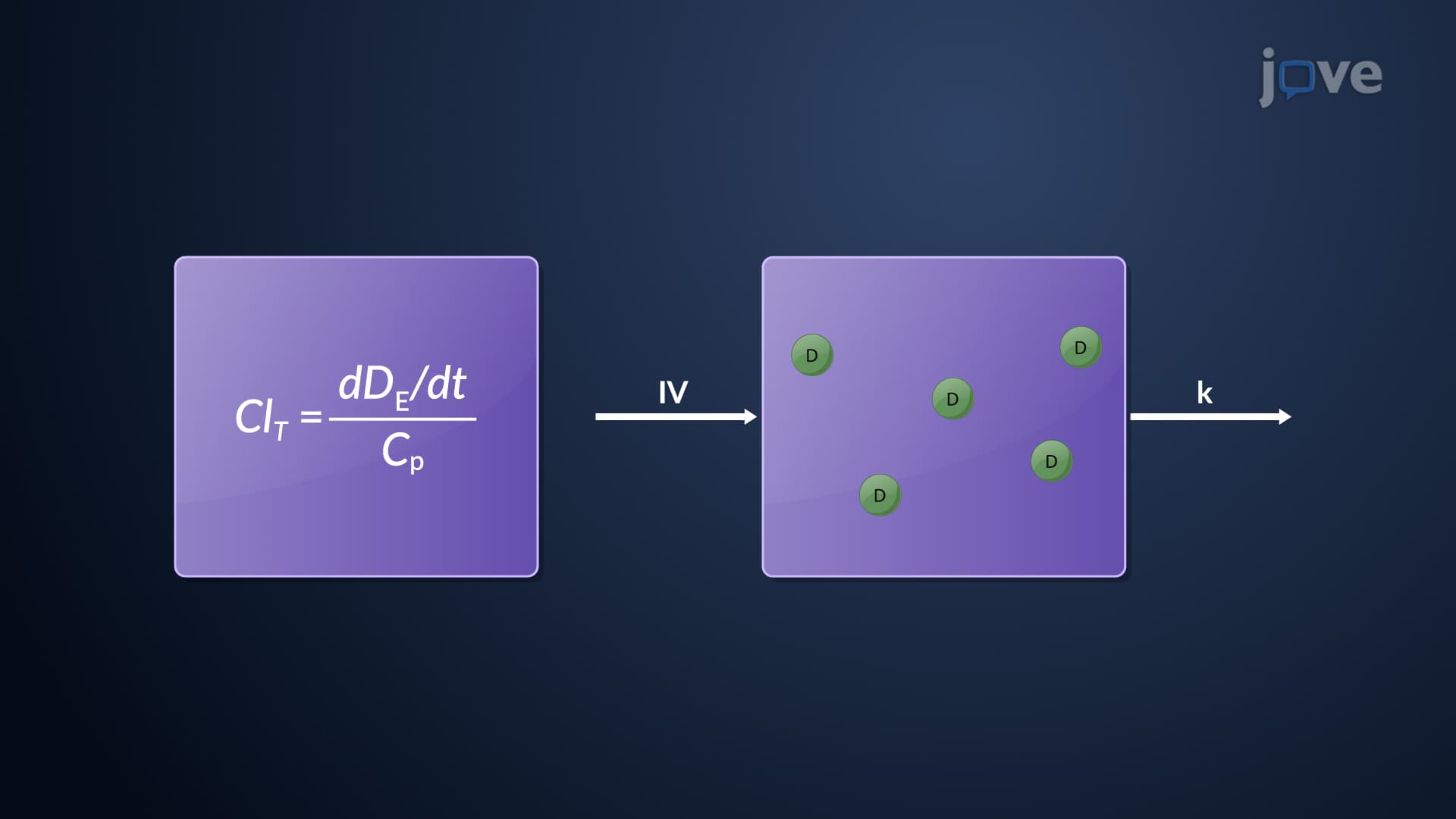
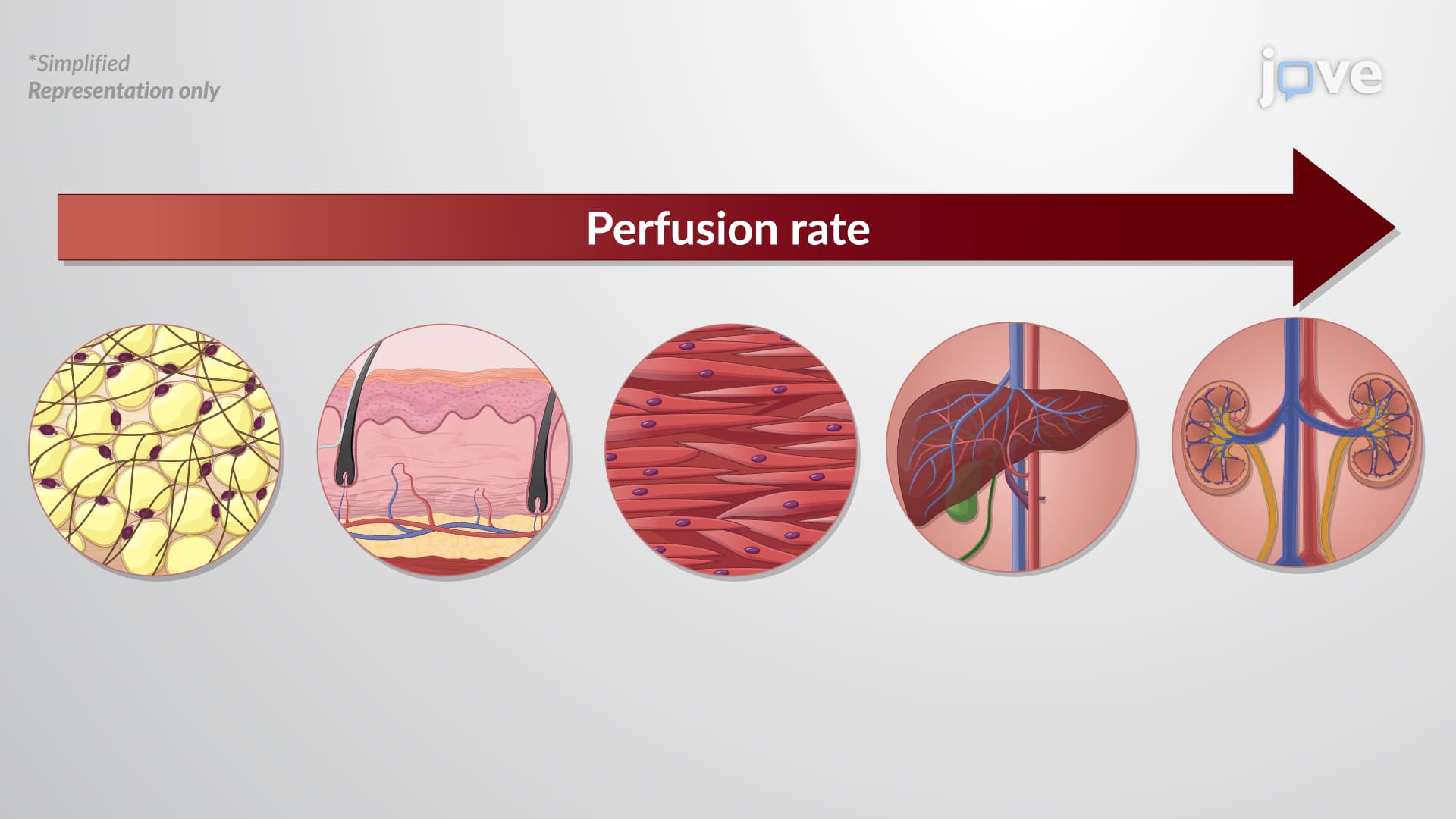
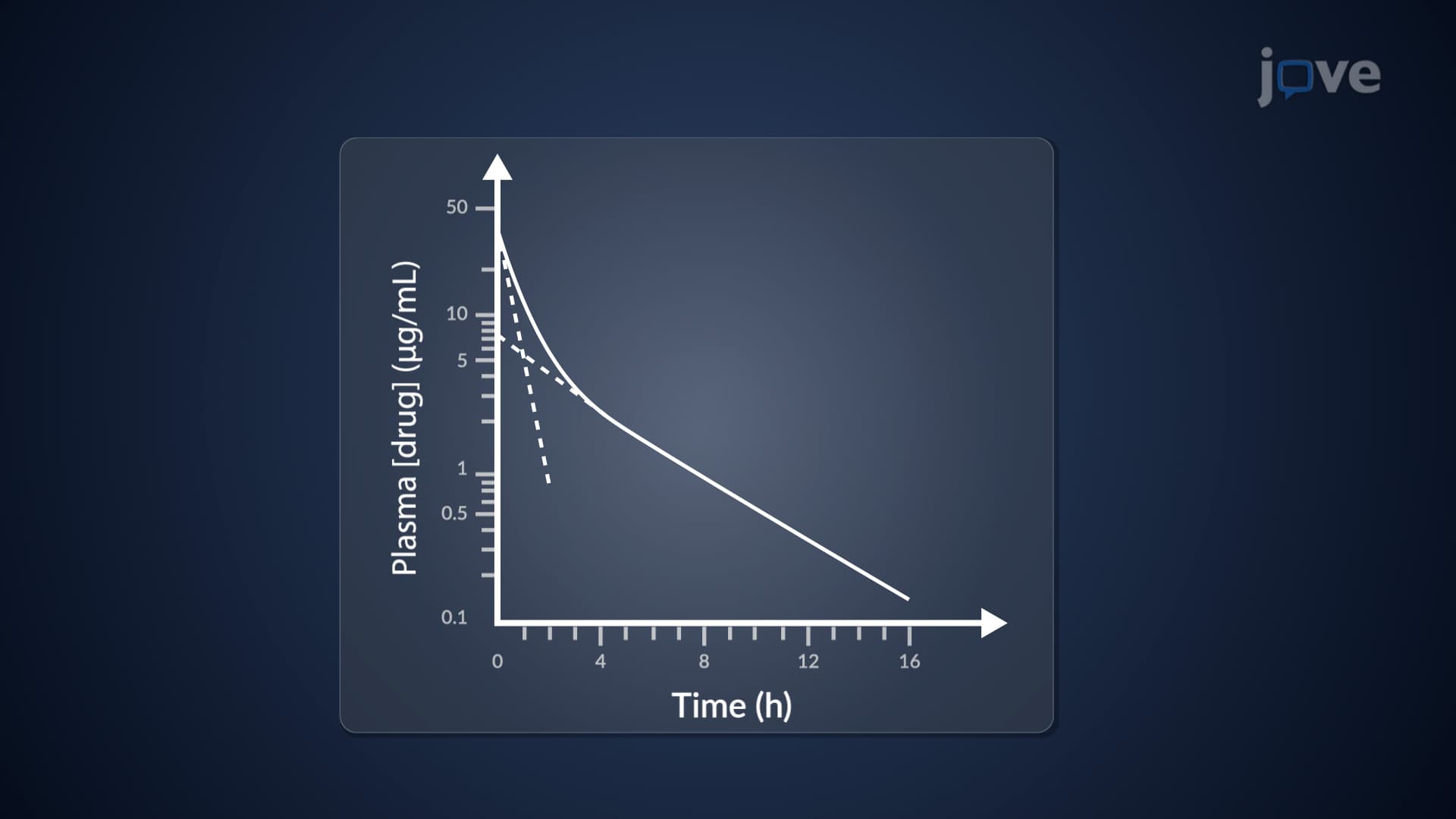
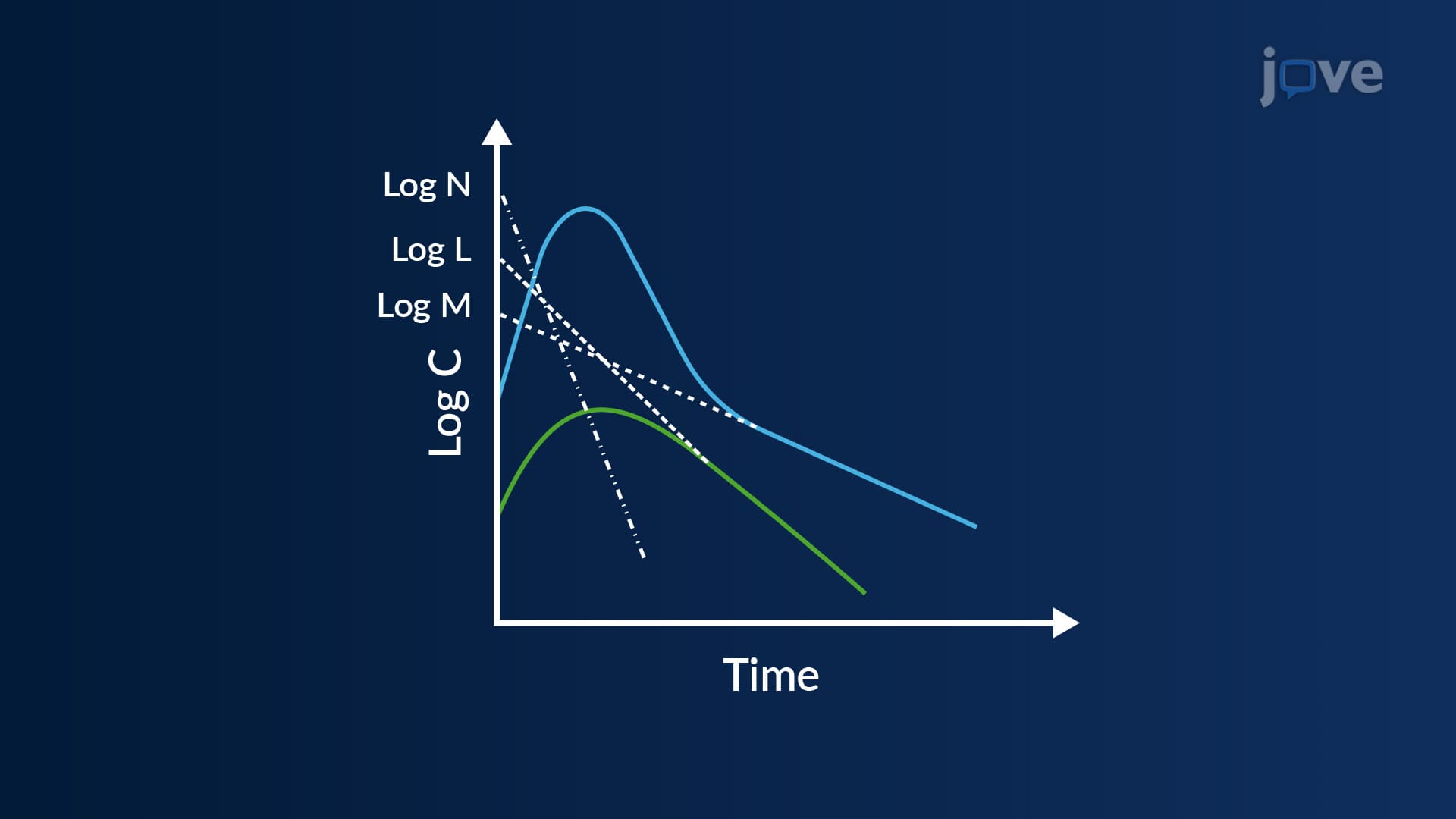
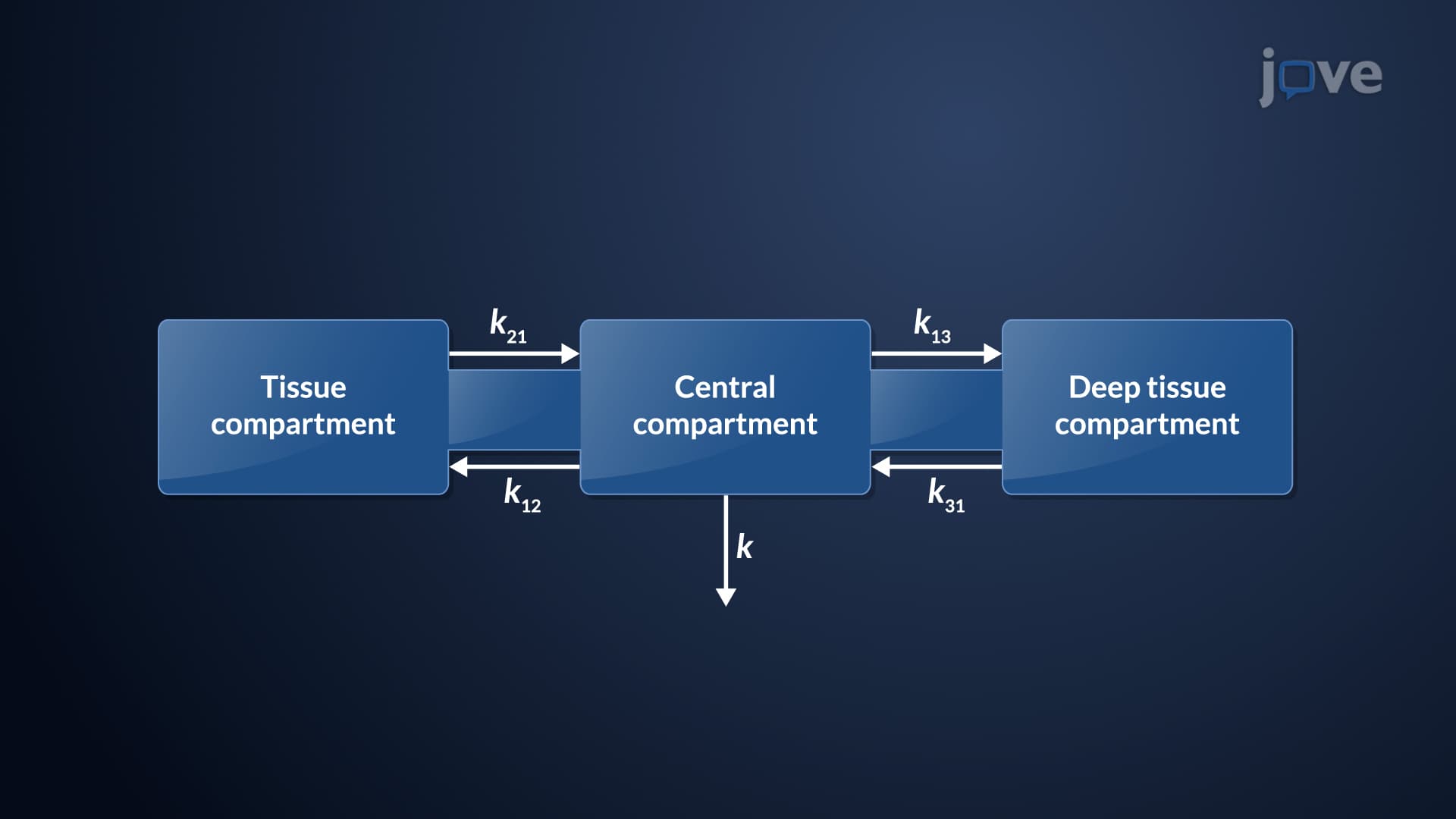
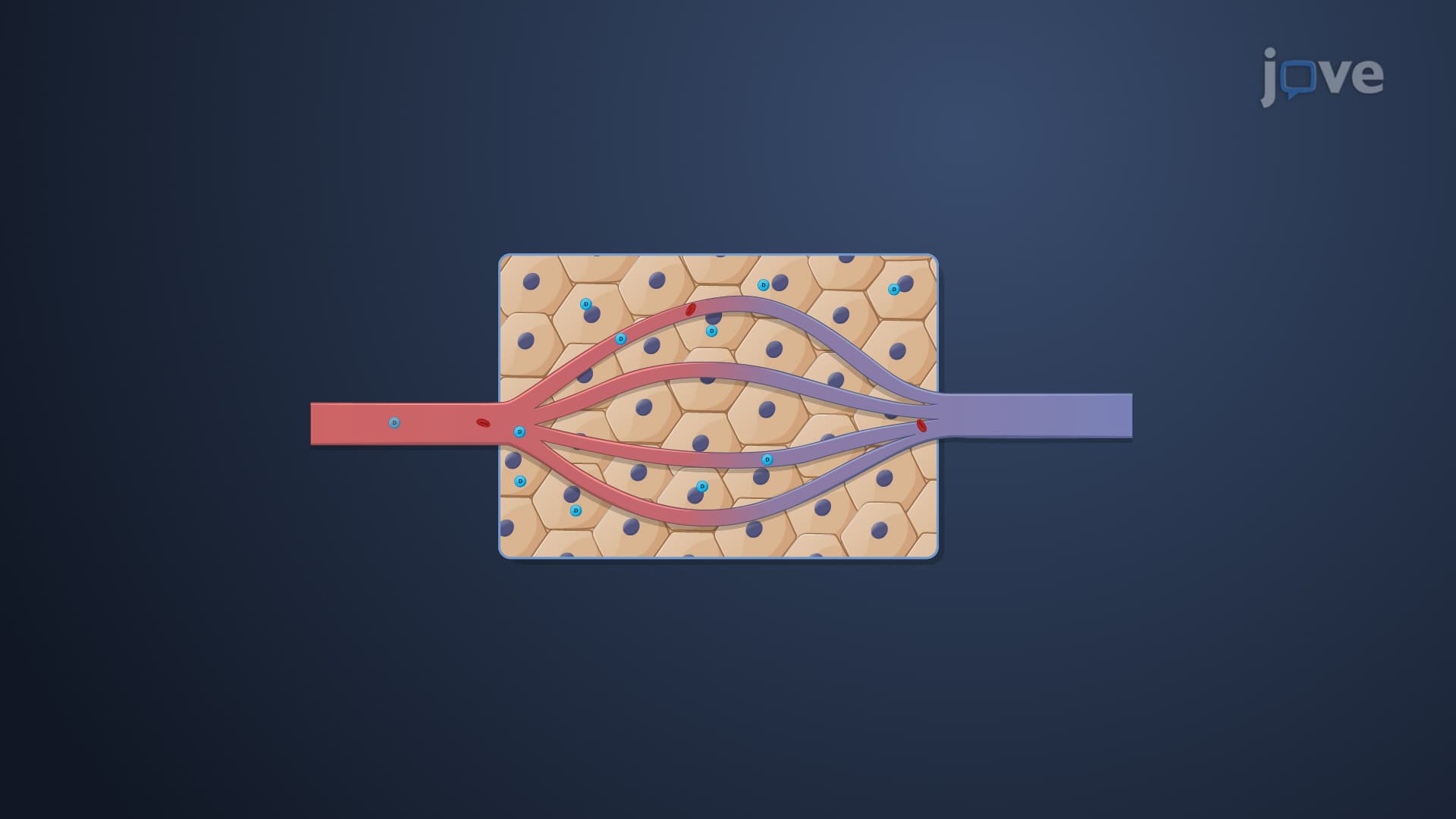
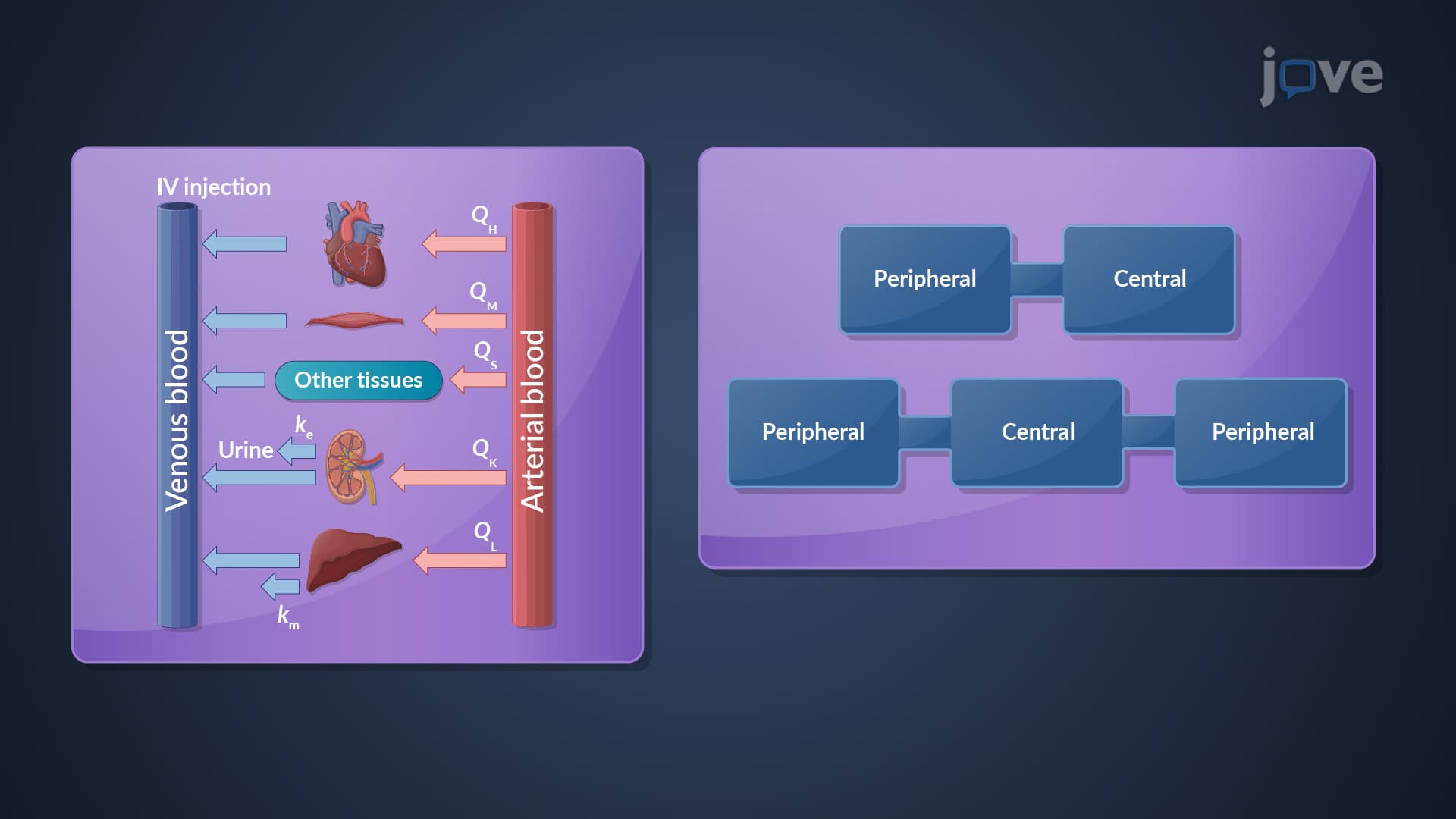
In the context of pharmacokinetics-the study of drug movement through the body-compartmental models treat the body as a series of connected compartments. The central compartment typically represents blood and highly perfused organs like the heart and liver, while peripheral compartments represent tissues where drugs distribute more slowly, such as muscle or fat.
The mathematical backbone of compartmental analysis relies on differential equations that describe drug movement between compartments. These equations account for processes like absorption (drug entering the system), distribution (drug spreading to tissues), metabolism (drug breakdown), and elimination (drug removal from the body).
Consider how this applies to insulin therapy for diabetic patients. When endocrinologists at institutions like Johns Hopkins develop personalized insulin regimens, they use compartmental models to predict how insulin will distribute from the injection site into blood circulation and then to target tissues. The models help determine optimal dosing schedules that maintain stable blood glucose levels.
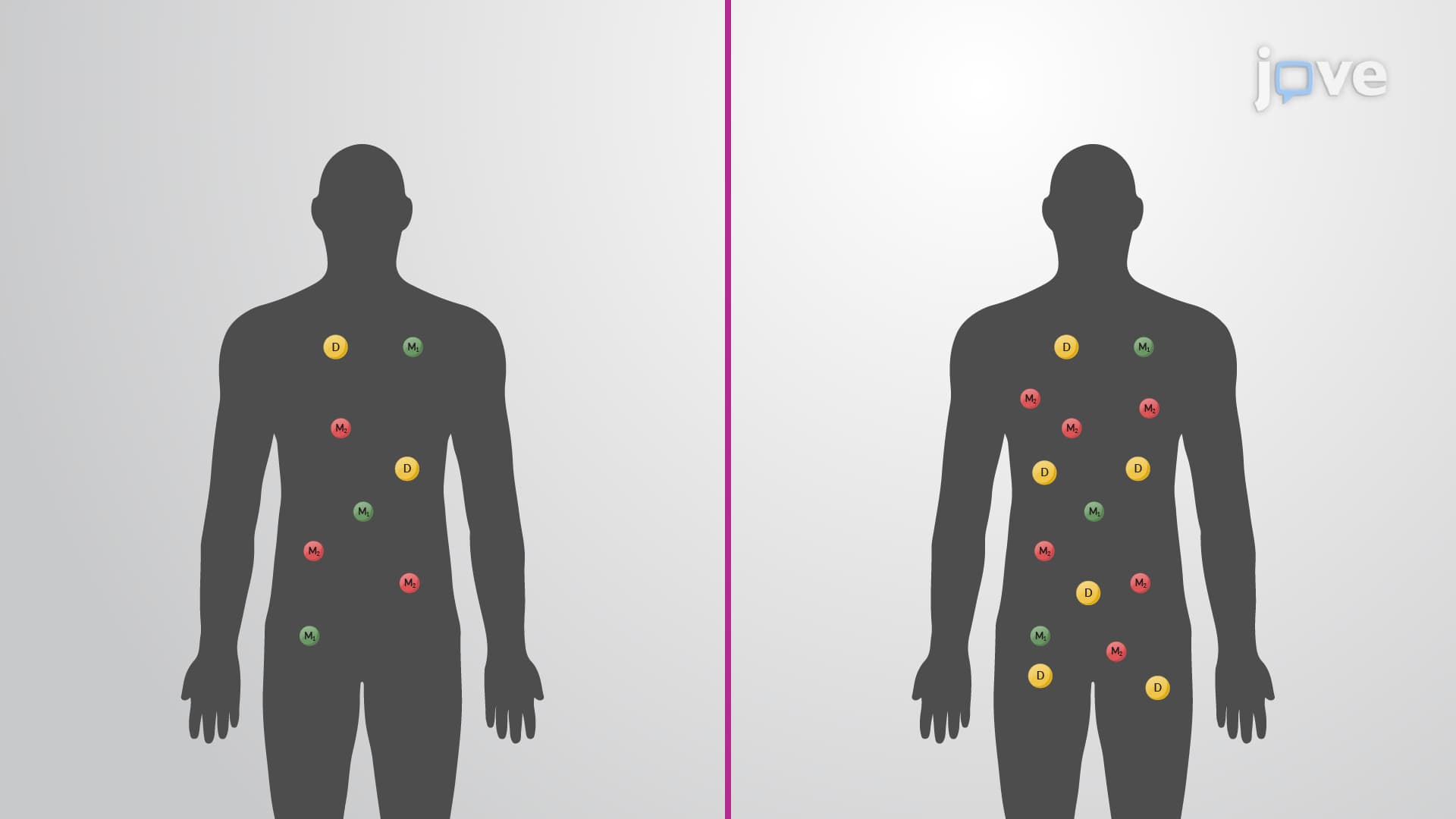
One of the most valuable applications of mechanistic modeling appears in population pharmacokinetics, which studies drug behavior across diverse patient groups. This approach is particularly crucial for special populations where direct testing may be limited or unethical.
For pediatric patients, compartmental models help predict appropriate drug doses based on adult data combined with knowledge of developmental physiology. Similarly, for patients with liver disease treated at centers like the Mayo Clinic, these models adjust for impaired drug metabolism capacity.
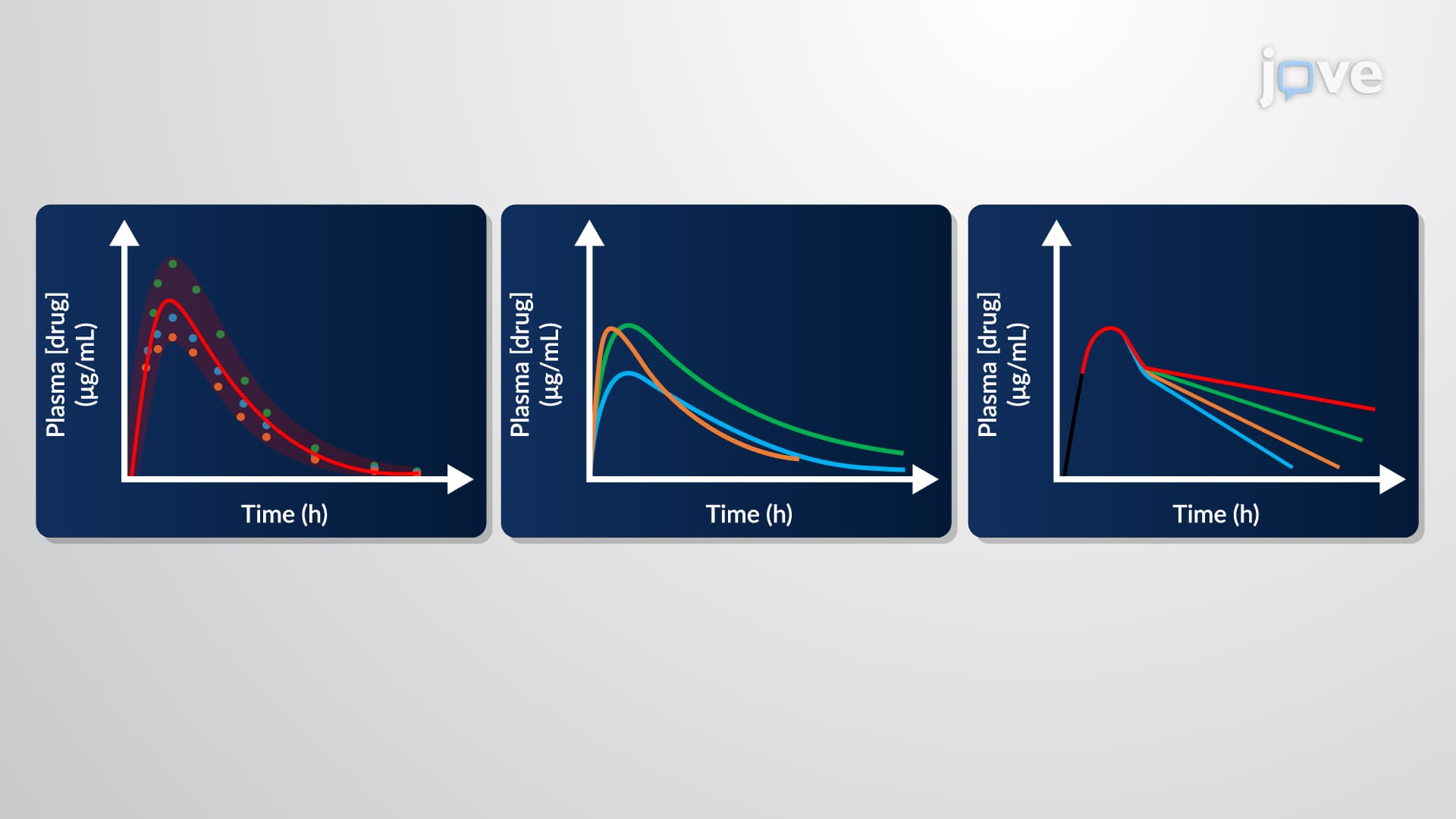
The three main approaches-naive pooled data, standard two-stage, and nonlinear mixed-effect modeling-each offer different advantages. Nonlinear mixed-effect modeling, considered the gold standard, simultaneously analyzes individual and population-level variations while accounting for factors like age, weight, and organ function.
For students preparing for the MCAT or advanced placement exams, understanding compartmental modeling concepts proves essential. The MCAT frequently includes passages about drug pharmacokinetics, requiring students to interpret graphs showing drug concentration over time and understand how physiological factors affect drug behavior.
In college-level pharmacology courses, students often encounter problem sets involving first-order and zero-order kinetics within compartmental frameworks. These concepts also appear on professional exams like the USMLE for medical students, where understanding drug dosing principles is fundamental to clinical practice.
Related Micro-courses