Loading subject page…


9,675 views


Video Summary: Model Independent Approaches for Pharmacokinetic Guide
Ever wonder how the FDA determines safe drug dosages without knowing exactly how medications move through your body? Model independent approaches pharmacokinetic methods revolutionize drug analysis by eliminating the need for complex biological models. Unlike traditional compartmental analysis used in developing drugs like insulin or acetaminophen, these approaches treat the body as a "black box" and focus purely on measurable drug concentrations over time. This breakthrough technique has transformed how pharmaceutical companies conduct clinical trials and how regulatory agencies evaluate new medications. Watch the full video on JoVE Coach to master this concept with expert-led visuals and step-by-step explanations.
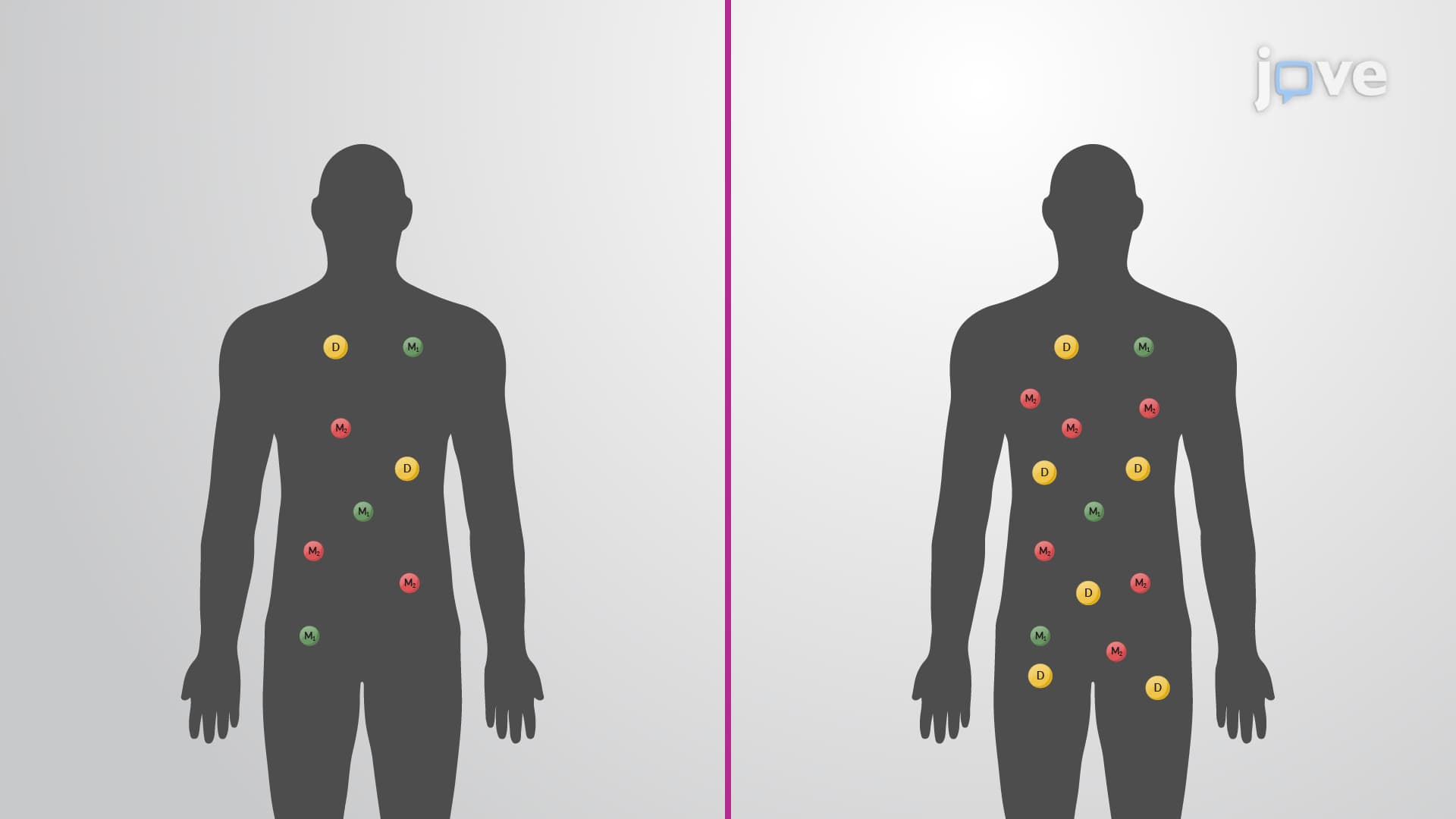
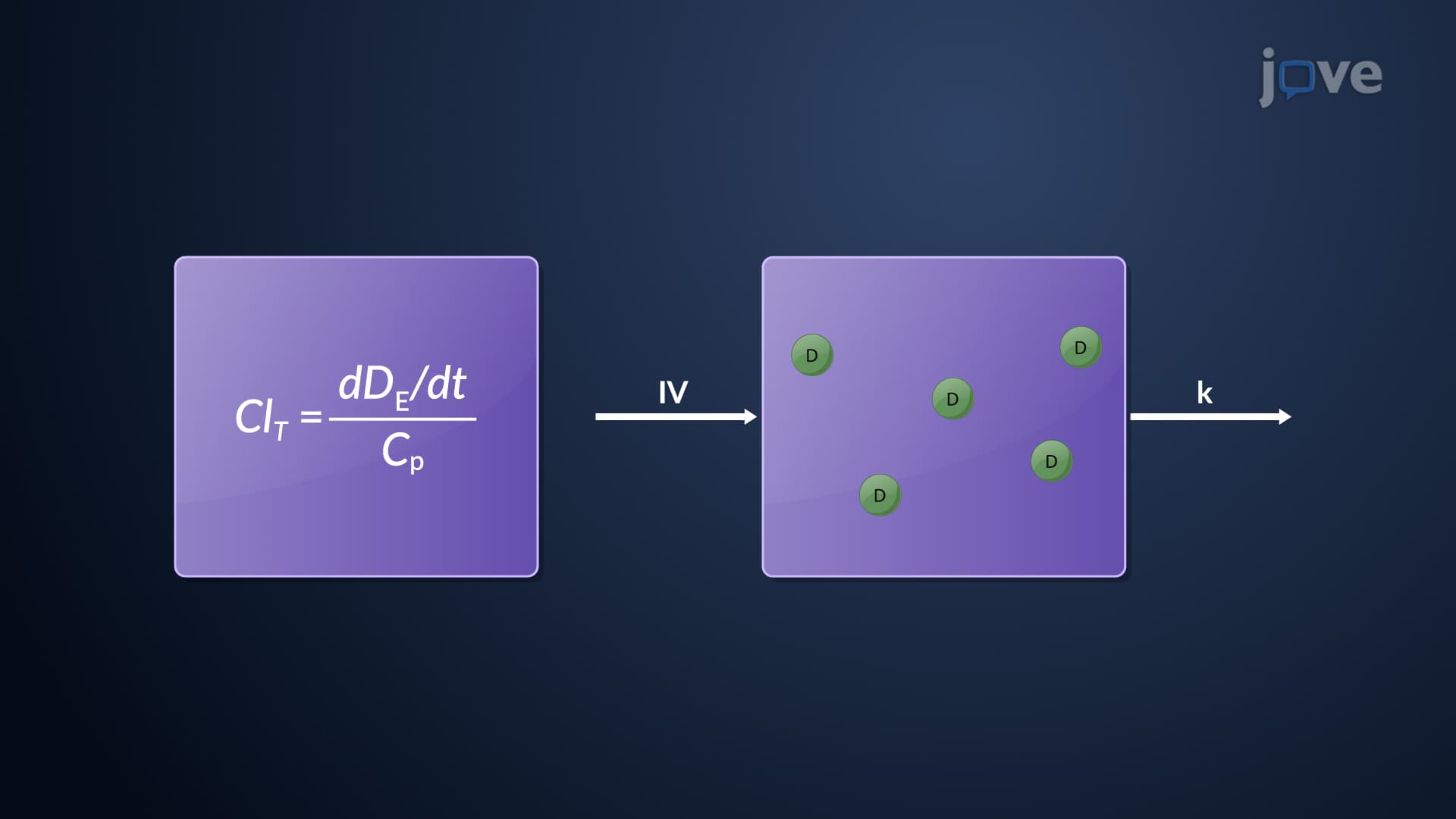
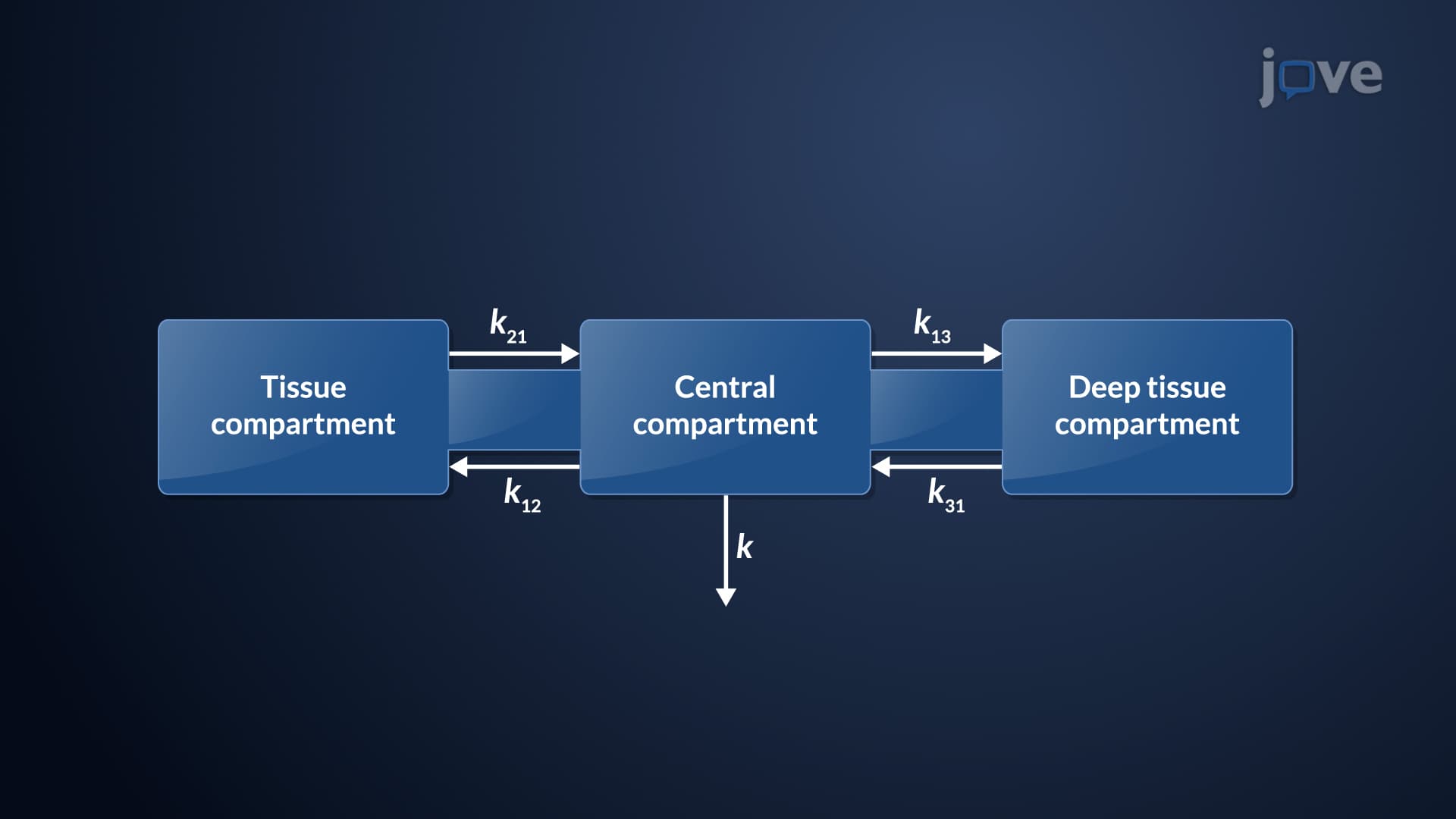
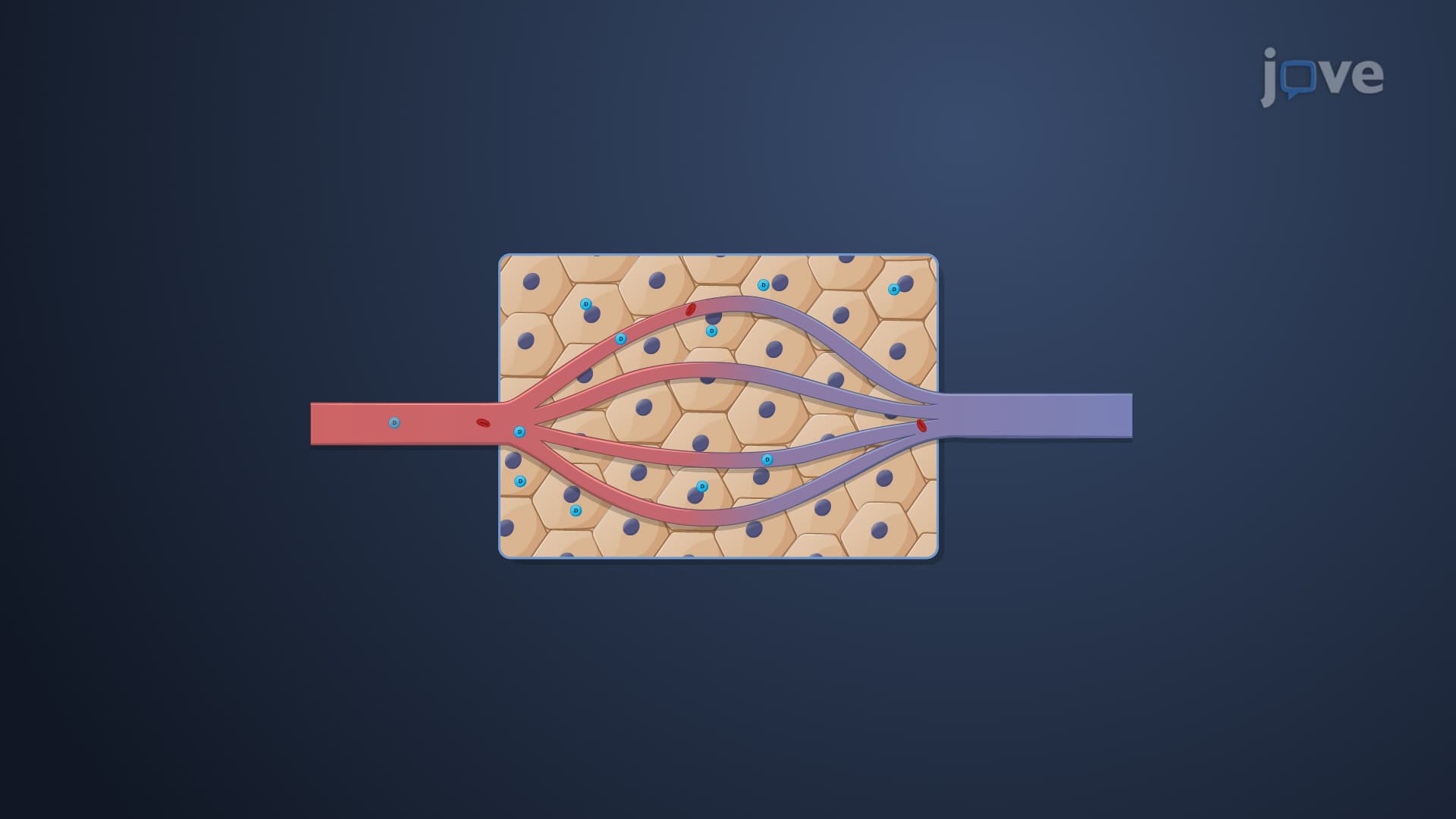
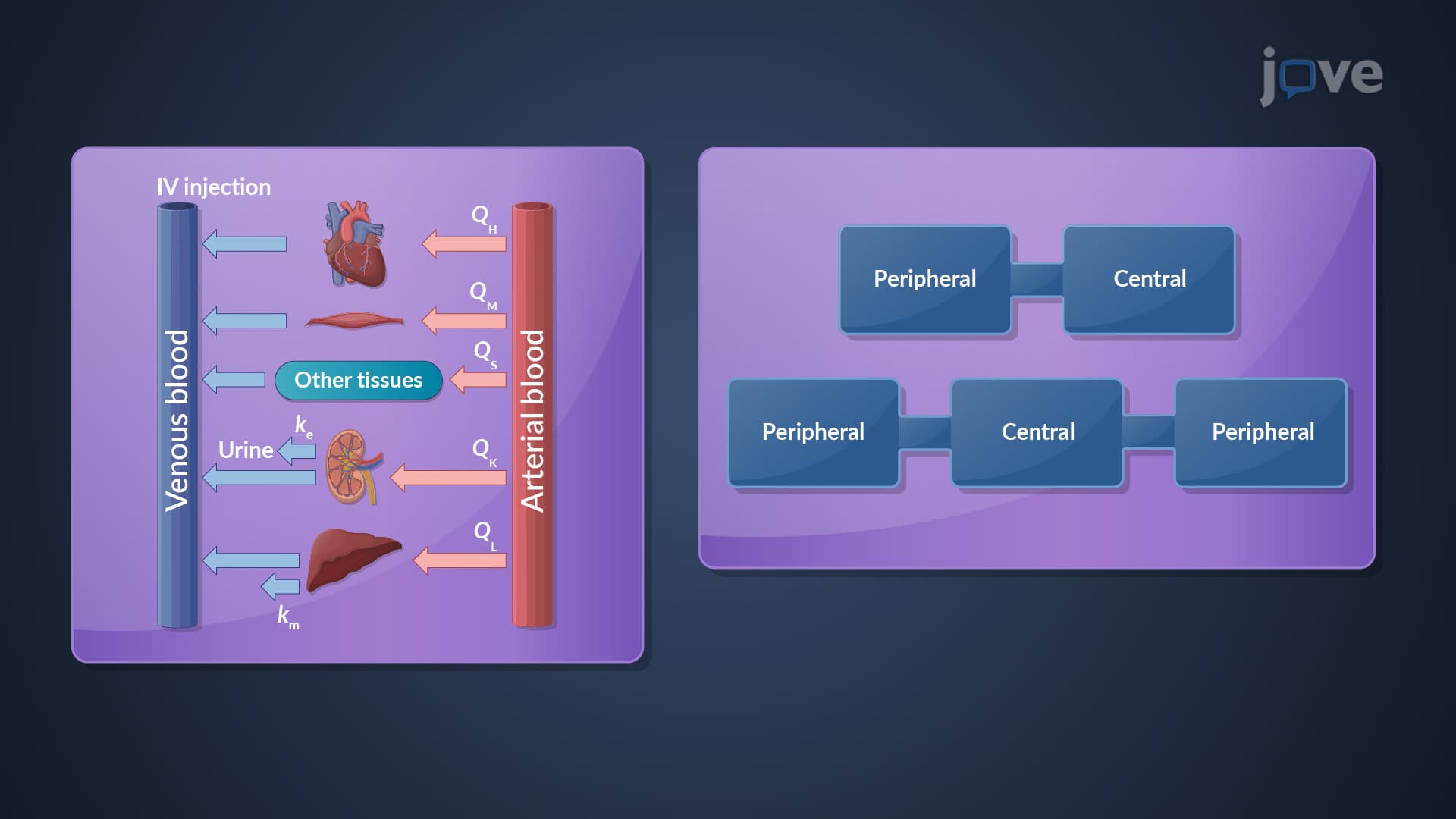
Model independent approaches pharmacokinetic analysis represents a paradigm shift in how scientists study drug behavior in the human body. Unlike traditional compartmental modeling that requires researchers to assume specific biological compartments (like blood, tissues, and organs), noncompartmental analysis treats the body as a single, unified system where only measurable drug concentrations matter.
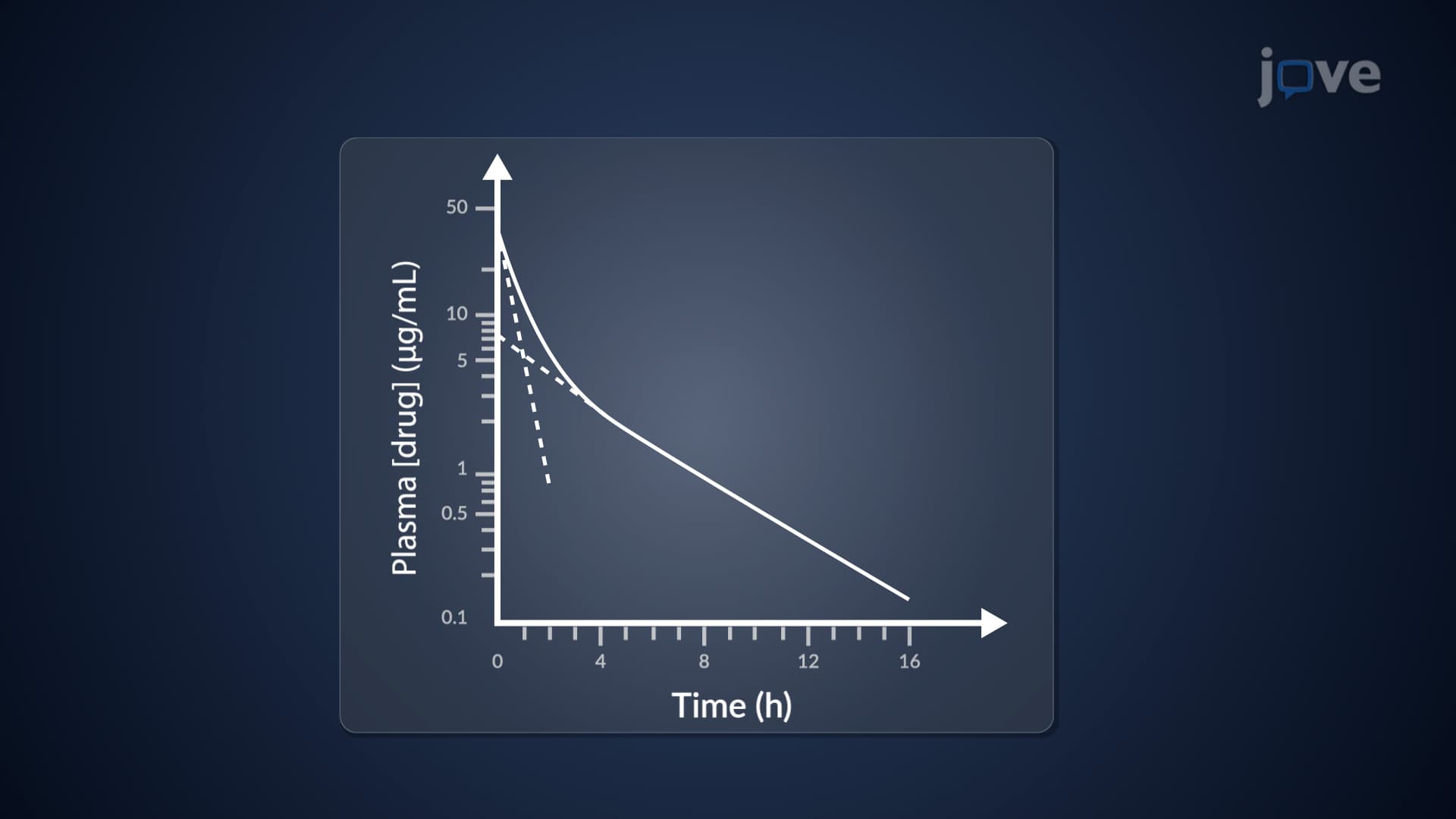
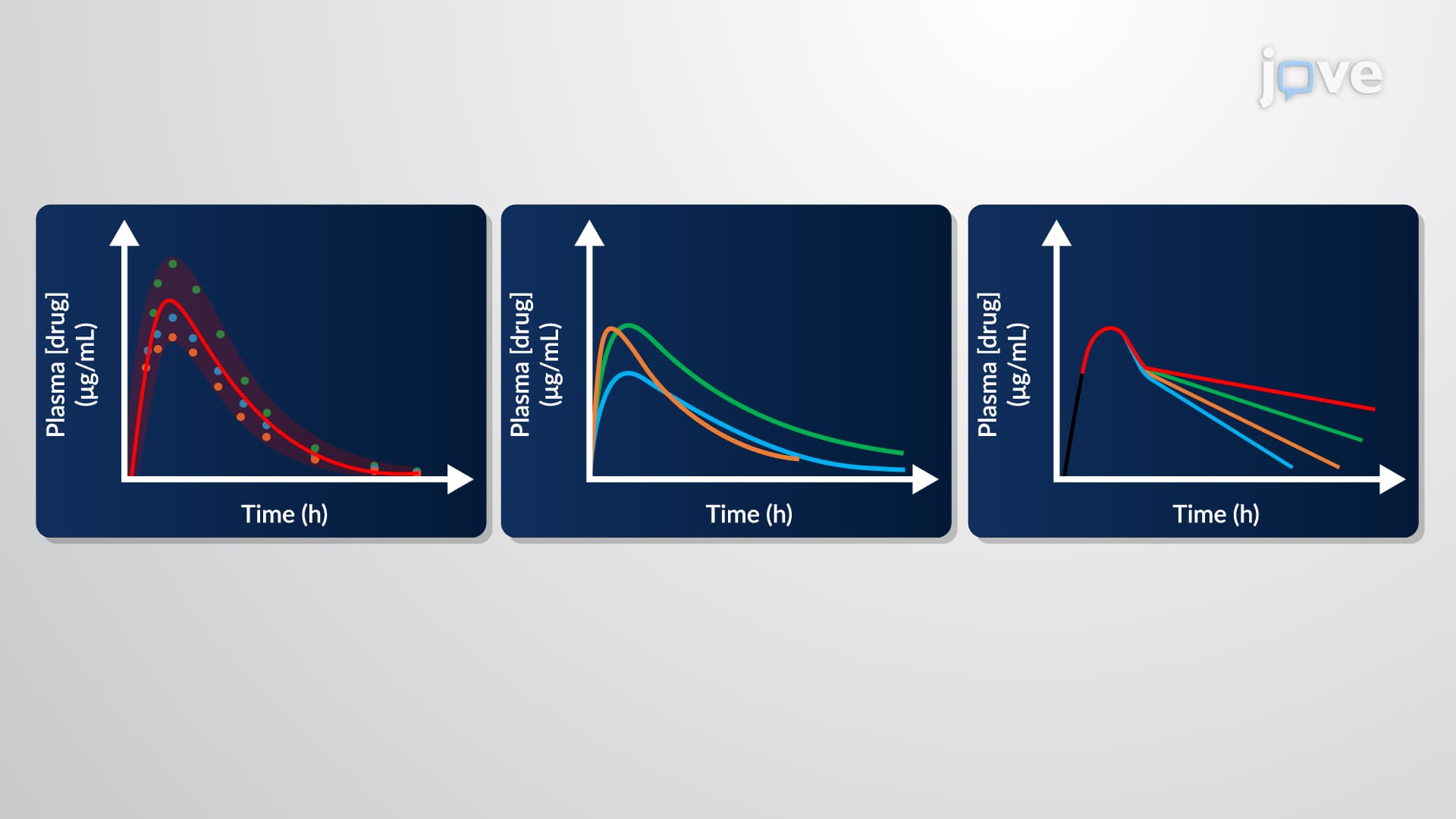
The foundation of model independent approaches for pharmacokinetic explained lies in several critical assumptions. First, the system exhibits linear pharmacokinetics, meaning drug concentration changes predictably with dose modifications. When a patient receives 200mg of ibuprofen instead of 100mg, the blood concentration doubles proportionally. Second, the terminal elimination phase follows log-linear kinetics, appearing as a straight line when plotted on semi-logarithmic paper.
This approach proves invaluable for pharmaceutical companies developing new medications. Consider how Pfizer might evaluate a novel antibiotic-rather than spending months determining whether the drug distributes into two, three, or four body compartments, scientists can immediately begin analyzing concentration-time data using noncompartmental methods.
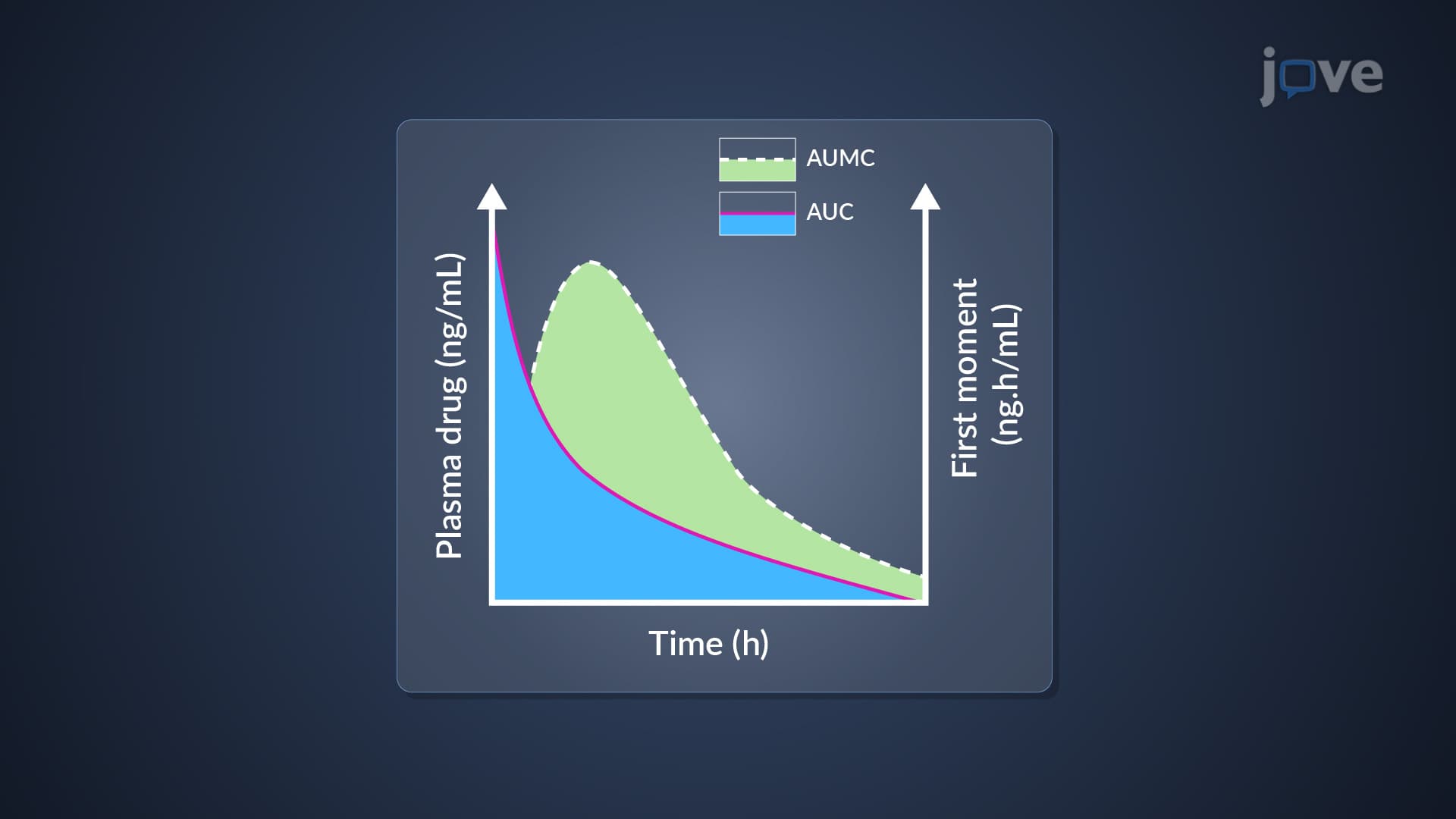
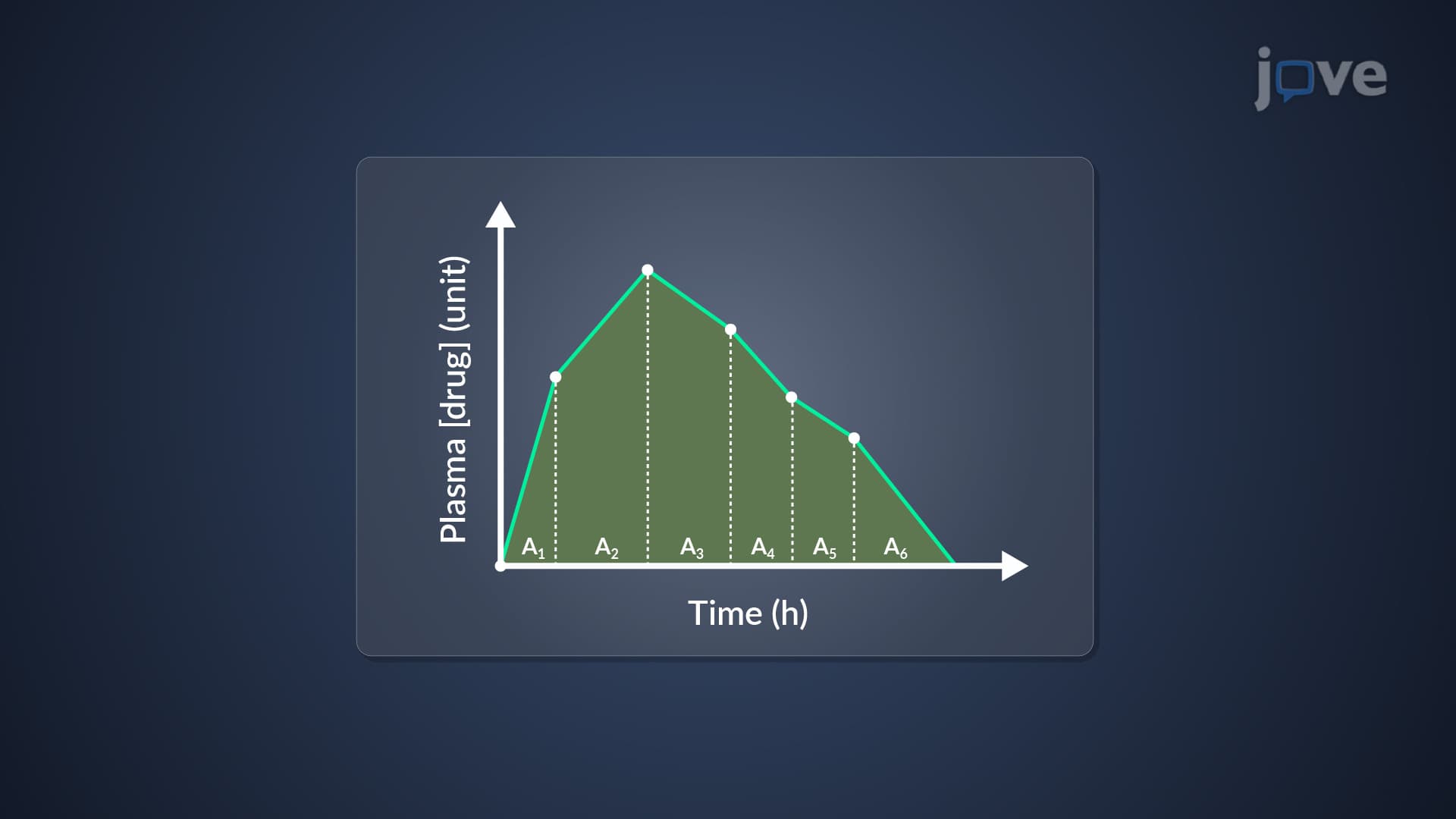
Successful implementation requires at least twelve concentration-time data points from single-dose administration studies. This requirement ensures statistical reliability when calculating key parameters like area under the curve (AUC) and clearance values. Fewer data points often lead to inaccurate parameter estimates, potentially compromising patient safety during clinical trials.
In practice, this translates to carefully timed blood draws during Phase I clinical trials. If testing a new heart medication, researchers might collect samples at 0.25, 0.5, 1, 2, 4, 6, 8, 12, 24, 36, 48, and 72 hours post-dose. This comprehensive sampling allows accurate characterization of drug behavior without requiring complex mathematical models.
The FDA extensively relies on noncompartmental analysis during new drug applications (NDAs). When evaluating bioequivalence between generic and brand-name medications, regulators compare AUC and maximum concentration (Cmax) values derived from model-independent methods. This approach has accelerated generic drug approvals, making medications more accessible to American patients.
Students preparing for the MCAT or AP Biology exams should understand how these concepts apply to pharmacology questions, particularly those involving drug kinetics and therapeutic monitoring scenarios commonly encountered in medical practice.
Related Micro-courses