Loading subject page…


9,673 views

Video Summary: Noncompartmental Analysis Mean Residence Time Explained
Ever wonder why some medications like acetaminophen clear from your body in hours while others linger for days? Noncompartmental analysis mean residence calculations reveal exactly how long drug molecules stay in your system on average. When the FDA evaluates new pharmaceuticals, they rely on Noncompartmental Analysis Mean Residence Time Explained principles to determine safe dosing intervals and potential drug interactions. Watch the full video on JoVE Coach to master this concept with expert-led visuals and step-by-step explanations.
Noncompartmental analysis mean residence time represents a cornerstone concept in pharmacokinetics that bridges mathematical theory with practical drug therapy. Unlike traditional compartmental models that assume the body consists of discrete compartments, noncompartmental analysis treats drug disposition as a continuous process governed by statistical principles.
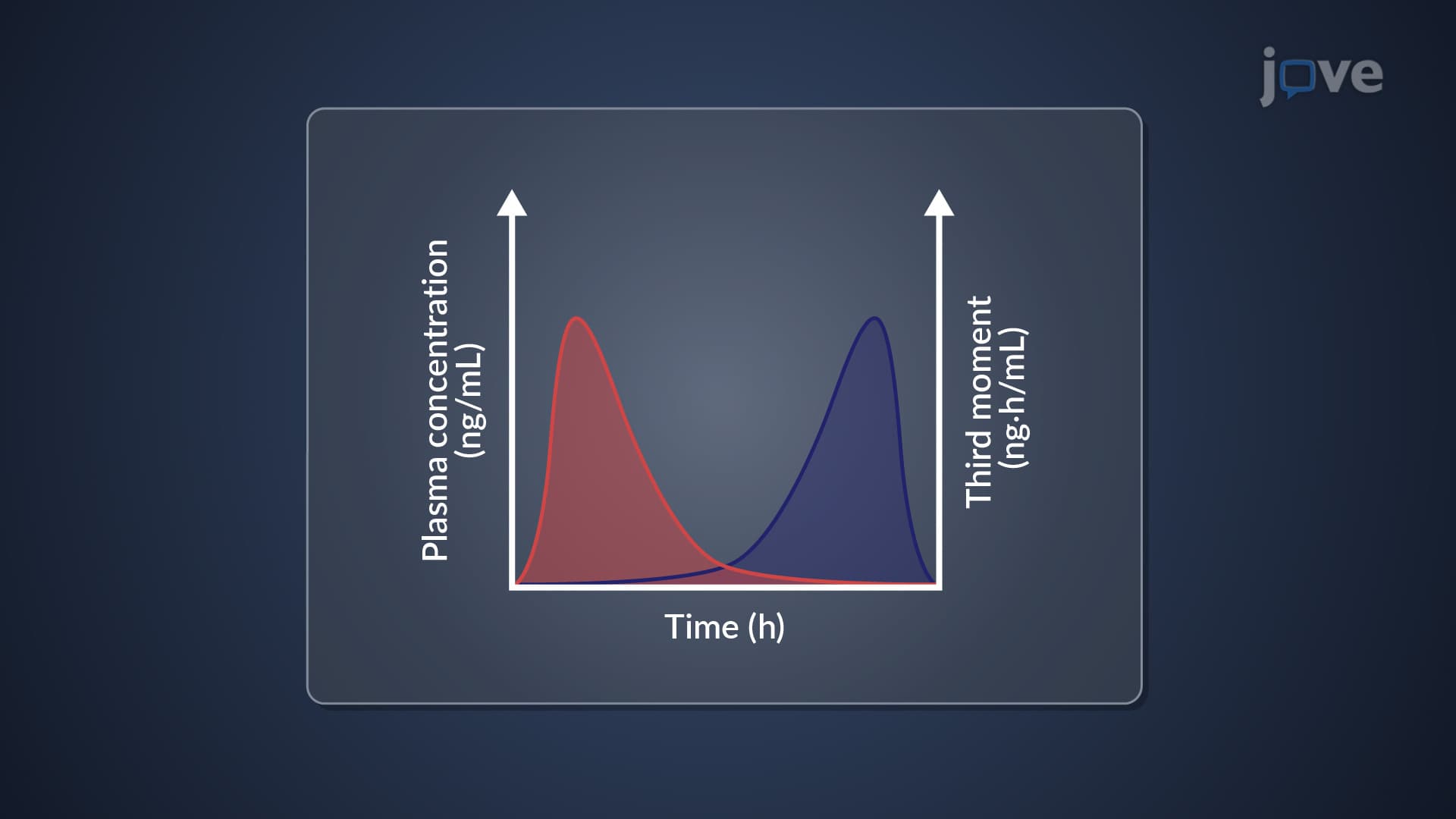
The foundation lies in statistical moment theory, where mean residence time serves as the expected mean of a probability density function. This mathematical framework allows pharmaceutical scientists to predict drug behavior without making assumptions about specific body compartments or complex physiological processes.
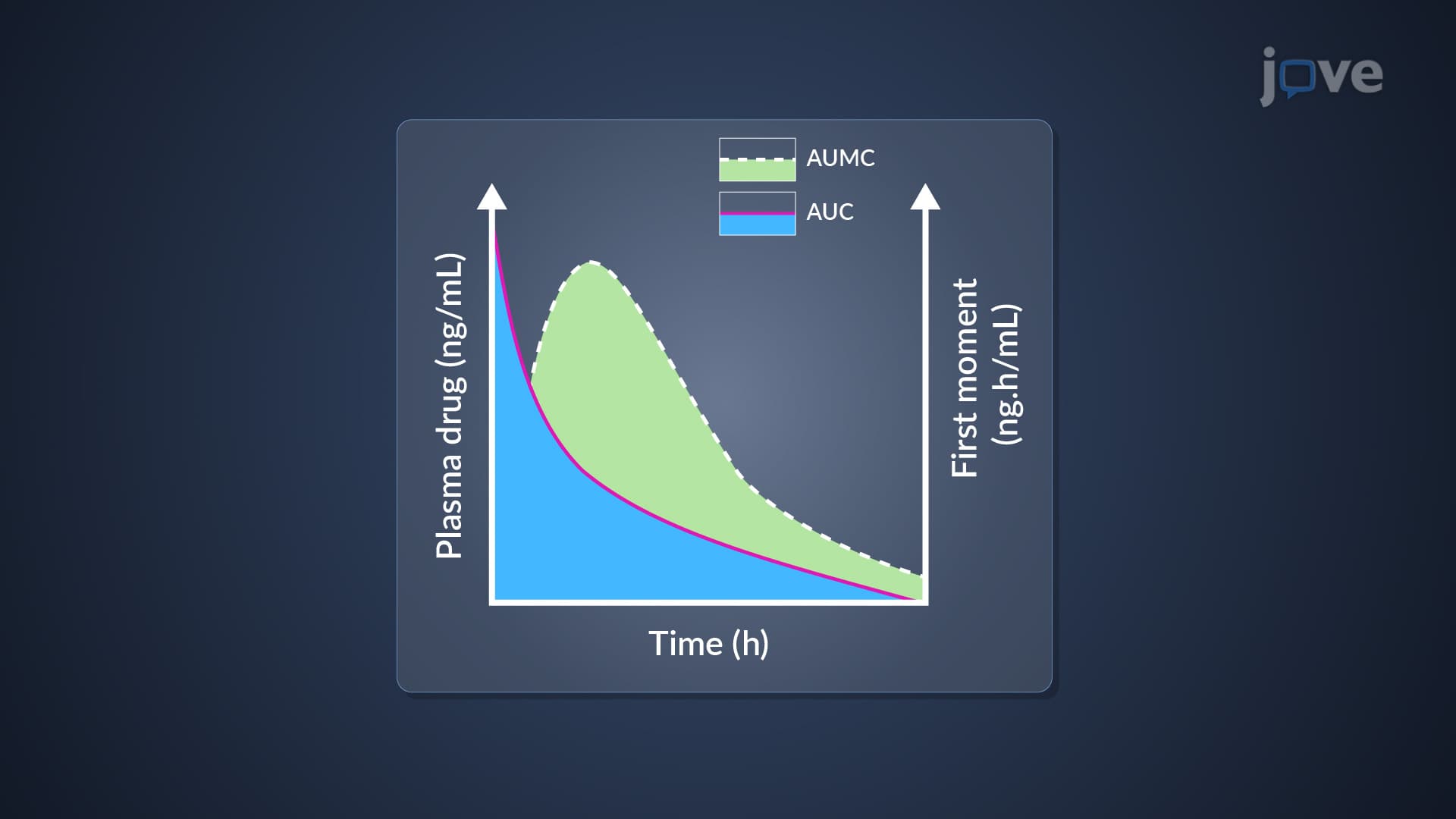
The core calculation involves two critical parameters: AUMC (area under the moment curve) and AUC (area under the concentration curve). Mean residence time equals AUMC divided by AUC, both calculated from time zero to infinity. This ratio provides the average time drug molecules remain in the systemic circulation.
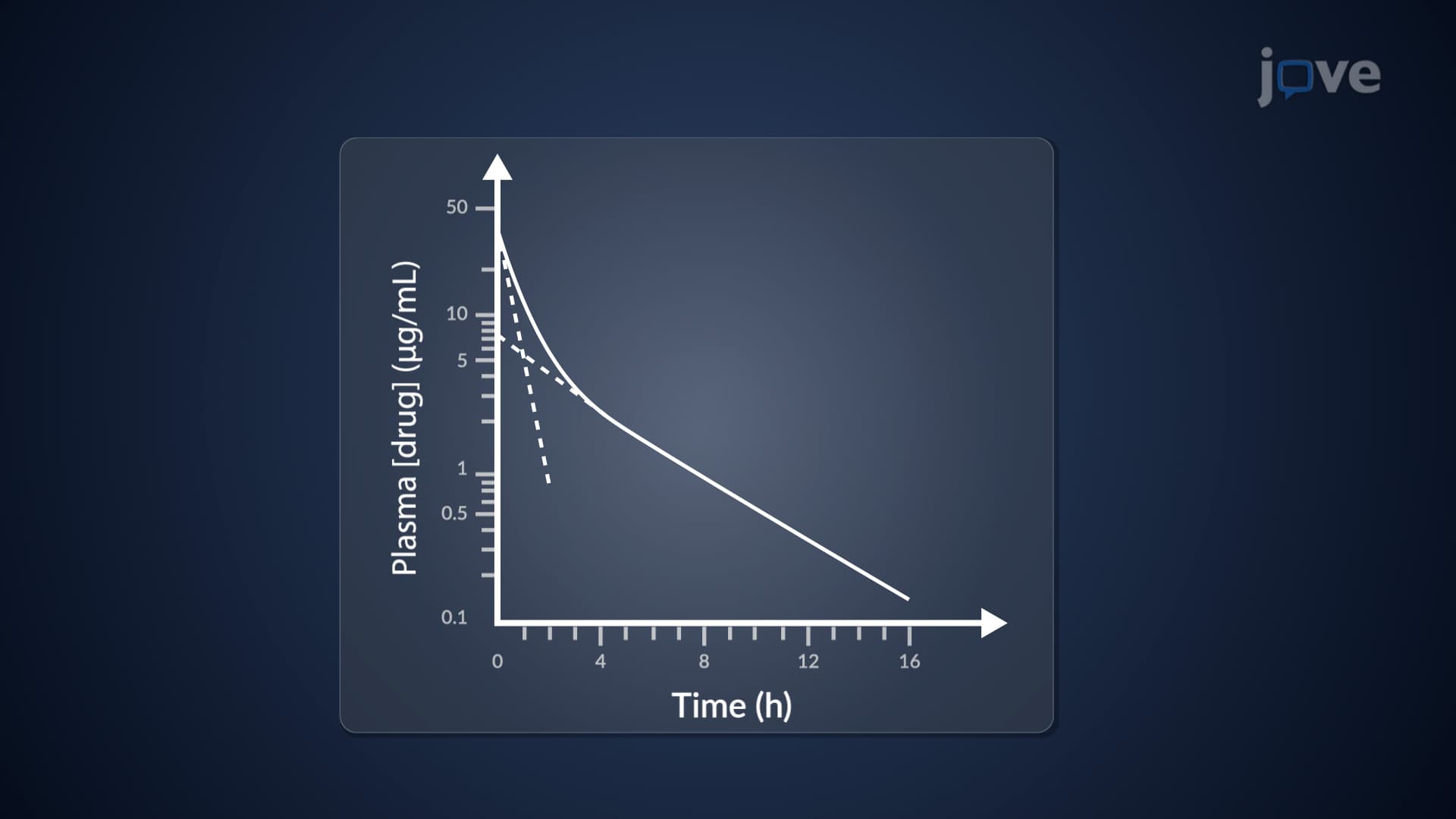
AUMC extrapolation requires careful attention to the terminal elimination phase. Researchers assume a log-linear decline during this final phase, allowing mathematical extrapolation to infinity. This assumption proves valid for most pharmaceuticals following first-order elimination kinetics, making the approach applicable to drugs ranging from aspirin to complex biologics used in cancer treatment.
US pharmaceutical companies routinely use these calculations during FDA drug approval processes. For instance, when developing extended-release formulations, manufacturers must demonstrate how mean residence time changes compared to immediate-release versions. The FDA's guidance documents specifically reference noncompartmental analysis as the preferred method for bioequivalence studies.
Students preparing for the MCAT will encounter these principles in passages about drug development and clinical pharmacology. The concept frequently appears in college-level pharmacokinetics courses, particularly in pharmacy and medical programs at institutions like the University of California system and private medical schools.
A crucial limitation involves steady-state conditions. Mean residence time calculations only apply to single-dose administrations, not during continuous dosing regimens where drug accumulation occurs. This restriction reflects the mathematical foundation-probability density functions require clear start and end points for meaningful interpretation.
This limitation explains why clinical pharmacologists use alternative approaches like clearance and half-life calculations for maintenance dosing regimens in hospital settings.
Related Micro-courses