Loading subject page…

- Pharmacokinetics and Pharmacodynamics
- Pharmacokinetic Models
- Noncompartmental Analysis: Mean Transit, Absorption and Dissolution Time
Micro-course: Pharmacokinetic Models
9,673 views
Learn key concepts and earn your certificate.













Noncompartmental Analysis: Mean Transit, Absorption and Dissolution Time


00:00
01:02
Video Summary: Noncompartmental Analysis Mean Transit Absorption Explained
Ever wonder how FDA scientists determine how long acetaminophen takes to absorb from your stomach into your bloodstream? Noncompartmental analysis mean transit calculations reveal these critical drug absorption timelines without complex mathematical modeling. This pharmacokinetic approach measures mean transit time (MTT), mean absorption time (MAT), and mean residence time (MRT) to understand drug movement through the body. Noncompartmental Analysis Mean Transit Absorption Explained demonstrates how pharmaceutical researchers at companies like Pfizer use these parameters to optimize drug formulations. Watch the full video on JoVE Coach to master this concept with expert-led visuals and step-by-step explanations.
- Understand the fundamental principles of Noncompartmental Analysis Mean Transit Absorption Explained and its role in pharmacokinetic studies
- Identify the three key time parameters: mean transit time (MTT), mean absorption time (MAT), and mean residence time (MRT)
- Analyze how administration routes (oral vs. intravenous) influence drug absorption and transit times
- Compare mean dissolution time (MDT) differences between drug solutions and solid dosage forms
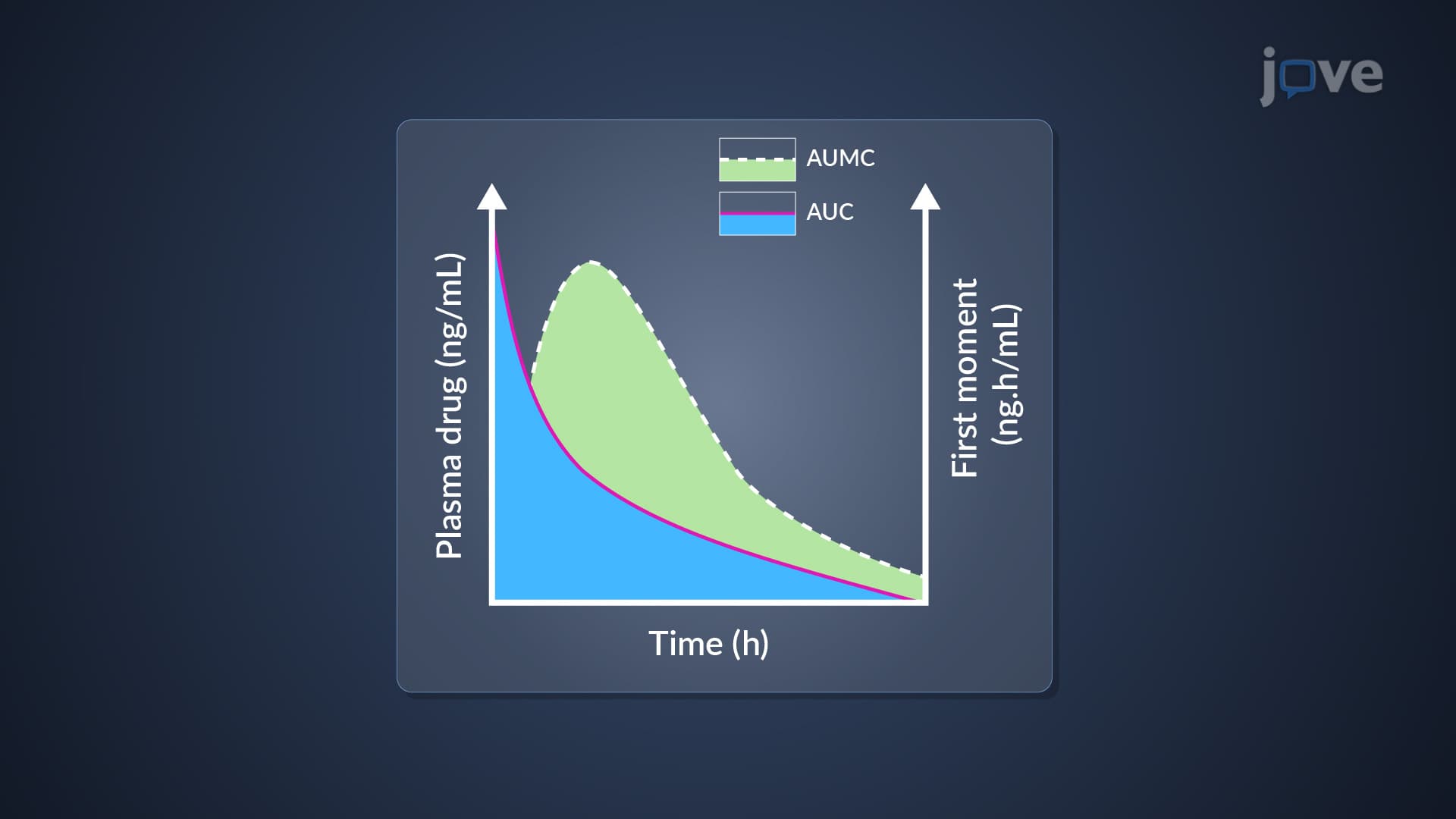
- Evaluate the relationship between area under the curve (AUC) and area under the moment curve (AUMC) in transit time calculations
- Apply noncompartmental analysis principles to predict drug bioavailability and therapeutic effectiveness
- Recognize how pharmaceutical companies use these parameters for drug development and regulatory submissions
- Explore the clinical significance of transit time variations in patient dosing strategies
Understanding Noncompartmental Analysis Mean Transit Absorption
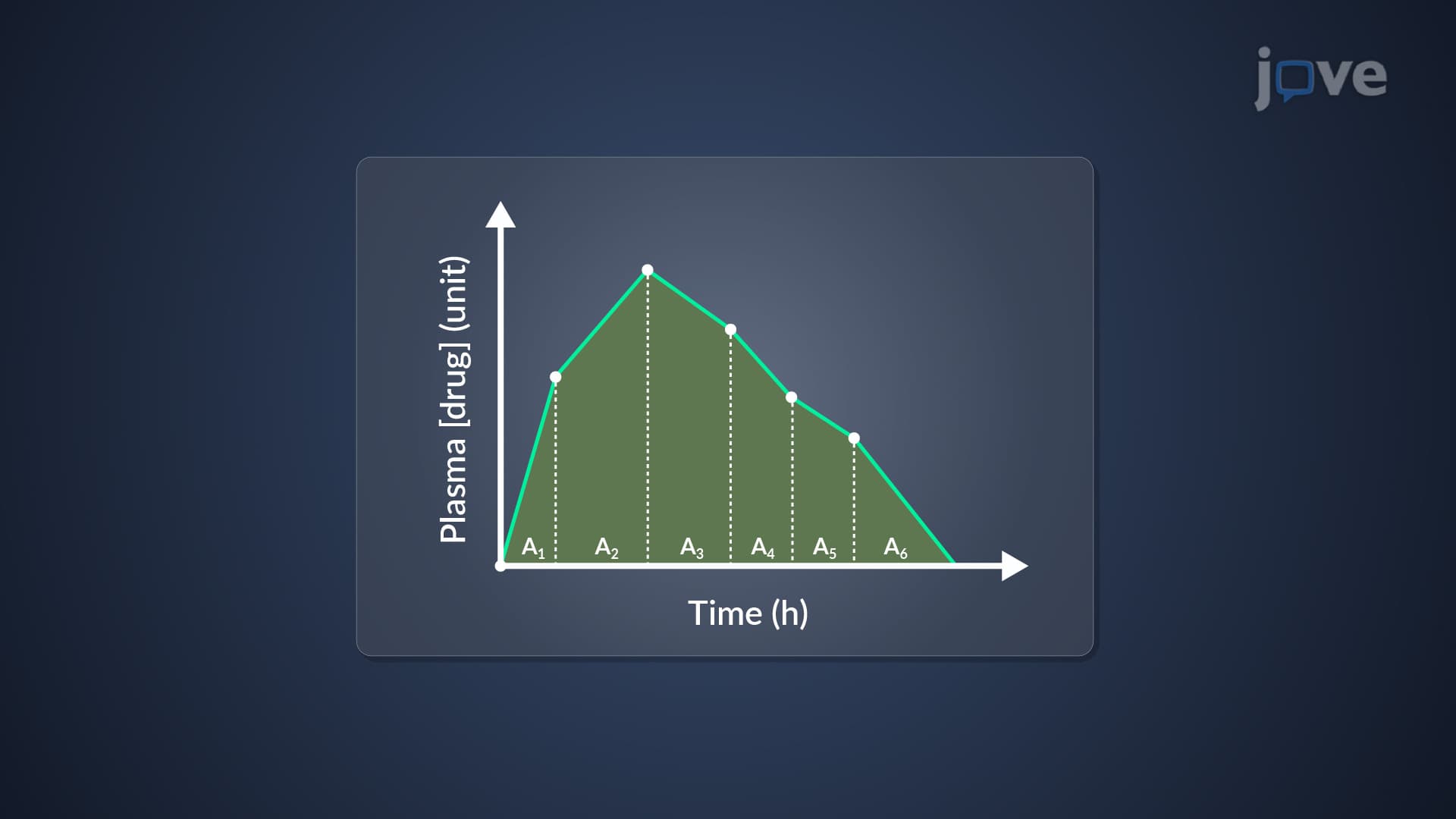
Noncompartmental analysis represents a fundamental approach in pharmacokinetics that doesn't require assumptions about specific tissue compartments or complex mathematical models. Unlike compartmental modeling, this method relies on statistical moments derived directly from plasma concentration-time data. Pharmaceutical scientists at major US companies like Johnson & Johnson and Merck routinely employ these techniques during drug development to understand absorption characteristics without making structural assumptions about drug distribution.
Mean Transit Time: The Complete Journey
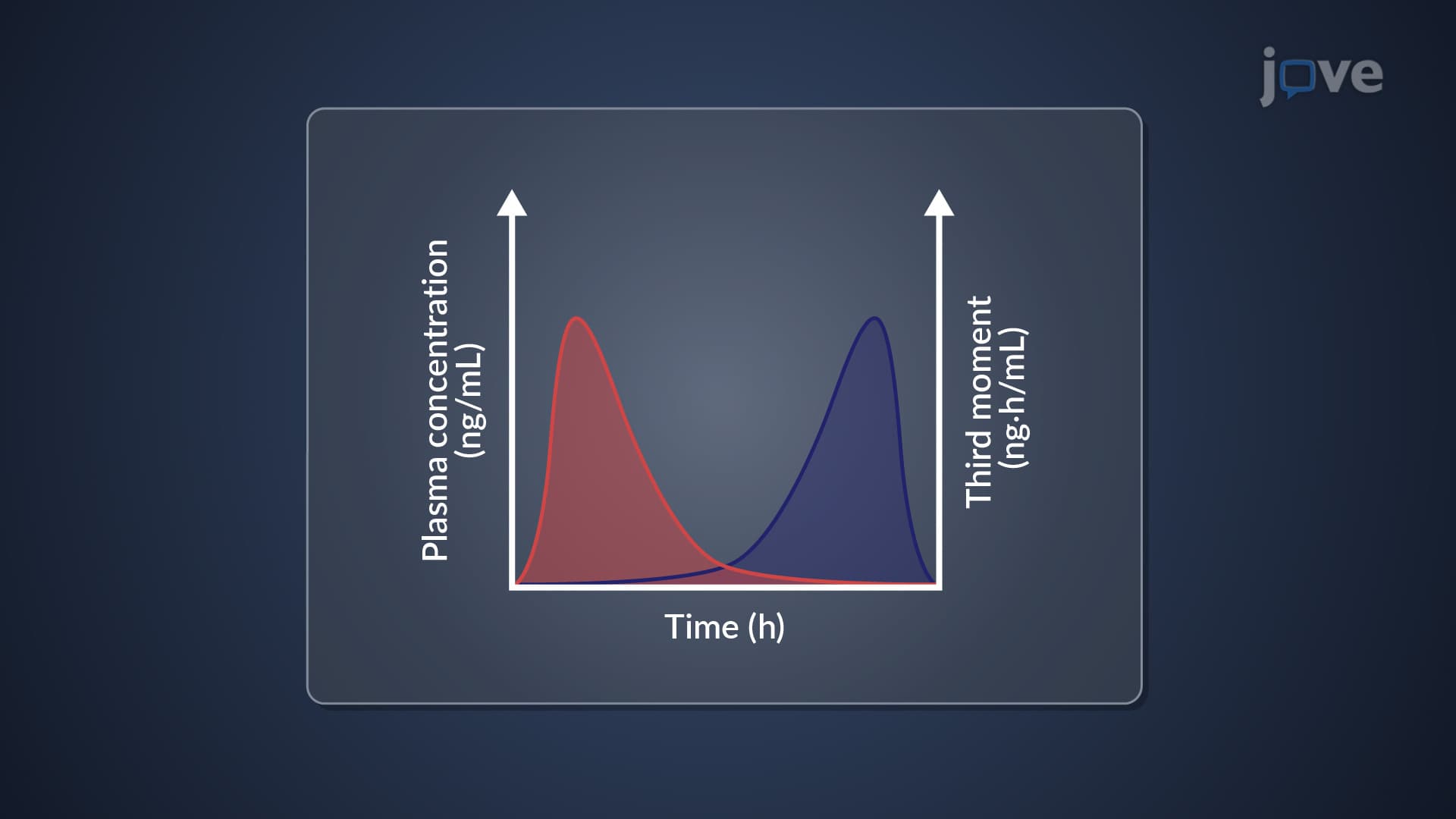
Mean transit time (MTT) quantifies the average time drug molecules spend traveling through the entire body system. This parameter equals the ratio of area under the first moment curve (AUMC) to area under the concentration-time curve (AUC). Students preparing for the MCAT or pharmacy school entrance exams should understand that MTT encompasses both absorption and elimination phases. For oral medications like ibuprofen tablets, MTT includes time spent dissolving in the gastrointestinal tract, absorbing across intestinal membranes, and circulating before elimination.
Component Analysis: MAT and MRT
Mean absorption time (MAT) specifically measures how long drug molecules require to reach systemic circulation from the administration site. Mean residence time (MRT) represents the average duration molecules remain in systemic circulation once absorbed. Crucially, MRT remains constant regardless of administration route, whether intravenous, oral, or transdermal. This principle appears frequently on USMLE Step 1 examinations and advanced pharmacology courses at universities like Harvard Medical School and University of California San Francisco.
Clinical Applications and Dissolution Dynamics
Mean dissolution time (MDT) becomes particularly relevant for solid dosage forms like tablets and capsules. FDA bioequivalence studies often compare MDT values between generic and brand-name formulations. MDT represents the difference between MTT values for solutions versus solid dosage forms, helping pharmaceutical scientists optimize drug release profiles. Students studying for the NAPLEX or clinical pharmacy rotations should recognize how dissolution rate influences therapeutic outcomes, especially for drugs with narrow therapeutic windows like warfarin or digoxin.
Frequently Asked Questions
Noncompartmental analysis mean transit absorption is a pharmacokinetic method that measures drug movement through the body without requiring complex mathematical models. It's crucial because it helps pharmaceutical companies determine optimal dosing schedules, predict drug effectiveness, and meet FDA regulatory requirements. This approach provides reliable absorption data that directly impacts patient safety and therapeutic outcomes.
MCAT questions typically focus on comparing MTT values between different administration routes and interpreting AUC/AUMC relationships. Pharmacy school exams, particularly at institutions like University of Southern California, often require calculating MAT and MRT values from given data sets. Students should practice identifying which parameters change with administration route versus those that remain constant.
USMLE Step 1 emphasizes clinical applications and drug comparisons, while college courses focus more on calculation methods and theoretical concepts. Medical students should concentrate on how MTT variations affect dosing intervals, while undergraduate students typically need to master the mathematical relationships between AUMC and AUC. Both require understanding real-world pharmaceutical examples.
Companies use these parameters to optimize tablet formulations, predict bioequivalence, and design clinical trial protocols. For example, when developing extended-release versions of existing drugs, scientists compare MTT values to ensure consistent drug delivery. This data supports FDA submissions and helps determine appropriate dosing recommendations for physicians.
Not at all, the concept relies more on understanding relationships than complex calculations. High school students with basic algebra skills can grasp the fundamental principles, especially the ratio concepts underlying MTT calculations. The key is focusing on biological meaning rather than mathematical derivations, making it accessible to students planning pre-med or pharmacy tracks.
Create comparison charts showing how MTT, MAT, and MRT change with different administration routes. Practice with real pharmaceutical examples like comparing immediate-release versus extended-release formulations. Focus on understanding why MRT stays constant while MAT varies, this principle appears frequently on standardized exams and helps build conceptual understanding.
Progress to compartmental modeling, bioequivalence studies, and population pharmacokinetics. Understanding noncompartmental analysis provides essential groundwork for these more complex topics. Students planning pharmaceutical careers should also explore regulatory pharmacokinetics and drug-drug interaction modeling, which build directly on transit time concepts.
MDT directly impacts how quickly patients experience therapeutic effects, particularly for pain medications and antibiotics. Slower dissolution can delay onset but provide longer duration, while faster dissolution ensures rapid symptom relief. Clinical pharmacists at hospitals like Mayo Clinic use MDT data to counsel patients about when to expect medication effects and potential timing considerations with meals or other drugs.
Related Micro-courses
12 Concepts

17 Concepts