Loading subject page…


9,675 views

Video Summary: One Compartment Iv Bolus Model Clearance Estimation
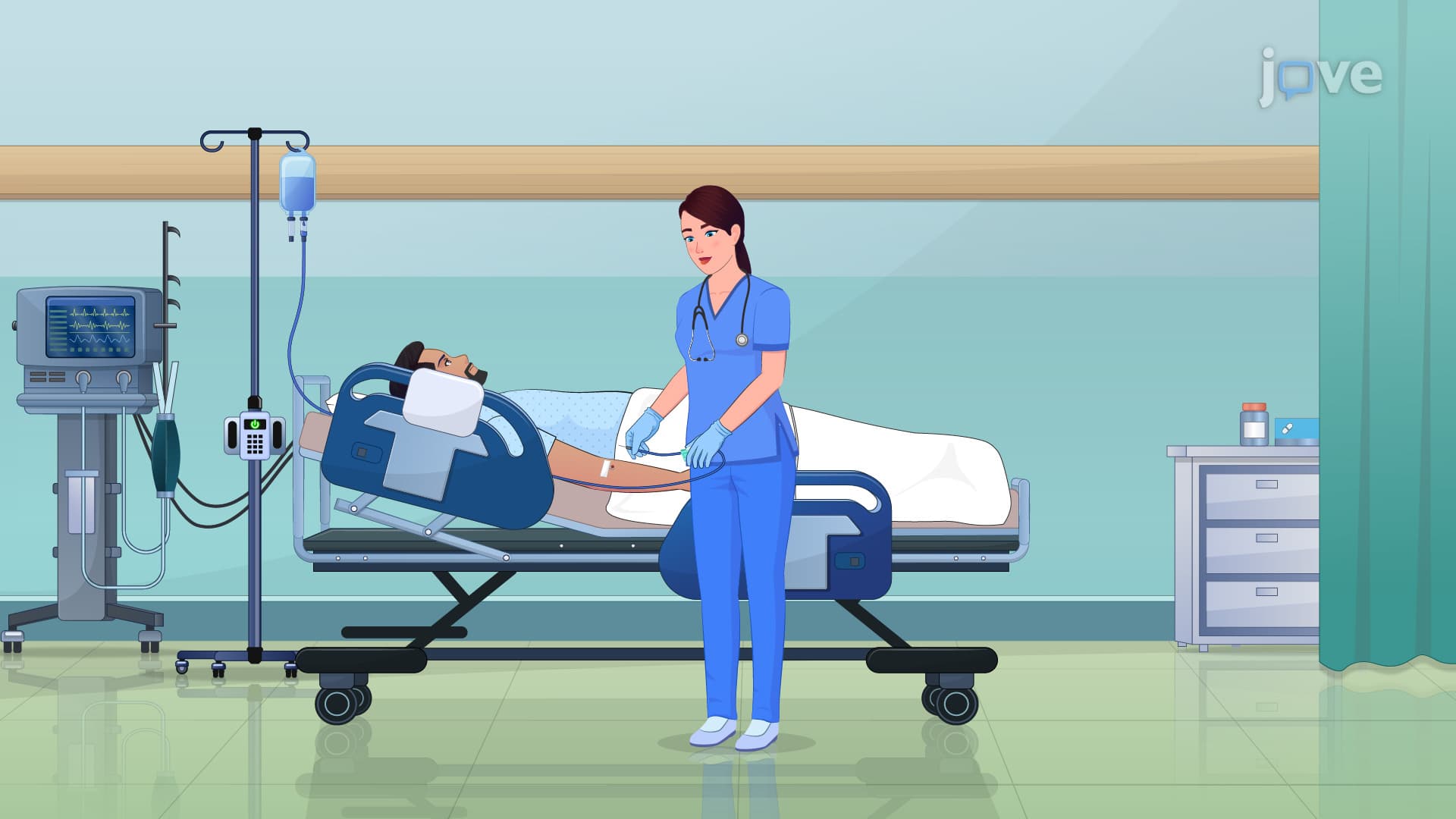
Ever wonder how physicians calculate the perfect drug dose for patients receiving intravenous medications? The one-compartment IV bolus model provides the mathematical foundation for determining drug clearance-the volume of plasma completely cleared of drug per unit time. For instance, when a patient at Johns Hopkins Hospital receives an IV antibiotic like vancomycin, pharmacists use clearance calculations to predict how quickly the kidneys will eliminate the drug and when the next dose should be administered. Watch the full video on JoVE Coach to master this concept with expert-led visuals and step-by-step explanations.
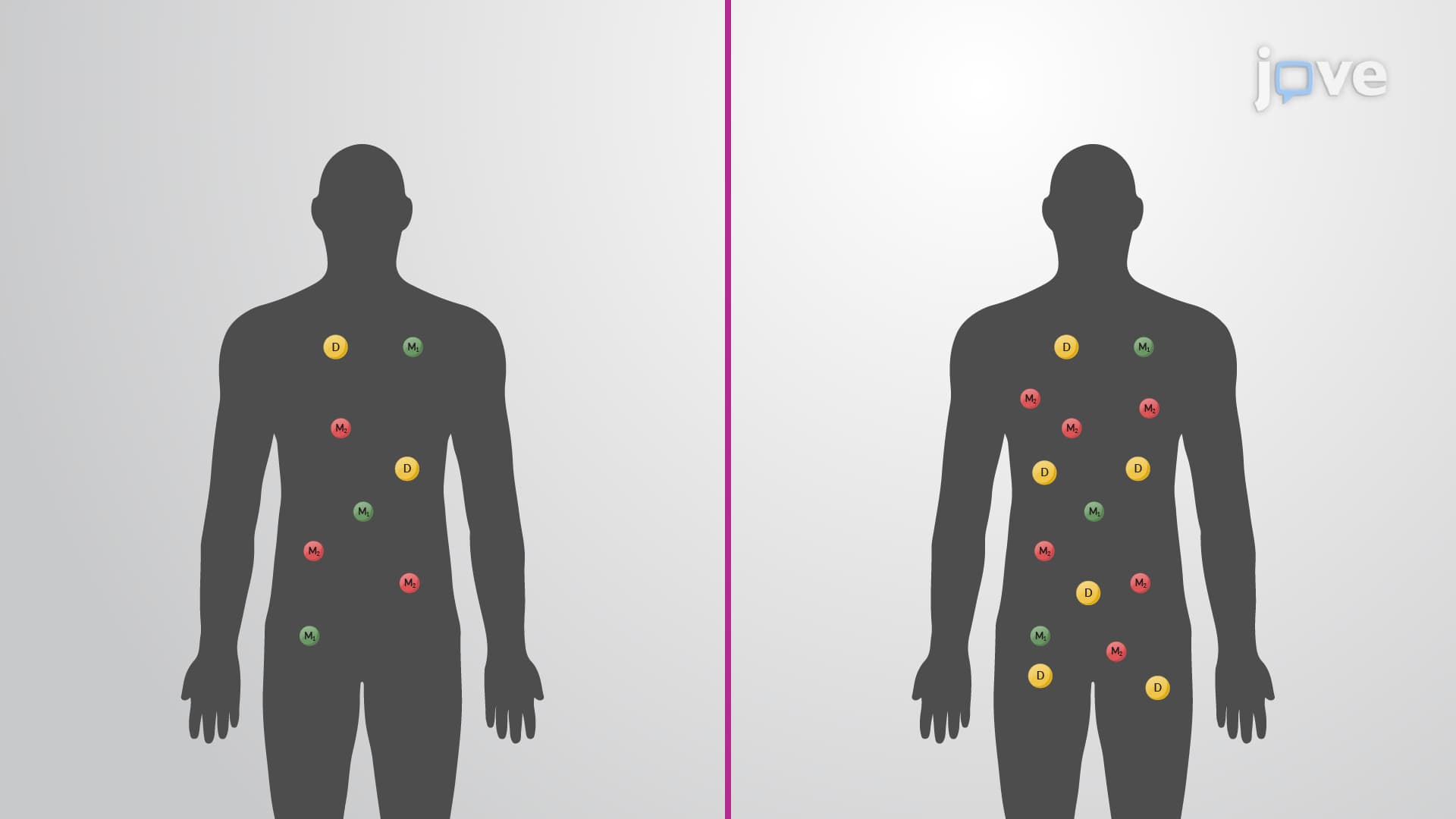
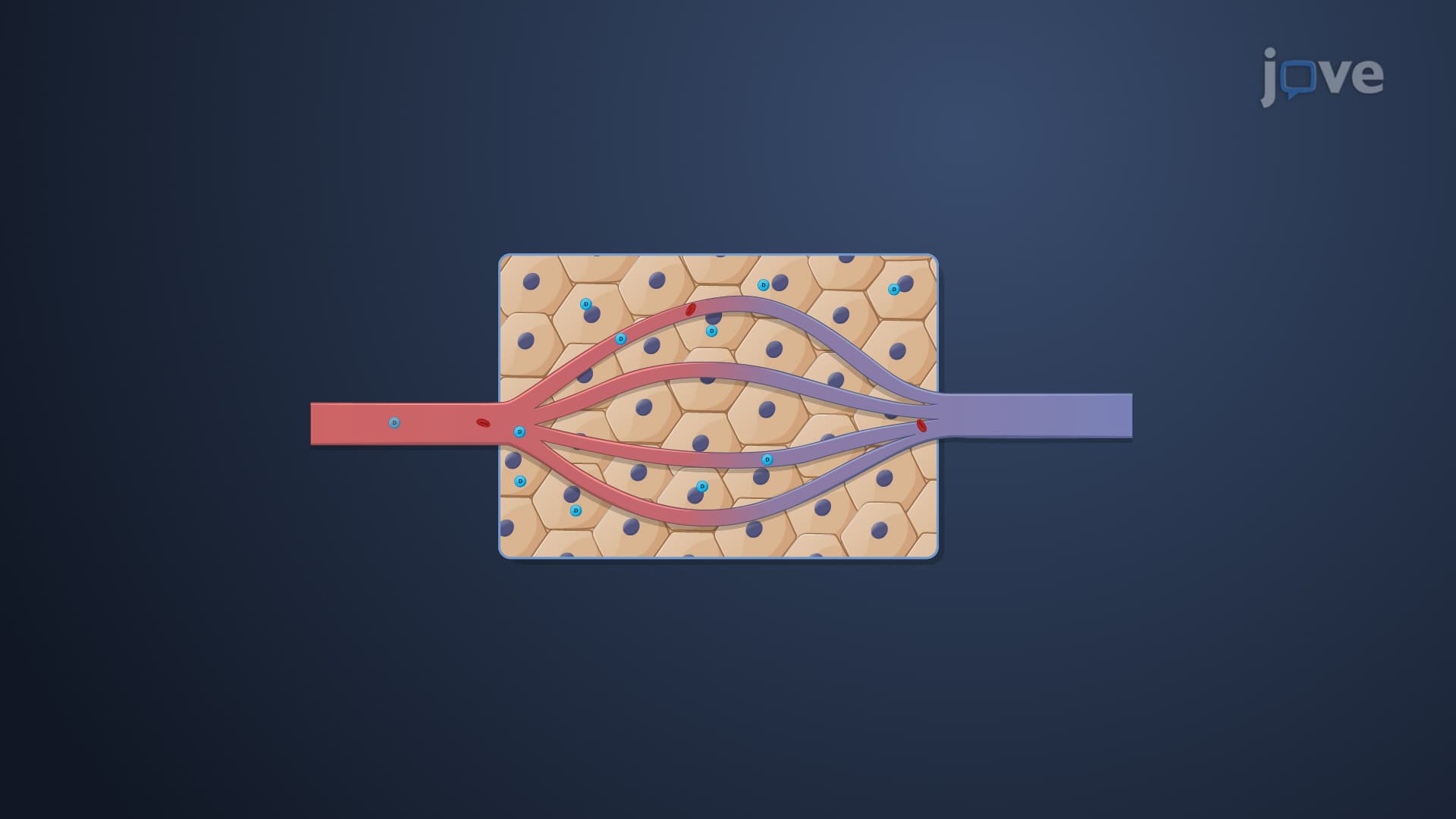
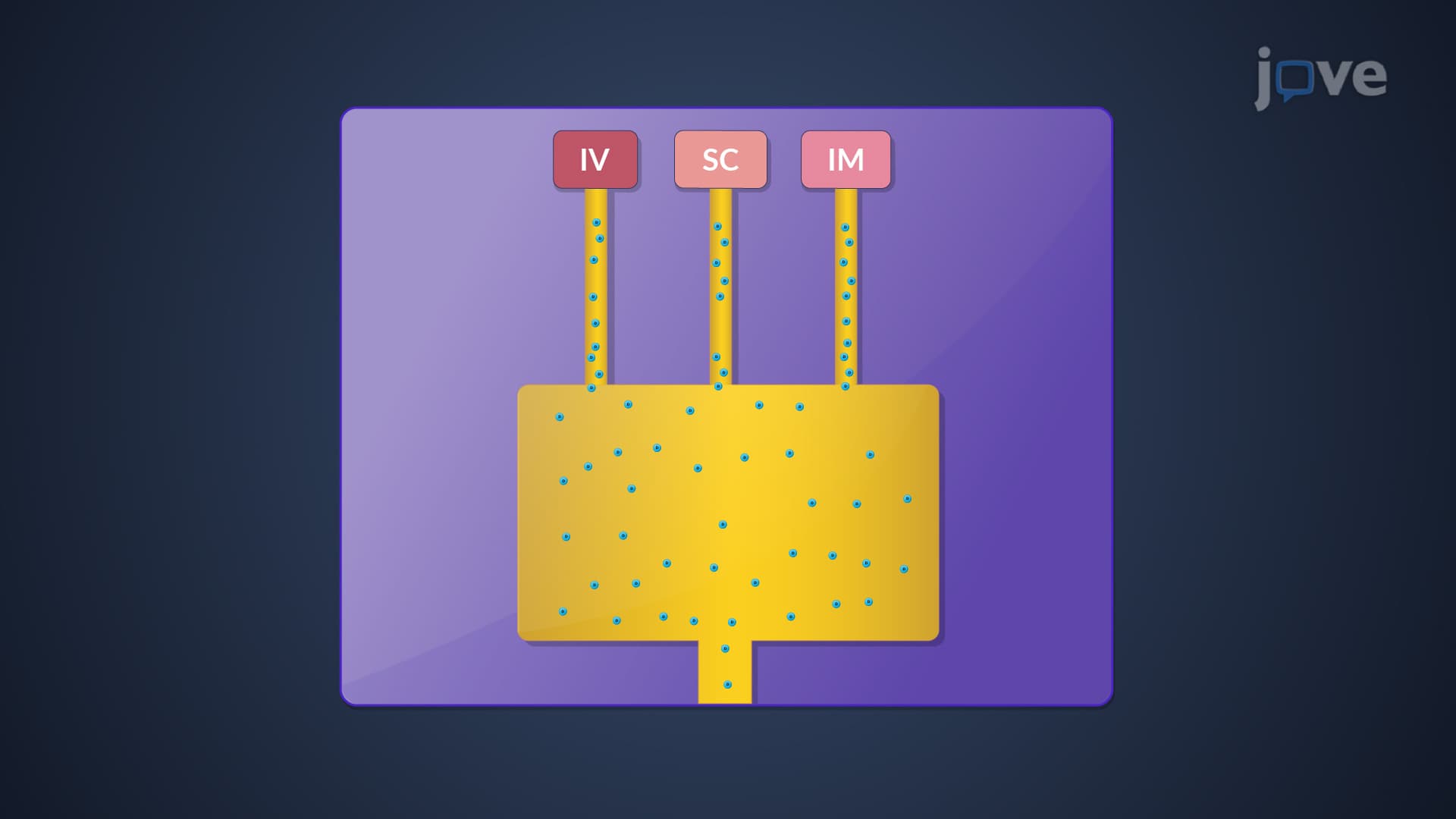
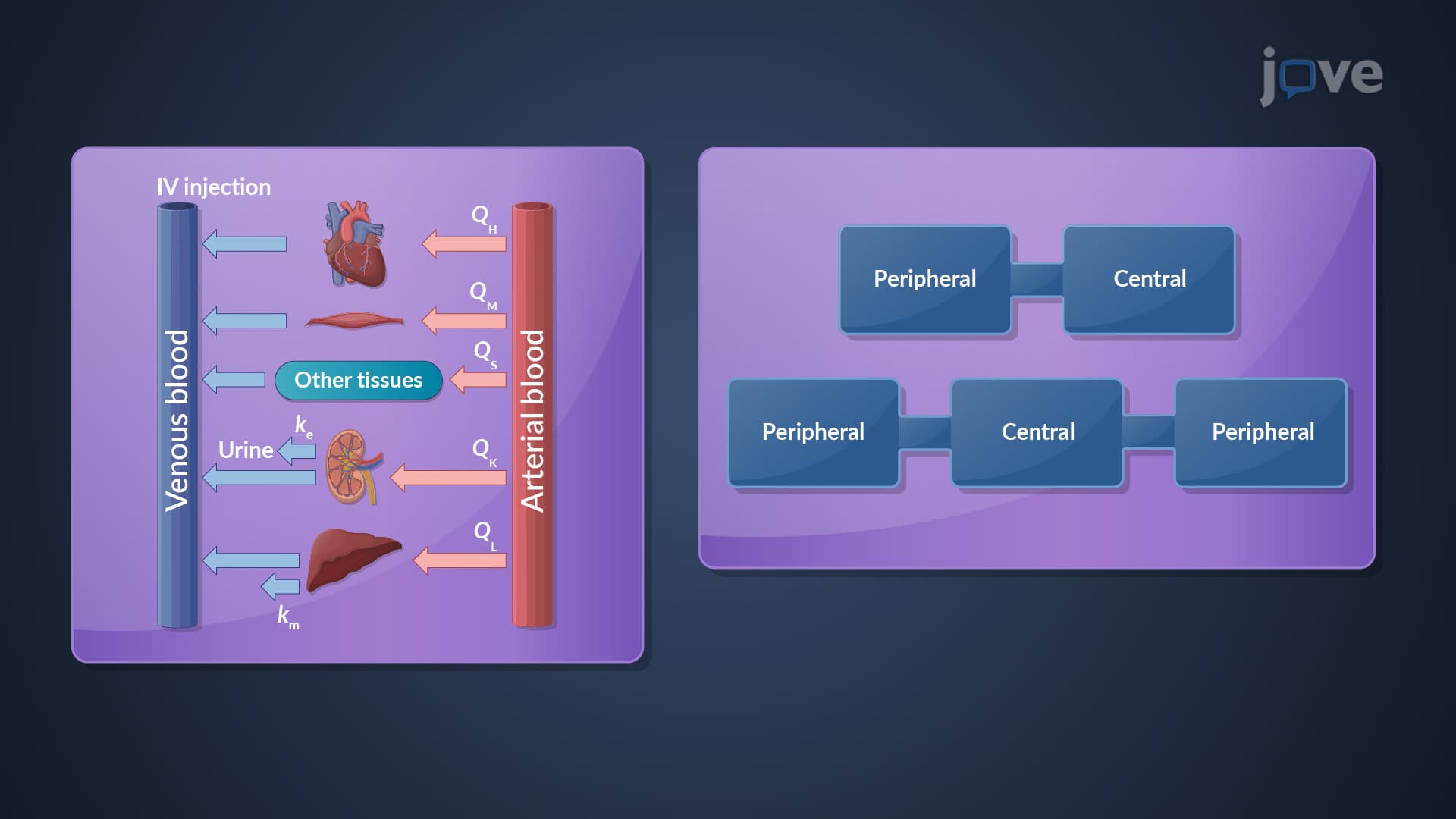
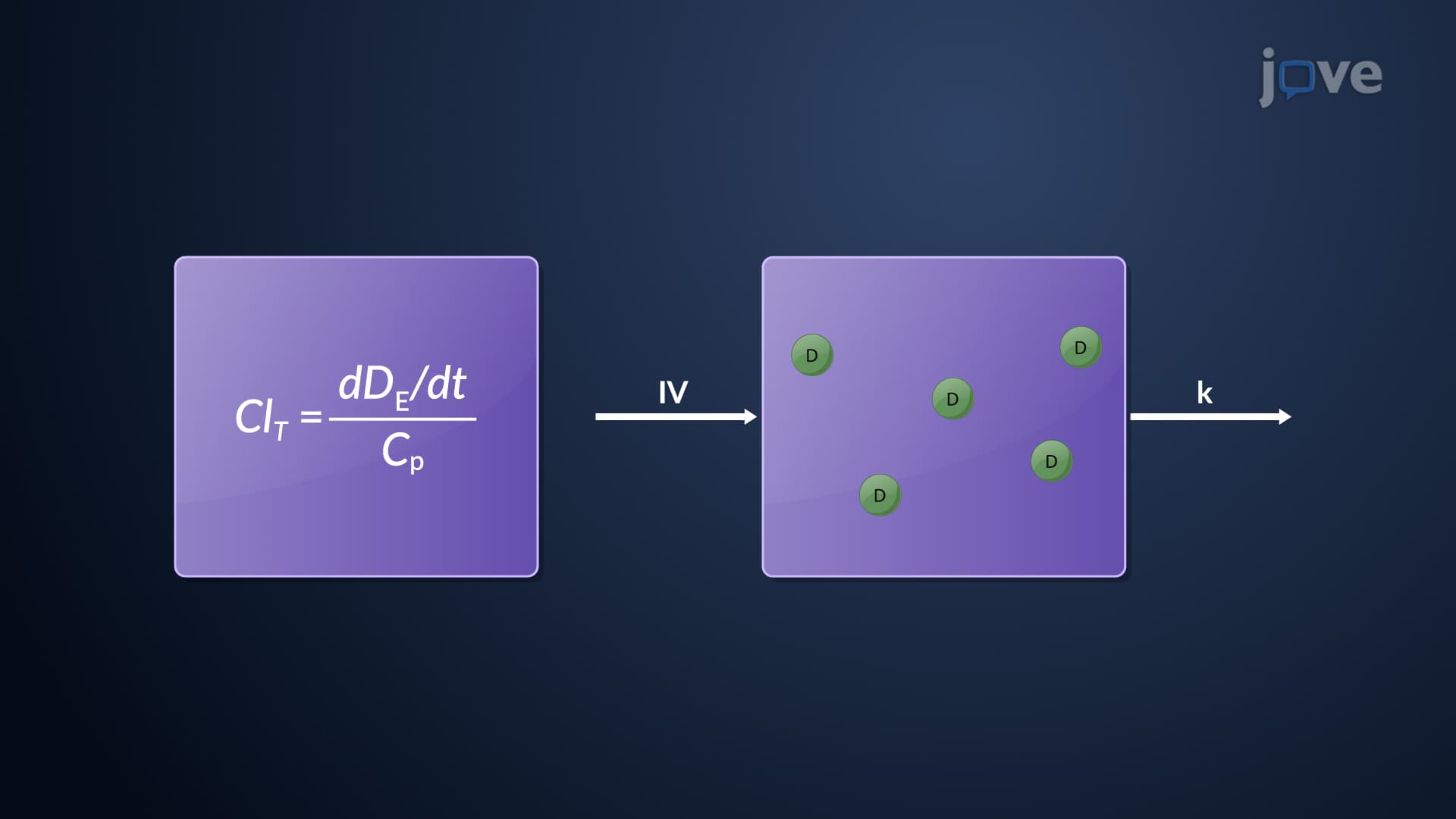
The one-compartment IV bolus model represents the simplest approach to understanding how drugs move through the human body after intravenous administration. This model assumes the entire body acts as a single, well-mixed compartment where the drug distributes instantaneously and uniformly. While this seems oversimplified, it provides remarkably accurate predictions for many medications and serves as the foundation for more complex pharmacokinetic models.
Drug clearance represents the theoretical volume of plasma from which a drug is completely removed per unit time, typically expressed in units like mL/min or L/hr. Think of clearance as the body's "cleaning efficiency" for a specific medication. For example, if a patient has a creatinine clearance of 120 mL/min, their kidneys can theoretically clear 120 milliliters of plasma completely free of creatinine every minute.
This concept proves essential for healthcare providers at institutions like Mayo Clinic or Cleveland Clinic when determining appropriate dosing regimens. A patient with reduced kidney function might have significantly lower clearance for drugs like digoxin or lithium, requiring dose adjustments to prevent toxicity.
The clearance calculation in a one-compartment model follows the relationship: Clearance = Elimination Rate / Plasma Concentration. This fundamental equation allows pharmacists and physicians to predict drug behavior and optimize therapy.
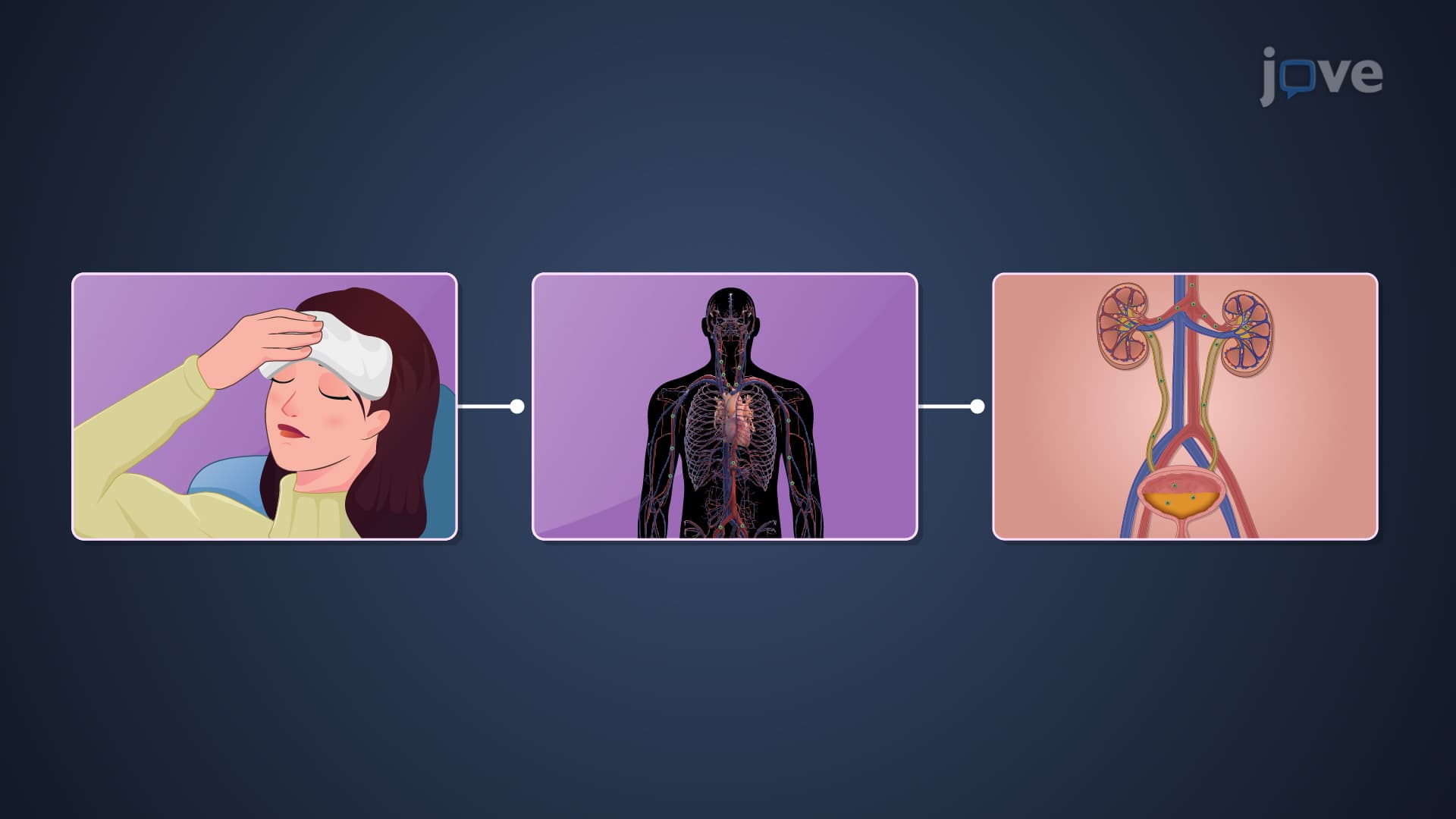
Total body clearance represents the sum of individual organ clearances. For instance, a drug might undergo 70% renal clearance and 30% hepatic clearance, with the total representing complete systemic elimination. Students preparing for the MCAT or pharmacy school entrance exams frequently encounter problems requiring these calculations.
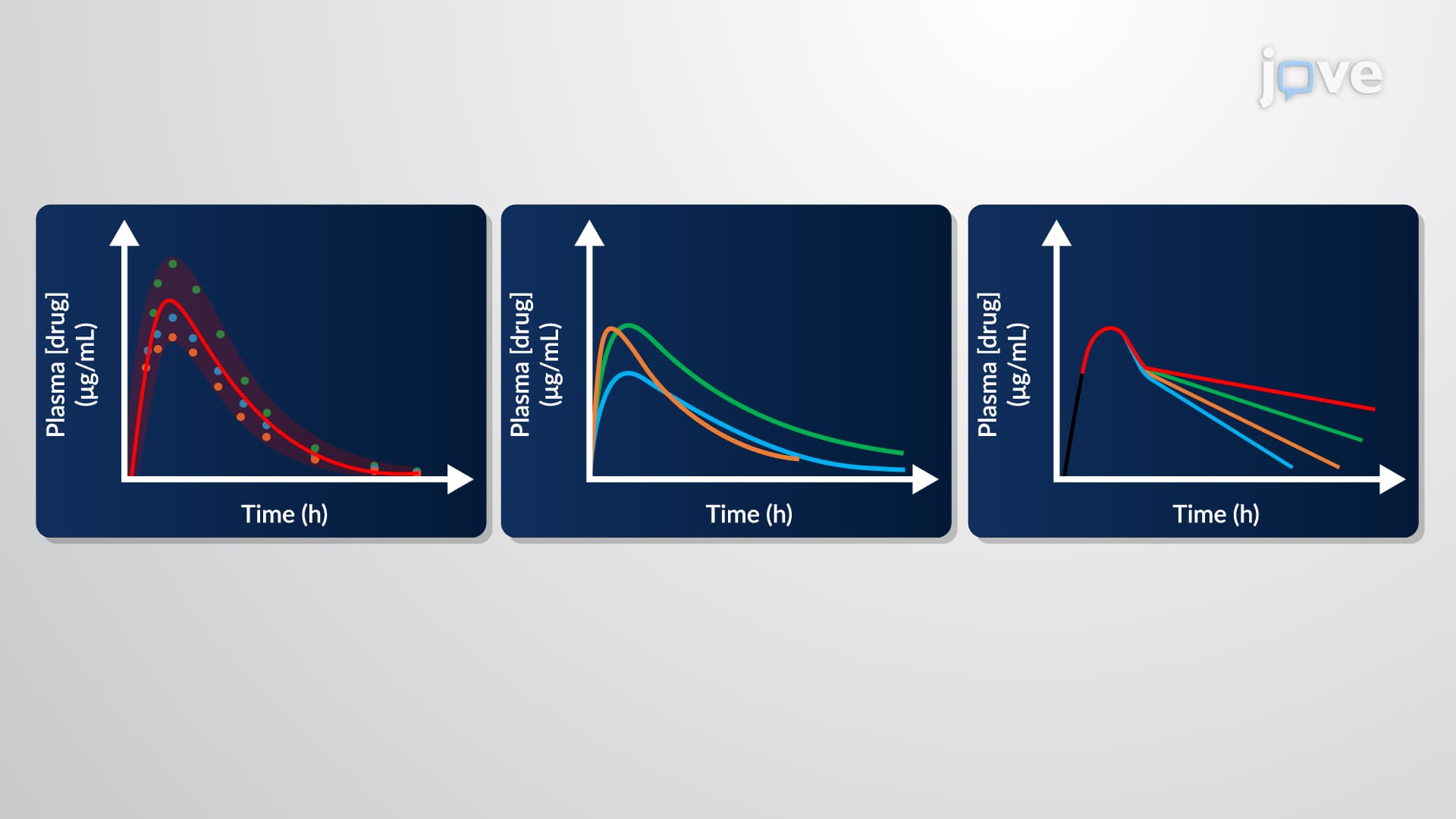
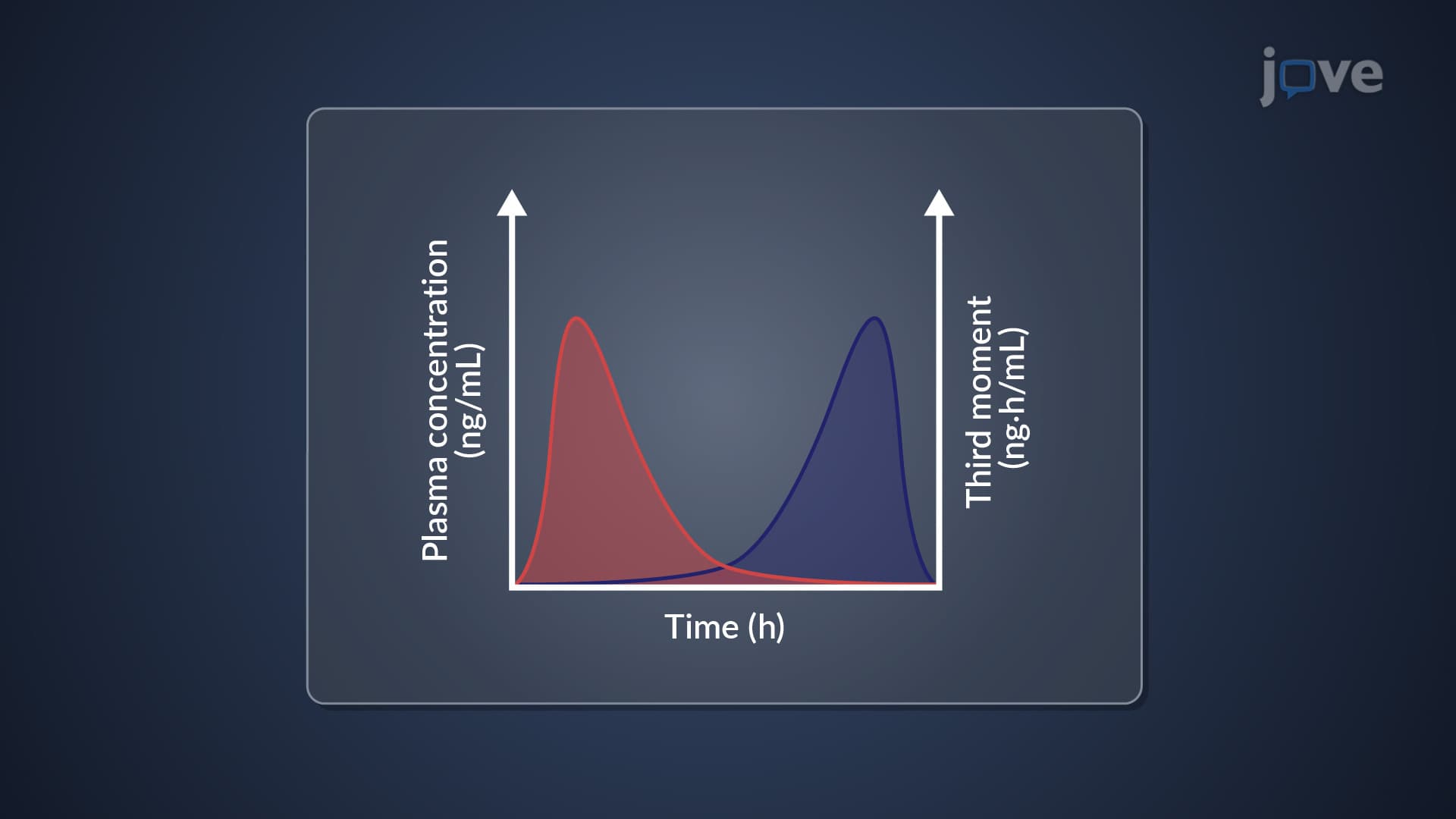
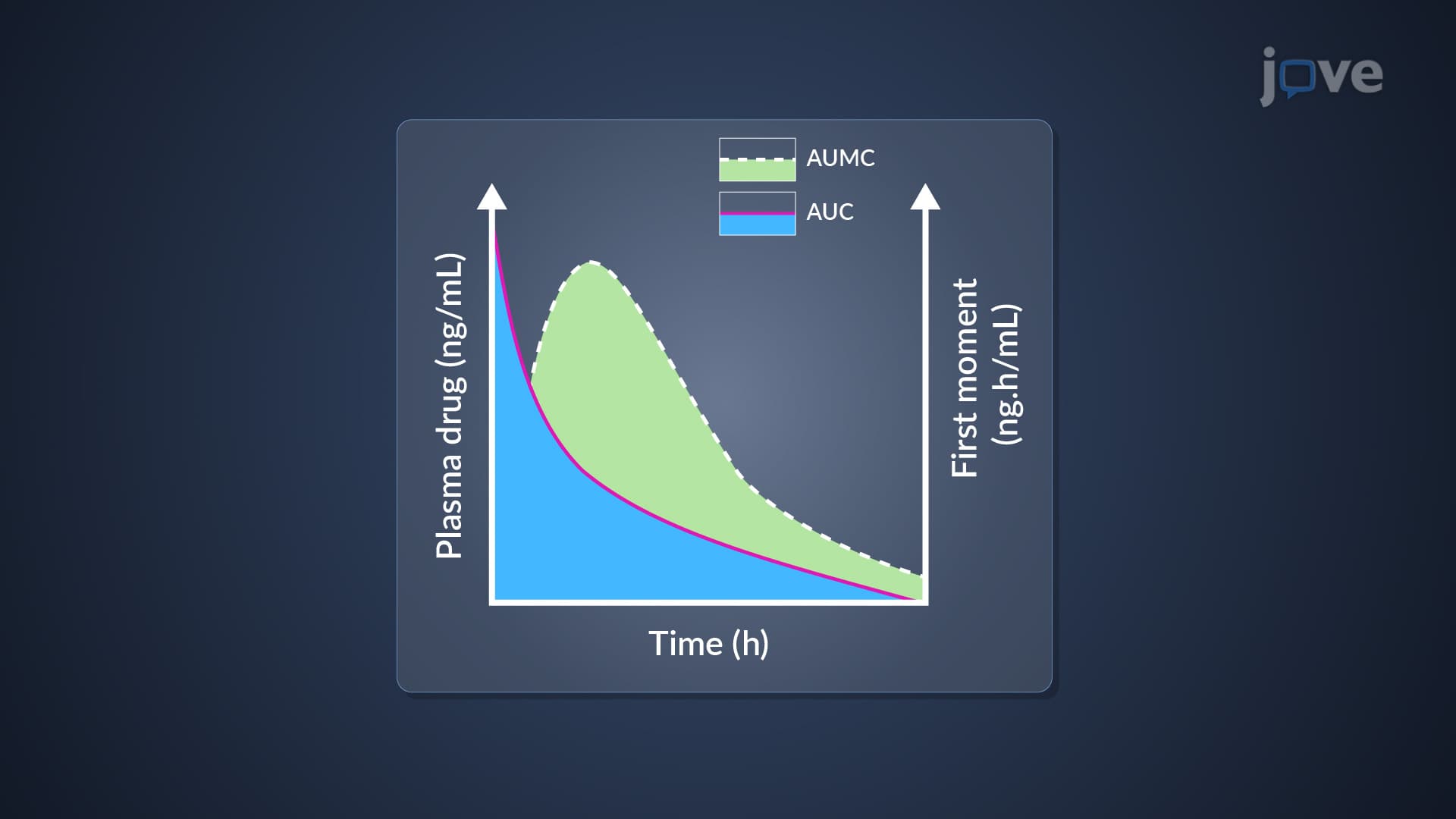
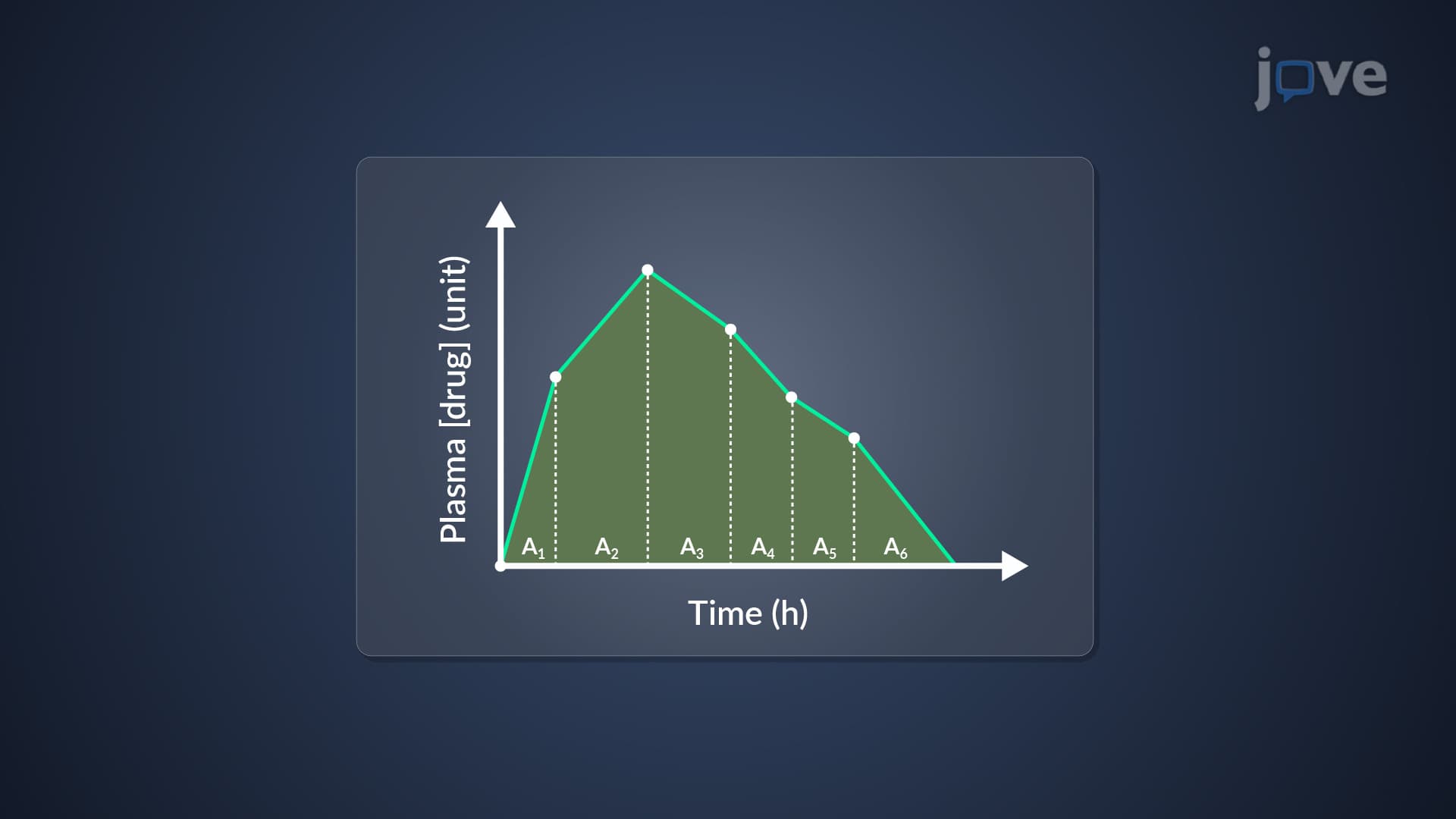
When elimination mechanisms remain unclear or complex, healthcare professionals employ non-compartmental analysis methods. These approaches use the area under the plasma concentration-time curve (AUC) to estimate clearance without assuming specific elimination pathways, making them particularly valuable in clinical research settings.
Understanding clearance estimation appears prominently in standardized exams including the MCAT, USMLE Step 1, and NCLEX-RN. Students often encounter scenario-based questions where they must calculate appropriate drug doses based on patient-specific clearance values.
In clinical practice, therapeutic drug monitoring programs at major US hospitals routinely use these principles. Pharmacokinetic consultations for medications like vancomycin, phenytoin, and warfarin rely heavily on clearance calculations to ensure optimal patient outcomes while minimizing adverse effects.
Related Micro-courses