Loading subject page…


9,673 views

Video Summary: One Compartment Model Iv Infusion Explained
Did you know that IV drips in US hospitals deliver precise antibiotic doses using mathematical models? The one compartment model IV infusion approach treats the entire body as a single, well-mixed container where drug concentration changes predictably over time. This pharmacokinetic concept explains how medications like vancomycin achieve steady-state levels in patients at Johns Hopkins or Mayo Clinic. Understanding the One Compartment Model IV Infusion Explained helps predict when drug levels plateau and how elimination balances infusion rates. Watch the full video on JoVE Coach to master this concept with expert-led visuals and step-by-step explanations.
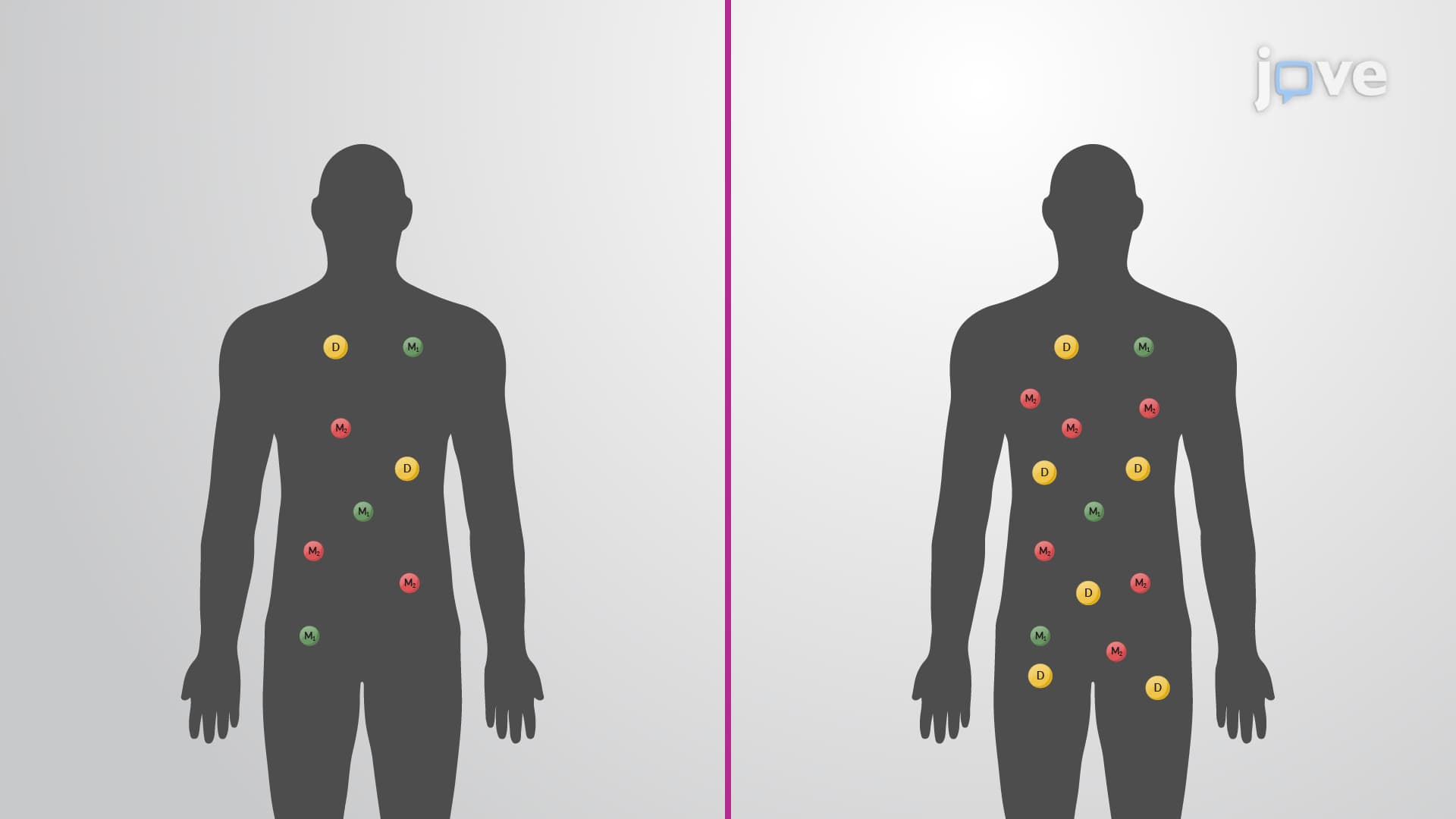
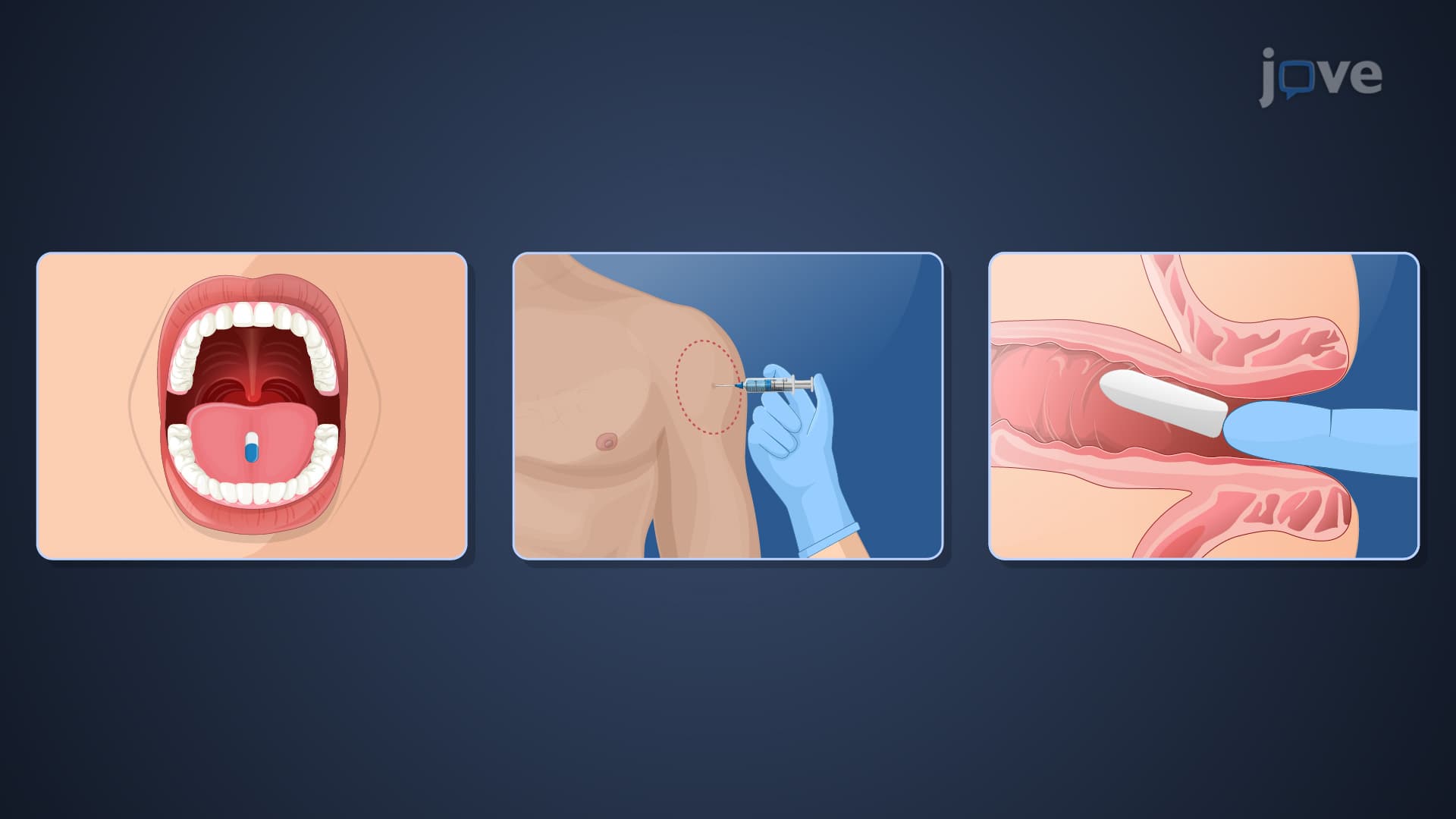
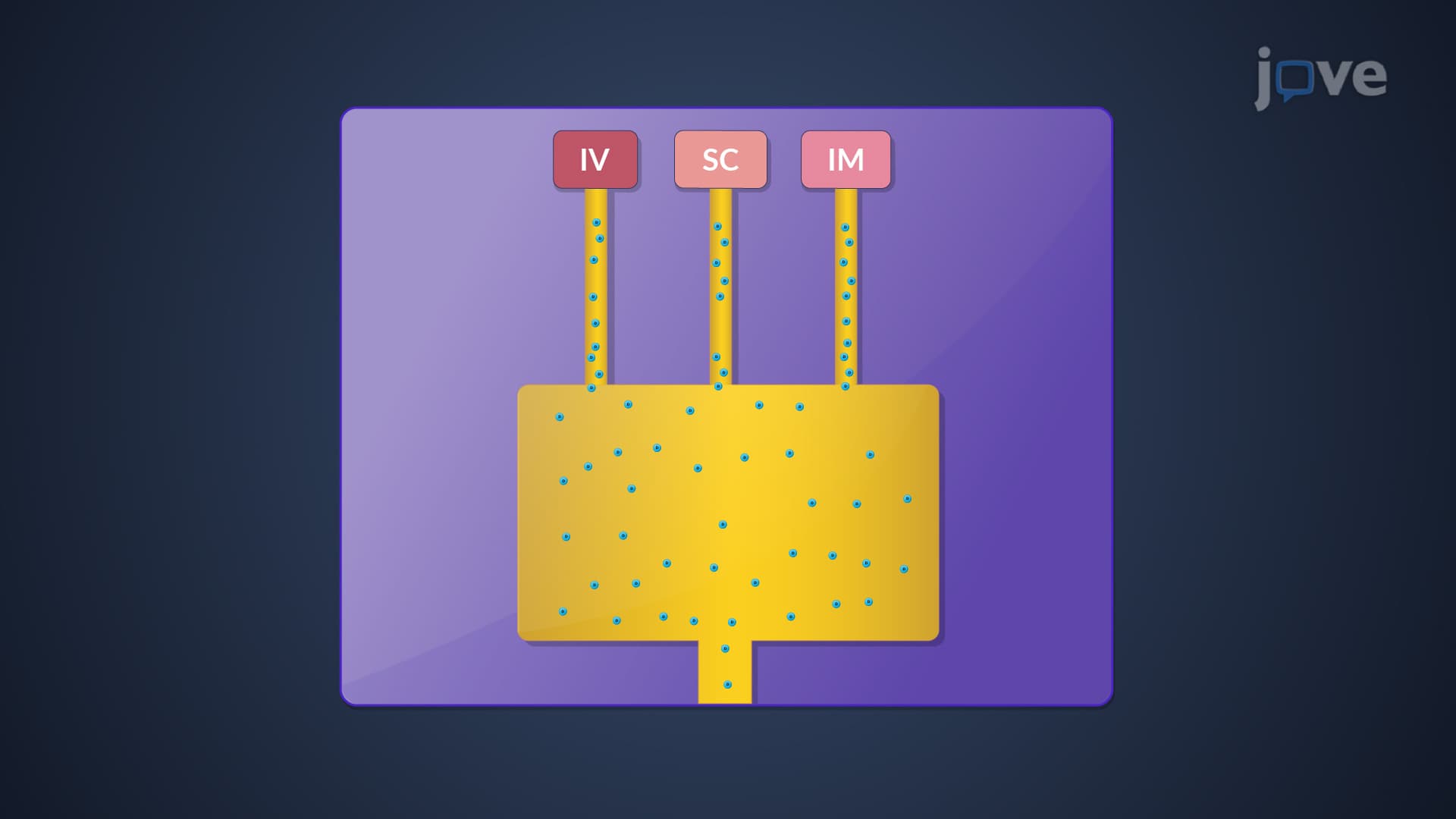
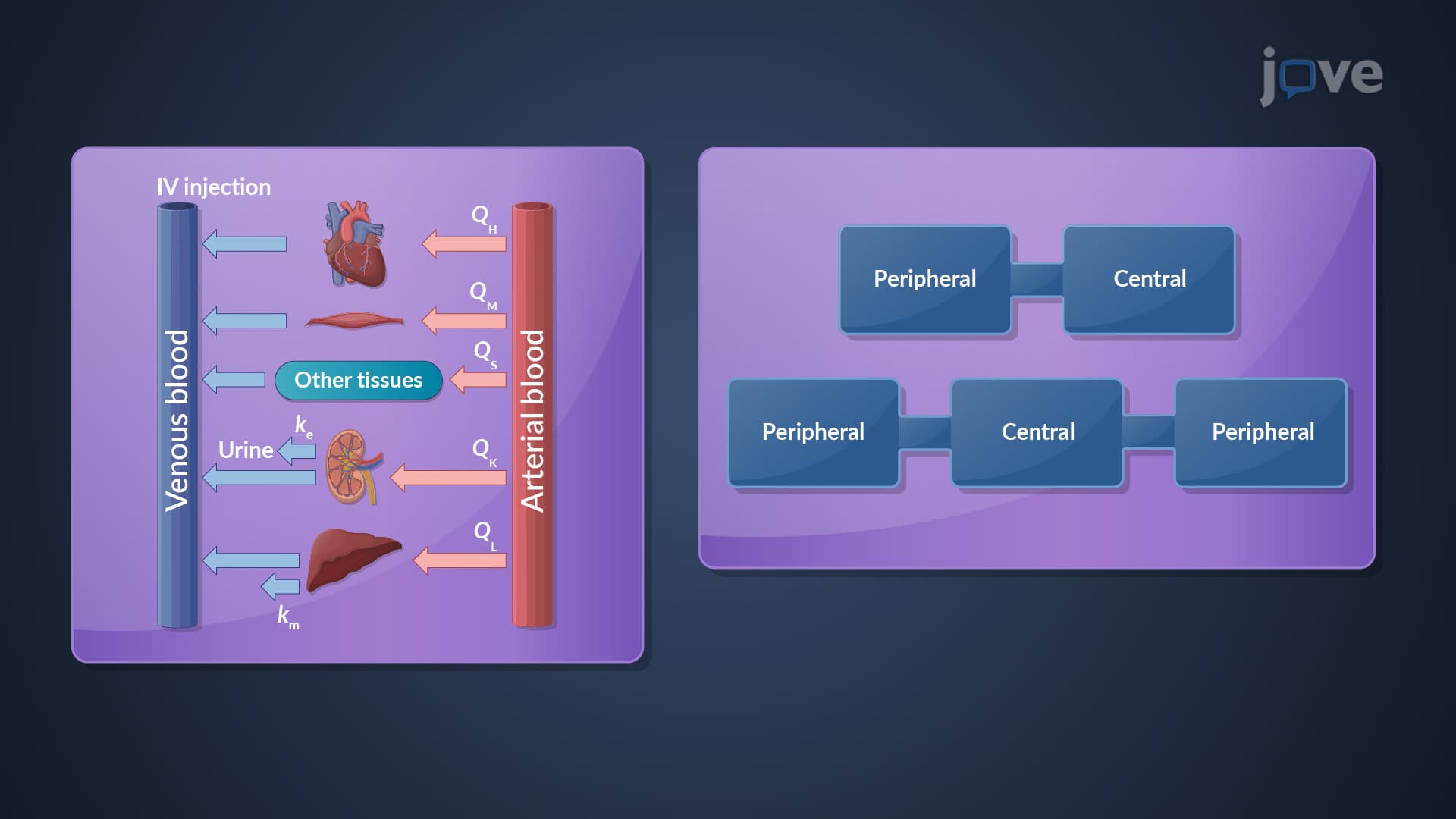
The one compartment model IV represents a fundamental pharmacokinetic approach where the entire human body acts as a single, well-mixed reservoir. Unlike oral medications that must navigate absorption barriers, IV infusions deliver drugs directly into systemic circulation. This model assumes instantaneous and uniform drug distribution throughout body fluids, making it particularly valuable for predicting plasma concentrations during continuous infusion therapy.
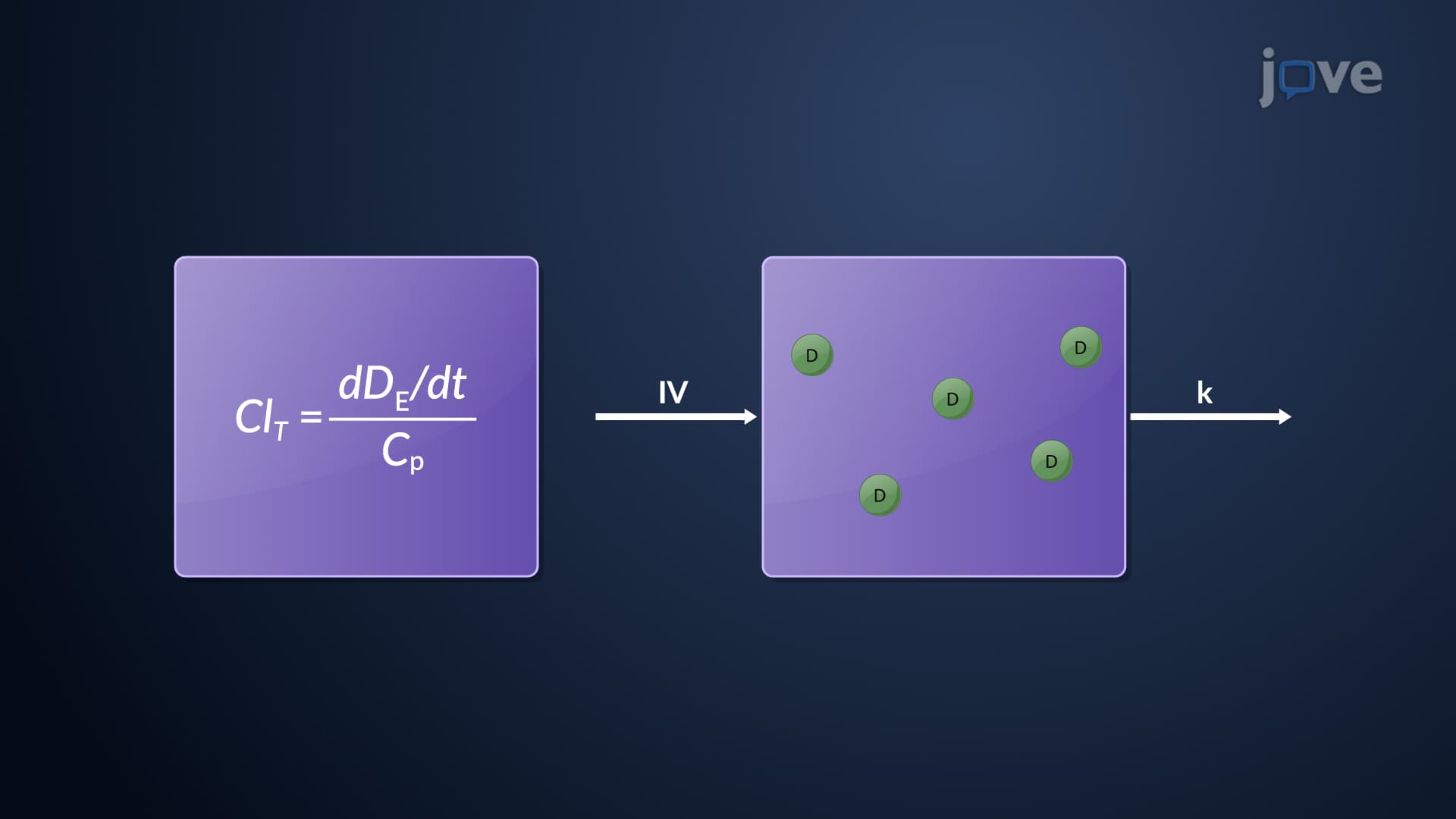
Healthcare providers at major US medical centers rely on this model when administering critical medications like aminoglycoside antibiotics, where maintaining therapeutic levels while avoiding toxicity requires precise dosing calculations. The model's mathematical foundation rests on the principle that the rate of drug amount change equals infusion rate minus elimination rate.
The core equation governing one compartment model IV infusion dynamics is: dA/dt = R0 - ke × A, where A represents drug amount in the body, R0 is the infusion rate, and ke is the elimination rate constant. At steady-state, drug input equals drug output, creating equilibrium where plasma concentrations remain constant.
Students preparing for the MCAT or pharmacy school entrance exams should understand that steady-state typically occurs after 4-5 elimination half-lives. For drugs with 6-hour half-lives, steady-state achievement takes approximately 24-30 hours of continuous infusion. This timing becomes clinically critical when treating severe infections requiring immediate therapeutic drug levels.
US hospitals frequently apply one compartment model IV infusion explained principles when dosing vancomycin for MRSA infections or administering chemotherapy agents with narrow therapeutic windows. Pharmacokinetic parameters like apparent volume of distribution (Vd) and total systemic clearance (CL) can be calculated using steady-state concentrations and infusion rates: Vd = R0/(ke × Css) and CL = R0/Css.
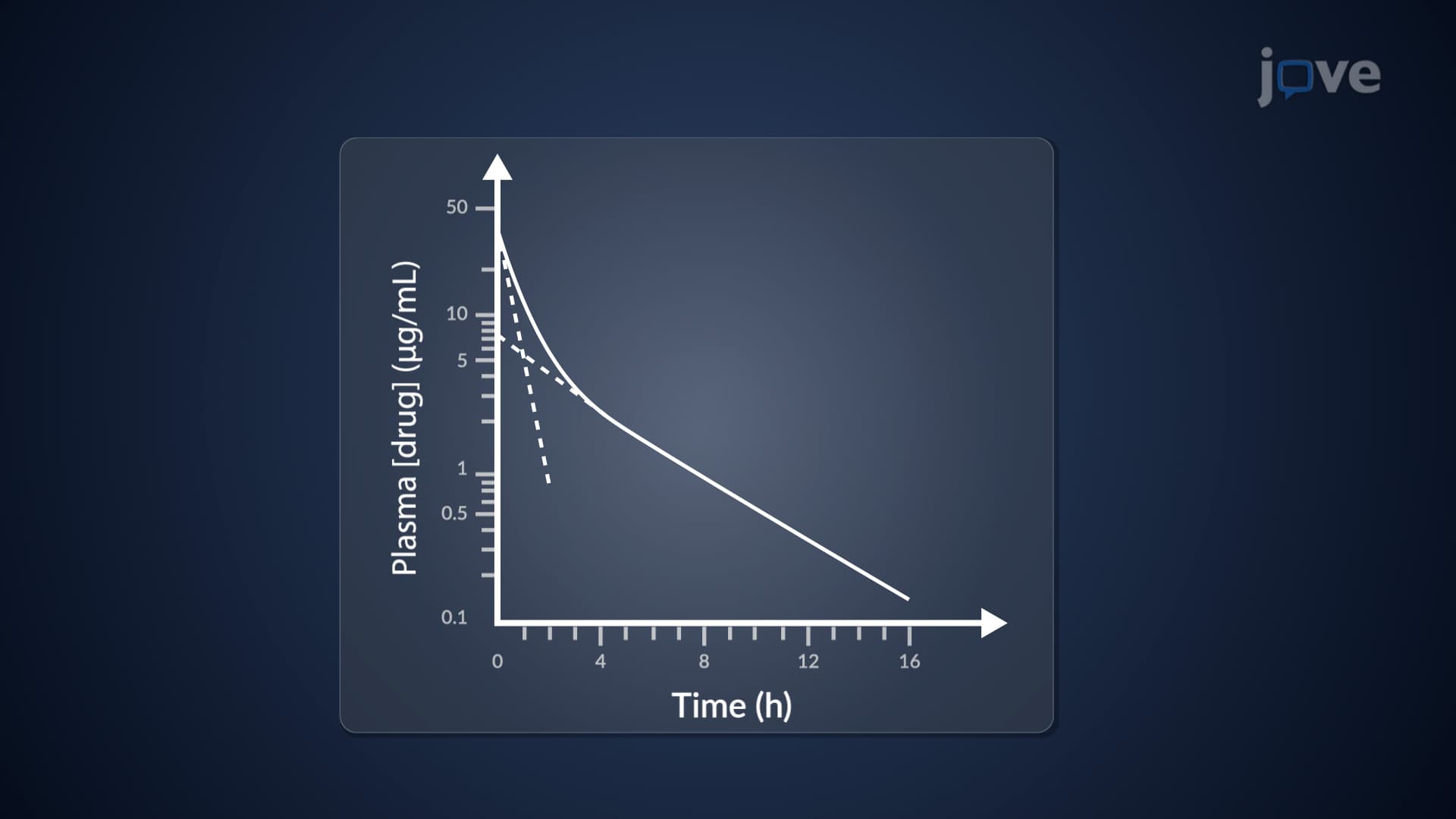
The elimination rate constant determination involves plotting plasma concentrations versus time on semilogarithmic paper. The resulting straight line's slope equals -ke/2.303, providing essential data for individualizing patient dosing regimens. This technique proves invaluable during USMLE Step 1 preparation, where pharmacokinetic calculations frequently appear in clinical vignettes.
College pharmacology courses and professional licensing exams often feature one compartment model IV calculations requiring students to determine dosing intervals, predict plasma concentrations, or calculate clearance values. Advanced Placement Biology students may encounter simplified versions when studying homeostasis and regulatory mechanisms.
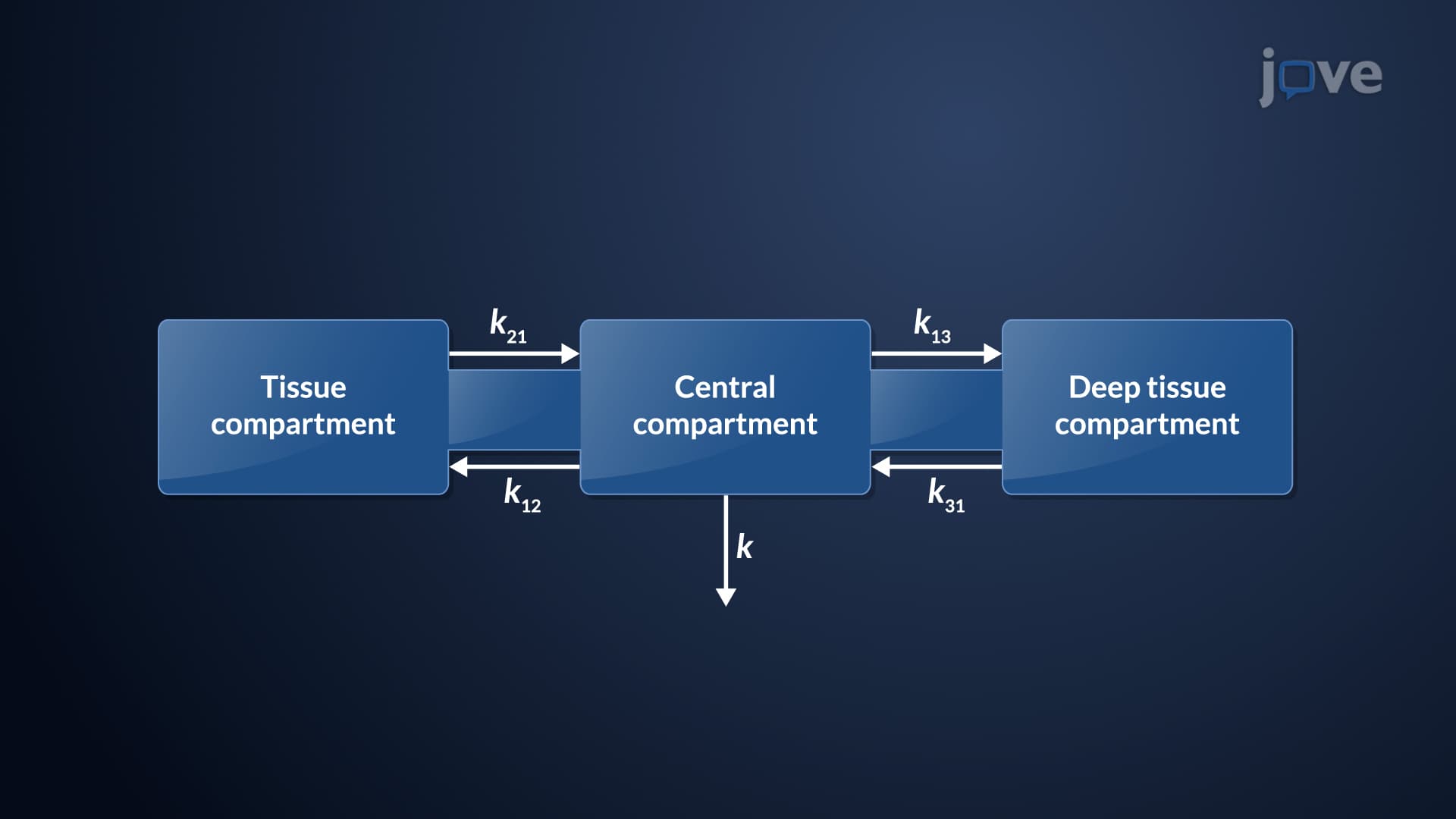
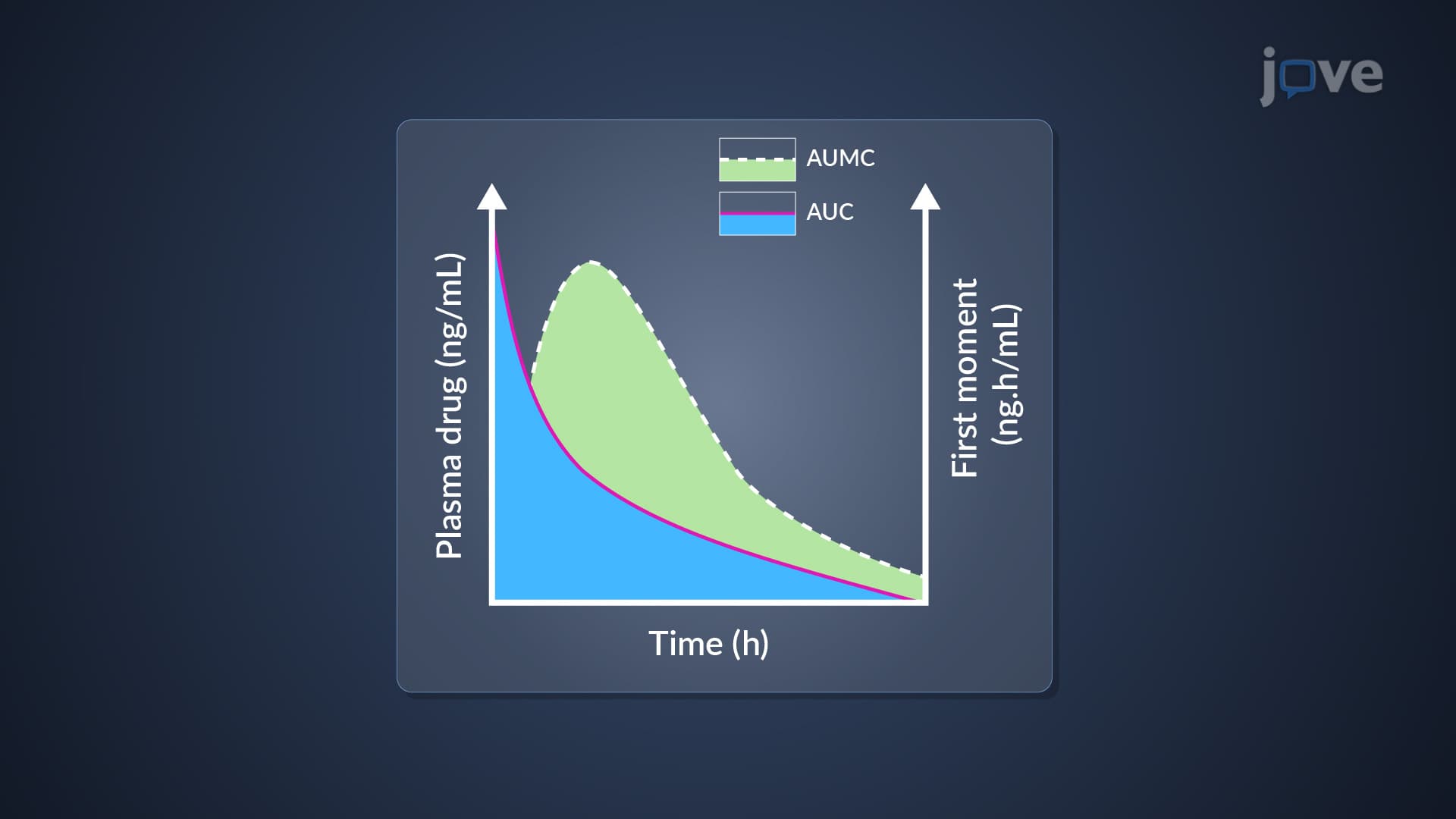
Understanding area under the curve (AUC) calculations enhances comprehension of bioavailability and bioequivalence concepts. The AUC from zero to infinity equals the dose divided by total clearance, providing another method for parameter estimation. These mathematical relationships form the foundation for more complex multi-compartment models encountered in graduate-level pharmacokinetics coursework.
Related Micro-courses