Loading subject page…


9,675 views


Video Summary: One Compartment Open Model for Extravascular Administration First Order Absorption
Did you know that when you take an aspirin tablet, your body follows predictable mathematical patterns to absorb and eliminate the drug? The one-compartment open model extravascular approach helps pharmacologists predict exactly how medications like ibuprofen move through your system after oral administration. This One-Compartment Open Model for Extravascular Administration: First-Order Absorption uses mathematical equations to track drug concentration changes, calculate peak plasma levels, and determine absorption rates. Watch the full video on JoVE Coach to master this concept with expert-led visuals and step-by-step explanations.
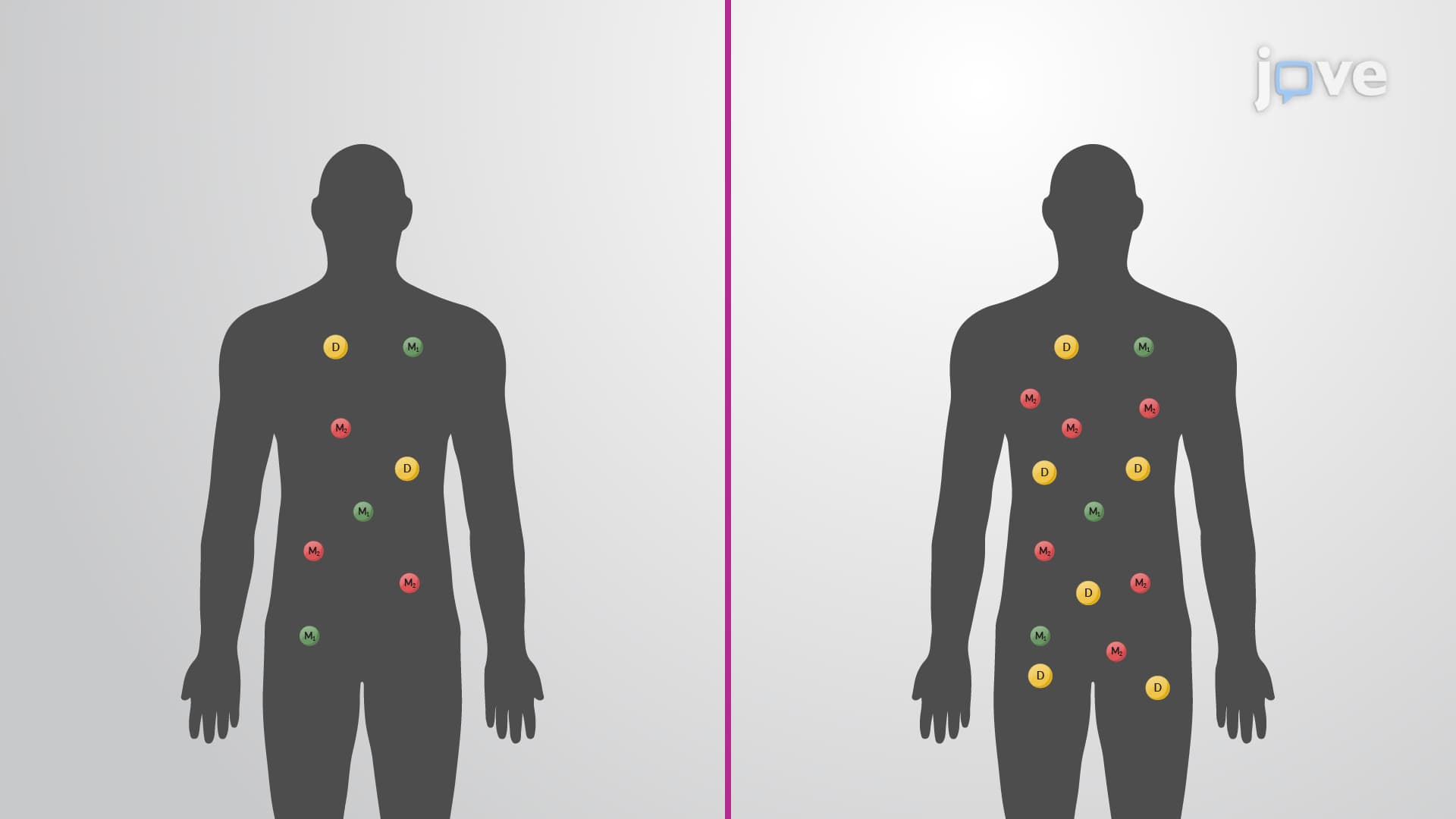
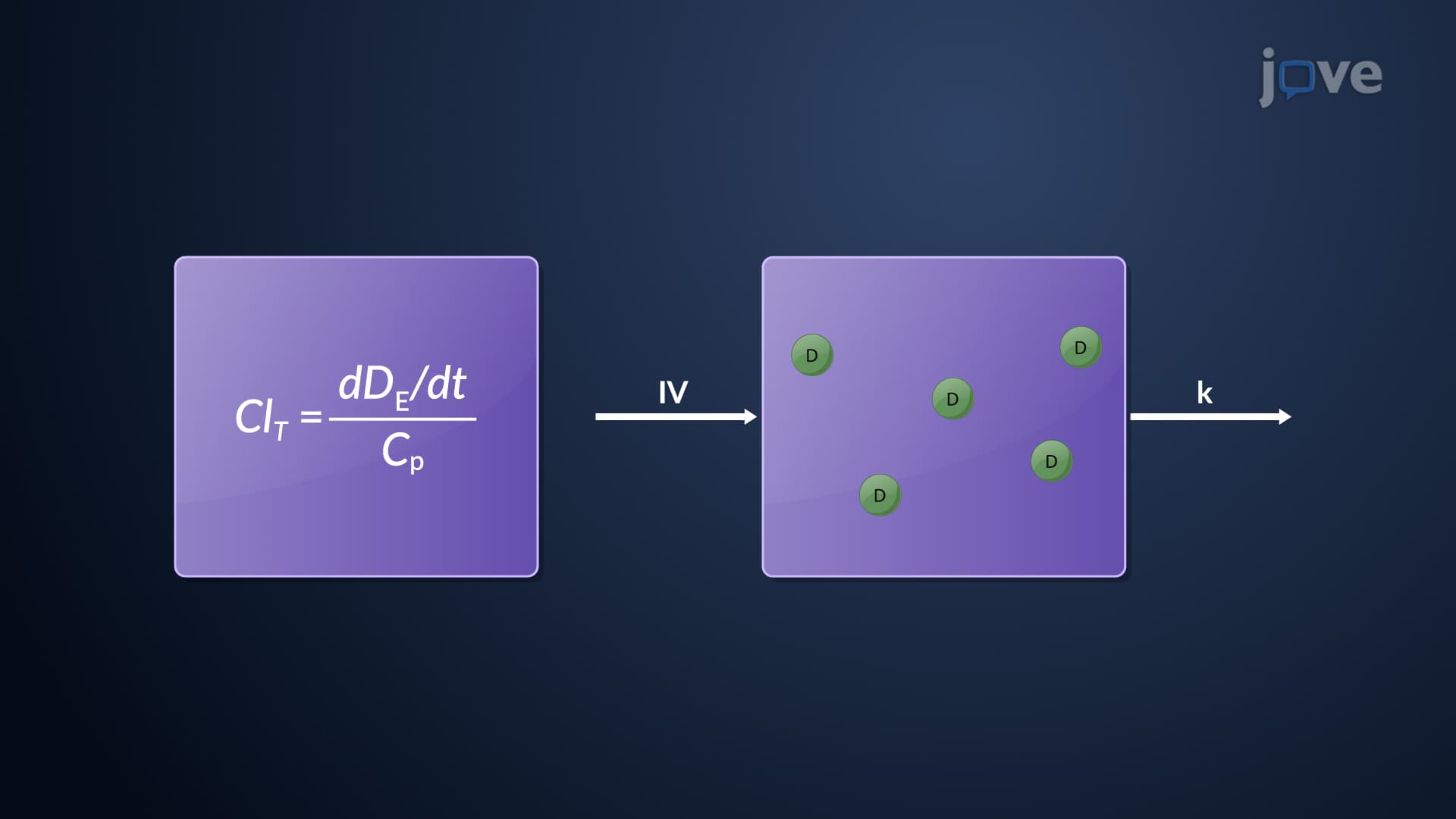
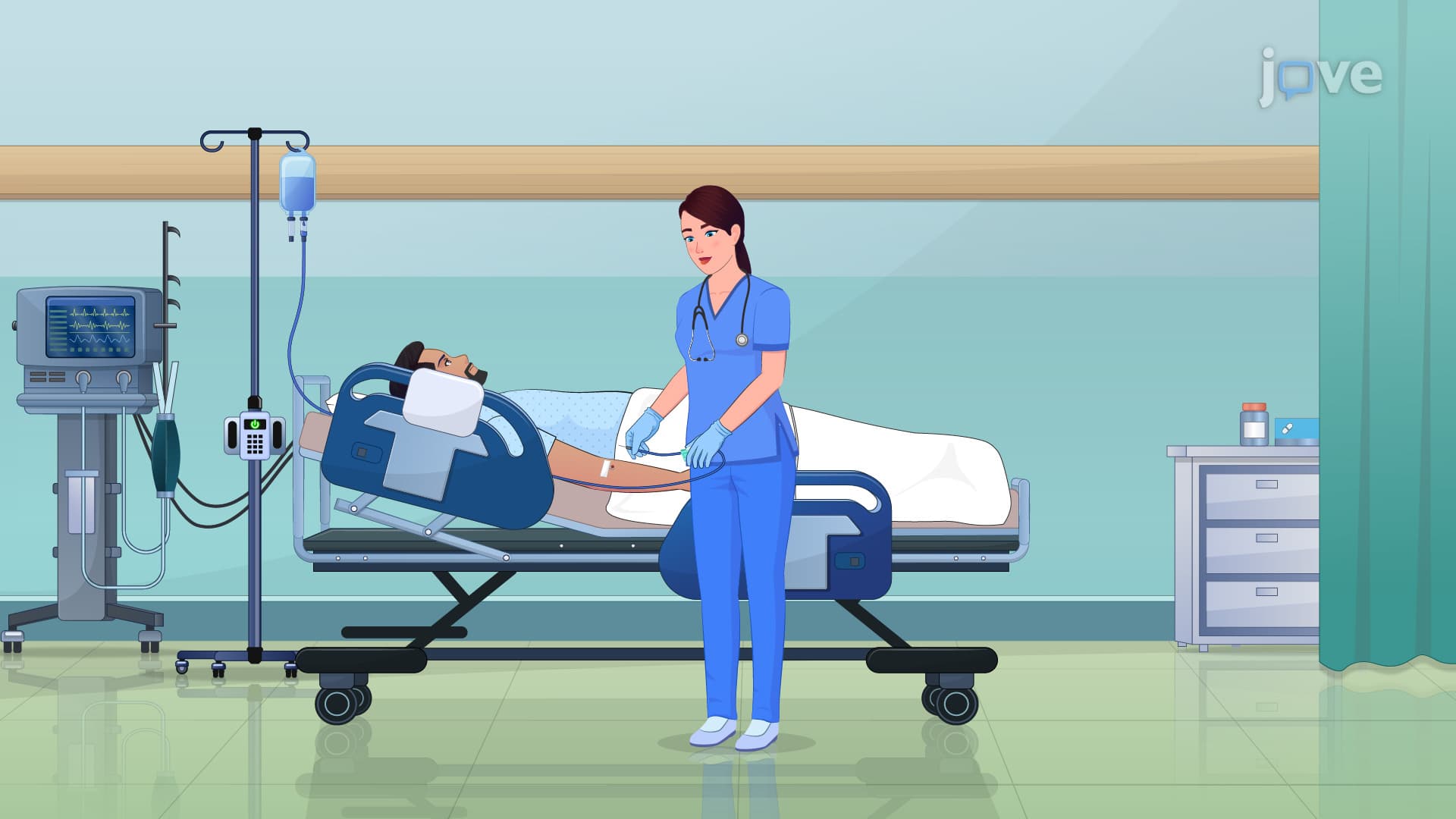
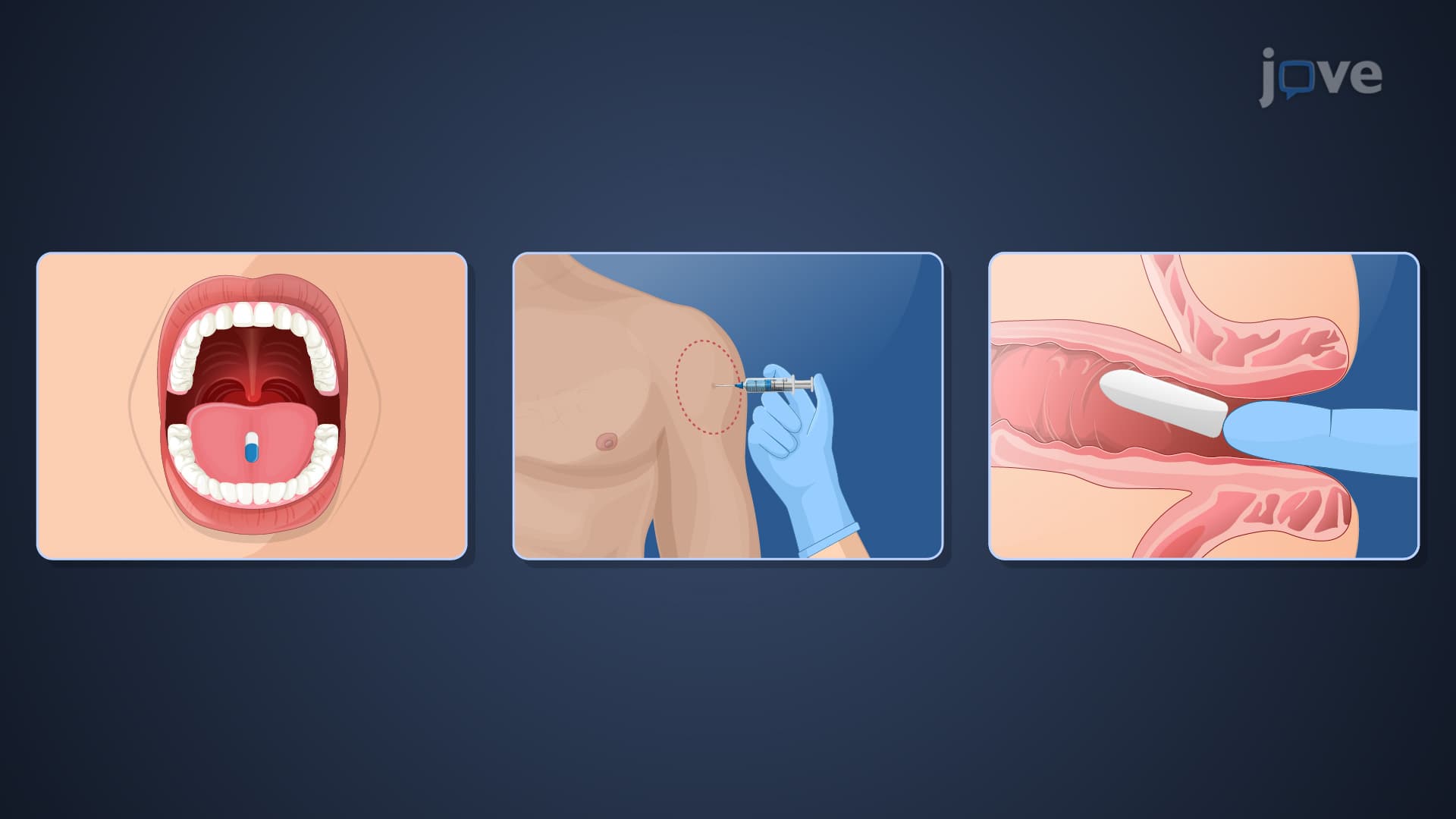
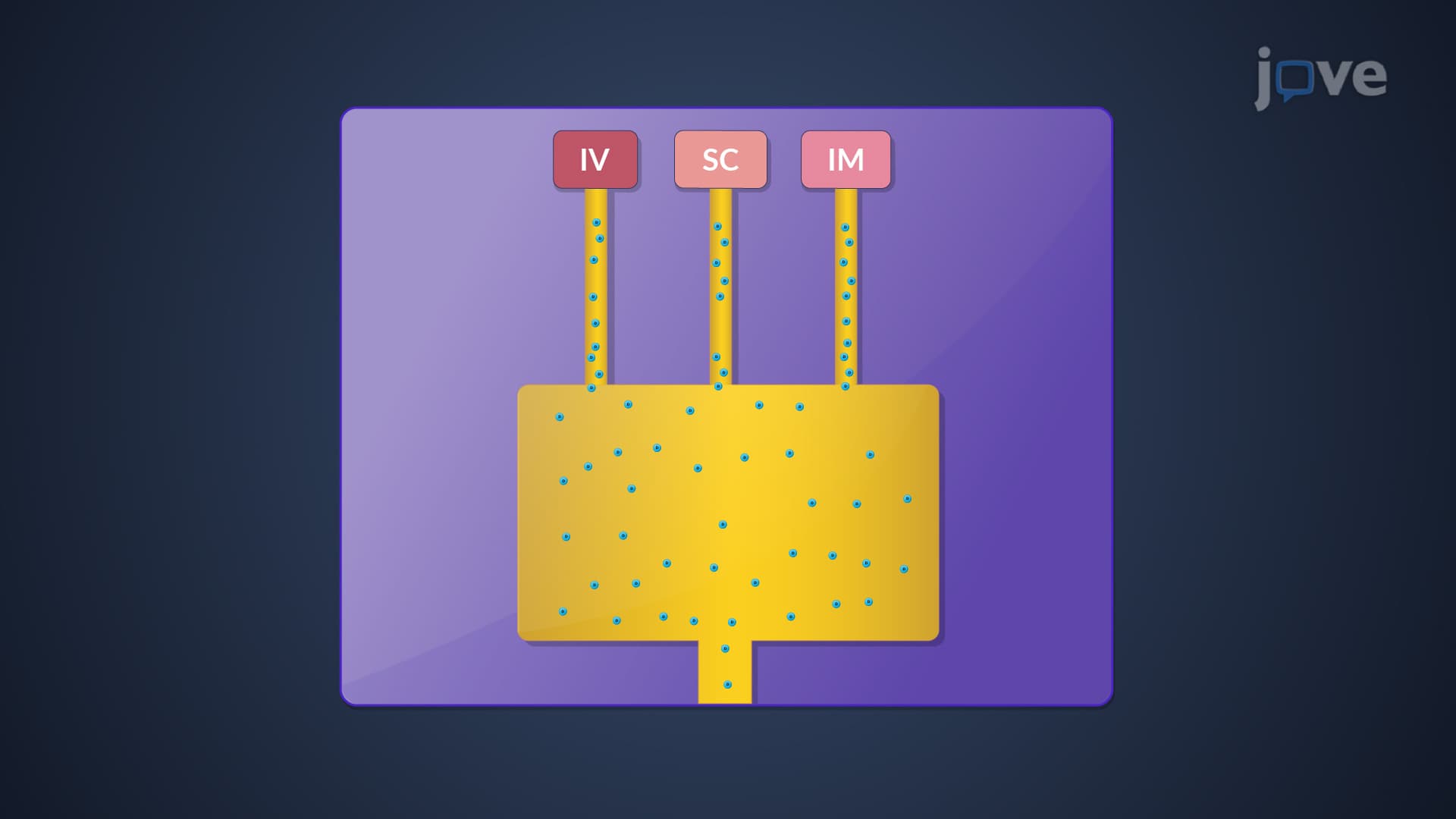
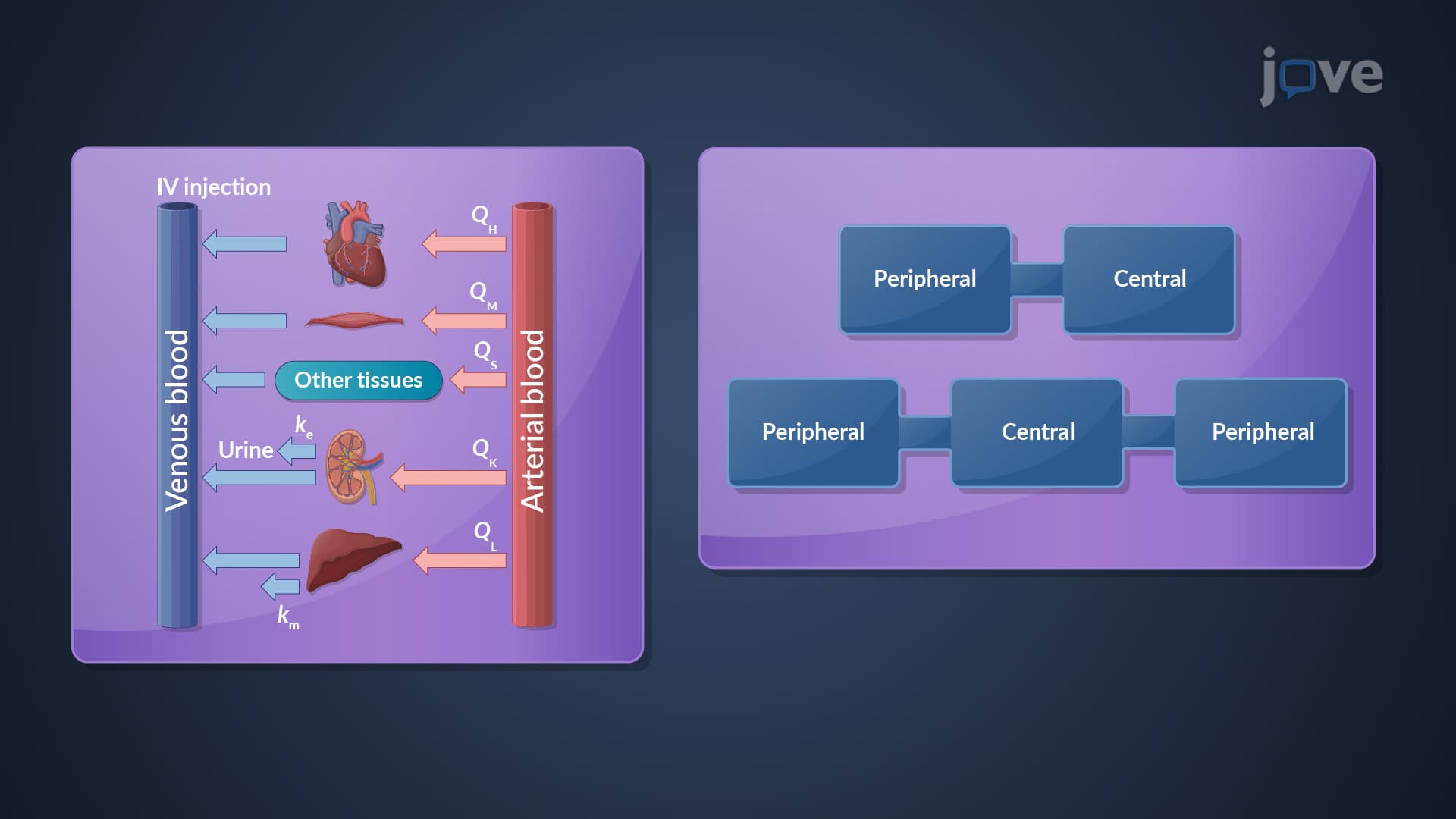
The one-compartment open model extravascular represents one of the most fundamental concepts in pharmacokinetics, treating the entire body as a single, well-mixed compartment where drugs distribute uniformly. Unlike intravenous administration where drugs enter circulation directly, extravascular routes (oral, intramuscular, subcutaneous) require an absorption phase before systemic circulation occurs.
In this model, both drug absorption and elimination follow first-order kinetics, meaning the rate of each process is directly proportional to the amount of drug present. The mathematical representation involves differential equations that describe concentration changes over time. For absorption, the rate constant (ka) determines how quickly the drug moves from the administration site into systemic circulation, while the elimination rate constant (ke) governs drug removal from the body.
The plasma concentration-time equation for this model is: C(t) = (F × D × ka / Vd × (ka - ke)) × (e^(-ke × t) - e^(-ka × t)), where F represents bioavailability, D is the dose, and Vd is the volume of distribution. This equation appears frequently on MCAT pharmacology sections and advanced placement chemistry exams.
Peak plasma concentration (Cmax) and time to reach peak concentration (Tmax) are critical parameters calculated from this model. For example, when analyzing acetaminophen absorption after oral administration, pharmaceutical companies use these calculations to determine optimal dosing intervals. The FDA requires extensive pharmacokinetic modeling using these principles during drug approval processes.
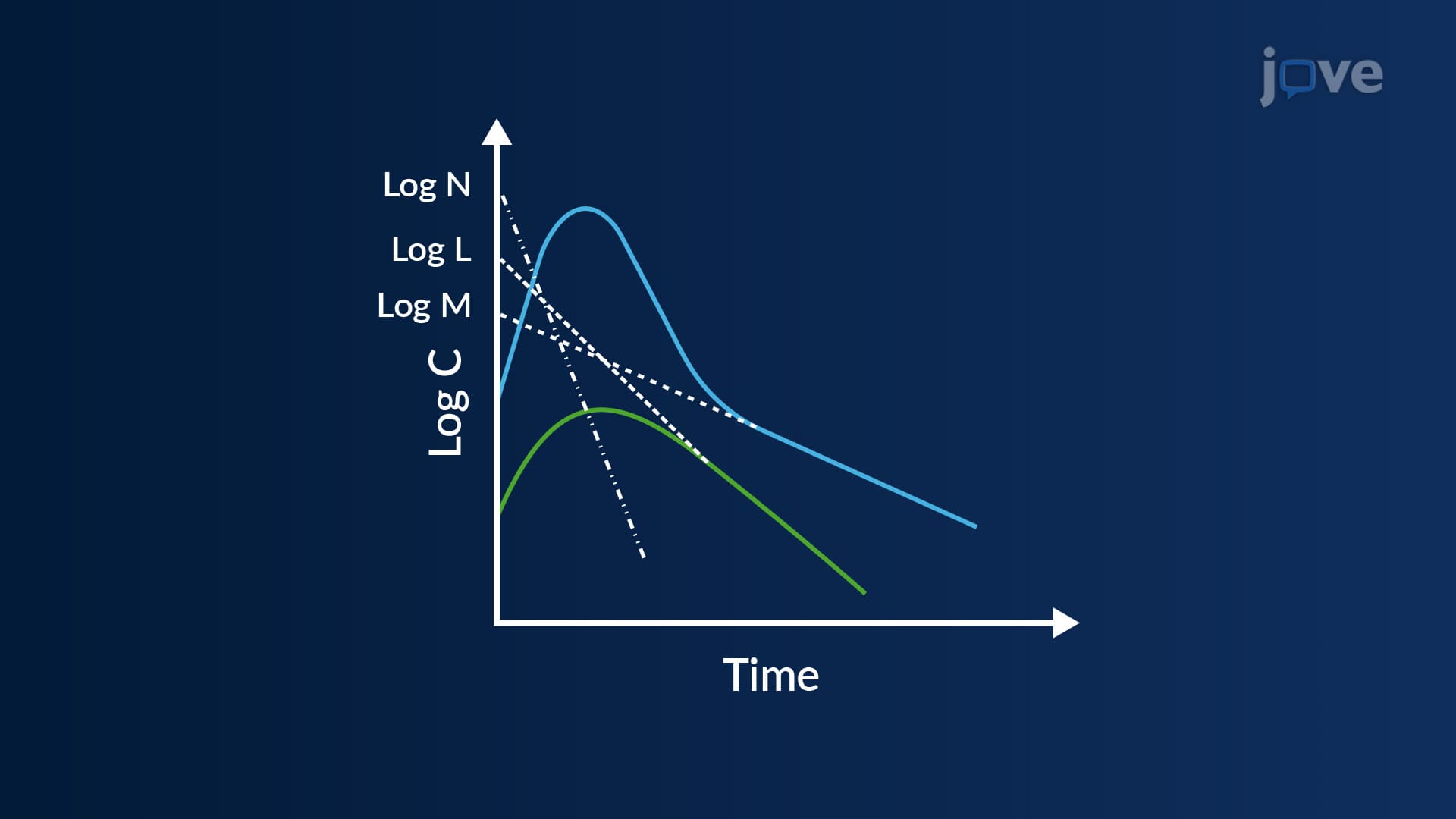
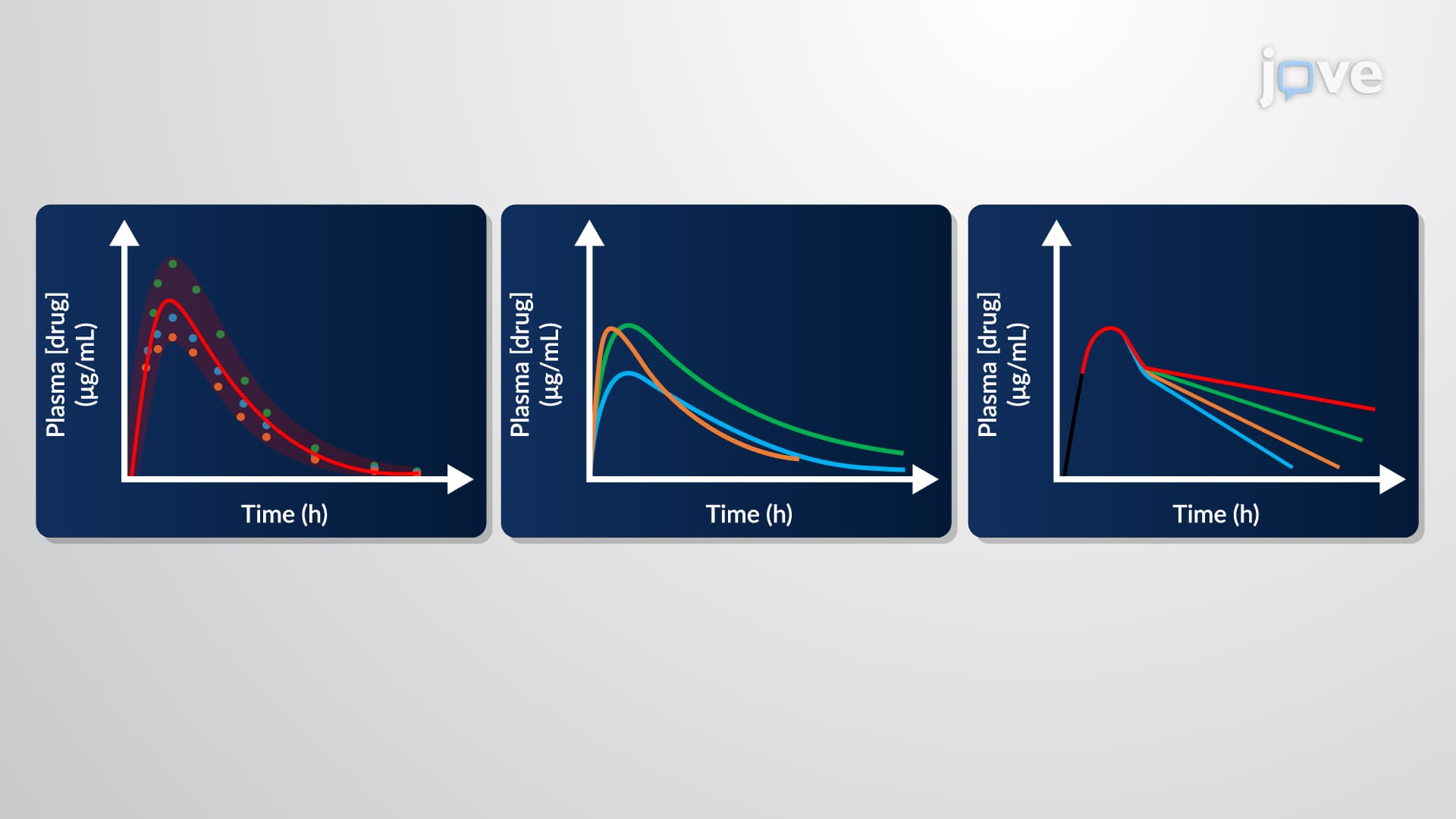
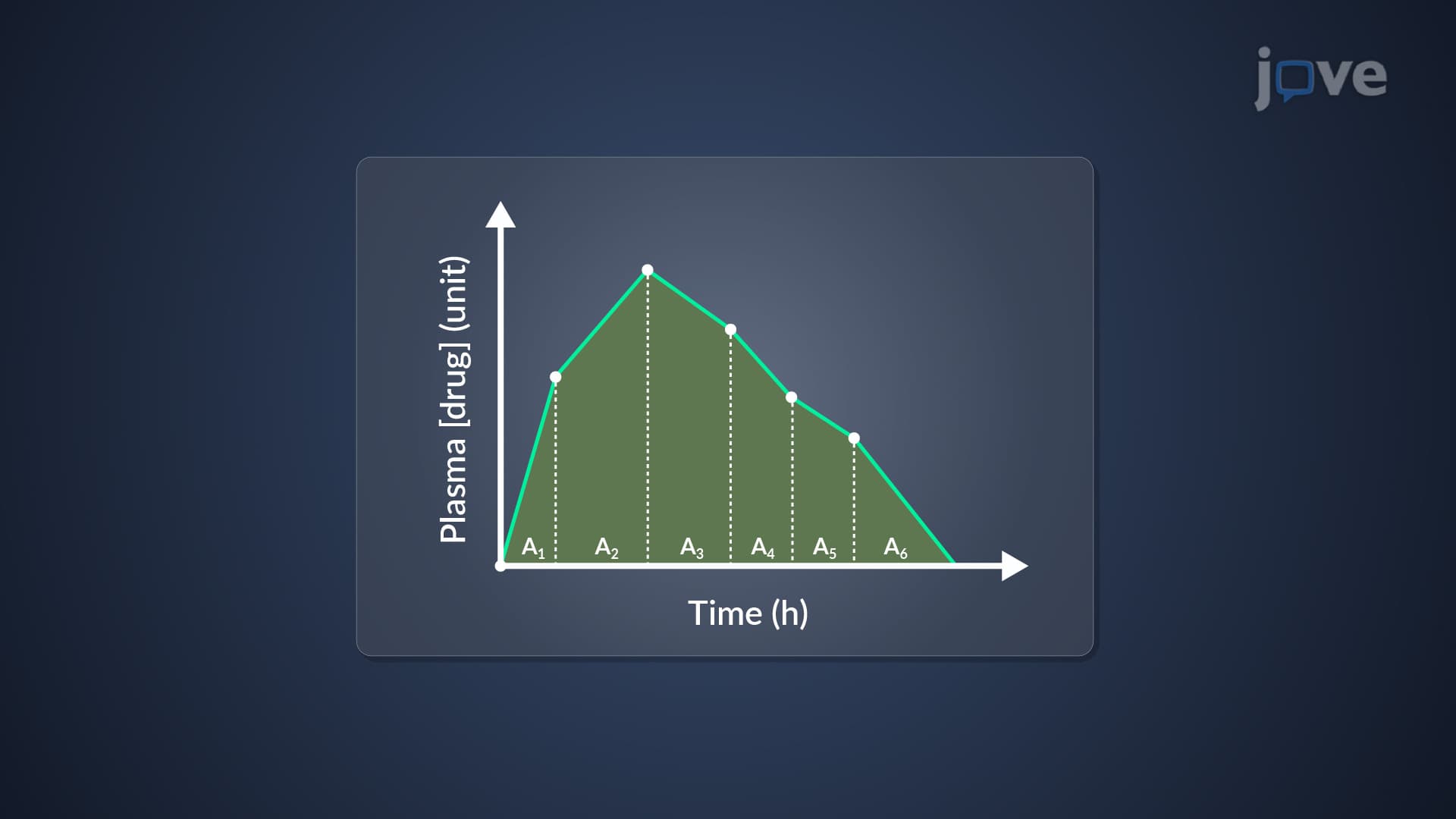
The absorption rate constant can be determined through the method of residuals, a graphical technique where the elimination phase is extrapolated back and subtracted from the actual concentration-time curve. Alternatively, the Wagner-Nelson method provides a model-independent approach for determining absorption kinetics, particularly useful in bioequivalence studies conducted by companies like Pfizer and Johnson & Johnson.
The flip-flop phenomenon represents a fascinating aspect where absorption becomes the rate-limiting step rather than elimination. This occurs when ka < ke, causing the terminal slope of the concentration-time curve to reflect absorption rather than elimination kinetics. Understanding this concept is crucial for USMLE Step 1 pharmacology questions and pharmaceutical sciences coursework.
Lag time, representing the delay between drug administration and absorption initiation, significantly impacts clinical dosing strategies. Extended-release formulations often incorporate controlled lag times to achieve desired therapeutic outcomes, as seen in medications for circadian rhythm disorders.
Related Micro-courses