Loading subject page…

- Pharmacokinetics and Pharmacodynamics
- Pharmacokinetic Models
- One-Compartment Open Model: Urinary Excretion Data and Determination of k
Micro-course: Pharmacokinetic Models
9,673 views
Learn key concepts and earn your certificate.









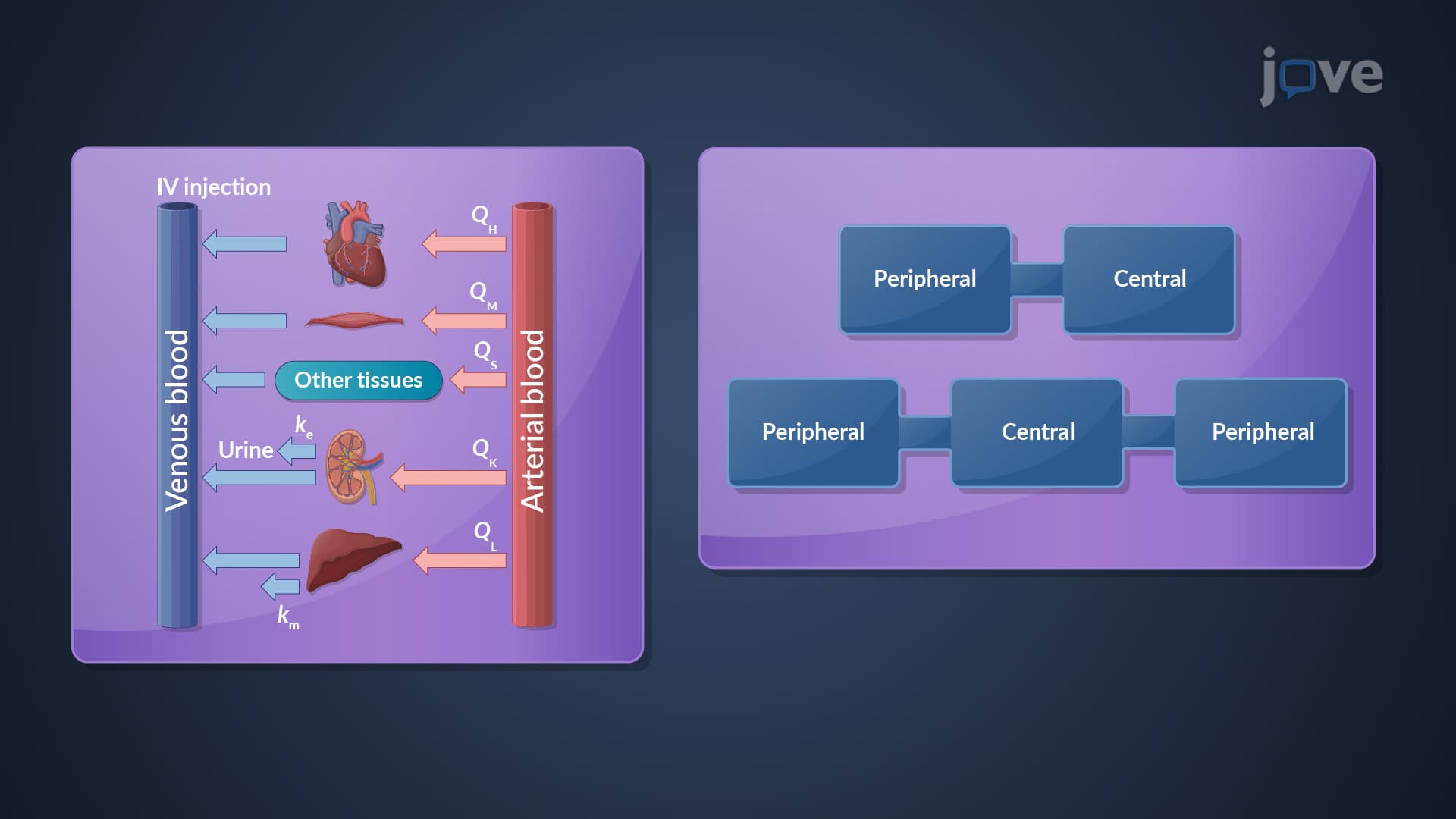
One-Compartment Open Model: Urinary Excretion Data and Determination of k


00:00
01:11
Video Summary: One Compartment Open Model Urinary Explained
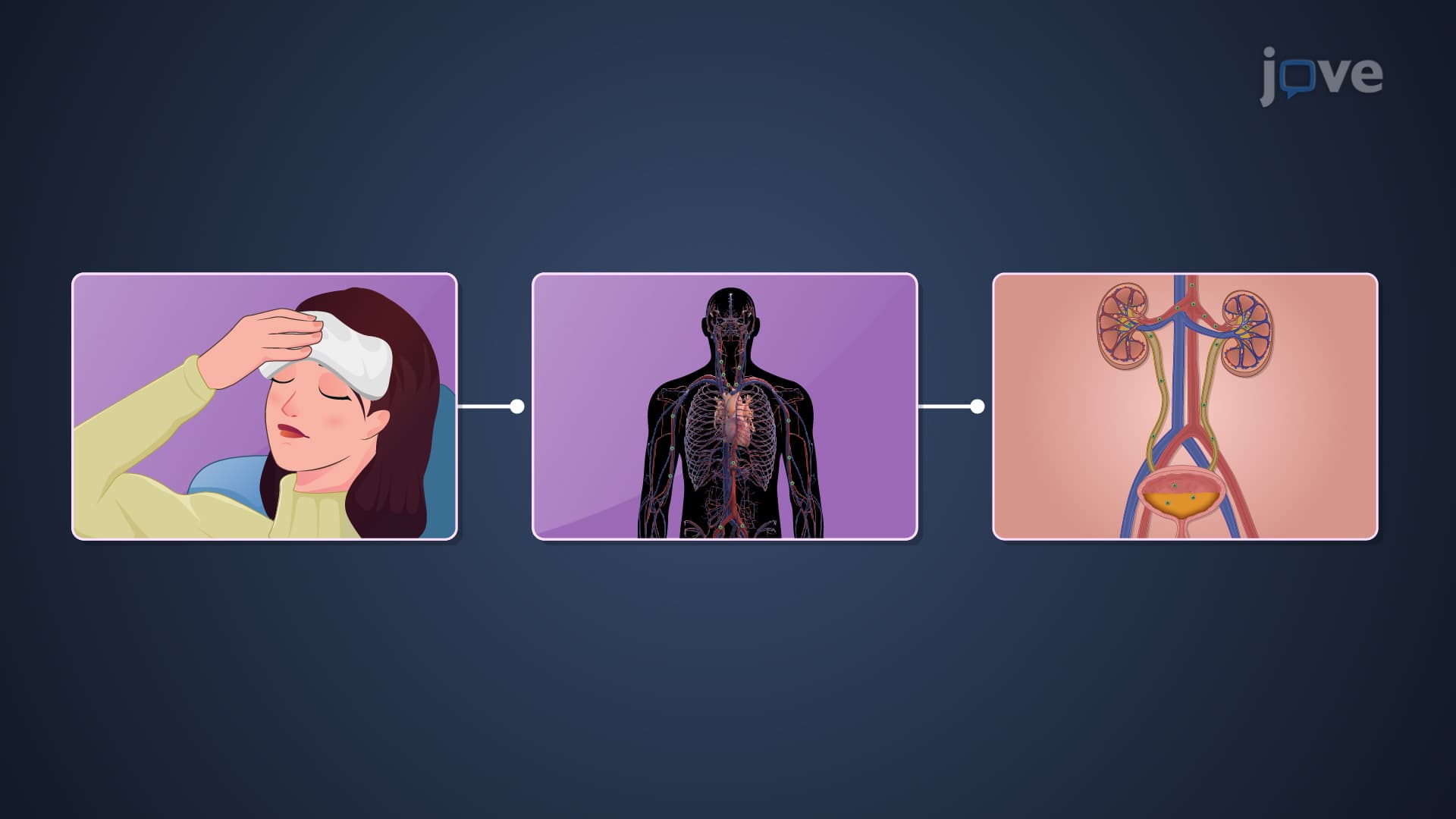
Did you know that analyzing urine can reveal exactly how your body eliminates medications? The one compartment open model urinary approach transforms simple urine collection into powerful pharmacokinetic insights. When researchers at Johns Hopkins studied acetaminophen clearance, they used this non-invasive method to track drug elimination without blood draws. One Compartment Open Model Urinary Explained demonstrates how renal clearance calculations and elimination rate constants provide critical data for drug dosing and safety. Watch the full video on JoVE Coach to master this concept with expert-led visuals and step-by-step explanations.
- Understand how One Compartment Open Model Urinary Explained applies to drug elimination studies and pharmacokinetic parameter calculation
- Identify the advantages and limitations of urinary excretion data collection compared to blood sampling methods
- Apply renal clearance equations to calculate elimination rate constants using urine volume and drug concentration measurements
- Analyze semilog plots using both rate method and sigma-minus method to determine pharmacokinetic parameters
- Evaluate the accuracy requirements for urine collection protocols including timing, volume measurement, and sample preservation
- Compare the rate method versus sigma-minus method for avoiding drug elimination fluctuations in data analysis
- Recognize real-world applications in clinical drug monitoring and pharmaceutical research studies
- Explore how this model integrates with broader pharmacokinetic concepts in drug development and patient care
Understanding One Compartment Open Model Urinary Analysis
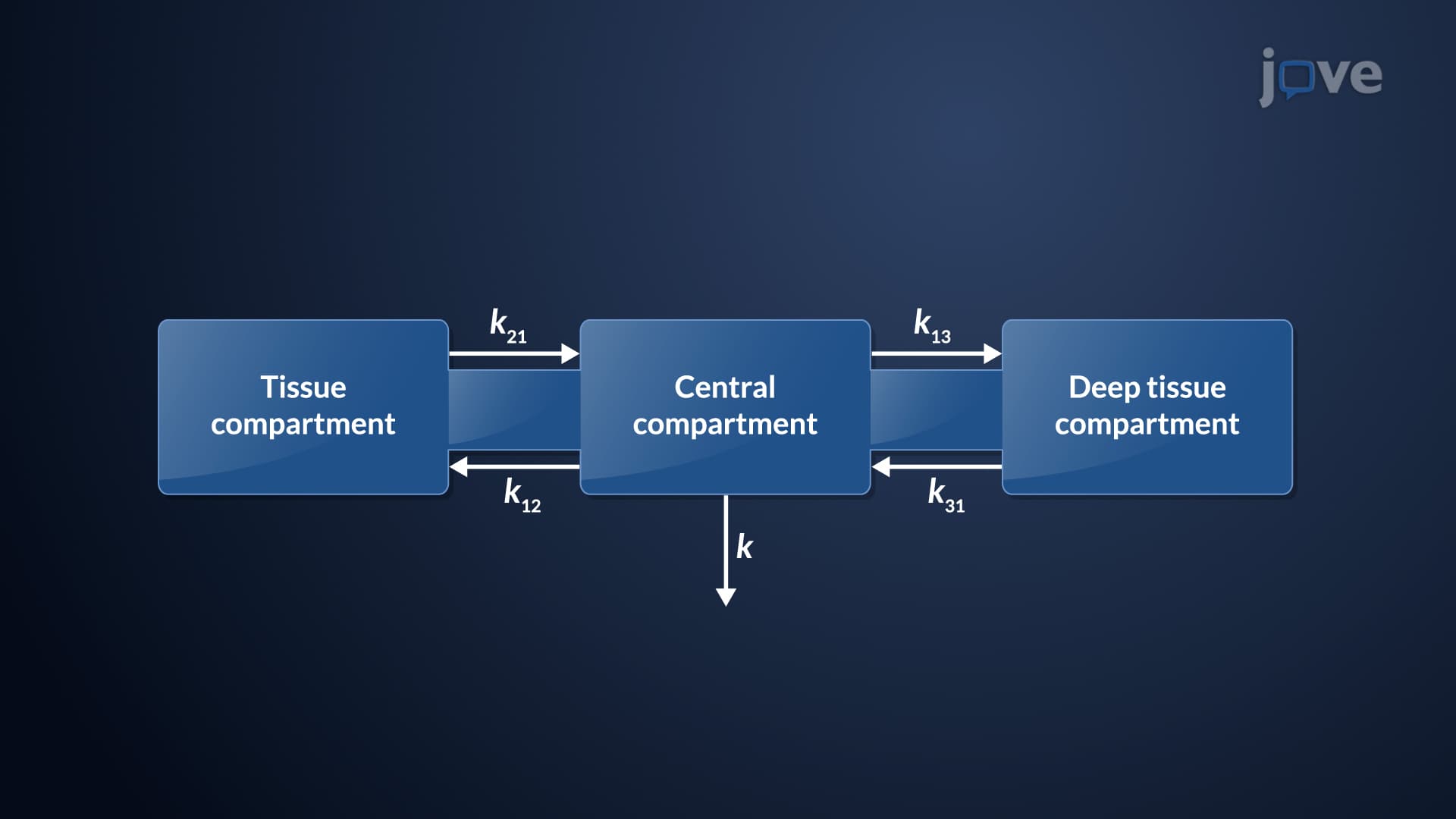
The one compartment open model urinary approach represents a cornerstone method in pharmacokinetics that treats the human body as a single, well-mixed compartment for drug distribution and elimination. This model assumes drugs enter the system, distribute uniformly, and exit primarily through renal excretion. Unlike complex multi-compartment models, this simplified approach provides reliable results for drugs that follow first-order elimination kinetics and have significant unchanged urinary excretion.
Renal Clearance Calculations and Clinical Applications
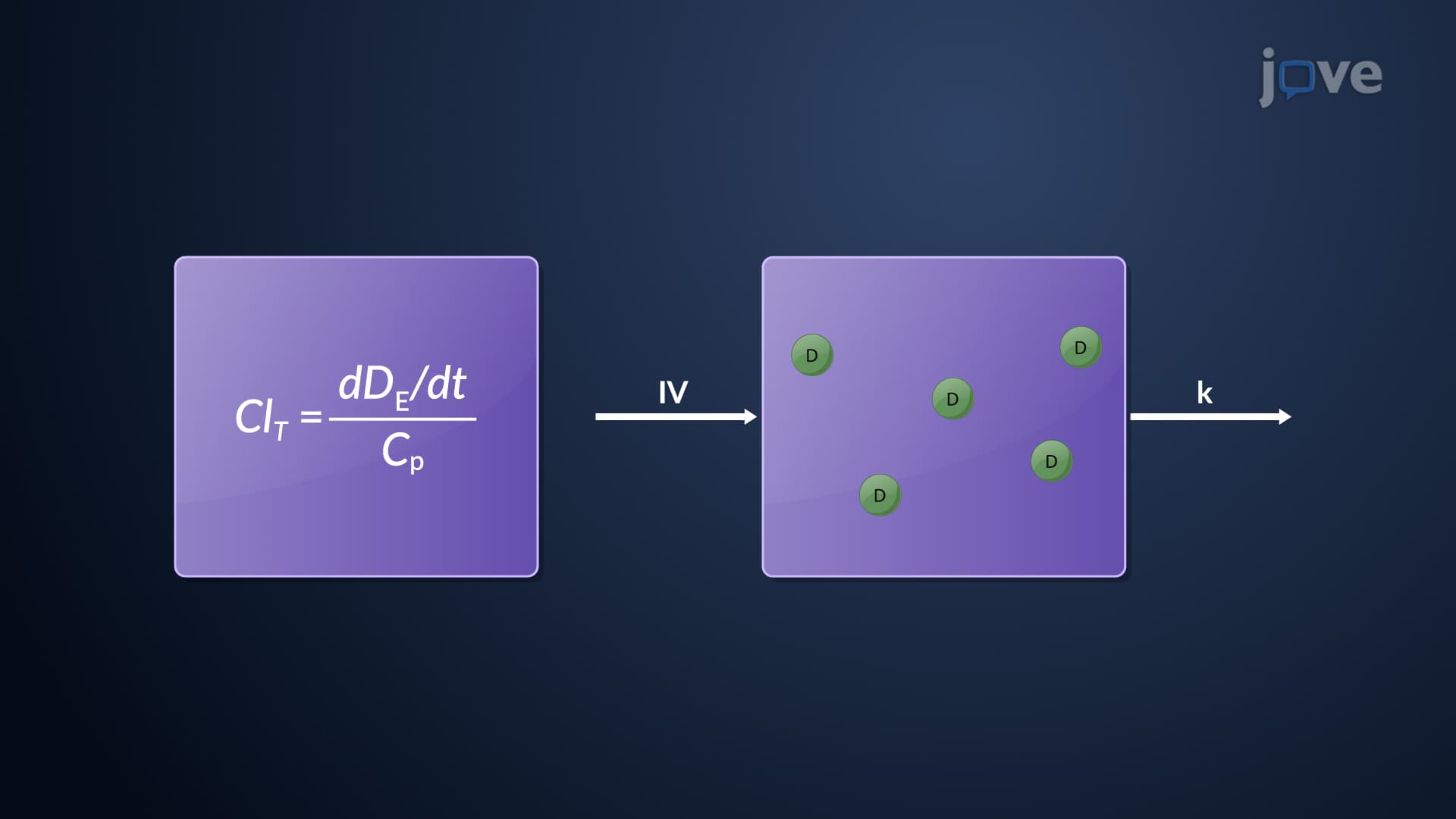
In practice, renal clearance (CLr) equals the rate of drug excretion divided by plasma concentration: CLr = (dXu/dt)/Cp, where dXu/dt represents the urinary excretion rate and Cp is plasma concentration. This calculation proves invaluable in clinical settings. For instance, when monitoring gentamicin therapy at Mayo Clinic, pharmacists use urinary excretion data to adjust dosing for patients with kidney dysfunction. The model helps predict drug accumulation and prevents toxicity in vulnerable populations.
Students preparing for the MCAT or pharmacy school entrance exams frequently encounter this concept in pharmacology sections. Understanding the relationship between elimination rate constant (ke) and half-life becomes crucial for clinical problem-solving scenarios.
Rate Method vs. Sigma-Minus Method Analysis
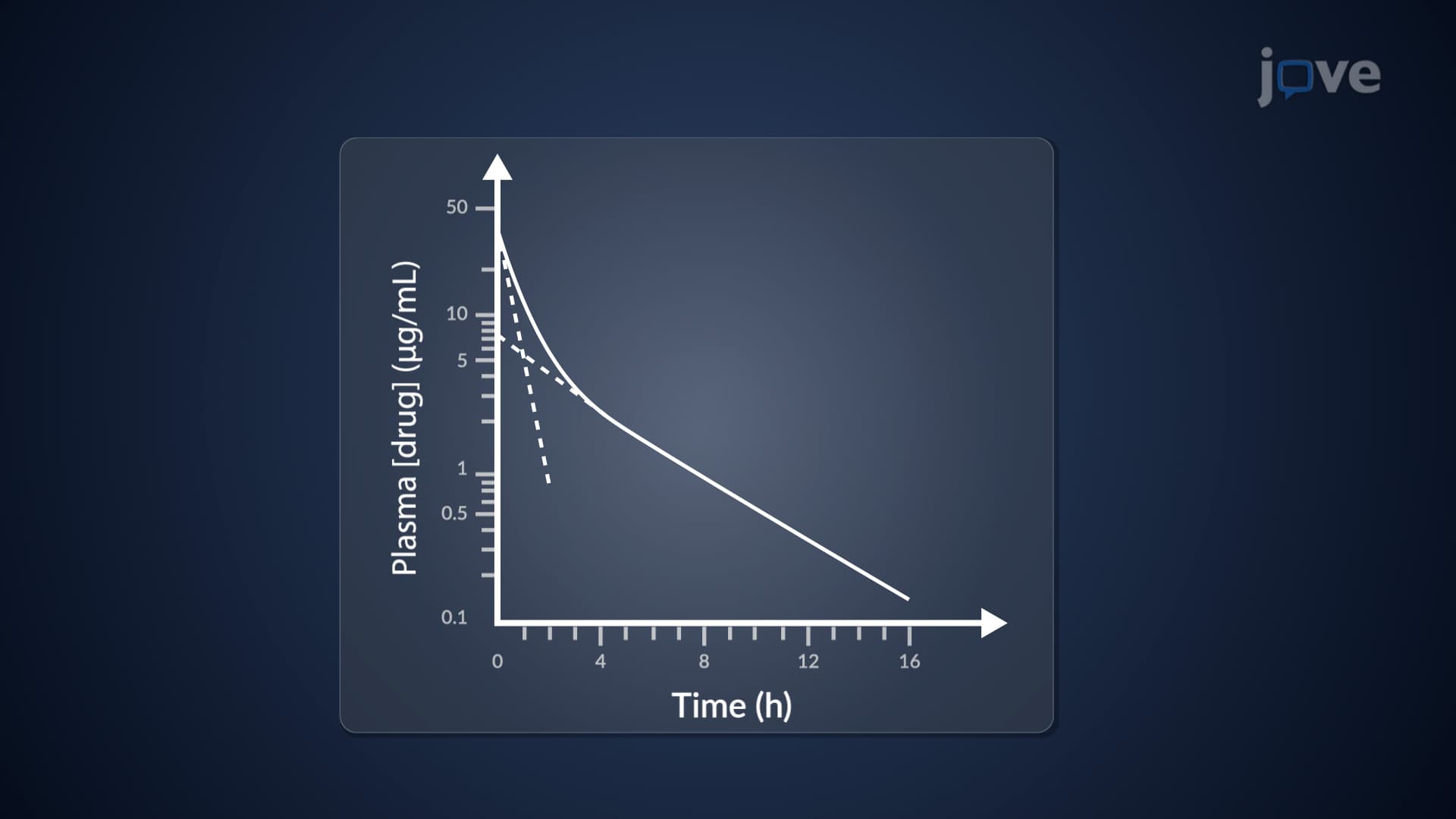
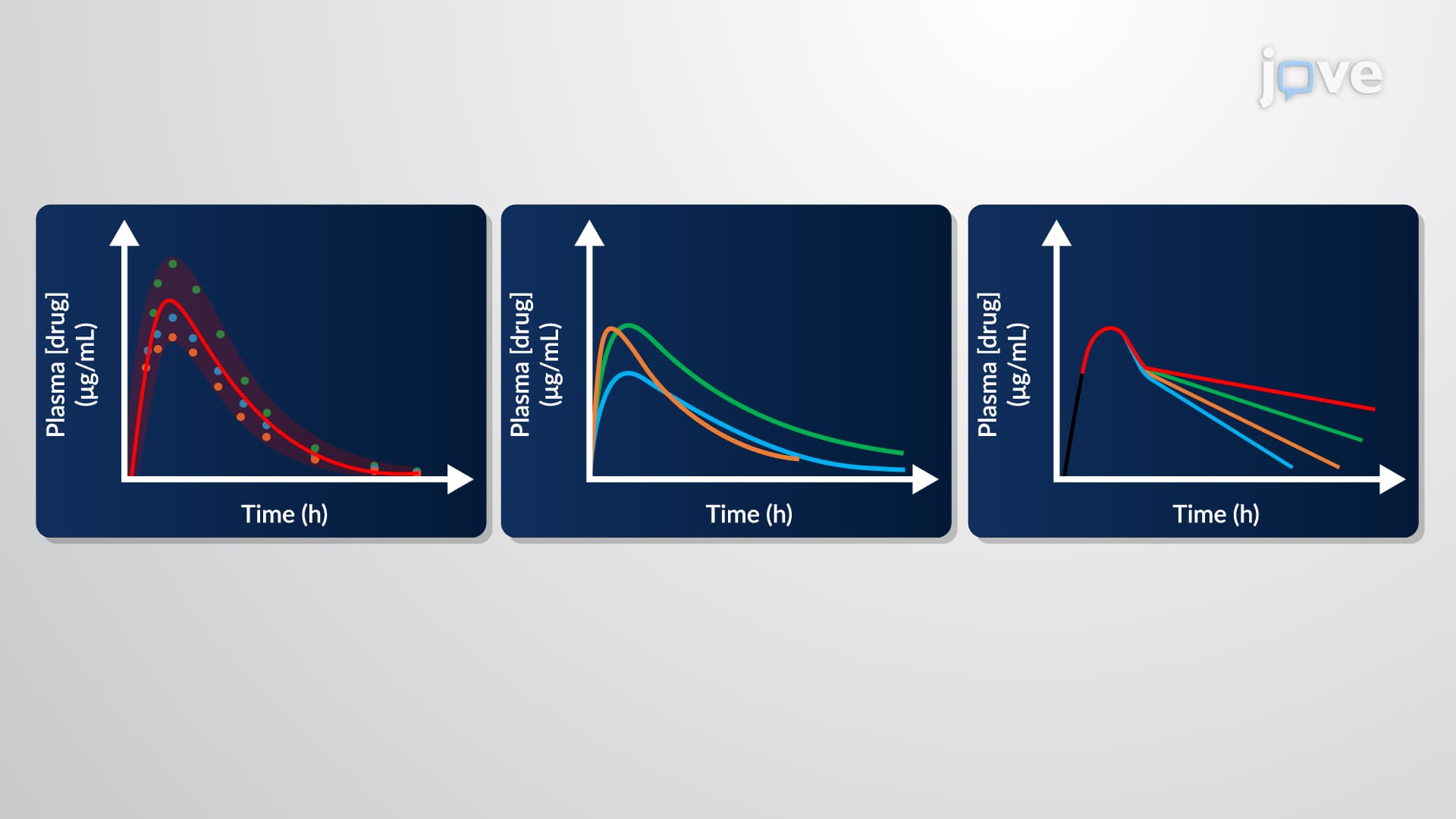
Two primary analytical approaches extract elimination parameters from urinary data. The rate method plots excretion rate versus time on semilog paper, where the slope directly yields the elimination rate constant. However, this method can show fluctuations due to variations in urine flow or collection timing.
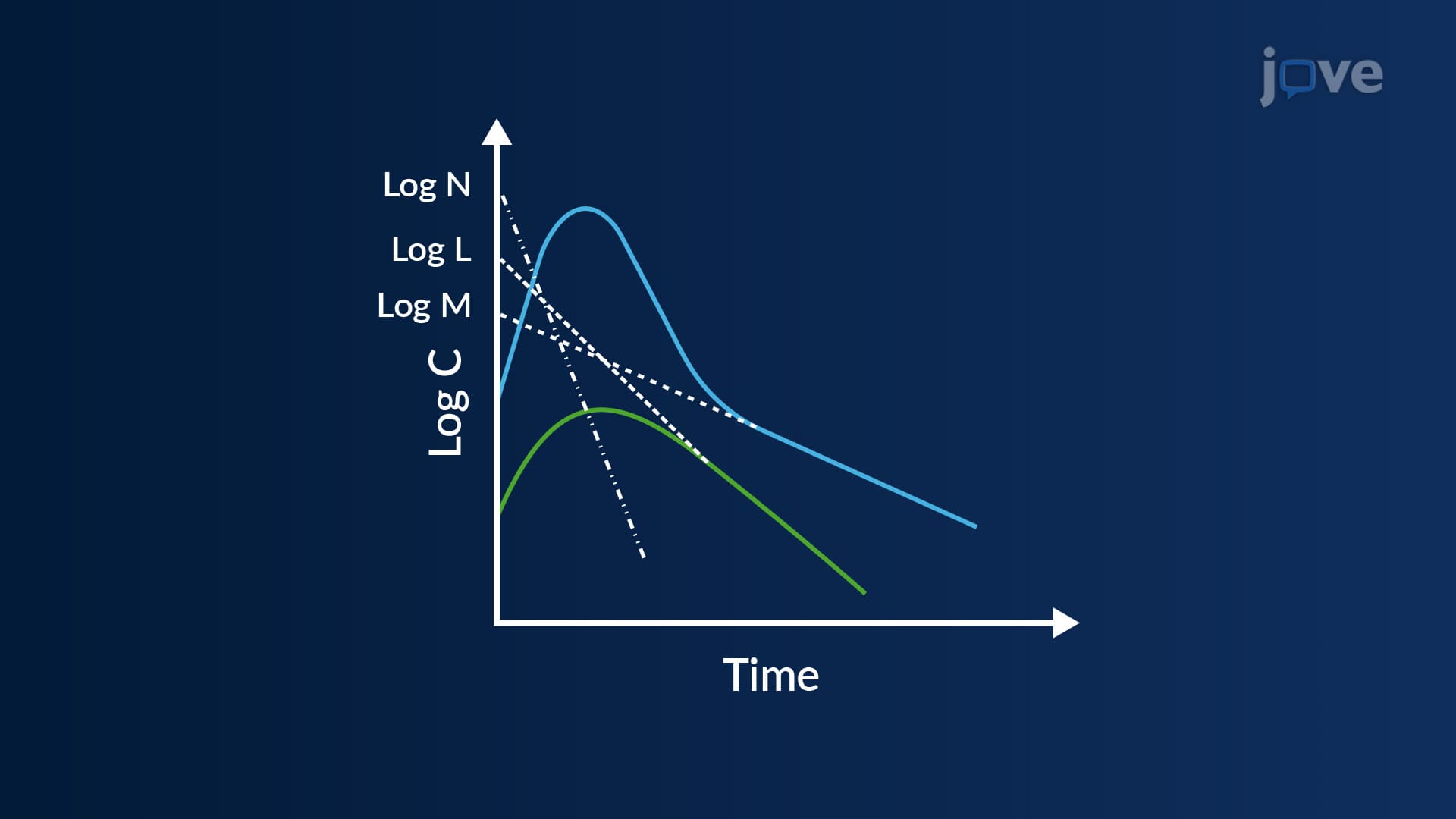
The sigma-minus method offers greater stability by plotting the amount of drug remaining to be excreted against time. This approach calculates the cumulative amount excreted and subtracts from total dose, creating smoother data curves. Pharmaceutical companies like Pfizer routinely employ both methods during drug development to ensure robust pharmacokinetic characterization.
Practical Limitations and Study Design Considerations
While advantageous for its non-invasive nature, urinary excretion studies demand meticulous execution. Complete urine collection over 24-72 hours requires patient compliance and proper preservation techniques. Temperature control, pH maintenance, and precise timing become critical factors affecting data quality.
The method cannot estimate volume of distribution or total body clearance-parameters essential for comprehensive pharmacokinetic modeling. Additionally, drugs with minimal renal elimination or extensive metabolism provide insufficient urinary data for reliable analysis. College pharmacokinetics courses emphasize these limitations when teaching appropriate method selection for different drug classes.
Frequently Asked Questions
The one compartment open model urinary method analyzes drug elimination by treating the body as a single compartment and measuring unchanged drug in urine. This approach calculates renal clearance and elimination rate constants without invasive blood sampling. It's particularly useful for drugs with significant unchanged renal excretion like many antibiotics and diuretics.
MCAT questions typically test your ability to calculate elimination rate constants from urinary data and interpret semilog plots. You might see scenarios involving drug clearance calculations or comparing different elimination methods. Focus on understanding the mathematical relationships and when this model applies versus multi-compartment approaches.
Major pharmacy schools like University of California San Francisco, University of Michigan, and Purdue University incorporate this concept into their pharmacokinetics curricula. Students learn both theoretical foundations and practical applications through laboratory exercises using real drug data. The concept also appears in NAPLEX preparation materials.
Antibiotics like amoxicillin, diuretics like furosemide, and pain medications like acetaminophen are frequently analyzed using urinary excretion methods. Hospitals use this approach for therapeutic drug monitoring, particularly with aminoglycosides where kidney function affects dosing. Clinical pharmacists at institutions like Cleveland Clinic routinely apply these principles.
While the mathematical concepts require algebra and basic logarithms, the underlying principles are straightforward. Students comfortable with graphing and proportional relationships can master this topic. AP Chemistry students often encounter similar kinetic concepts, making the transition to pharmacokinetics manageable with proper instruction.
Practice interpreting semilog plots and calculating elimination rate constants from sample data. Create flashcards linking mathematical formulas to clinical scenarios. Work through practice problems involving both rate method and sigma-minus method calculations. Focus on understanding when to apply this model versus other pharmacokinetic approaches.
This foundation enables comprehension of more complex pharmacokinetic concepts including bioavailability, drug interactions, and population pharmacokinetics. Students pursuing pharmacy, medicine, or pharmaceutical sciences build upon these principles in clinical pharmacokinetics courses. The concept also connects to nephrology and toxicology studies.
Progress to multi-compartment pharmacokinetic models and non-linear elimination kinetics. Explore bioequivalence studies and population pharmacokinetics used in drug development. Consider how these principles apply to personalized medicine and therapeutic drug monitoring in clinical practice.
Related Micro-courses
12 Concepts

17 Concepts