Loading subject page…

- Pharmacokinetics and Pharmacodynamics
- Pharmacokinetic Models
- One-Compartment Open Model: Wagner-Nelson and Loo Riegelman Method for ka Estimation
Micro-course: Pharmacokinetic Models
9,673 views
Learn key concepts and earn your certificate.










One-Compartment Open Model: Wagner-Nelson and Loo Riegelman Method for ka Estimation


00:00
01:24
Video Summary: One Compartment Open Model Wagner Explained
Ever wondered how pharmaceutical scientists determine how fast your body absorbs medications like ibuprofen or acetaminophen? The one compartment open model provides the foundation for understanding drug absorption kinetics in pharmacology. The Wagner-Nelson method, a key analytical technique within this model, helps researchers calculate absorption rate constants without making assumptions about absorption order-crucial for FDA drug approval processes in the United States. Watch the full video on JoVE Coach to master this concept with expert-led visuals and step-by-step explanations.
- Understand the fundamental principles of the One Compartment Open Model Wagner Explained and its role in pharmacokinetic analysis
- Identify the mathematical components of the Wagner-Nelson method for calculating absorption rate constants (ka)
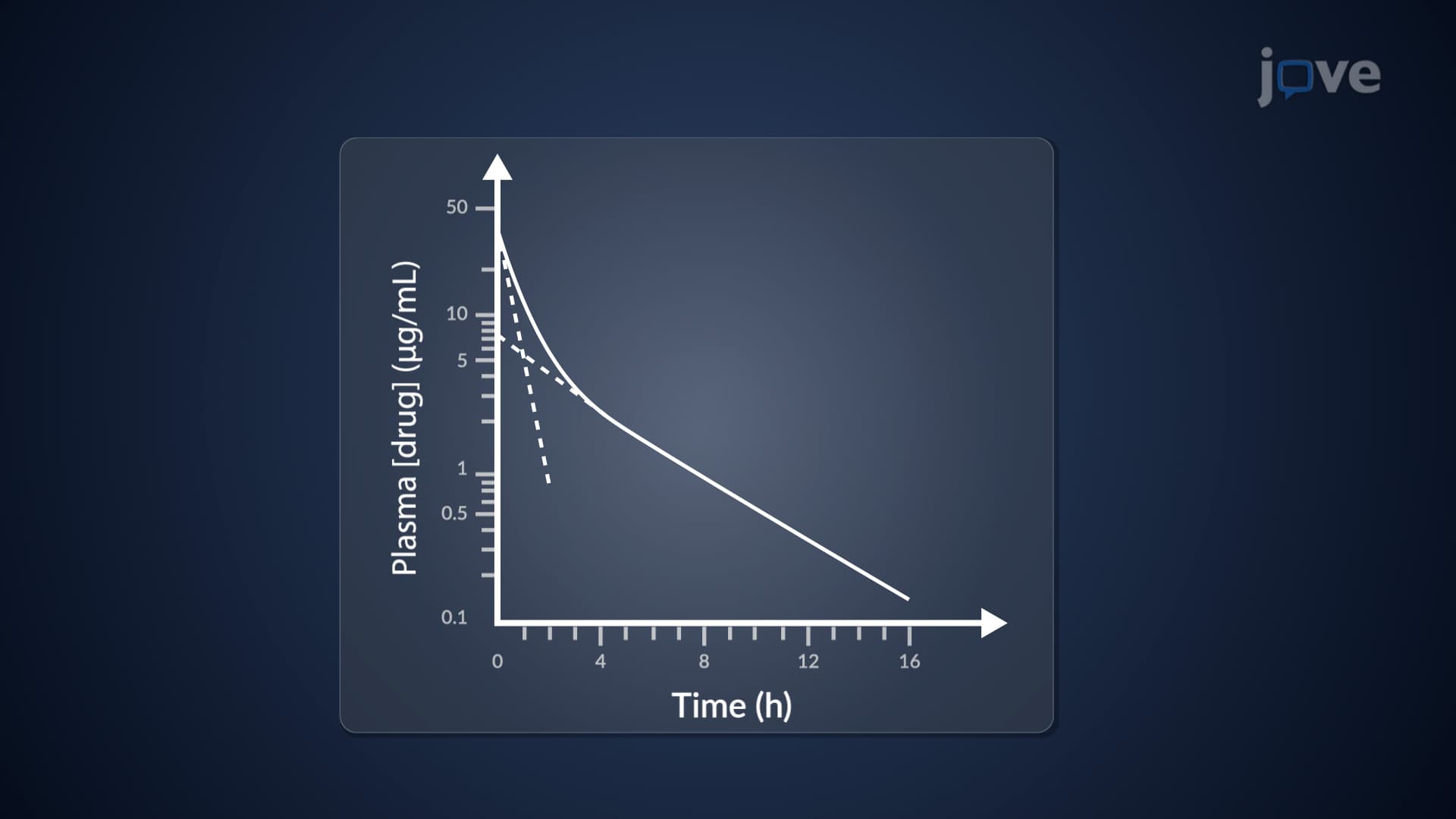
- Analyze semilog plots to derive absorption parameters from percent drug unabsorbed versus time data
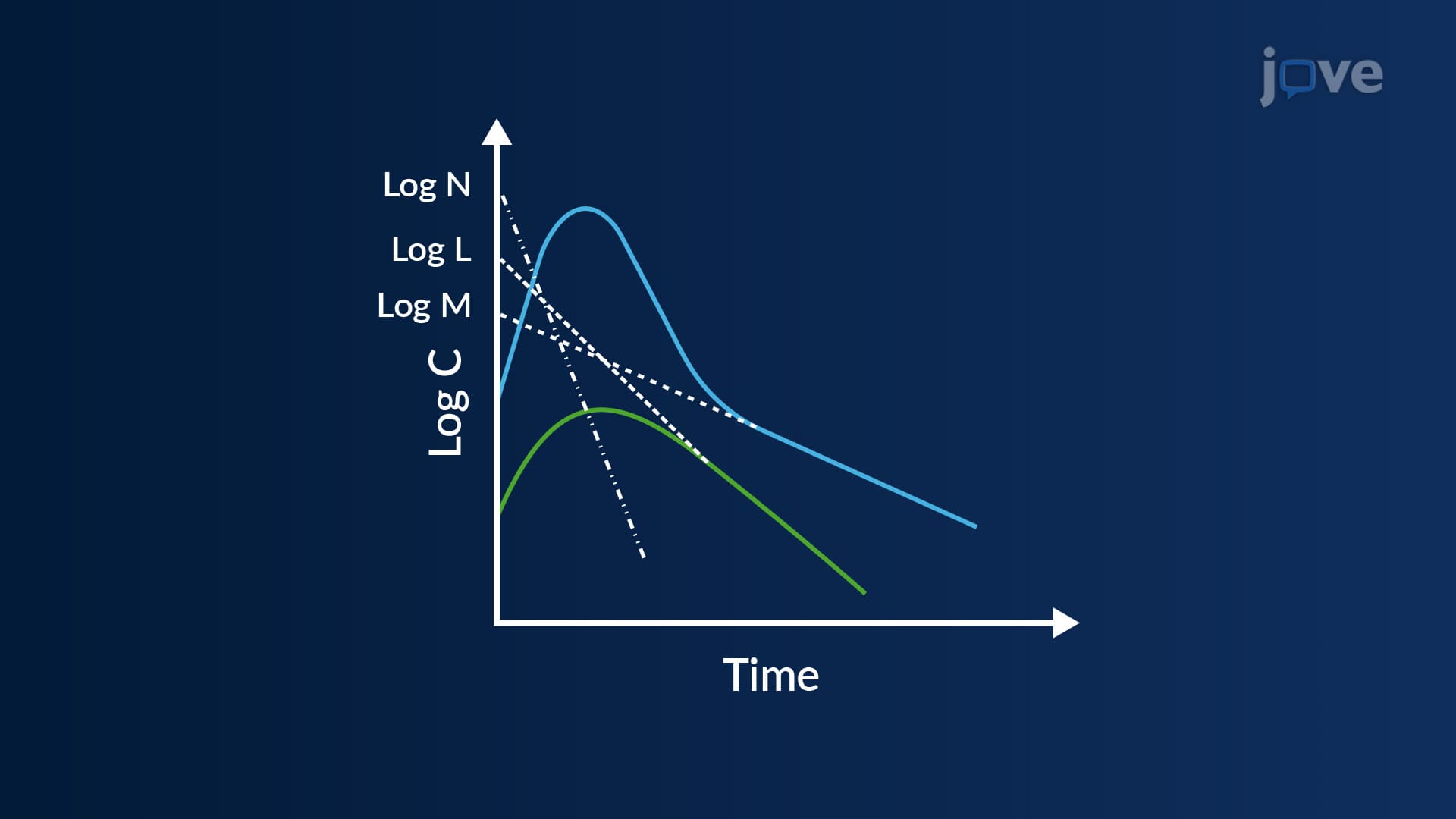
- Compare the Wagner-Nelson method with the Loo-Riegelman approach for bioavailability studies
- Evaluate the limitations of single-compartment kinetic models in drug absorption analysis
- Apply mass balance equations to solve pharmacokinetic problems involving drug absorption
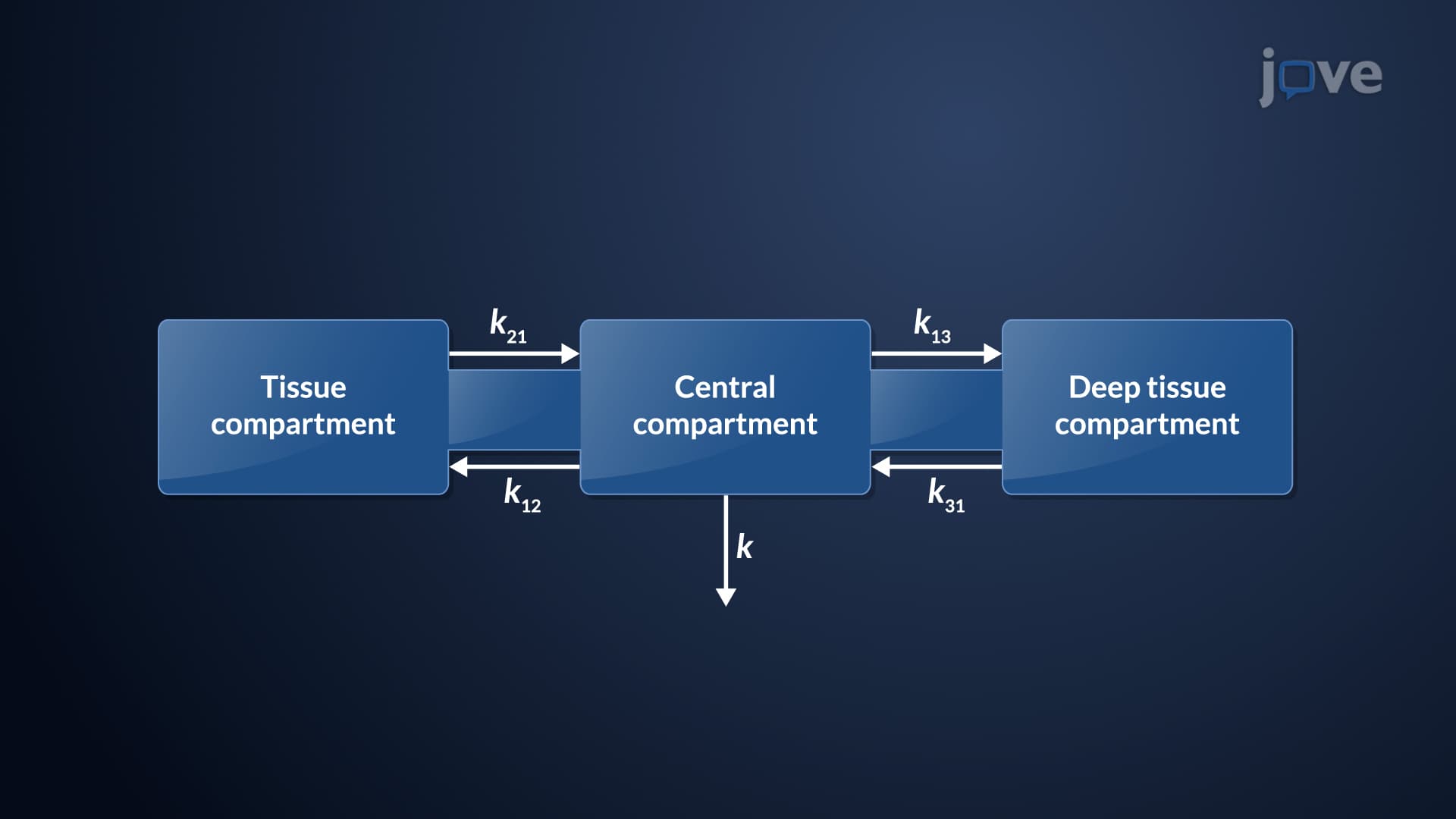
- Recognize when one-compartment models are appropriate versus multicompartment approaches
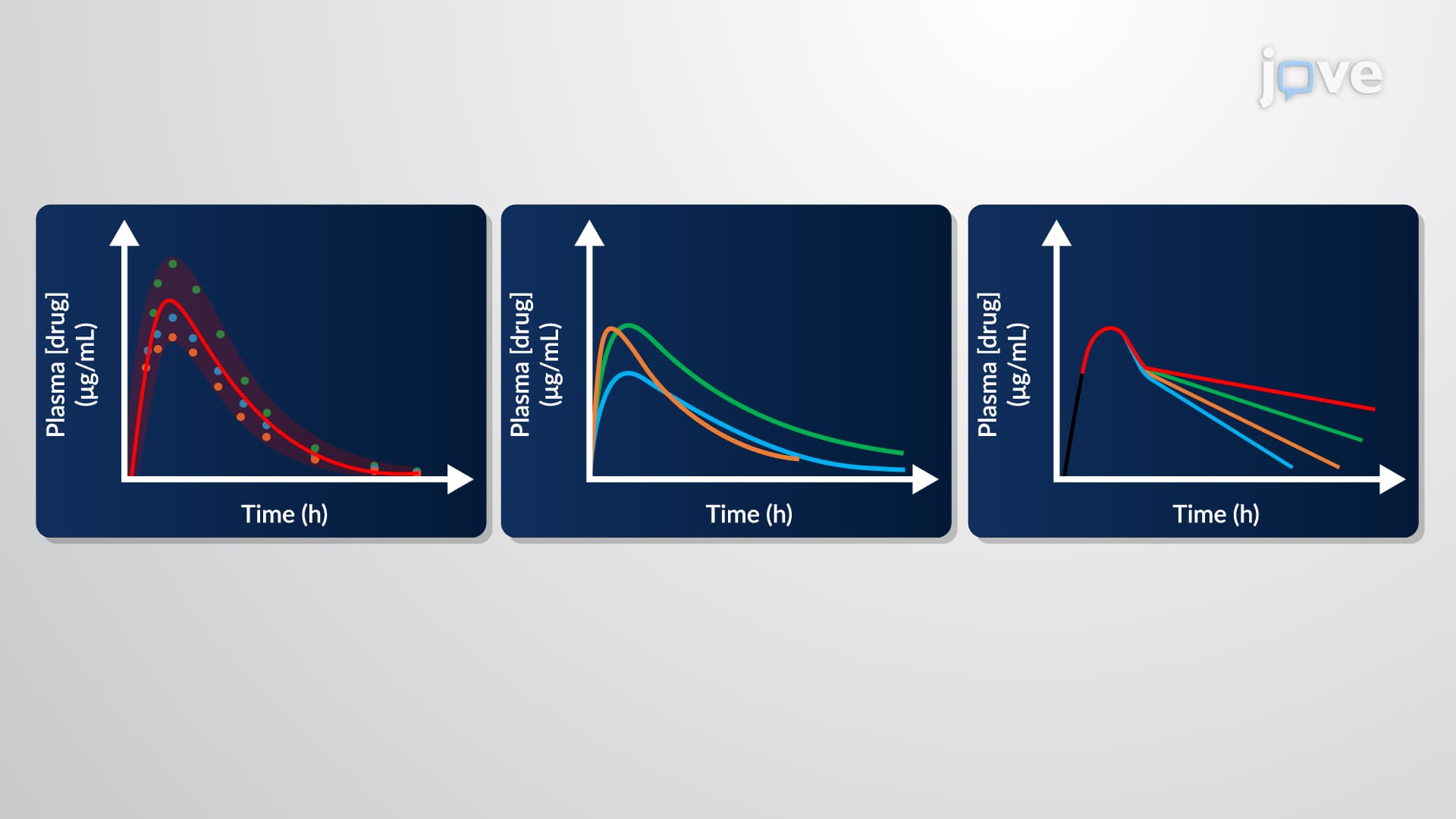
- Explore the clinical significance of absorption rate constants in drug development and therapy
Understanding the One Compartment Open Model Wagner Method
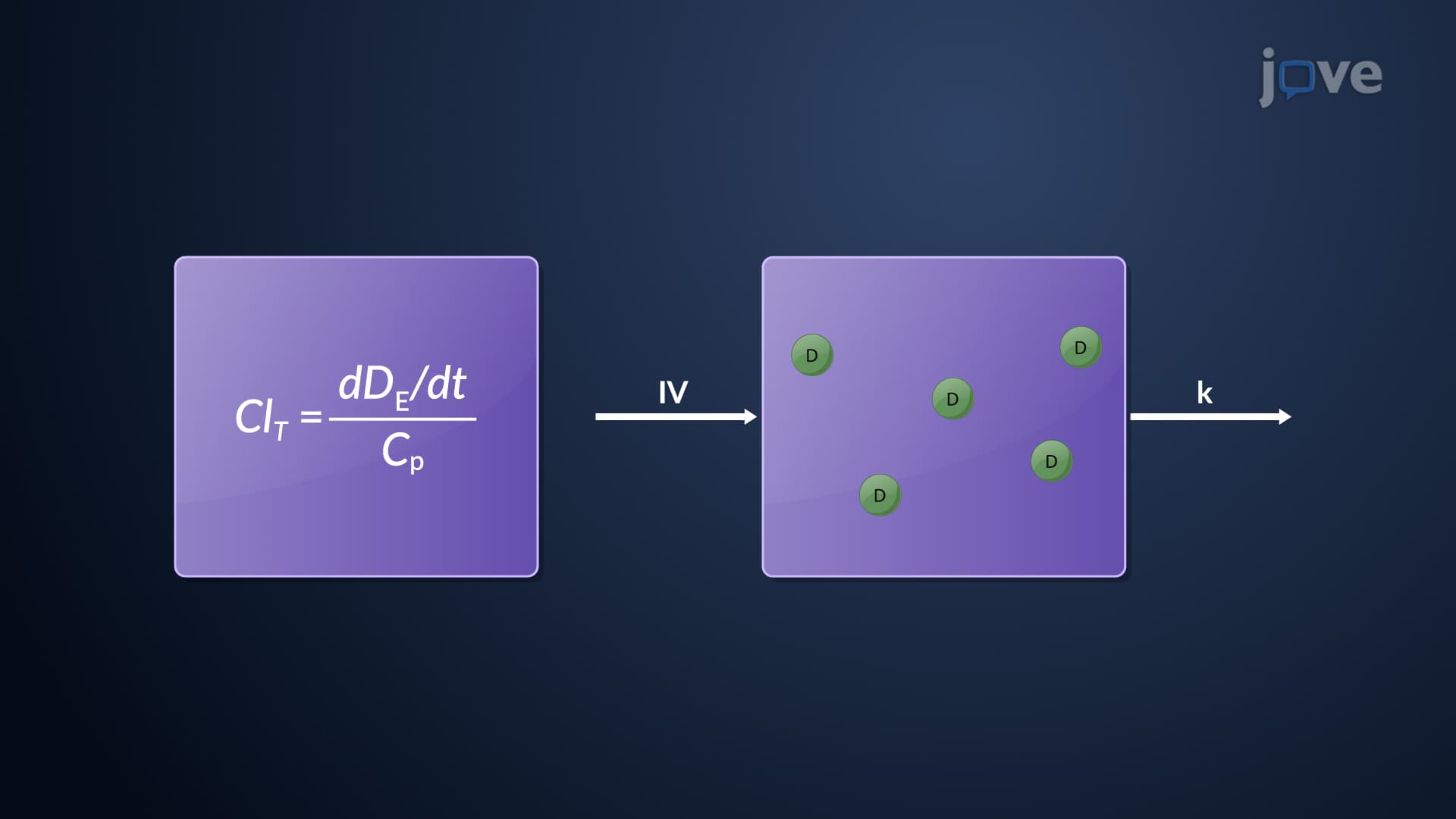
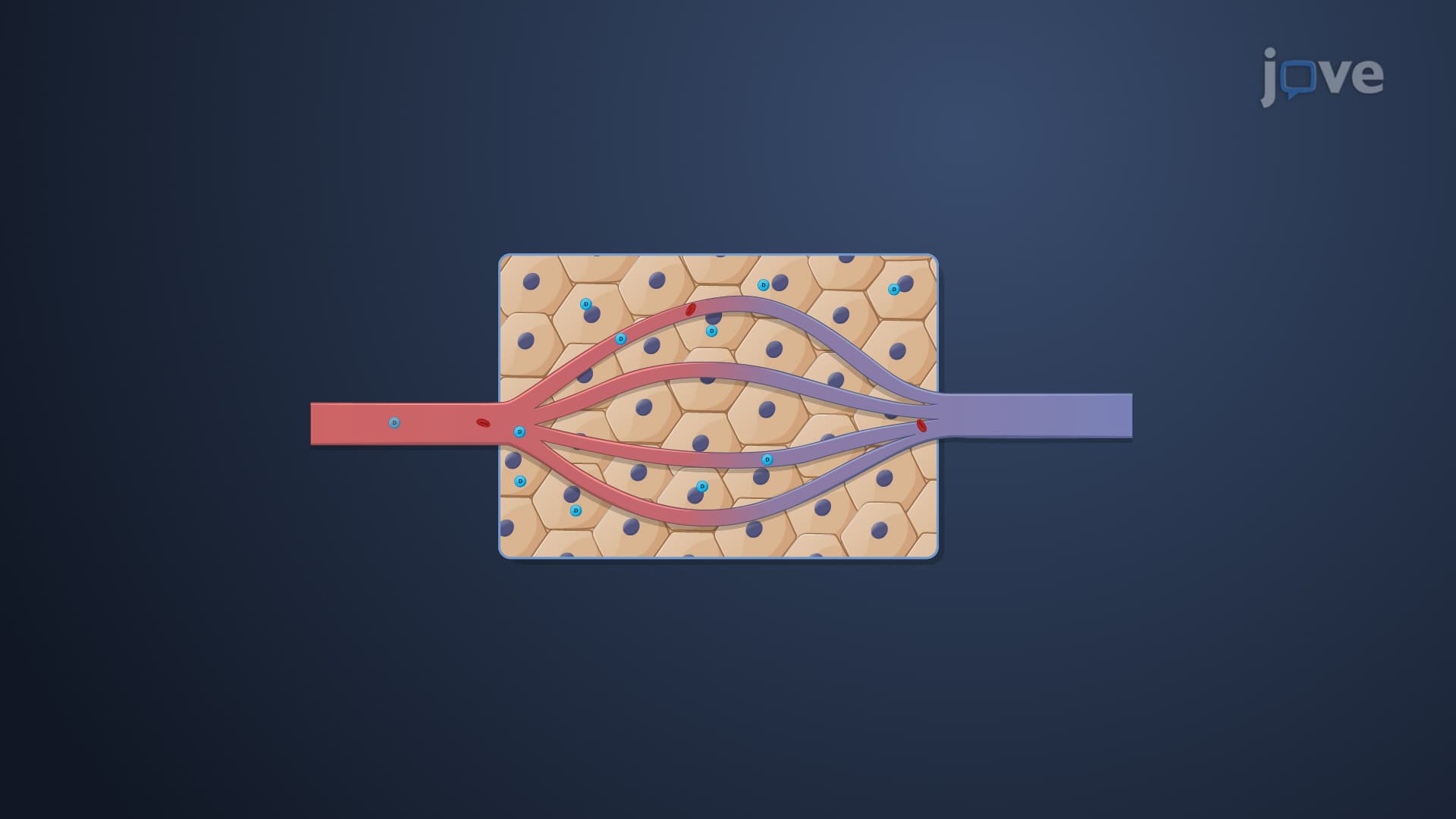
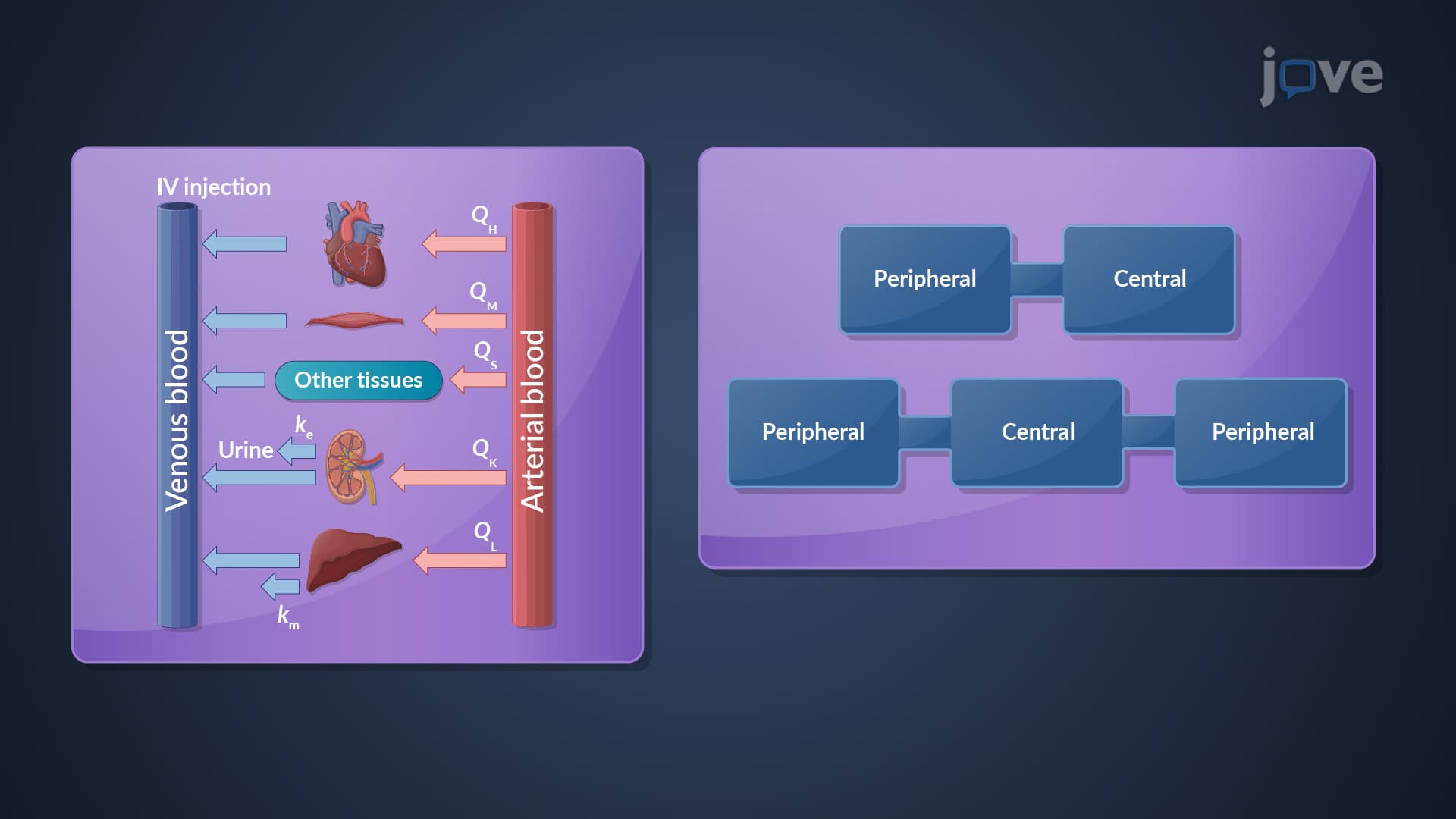
The one compartment open model represents one of the most fundamental approaches in pharmacokinetics, treating the entire body as a single, well-mixed compartment where drugs distribute uniformly. The Wagner-Nelson method, developed specifically for this model, revolutionized how pharmaceutical scientists analyze drug absorption without making restrictive assumptions about absorption kinetics.
Mathematical Foundation and Mass Balance Principles
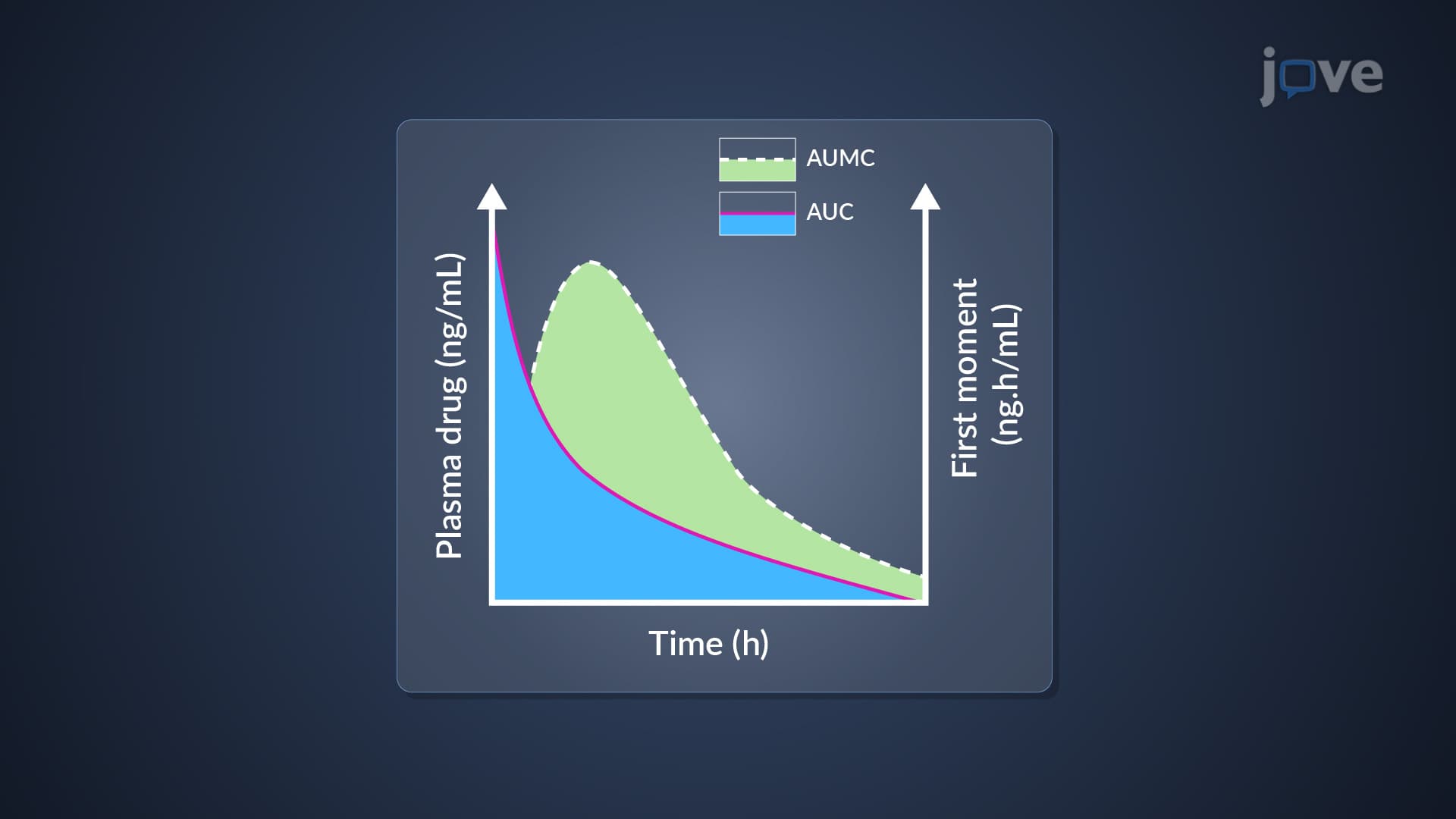
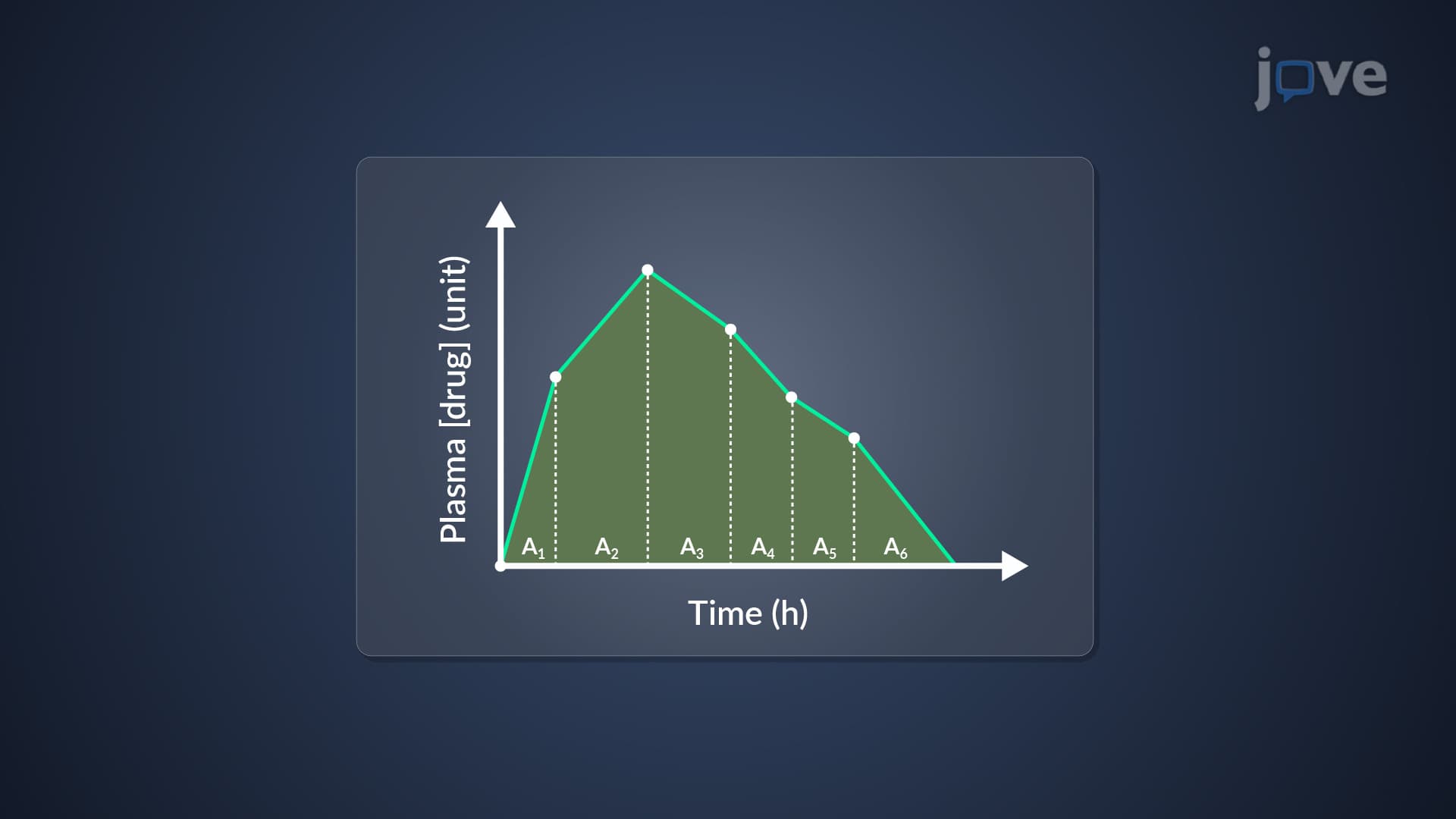
At its core, the Wagner-Nelson method relies on mass balance equations that account for all drug movement in and out of the body compartment. The absorption rate constant (ka) can be calculated using the formula: ka = (dA/dt) / (A remaining), where A represents the amount of drug unabsorbed. This approach proves particularly valuable because it doesn't assume zero-order or first-order absorption kinetics, making it more versatile than traditional methods used in pharmaceutical research.
The semilog plot technique involves graphing the percentage of drug unabsorbed against time on semi-logarithmic paper. The slope of the resulting line directly relates to the absorption rate constant, providing a visual and mathematical tool that students encounter in advanced placement (AP) chemistry courses and undergraduate pharmacology programs.
Clinical Applications and Real-World Examples
Consider how the FDA evaluates generic medications like generic versions of Advil (ibuprofen). Pharmaceutical companies must demonstrate bioequivalence using methods like Wagner-Nelson analysis to prove their generic formulation absorbs at the same rate as the brand-name drug. This ensures patients receive consistent therapeutic effects regardless of which version they purchase at CVS, Walgreens, or other US pharmacies.
The method's limitations become apparent with complex drugs that exhibit multicompartment behavior, such as certain antibiotics or cardiovascular medications. For these drugs, the Loo-Riegelman method offers superior analysis capabilities, though it requires more sophisticated mathematical modeling that students typically encounter in graduate-level pharmacokinetics courses.
Study Applications for US Students
Students preparing for the MCAT, USMLE, or pharmacy school entrance exams frequently encounter questions involving one-compartment kinetics. Understanding when to apply Wagner-Nelson versus Loo-Riegelman methods becomes crucial for success in these standardized assessments. The concept also appears in college-level physical chemistry and biochemistry courses, where students learn to interpret pharmacokinetic data and solve absorption rate problems.
Frequently Asked Questions
The one compartment open model Wagner method is a pharmacokinetic approach that treats your body like a single mixing bowl where drugs distribute evenly. The Wagner-Nelson technique specifically calculates how fast drugs get absorbed from your stomach or injection site into your bloodstream without assuming whether absorption follows zero-order or first-order kinetics. This method uses mathematical equations based on mass balance principles to determine absorption rate constants.
Yes, pharmacokinetic concepts including the Wagner-Nelson method commonly appear on the MCAT, PCAT (Pharmacy College Admission Test), and NAPLEX exams. You'll typically see questions asking you to interpret absorption rate data, compare different kinetic models, or calculate rate constants from given data. Focus on understanding when to use one-compartment versus multicompartment models and practice interpreting semilog plots.
Start by identifying the given data (usually plasma concentrations over time) and determine if the drug follows one-compartment kinetics. Create your semilog plot with percent unabsorbed on the y-axis and time on x-axis, then calculate the slope to find your absorption rate constant. Most college exams provide the mass balance equation, so focus on proper data interpretation and mathematical manipulation rather than memorizing complex formulas.
Hospital pharmacists at institutions like Mayo Clinic or Cleveland Clinic use Wagner-Nelson analysis when evaluating generic drug substitutions for patients. For example, when switching a patient from brand-name Tylenol to a generic acetaminophen, they need to ensure the absorption rates match closely enough to maintain therapeutic effectiveness. This analysis helps prevent under-dosing or over-dosing situations that could compromise patient care.
No, you only need basic algebra and logarithm skills typically covered in high school Algebra II or Pre-Calculus courses. The most complex math involves interpreting slopes from semilog plots and manipulating simple equations. If you can work with exponential functions and understand basic rate concepts from chemistry, you have sufficient mathematical background for undergraduate-level pharmacokinetic problems.
Progress to multicompartment models and the Loo-Riegelman method, which handle more complex drug distribution patterns. Study bioavailability and bioequivalence concepts that build directly on single-compartment principles. Advanced students should explore noncompartmental analysis methods used in modern pharmaceutical research and FDA drug approval processes.
Practice creating and interpreting semilog plots using real pharmaceutical data from FDA drug approval documents. Work through sample problems that require you to distinguish between appropriate applications of Wagner-Nelson versus other kinetic methods. Create summary tables comparing different pharmacokinetic approaches, focusing on their assumptions, limitations, and appropriate use cases for quick reference during exams.
Related Micro-courses
12 Concepts

17 Concepts