Loading subject page…


9,675 views

Video Summary: Pharmacokinetic Models Comparison and Selection Criterion Explained
Did you know that choosing the wrong pharmacokinetic model could lead to dangerous drug dosing errors in patients? Pharmacokinetic models comparison and selection involves evaluating physiological versus compartmental approaches to predict how medications move through the body. When the FDA approves new drugs like Ozempic for diabetes treatment, researchers must select the most appropriate model to ensure safe and effective dosing protocols. The Pharmacokinetic Models Comparison And Selection Criterion Explained framework helps scientists determine whether to use complex physiological models or simpler compartmental approaches based on available data and research goals. Watch the full video on JoVE Coach to master this concept with expert-led visuals and step-by-step explanations.
Pharmacokinetic modeling serves as the cornerstone of modern drug development and clinical pharmacology, providing essential tools for predicting how medications behave within the human body. The selection between different modeling approaches represents a critical decision point that influences everything from FDA drug approval processes to personalized medicine protocols used in major US medical centers like Johns Hopkins and Mayo Clinic.
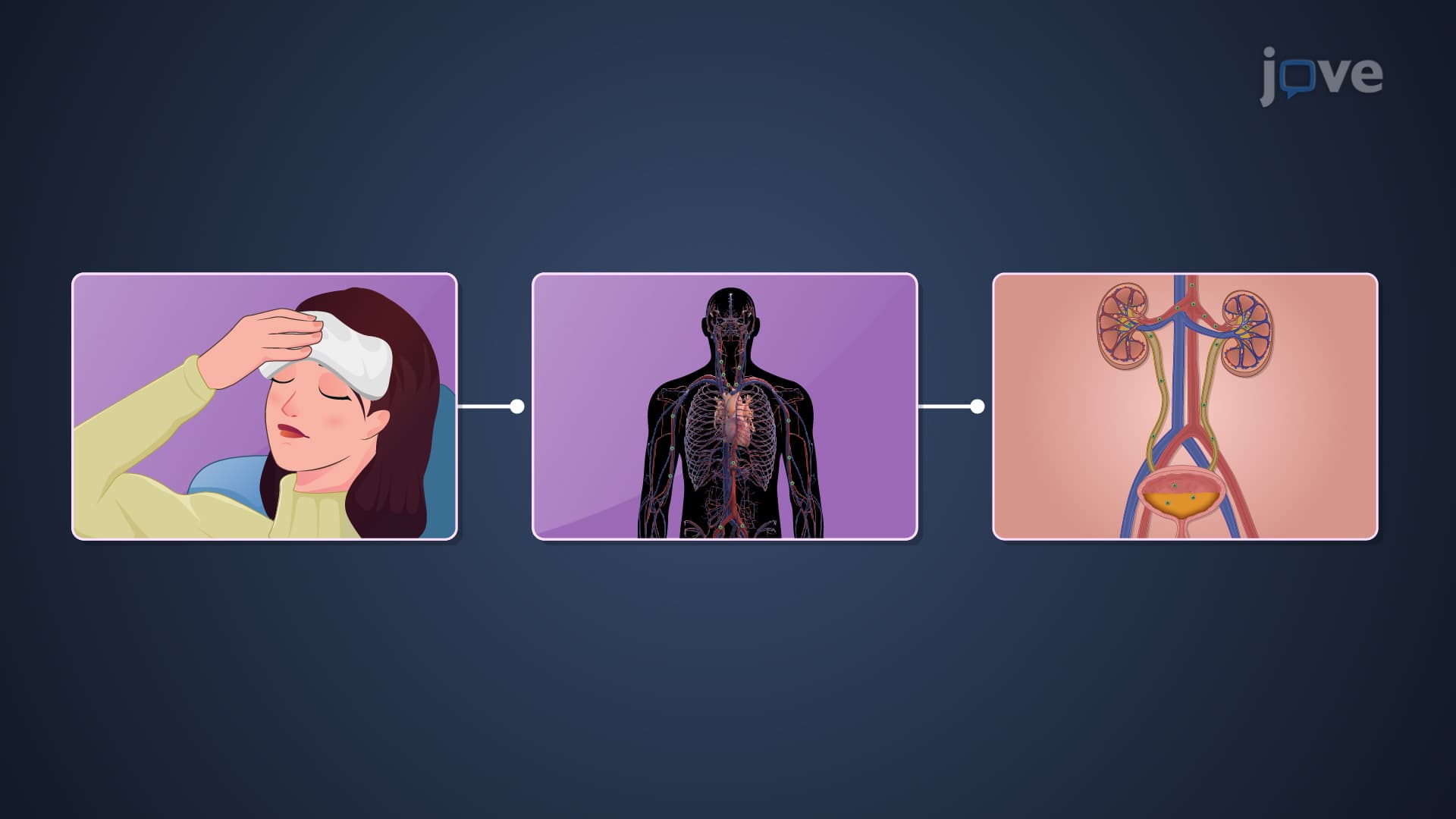
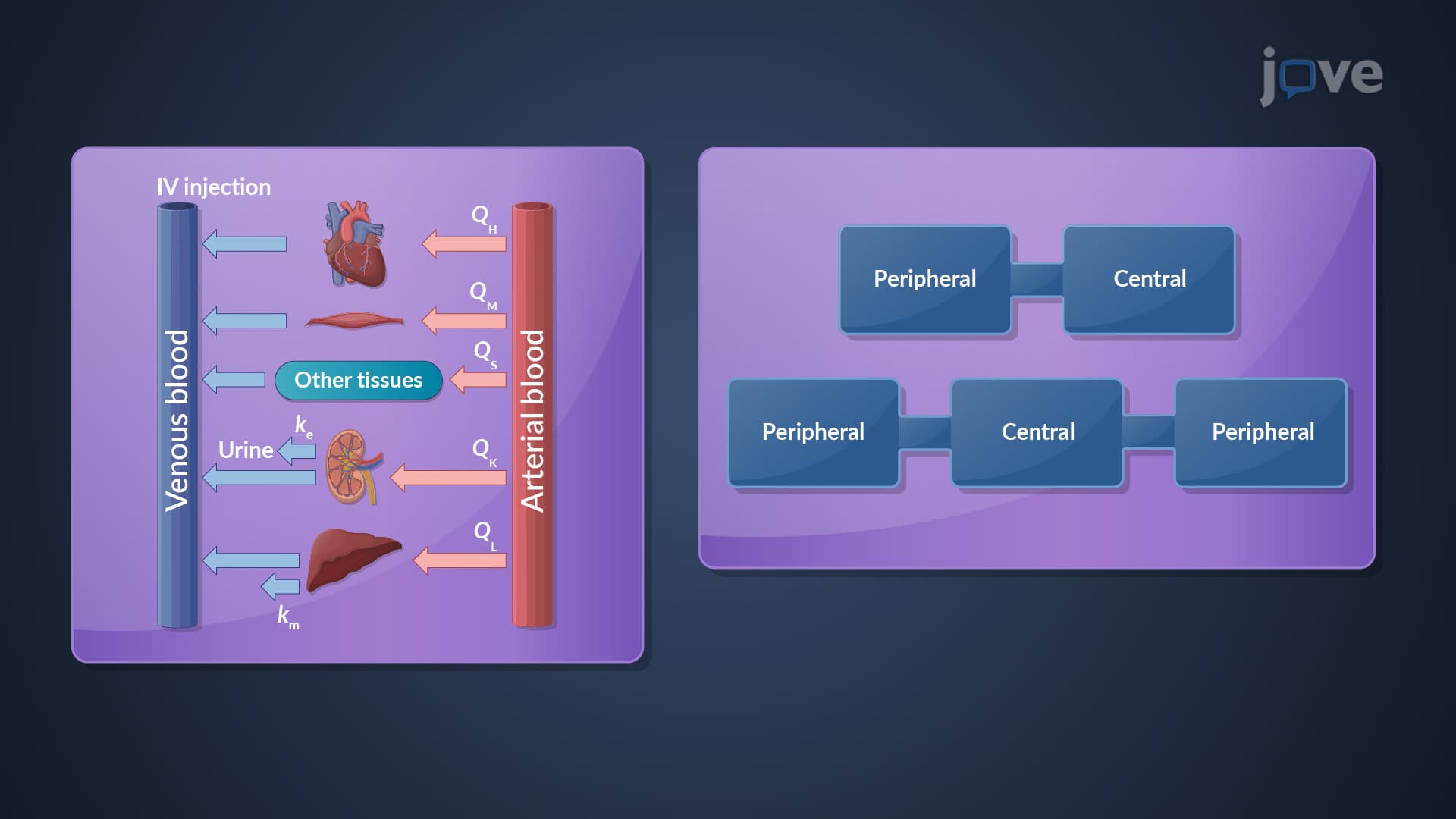
Physiological models represent the gold standard for mechanistic understanding, incorporating specific molecular processes that govern drug absorption, distribution, metabolism, and elimination (ADME). These models excel in scenarios where researchers need to predict drug behavior across different patient populations or when extrapolating from animal studies to human clinical trials-a requirement frequently encountered in pharmaceutical companies like Pfizer and Johnson & Johnson.
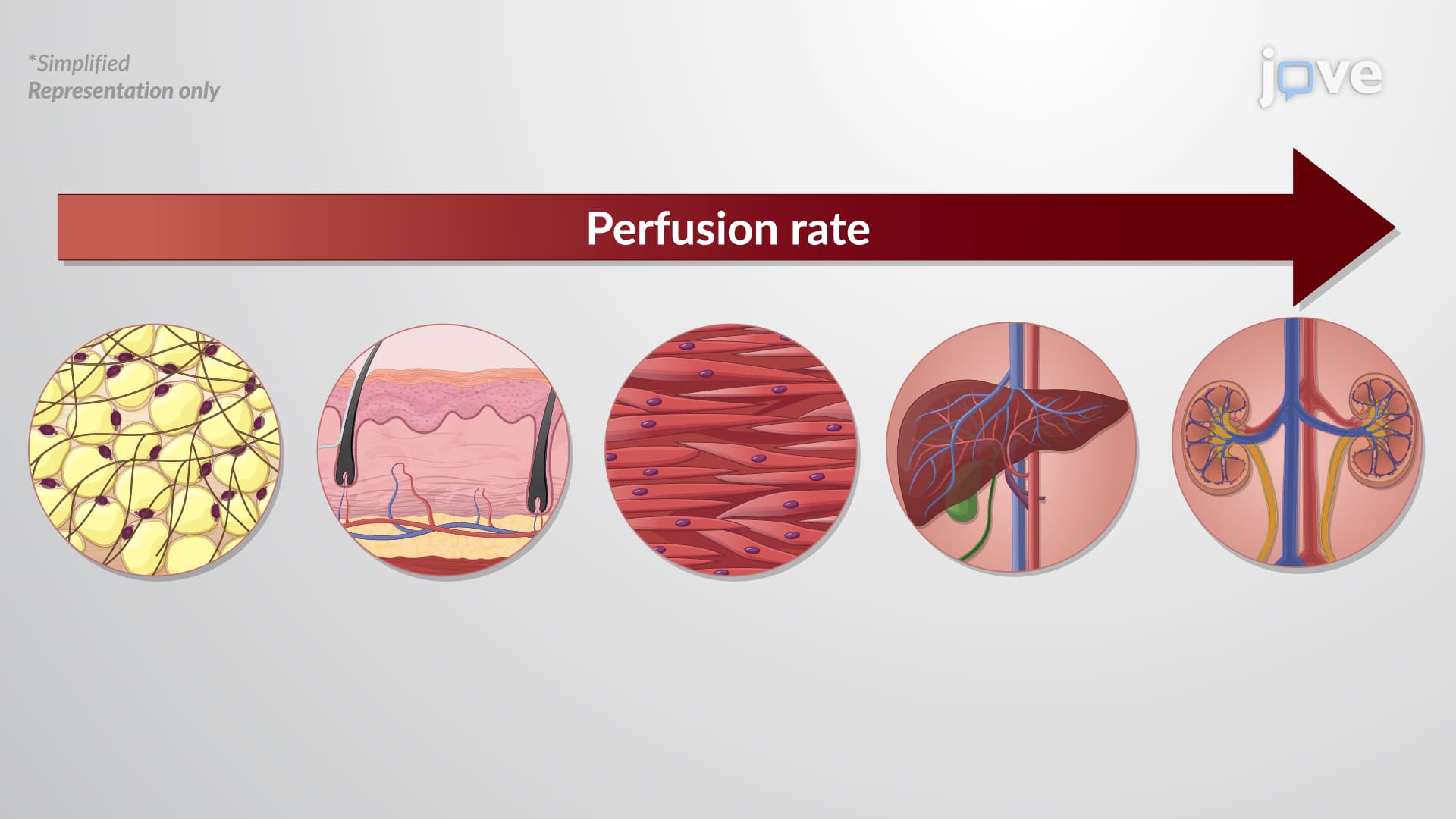
The mathematical foundation relies on differential equations that track mass balance across organ systems, allowing scientists to model hepatic metabolism rates, renal clearance mechanisms, and tissue distribution patterns with remarkable precision. However, the complexity comes with significant challenges: obtaining accurate rate constants for molecular processes often requires extensive experimental work, making these models resource-intensive and time-consuming to develop.
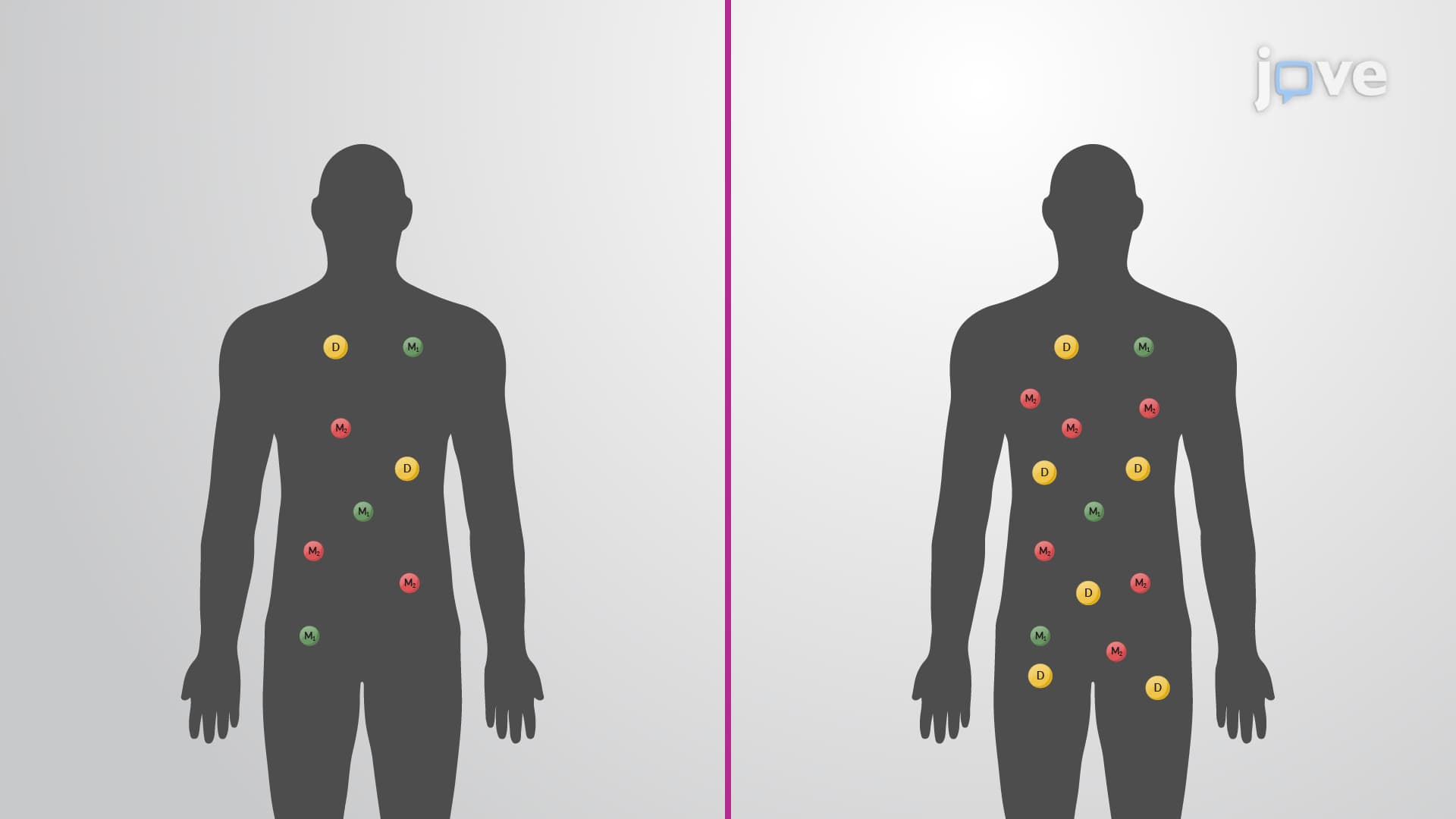
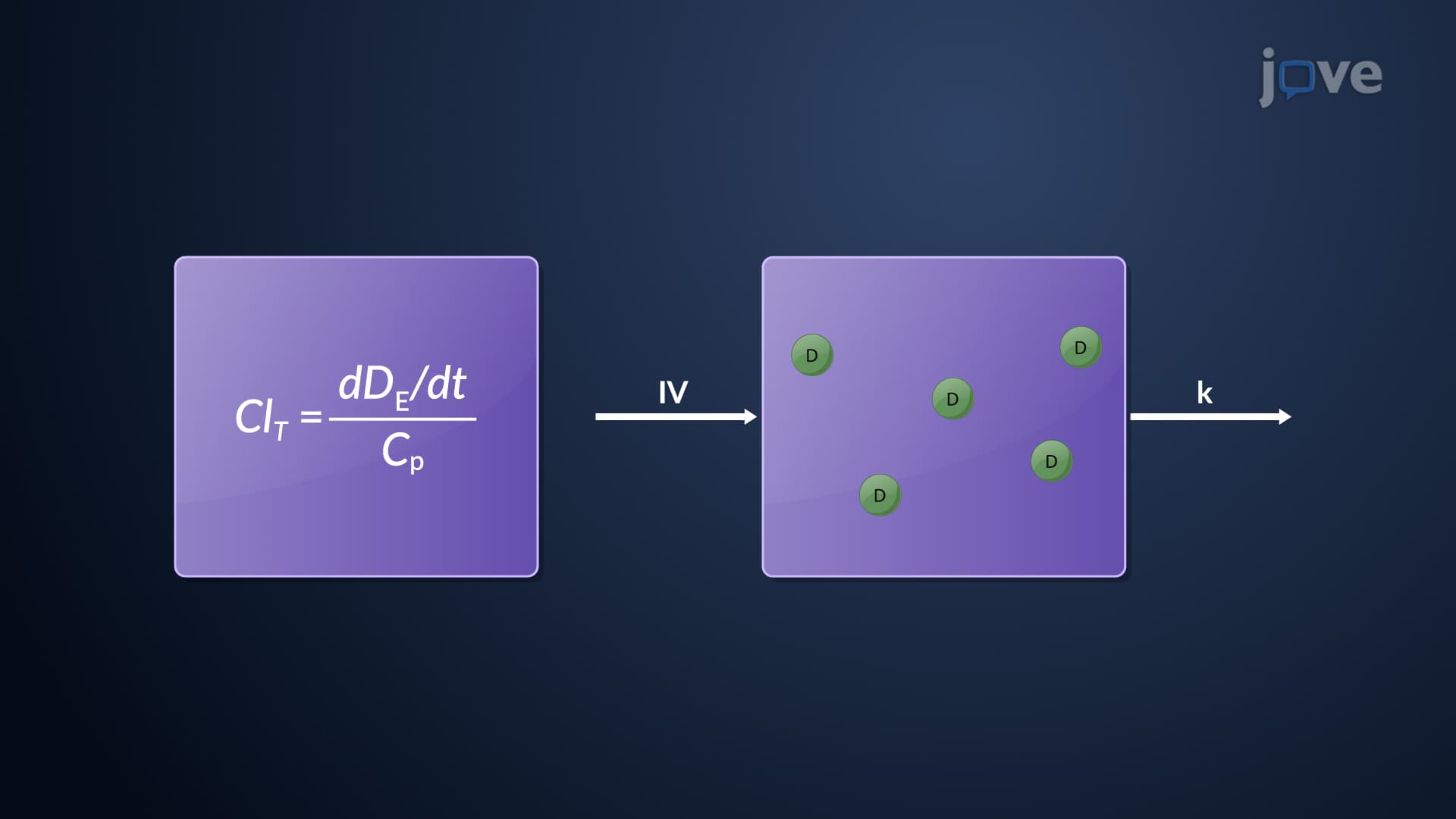
Compartmental models sacrifice some mechanistic detail in favor of practical utility, grouping organs and tissues into simplified compartments connected by rate constants. This approach proves invaluable in clinical pharmacology settings where rapid decision-making is essential, such as determining insulin dosing protocols for diabetic patients or optimizing chemotherapy regimens in oncology departments.
The flexibility of compartmental modeling makes it particularly suitable for routine therapeutic drug monitoring, where clinicians need reliable predictions without extensive computational resources. Major US hospitals frequently employ these models for drugs like digoxin, phenytoin, and warfarin, where maintaining therapeutic levels is critical for patient safety.
The decision between modeling approaches depends heavily on data availability and research objectives. When comprehensive experimental data exists, compartmental models often provide sufficient accuracy for clinical applications while remaining computationally manageable. Conversely, physiological models become essential when working with limited data or when predicting drug behavior in populations not previously studied.
Students preparing for the MCAT, AP Biology exams, or undergraduate pharmacology courses should recognize that both approaches appear frequently in standardized testing scenarios. Understanding when to apply each model type demonstrates critical thinking skills valued in pre-medical and pharmaceutical science programs across US universities.
Related Micro-courses