Loading subject page…

9,675 views


Video Summary: Physiological Model Approaches in Pharmacokinetics
Ever wonder how doctors know exactly how much medication to prescribe for your body weight and condition? Physiological model approaches in pharmacokinetics reveal the fascinating science behind drug distribution throughout your organs and tissues. These mathematical models predict how medications like ibuprofen move from your bloodstream into specific tissues, accounting for factors like blood flow rates and tissue characteristics. For instance, the FDA uses these models to determine safe dosing guidelines for common medications. Physiological Model Approaches in Pharmacokinetics provide the foundation for personalized medicine and drug safety protocols. Watch the full video on JoVE Coach to master this concept with expert-led visuals and step-by-step explanations.
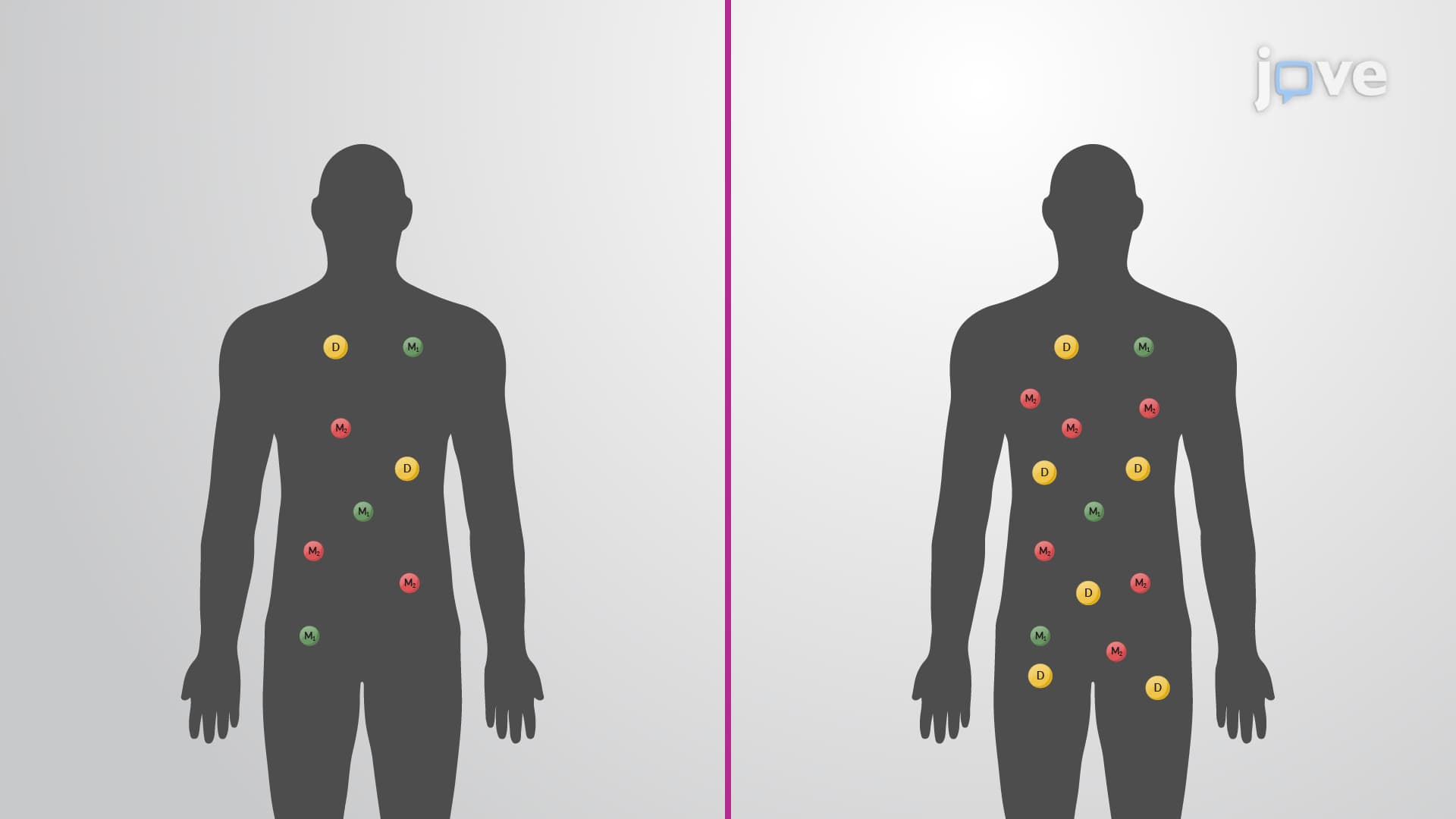
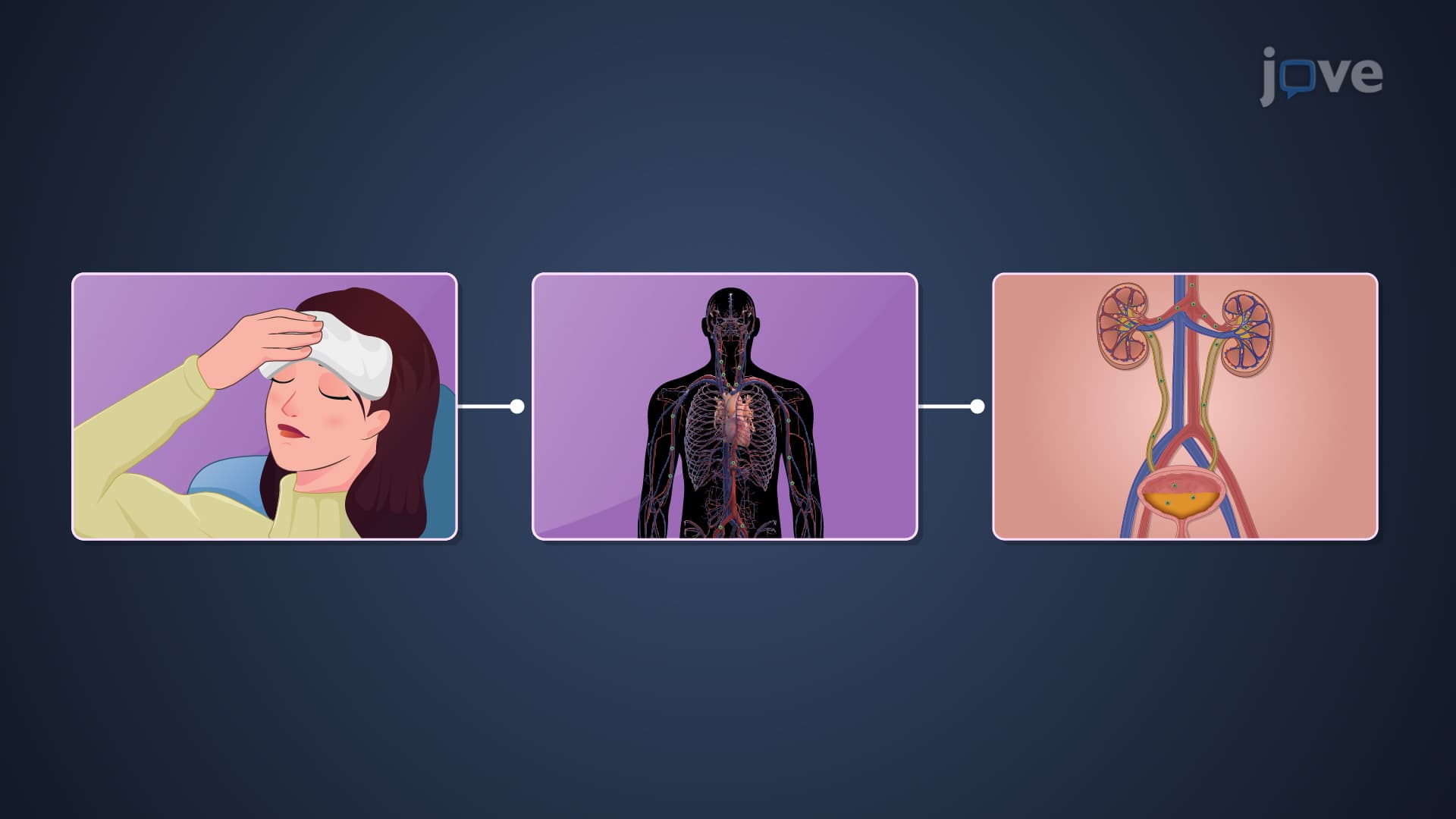
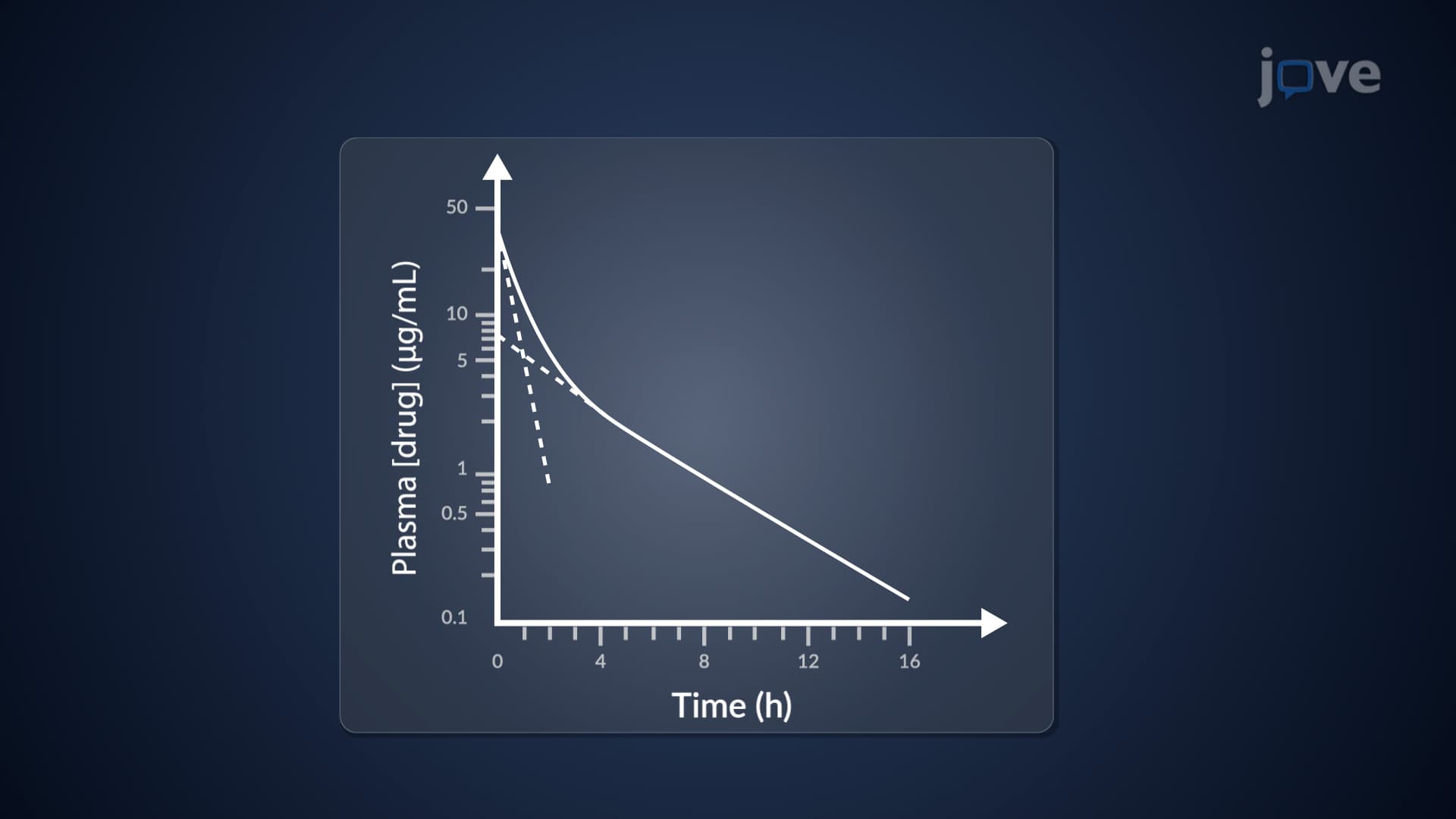
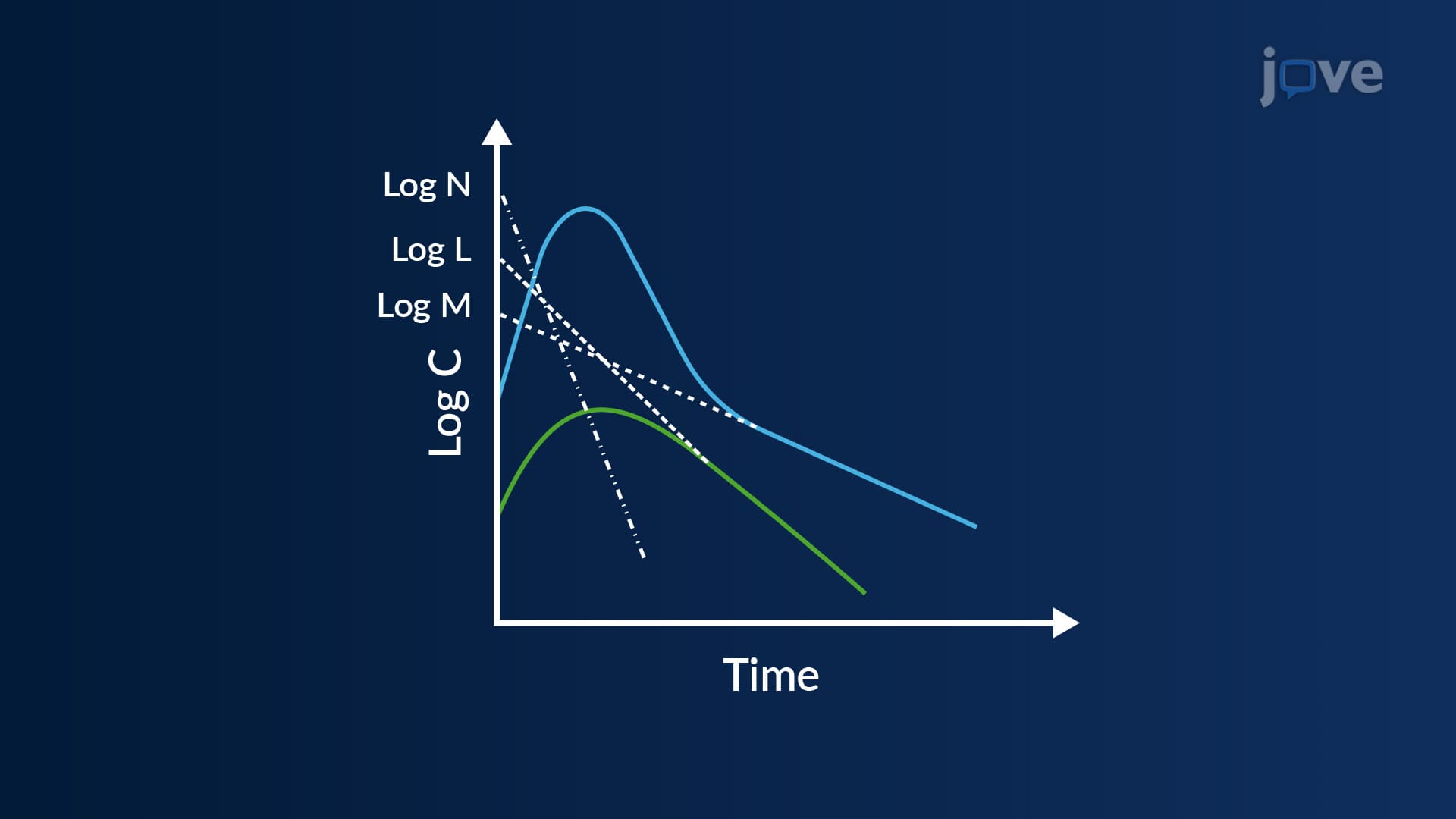
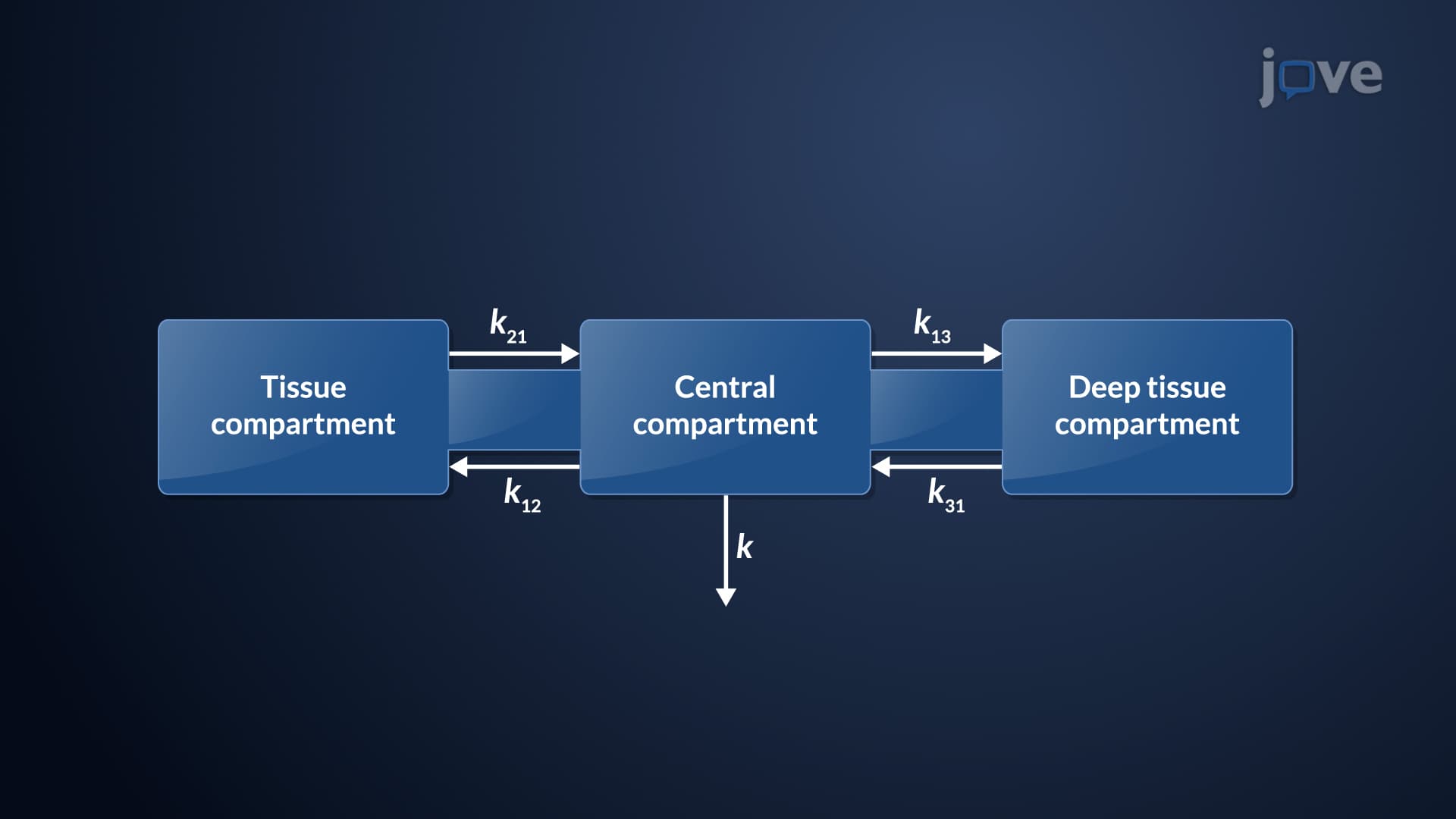
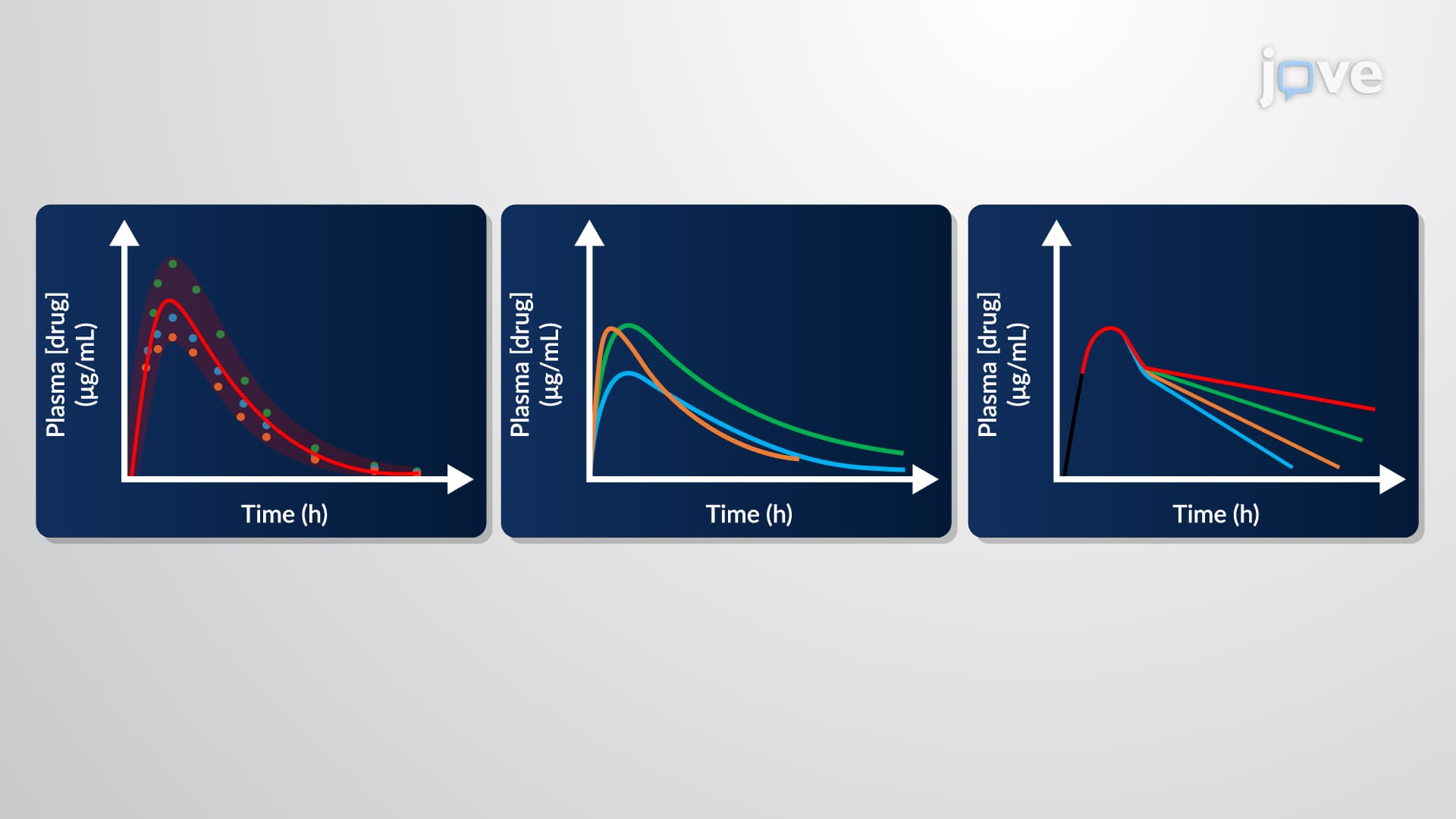
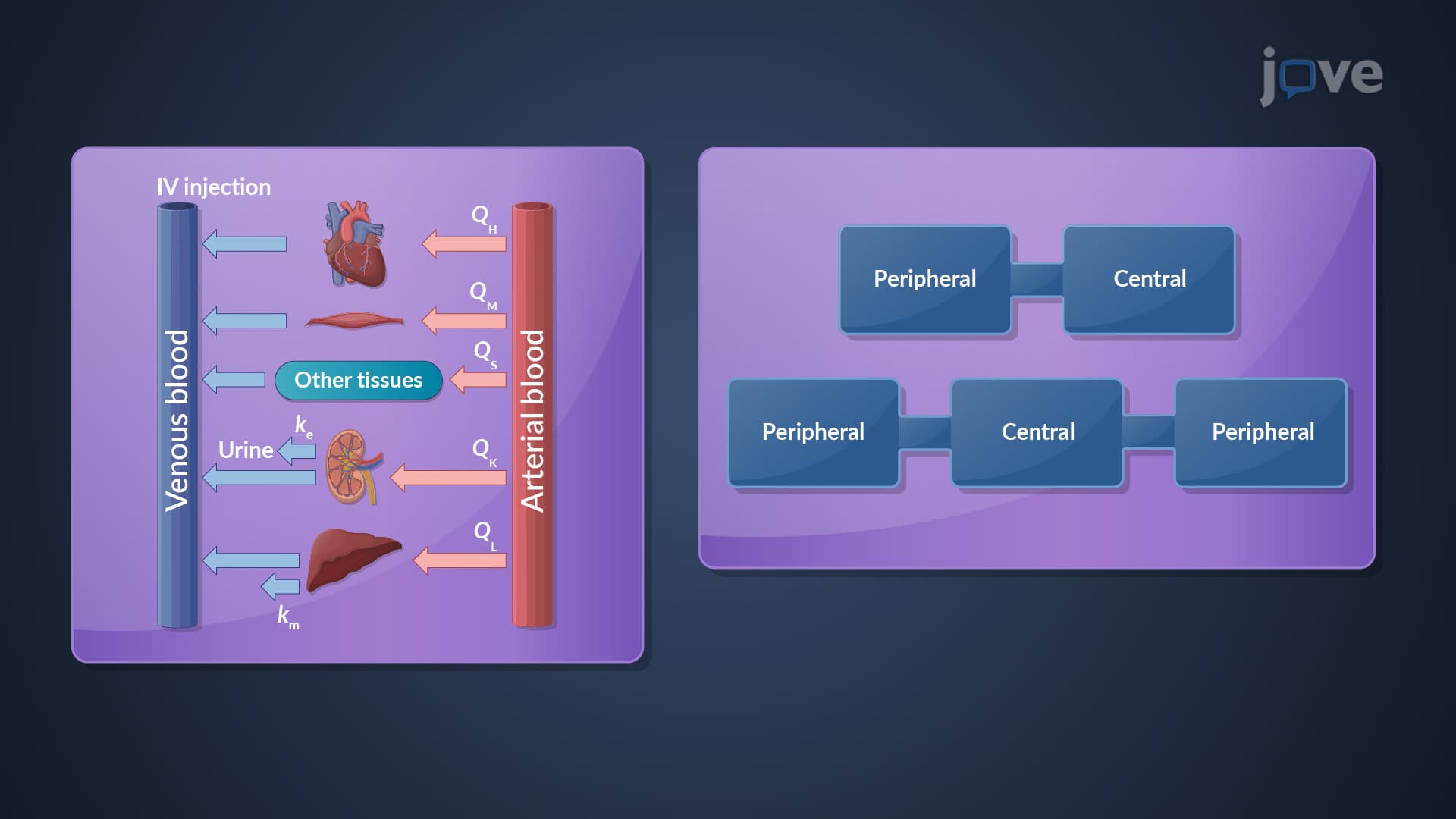
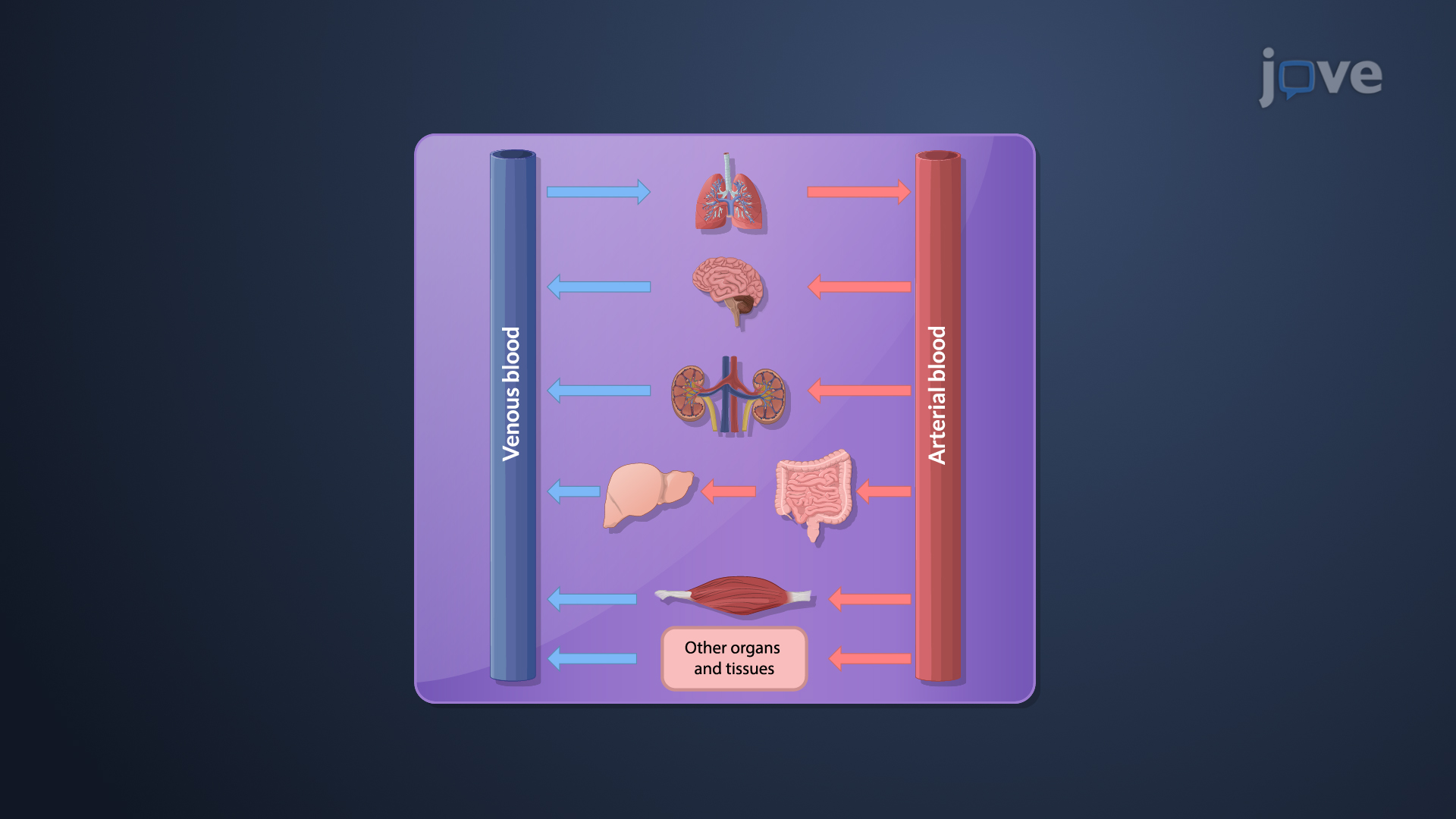
Physiological model approaches in pharmacokinetics represent sophisticated mathematical frameworks that simulate how drugs move through and are processed by the human body. Unlike simpler compartmental models, these approaches incorporate actual anatomical and physiological data to create realistic predictions of drug behavior. Think of them as detailed roadmaps showing exactly where medications travel once they enter your bloodstream.
The foundation of physiological modeling rests on several critical parameters. The partition coefficient serves as a key indicator, representing how readily a drug distributes between tissue and blood. This dimensionless ratio tells us whether a medication prefers to stay in circulation or accumulate in specific organs. For example, lipophilic drugs like propofol have high partition coefficients for fatty tissues, explaining why anesthesiologists must carefully calculate dosing for patients with different body compositions.
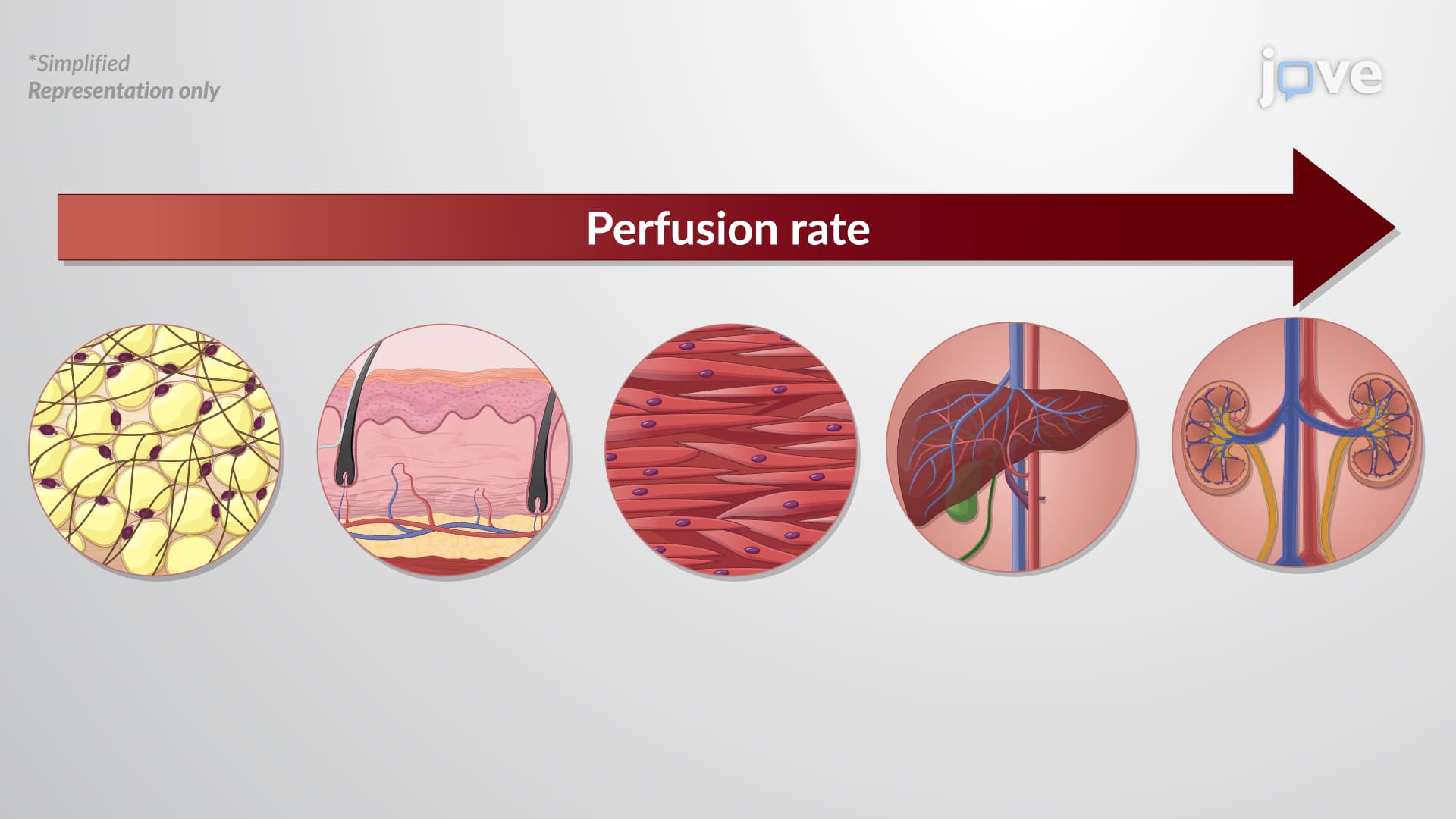
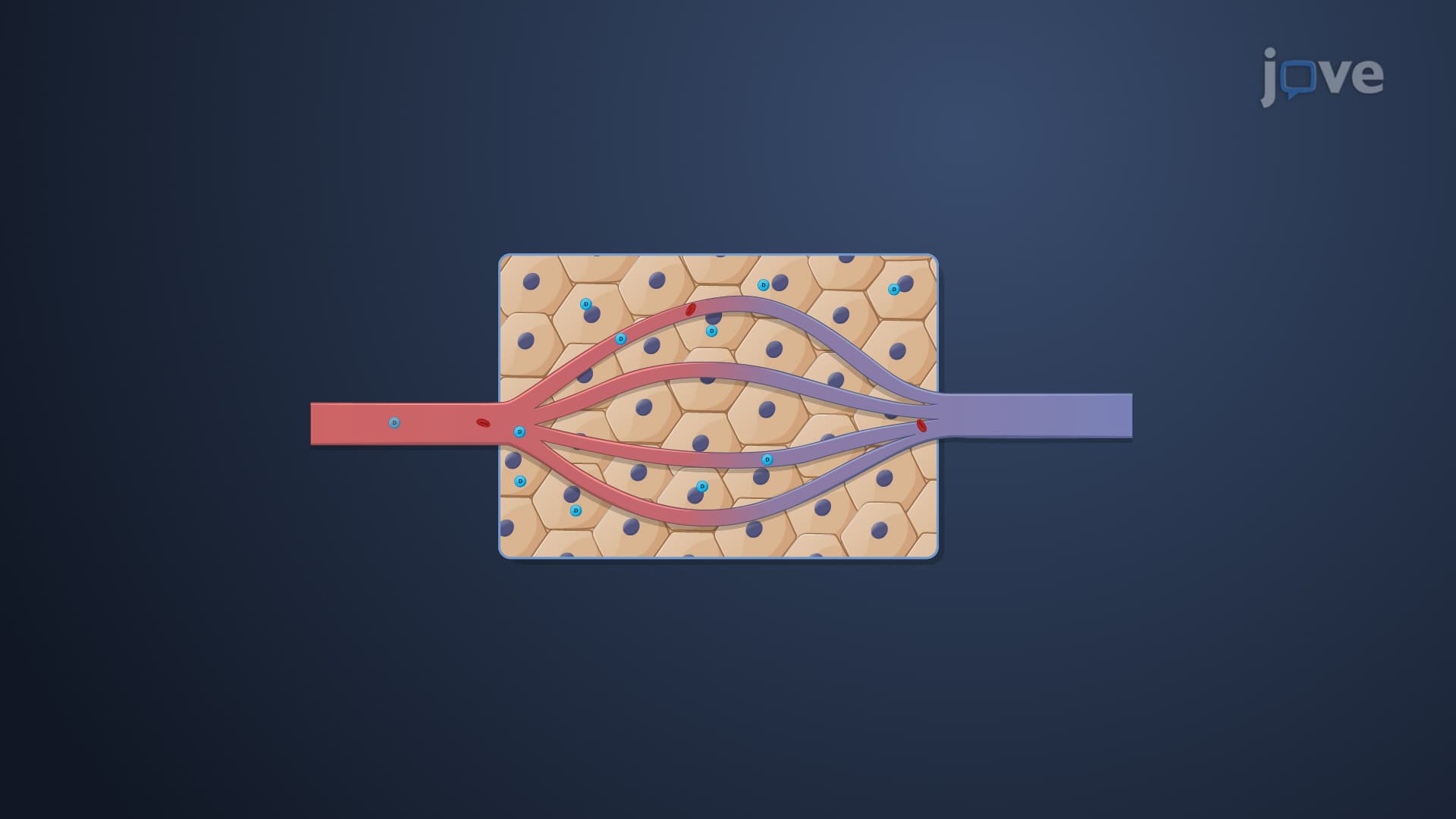
Blood flow rate (Qt) to specific tissues creates another crucial variable. The liver receives approximately 25% of cardiac output, while the kidneys receive about 20%, making these organs primary sites for drug metabolism and elimination. The mathematical expression for tissue drug concentration changes incorporates both arterial input concentration (Cart) and venous output concentration (Cven), creating a dynamic balance equation that reflects real physiological processes.
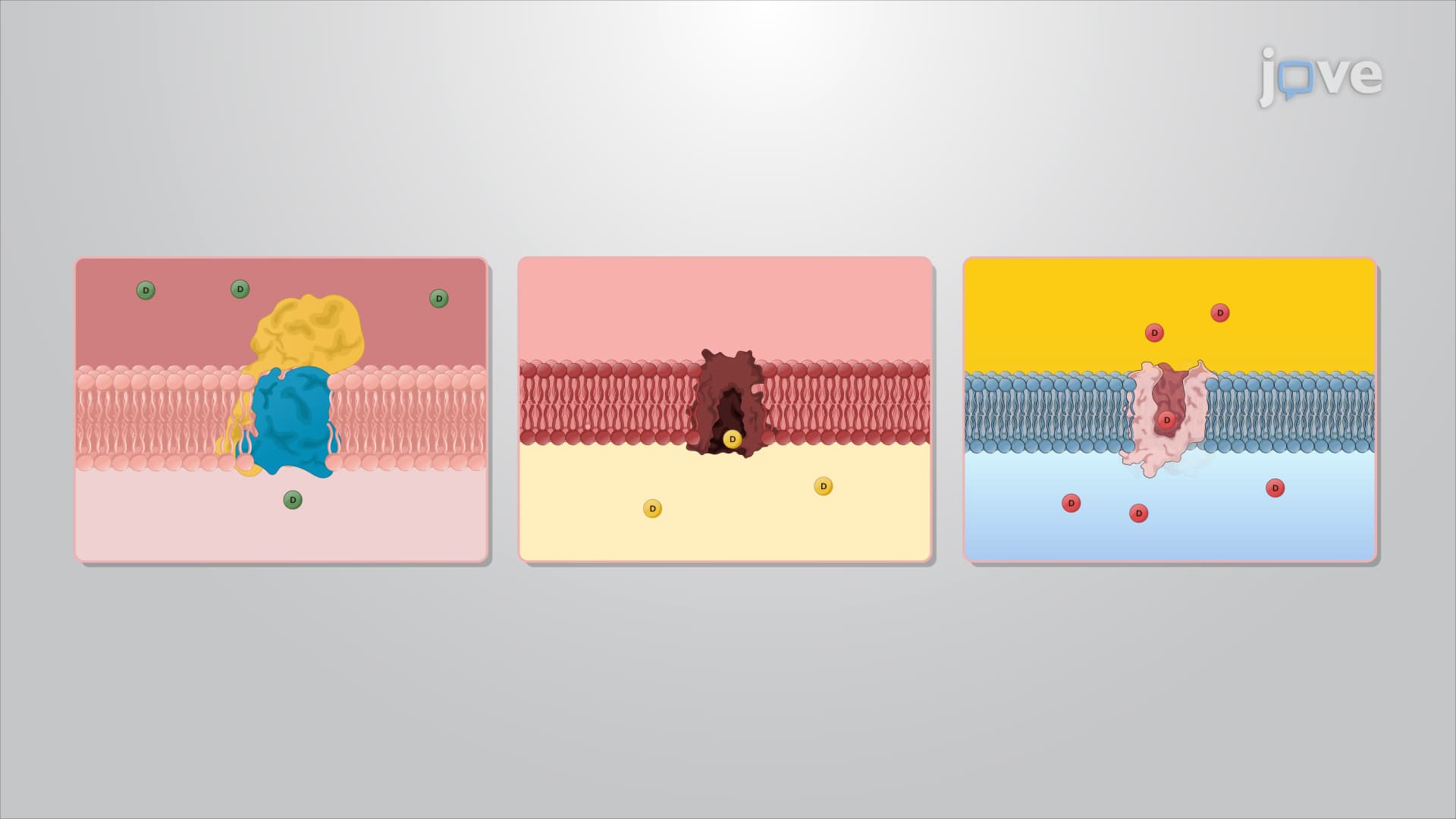
Blood flow-limited models apply when drugs cross tissue membranes rapidly compared to their delivery rate via blood circulation. Most small, lipophilic medications like alcohol follow this pattern. In contrast, diffusion-limited models become relevant when membrane crossing represents the rate-limiting step. Large molecules like insulin or drugs with poor membrane permeability require diffusion-limited approaches for accurate predictions.
These modeling approaches appear frequently on the MCAT, particularly in passages combining pharmacology with physiology concepts. College pharmacokinetics courses emphasize these models when discussing personalized medicine and drug development. The FDA requires physiologically-based pharmacokinetic (PBPK) modeling data for many new drug applications, making this knowledge essential for future healthcare professionals.
Understanding these concepts helps explain why elderly patients often require different dosing regimens-changes in blood flow, tissue composition, and organ function all influence drug distribution patterns that physiological models can predict and quantify.
Related Micro-courses