Loading subject page…


9,675 views

Video Summary: Physiological Pharmacokinetic Models Blood Flow Explained
Ever wondered why some medications like lidocaine work instantly while others take hours to show effects? Physiological pharmacokinetic models blood flow dynamics hold the answer to this medical mystery. These sophisticated models explain how drugs move through your circulatory system, with real applications seen in emergency rooms across hospitals like Johns Hopkins and Mayo Clinic. Understanding Physiological Pharmacokinetic Models Blood Flow Explained reveals the intricate dance between blood circulation, tissue distribution, and drug effectiveness that determines whether a patient receives immediate relief or must wait for therapeutic benefits. Watch the full video on JoVE Coach to master this concept with expert-led visuals and step-by-step explanations.
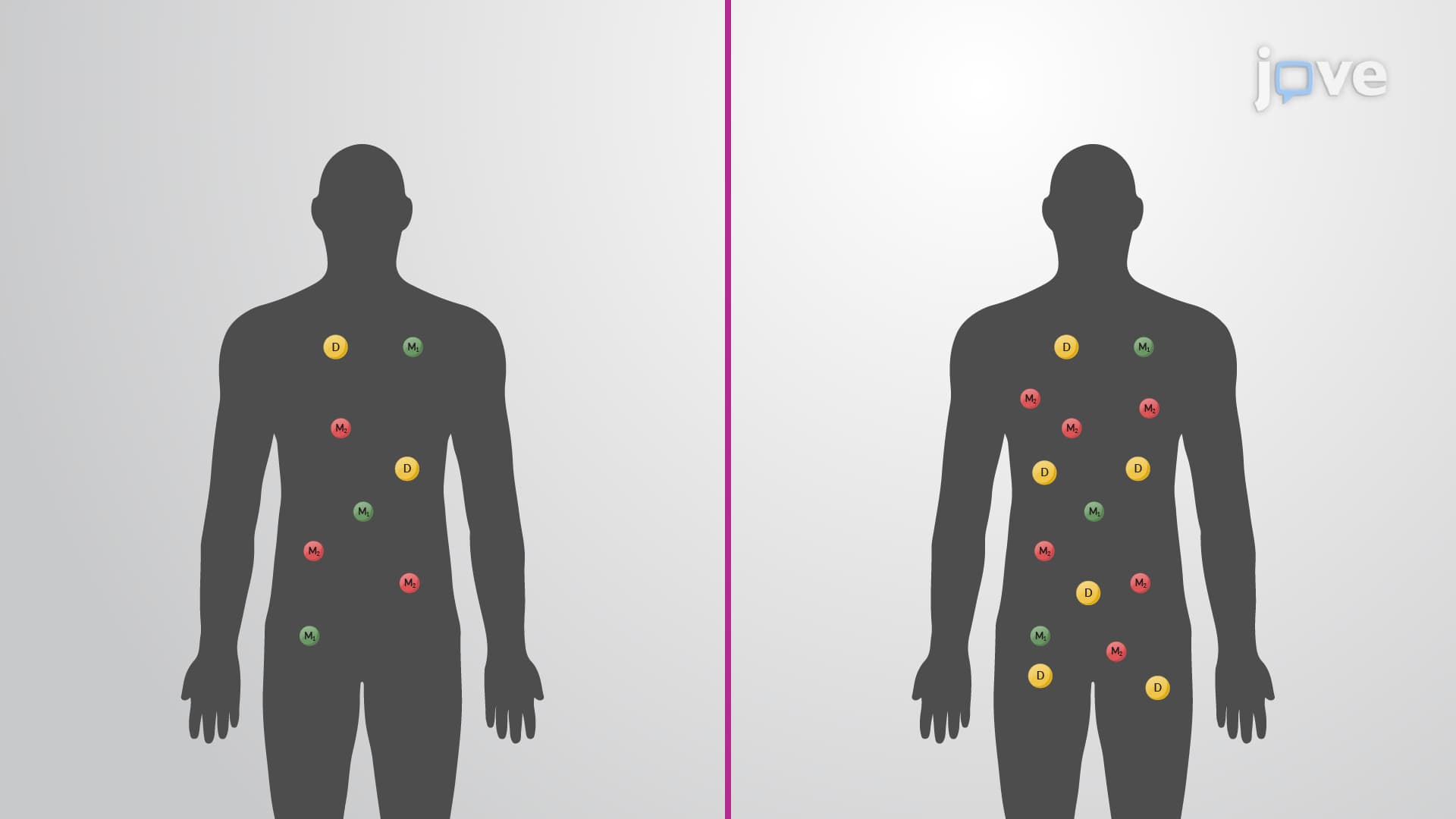
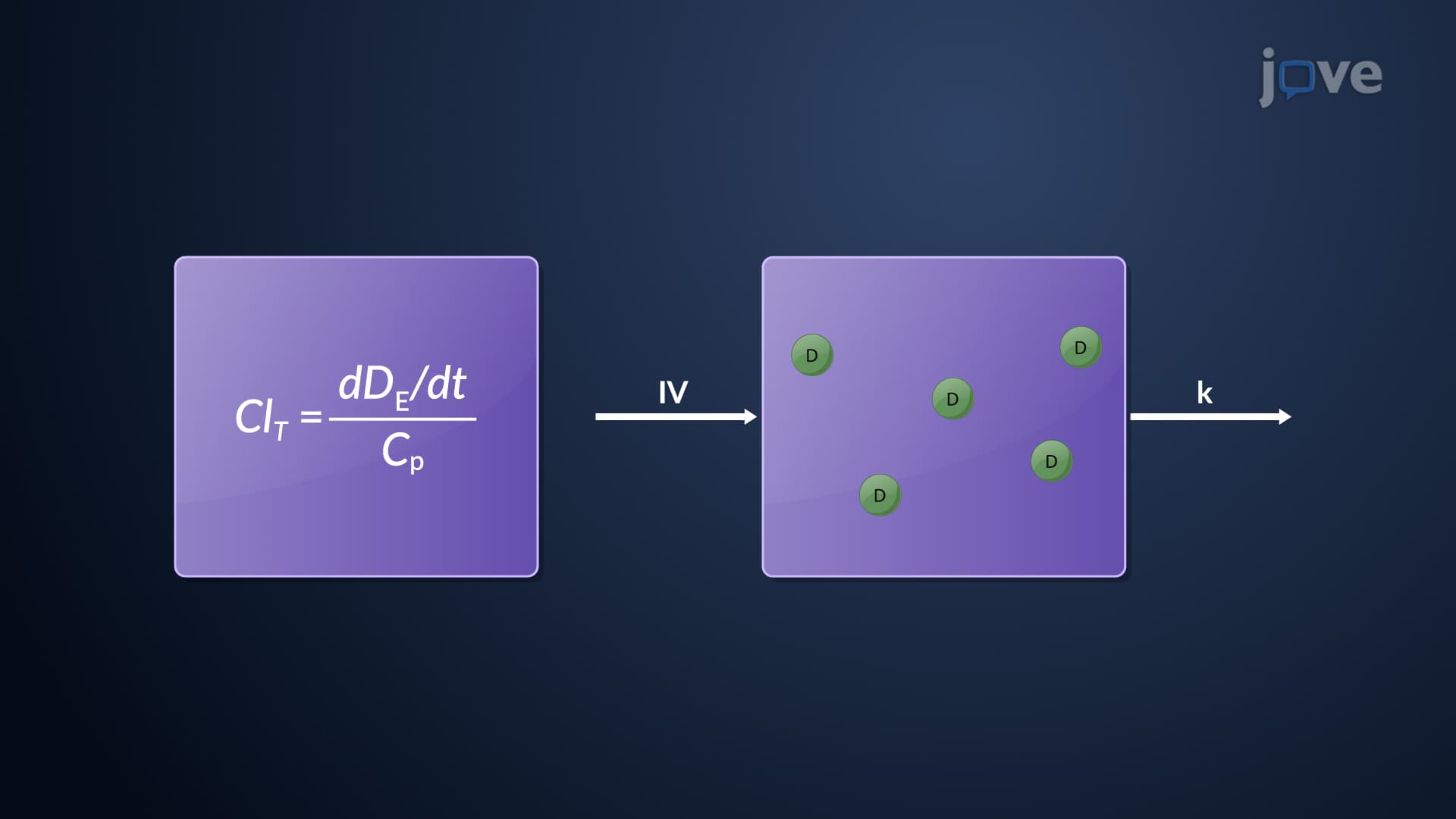
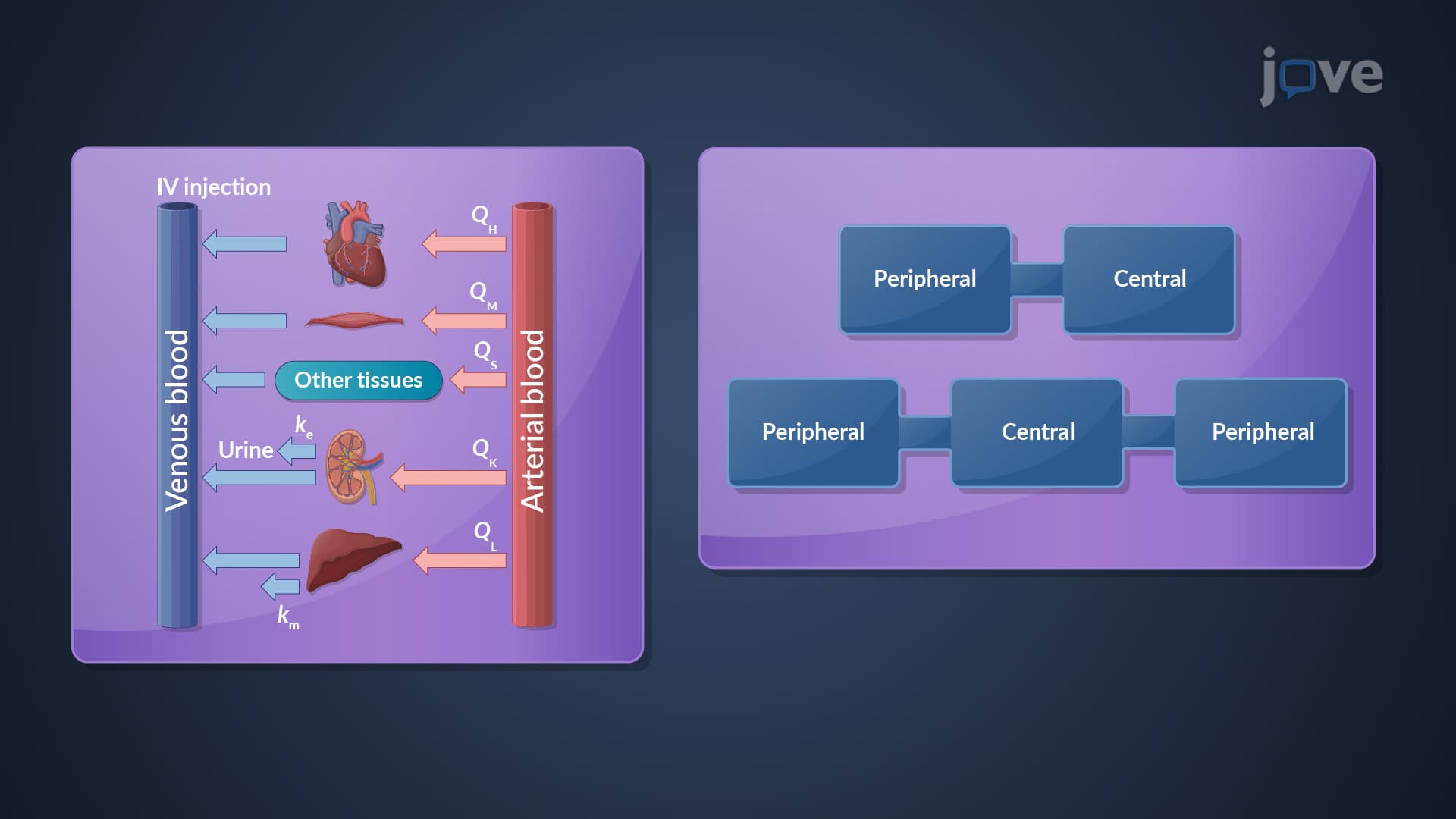
Physiological pharmacokinetic models represent sophisticated mathematical frameworks that describe how drugs move through the human body's circulatory system. These models are essential tools used by pharmaceutical researchers at institutions like Stanford University School of Medicine and Harvard Medical School to predict drug behavior and optimize therapeutic outcomes.
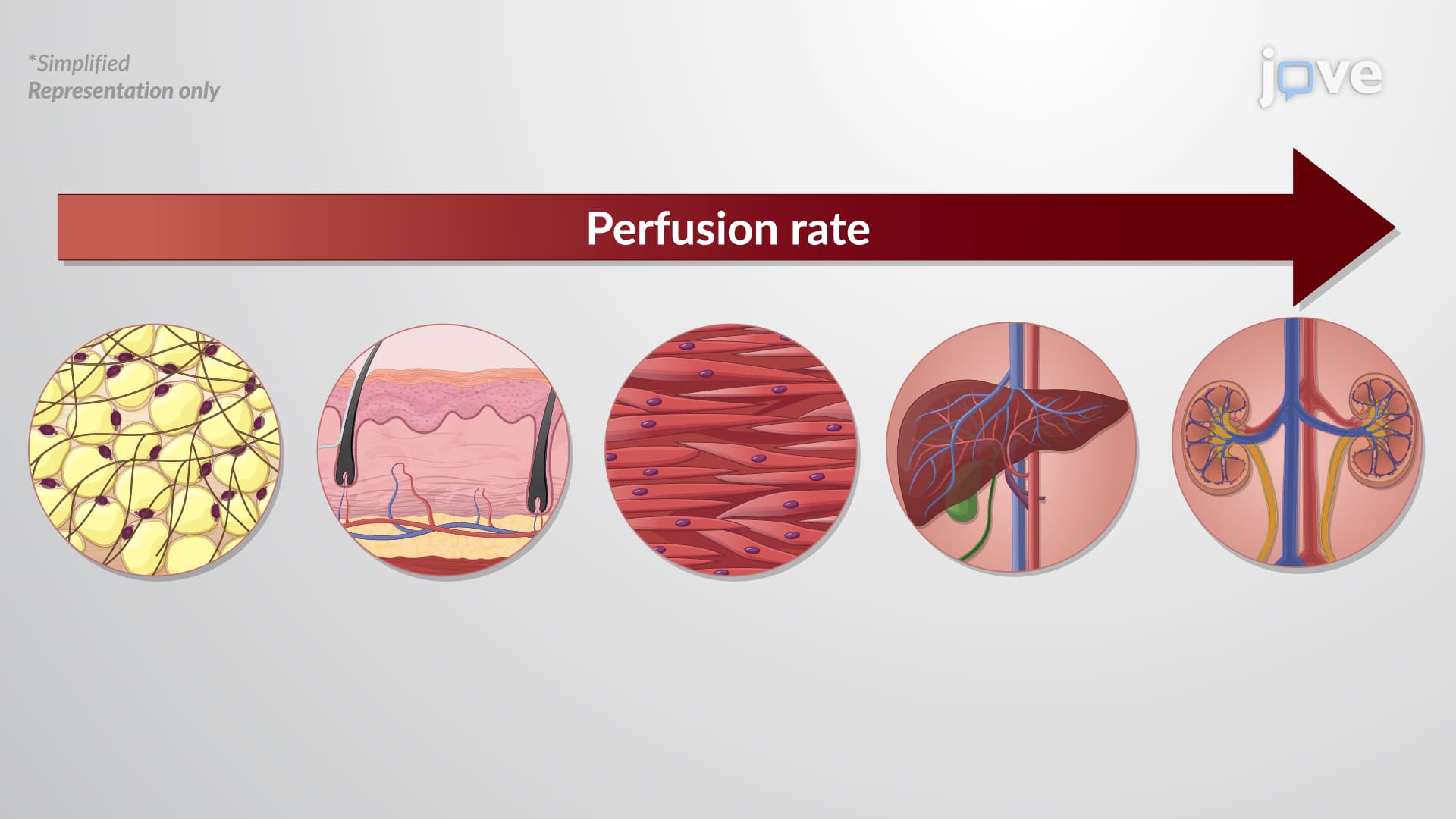
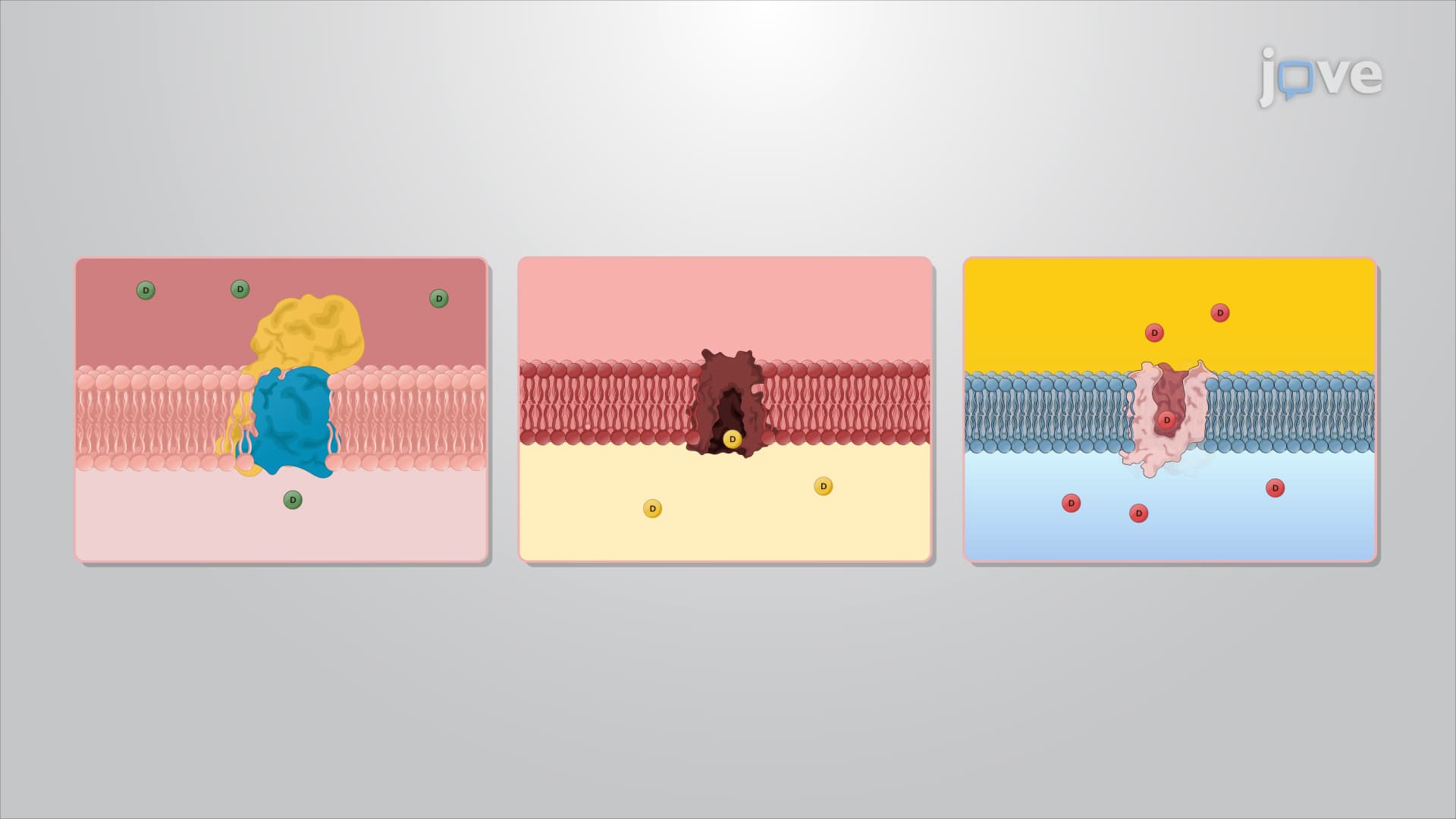
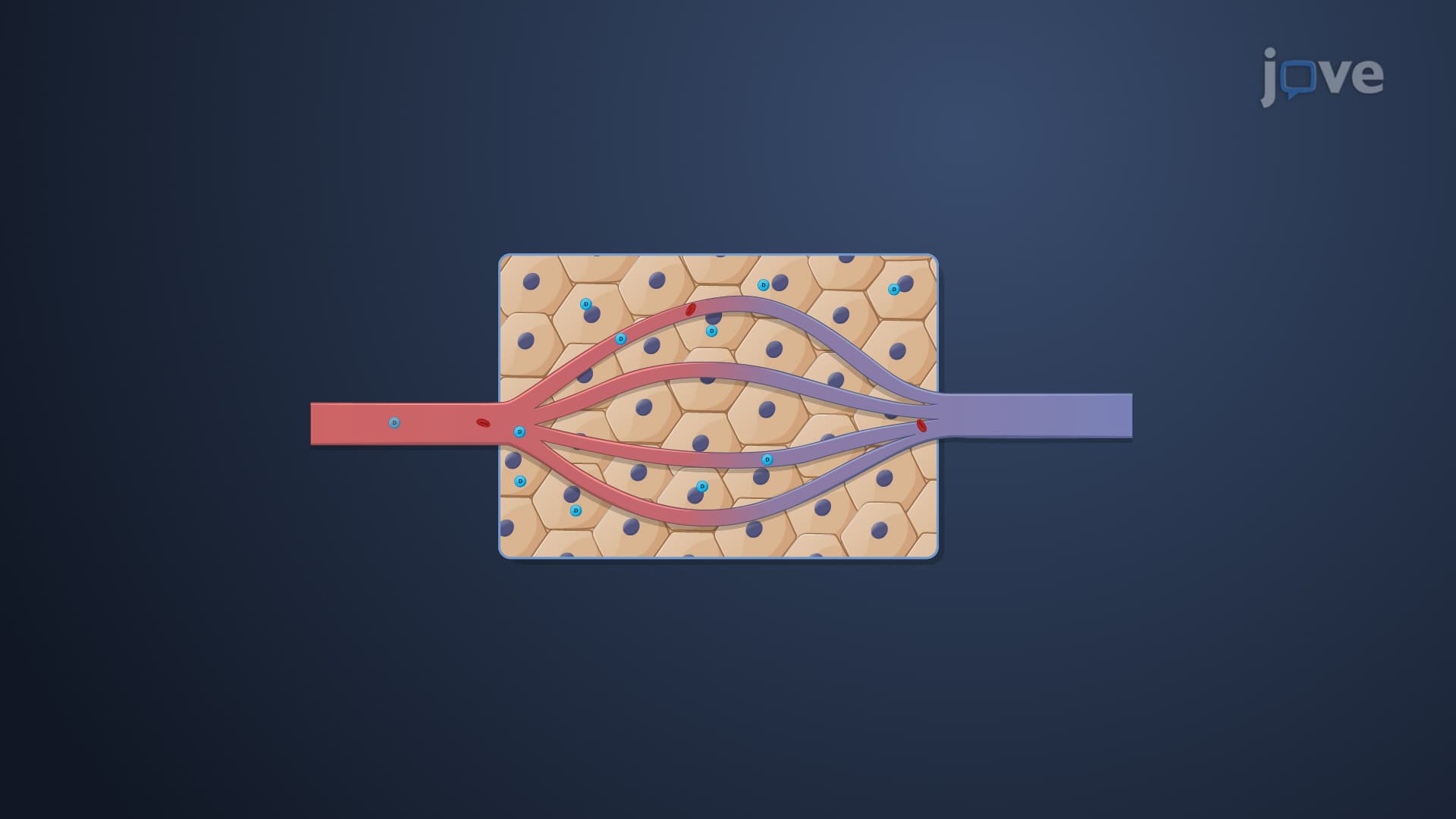
In flow-limited pharmacokinetic models, drug distribution depends primarily on blood flow rate rather than membrane characteristics. This scenario occurs when drugs easily cross cell membranes, creating rapid equilibrium between tissue and blood concentrations. The tissue drug concentration essentially mirrors the venous blood concentration leaving that specific tissue.
Consider lidocaine, a local anesthetic commonly used in US emergency departments. When administered, lidocaine rapidly diffuses across cell membranes due to its lipophilic properties. The drug's distribution becomes limited by how quickly blood can carry it to target tissues, not by membrane permeability barriers. Similarly, nicotine demonstrates flow-limited behavior, explaining why smoking delivers rapid neurological effects-the drug quickly equilibrates across lung tissue membranes and enters systemic circulation.
Diffusion-limited or membrane-limited models apply when cell membranes significantly restrict drug permeation. Here, blood flow exceeds the rate of drug diffusion across cellular barriers, creating concentration gradients between tissue and venous blood. The drug's membrane permeability coefficient becomes the rate-determining step for tissue distribution.
This concept frequently appears on MCAT examinations and AP Biology tests, where students must differentiate between transport-limited versus perfusion-limited drug distribution. Understanding these principles helps pre-med students at universities like UCLA and University of Michigan excel in pharmacology coursework.
These models guide dosing strategies in clinical practice. Flow-limited drugs require consideration of cardiac output and regional blood flow, while diffusion-limited drugs depend on membrane permeability and surface area. Students preparing for USMLE Step 1 or pharmacy school entrance exams encounter these concepts when studying drug absorption, distribution, and elimination kinetics.
Related Micro-courses