Loading subject page…


9,675 views

Video Summary: Physiological Pharmacokinetic Models Incorporating Hepatic Explained
Ever wonder how the FDA ensures medications like Lipitor work safely in your liver before reaching pharmacy shelves? Physiological pharmacokinetic models incorporating hepatic functions simulate how drugs move through liver cells, predicting everything from dosing schedules to potential side effects. These sophisticated computer models track drug transporters-cellular gatekeepers that control medication absorption and elimination-helping researchers at institutions like Johns Hopkins optimize treatments for millions of Americans. Watch the full video on JoVE Coach to master this concept with expert-led visuals and step-by-step explanations.
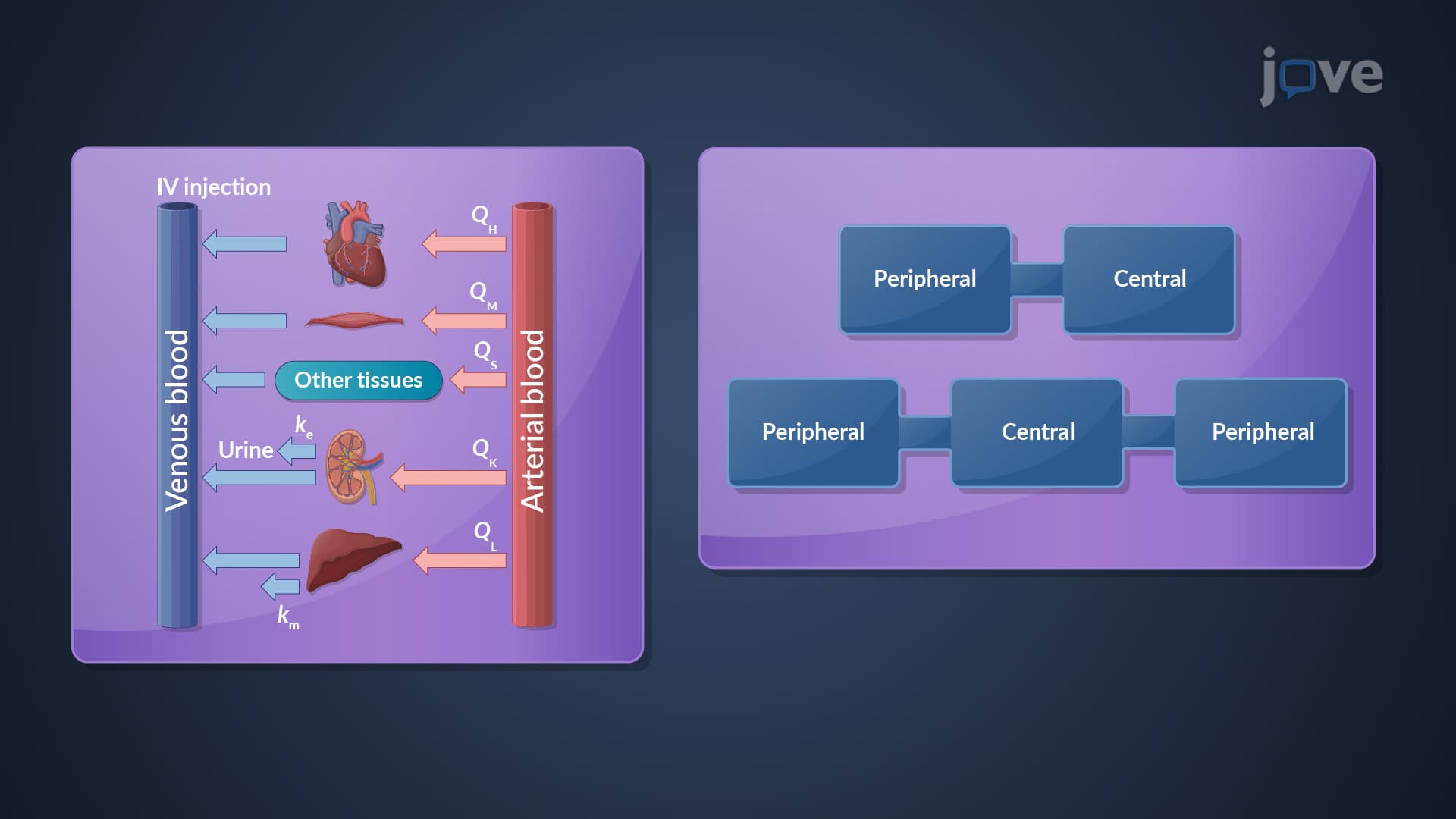
Physiological pharmacokinetic models incorporating hepatic functions represent a revolutionary approach to predicting how medications behave in the human body. Unlike traditional pharmacokinetic models that treat the body as simple compartments, these sophisticated systems account for the actual anatomy and physiology of liver cells, including the specific proteins that transport drugs across cellular membranes.
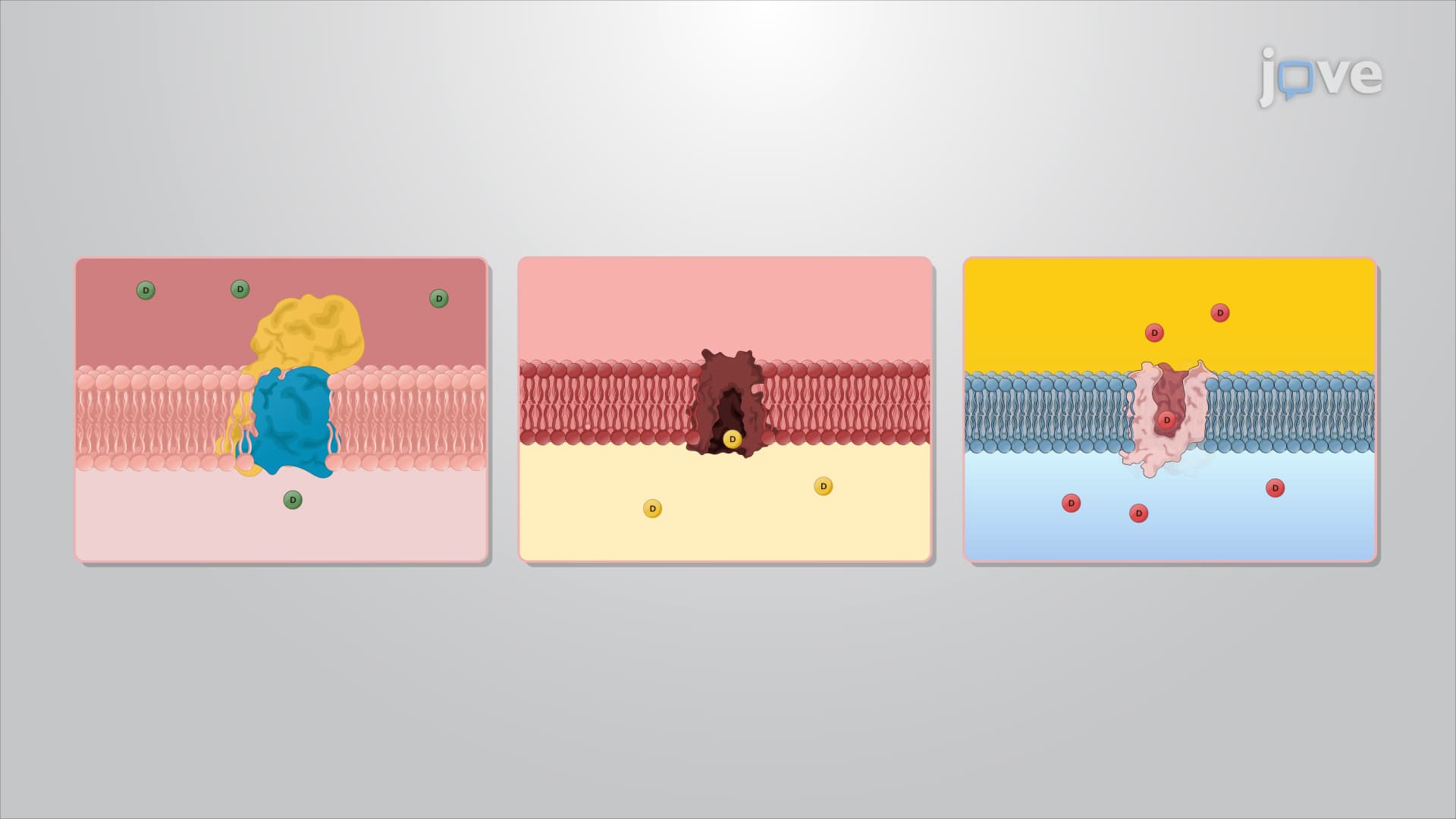
Drug transporters function as highly selective molecular pumps embedded in cell membranes throughout the liver. These proteins control which medications enter hepatocytes (liver cells) and which get pumped back into blood or bile. For example, when patients take cholesterol-lowering statins like pravastatin, specific transporters called OATP1B1 move the drug from blood into liver cells, while other transporters like MRP2 pump it into bile for elimination. Understanding these mechanisms helps explain why some patients at Cleveland Clinic respond differently to identical doses-genetic variations in transporter proteins can dramatically alter drug effectiveness.
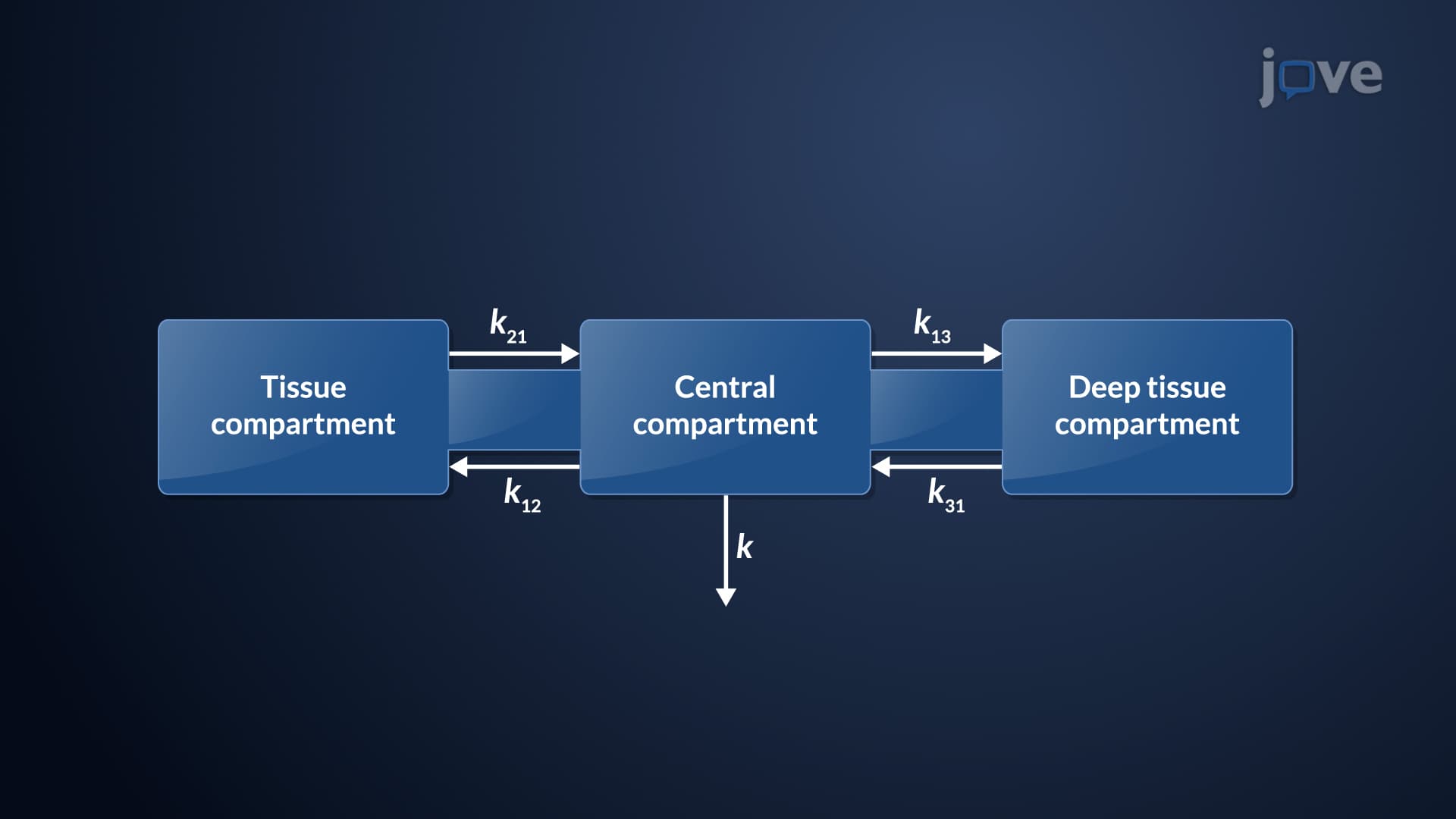
Modern physiological models divide the liver into multiple interconnected compartments representing different cellular spaces: plasma, hepatocytes, and bile canaliculi. Each compartment has unique properties affecting drug movement. Mayo Clinic researchers use these models to predict how quickly medications like acetaminophen clear from the body, helping emergency physicians calculate antidote dosing for overdose patients. The models incorporate real physiological data-liver blood flow rates, cell volumes, and protein concentrations-making predictions far more accurate than traditional approaches.
These concepts frequently appear on pre-medical exams like the MCAT, particularly in passages combining biochemistry and physiology. Students studying for AP Biology often encounter simplified versions when learning about membrane transport. For college pharmacology courses, understanding how pravastatin's dual transporter system works (OATP1B1 for uptake, MRP2 for efflux) demonstrates real-world applications of cellular transport mechanisms. Medical students preparing for USMLE Step 1 must grasp how liver microsomes-cellular fragments containing metabolic enzymes-predict drug clearance rates used in clinical dosing decisions at institutions like Johns Hopkins and UCSF.
Related Micro-courses