Loading subject page…

- Pharmacokinetics and Pharmacodynamics
- Pharmacokinetic Models
- Two-Compartment Open Model: IV Infusion
Micro-course: Pharmacokinetic Models
9,673 views
Learn key concepts and earn your certificate.


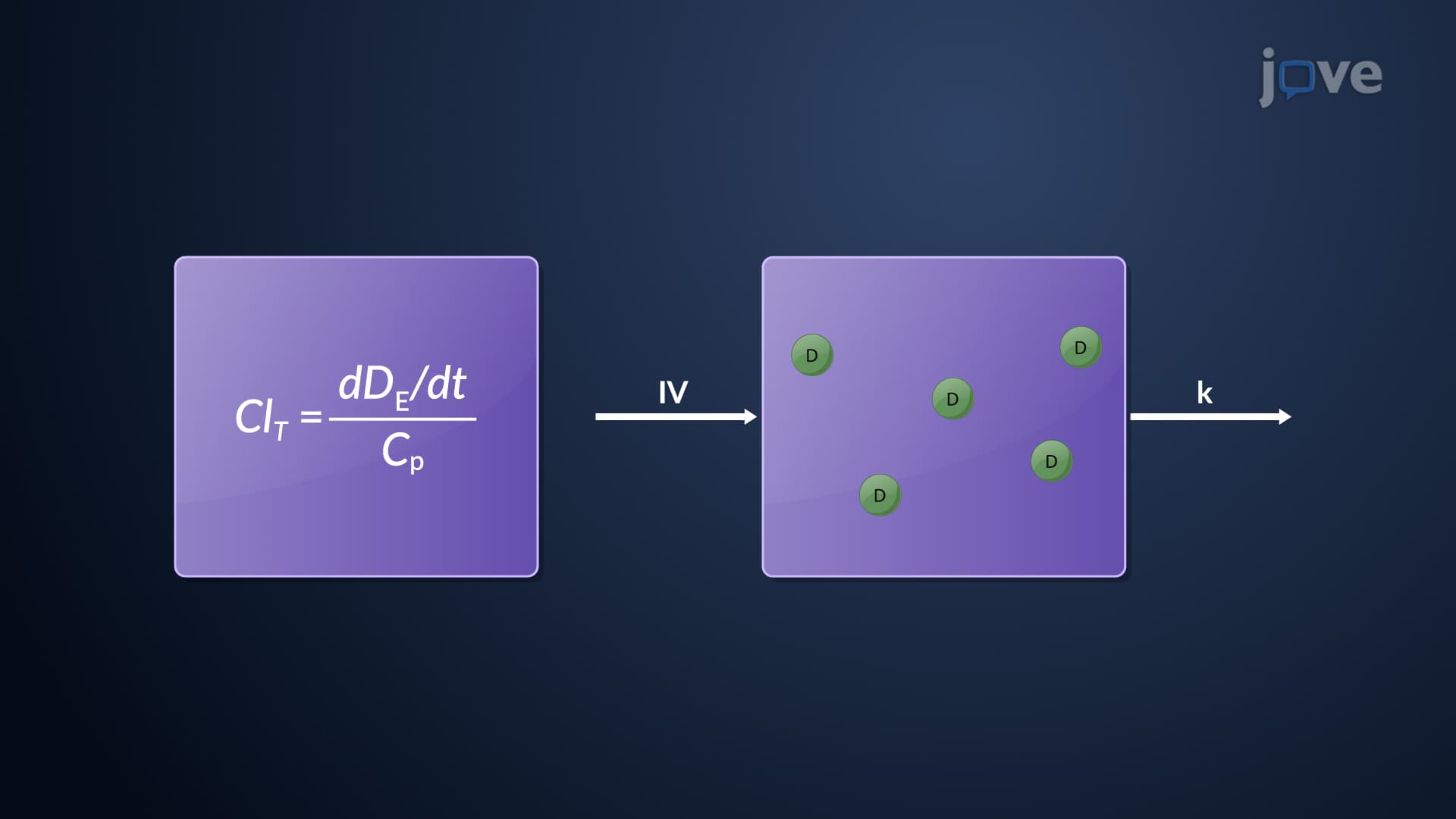
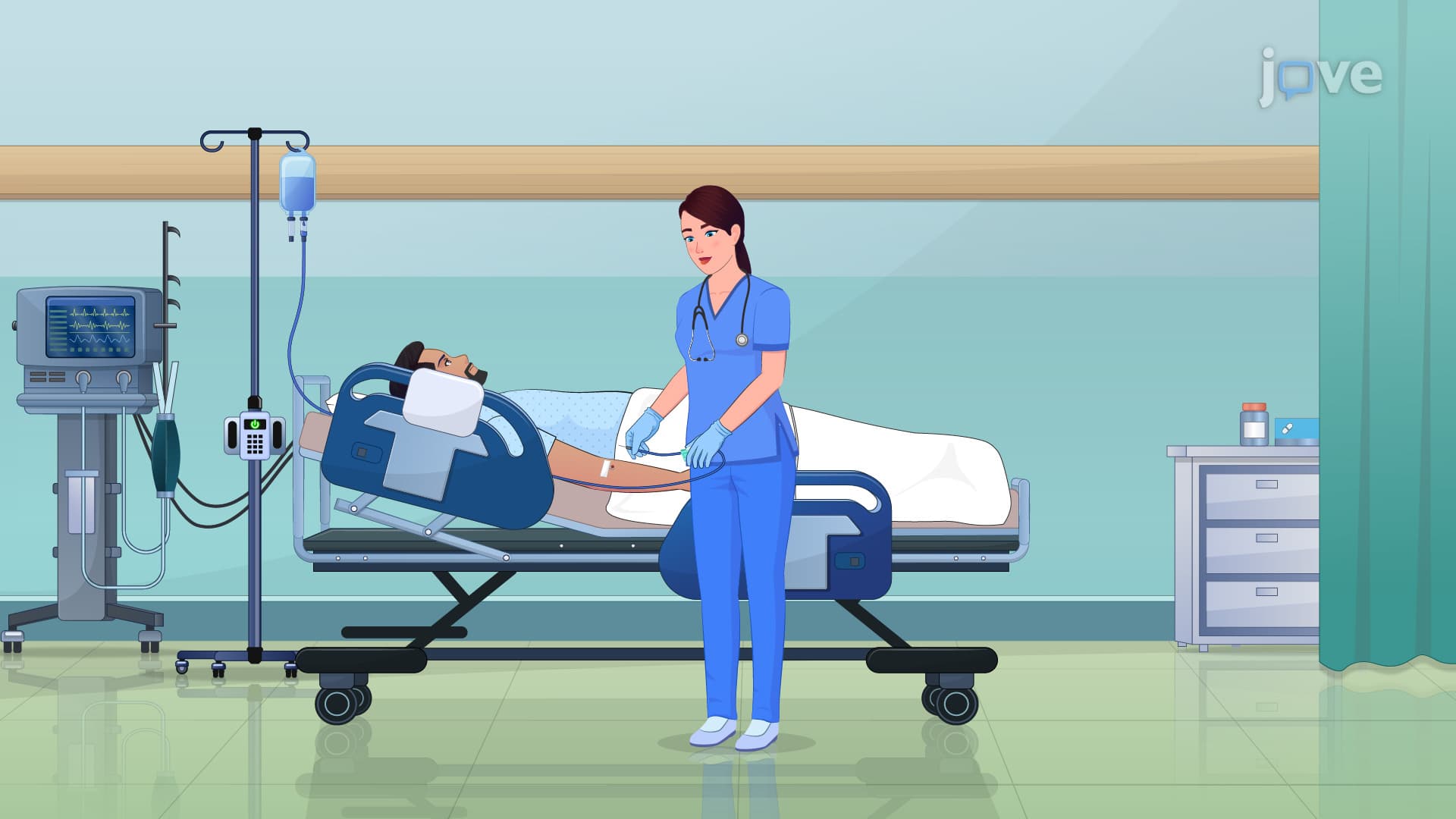
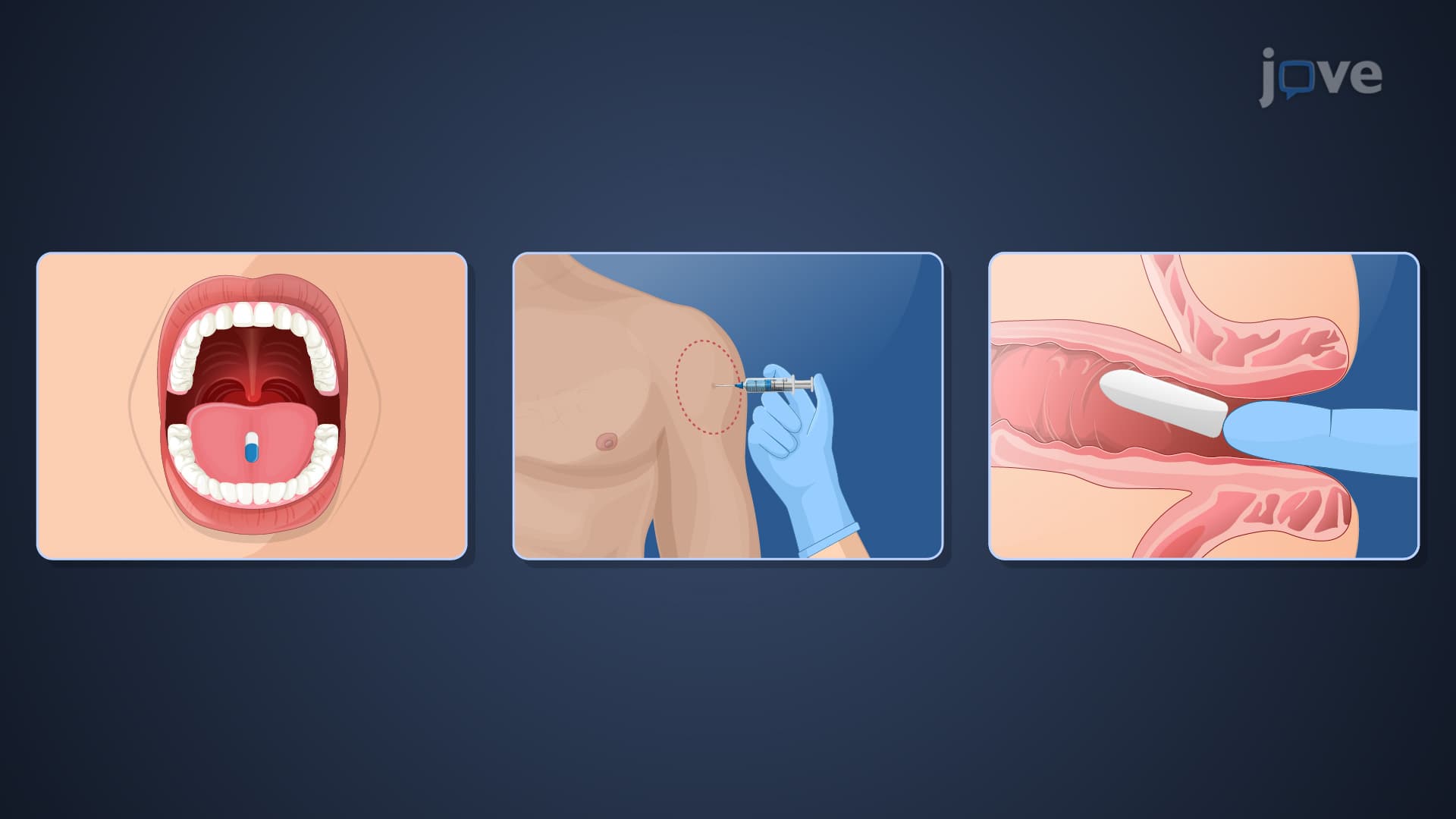


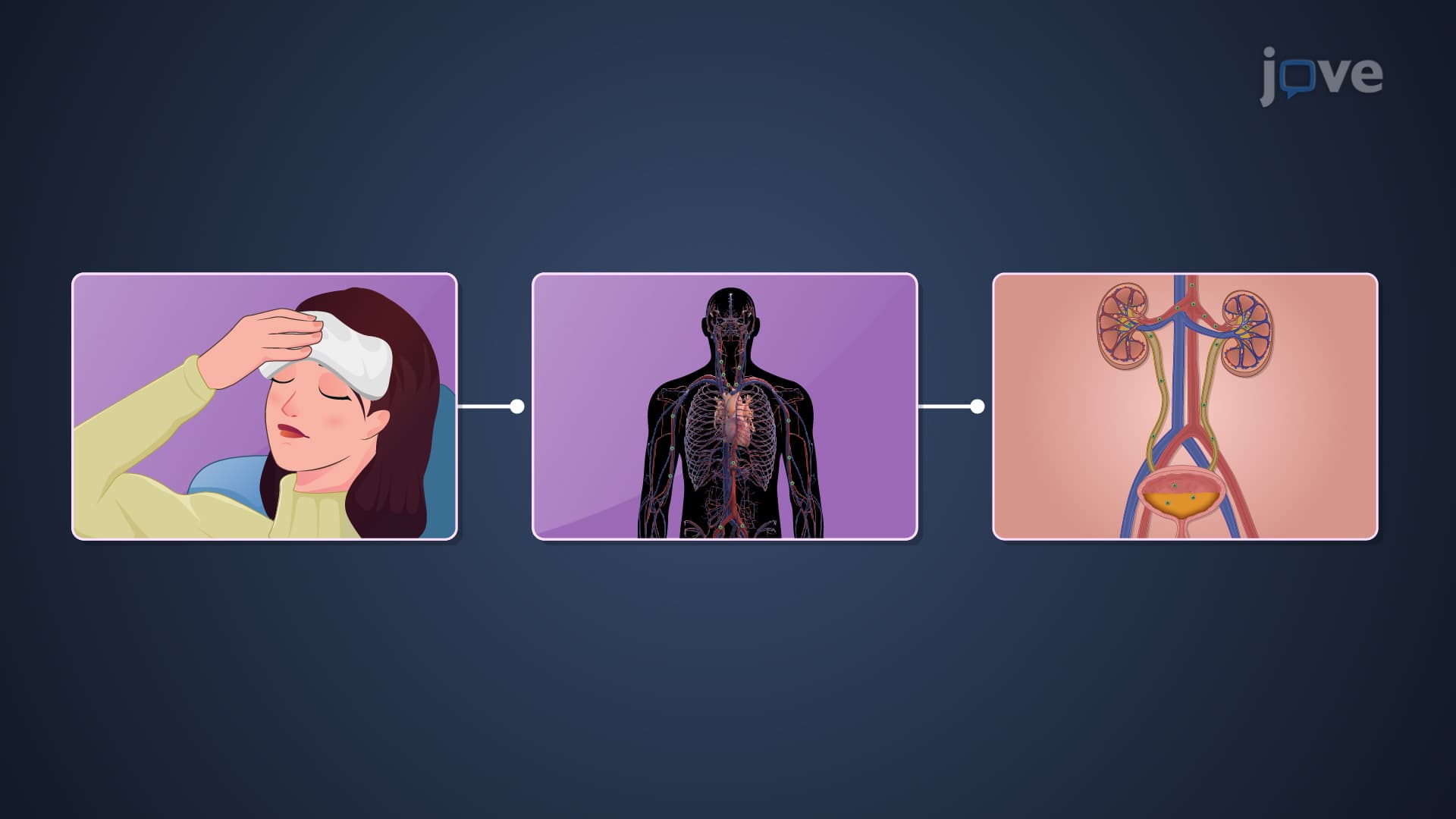




Two-Compartment Open Model: IV Infusion


00:00
01:15
Video Summary: Two Compartment Open Model Iv Infusion Explained
Ever wondered why some medications like anesthetics work instantly while others take time to reach full effect? The two compartment open model explains how drugs distribute through your body's central bloodstream and peripheral tissues during intravenous infusion. Consider propofol, the anesthetic used in US hospitals-it requires precise dosing calculations using two-compartment pharmacokinetics to ensure patient safety during surgery. This model helps pharmacists and clinicians determine optimal loading doses and predict steady-state concentrations for therapeutic monitoring. Watch the full video on JoVE Coach to master this concept with expert-led visuals and step-by-step explanations.
- Understand how the Two Compartment Open Model IV Infusion Explained framework describes drug distribution between central and peripheral compartments during constant-rate intravenous administration
- Identify the key components of two-compartment pharmacokinetics including central compartment volume (Vc), elimination rate constants, and steady-state concentrations
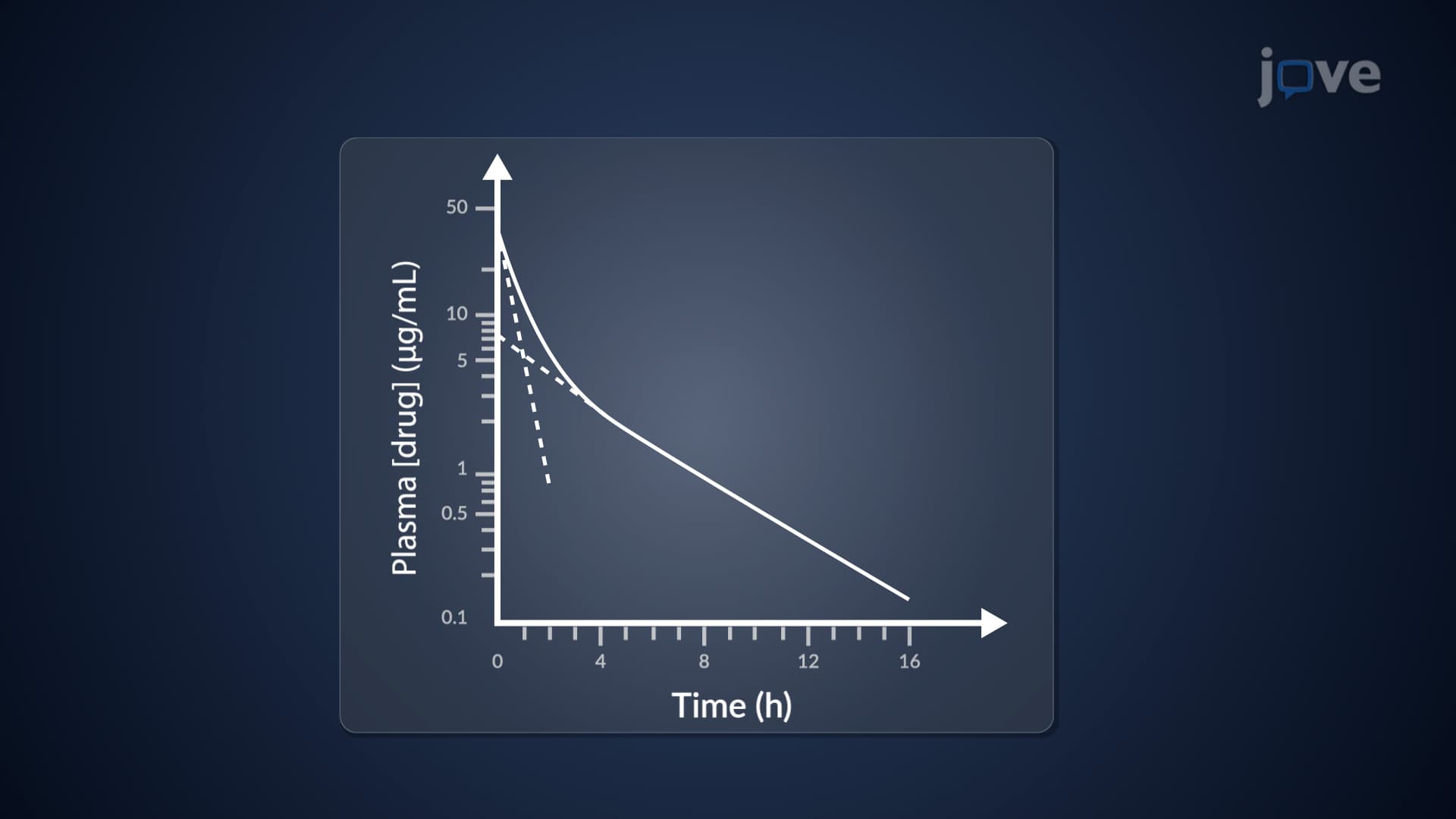
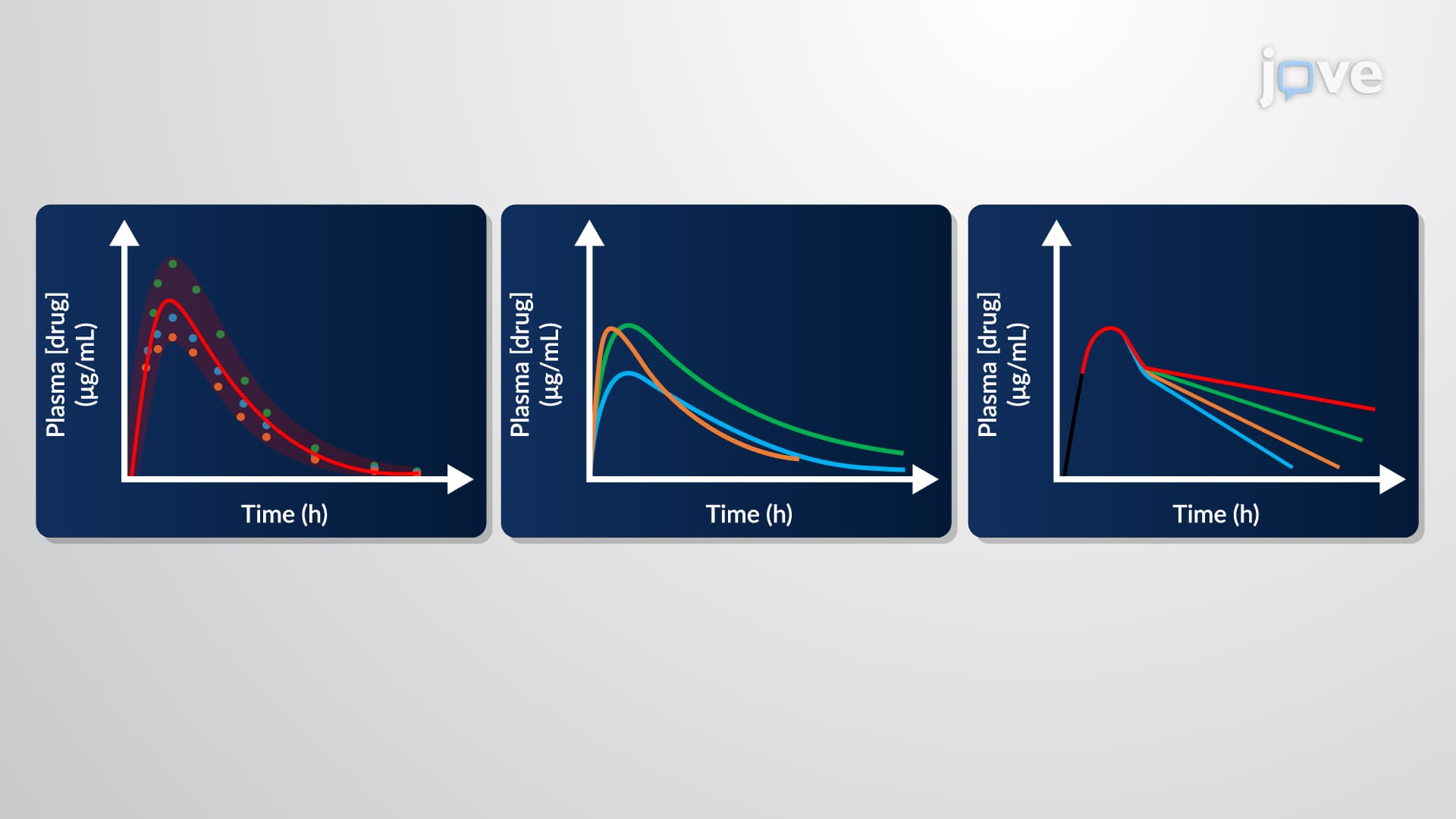
- Analyze the mathematical relationships governing drug input rates, elimination rates, and plasma concentration changes over time
- Apply loading dose calculations using the formula: Loading Dose = Vc × Css to achieve desired therapeutic concentrations
- Evaluate steady-state conditions where drug input rate equals elimination rate, resulting in constant plasma concentrations
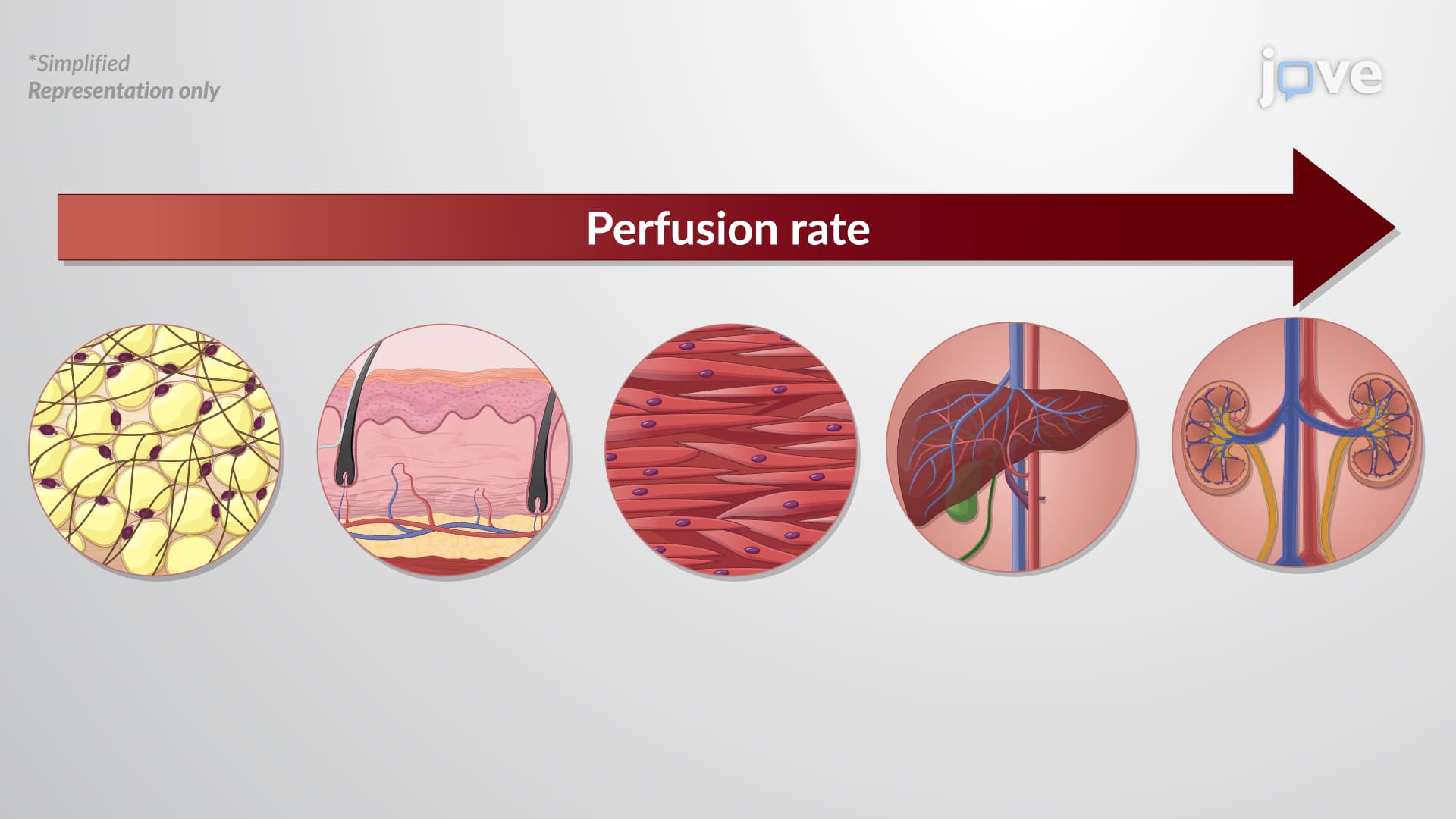
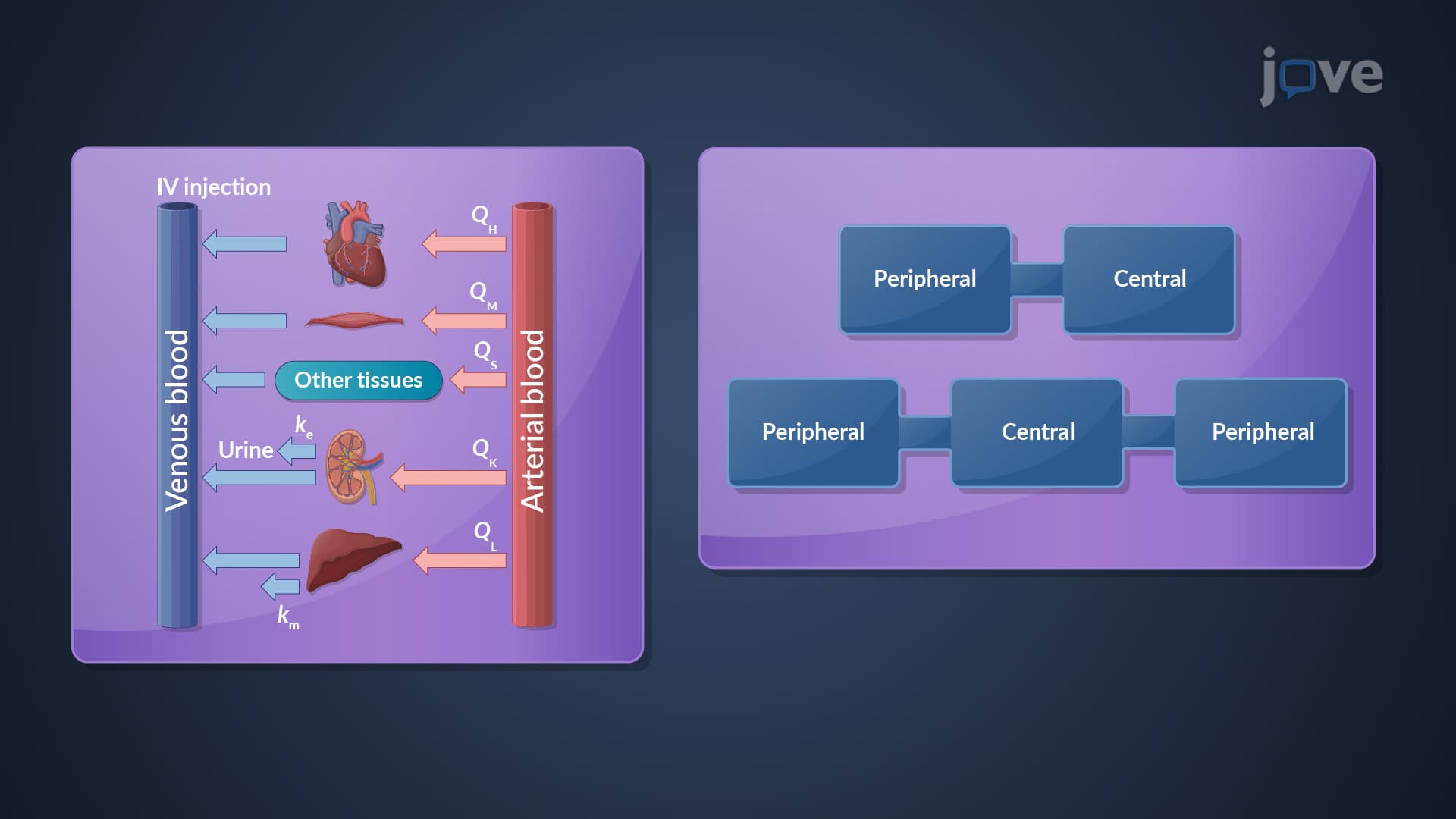
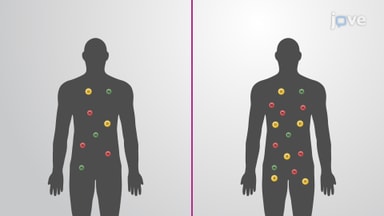
- Compare central compartment (blood, plasma, highly perfused organs) versus peripheral compartment (muscle, fat, poorly perfused tissues) drug distribution patterns
- Recognize clinical applications for therapeutic drug monitoring and dosing optimization in hospital and outpatient settings
- Explore the relationship between pharmacokinetic parameters and drug efficacy in real-world therapeutic scenarios
Understanding Two Compartment Open Model IV Infusion Fundamentals
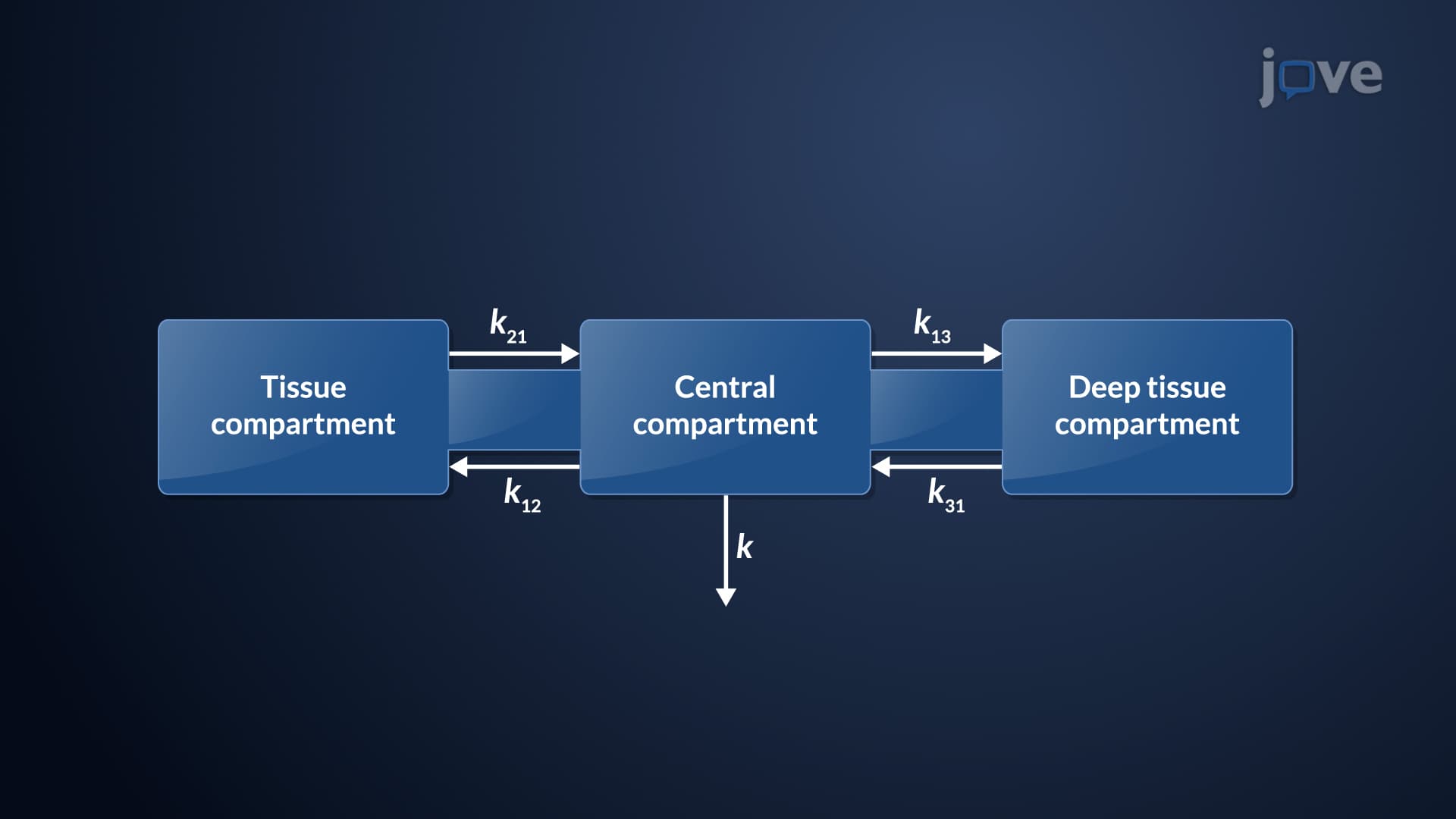
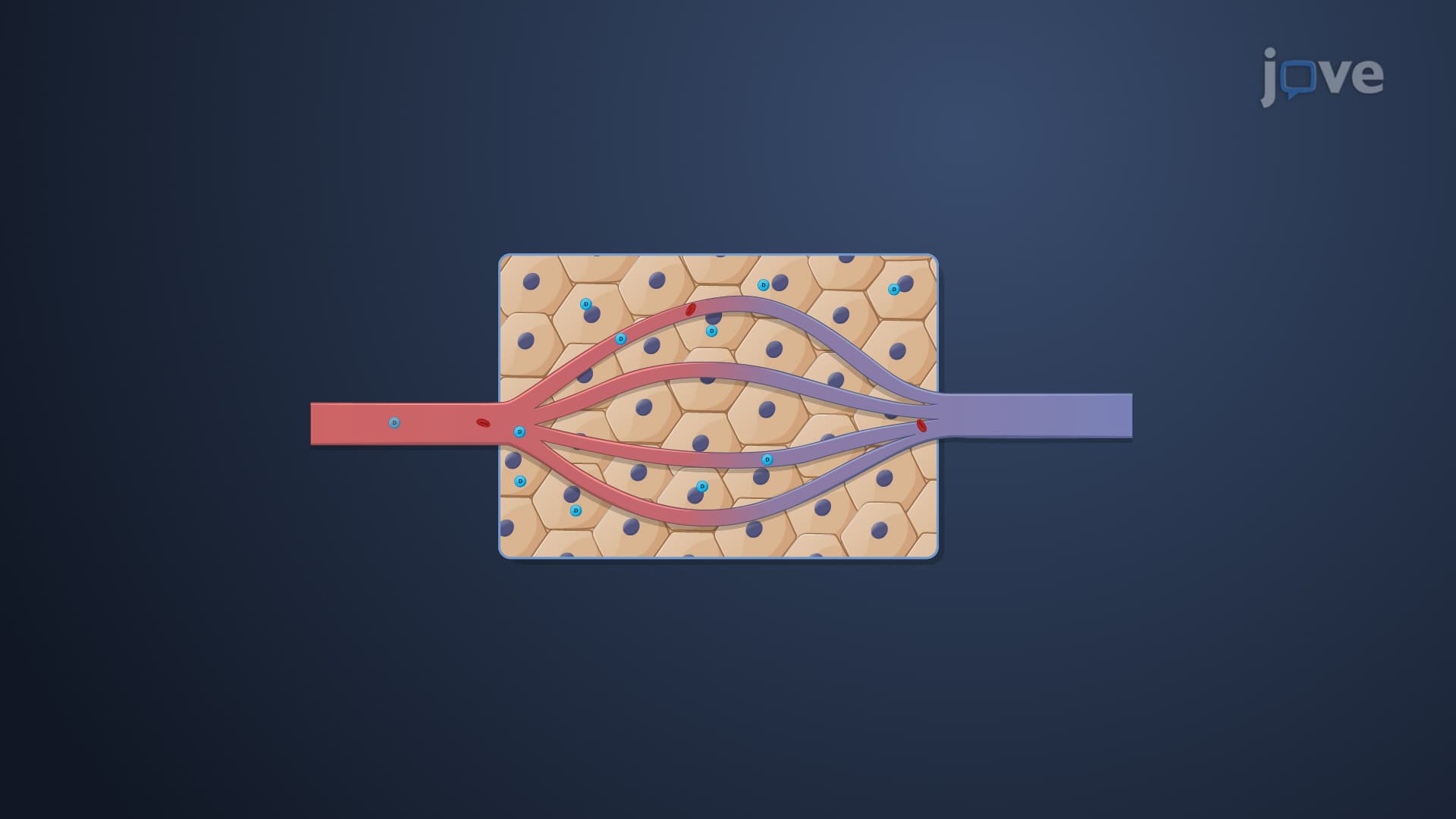
The Two Compartment Open Model IV Infusion Explained represents a sophisticated pharmacokinetic framework that accounts for the complex reality of how drugs distribute throughout the human body. Unlike simpler one-compartment models, this approach recognizes that the body contains distinct spaces with different drug distribution characteristics. The central compartment includes blood, plasma, and highly perfused organs like the heart, liver, and kidneys, while the peripheral compartment encompasses less perfused tissues such as muscle, fat, and bone.
Mathematical Framework and Steady-State Dynamics
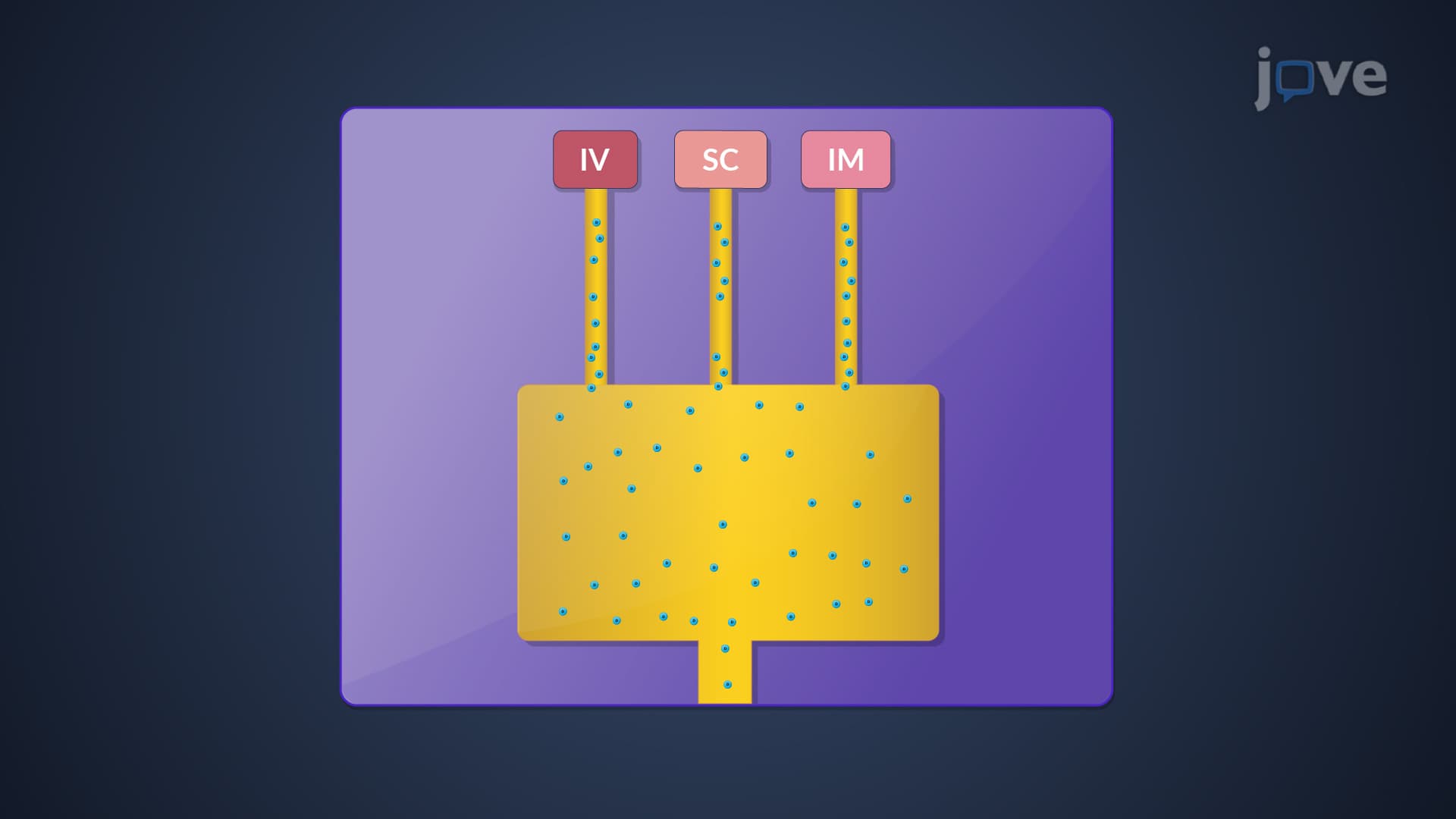
During constant-rate intravenous infusion, the two-compartment model demonstrates how drug concentrations change over time through differential equations. At steady-state conditions-typically reached after 4-5 half-lives-the drug's input rate exactly equals its elimination rate, creating equilibrium. This principle is crucial for MCAT preparation and appears frequently on pharmacy school examinations. The mathematical relationship can be expressed as: Rate In = Rate Out, where elimination occurs exclusively from the central compartment.
Clinical Applications and Loading Dose Calculations
Healthcare professionals use this model to calculate precise loading doses using the formula: Loading Dose = Vc × Css. Here, Vc represents the apparent volume of distribution of the central compartment, and Css represents the desired steady-state concentration. For example, when administering digoxin for heart failure patients at Johns Hopkins Hospital, clinicians must account for the drug's extensive peripheral tissue binding. The two-compartment model helps predict that digoxin requires several days to reach steady-state without a loading dose, but a calculated loading dose can achieve therapeutic levels within hours.
Real-World Examples in US Healthcare Settings
Consider lidocaine administration in US emergency departments for ventricular arrhythmias. The drug rapidly distributes from blood (central compartment) into cardiac and neural tissues (peripheral compartment). Emergency physicians at institutions like Mayo Clinic use two-compartment pharmacokinetics to determine both the initial bolus dose and maintenance infusion rate. Similarly, anesthesiologists administering propofol during surgeries at Cleveland Clinic rely on these principles to maintain optimal anesthetic depth while minimizing side effects. Understanding these concepts proves essential for pre-med students preparing for the MCAT's Chemical and Physical Foundations section and nursing students studying for NCLEX-RN examinations.
Frequently Asked Questions
The two compartment open model IV infusion describes how drugs distribute between your body's central compartment (blood and highly perfused organs) and peripheral compartment (muscle, fat, less perfused tissues) during constant-rate intravenous administration. The model uses mathematical equations to predict drug concentrations over time, helping clinicians calculate proper dosing. It's called "open" because the drug can be eliminated from the system, typically from the central compartment through liver metabolism or kidney excretion.
Yes, two compartment pharmacokinetic models frequently appear on the MCAT's Chemical and Physical Foundations section, PCAT pharmacy entrance exams, and pharmacy school coursework. You'll encounter questions about steady-state calculations, loading dose formulas, and drug distribution patterns. Many medical schools like Harvard and UCSF include pharmacokinetics in their curriculum, making this concept essential for pre-med students.
Use the formula: Loading Dose = Vc × Css, where Vc is the central compartment volume and Css is the desired steady-state concentration. Practice with real drug examples like digoxin (Vc = 7 L/kg, target level 1.5 ng/mL) for a 70kg patient. Many college pharmacology exams and NAPLEX questions test this calculation, so memorize the formula and practice unit conversions.
Common examples include lidocaine for arrhythmias in US emergency rooms, propofol for anesthesia during surgeries at hospitals like Johns Hopkins, and digoxin for heart failure patients. Antibiotics like vancomycin also follow two-compartment models, requiring therapeutic drug monitoring in intensive care units. These examples help you understand why some medications need loading doses while others don't.
Not at all! While the mathematics can seem complex, the core concepts are accessible to high school students taking AP Chemistry or AP Biology. Focus on understanding the basic principles: drugs move from blood to tissues, reach steady-state over time, and require careful dosing calculations. Many successful pre-med students first encounter these concepts in high school advanced placement courses.
Create visual diagrams showing drug flow between compartments, practice loading dose calculations with real drug examples, and memorize key formulas like Loading Dose = Vc × Css. Use active recall by explaining concepts aloud and solve practice problems from pharmacology textbooks used at schools like University of Michigan or UCLA. Focus on understanding steady-state principles and clinical applications.
Progress to multi-compartment models, nonlinear pharmacokinetics, and population pharmacokinetics used in personalized medicine. Advanced topics include physiologically-based pharmacokinetic (PBPK) modeling and pharmacogenomics, which are increasingly important in modern healthcare. These concepts appear in graduate-level courses at institutions like Stanford and are essential for pharmacy residency programs.
NCLEX-RN questions often test your understanding of drug onset times, steady-state achievement, and therapeutic drug monitoring principles derived from two-compartment pharmacokinetics. You'll need to recognize why some medications require loading doses, understand timing of peak drug effects, and identify when steady-state concentrations are reached. This knowledge is crucial for safe medication administration and patient monitoring in clinical practice.
Related Micro-courses
12 Concepts

17 Concepts