Loading subject page…


9,675 views

Video Summary: What are Multicompartment Models
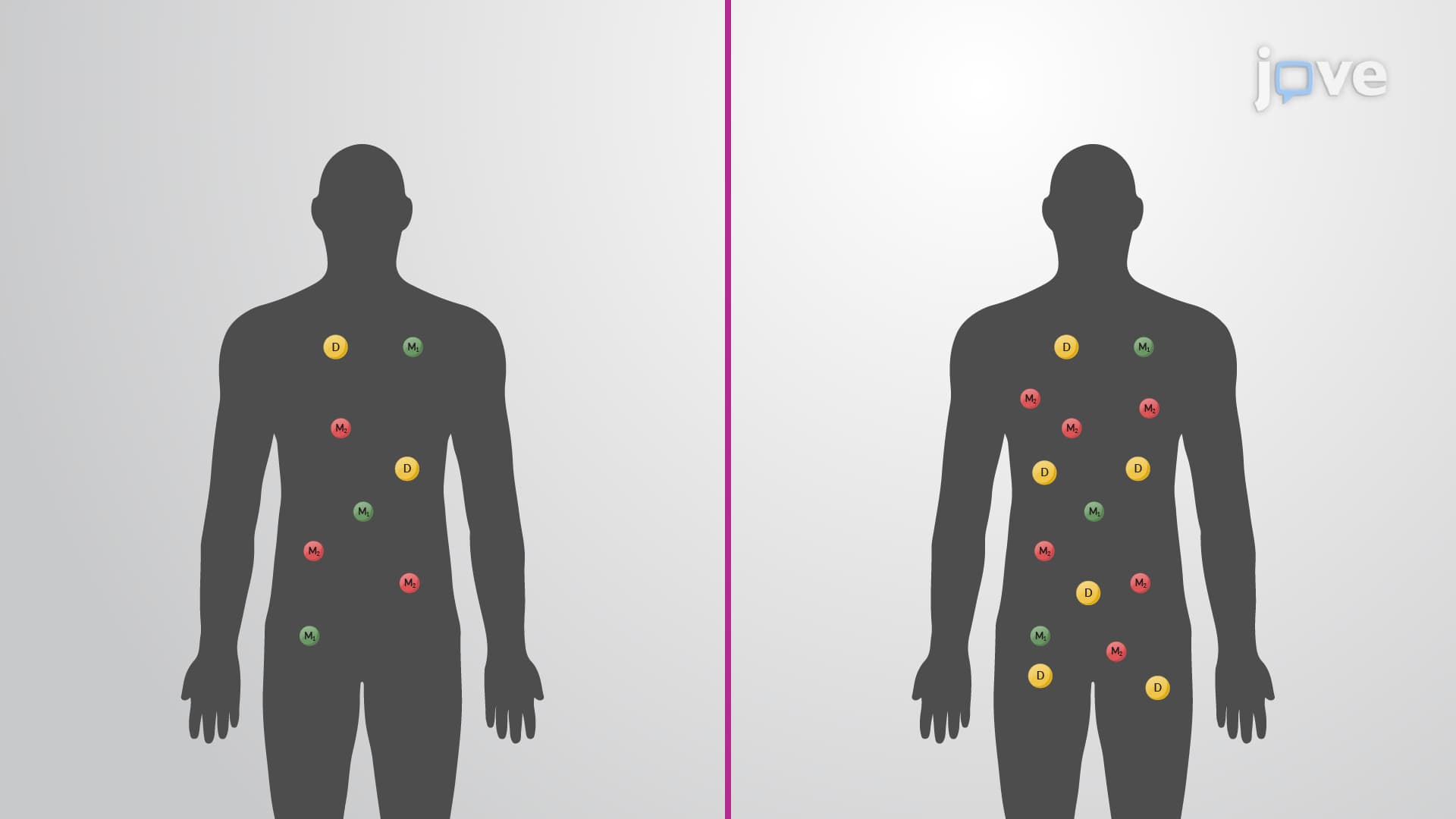
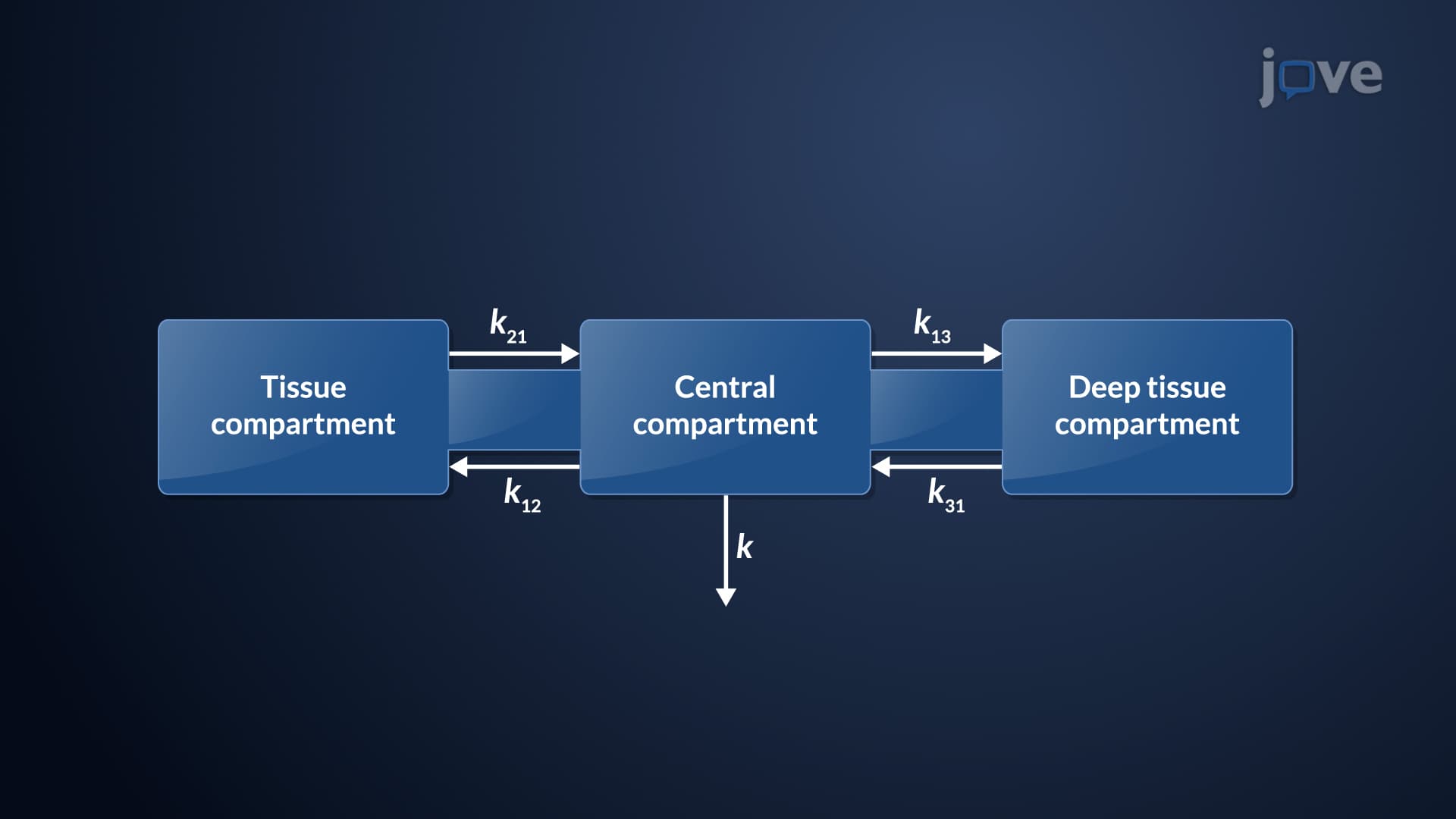
Ever wonder why a single dose of aspirin doesn't instantly reach every cell in your body? Multicompartment models reveal how medications like insulin for diabetic patients travel through distinct body compartments at different rates, rather than distributing uniformly throughout the body. These advanced pharmacokinetic models divide the human body into central compartments (highly perfused organs like the heart and liver) and peripheral compartments (tissues with slower drug uptake). Understanding what are multicompartment models helps predict precise drug concentrations in specific organs over time. Watch the full video on JoVE Coach to master this concept with expert-led visuals and step-by-step explanations.
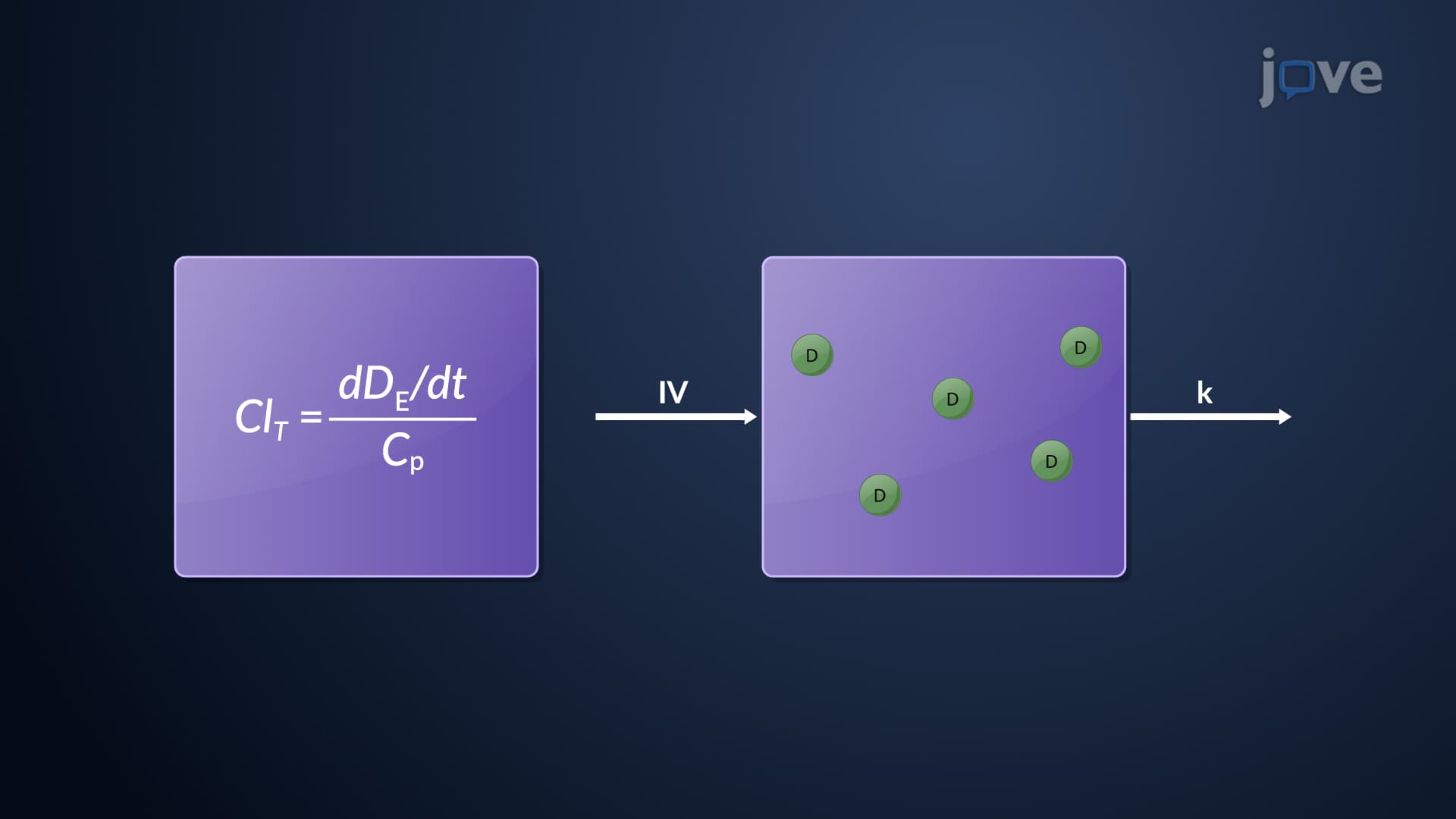
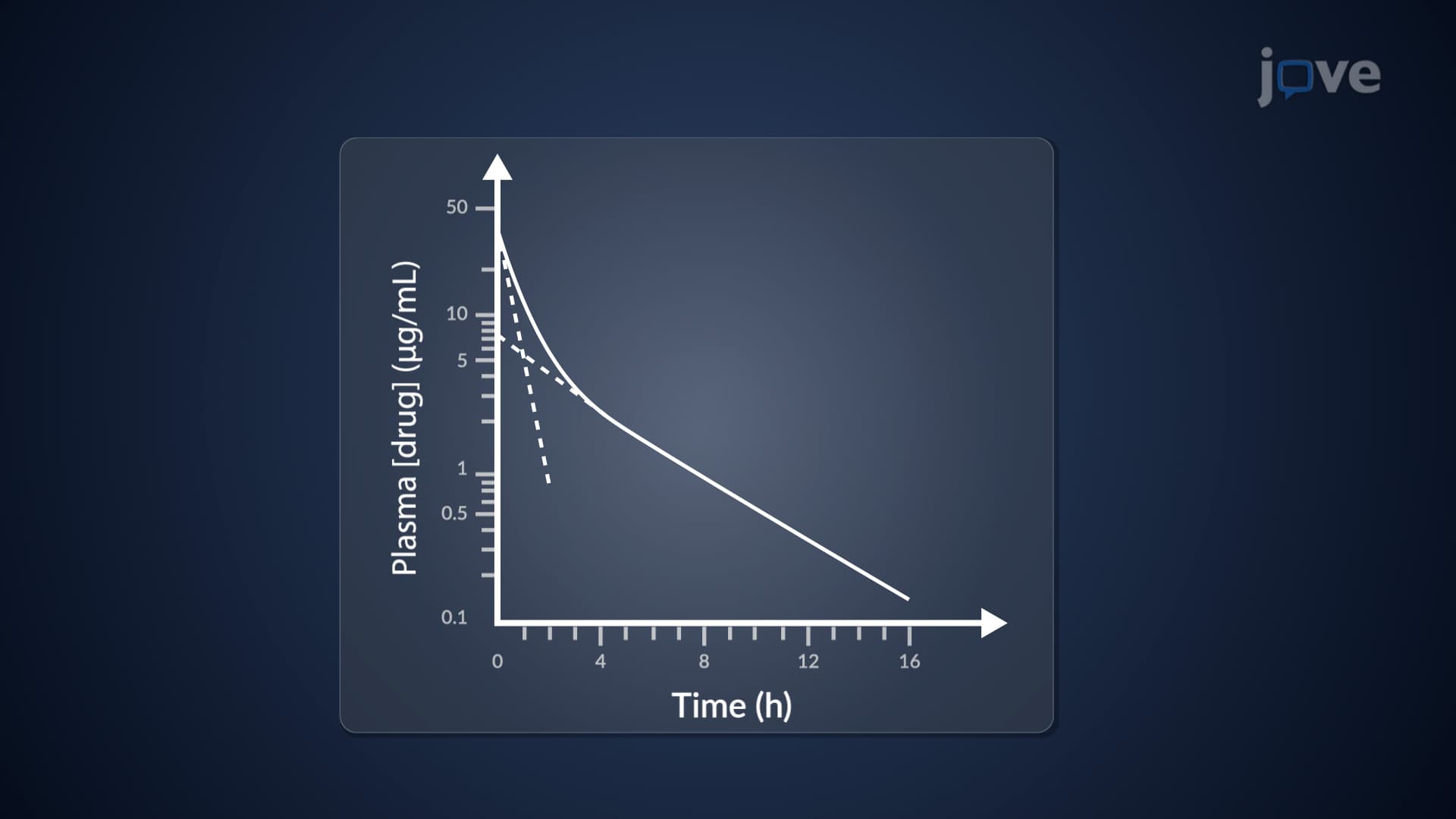
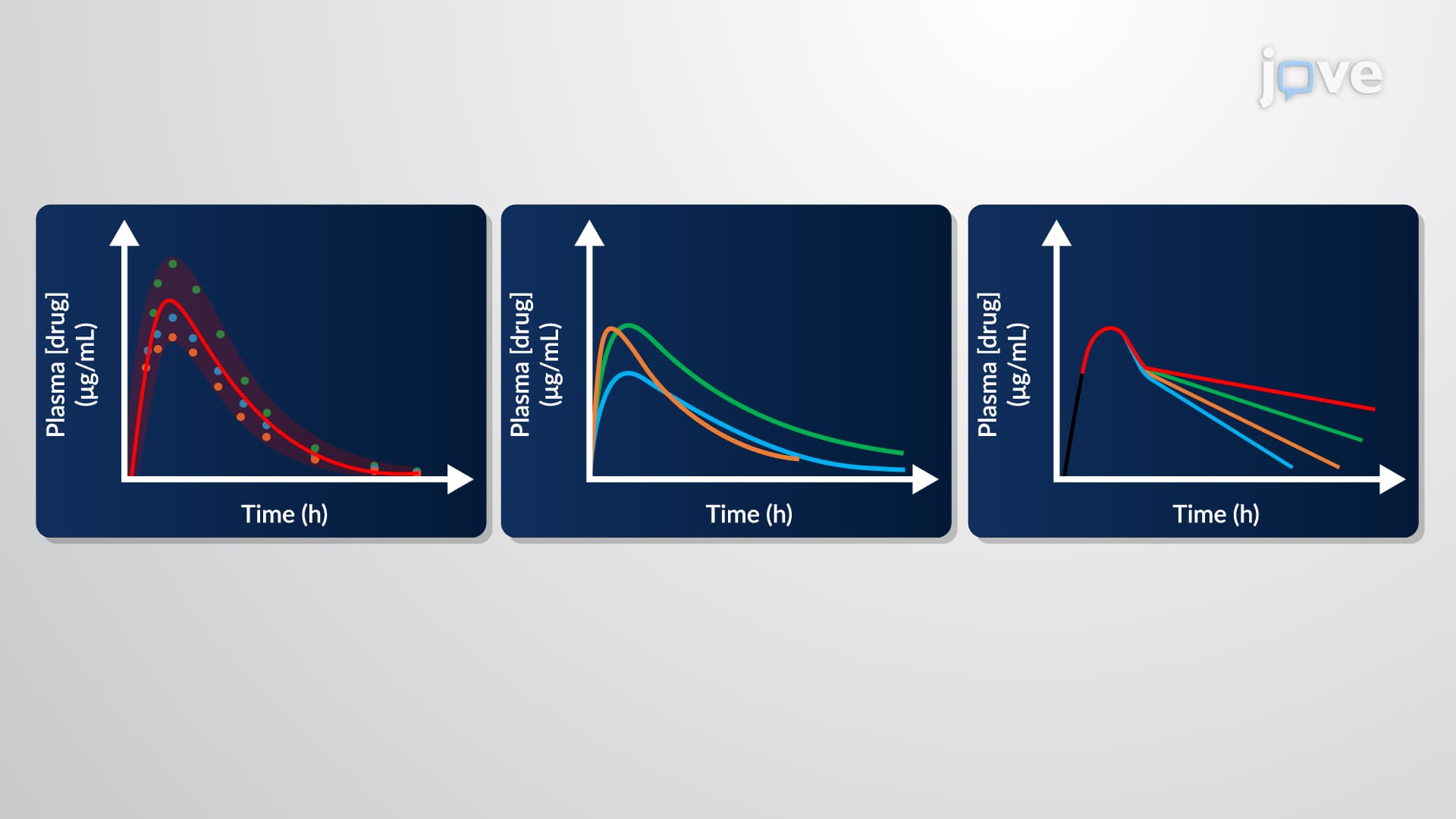
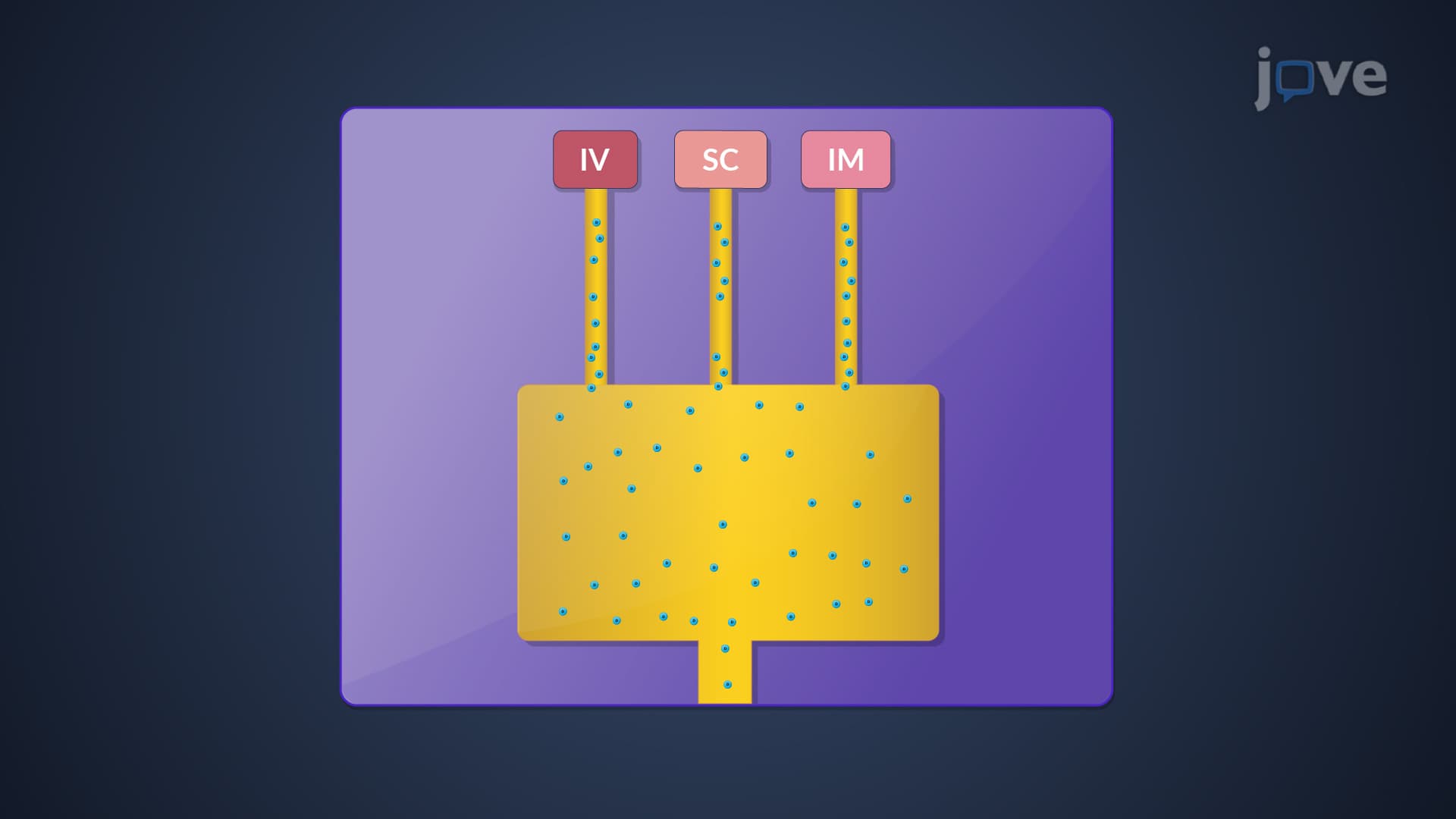
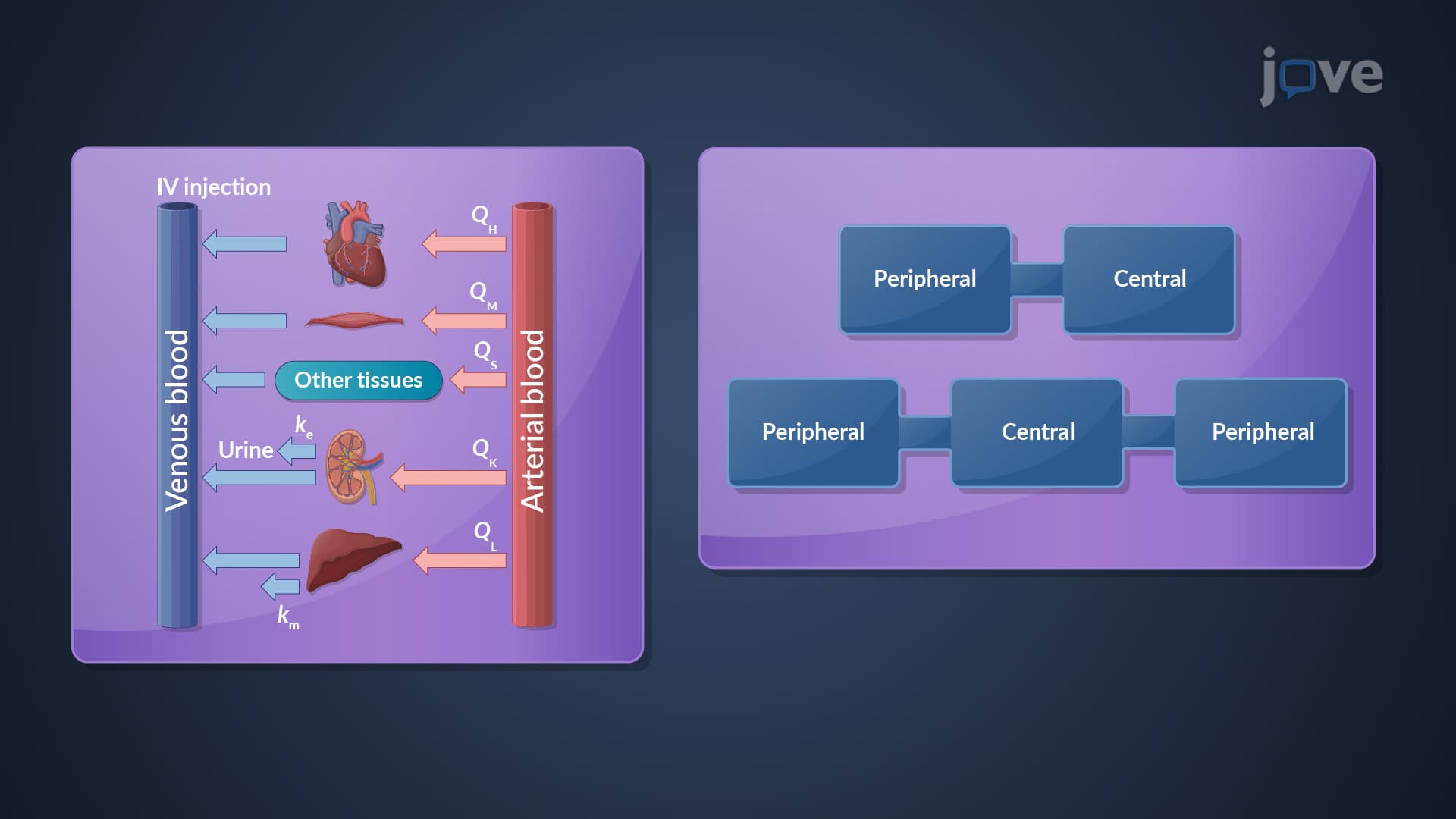
Multicompartment models represent sophisticated mathematical frameworks that pharmacologists and clinicians use to understand drug behavior within the human body. Unlike oversimplified one-compartment models that assume drugs instantly distribute uniformly throughout the body, these advanced models recognize that the human body consists of distinct physiological spaces with varying blood flow rates, tissue binding properties, and drug uptake characteristics.
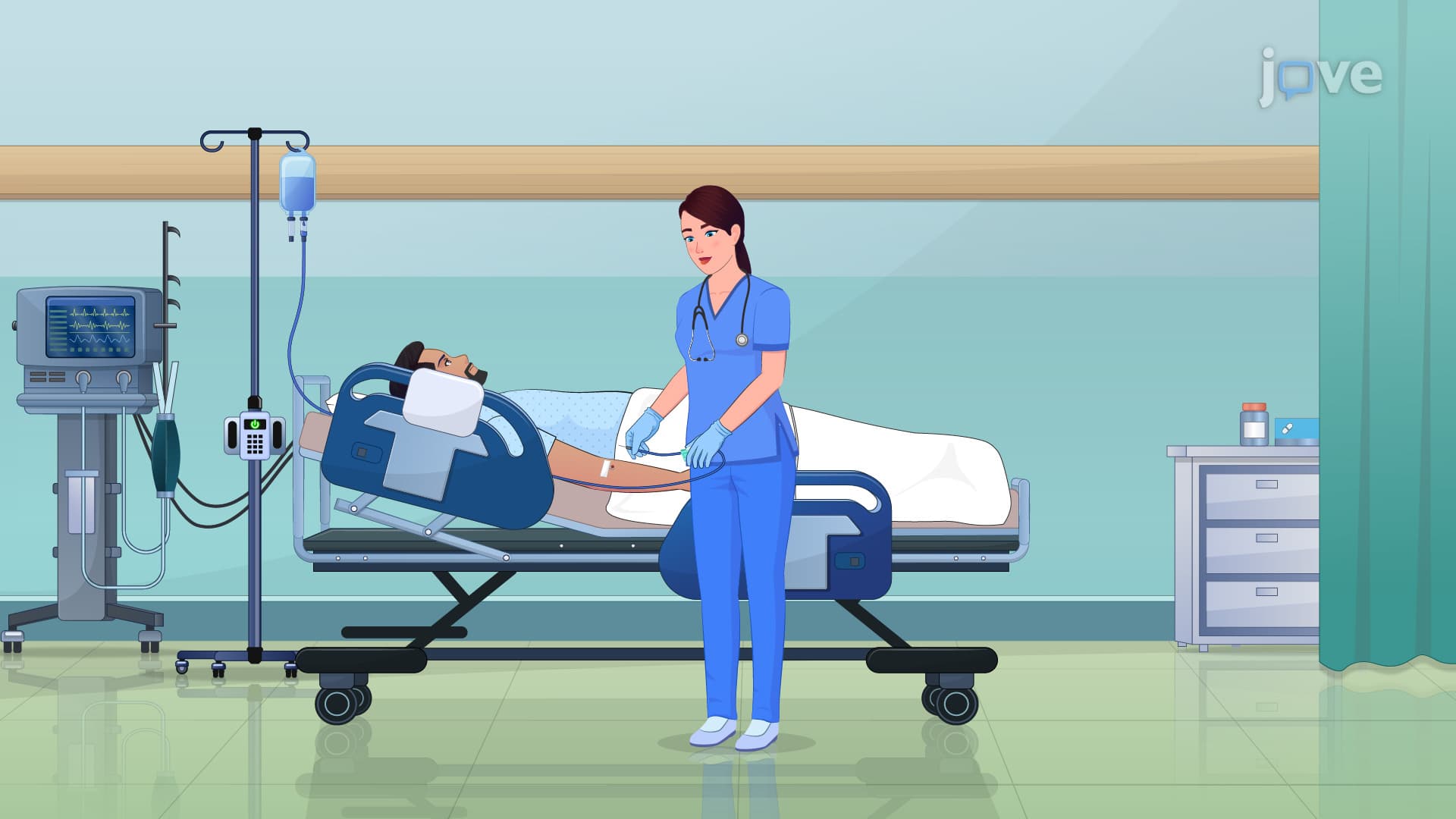
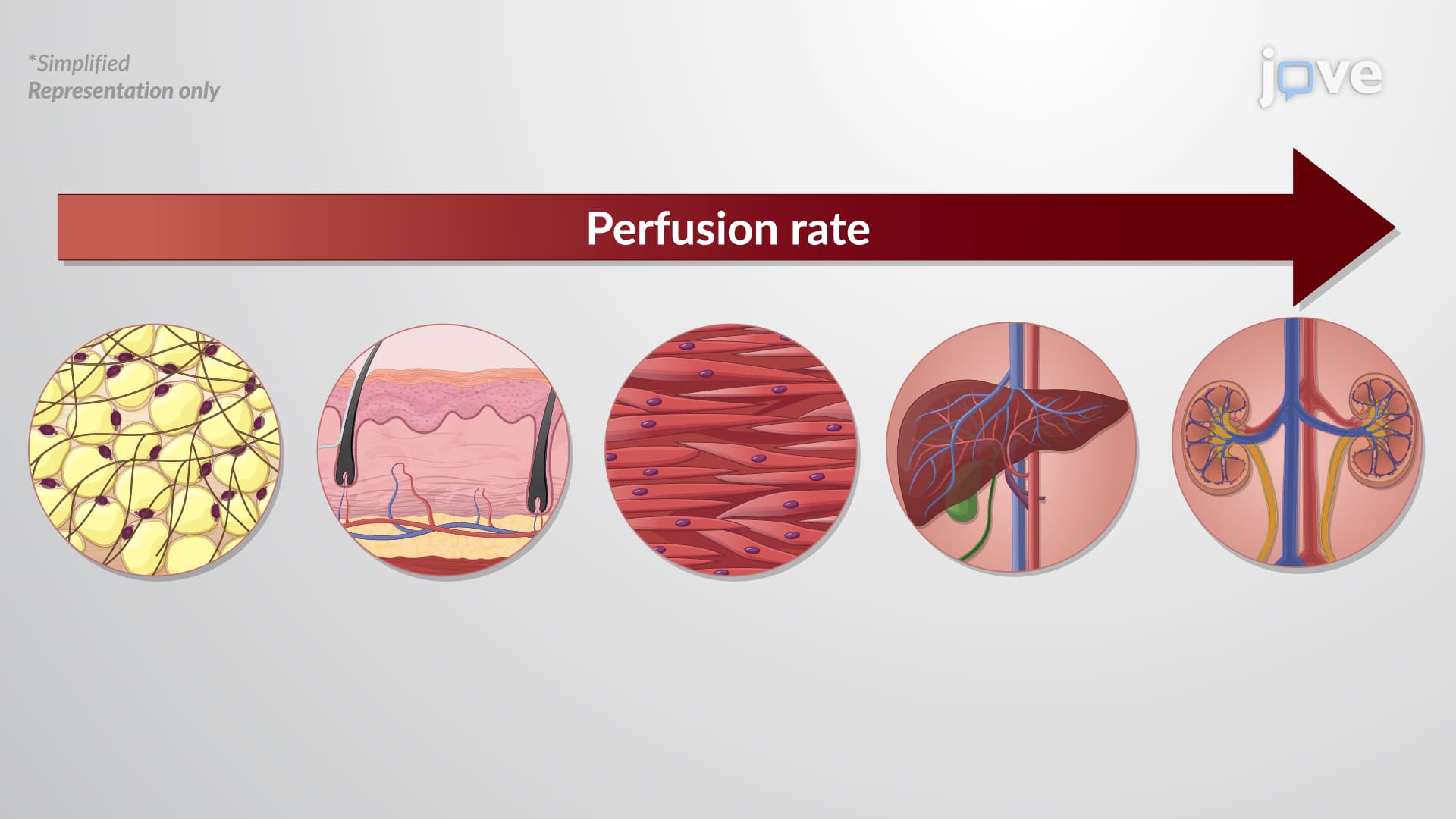
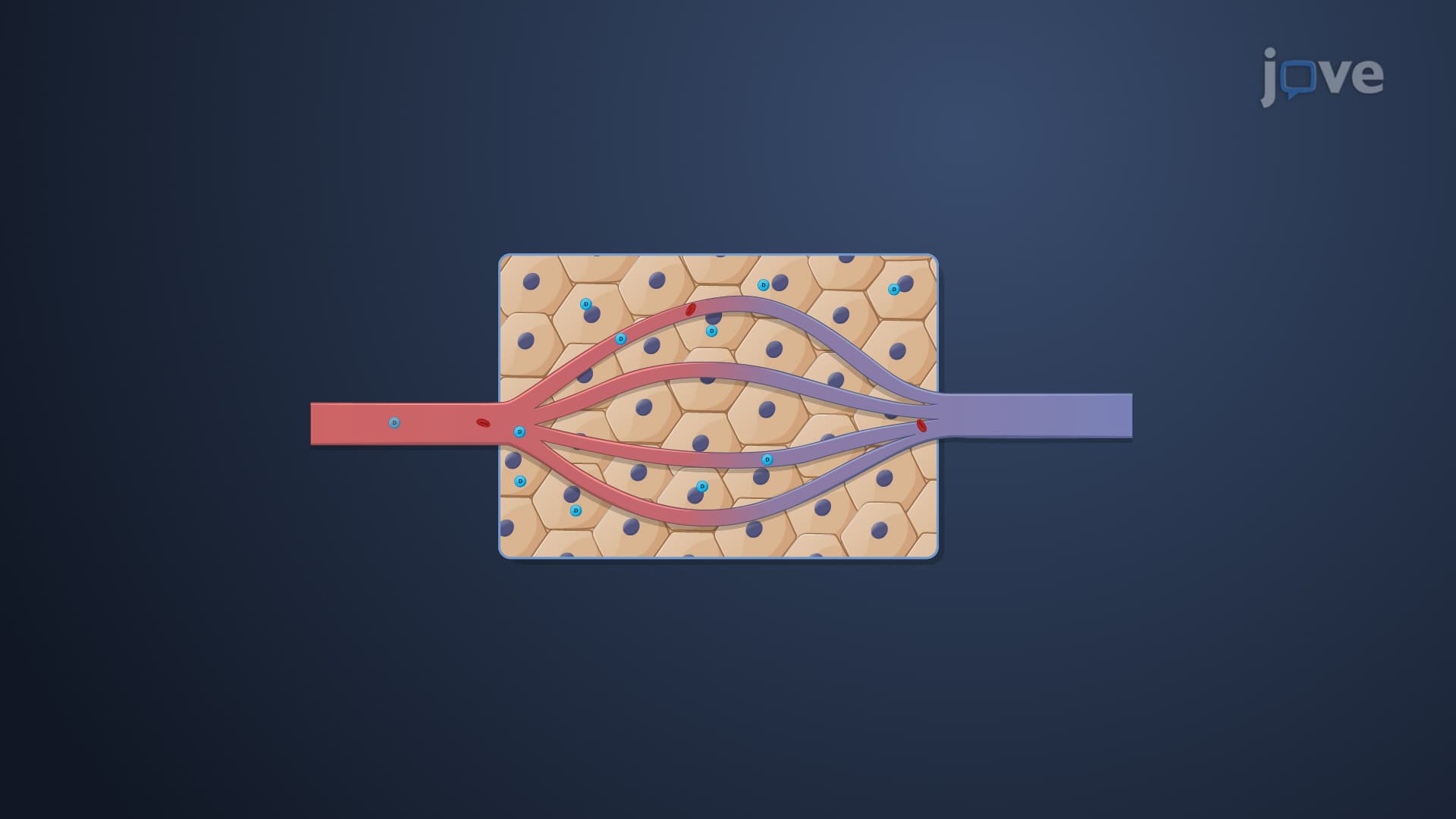
The multicompartment models definition explained centers on dividing the body into functionally similar regions. The central compartment includes highly perfused organs like the heart, lungs, liver, and kidneys-tissues that receive robust blood supply and achieve rapid drug equilibrium. For example, when emergency room physicians administer intravenous epinephrine during cardiac arrest, the drug quickly reaches the central compartment organs within minutes.
Peripheral compartments encompass tissues with slower drug uptake, including muscle, fat, and bone. Consider how anesthetic agents like propofol used in US operating rooms demonstrate this principle: the drug initially concentrates in the central compartment (causing rapid unconsciousness), then gradually redistributes to peripheral compartments (muscle and fat tissue), which explains why patients wake up as the drug moves away from the brain.
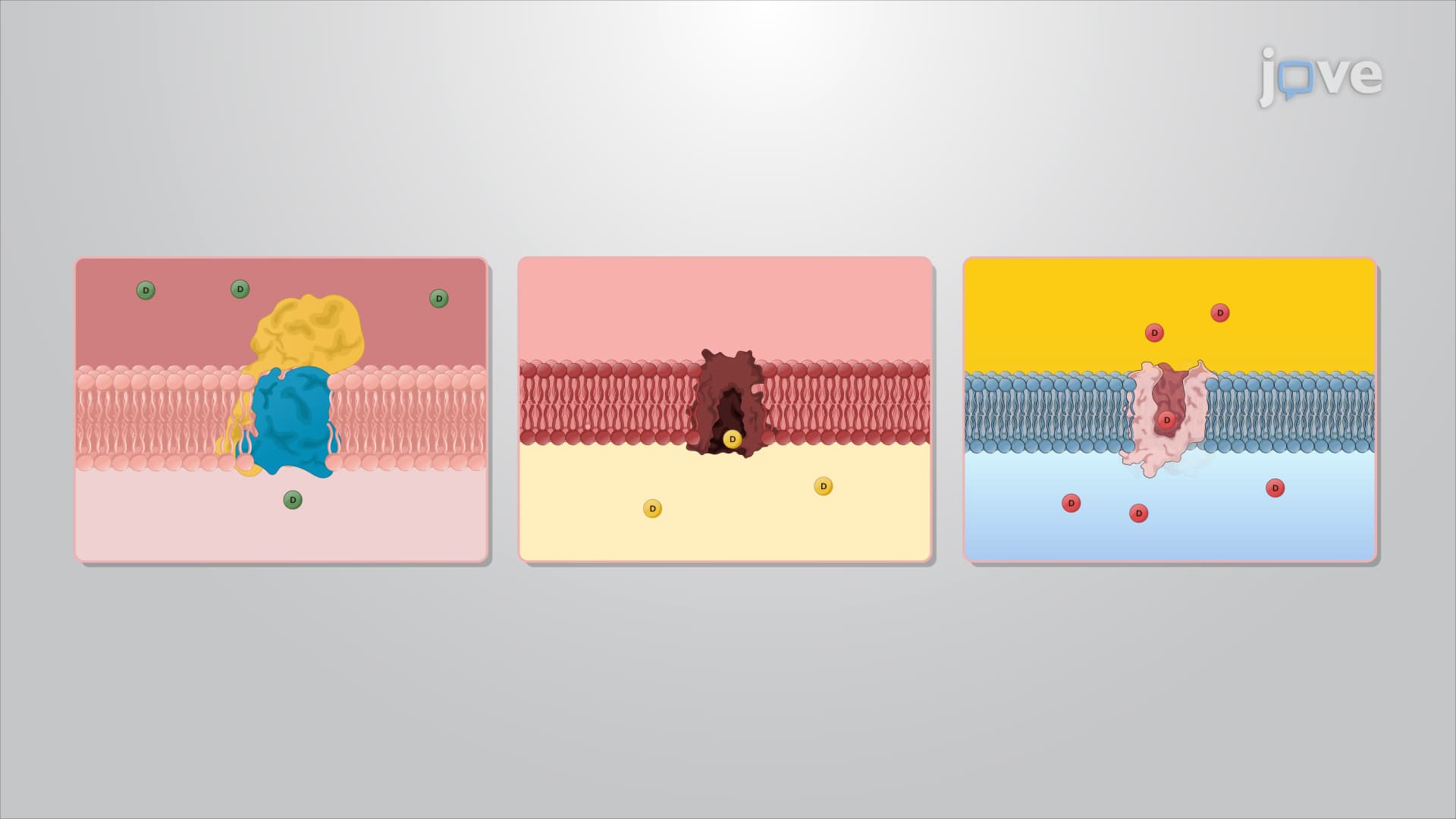
Multicompartment models study guide concepts emphasize that drug movement follows first-order kinetics, meaning the rate of transfer between compartments is proportional to the drug concentration gradient. This reversible process allows drugs to move bidirectionally between compartments until equilibrium is achieved over finite time periods.
This principle proves crucial for understanding drug dosing in clinical practice. For instance, when treating hypertension with ACE inhibitors like lisinopril, physicians must consider how the medication distributes from blood plasma (central compartment) into cardiac and vascular tissues (peripheral compartments) to achieve therapeutic effects.
Students preparing for the MCAT, AP Biology, or pre-pharmacy coursework encounter multicompartment models explained guide concepts when studying pharmacokinetics. These models help predict drug concentrations in specific tissues, optimize dosing regimens, and understand drug-drug interactions. Medical students studying for USMLE Step 1 must master these concepts to understand clinical pharmacology scenarios involving drug distribution, particularly for medications with narrow therapeutic windows like digoxin or warfarin.
Related Micro-courses