Loading subject page…


9,673 views

Video Summary: What Is Two Compartment Open Model
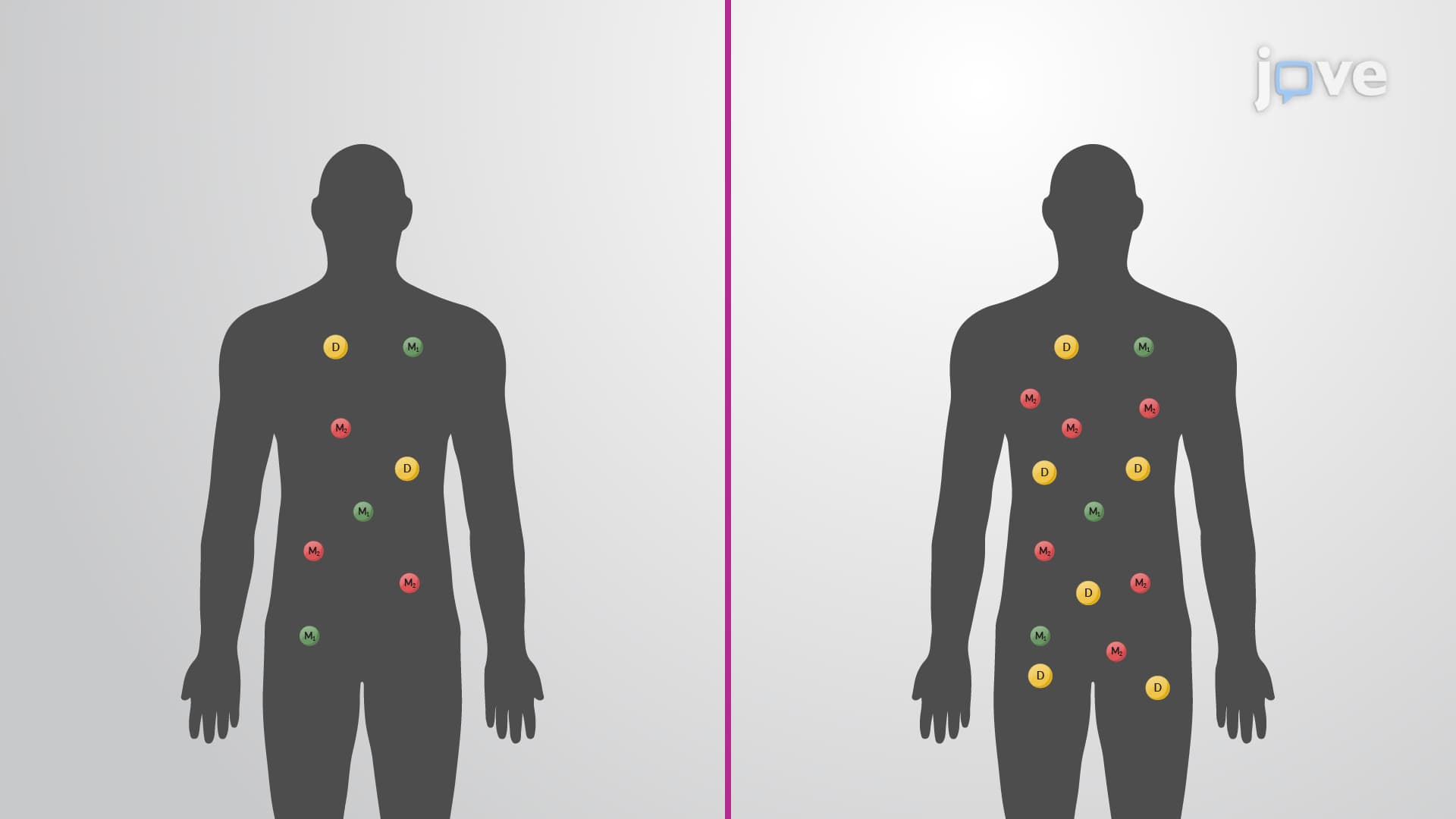
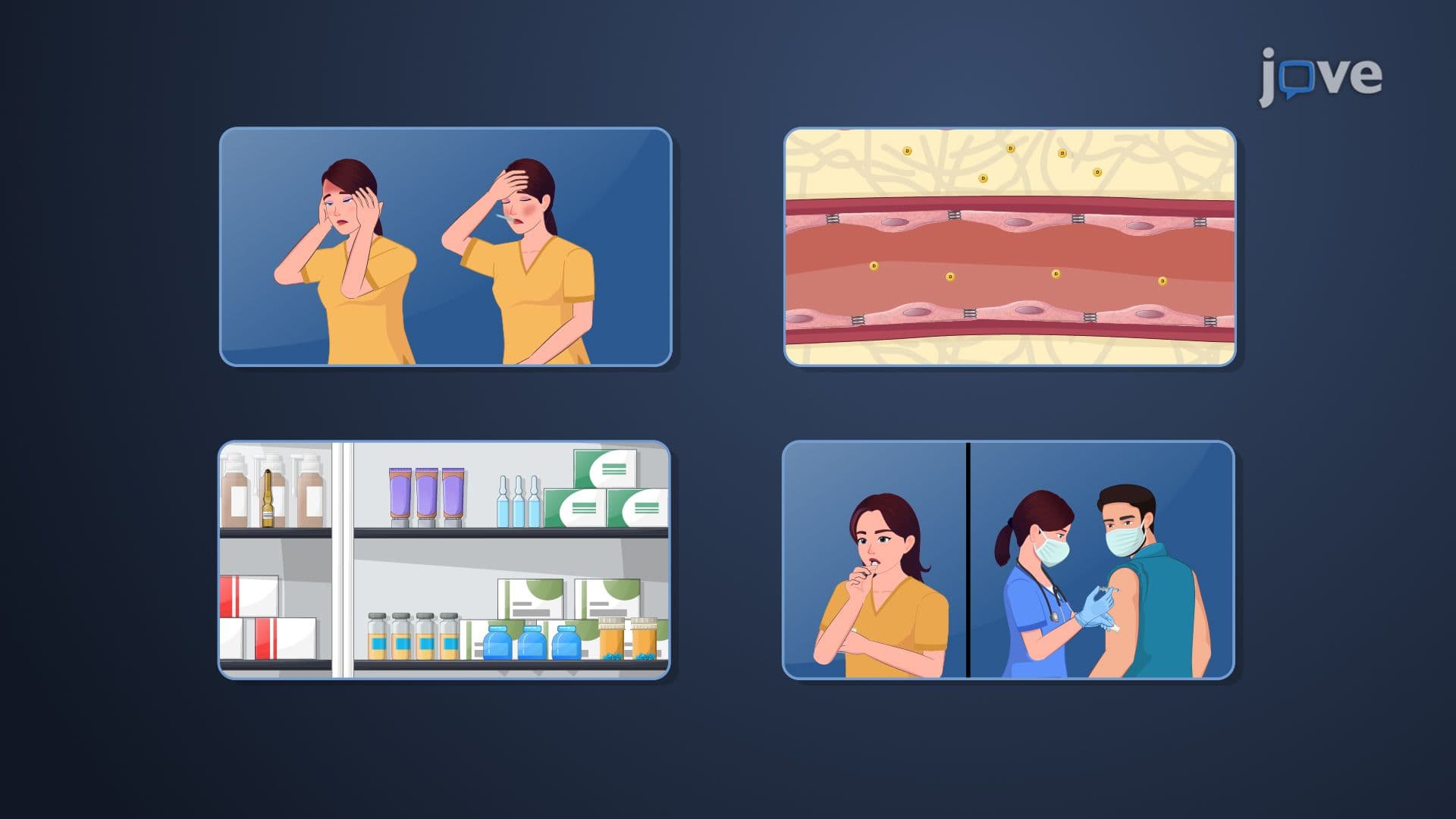
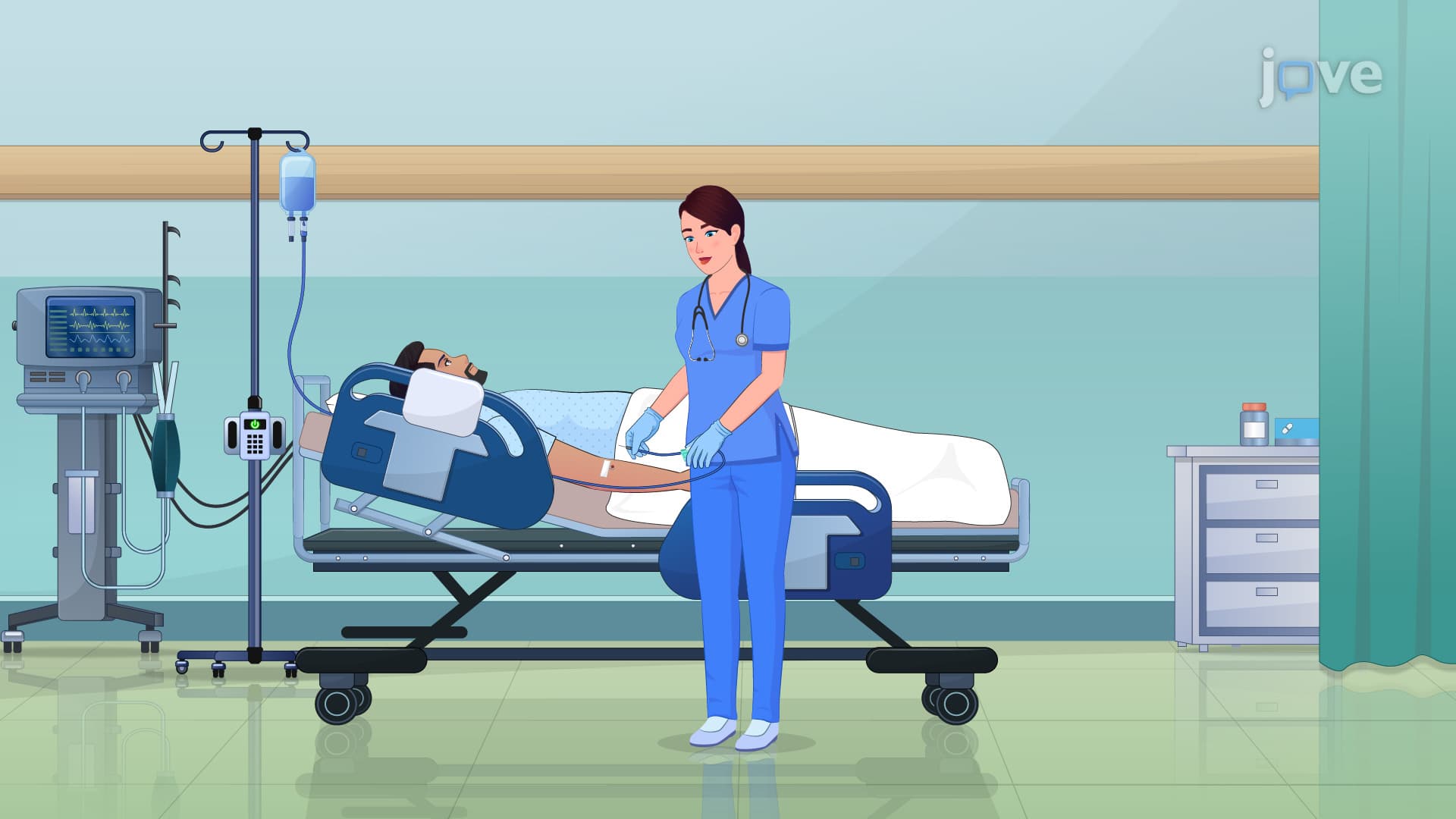
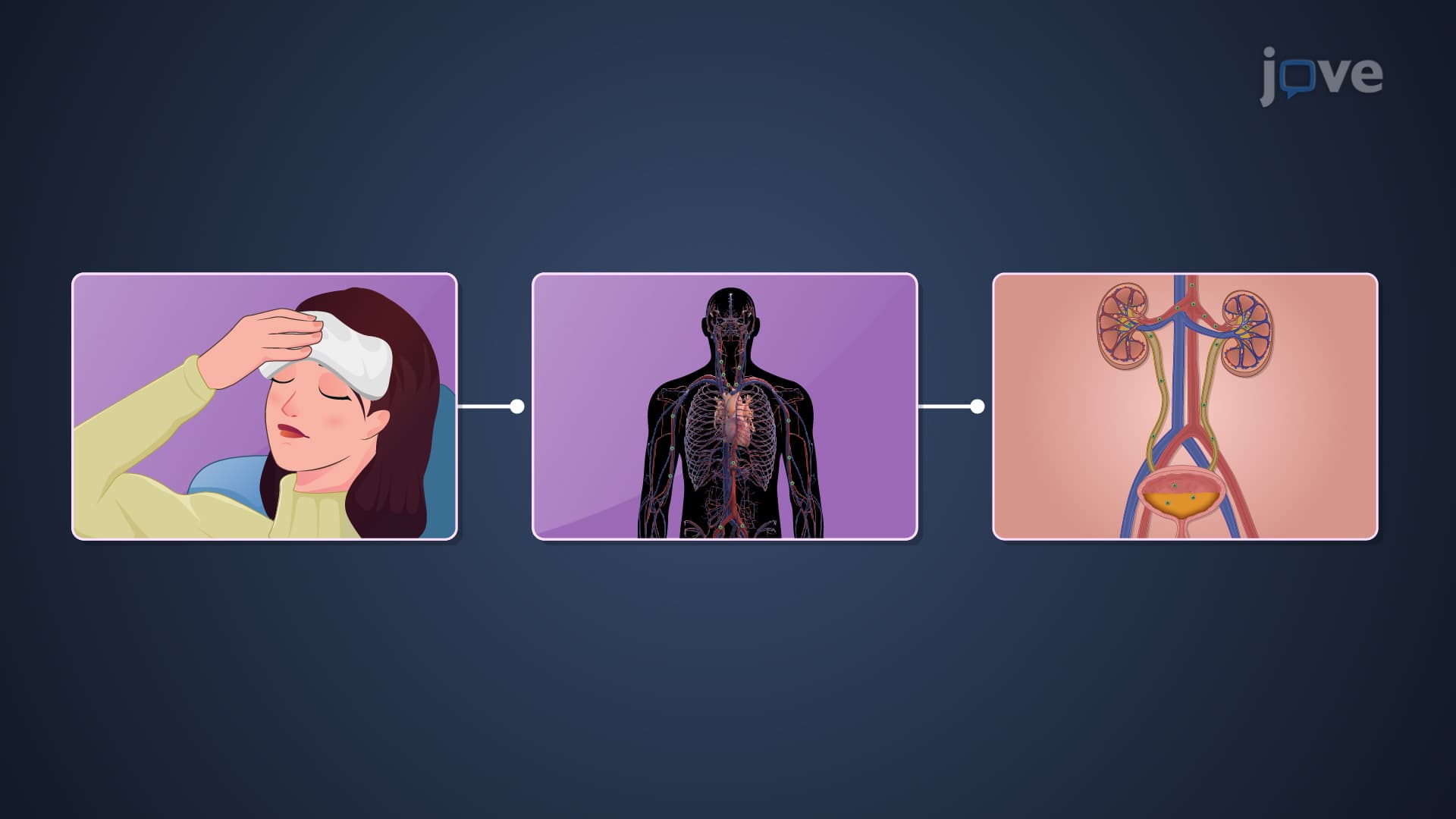
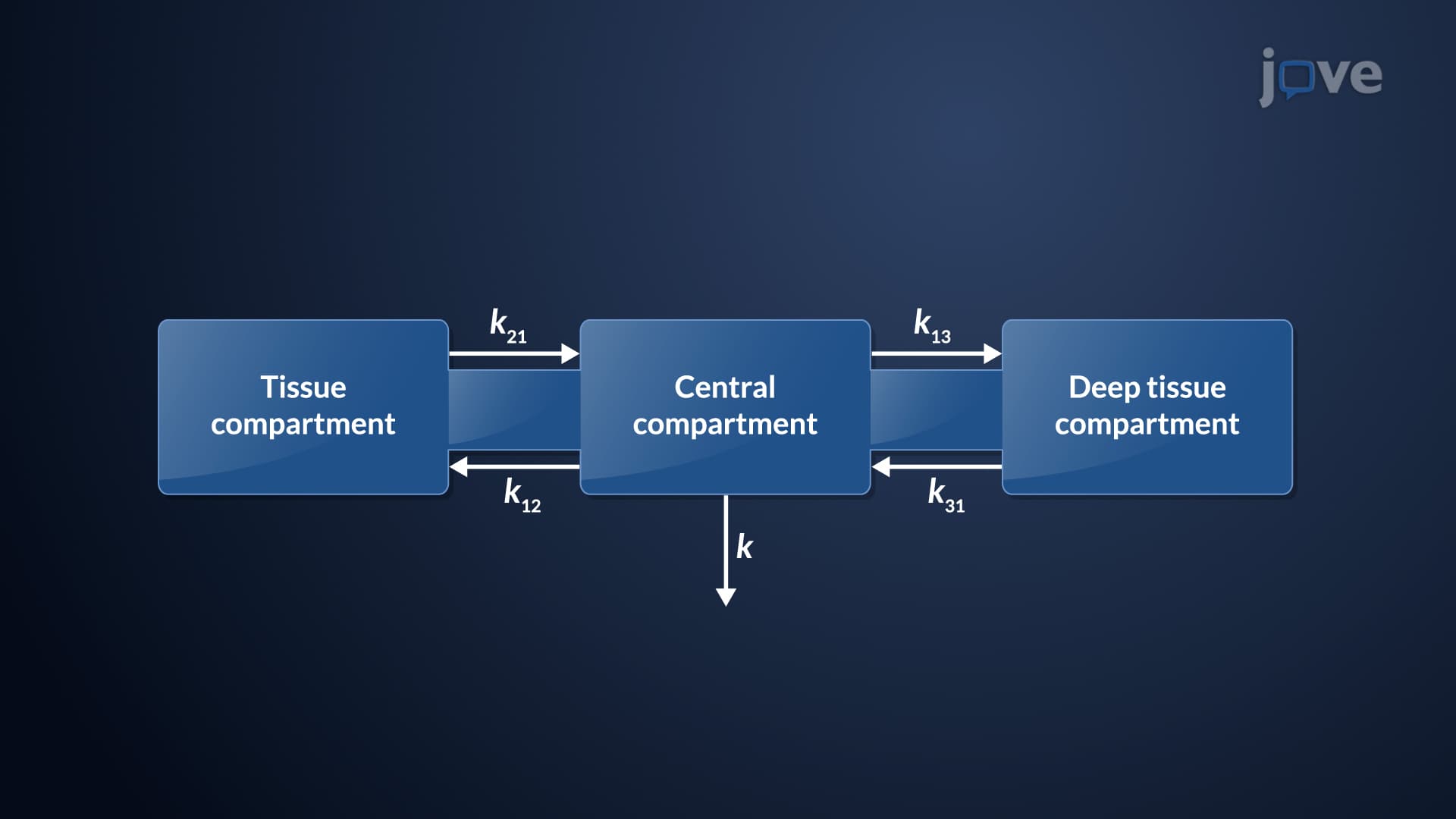
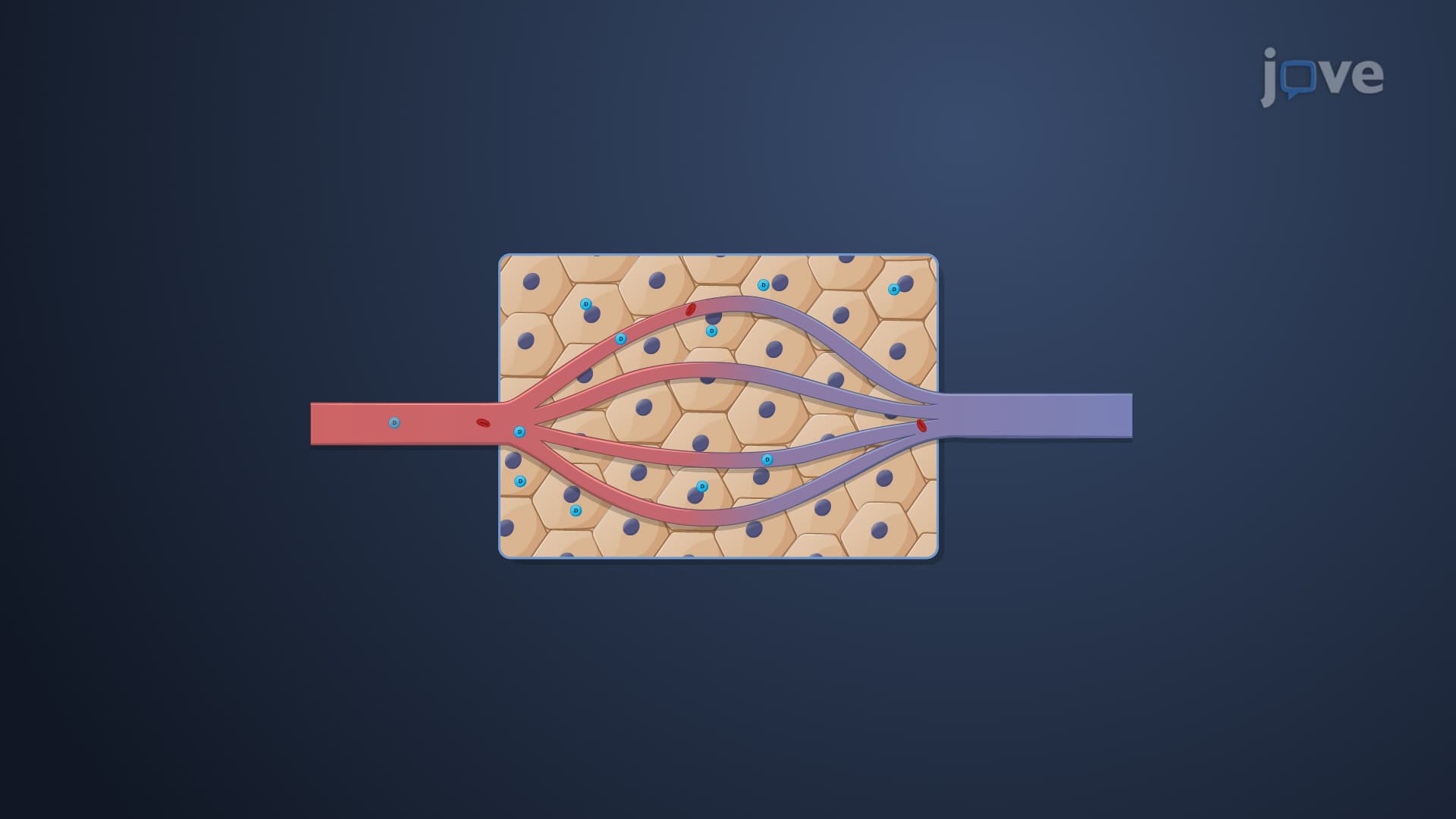
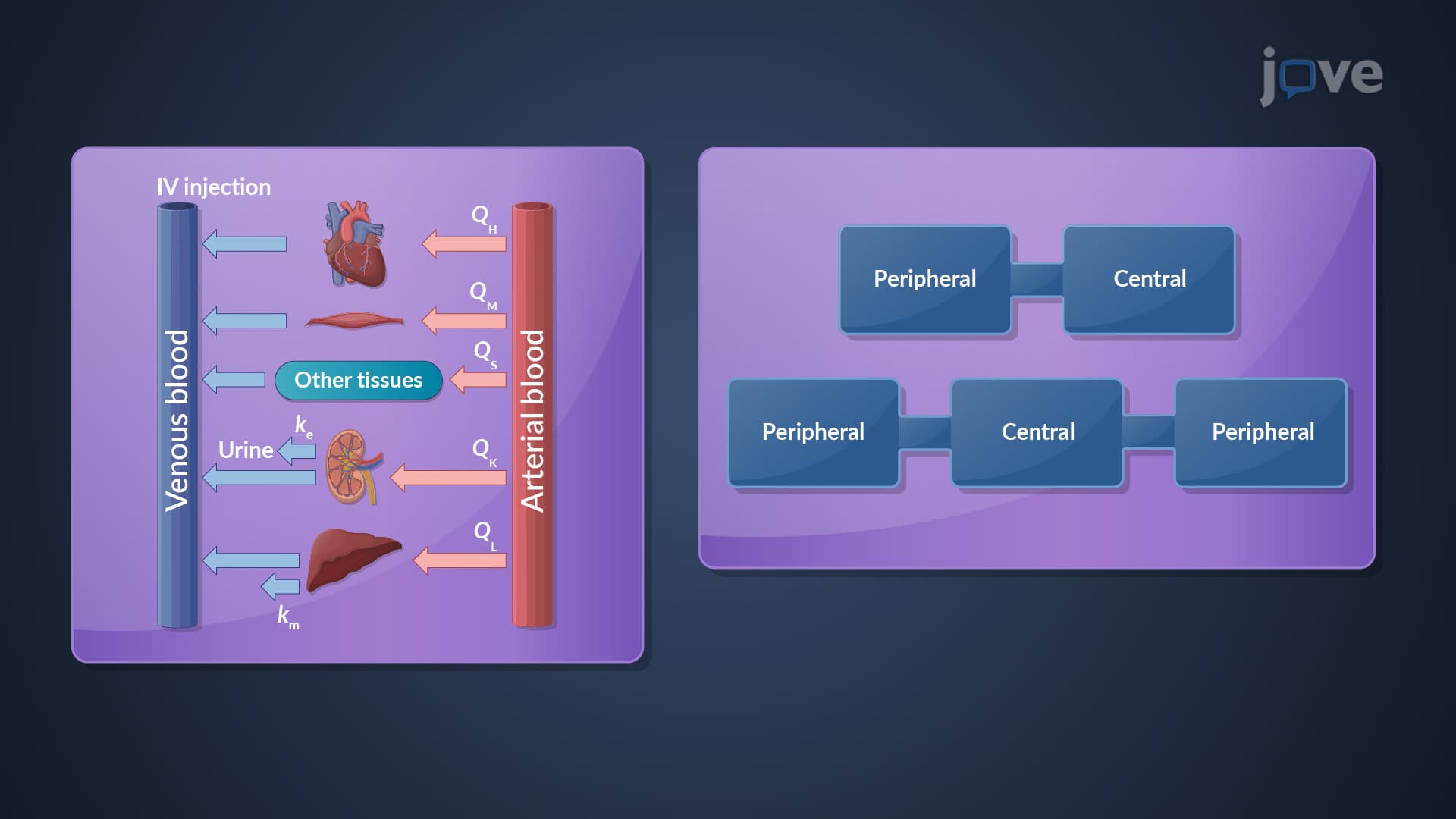
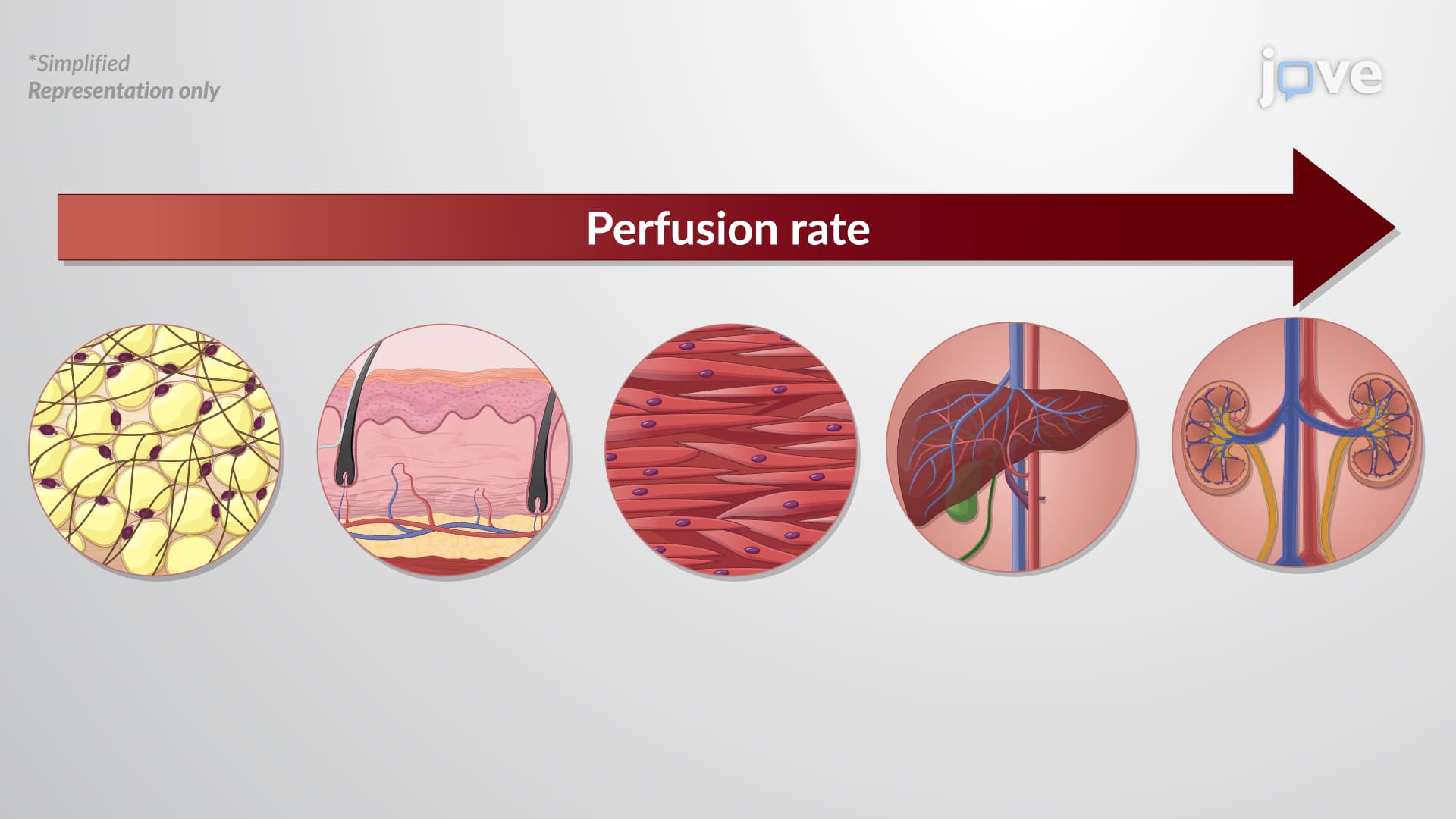
Ever wonder why a pain medication like morphine given intravenously at a hospital takes time to reach muscle tissue but quickly affects your brain? The two compartment open model explains this fascinating drug distribution pattern by dividing body tissues into central and peripheral compartments based on blood flow rates. This pharmacokinetic model helps predict how medications like antibiotics move from highly perfused organs like the liver to slower-equilibrating tissues like fat and muscle. Watch the full video on JoVE Coach to master this concept with expert-led visuals and step-by-explanations.
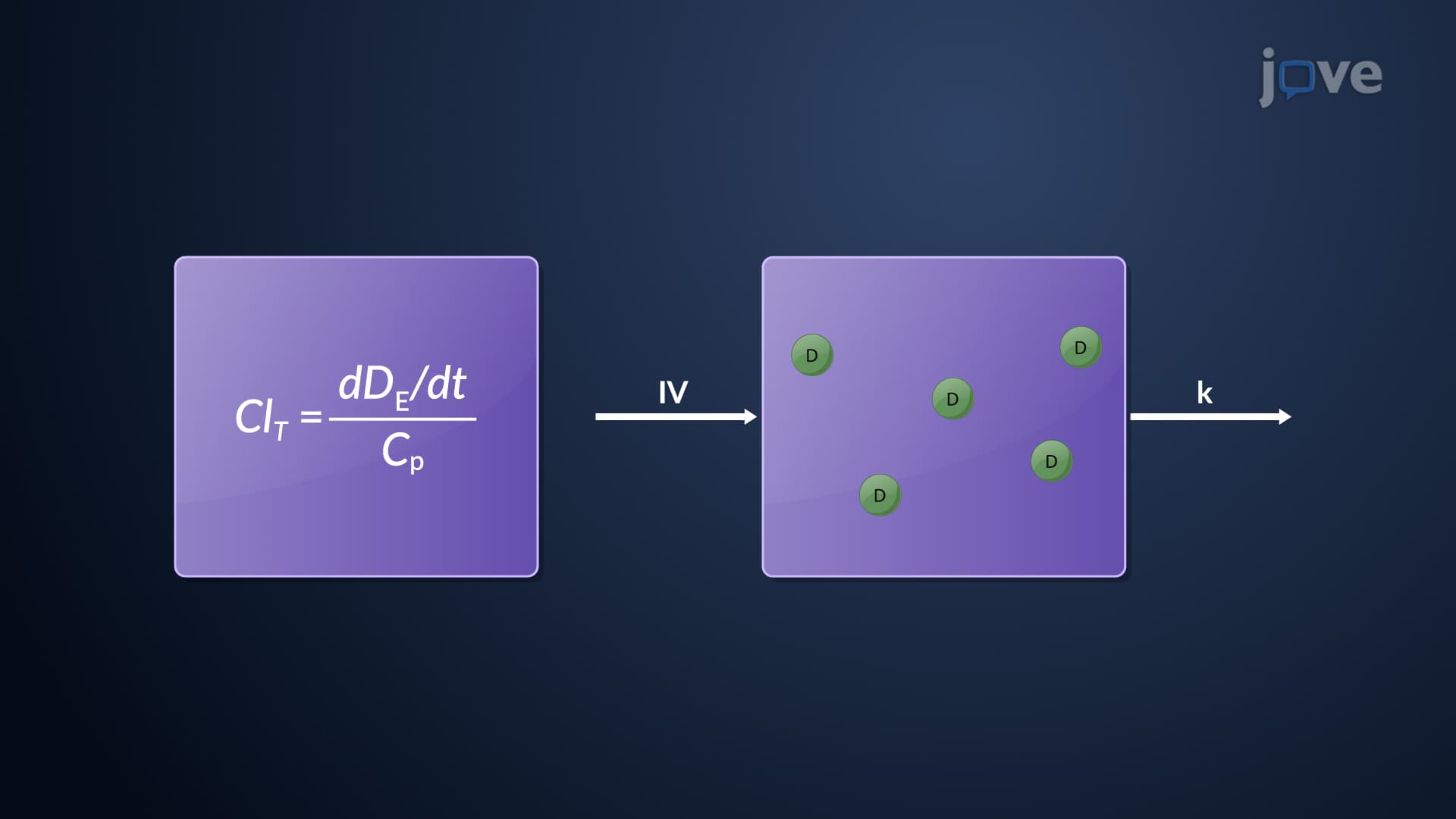
The two compartment open model revolutionized how pharmacologists understand drug distribution in the human body. Unlike simpler one-compartment models that treat the body as a single uniform space, this sophisticated approach recognizes that different tissues receive drugs at vastly different rates. This model proves essential for medical students preparing for the MCAT and pharmacy students tackling complex pharmacokinetics problems.
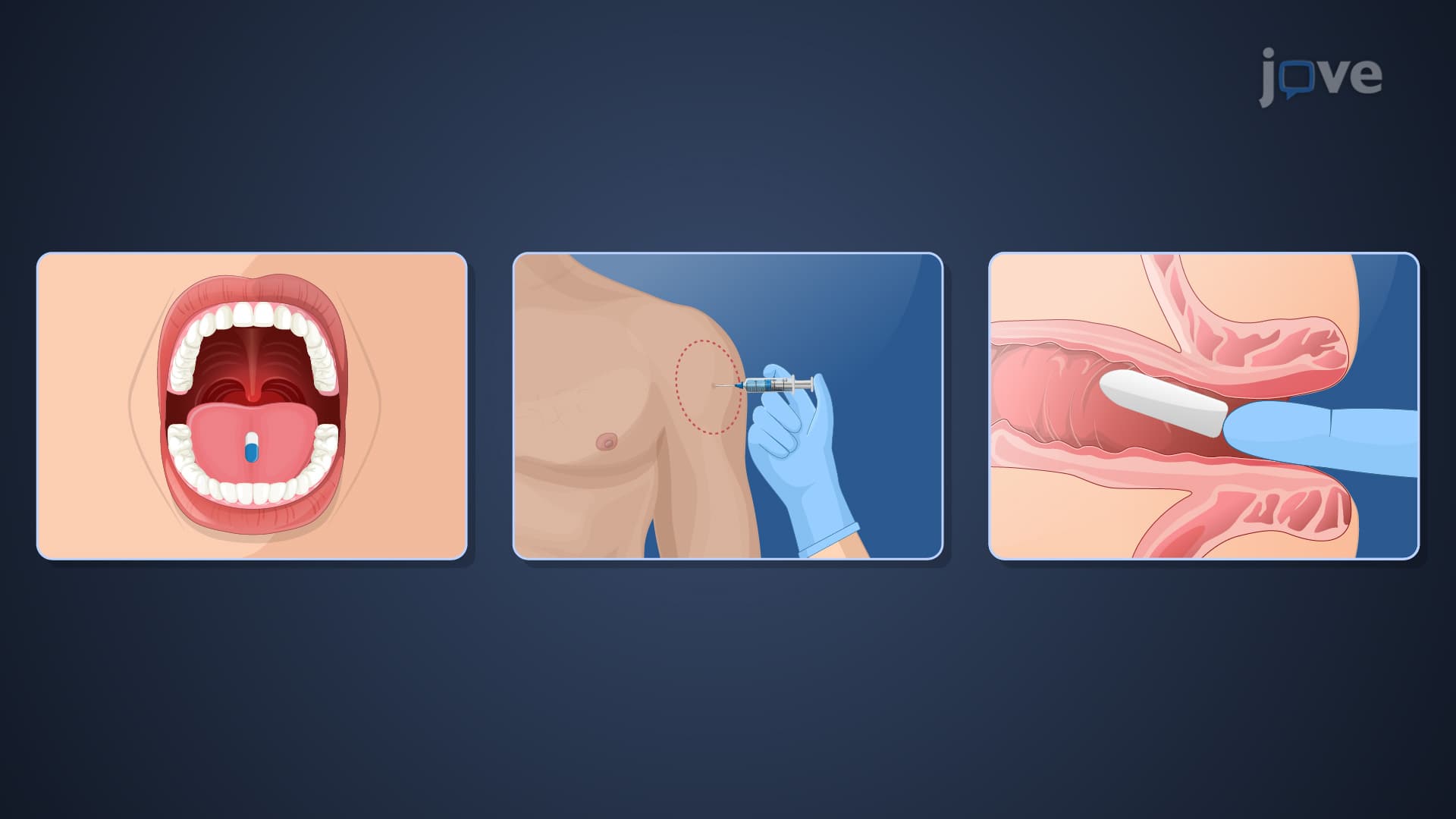
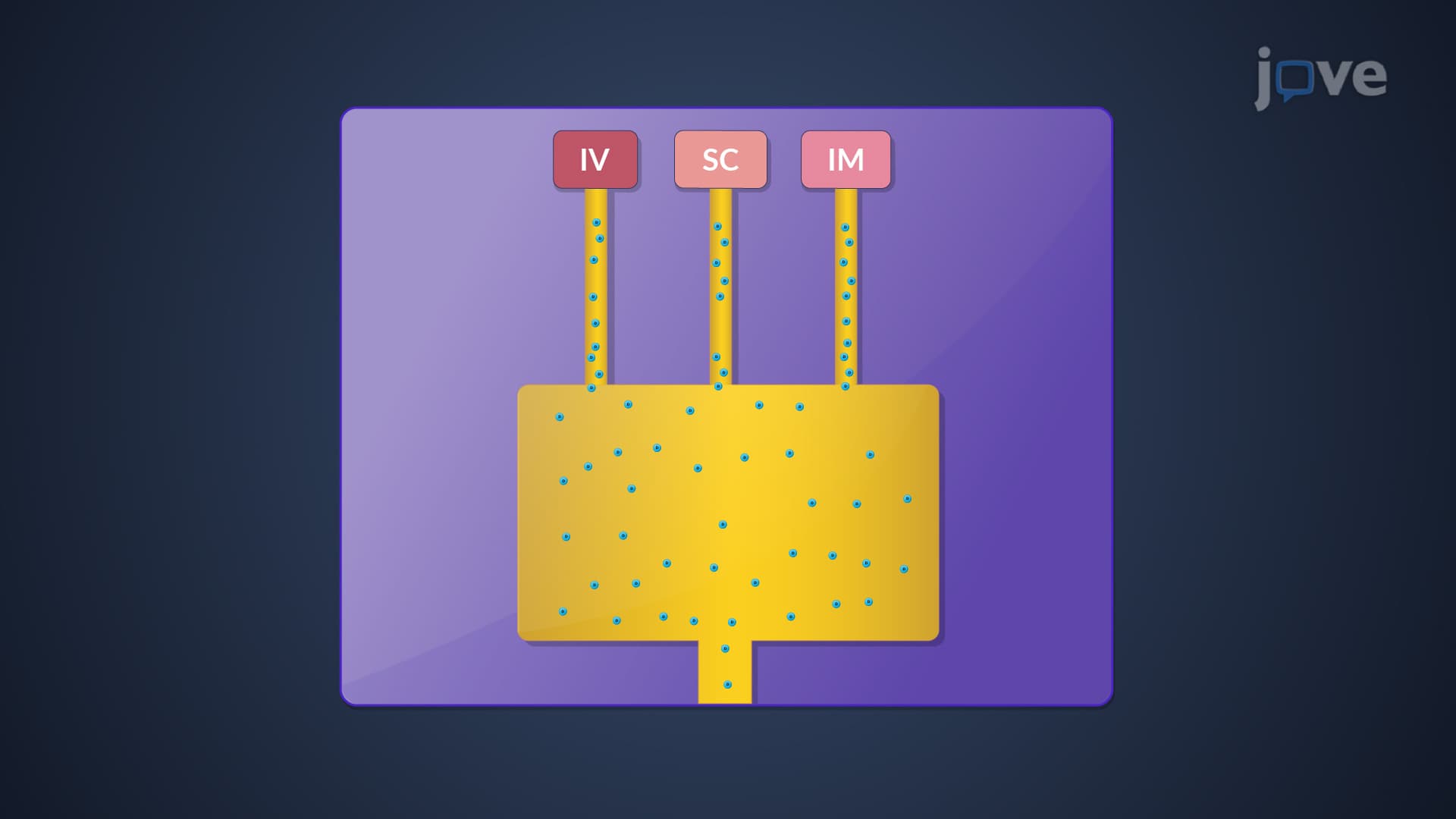
The central compartment represents the body's "express delivery system" - blood plasma and highly vascularized organs that rapidly equilibrate with administered drugs. Key tissues include the heart, brain, liver, kidneys, and lungs. When you receive an intravenous antibiotic like vancomycin at a US hospital, it immediately distributes throughout this central compartment, reaching therapeutic levels in vital organs within minutes. This rapid distribution explains why IV medications show almost immediate effects compared to oral routes.
In contrast, the peripheral compartment encompasses poorly perfused tissues like adipose tissue, bone, skin, and resting skeletal muscle. These tissues act like "slow-release reservoirs," gradually absorbing drugs from the central compartment. For example, when anesthesiologists administer propofol during surgery, the drug initially concentrates in the central compartment but slowly redistributes to fat tissue, which explains the drug's prolonged elimination phase.
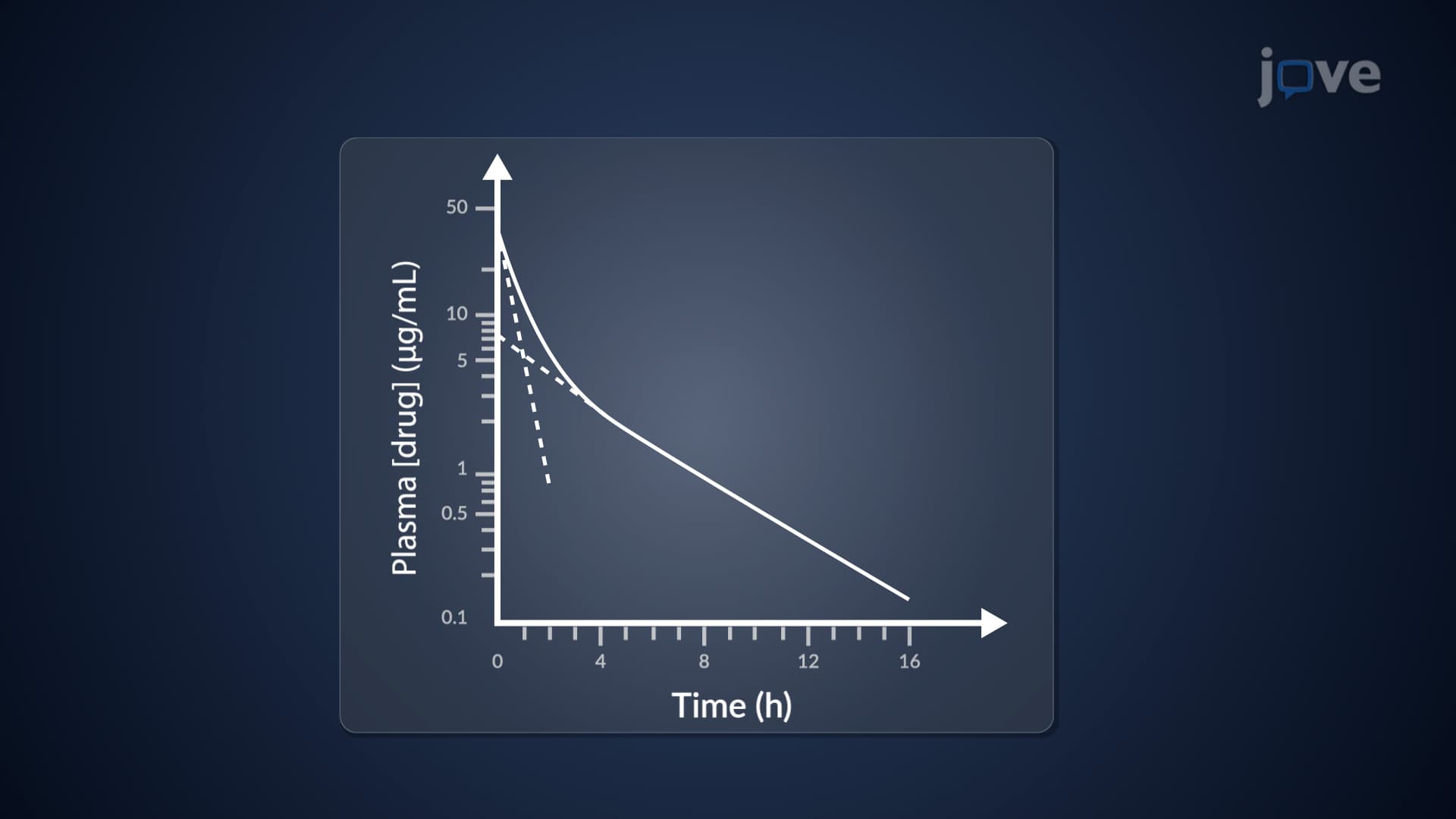
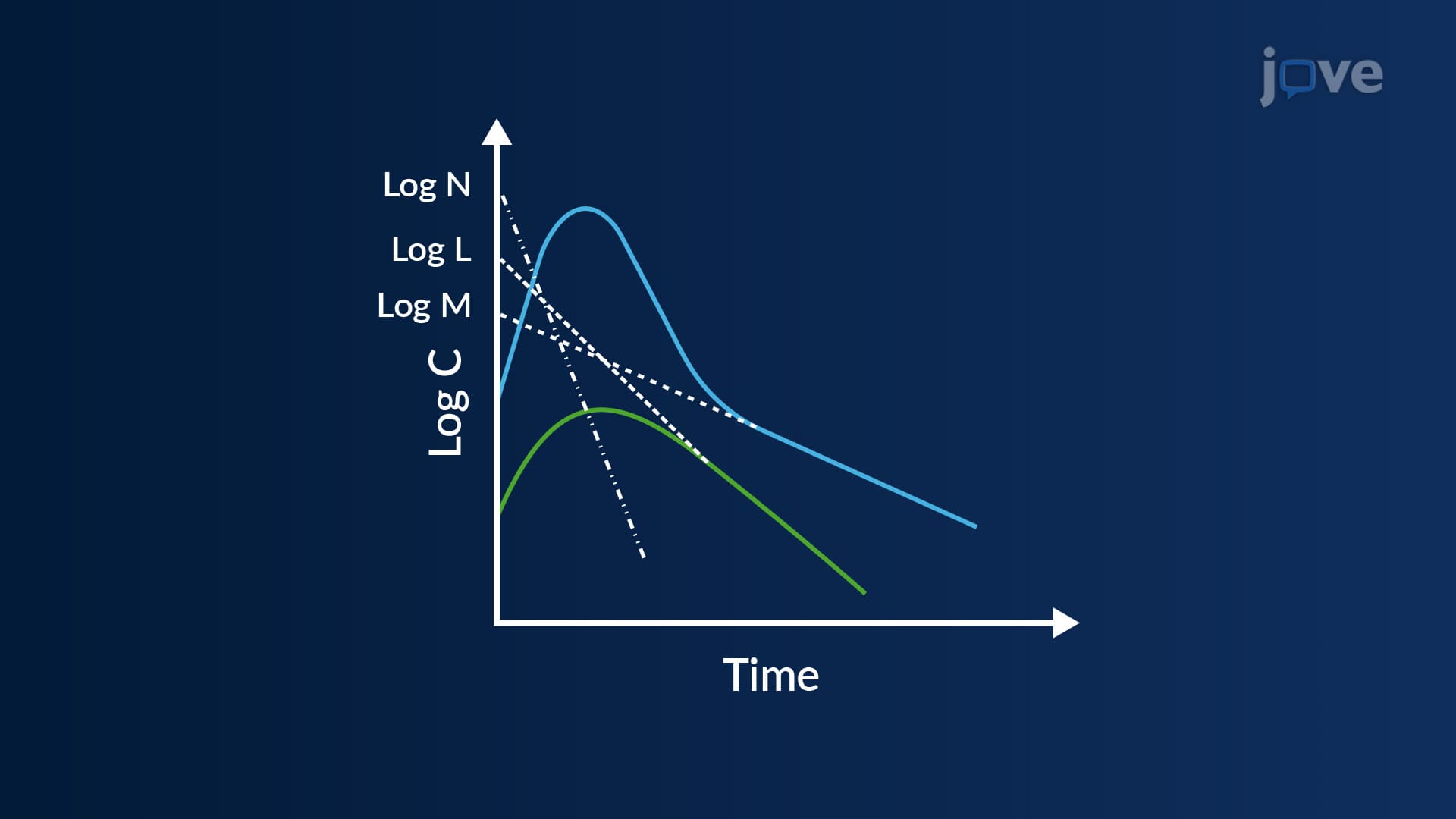
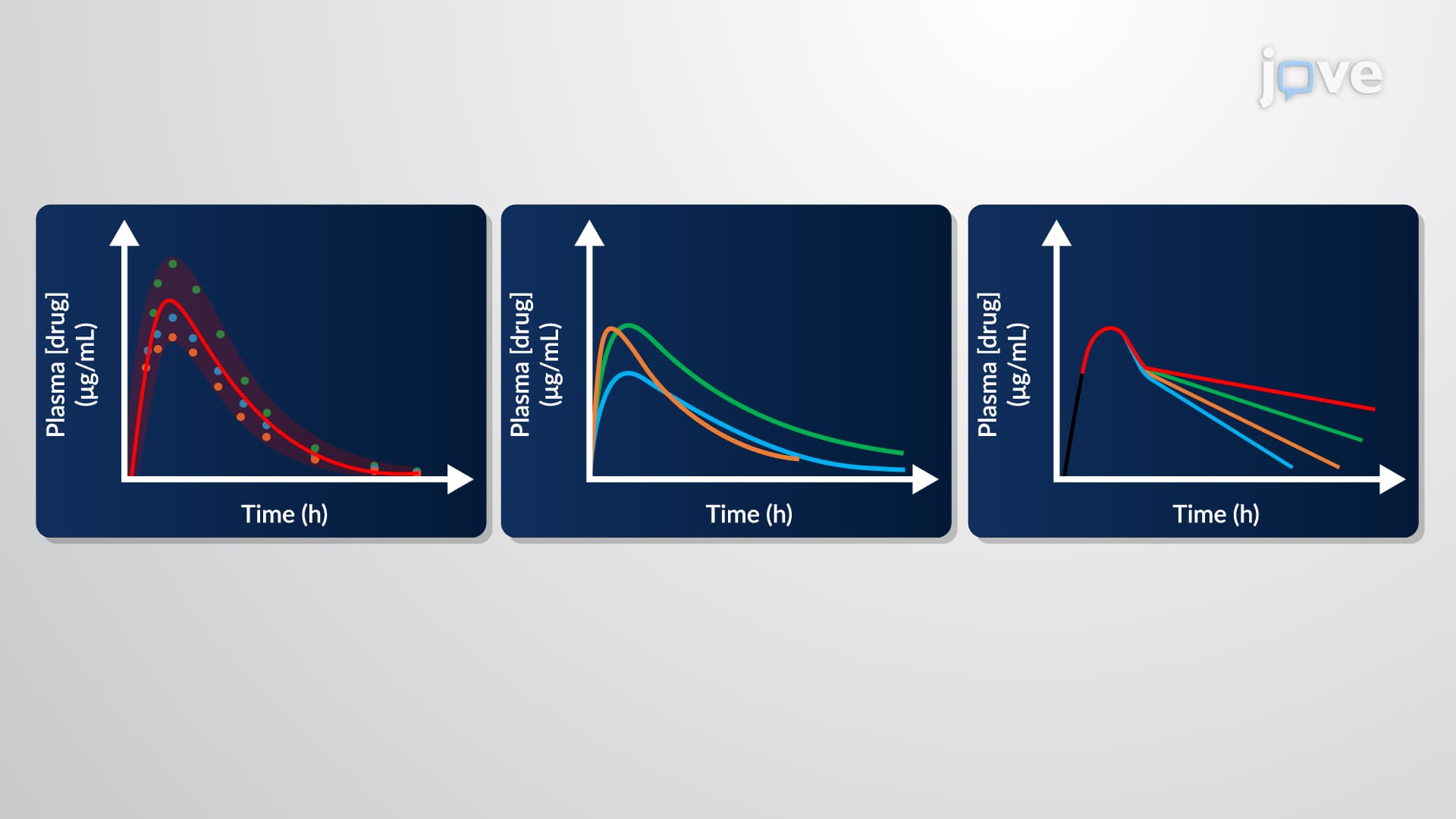
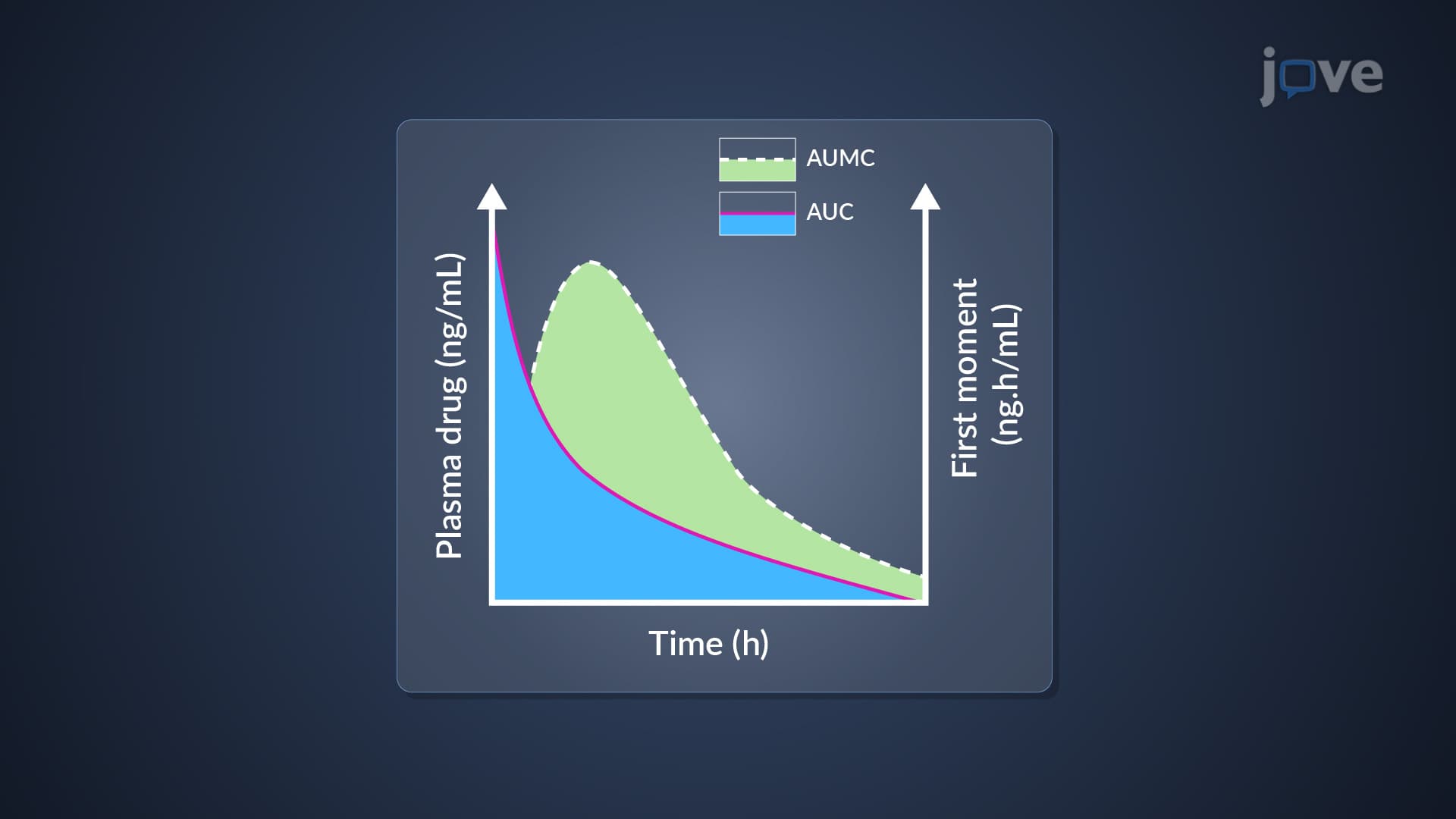
Two-compartment models generate characteristic biexponential decay curves when plotting plasma drug concentrations over time. The initial rapid decline represents distribution to peripheral tissues, while the slower terminal phase reflects drug elimination. This pattern appears frequently on USMLE Step 1 questions and advanced placement chemistry exams. Understanding these curves helps clinicians optimize dosing regimens for drugs like digoxin, where therapeutic monitoring prevents toxicity in elderly patients with altered distribution patterns.
Modern pharmaceutical companies use these models during drug development to predict human pharmacokinetics from animal data, ensuring safe and effective medications reach US markets through FDA approval processes.
Related Micro-courses