Loading subject page…

- Physics
- Fluid Mechanics
- Characteristics of Fluids
Micro-course: Fluid Mechanics
201,019 views
Learn key concepts and earn your certificate.


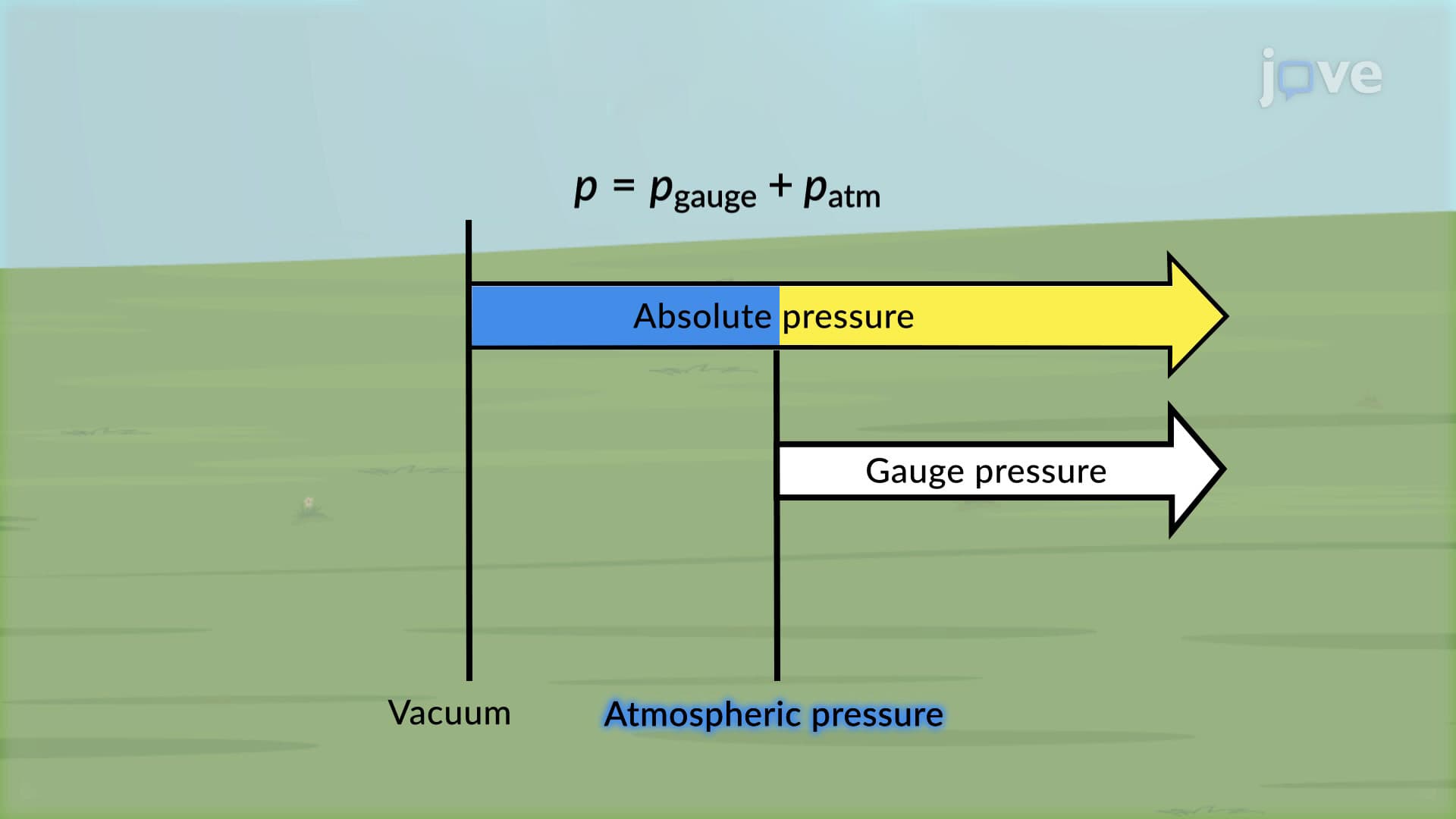
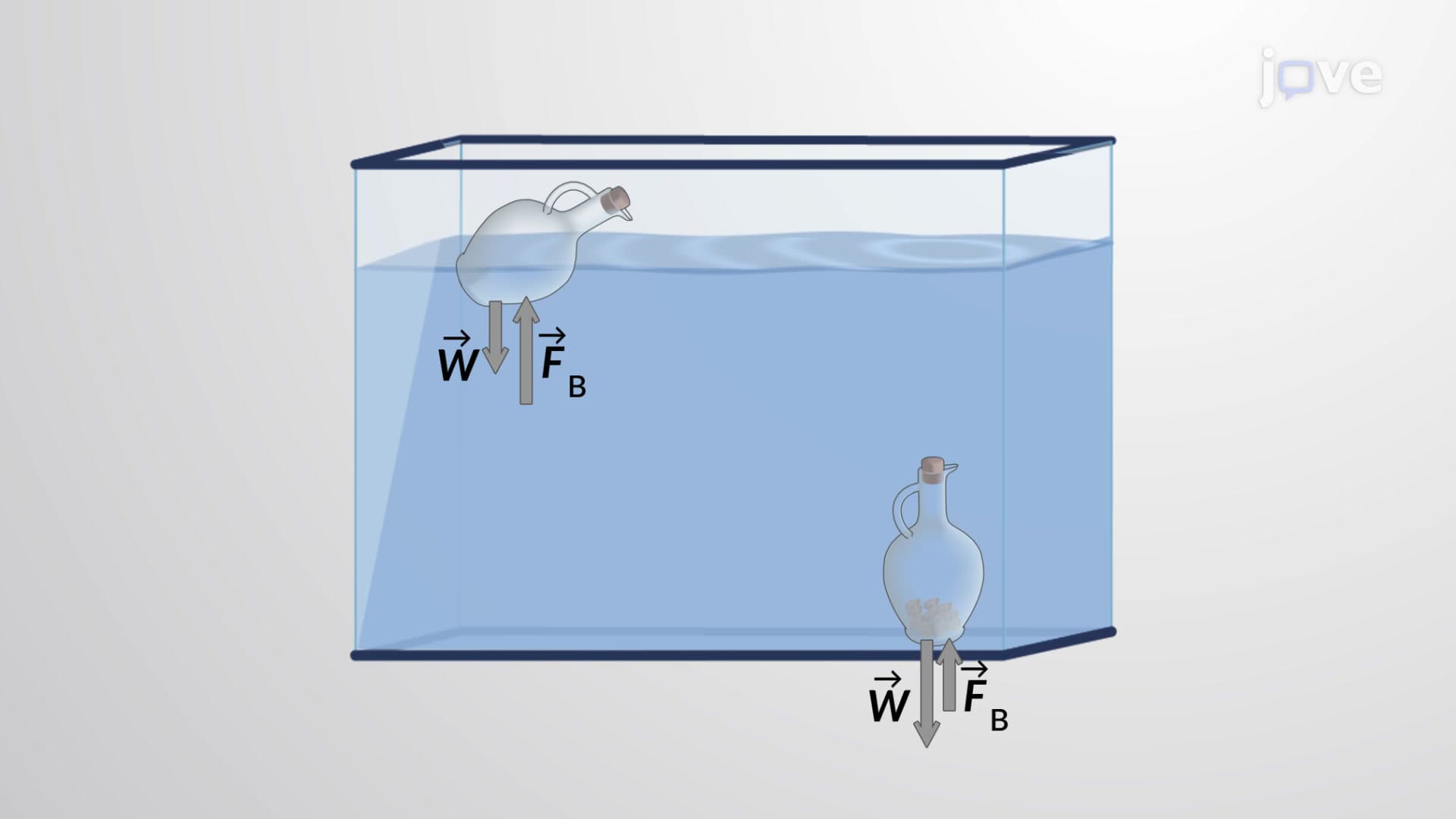


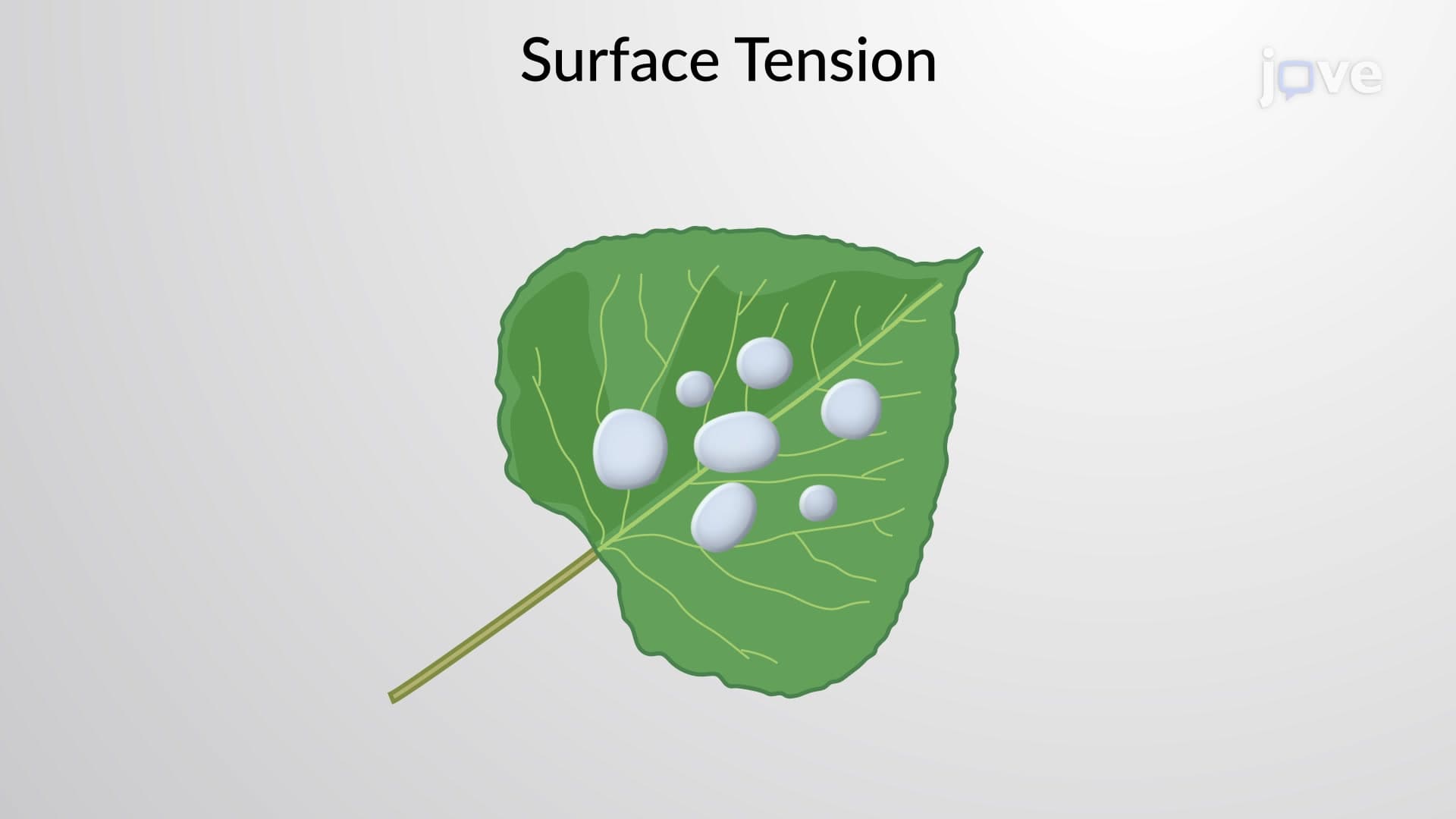





Characteristics of Fluids

00:00
01:20
Video Summary: What are Characteristics of Fluids
Why does honey pour slowly while water flows instantly? The characteristics of fluids explain this fascinating difference in behavior. Unlike solids, fluids-including liquids and gases-lack a definite shape and continuously deform under shearing forces. Consider how crude oil flows through the Trans-Alaska Pipeline System, demonstrating fluid properties on a massive scale. Understanding what are characteristics of fluids reveals why liquids maintain volume while gases expand to fill containers, and how molecular spacing affects compressibility. Watch the full video on JoVE Coach to master this concept with expert-led visuals and step-by-step explanations.
- Understand what are characteristics of fluids and how they differ fundamentally from solid materials
- Identify the key properties that distinguish liquids from gases within the fluid category
- Analyze how molecular structure and intermolecular forces determine fluid behavior
- Compare the response of fluids versus solids when subjected to shearing forces
- Evaluate the compressibility differences between liquids and gases based on molecular spacing
- Apply fluid mechanics principles to distinguish between fluid statics and fluid dynamics
- Recognize how intermolecular forces affect the ability of fluids to flow and deform
- Explore the practical implications of fluid characteristics in engineering and everyday applications
Understanding the Characteristics of Fluids
The characteristics of fluids form the foundation of fluid mechanics, a critical branch of physics and engineering. Unlike rigid solids that maintain their shape under normal conditions, fluids possess the unique ability to flow and conform to their containers. This fundamental difference stems from their molecular structure and the forces acting between molecules.
Molecular Structure and Intermolecular Forces
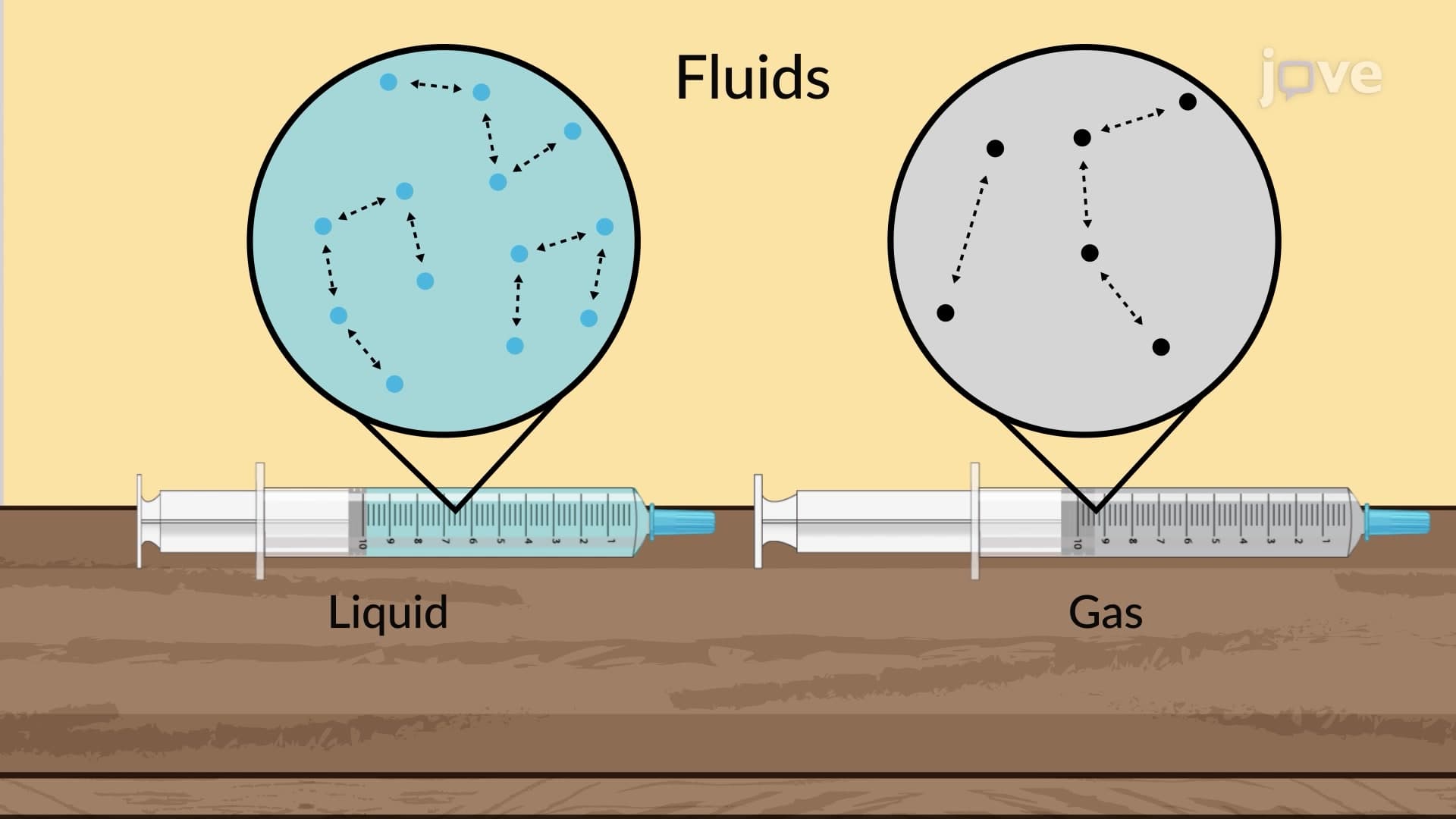
The types of characteristics of fluids can be traced back to their molecular composition. In fluids, molecules are spaced farther apart compared to solids, resulting in weaker intermolecular forces. This arrangement allows molecules greater freedom of movement, enabling the continuous deformation that defines fluid behavior. When you observe water taking the shape of its container or air expanding to fill a room, you're witnessing these molecular-level characteristics in action.
The strength of intermolecular forces directly impacts fluid properties. Van der Waals forces, hydrogen bonding, and dipole interactions all play crucial roles in determining how a fluid behaves under different conditions. For instance, water's hydrogen bonding gives it unique properties compared to other liquids of similar molecular weight.
Response to Shearing Forces
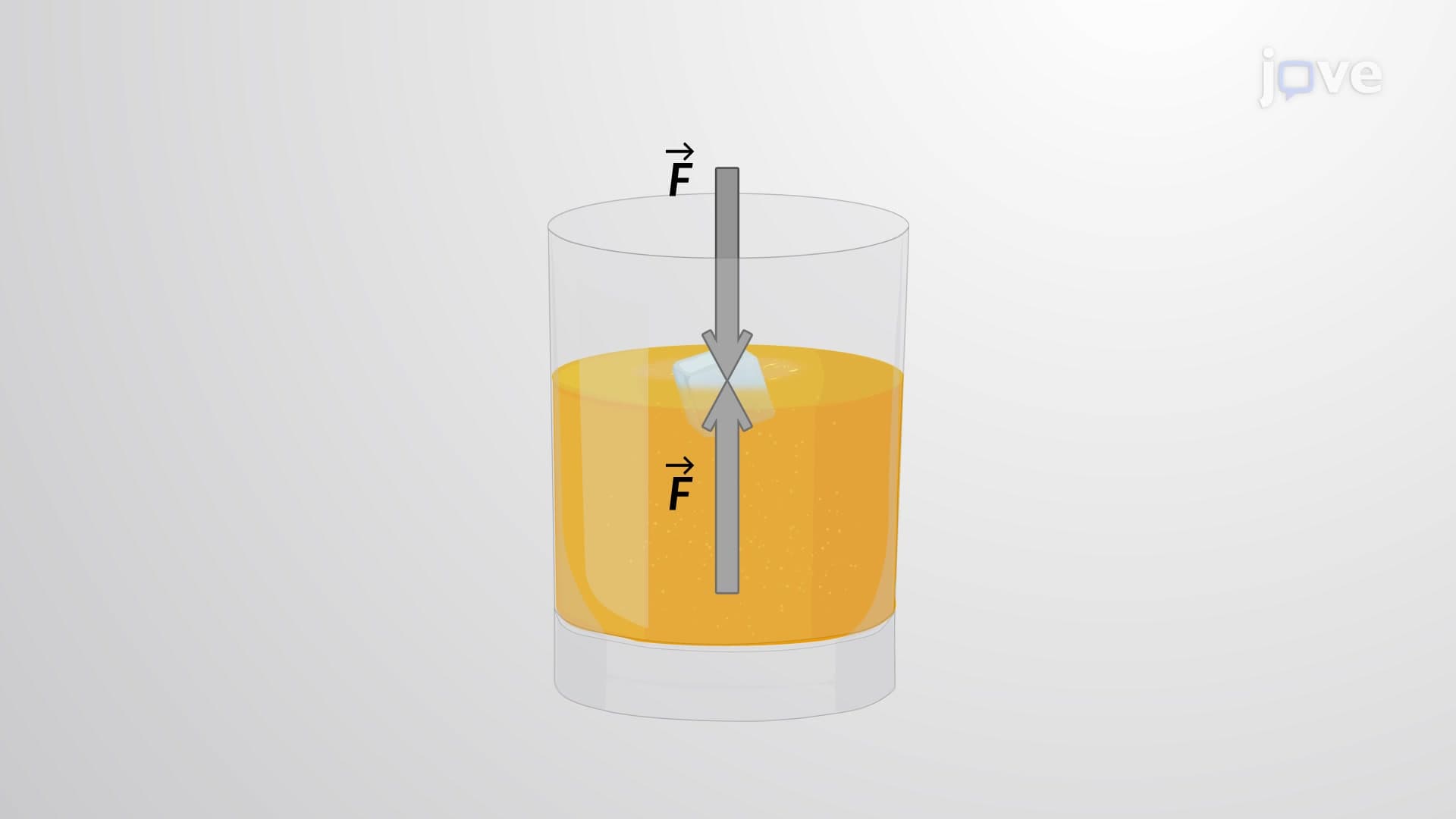
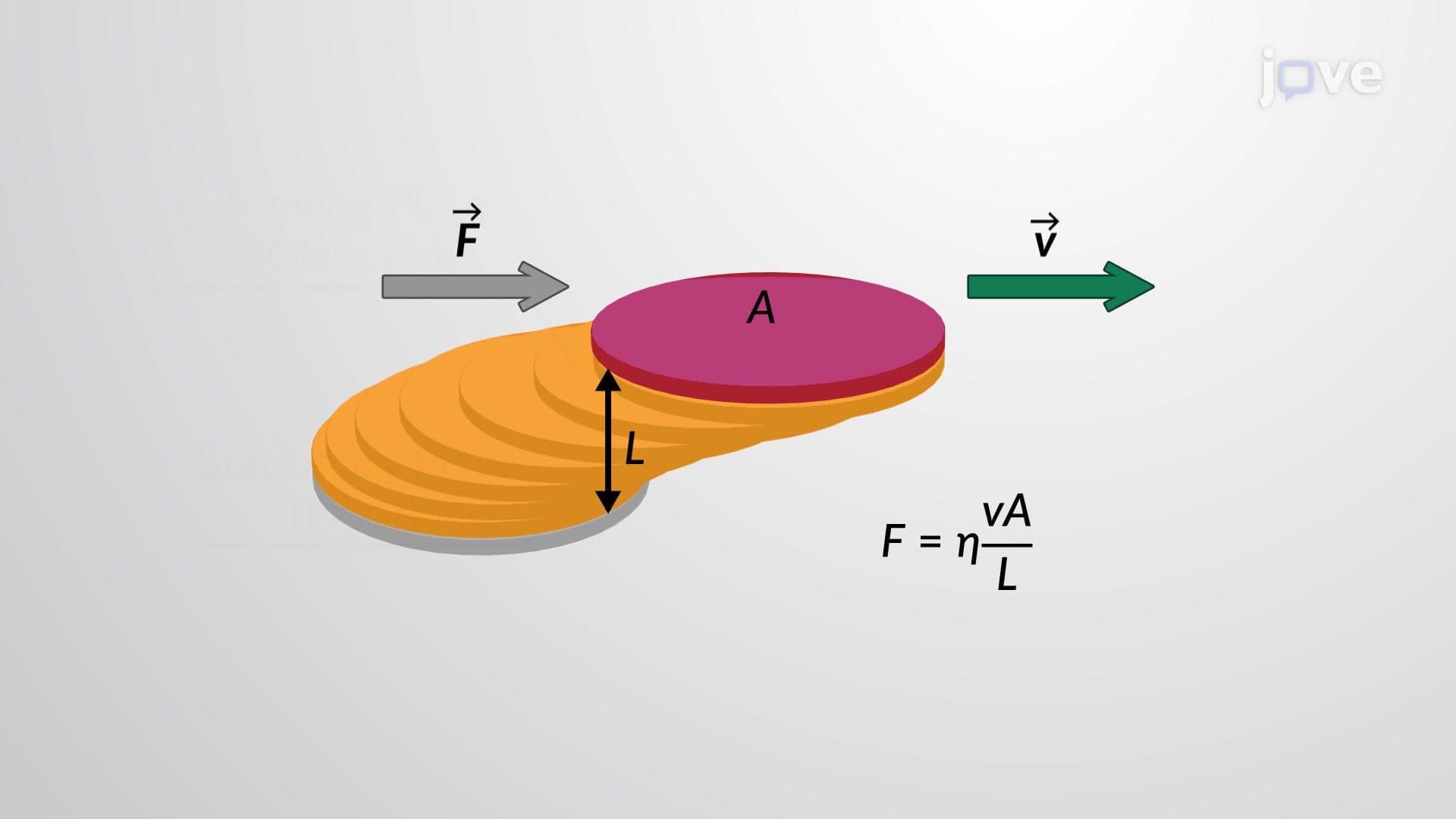
One of the most important characteristics of fluids overview concepts involves their response to shearing forces-forces applied parallel to a surface. While solids resist these forces and maintain their shape, fluids exhibit continuous deformation. This property explains why you can stir coffee (applying shearing force) and the liquid continues to move, unlike trying to stir a solid block of ice.
This characteristic is particularly relevant for students preparing for AP Physics exams, where understanding stress and strain relationships is essential. The inability of fluids to sustain shearing stress without continuous deformation distinguishes them from elastic solids, which return to their original shape when the stress is removed.
Distinguishing Liquids from Gases
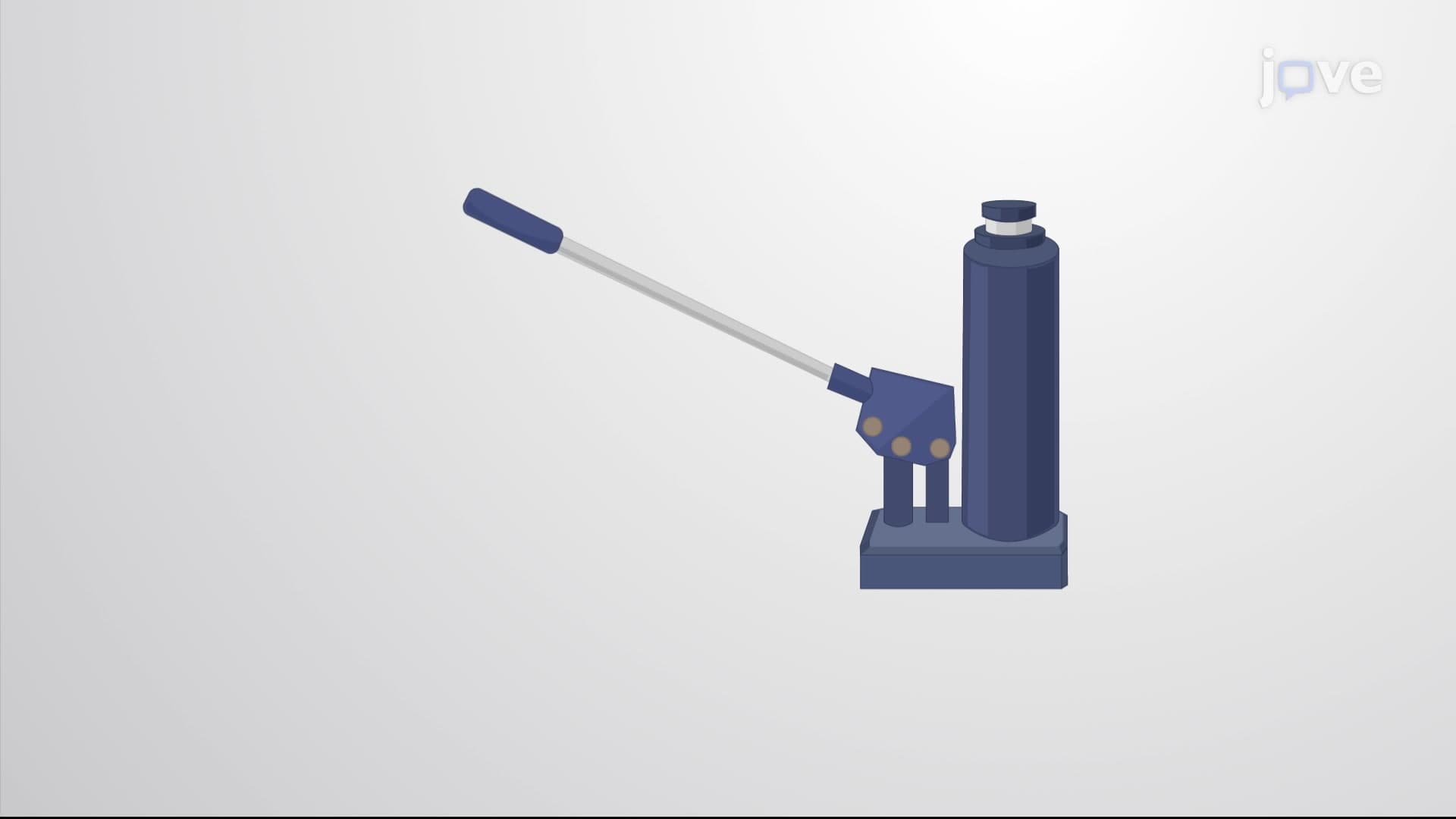
Within the fluid category, liquids and gases exhibit distinct characteristics of fluids basics. Liquids maintain a definite volume due to stronger intermolecular forces that keep molecules relatively close together, making them nearly incompressible. Think of hydraulic systems in car brakes-they rely on liquid incompressibility to transmit force effectively.
Gases, conversely, have much larger intermolecular distances and weaker forces, making them highly compressible with no definite volume. This explains why a basketball becomes firmer when more air is pumped in-the gas compresses to accommodate additional molecules in the same space.
Understanding these distinctions is crucial for college-level thermodynamics and fluid mechanics courses, where students analyze pressure-volume relationships and phase transitions. The concepts also appear frequently on standardized tests like the MCAT, where fluid dynamics problems test both conceptual understanding and mathematical application.
Frequently Asked Questions
Fluids have three key characteristics: they cannot maintain a definite shape, they deform continuously under shearing forces, and their molecules have greater freedom of movement due to weaker intermolecular forces. Unlike solids, fluids flow and conform to their containers, making them essential for applications from hydraulic systems to atmospheric science.
Focus on understanding fluid response to shearing forces, the difference between compressible and incompressible fluids, and molecular explanations for fluid behavior. AP Physics emphasizes conceptual understanding of why fluids flow, how pressure transmits through fluids, and the relationship between molecular structure and macroscopic properties like viscosity and density.
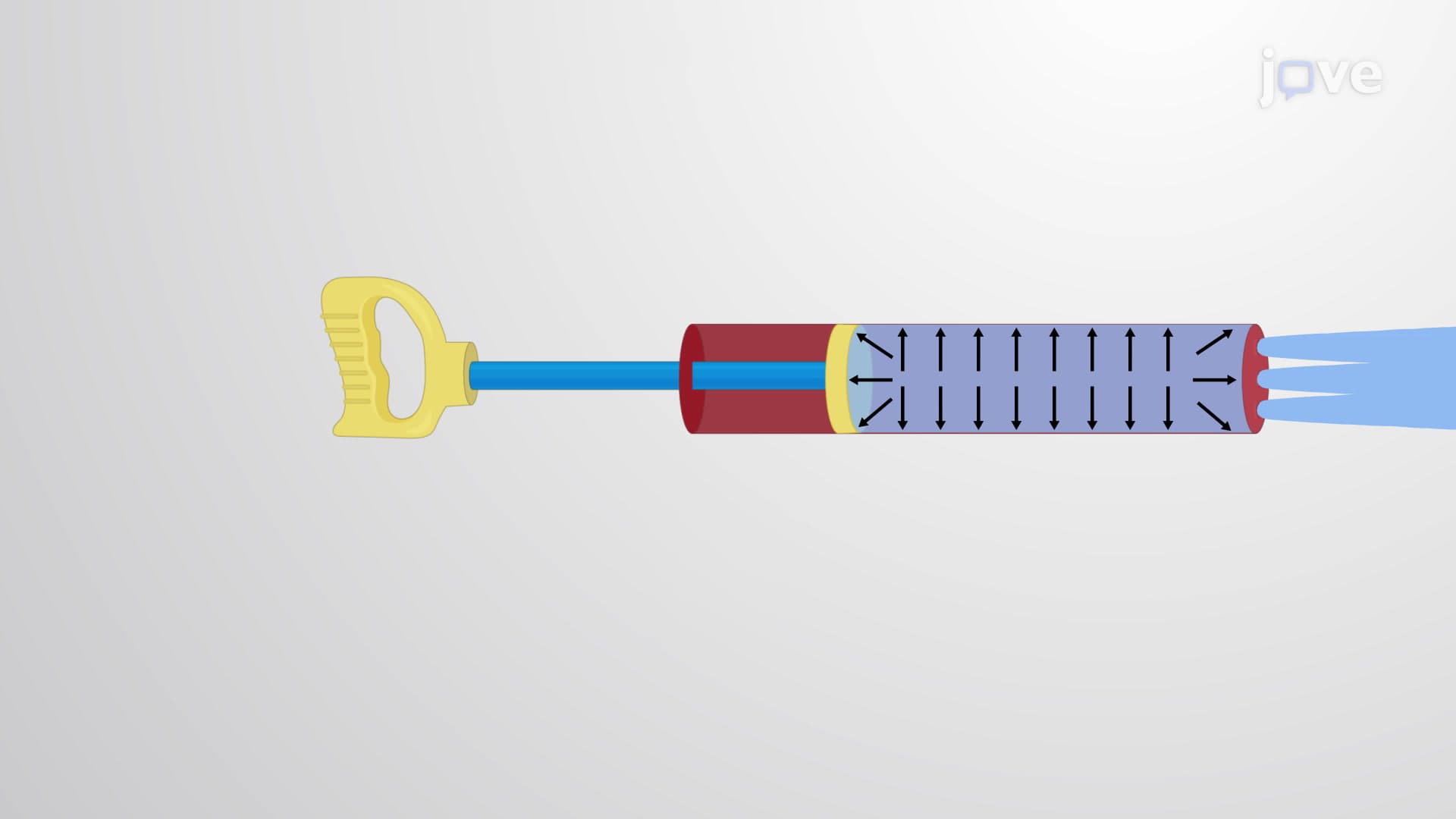
MCAT questions often test fluid statics and dynamics, including Pascal's principle, Bernoulli's equation, and viscous flow. Understanding why liquids are incompressible while gases are compressible helps solve pressure-related problems. The exam frequently connects molecular-level characteristics to physiological systems like blood flow and respiratory mechanics.
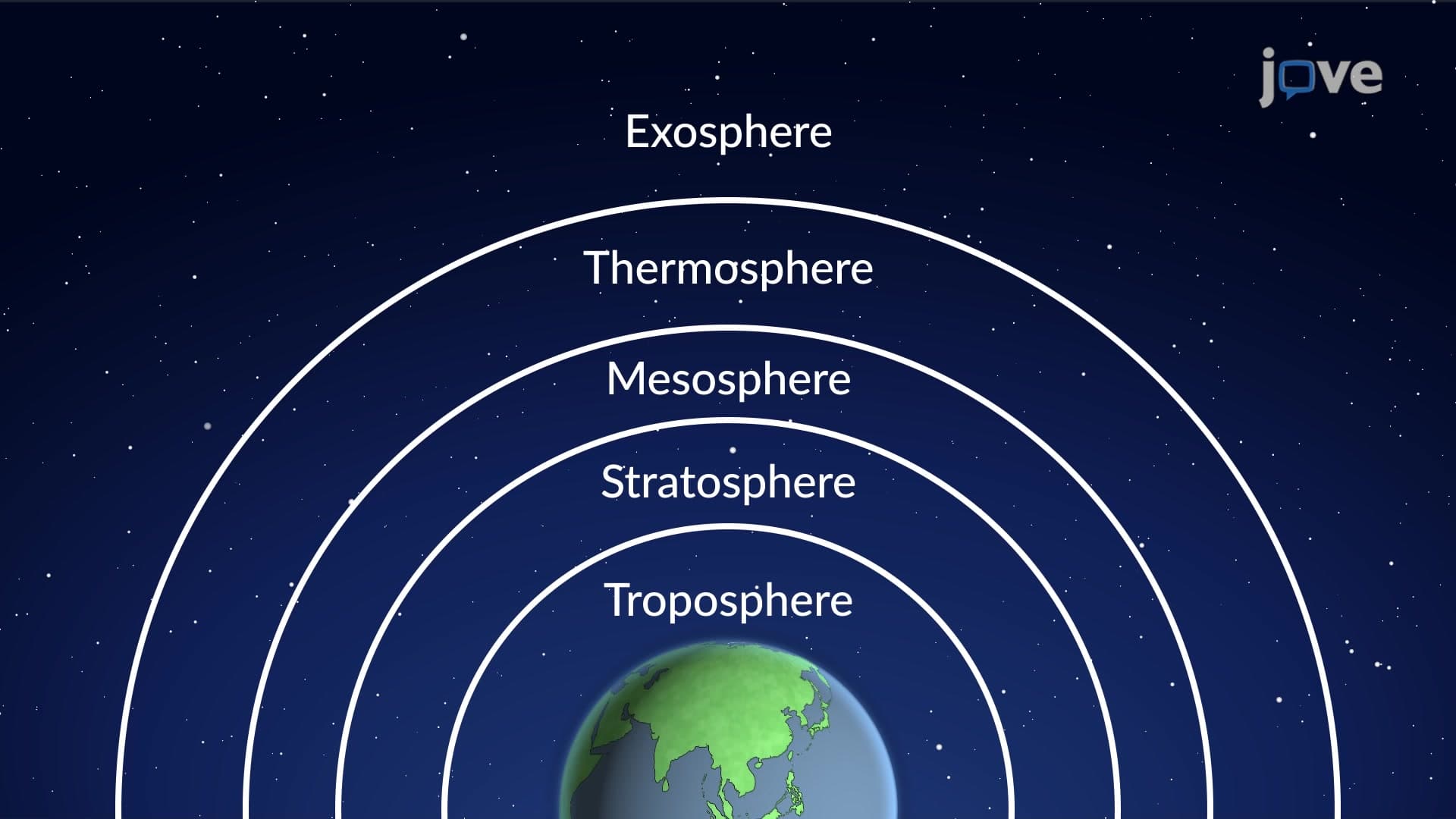
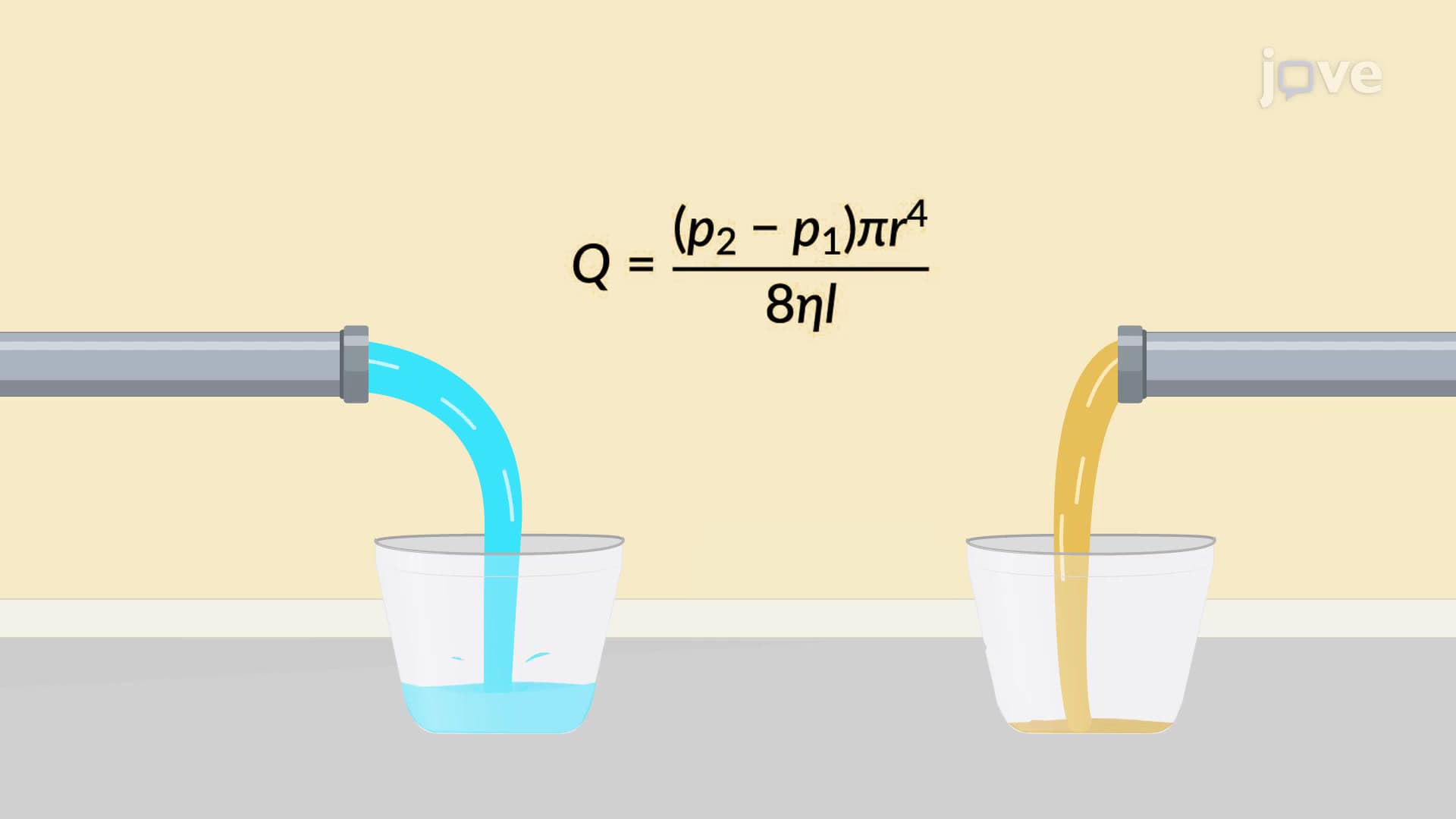
The Alaska Pipeline showcases liquid flow characteristics over vast distances, while weather systems demonstrate gas behavior in the atmosphere. Hydraulic fracturing in oil extraction relies on fluid pressure transmission, and aircraft design depends on understanding airflow characteristics. Even everyday examples like pouring maple syrup versus water illustrate viscosity differences.
Not at all! The concept builds naturally on everyday experiences with liquids and gases. Starting with familiar examples like water conforming to container shapes makes the molecular explanations more intuitive. The mathematical aspects remain accessible at the algebra level, focusing more on conceptual understanding than complex calculations.
Create comparison charts between solids, liquids, and gases focusing on molecular spacing and intermolecular forces. Practice identifying fluid behavior in everyday scenarios and connect these observations to underlying molecular explanations. Use visual aids to understand how shearing forces affect different materials, and work through pressure-related problems to reinforce incompressibility concepts.
Master the foundational molecular explanations first, then progress to quantitative relationships like the continuity equation and Bernoulli's principle. Understanding basic fluid characteristics provides the conceptual framework for more advanced topics like turbulent flow, boundary layers, and computational fluid dynamics in engineering programs.
Explore fluid statics, including pressure variation with depth and buoyancy principles like Archimedes' law. Then advance to fluid dynamics, covering flow rates, Bernoulli's equation, and viscosity effects. These topics build directly on the foundational characteristics and prepare you for engineering applications in aerospace, mechanical, and civil engineering fields.
Related Micro-courses


