Loading video…


 24 Concepts
 201K views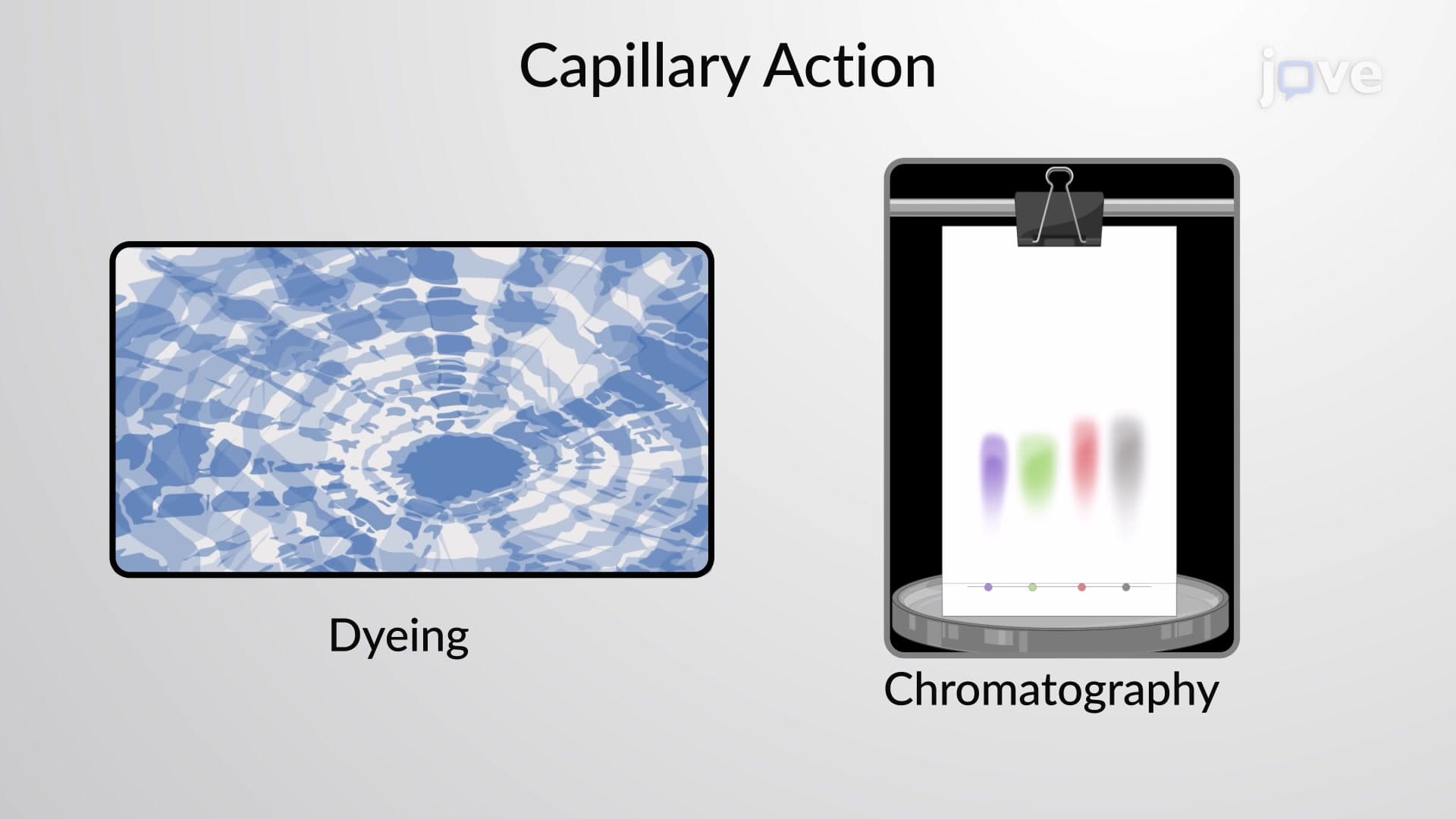

Video Summary: What Is Rise of Liquid
Ever wonder why water climbs up a paper towel or how redwood trees transport water over 300 feet high? The rise of liquid phenomenon, also known as capillary action, explains how liquids defy gravity by traveling upward through narrow spaces. This process occurs when adhesive forces between the liquid and container walls overcome cohesive forces within the liquid itself. Understanding what is rise of liquid helps explain everything from plant biology to medical testing procedures used in US hospitals. Watch the full video on JoVE Coach to master this concept with expert-led visuals and step-by-step explanations.
The rise of liquid represents one of nature's most elegant solutions to the challenge of moving fluids against gravity. This phenomenon, scientifically termed capillary action, occurs when intermolecular forces create sufficient upward pressure to lift liquids through narrow channels. Students preparing for AP Physics or college-level chemistry courses must grasp how this process bridges molecular-scale interactions with macroscopic observations.
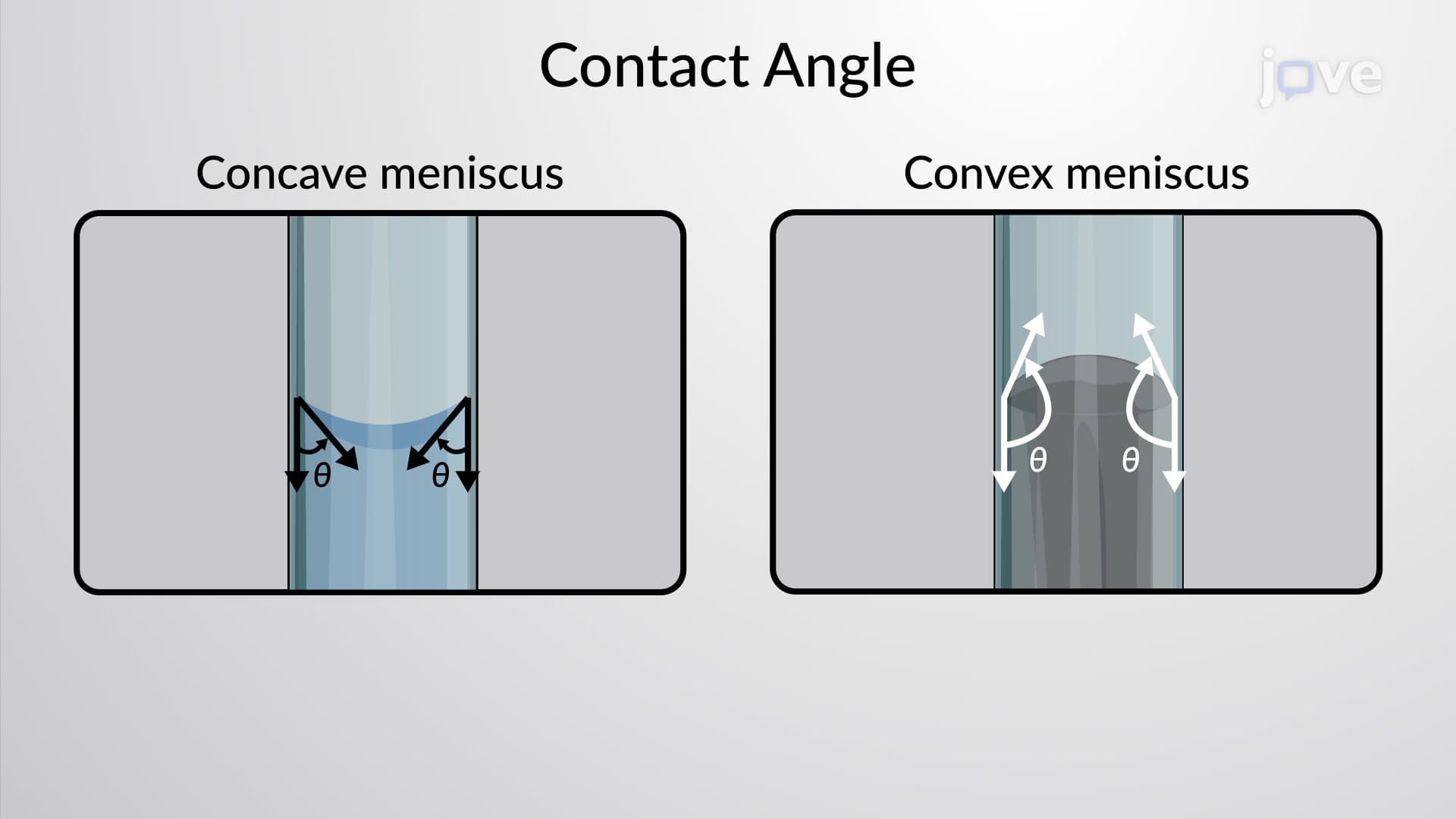
Two fundamental forces govern the rise of liquid definition: adhesive forces and cohesive forces. Adhesive forces attract liquid molecules to solid surfaces, while cohesive forces bind liquid molecules to each other. When adhesive forces exceed cohesive forces, the liquid "wets" the surface and climbs upward. Water in glass capillary tubes demonstrates this perfectly-the strong hydrogen bonding between water molecules and glass creates the familiar concave meniscus shape.
The mathematical relationship governing capillary rise follows the equation: h = (2 × gamma × cos(theta)) / (rho × g × r), where h represents height, gamma is surface tension, theta is the contact angle, rho is liquid density, g is gravitational acceleration, and r is tube radius. This formula appears frequently on MCAT physics sections and college fluid mechanics exams.
What is rise of liquid in detail becomes clearer when examining contact angles. When the contact angle is less than 90 degrees, the liquid rises (like water in glass). When it exceeds 90 degrees, the liquid level drops below the surrounding surface (like mercury in glass). This concept helps students understand why some cleaning products spread easily on surfaces while others bead up.
Understanding the rise of liquid concept proves essential for pre-med students taking the MCAT, as it explains how blood travels through narrow vessels and how diagnostic tests using paper strips function. In plant biology, covered extensively in AP Biology curricula, capillary action enables water transport from roots to leaves in massive sequoia trees. Industrial applications include paper chromatography techniques taught in analytical chemistry courses and the wicking action in advanced materials used by companies like 3M and DuPont.
College students studying chemical engineering at institutions like MIT or Stanford encounter these principles in mass transfer operations, while biology majors at schools like UC Berkeley apply this knowledge to understand xylem function in plant physiology courses.
Related Micro-courses