Loading video…


 24 Concepts
 201K views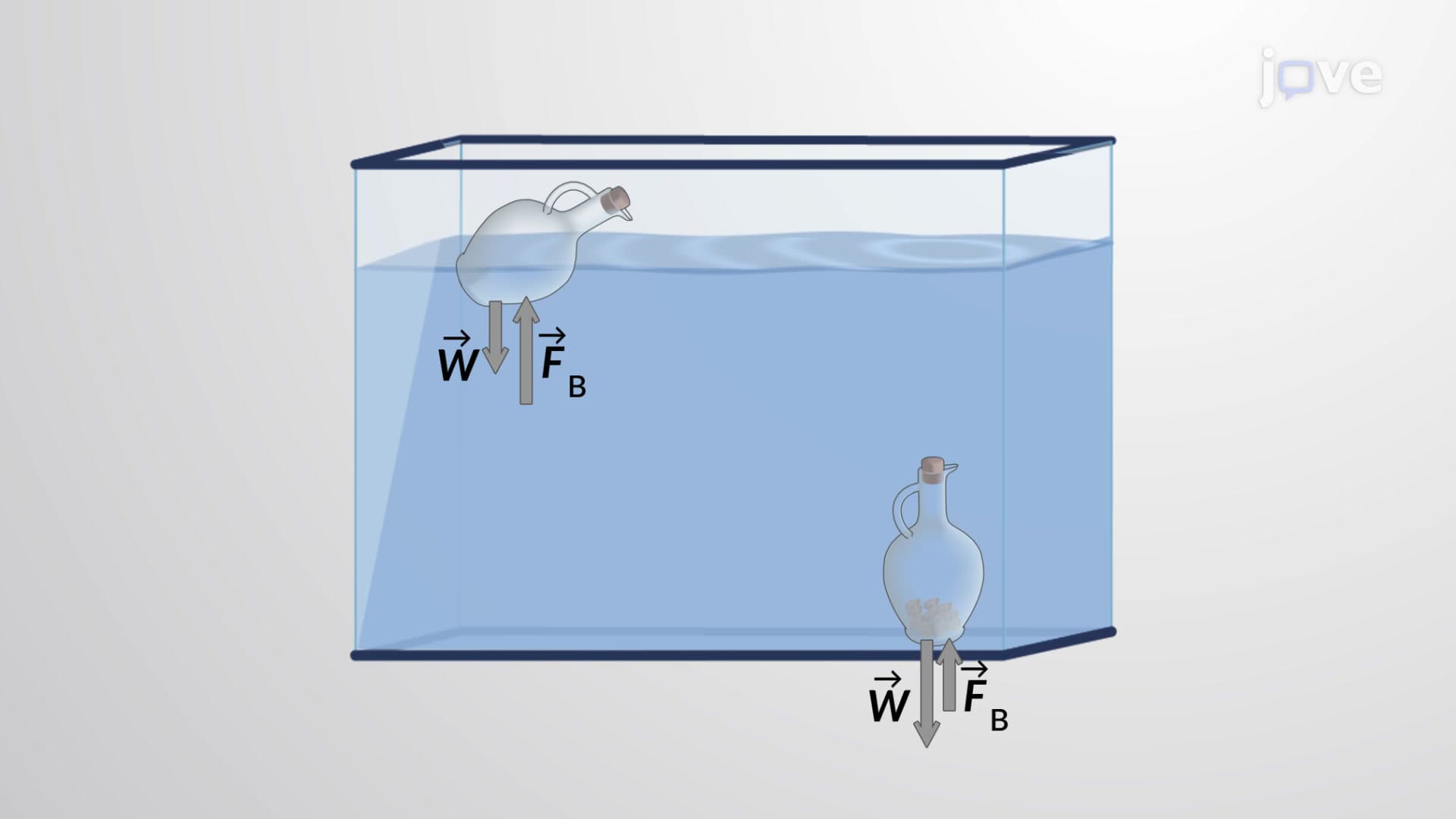

Video Summary: What Is Buoyancy
Ever wonder why massive steel ships float while small coins sink? Buoyancy, the upward force that fluids exert on immersed objects, determines whether the USS Gerald R. Ford aircraft carrier stays afloat or a penny drops to the bottom of a fountain. This fundamental physics principle occurs when pressure differences in fluids create net upward forces on submerged objects. Understanding buoyancy explains everything from submarine operations to hot air balloon flights across the American landscape. Watch the full video on JoVE Coach to master this concept with expert-led visuals and step-by-step explanations.
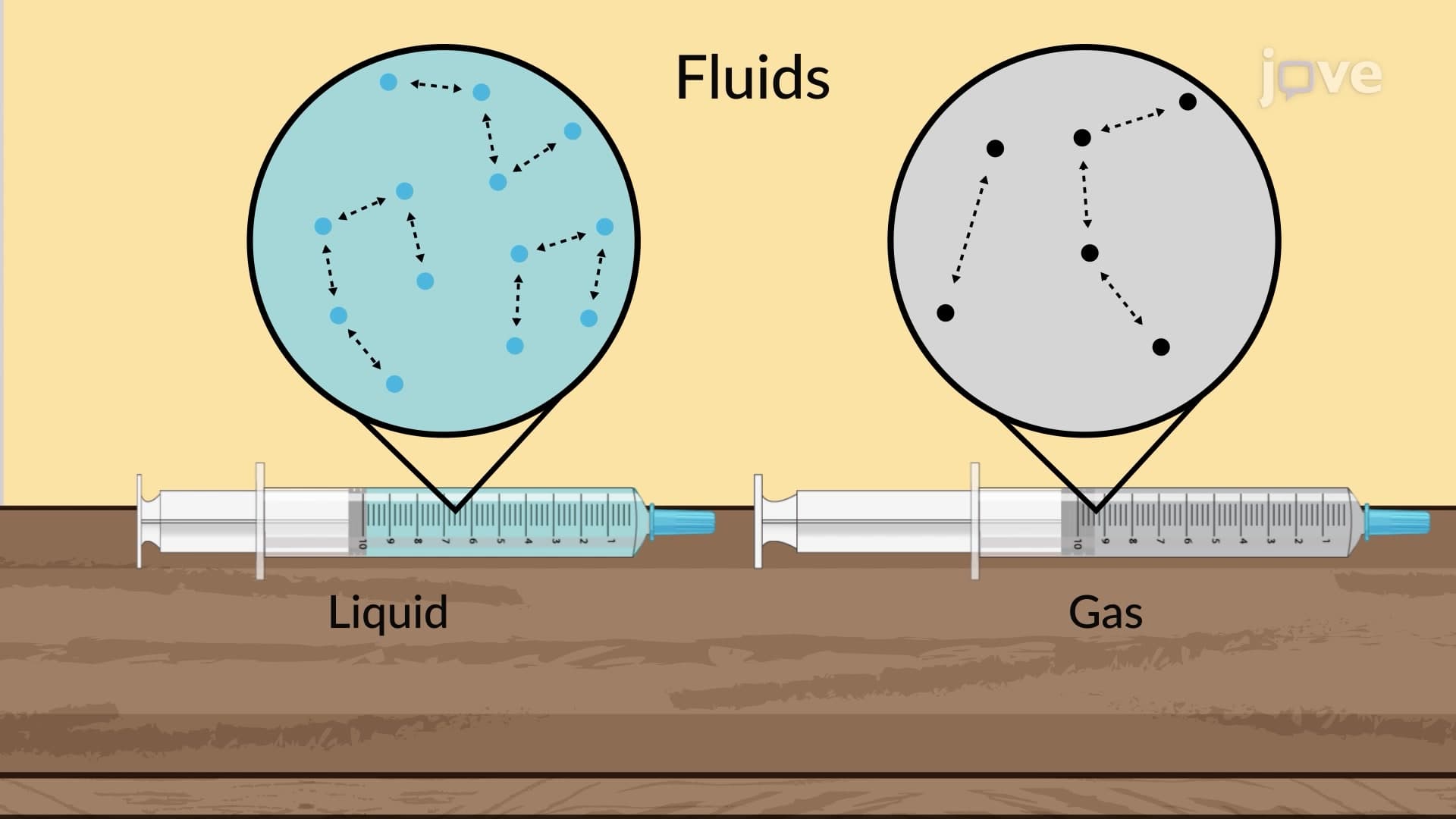
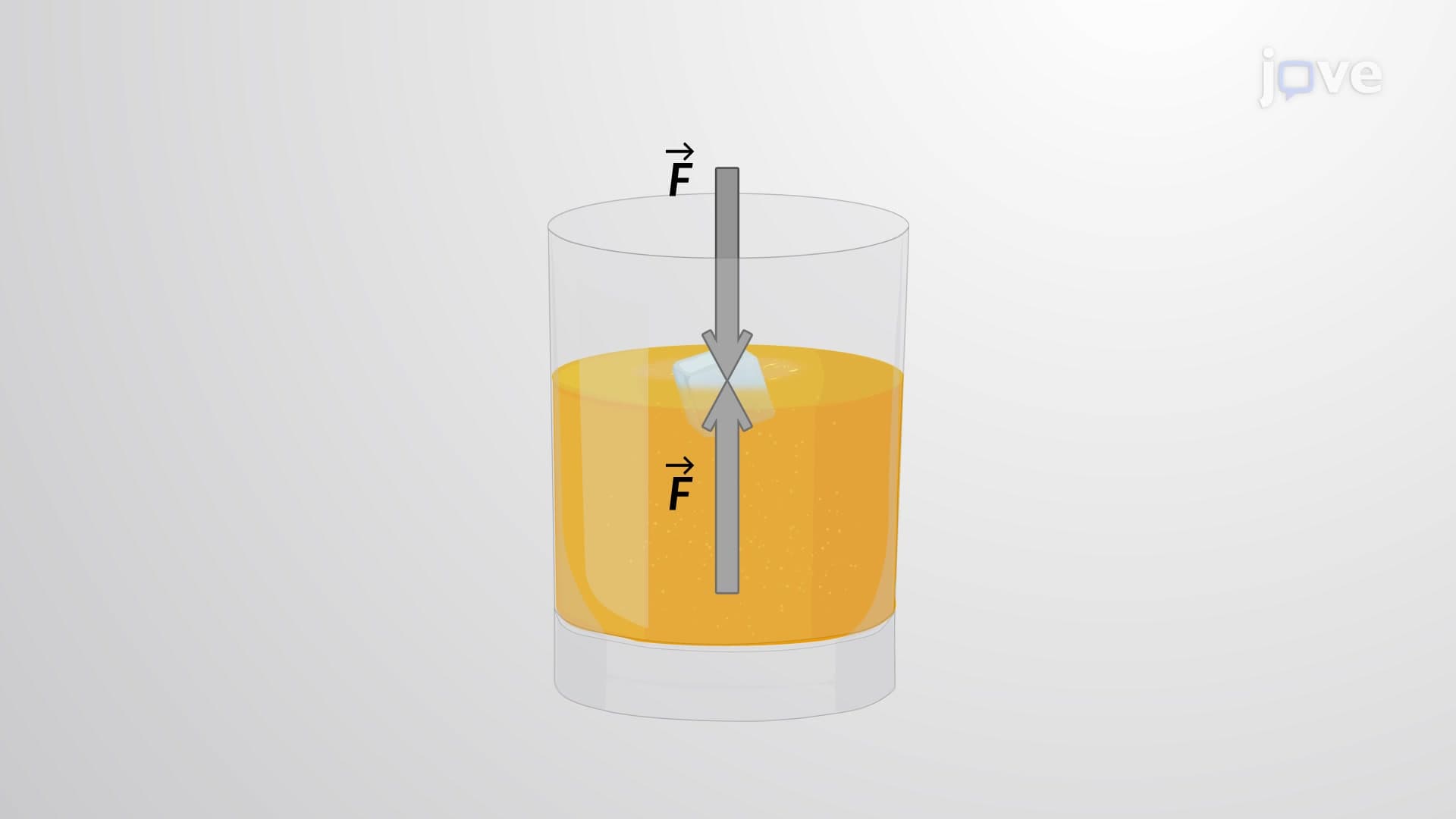
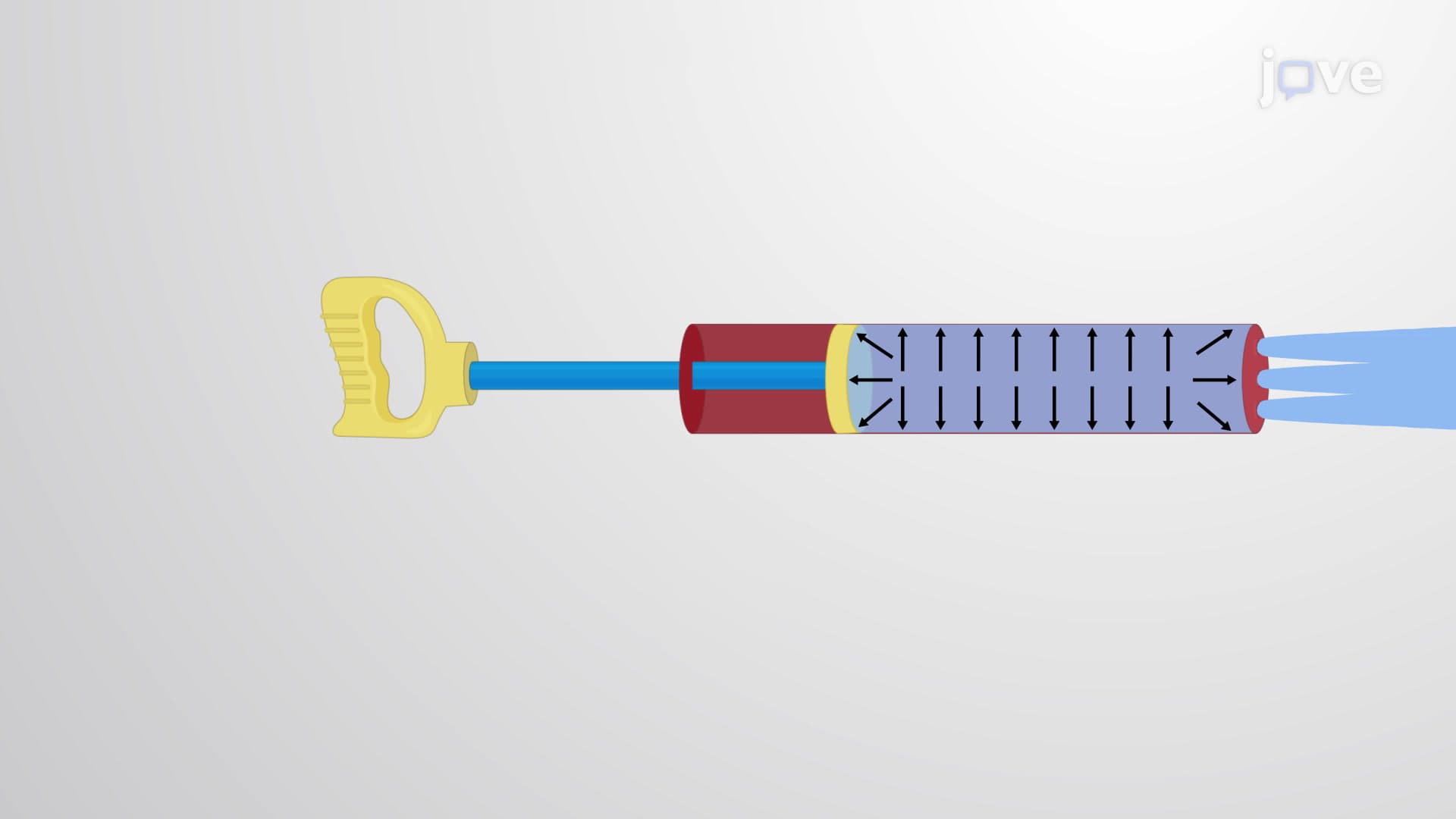
Buoyancy represents one of physics' most intuitive yet mathematically elegant phenomena. At its core, buoyancy arises from pressure variations within fluids-liquids and gases that can flow and conform to container shapes. As depth increases in any fluid, pressure increases proportionally due to the accumulated weight of fluid above. This pressure gradient creates unequal forces on submerged objects: greater upward pressure on bottom surfaces than downward pressure on top surfaces, resulting in a net upward force called the buoyant force.
This concept appears frequently on AP Physics exams and college-level mechanics courses, where students must calculate buoyant forces and predict object behavior in various fluid scenarios.
The quantitative foundation of buoyancy stems from Archimedes' principle, discovered over 2,000 years ago but still fundamental to modern engineering. The buoyant force equals the weight of fluid displaced by the submerged portion of an object. Mathematically, this appears as: Buoyant Force = (fluid density) × (gravitational acceleration) × (displaced volume).
American submarines like the USS Virginia-class vessels demonstrate this principle perfectly. By controlling ballast tank water levels, submarines adjust their average density to match seawater density, achieving neutral buoyancy for underwater navigation. When surfacing, they expel ballast water, reducing overall density below seawater levels, causing positive buoyancy.
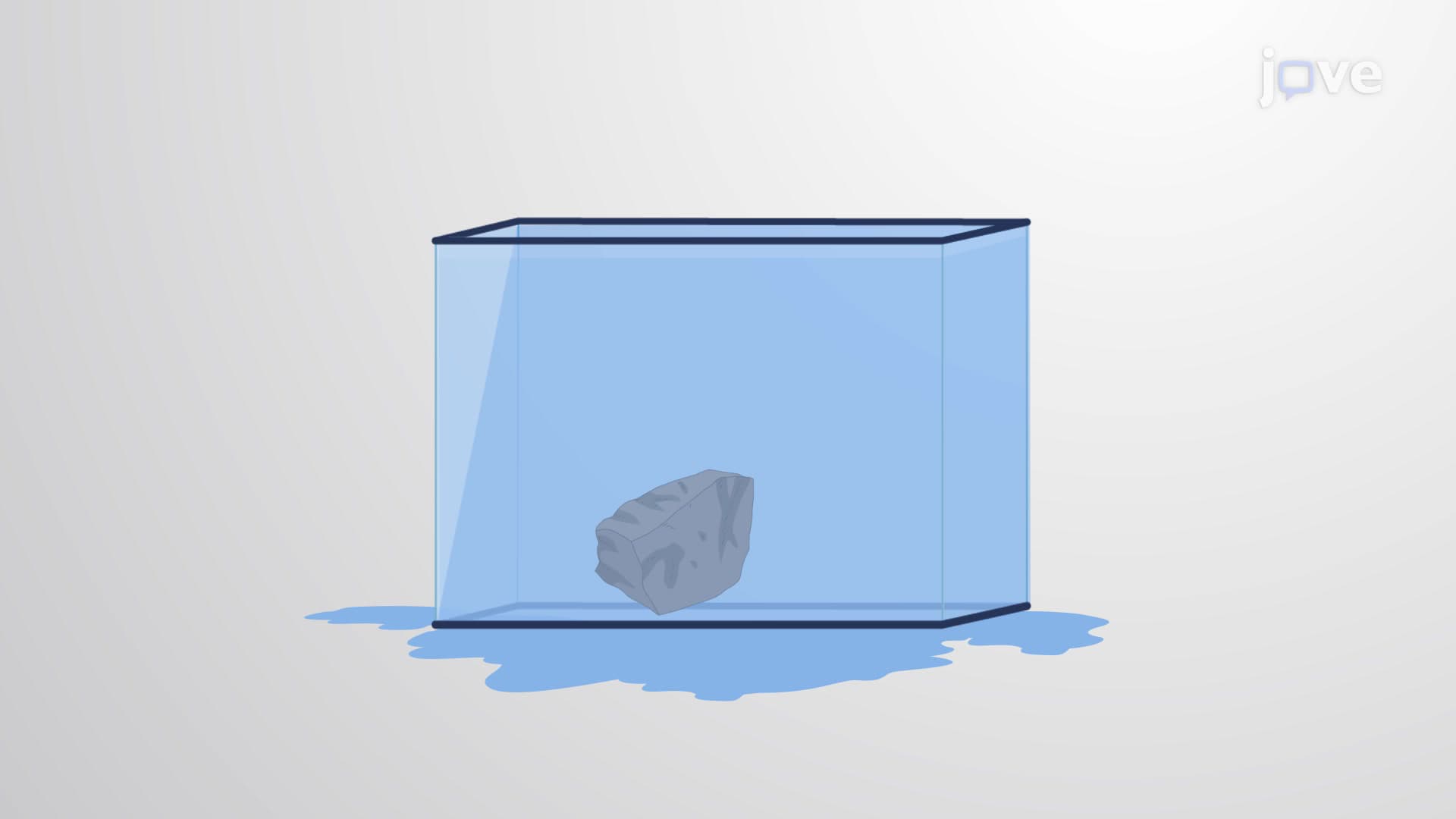
Object behavior in fluids depends entirely on comparing buoyant force magnitude to object weight. When buoyant force exceeds weight, objects experience positive buoyancy and rise. The Golden Gate Bridge's massive concrete foundations required careful underwater placement, fighting positive buoyancy during construction due to trapped air pockets.
Negative buoyancy occurs when object weight exceeds buoyant force, causing sinking. This principle guides ballast design in everything from fishing weights to deep-sea research vessels like those operated by Woods Hole Oceanographic Institution.
Neutral buoyancy-when buoyant force exactly equals weight-enables objects to hover at constant depths. NASA's Neutral Buoyancy Laboratory in Houston uses this principle to simulate weightlessness for astronaut training, submerging space suit-wearing trainees in enormous pools where precise weight adjustments create neutral buoyancy conditions.
Buoyancy calculations frequently appear in SAT Subject Tests and MCAT physics sections. Students must determine whether objects float or sink, calculate submerged percentages, and analyze multi-fluid scenarios. Ice floating in water provides an excellent example: ice density (approximately 0.92 g/cm³) compared to water density (1.0 g/cm³) means roughly 92% of icebergs remain submerged-explaining the "tip of the iceberg" phenomenon that challenged early North Atlantic shipping routes.
Related Micro-courses