Loading video…


 24 Concepts
 201K views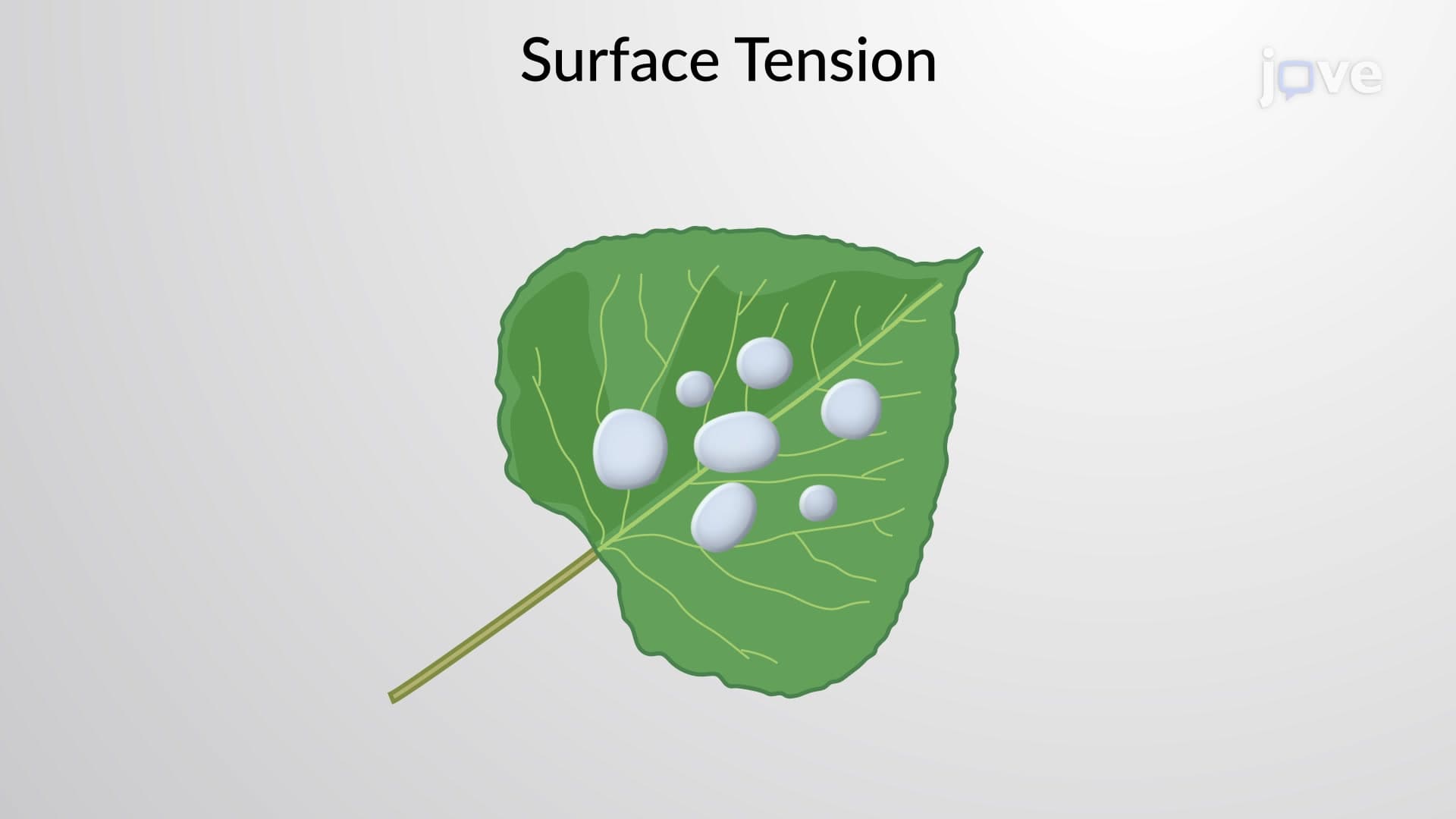

Video Summary: Surface Tension and Surface Energy Explained
Ever wonder why raindrops form perfect spheres or how water striders walk on water? Surface tension and surface energy explain these fascinating phenomena that occur when liquid molecules at the surface experience different forces than those in the bulk. In everyday life, you see this when soap bubbles maintain their round shape or when you carefully overfill a glass and water forms a dome above the rim. Watch the full video on JoVE Coach to master this concept with expert-led visuals and step-by-step explanations.
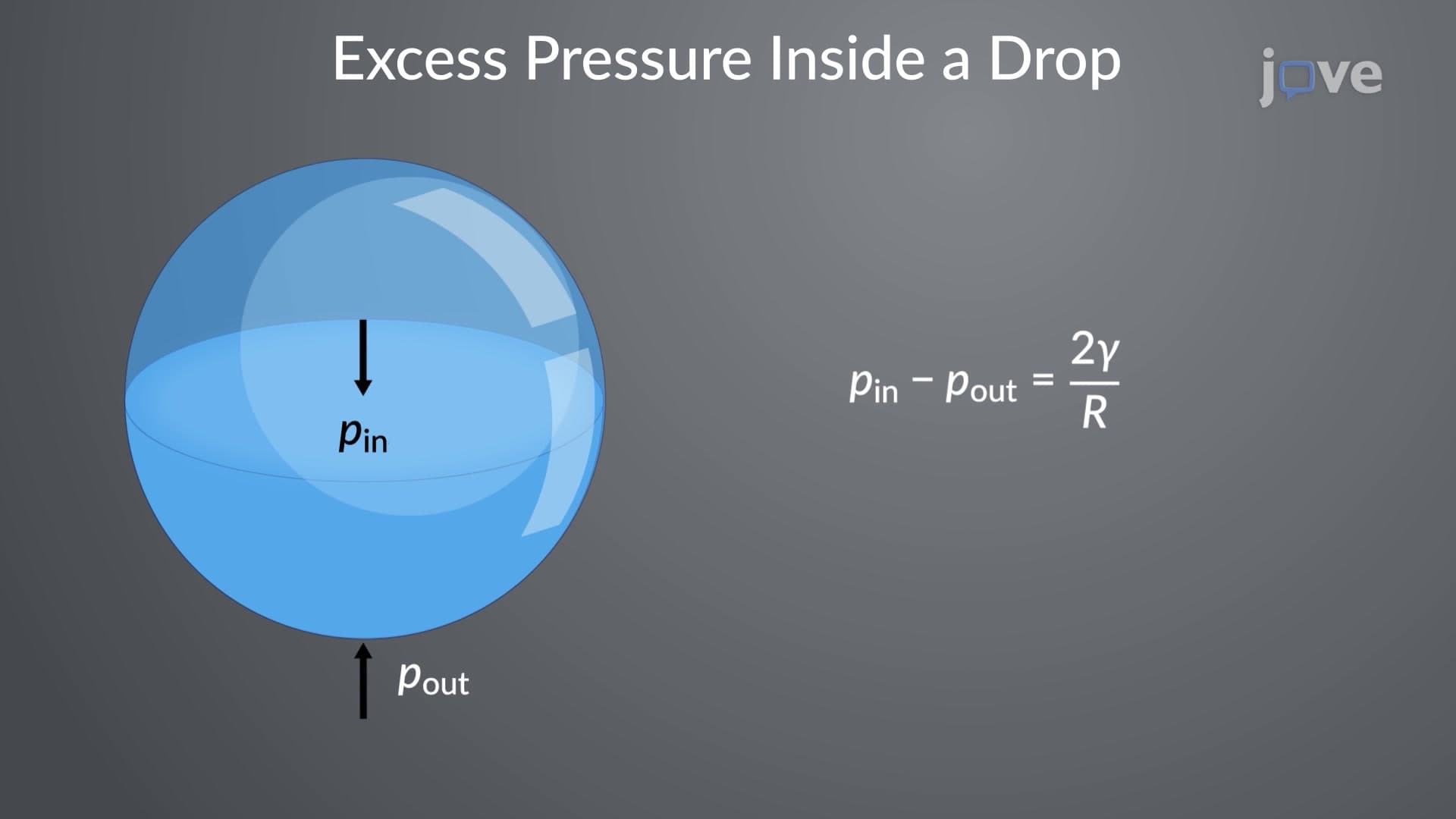
Surface tension represents one of the most observable yet misunderstood phenomena in physics and chemistry. At the molecular level, this property emerges from the fundamental difference in how molecules behave at liquid surfaces versus within the bulk liquid. Interior molecules experience symmetric attractive forces from surrounding neighbors, creating a balanced molecular environment. However, surface molecules face an asymmetric situation-they have fewer neighboring molecules above them, creating a net inward force that pulls them toward the liquid's interior.
This asymmetric force distribution has profound energy implications. Moving molecules from the bulk liquid to the surface requires work against these attractive forces, similar to stretching a spring. This work increases the potential energy of surface molecules, creating what scientists call surface energy. The higher energy state of surface molecules explains why liquids naturally minimize their surface area-they're seeking the lowest possible energy configuration.
Students preparing for AP Chemistry or college physical chemistry courses should understand that surface energy represents stored potential energy per unit area. This concept frequently appears on standardized tests, including MCAT questions about biological membranes and AP Physics problems involving droplet formation.
Surface tension affects countless processes in American industries and daily life. In medical device manufacturing, understanding surface tension helps engineers design better drug delivery systems and diagnostic equipment. The pharmaceutical industry relies on surface tension principles for tablet coating and liquid medication formulation. Even in food science, surface tension influences how salad dressings mix and how bread dough rises.
Consider the soap bubble demonstration described in the source material. When you pull the sliding wire frame, you're performing work against surface tension forces. This work directly converts to increased surface energy as the bubble's area expands. The force required per unit length gives you a direct measurement of surface tension, typically expressed in newtons per meter or dynes per centimeter.
For students tackling college-level physics or chemistry labs, understanding the dual nature of surface tension proves crucial. It functions both as a force (measured in force per unit length) and as energy (measured in energy per unit area). These seemingly different quantities have identical numerical values, demonstrating the deep connection between mechanical and thermodynamic perspectives on surface phenomena. This relationship frequently appears in undergraduate thermodynamics courses and graduate-level materials science programs.
Related Micro-courses