Loading video…


 24 Concepts
 201K views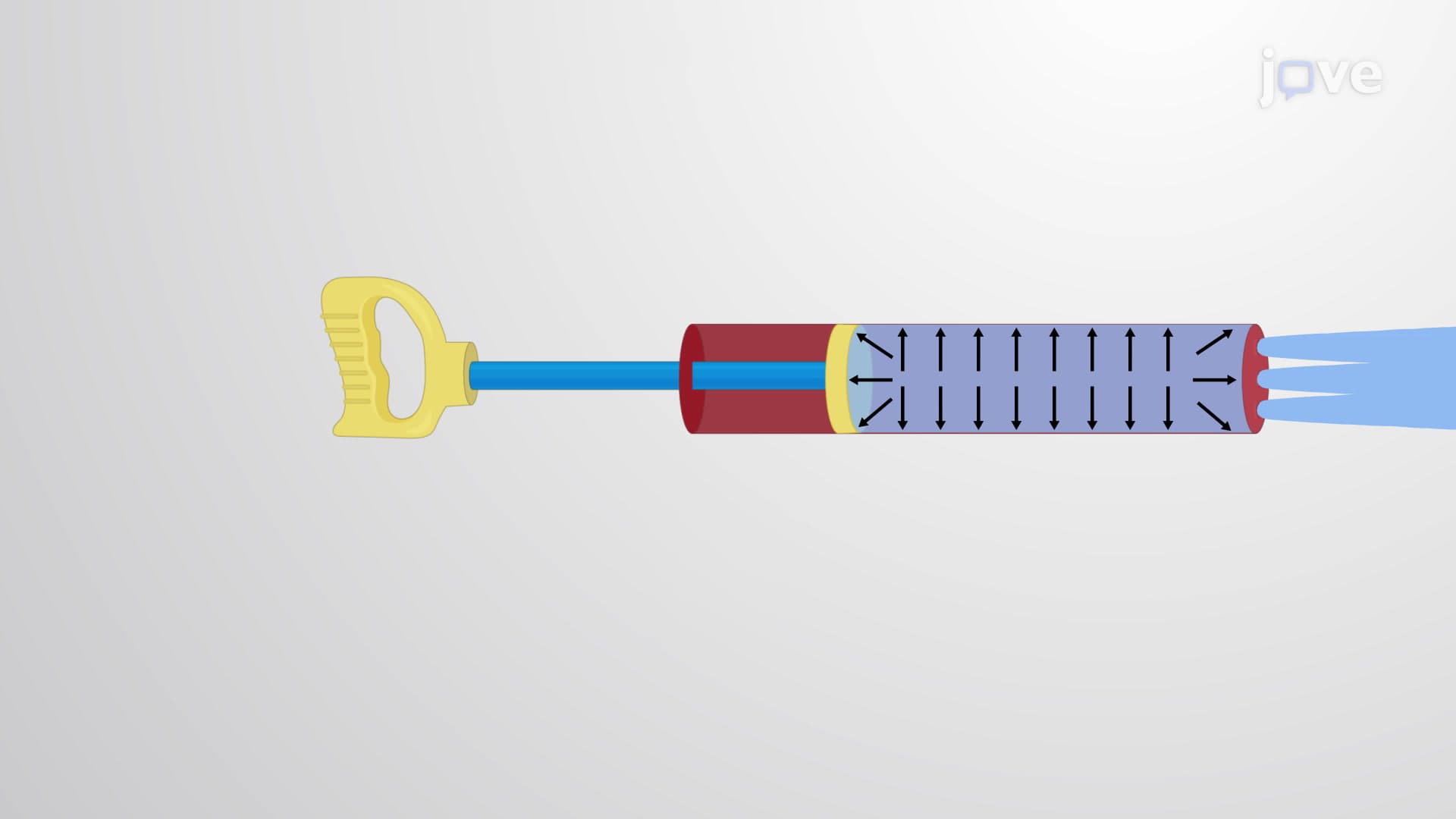

Video Summary: What Is Pascals Law
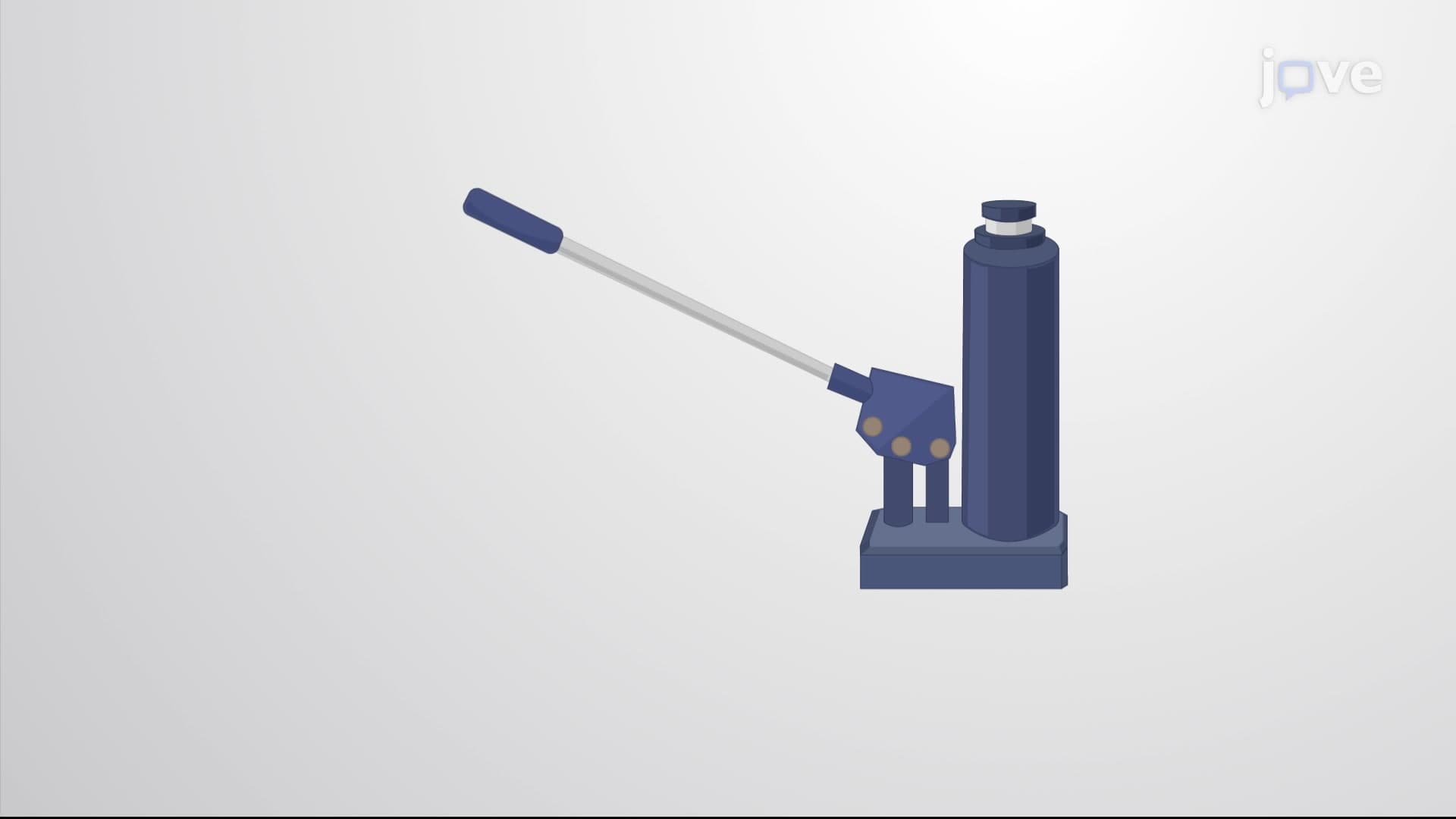
Why can a small force on a hydraulic car jack lift a 3,000-pound vehicle? Pascal's law explains this mechanical advantage that powers everything from automotive brakes to heavy construction equipment across American industries. This fundamental principle describes how pressure changes in confined fluids transmit equally throughout the entire system. Real-world applications include hydraulic systems in Boeing aircraft and Caterpillar construction machinery. Watch the full video on JoVE Coach to master this concept with expert-led visuals and step-by-step explanations.
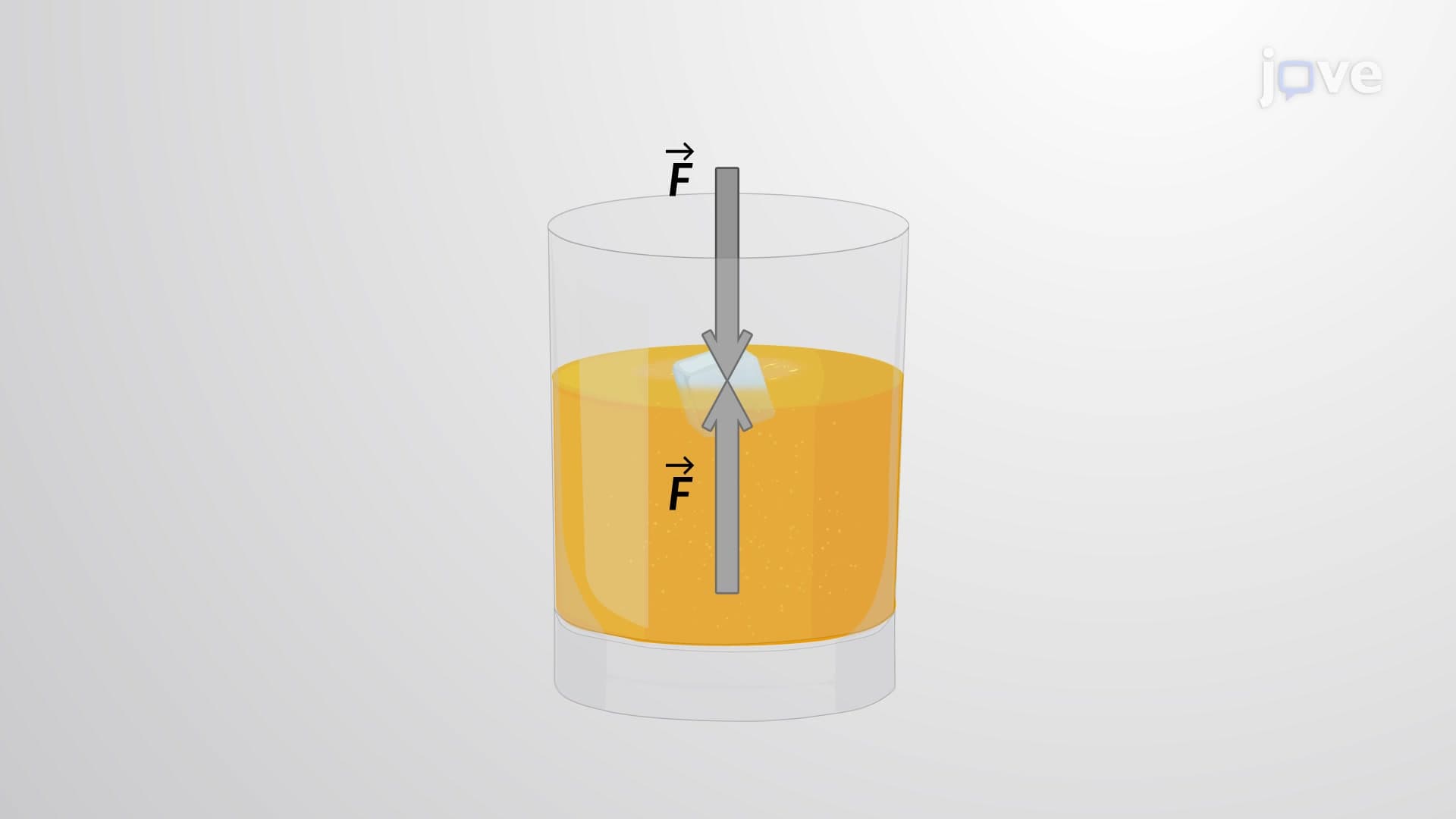
Pascal's law, formulated by French mathematician Blaise Pascal in the 17th century, states that pressure applied to a confined fluid transmits equally in all directions throughout the fluid. This pascal's law definition forms the backbone of hydraulic technology that surrounds us daily. When you press your car's brake pedal, step into an elevator, or watch construction equipment operate, you're witnessing pascal's law in action.
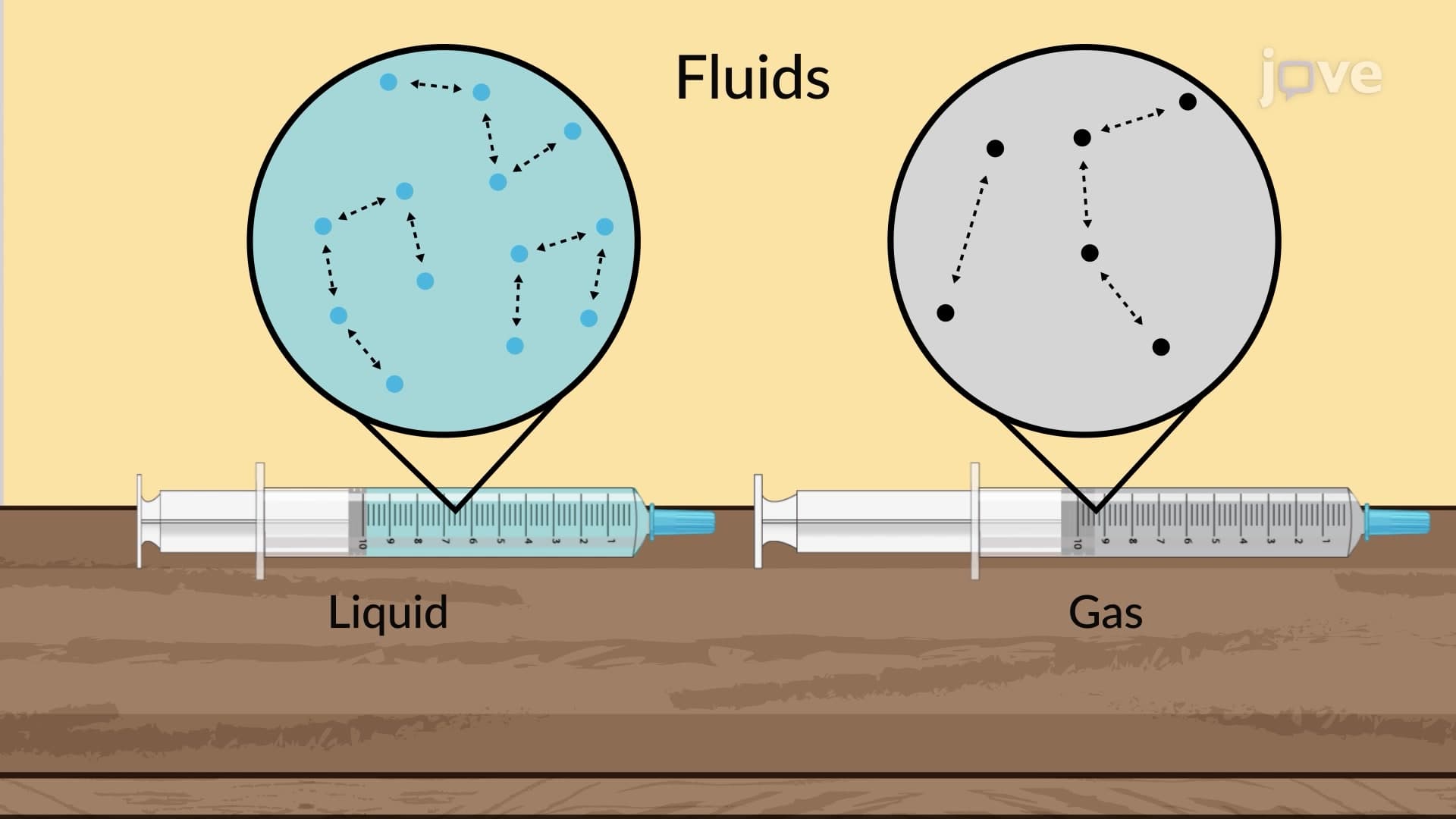
To grasp what is pascal's law in detail, imagine pressure as a wave traveling through fluid. Unlike solids, fluids cannot support shear stress, so any pressure change spreads uniformly throughout the entire volume. The mathematical expression is straightforward: if pressure P₁ is applied at one point, that same pressure P₁ appears at every other point in the connected fluid system.
This pascal's law concept becomes powerful when combined with different cross-sectional areas. In a hydraulic system with two connected cylinders, a small force applied to a narrow cylinder creates the same pressure as a large force on a wide cylinder. The relationship follows: F₁/A₁ = F₂/A₂, where F represents force and A represents area.
Pascal's law overview wouldn't be complete without examining its widespread applications. Automotive brake systems exemplify this principle perfectly. When you press the brake pedal in your Ford or Chevrolet, you apply force to a small master cylinder. This pressure transmits through brake fluid to larger cylinders at each wheel, multiplying your foot force by factors of 10 or more.
Construction and manufacturing industries rely heavily on pascal's law basics. Caterpillar excavators, John Deere tractors, and factory presses all use hydraulic systems based on this principle. The Boeing 747 aircraft uses hydraulic systems generating 3,000 PSI to control flight surfaces, landing gear, and brakes.
Understanding pascal's law proves essential for students preparing for AP Physics exams, SAT Subject Tests, and college physics courses. This concept frequently appears in mechanics problems involving fluid statics and pressure calculations. Pre-med students encounter pascal's law applications in MCAT physics sections, particularly in questions about blood pressure and medical devices.
Engineering students at universities like MIT, Stanford, and Georgia Tech study pascal's law as fundamental preparation for mechanical, aerospace, and civil engineering disciplines. The principle connects to broader topics including fluid mechanics, thermodynamics, and machine design.
Related Micro-courses