Loading video…


 24 Concepts
 201K views

Video Summary: What Is Archimedes Principle
Ever wonder why massive steel ships float while small rocks sink? Archimedes principle explains this fascinating phenomenon through the relationship between buoyant forces and displaced fluid. When a submarine dives beneath the Pacific Ocean off California's coast, it demonstrates this fundamental physics concept in action. What is Archimedes Principle reveals how the upward force on any submerged object equals the weight of the fluid it displaces. Watch the full video on JoVE Coach to master this concept with expert-led visuals and step-by-step explanations.
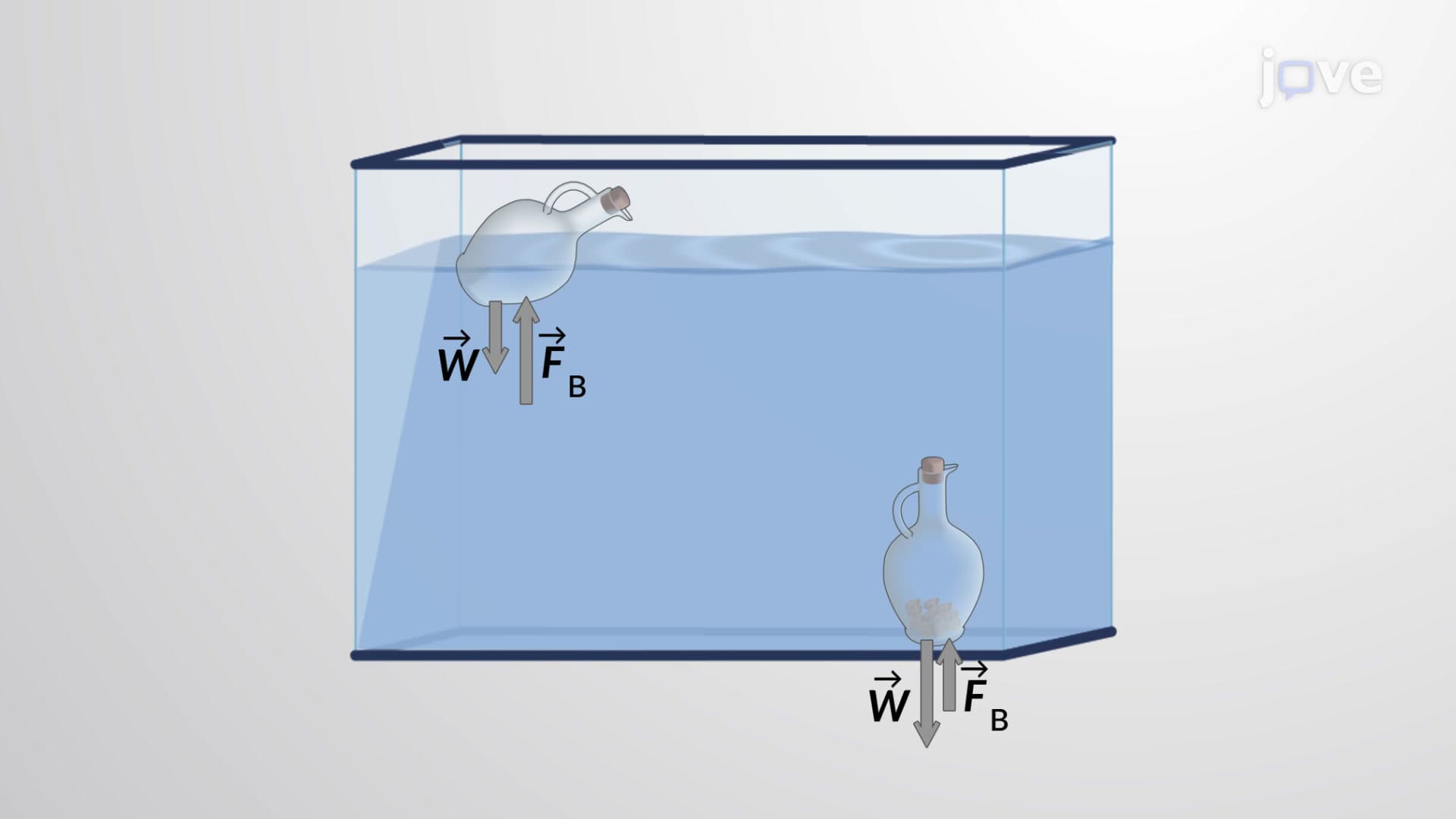
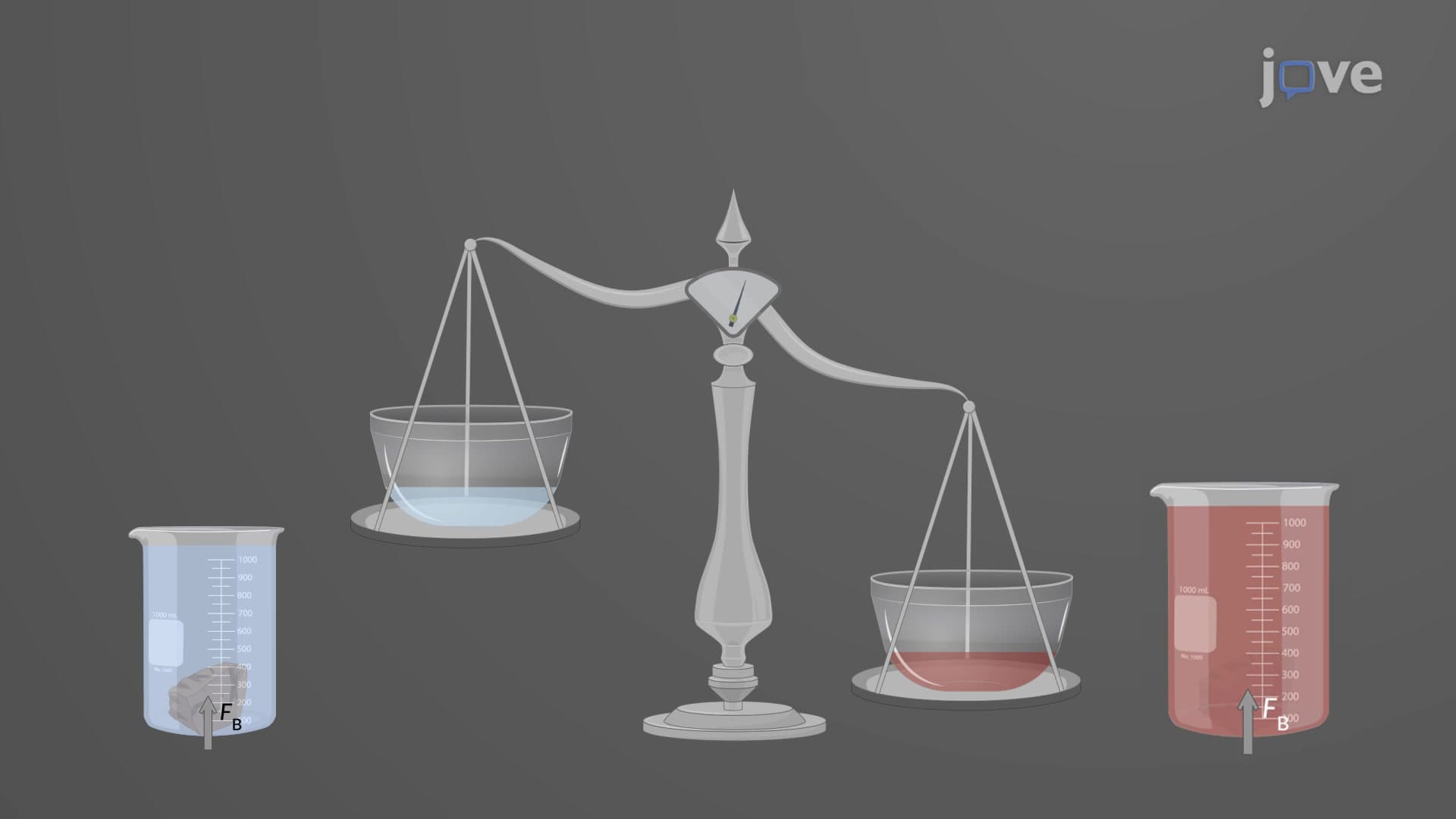
Archimedes principle stands as one of the most elegant and practical laws in physics, discovered by the ancient Greek mathematician Archimedes around 250 BCE. This fundamental principle states that any object partially or completely submerged in a fluid experiences an upward buoyant force equal to the weight of the fluid displaced by the object. Whether you're analyzing a floating aircraft carrier or a sinking penny, this principle governs the behavior.
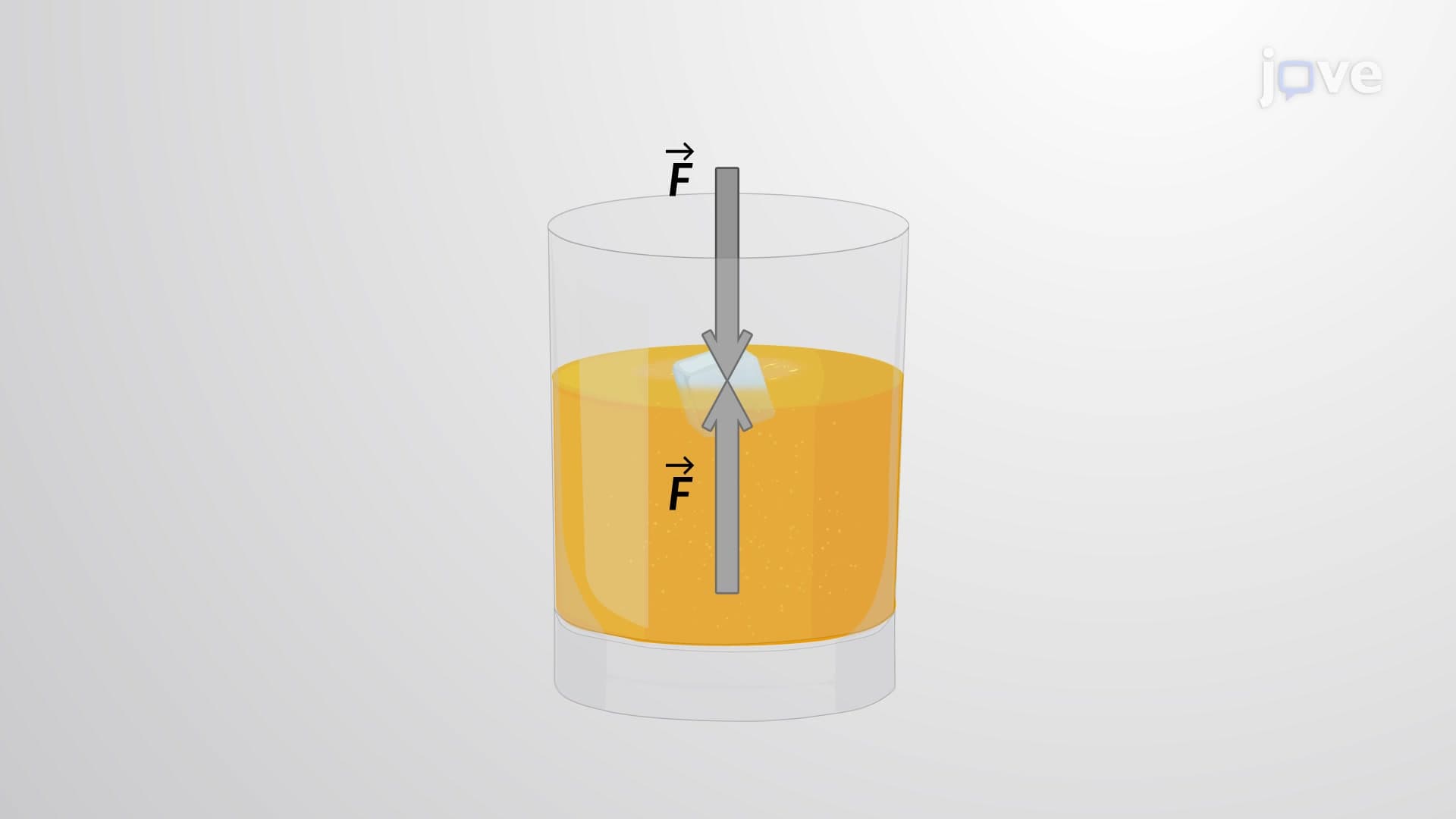
The archimedes principle definition centers on the concept of displaced fluid volume. When an object enters a fluid, it pushes aside (displaces) a volume of that fluid equal to the object's submerged volume. The surrounding fluid exerts pressure from all directions, but the pressure increases with depth. This creates a net upward force-the buoyant force-because the pressure on the object's bottom surface exceeds the pressure on its top surface.
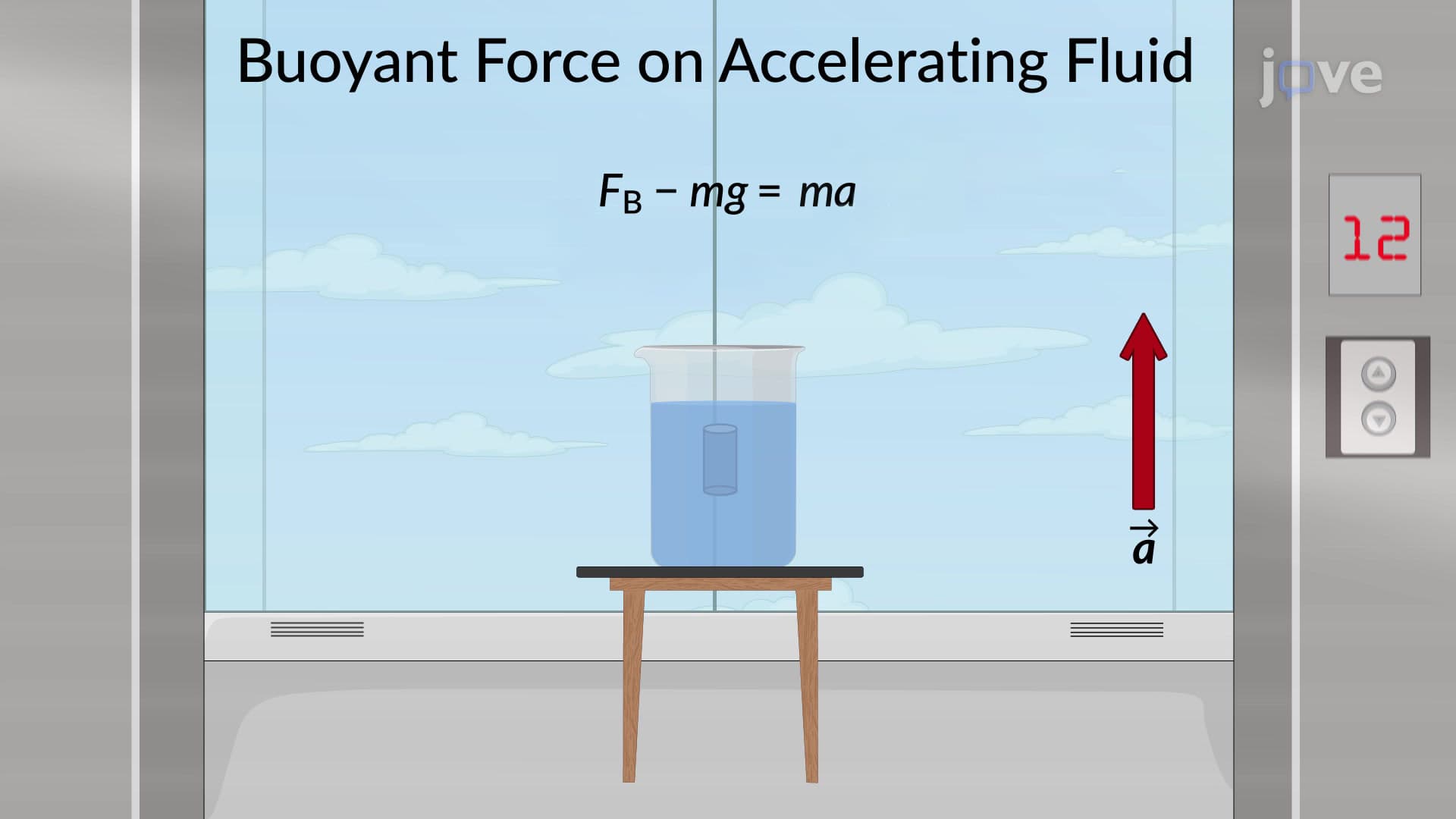
Mathematically, we express this as: F_buoyant = ρ_fluid × V_displaced × g, where ρ_fluid represents the fluid's density, V_displaced equals the volume of displaced fluid, and g is gravitational acceleration (9.8 m/s² on Earth).
Understanding archimedes principle becomes crucial when examining everyday phenomena. The Statue of Liberty's copper construction allows it to remain stable on Liberty Island partly due to buoyancy principles in its foundation design. Modern cruise ships like those departing from Miami can carry thousands of passengers because their hulls displace enormous volumes of seawater, creating sufficient buoyant force to support the vessel's total weight.
In aerospace applications, hot air balloons demonstrate Archimedes principle in gases. When heated air inside the balloon becomes less dense than the surrounding cool air, the buoyant force exceeds the balloon's weight, enabling flight. NASA's atmospheric research balloons launched from locations like New Mexico operate on identical principles.
Students encounter archimedes principle concepts extensively in AP Physics courses, particularly in fluid mechanics units. College-level physics courses at institutions like MIT and Stanford expand this foundation to include complex applications in naval architecture and aerospace engineering. Medical school entrance exams like the MCAT frequently test understanding of buoyancy in biological contexts, such as how lung capacity affects human buoyancy in water.
The principle appears in various problem types: calculating whether objects float or sink, determining submerged volume percentages, and analyzing forces in fluid systems. Mastering these calculations proves essential for engineering majors at schools like Purdue University or Georgia Tech.
Related Micro-courses