Loading video…


 24 Concepts
 201K views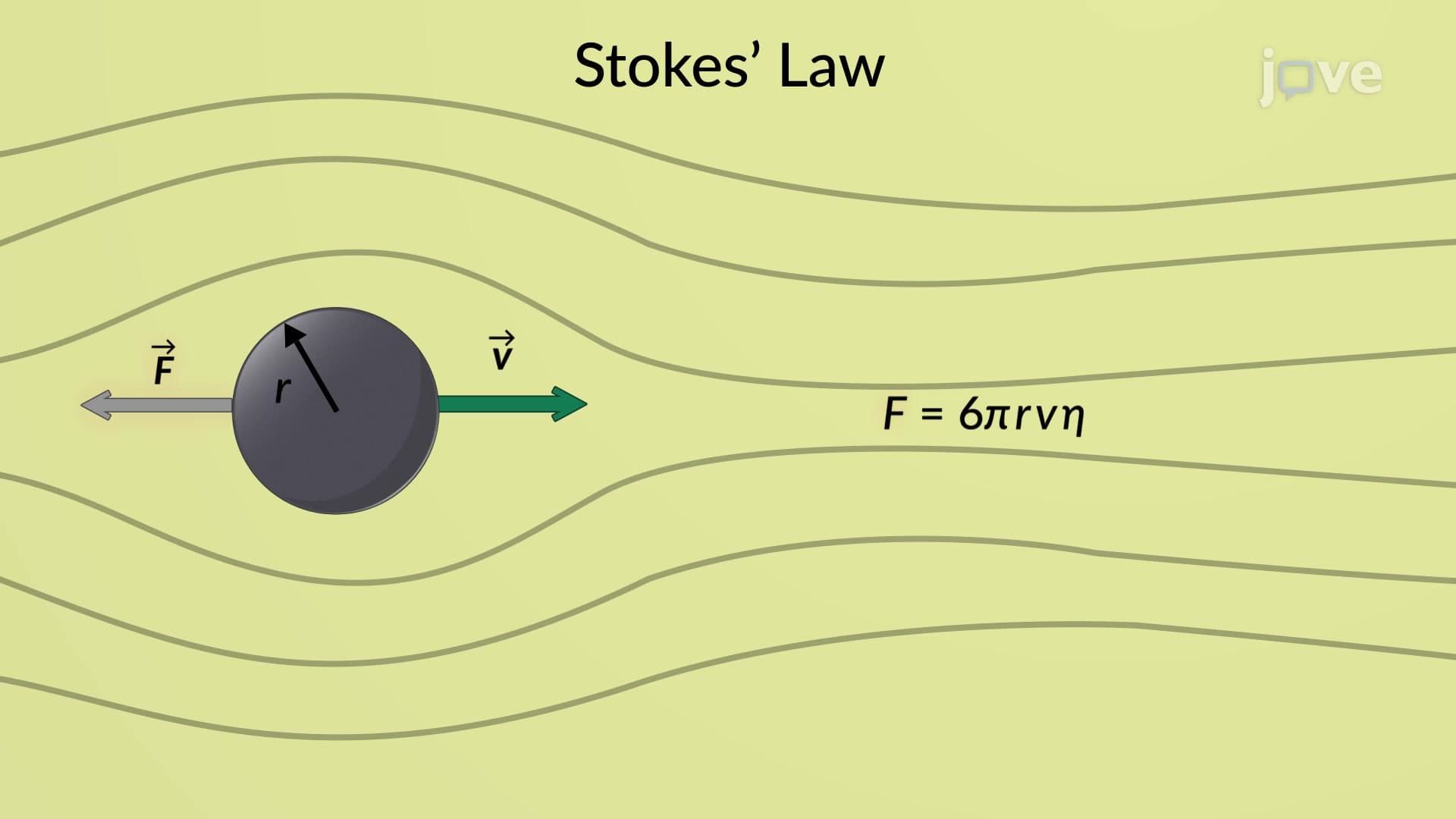

Video Summary: What Is Stokes Law
Ever wonder why raindrops fall at a steady speed instead of accelerating until they hit the ground? Stokes law explains this phenomenon by describing how viscous forces affect spherical objects moving through fluids. This fundamental physics principle governs everything from medical procedures like blood flow analysis to environmental engineering applications across the United States. Watch the full video on JoVE Coach to master this concept with expert-led visuals and step-by-step explanations.
Stokes law represents one of the most elegant examples of how dimensional analysis leads to profound physical insights. Named after Irish physicist George Gabriel Stokes, this principle describes the drag force experienced by spherical objects moving through viscous fluids at low Reynolds numbers. The law states that the viscous force is directly proportional to the object's radius, velocity, and the fluid's dynamic viscosity, expressed mathematically as F = 6πηrv.
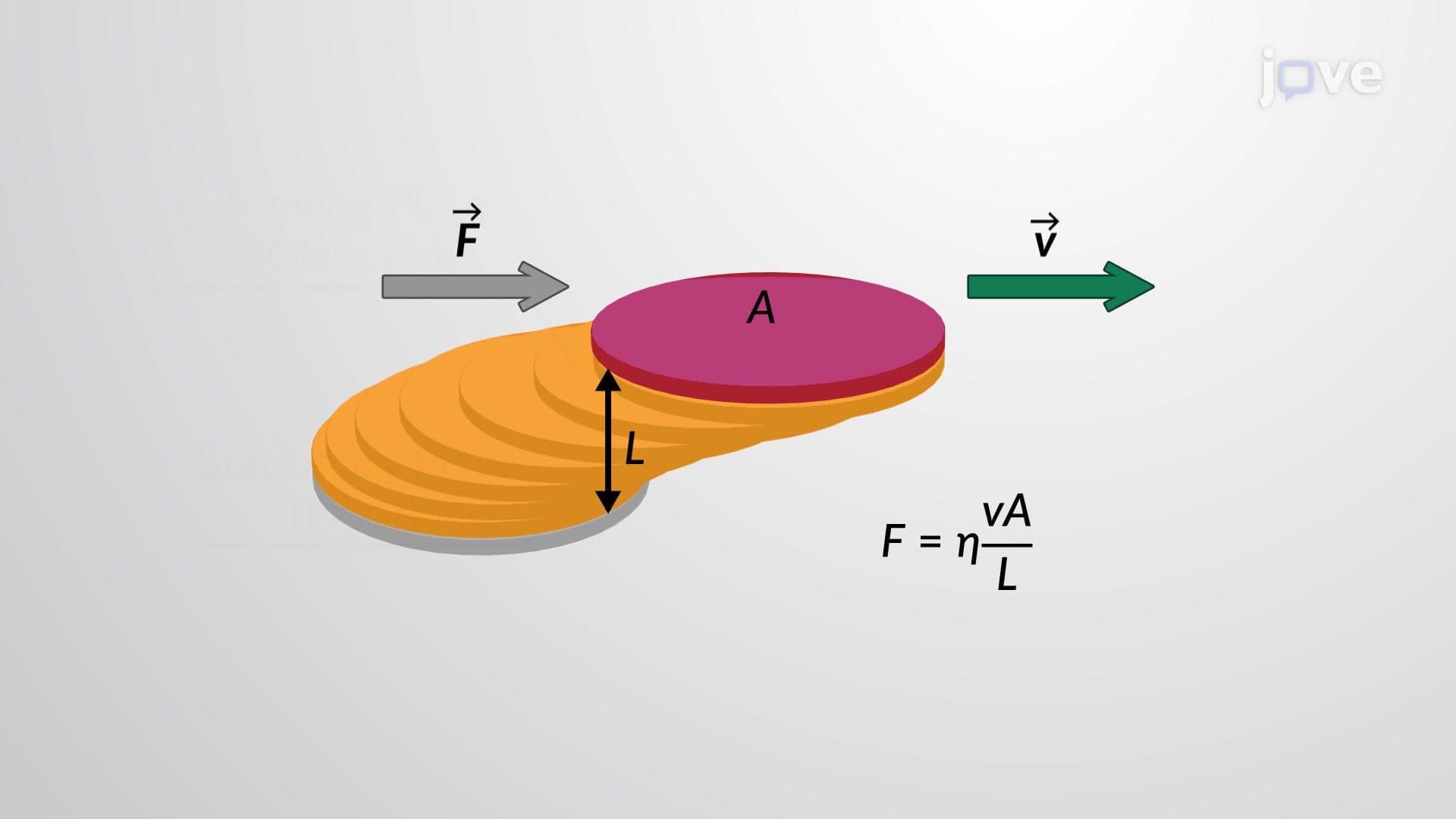
This relationship emerges from considering how fluid layers near a moving sphere get "dragged" along, creating velocity gradients that generate viscous resistance. Unlike turbulent drag, which depends on velocity squared, Stokes drag maintains a linear relationship with speed, making it particularly useful for precise calculations in laminar flow conditions.
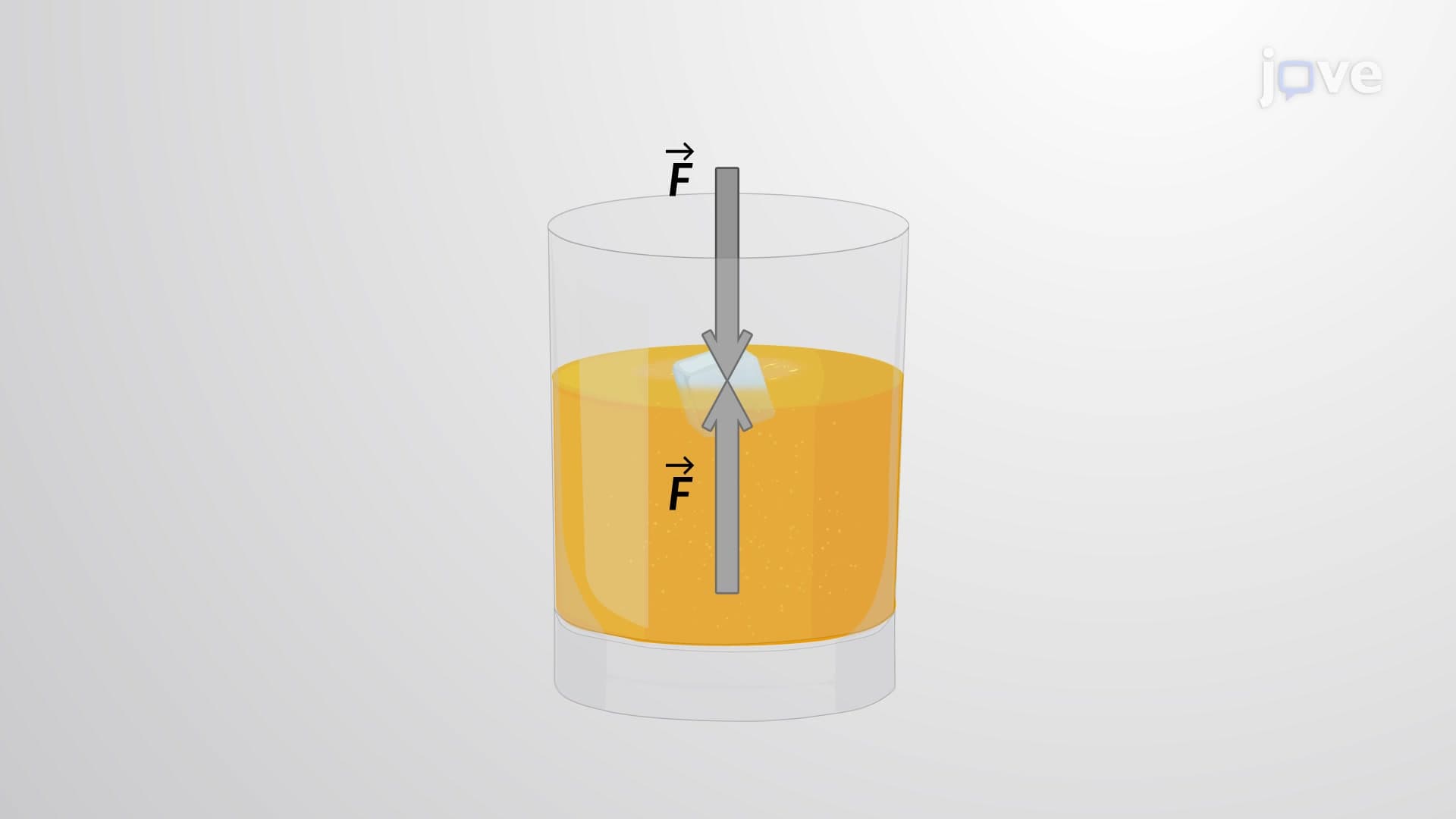
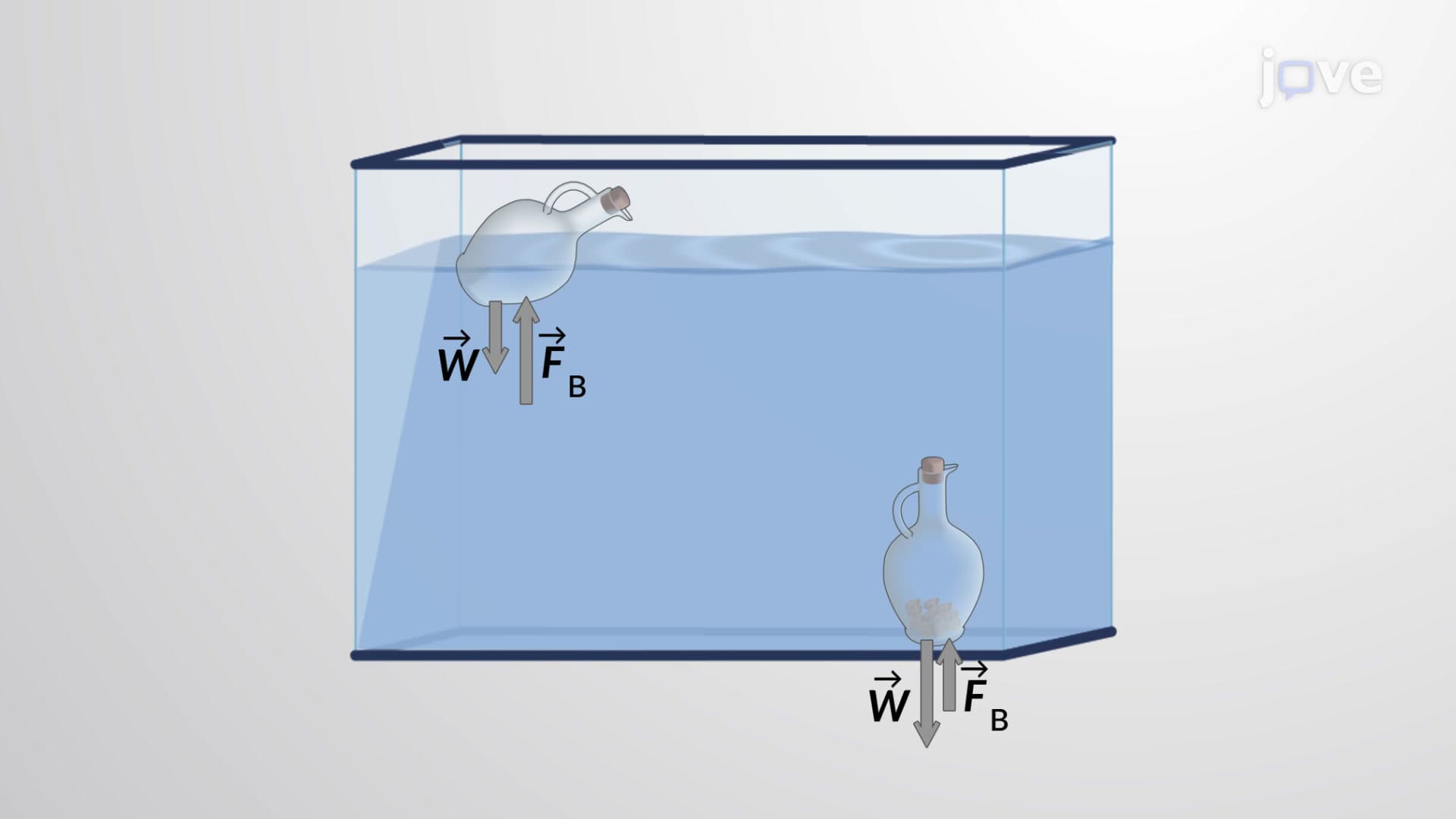
When a sphere falls through a viscous medium, three distinct forces compete for dominance. The gravitational force pulls downward with magnitude mg, while buoyancy pushes upward with force ρ(fluid)Vg. Meanwhile, viscous drag increases linearly with velocity according to Stokes law. Initially, gravity dominates and the sphere accelerates. However, as velocity increases, viscous resistance grows until all forces balance perfectly.
This equilibrium condition defines terminal velocity: v(terminal) = 2gr²(ρ(sphere) - ρ(fluid))/(9η). At this critical speed, acceleration ceases and the sphere falls at constant velocity. This principle explains why raindrops reach maximum speeds of only 9-10 meters per second, rather than accelerating catastrophically. Medical researchers leverage this same principle in blood sedimentation rate tests, where red blood cells settle at predictable rates in plasma.
Stokes law finds extensive application across American industries and research institutions. Environmental engineers at the EPA use Stokes calculations to model particulate settling in water treatment facilities, determining optimal retention times for contaminant removal. Pharmaceutical companies employ the principle in drug delivery systems, designing microsphere carriers that release medications at controlled rates based on their settling velocities in biological fluids.
In academic settings, Stokes law appears prominently in AP Physics courses and college fluid mechanics curricula. Students encounter the concept in laboratory experiments using ball viscometers, where steel spheres drop through glycerin to measure viscosity. This hands-on approach reinforces theoretical understanding while developing practical measurement skills essential for STEM careers.
While powerful, Stokes law applies only under specific conditions: spherical geometry, laminar flow (Reynolds number < 1), and infinite fluid boundaries. Real-world applications often require corrections for wall effects, non-spherical shapes, and turbulent transitions. Understanding these limitations proves crucial for students preparing for advanced physics courses and professional applications in engineering fields.
Related Micro-courses