Loading video…


 24 Concepts
 201K views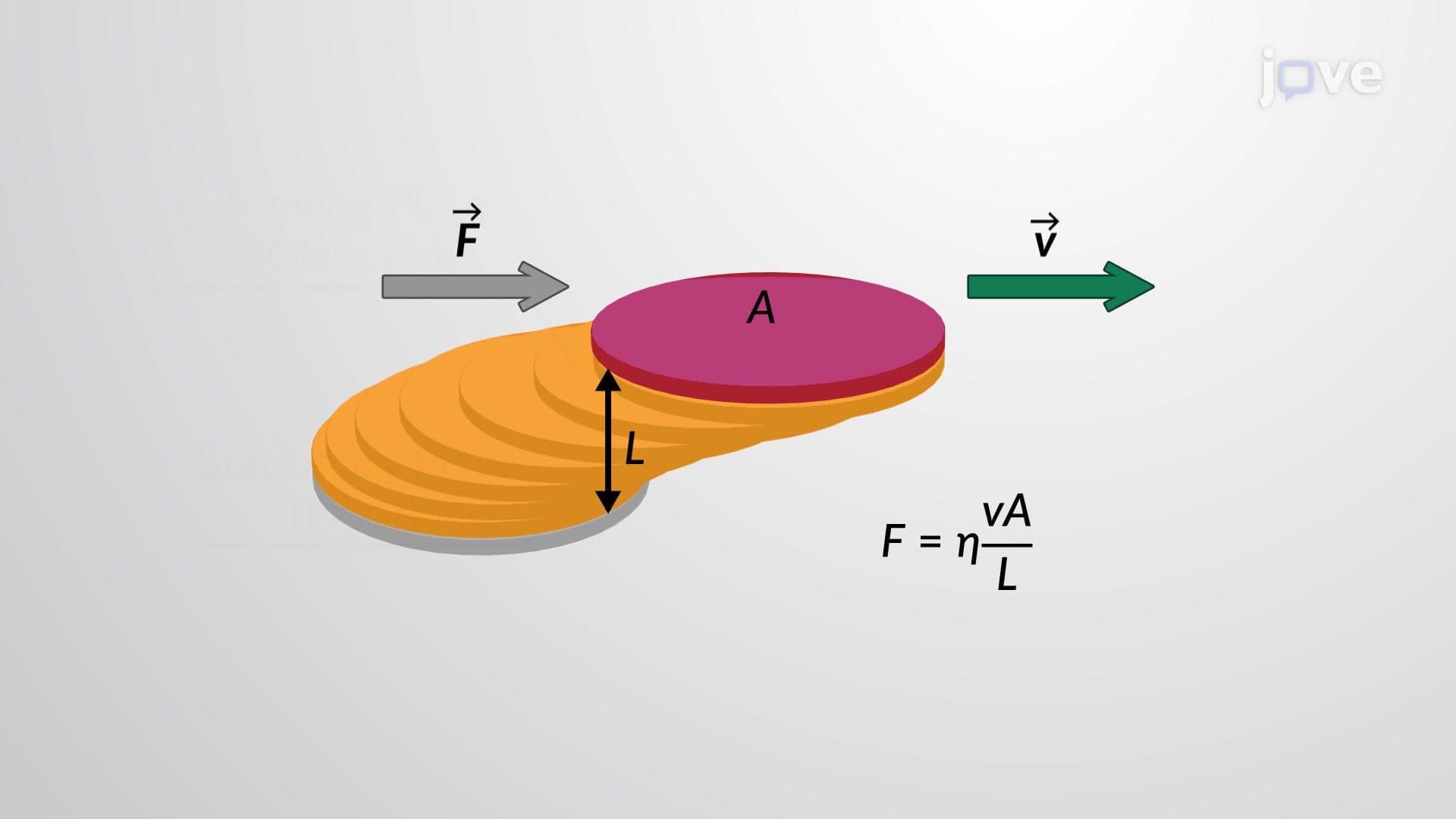

Video Summary: What Is Viscosity
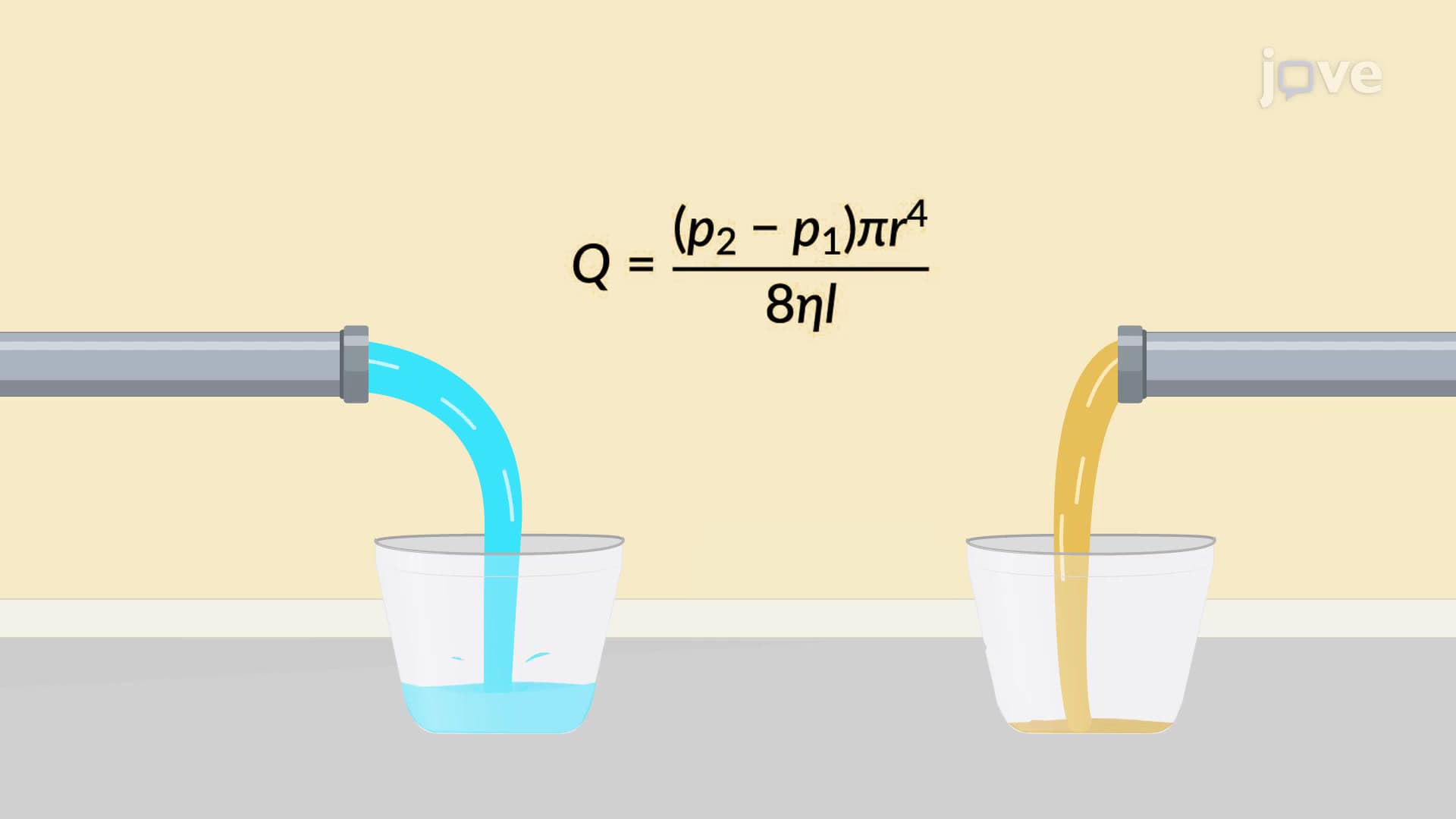
Ever wonder why maple syrup pours so slowly compared to water at your breakfast table? Viscosity is the property that explains this everyday phenomenon, it's essentially a fluid's resistance to flow. Think about how motor oil flows differently than gasoline at a Mobil station; this difference directly impacts engine performance and fuel efficiency. What is viscosity becomes clearer when we understand it as internal friction between fluid layers, determining whether liquids flow smoothly or resist movement. Watch the full video on JoVE Coach to master this concept with expert-led visuals and step-by-step explanations.
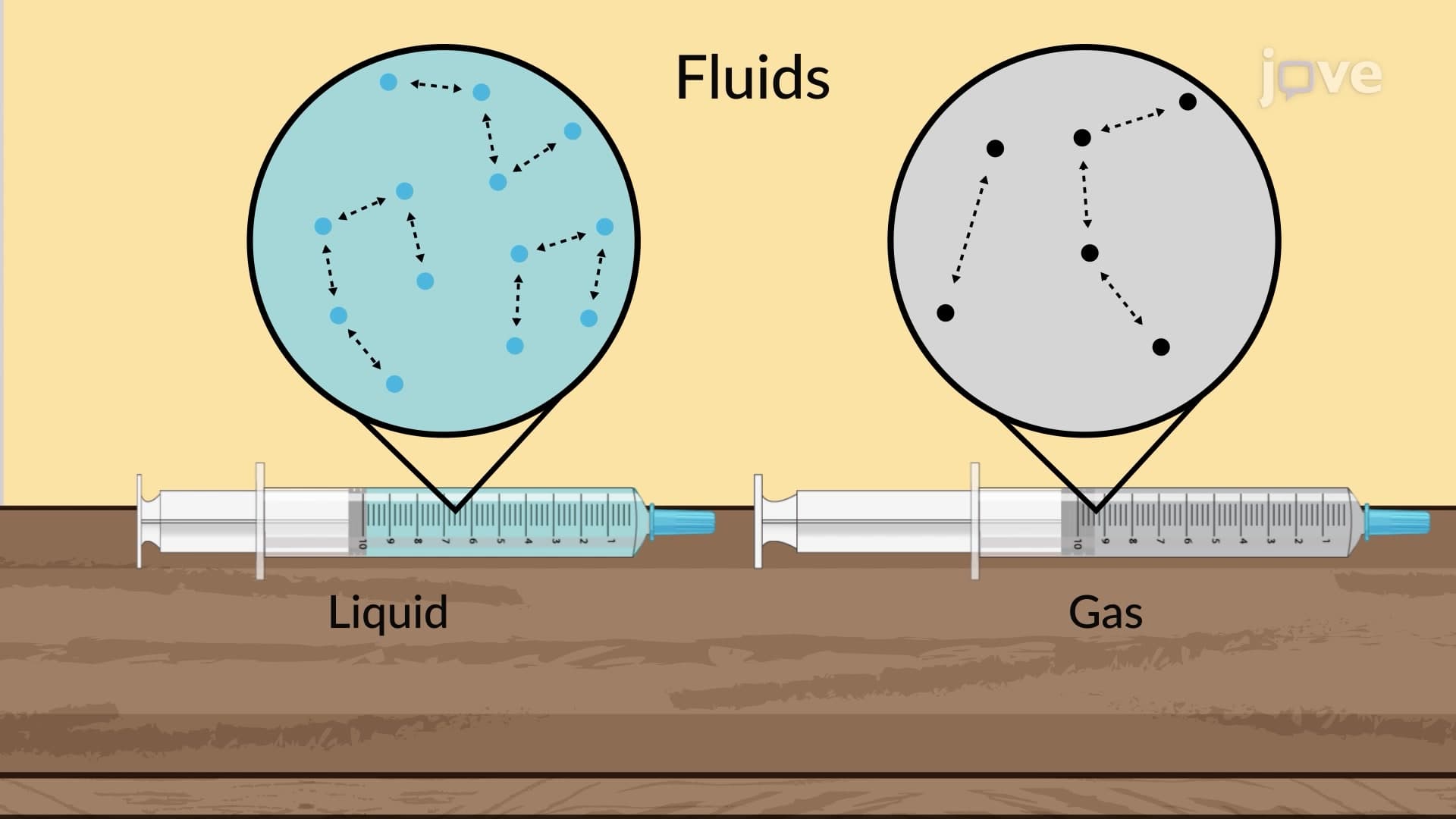
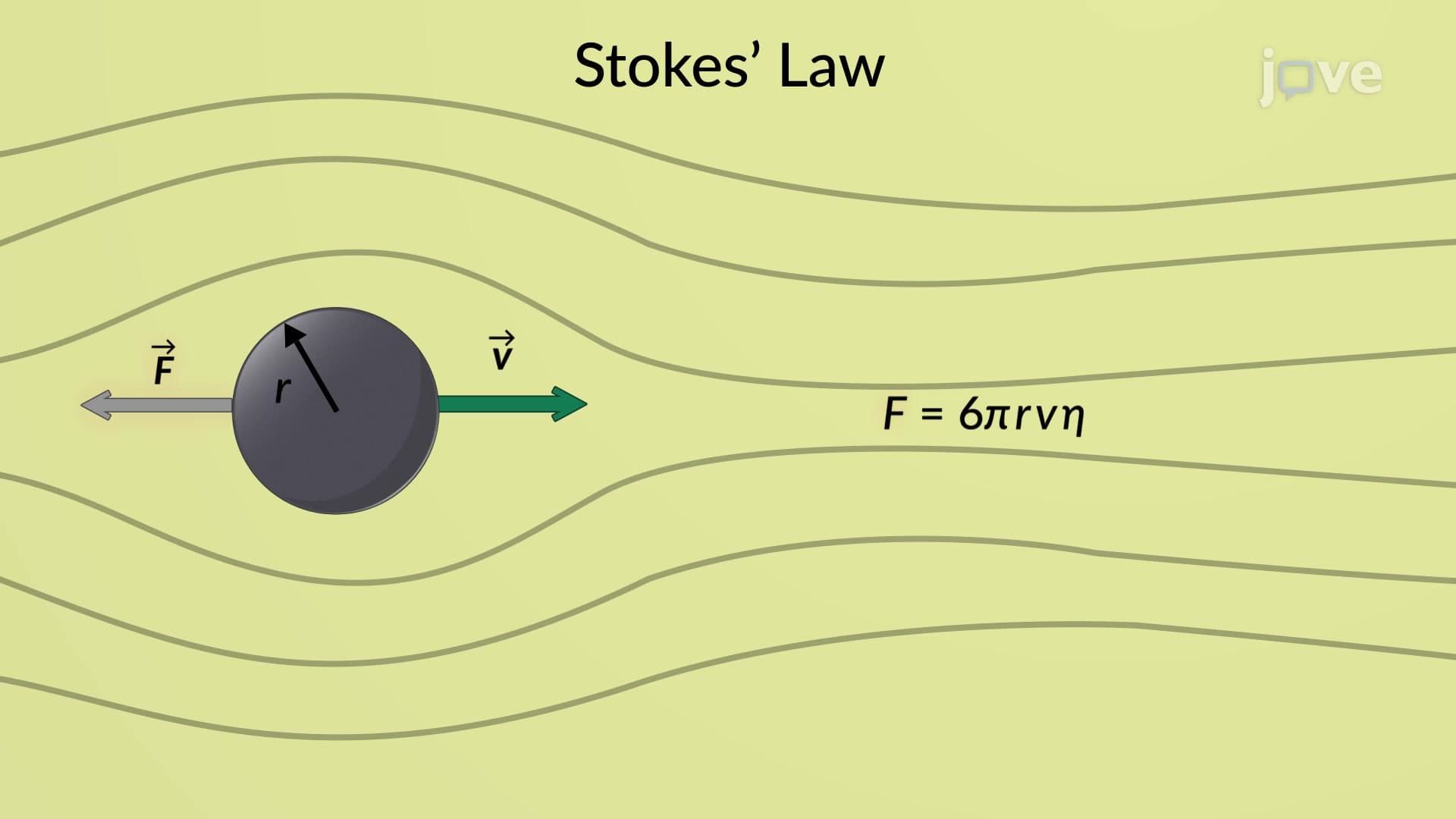
What is viscosity fundamentally relates to intermolecular forces within fluids. When honey flows slowly compared to water, we're observing stronger molecular attractions creating greater internal friction. This viscosity definition encompasses both the microscopic interactions between molecules and the macroscopic resistance we observe during fluid motion.
Temperature significantly affects viscosity. Consider how cold Vermont maple syrup barely pours in winter but flows readily when warmed. For liquids, increasing temperature typically decreases viscosity as thermal energy overcomes intermolecular attractions. Conversely, gases become more viscous at higher temperatures due to increased molecular collisions.
The parallel plate model described represents viscometry's fundamental principle. In this setup, the shear stress (force per unit area) equals the dynamic viscosity multiplied by the velocity gradient. This relationship, known as Newton's law of viscosity, applies to Newtonian fluids like water and most oils.
American petroleum companies routinely measure crude oil viscosity to determine pumping requirements and refinery processing conditions. The Society of Automotive Engineers (SAE) viscosity ratings on motor oil bottles (like 5W-30) directly relate to this measurement, ensuring proper engine lubrication across temperature ranges.
Higher viscosity promotes laminar flow, where fluid moves in smooth, parallel layers. This viscosity concept explains why honey creates neat, predictable streams while water easily becomes turbulent. The Reynolds number, incorporating viscosity, predicts flow patterns, crucial for designing everything from blood flow in cardiac stents to oil pipelines across Texas.
For AP Physics students, understanding viscosity connects fluid mechanics to practical engineering problems. Pre-med students encounter viscosity when studying blood flow dynamics, where conditions like diabetes can alter blood viscosity and cardiovascular health. This viscosity study guide material frequently appears on MCAT passages involving circulatory system physics.
Industrial applications span pharmaceuticals (ensuring consistent medicine delivery), food processing (controlling chocolate tempering), and aerospace engineering (designing fuel systems). These real-world connections make viscosity concepts particularly relevant for students considering STEM careers.
Related Micro-courses