Loading video…


 24 Concepts
 201K views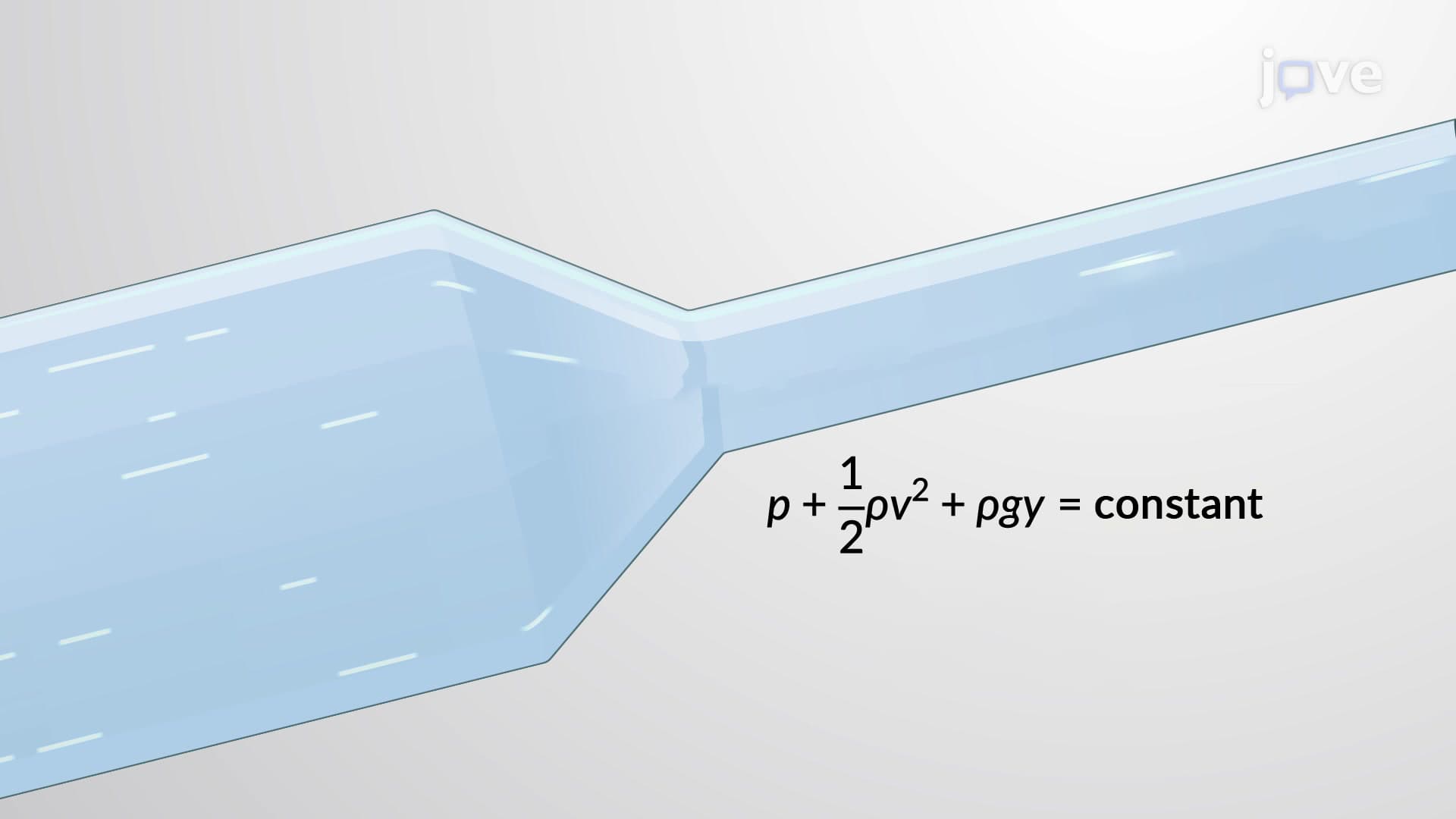

Video Summary: What Is Bernoullis Equation
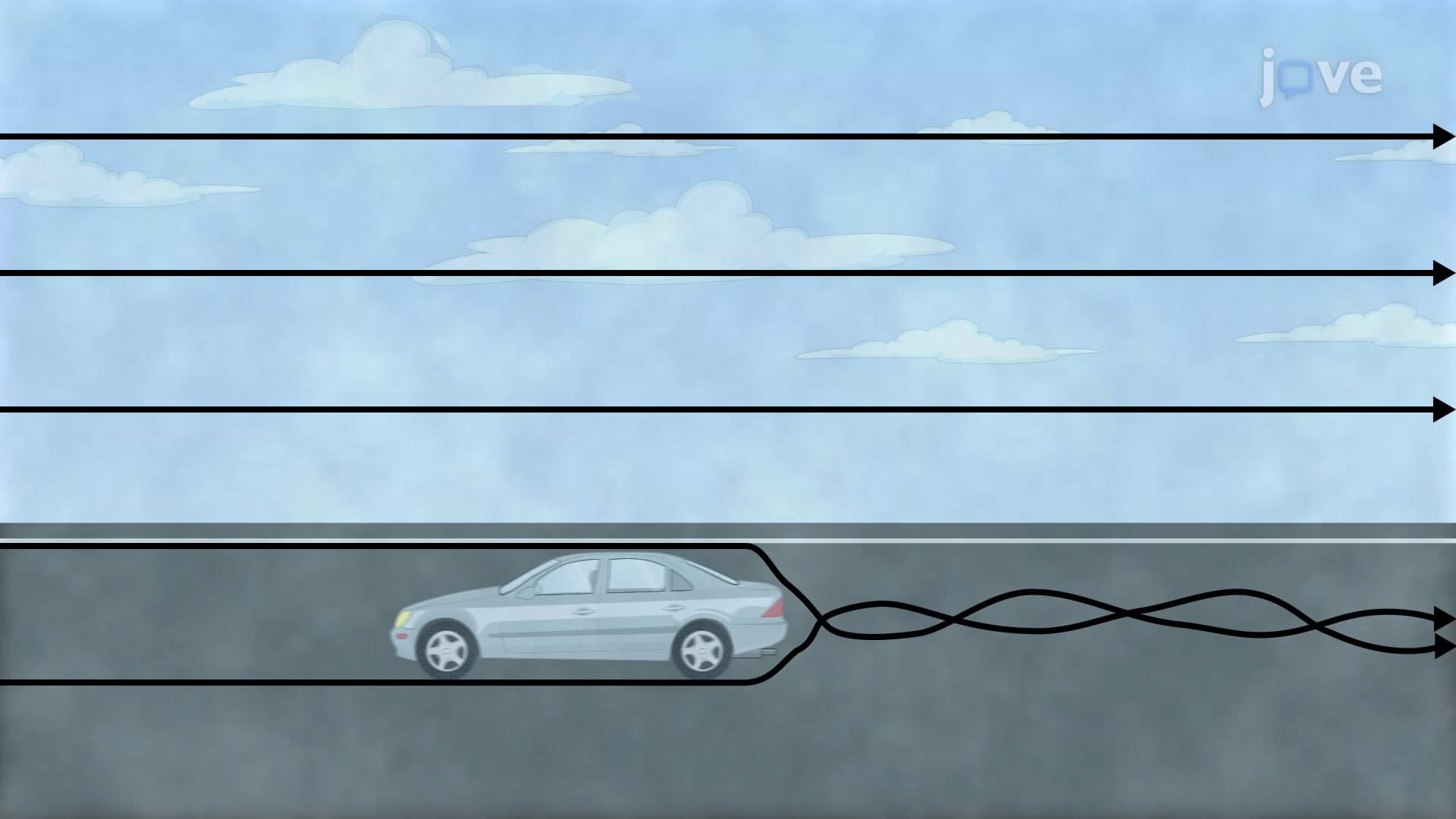
Ever wonder why airplane wings generate lift or how a NASCAR carburetor works? Bernoulli's equation reveals the hidden relationship between fluid speed, pressure, and energy that makes these phenomena possible. This fundamental principle explains how faster-moving fluids create lower pressure zones-the same physics behind everything from the curve of a baseball to the operation of a Venturi tube in a laboratory setting. What is Bernoulli's Equation demonstrates how energy conservation governs fluid behavior in countless applications. Watch the full video on JoVE Coach to master this concept with expert-led visuals and step-by-step explanations.
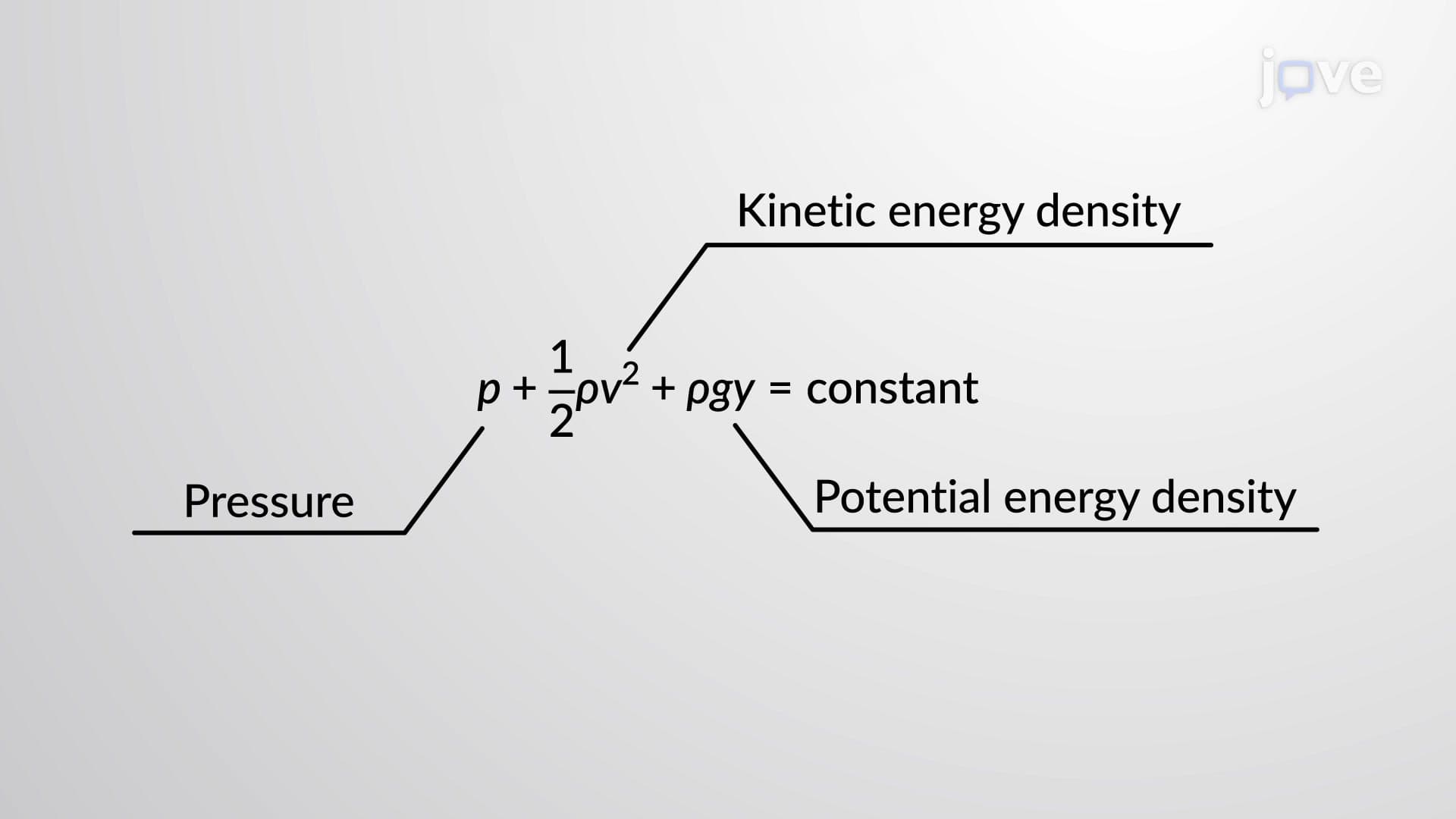
What is Bernoulli's Equation represents one of the most elegant applications of energy conservation in fluid mechanics. Named after Swiss mathematician Daniel Bernoulli, this principle states that for an ideal fluid in steady flow, the total mechanical energy per unit volume remains constant along any streamline. The equation mathematically expresses this as: P + (1/2)ρv² + ρgh = constant, where P represents pressure, ρ is fluid density, v is velocity, g is gravitational acceleration, and h is height.
Bernoulli's equation beautifully captures three distinct forms of energy in fluid systems. Pressure energy (P) represents the internal energy of the fluid due to intermolecular forces. Kinetic energy density (1/2)ρv² accounts for the energy associated with fluid motion. Gravitational potential energy density (ρgh) reflects the energy due to the fluid's position in Earth's gravitational field. Understanding these components helps students tackle AP Physics problems and college-level fluid mechanics courses.
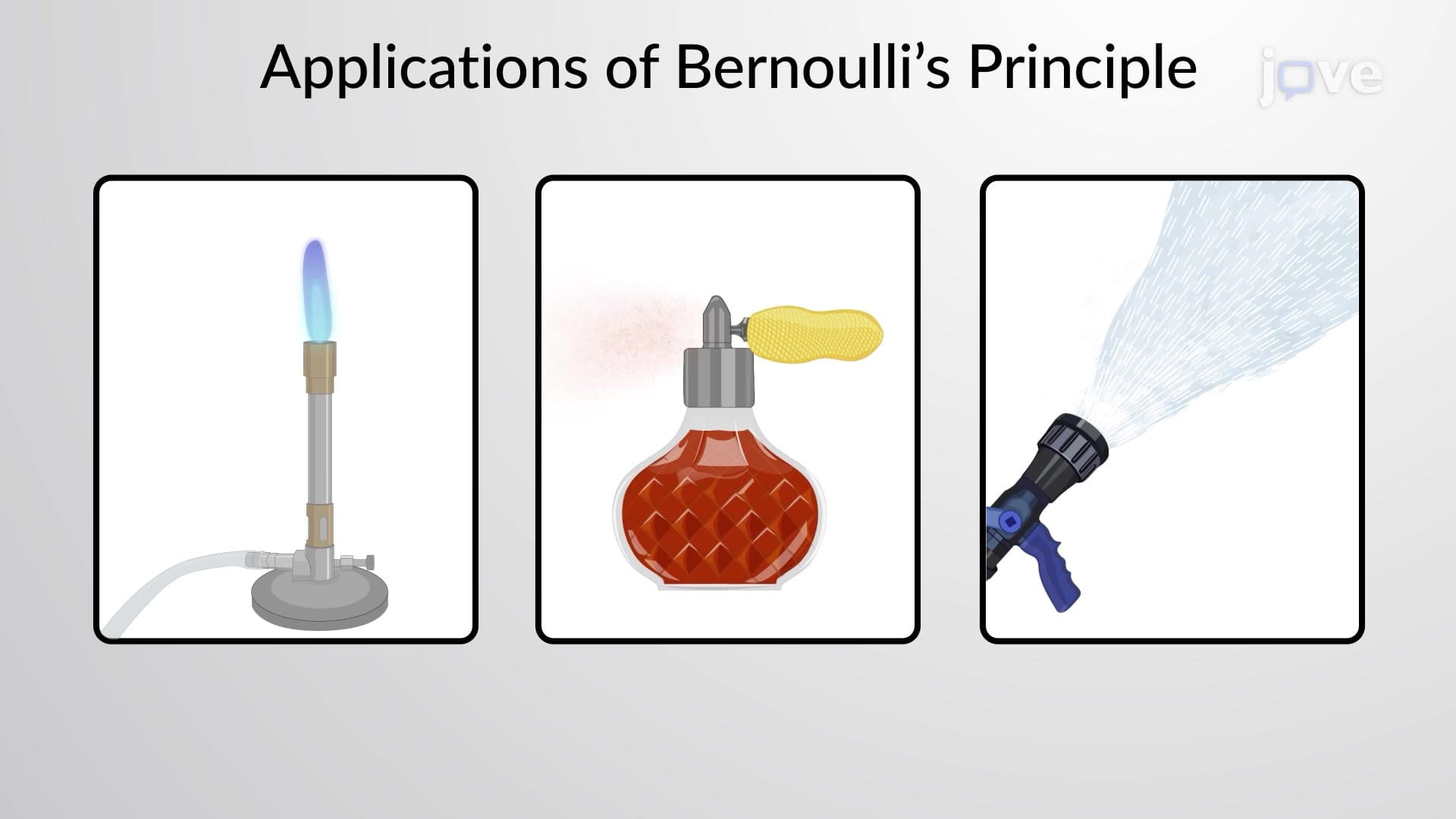
The Bernoulli's equation concept drives numerous technologies across American industries. In aerospace, Boeing and Lockheed Martin engineers apply Bernoulli's principle to design wing profiles that create lift through pressure differentials. Medical device companies like Medtronic use Bernoulli's equation to design heart pumps and blood flow sensors. Even NASCAR teams leverage this principle in carburetor design and aerodynamic optimization. Students preparing for the MCAT will encounter Bernoulli's equation in cardiovascular physiology contexts, particularly when analyzing blood flow through narrowed arteries.
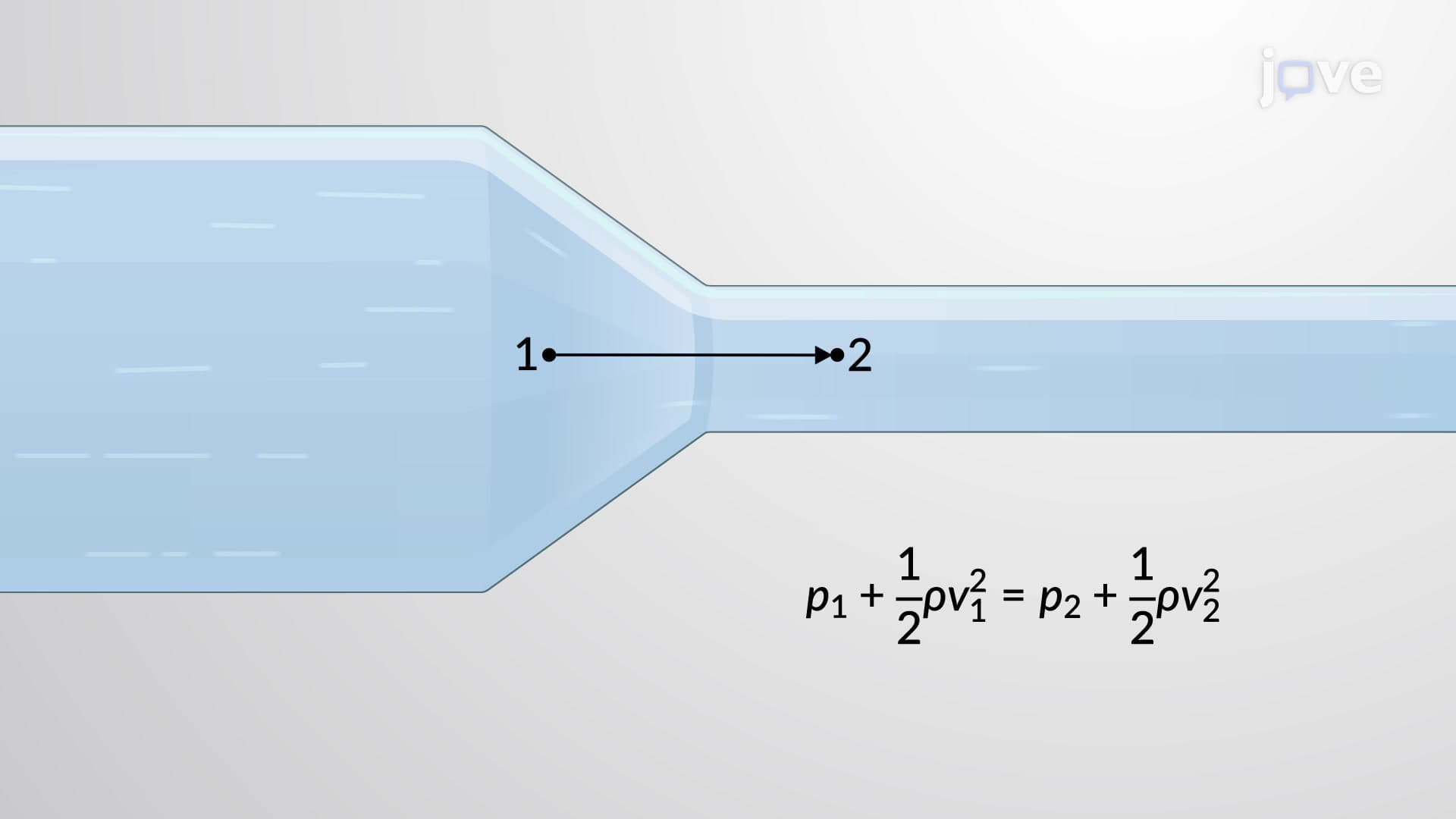
When approaching Bernoulli's equation problems, successful students follow systematic approaches. First, identify the two points along the streamline where conditions are known or sought. Next, list the pressure, velocity, and height at each point. Then apply the equation P₁ + (1/2)ρv₁² + ρgh₁ = P₂ + (1/2)ρv₂² + ρgh₂. This methodical approach proves invaluable for SAT Subject Tests, AP Physics exams, and college midterms. Remember that Bernoulli's equation assumes ideal conditions: the fluid must be incompressible, non-viscous, and in steady flow-assumptions that work well for water and air in many practical situations.
Related Micro-courses