Loading subject page…

- Physics
- Fluid Mechanics
- Pressure of Fluids
Micro-course: Fluid Mechanics
201,019 views
Learn key concepts and earn your certificate.






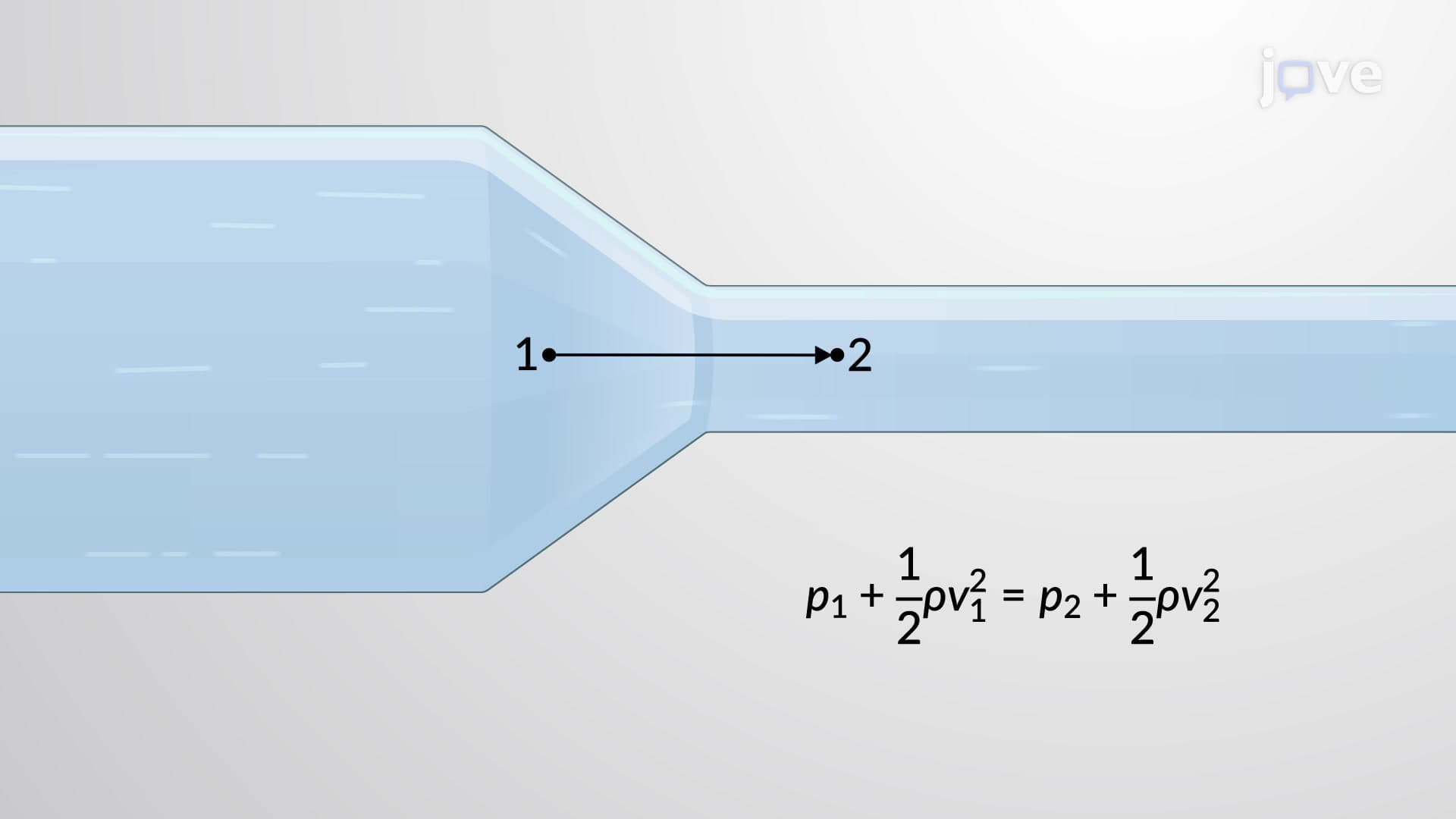

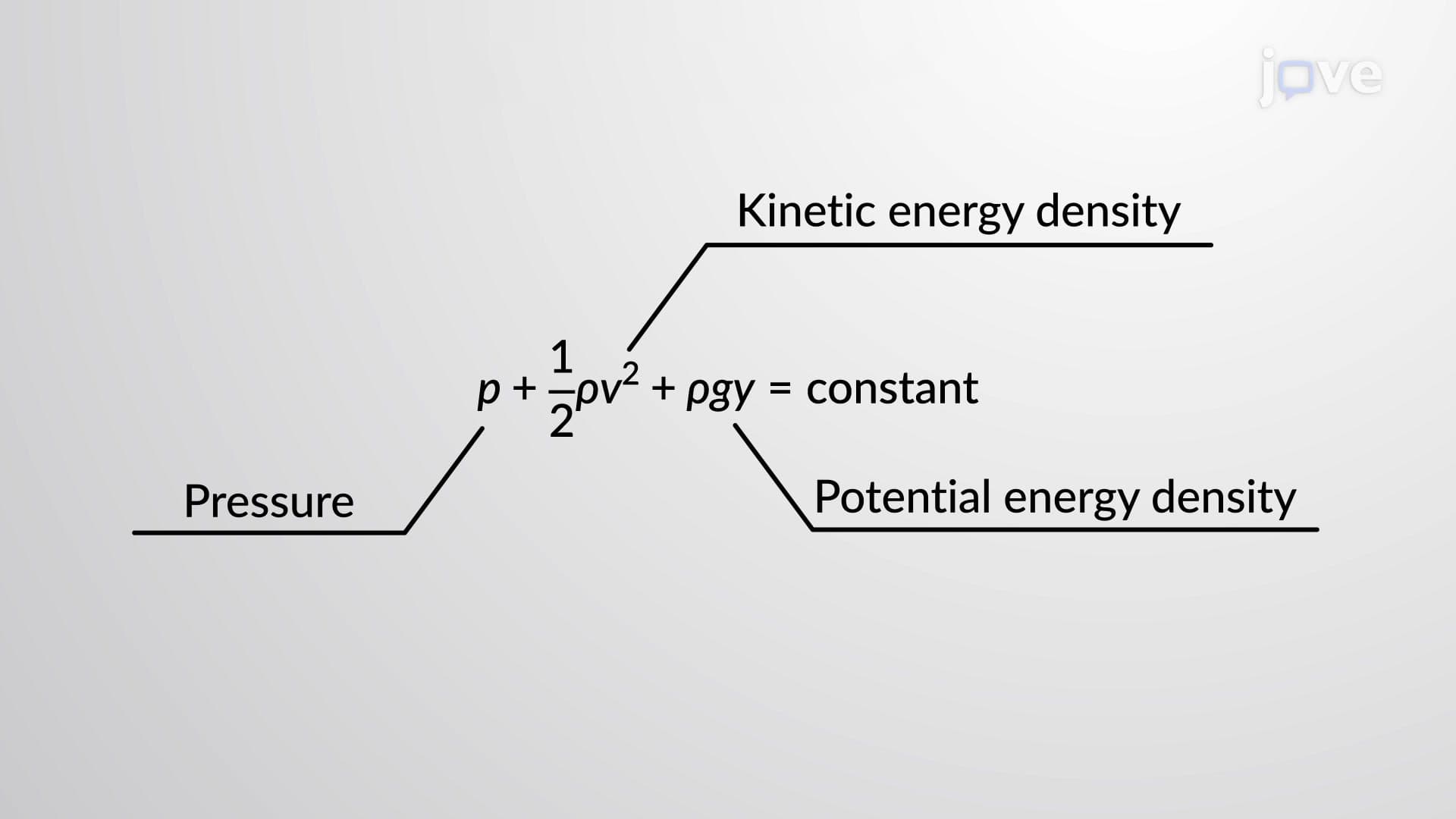
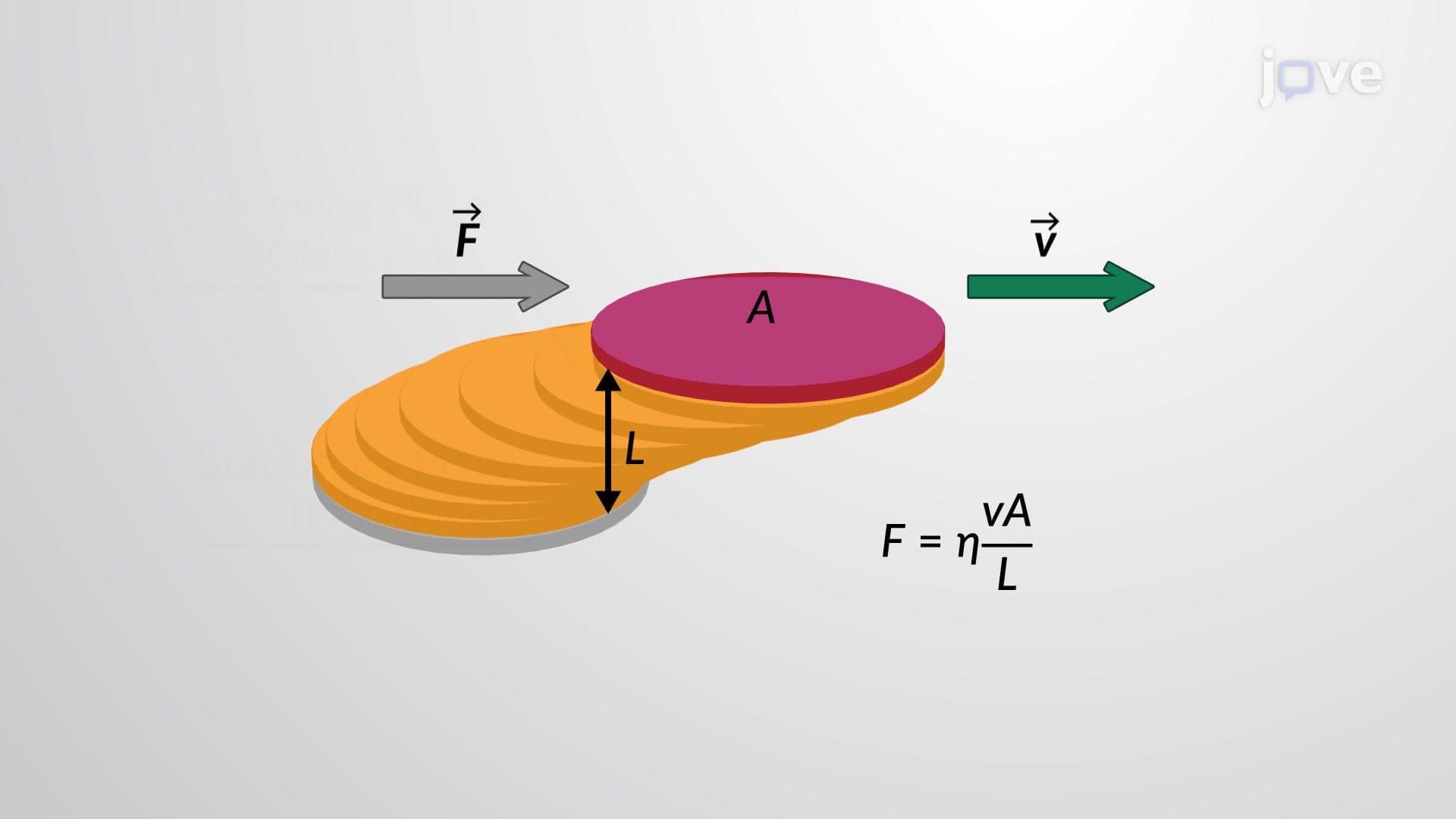
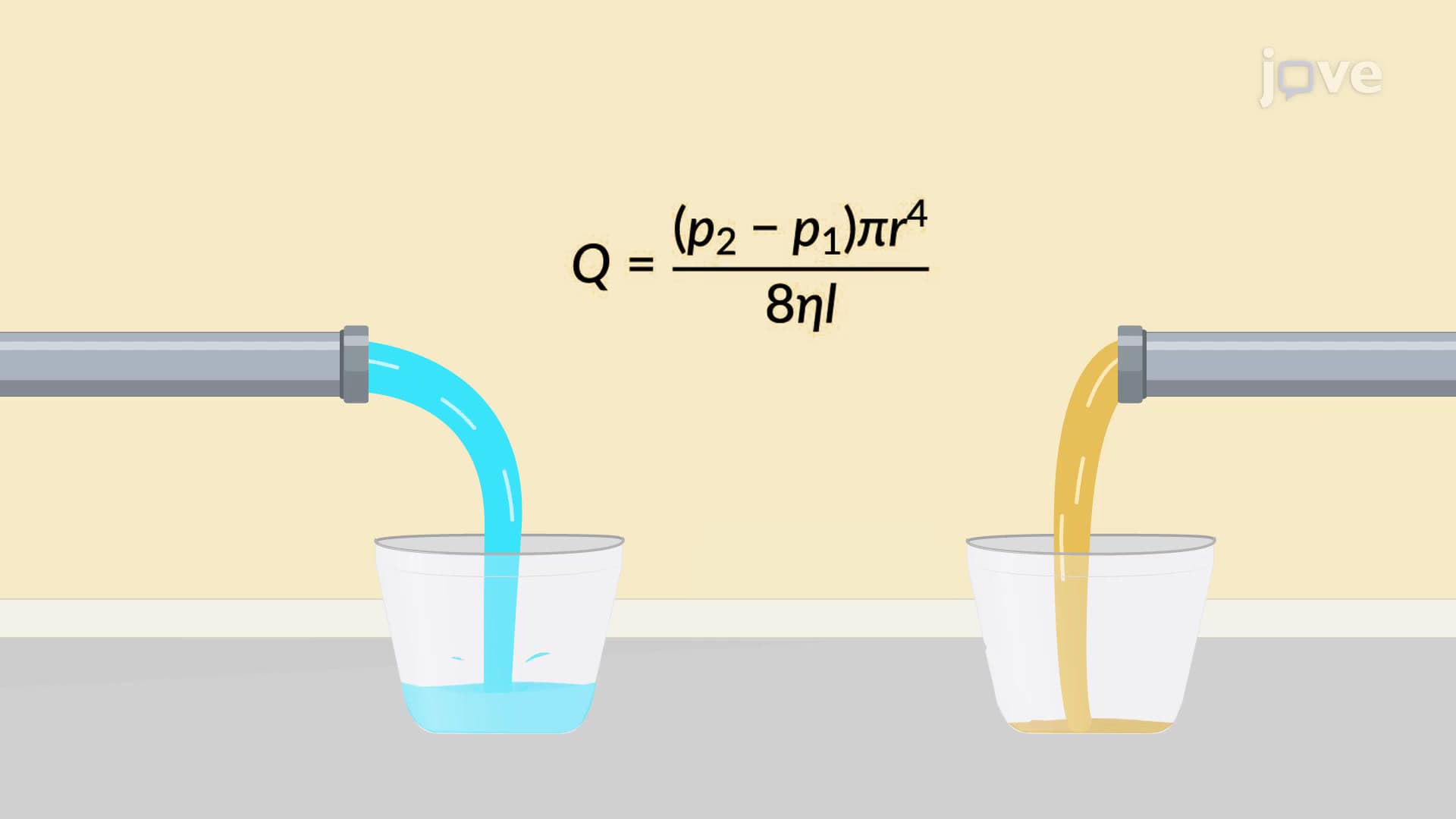
Pressure of Fluids

00:00
01:14
Video Summary: What are Pressure of Fluids
Ever noticed how water rushes out faster from the bottom of a swimming pool drain than from the top? This phenomenon reveals the fascinating world of pressure of fluids, the force that fluids exert perpendicular to any surface they contact. Unlike force, which has direction, fluid pressure acts equally in all directions as a scalar quantity, measured in pascals. At the bottom of a 12-foot deep pool, water pressure reaches nearly 5,000 pascals above atmospheric pressure! Watch the full video on JoVE Coach to master this concept with expert-led visuals and step-by-step explanations.
- Understand what are pressure of fluids and distinguish between pressure as a scalar quantity versus force as a vector quantity
- Identify the SI unit of pressure (pascal) and recognize that fluid pressure acts perpendicular to all surfaces
- Analyze how atmospheric pressure and fluid weight combine to create total pressure at any depth
- Apply the fundamental pressure equation P = ρgh to calculate pressure at various depths in fluid systems
- Compare pressure variations at different depths within the same fluid and between different fluid densities
- Evaluate real-world applications of fluid pressure in hydraulic systems, diving equipment, and engineering designs
- Recognize the relationship between fluid density, gravitational acceleration, and depth in pressure calculations
- Explore how pressure concepts connect to Pascal's principle and hydrostatic pressure applications
Understanding What are Pressure of Fluids: The Foundation
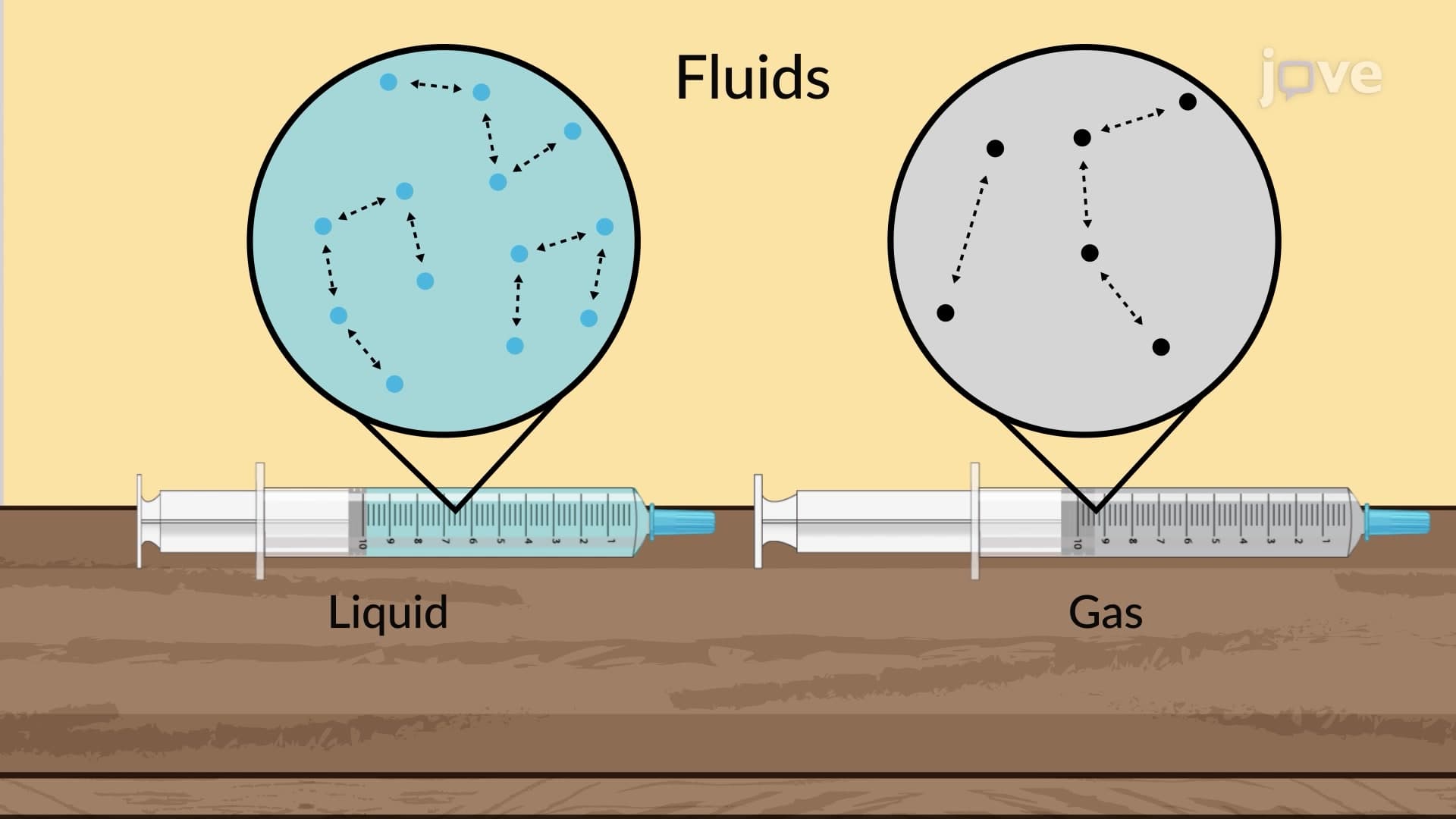
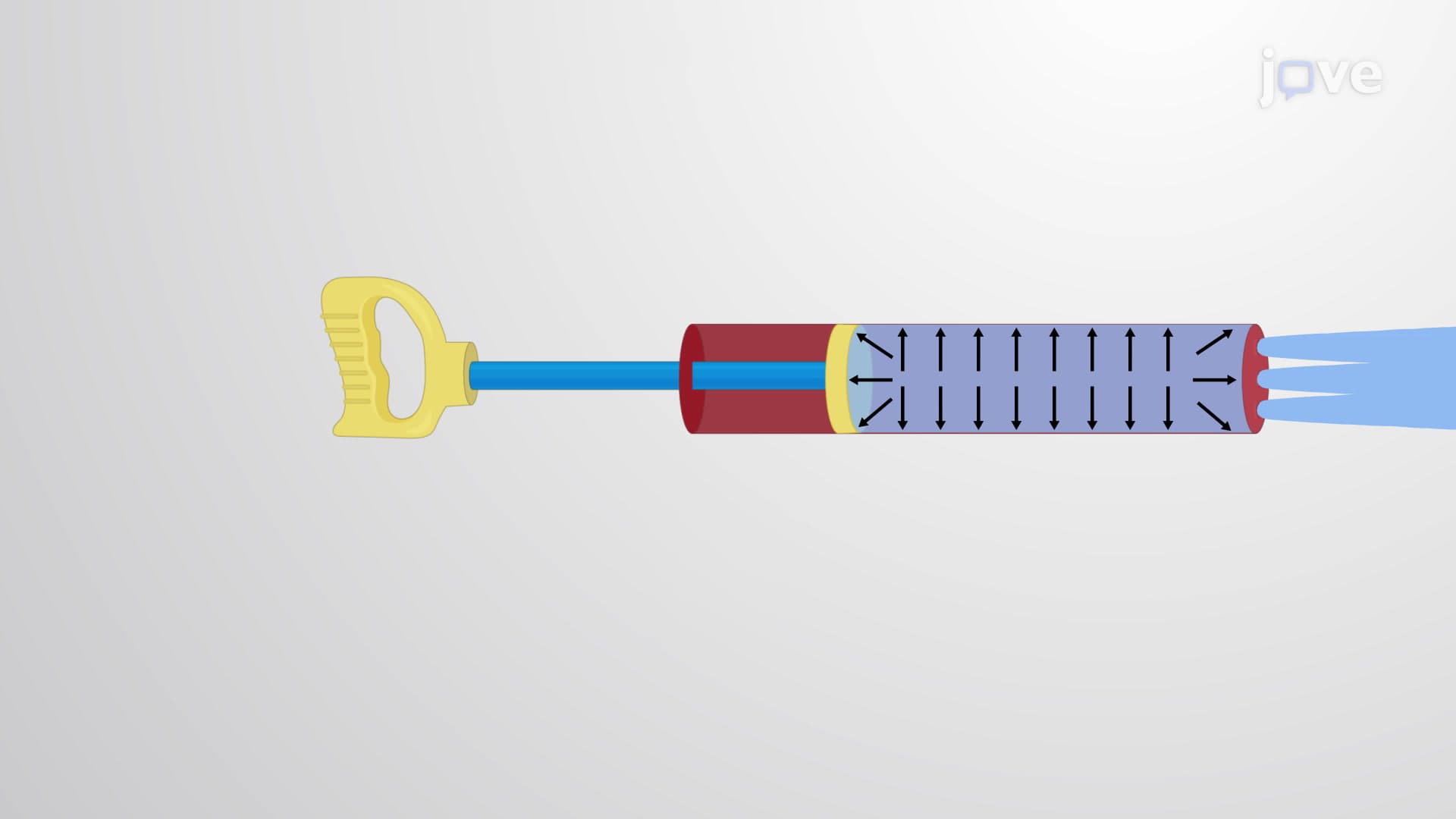
Pressure of fluids represents one of the most fundamental concepts in fluid mechanics, essential for understanding everything from blood circulation to hydraulic engineering. Unlike solid objects that can support forces in multiple directions, fluids can only exert forces perpendicular to surfaces they contact. This perpendicular force per unit area defines fluid pressure, creating a scalar quantity that acts equally in all directions at any given point.
The distinction between pressure and force proves crucial for physics students. While force requires both magnitude and direction (making it a vector), pressure only needs magnitude, simplifying many calculations. This concept frequently appears on AP Physics exams and college mechanics courses, where students must distinguish between these related but fundamentally different quantities.
Types of Pressure of Fluids in Real Applications
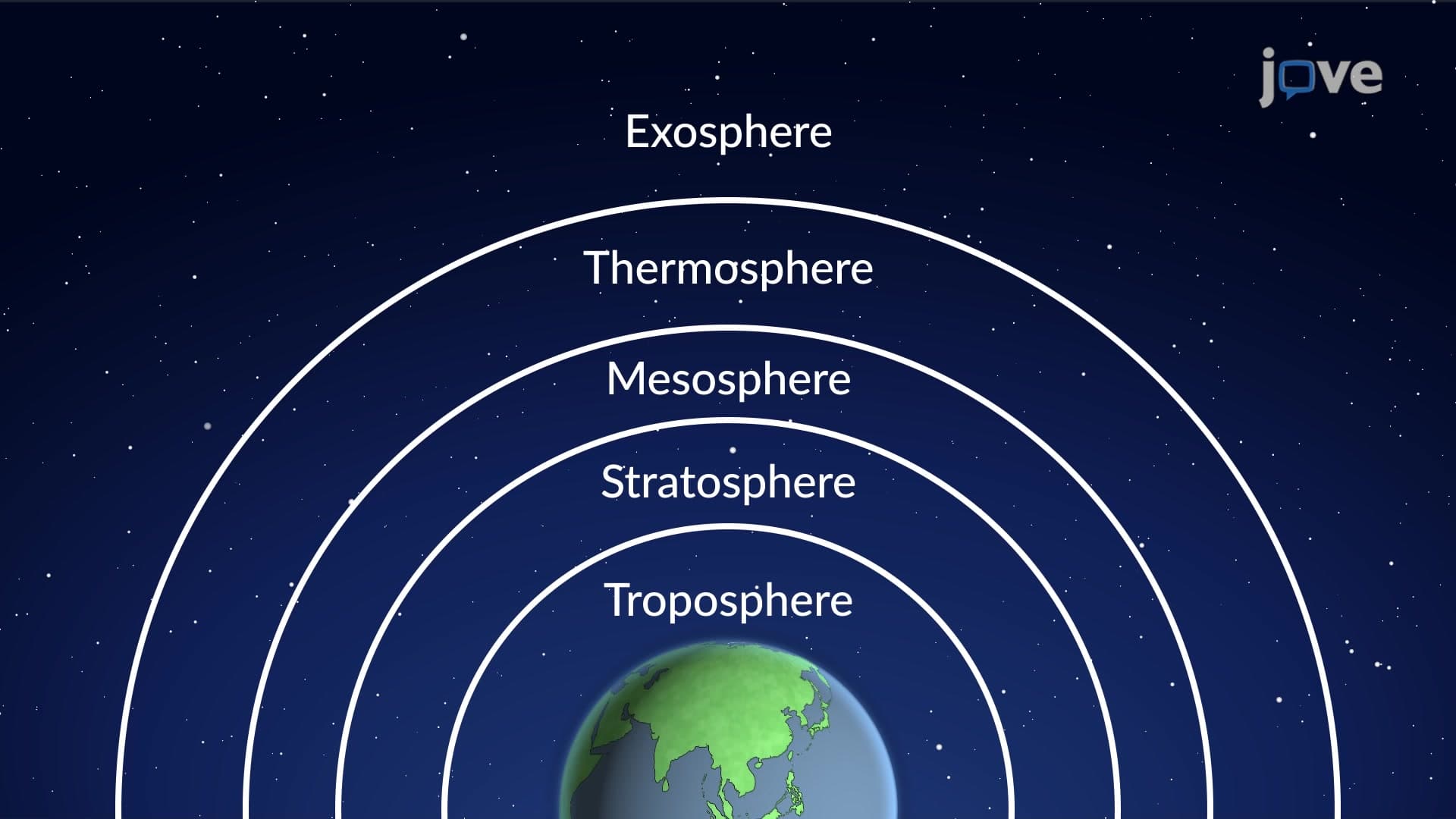
Fluid pressure manifests in various forms throughout everyday American life. Atmospheric pressure constantly surrounds us at approximately 101,325 pascals (14.7 psi), enabling everything from breathing to weather systems. Hydrostatic pressure increases with depth, explaining why deep-sea submersibles require incredibly thick walls, at the Titanic's depth (12,500 feet), water pressure exceeds 5,500 psi, over 375 times atmospheric pressure.
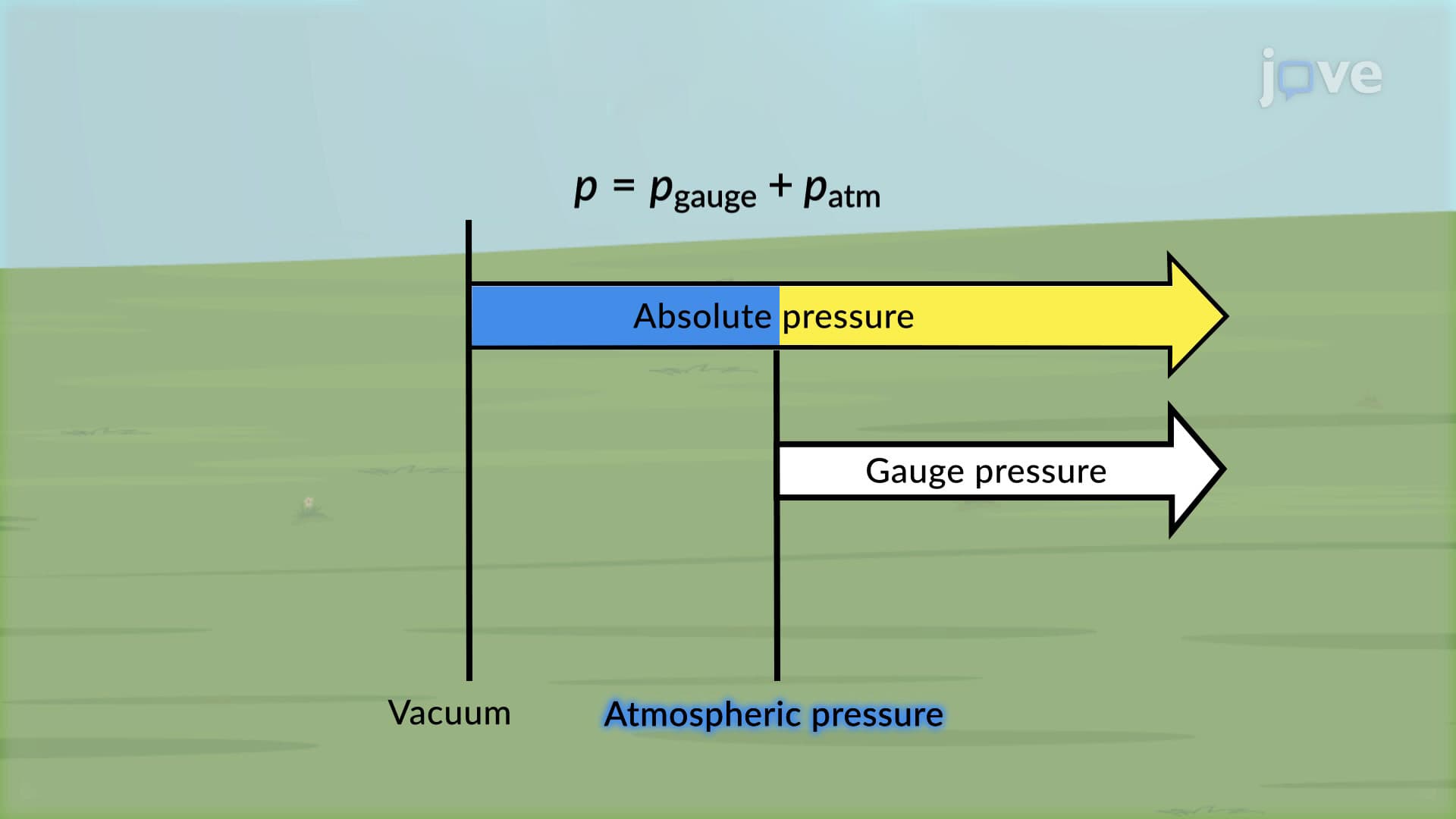
Gauge pressure measures pressure relative to atmospheric conditions, commonly used in tire pressure readings and blood pressure measurements. A typical car tire inflated to 32 psi actually contains 46.7 psi absolute pressure (32 psi + 14.7 psi atmospheric). Understanding these pressure types helps students tackle complex problems in engineering and medical applications.
Mathematical Framework and Practical Applications
The fundamental equation P = P₀ + ρgh governs pressure of fluids calculations, where P₀ represents atmospheric pressure, ρ indicates fluid density, g equals gravitational acceleration (9.8 m/s²), and h measures depth. This relationship explains why hydraulic jacks can lift massive vehicles, small forces applied over small areas create enormous pressures transmitted throughout the fluid system.
In medical applications, understanding fluid pressure proves vital for healthcare professionals. Blood pressure measurements rely on these principles, where systolic and diastolic readings indicate the maximum and minimum pressures in arterial systems. MCAT students frequently encounter these concepts in biological systems contexts, connecting physics principles to physiological processes.
American engineering marvels like the Hoover Dam demonstrate fluid pressure applications on massive scales. The dam's curved concrete structure efficiently redirects enormous water pressure forces into the surrounding canyon walls, showcasing how engineers harness fluid pressure principles for practical solutions.
Frequently Asked Questions
Pressure of fluids is the perpendicular force exerted by a fluid per unit area on any surface it contacts. Unlike solid materials that can exert forces in various directions, fluids only create pressure perpendicular to surfaces, making it a scalar quantity that acts equally in all directions at any point.
Fluid pressure concepts appear frequently in AP Physics 1 and 2 exams, particularly in mechanics and fluid dynamics sections. Students encounter problems involving hydrostatic pressure calculations, Pascal's principle applications, and pressure-volume relationships. Mastering the P = P₀ + ρgh equation and understanding pressure as a scalar quantity provides essential foundation knowledge for exam success.
MCAT physics sections commonly test fluid pressure through biological system applications like blood circulation, respiratory mechanics, and cellular osmotic pressure. Questions often combine pressure calculations with physiological processes, requiring students to apply P = ρgh in contexts like blood pressure variations throughout the circulatory system or pressure changes during breathing cycles.
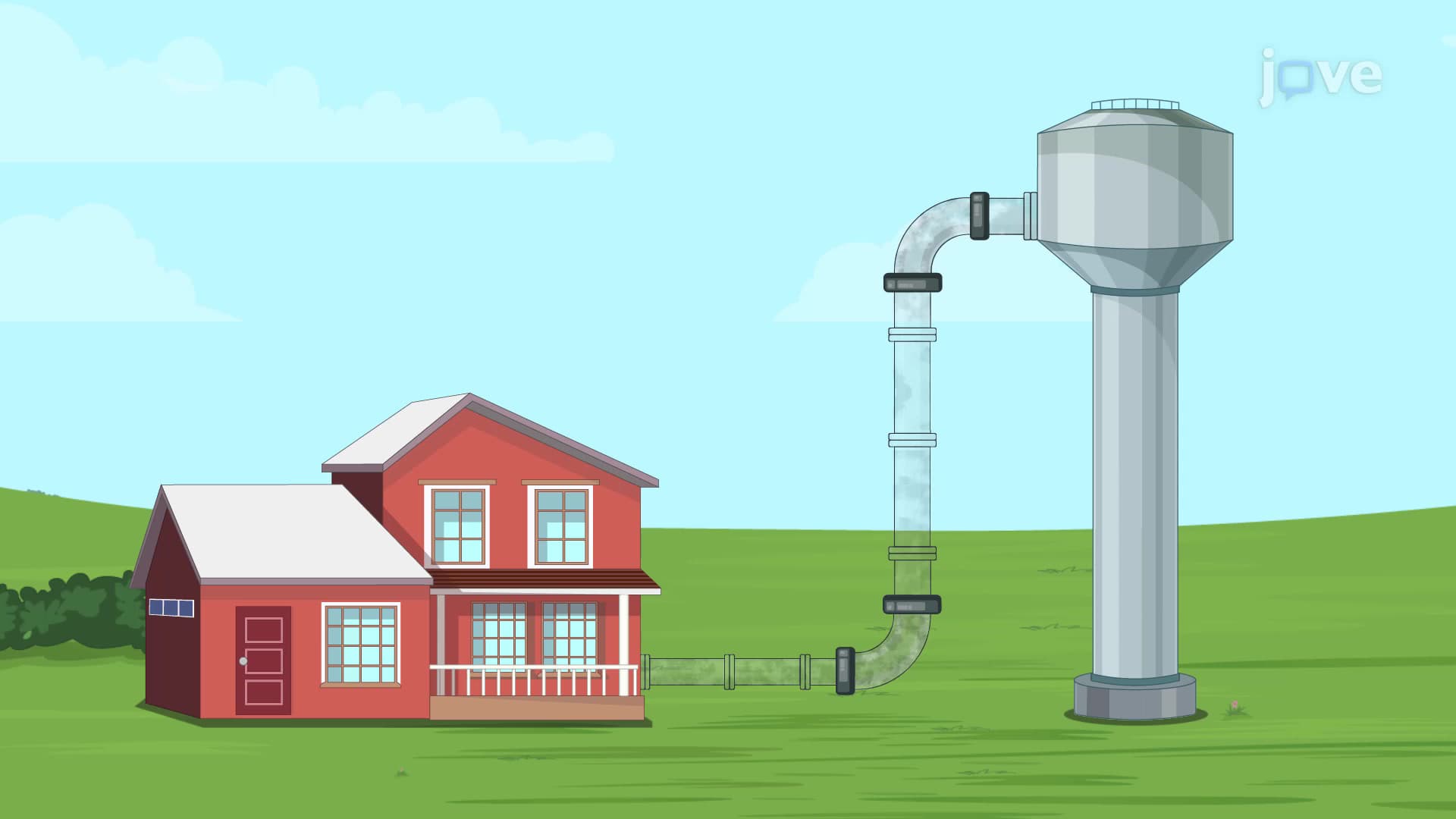
Hydraulic systems in construction equipment demonstrate fluid pressure principles, excavators and bulldozers use pressurized hydraulic fluid to generate enormous lifting forces. Water towers throughout American cities use gravitational potential energy to create consistent water pressure in distribution systems. Additionally, automotive brake systems rely on brake fluid pressure transmission to convert pedal force into stopping power.
Fluid pressure concepts require only basic algebra and an understanding of density, making them accessible to high school students. The fundamental equation P = ρgh uses straightforward multiplication, and most applications involve substituting known values. Students comfortable with basic physics concepts like force, area, and density can successfully master fluid pressure principles.
Focus on understanding the physical meaning behind P = P₀ + ρgh rather than memorizing formulas. Practice identifying gauge versus absolute pressure in word problems, and work through examples involving different fluid densities. Create concept maps connecting atmospheric pressure, hydrostatic pressure, and Pascal's principle to build comprehensive understanding for exam applications.
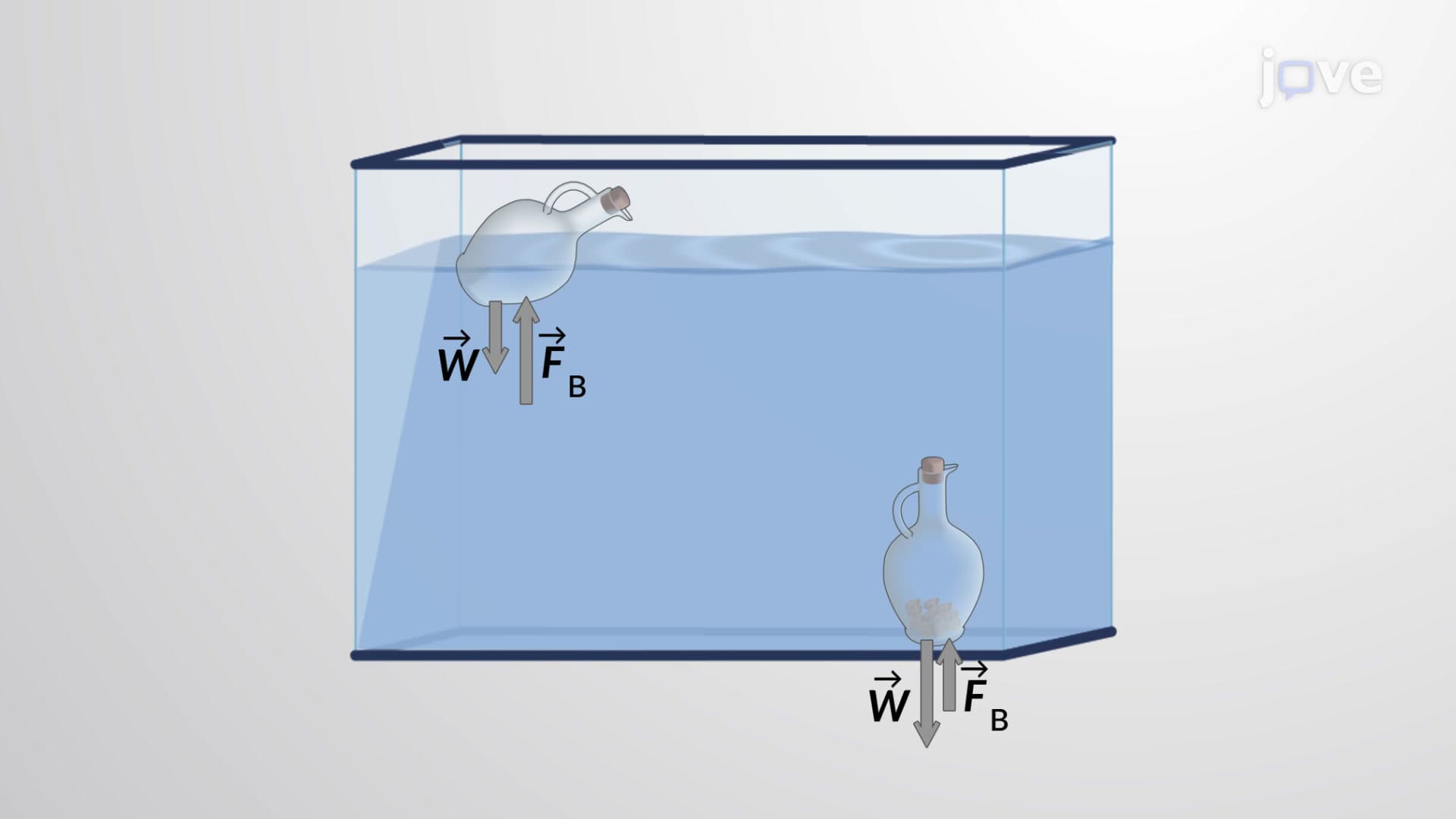
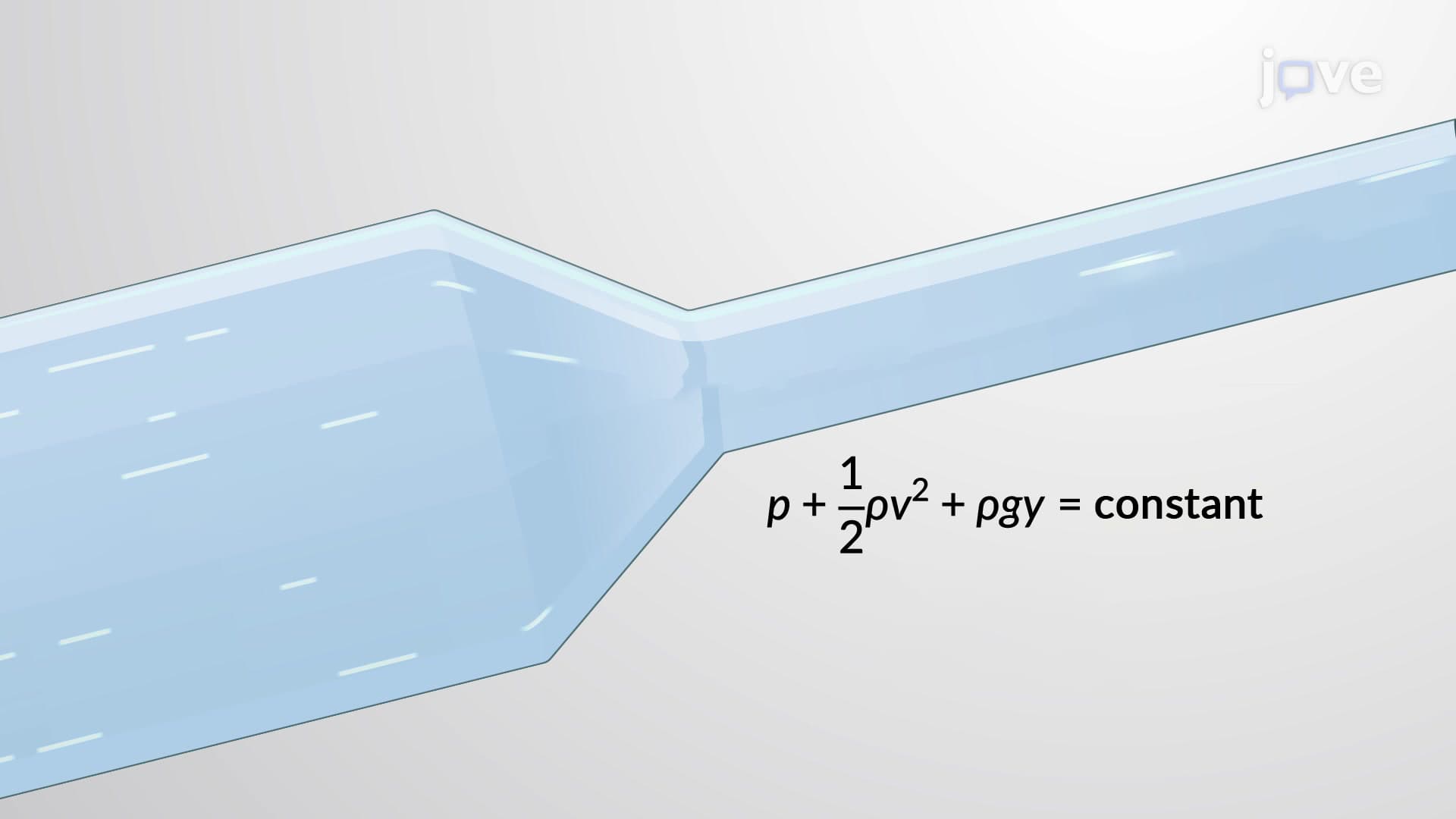
Fluid pressure principles lead naturally into Pascal's principle, Archimedes' principle, and fluid dynamics concepts like Bernoulli's equation. Understanding pressure foundations prepares students for advanced topics in thermodynamics, where pressure-volume relationships become crucial. These concepts also connect to wave physics through sound transmission in fluids and electromagnetic physics through plasma behavior studies.
Students should explore Pascal's principle applications in hydraulic systems, then advance to Archimedes' principle and buoyancy calculations. Dynamic fluid behavior through Bernoulli's equation represents the next logical progression, followed by fluid viscosity and turbulent flow concepts in advanced physics or engineering courses.
Related Micro-courses


