Loading subject page…

- Physics
- Magnetic Forces and Fields
- Magnetism
Micro-course: Magnetic Forces and Fields
53,700 views
Learn key concepts and earn your certificate.



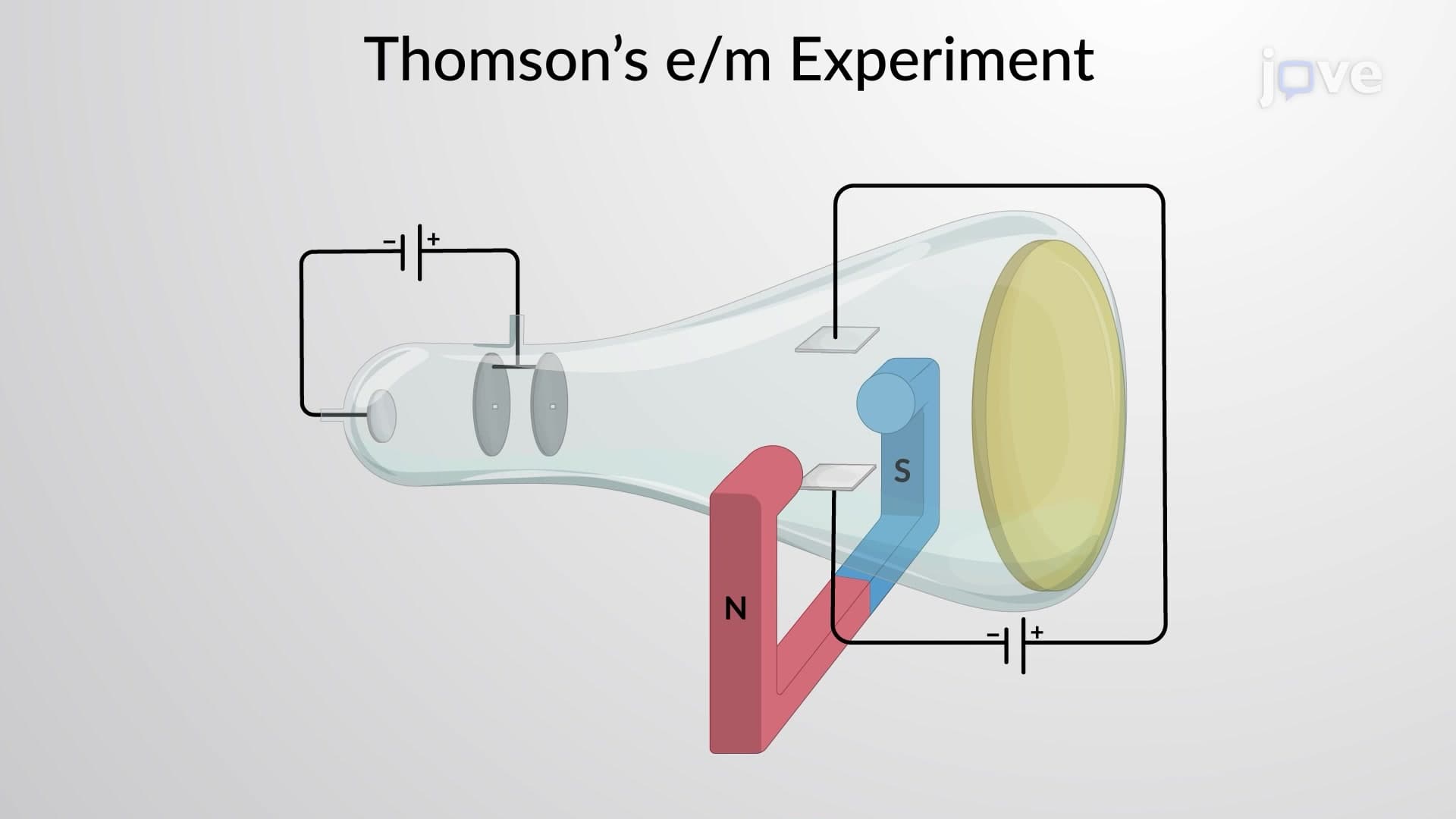
Magnetism
00:00
01:30
- Understand what magnetism is and how magnetic forces operate between different materials
- Identify the key properties of magnets, including pole behavior and the inability to isolate magnetic monopoles
- Analyze how Earth's magnetic field affects navigation tools like compasses used across the United States
- Compare the attraction and repulsion forces between like and unlike magnetic poles
- Recognize everyday applications of magnetism in technology, from credit card strips to computer hard drives
- Apply knowledge of magnetic declination to understand why compass readings vary by geographic location
- Evaluate the relationship between Earth's magnetic poles and geographic poles
- Explore how magnetization occurs when materials come into contact with existing magnets
Understanding What Magnetism Really Means
Magnetism represents one of the fundamental forces of nature, governing the invisible interactions between magnetic materials and fields. This phenomenon, first documented near the ancient city of Magnesia in modern-day Turkey, has evolved from a curious observation about iron-attracting stones into a cornerstone of modern physics and technology. For high school students preparing for AP Physics exams or college undergraduates tackling introductory physics courses, mastering magnetism concepts is essential for understanding electromagnetic theory and its countless applications.
Magnetic Poles and Force Interactions
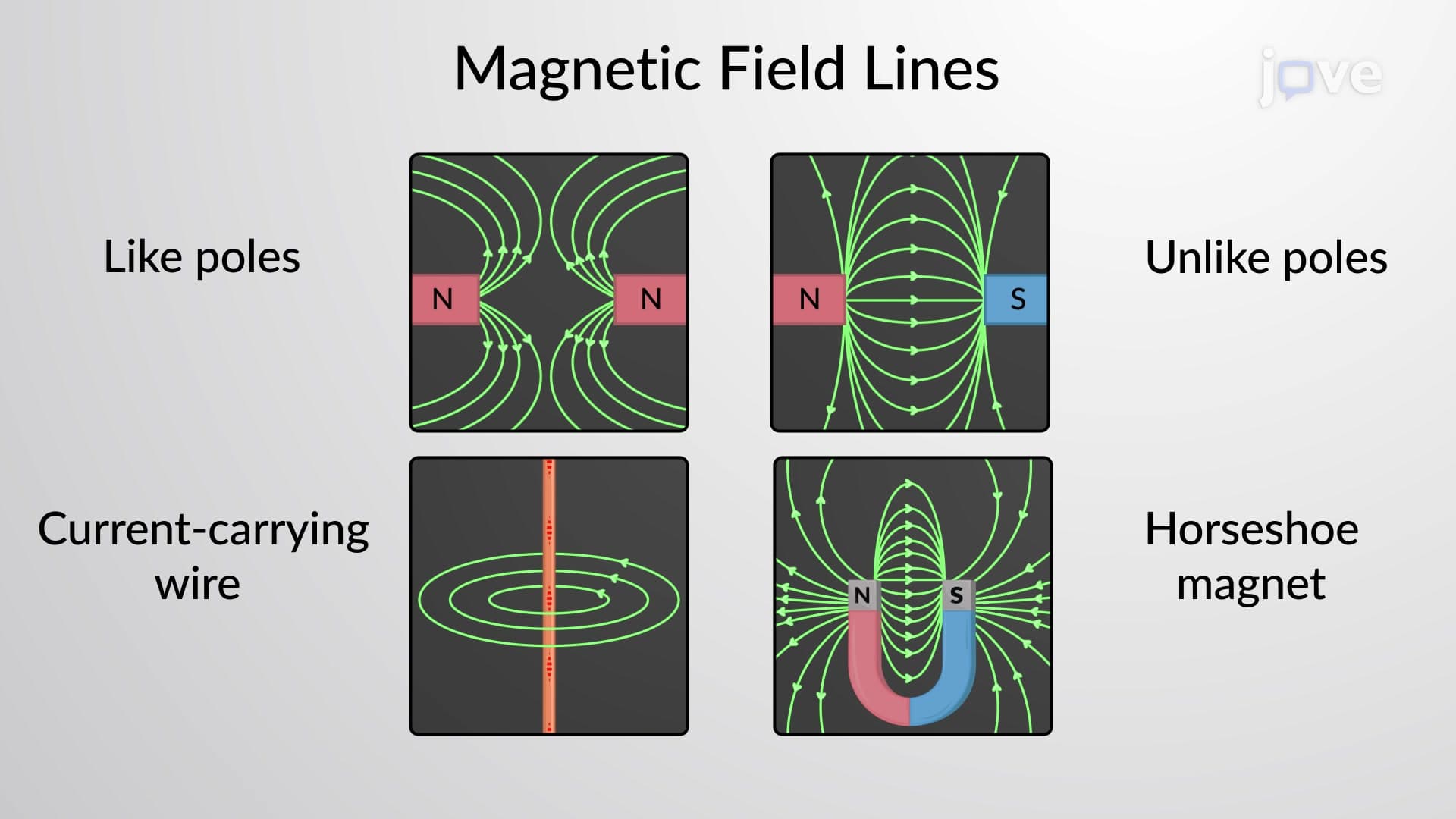
Every magnet possesses two distinct regions called poles—designated as north and south—where magnetic forces concentrate most intensely. The fundamental rule governing magnetic interactions states that like poles repel each other while opposite poles attract. This principle explains why two north poles push apart when brought together, while a north pole and south pole draw toward each other. Importantly, magnetic monopoles (isolated north or south poles) cannot exist in nature. When you break a bar magnet in half, you don't separate the poles—instead, you create two smaller magnets, each with its own complete north-south pair.
Earth as a Magnetic Giant
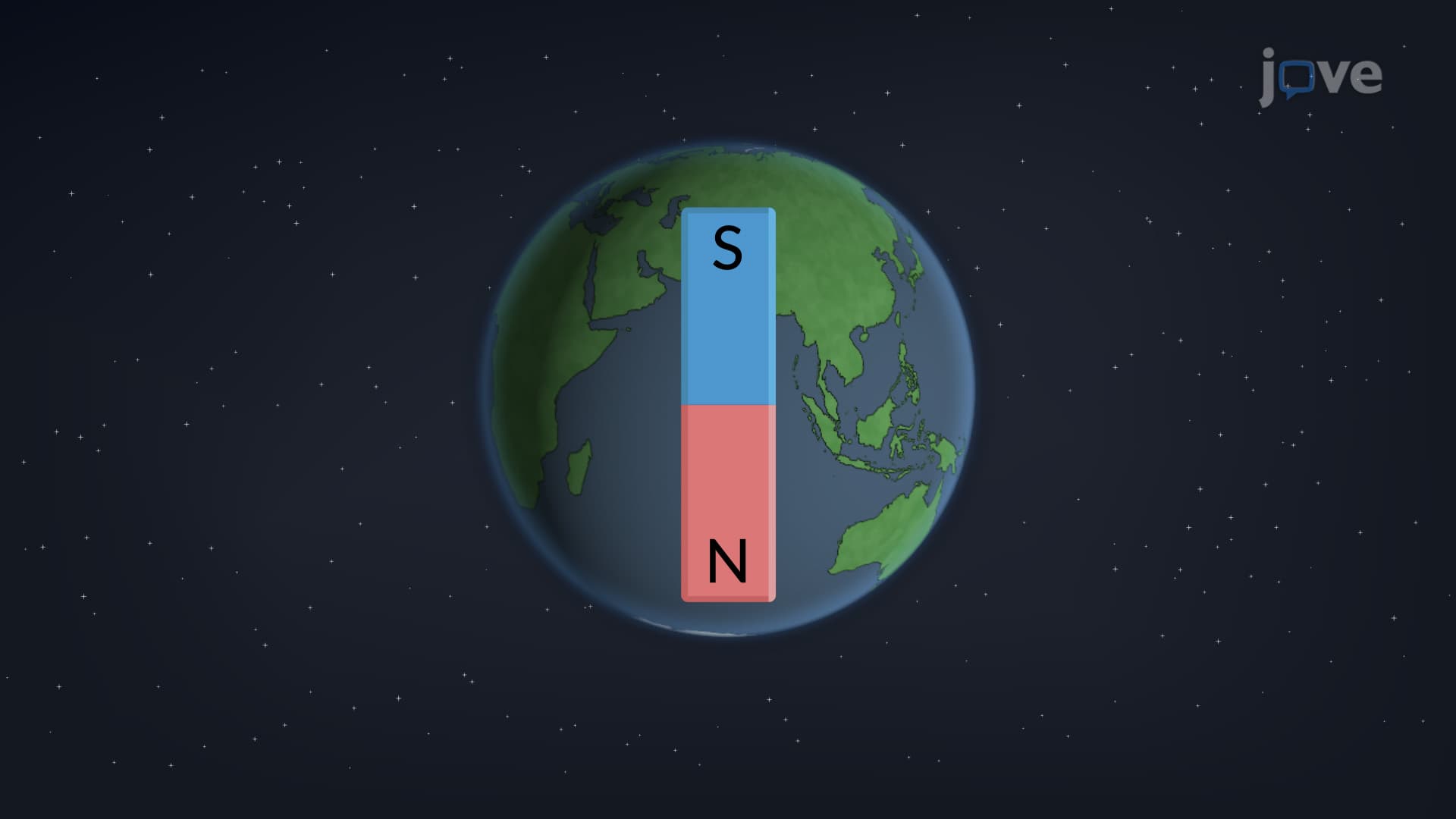
Our planet functions as an enormous bar magnet, generating a magnetic field that extends far into space. However, Earth's magnetic organization presents a counterintuitive arrangement: the magnetic south pole lies near the geographic North Pole, while the magnetic north pole sits near the geographic South Pole. This configuration explains why the north end of a compass needle (which is actually a magnetic north pole) points toward Earth's magnetic south pole located in northern Canada. The compass needle aligns with Earth's magnetic field lines, providing the navigational foundation that guided explorers across the American frontier and continues to support modern GPS systems.
Magnetic Declination and Real-World Navigation
The angle between magnetic north and true geographic north varies significantly across different US locations—a phenomenon called magnetic declination. In Miami, Florida, magnetic north lies about 6 degrees west of true north, while in Seattle, Washington, it's approximately 15 degrees east. This variation becomes crucial for precise navigation, surveying, and military applications. US Geological Survey maps include declination corrections, ensuring accurate positioning for everything from hiking trails in Yellowstone National Park to offshore oil drilling in the Gulf of Mexico.
Frequently Asked Questions
Magnetism is a fundamental force of nature that causes certain materials to attract or repel each other through invisible magnetic fields. It works through the alignment of electrons within materials, creating regions of concentrated magnetic force called poles. This force operates without direct contact, making it essential for countless technologies from electric motors to medical imaging equipment.
AP Physics 1 and 2 exams frequently test magnetic force interactions, field mapping, and Earth's magnetic properties through multiple-choice and free-response questions. Students must understand pole relationships, magnetic field direction conventions, and quantitative force calculations. Practice problems often involve compass behavior, magnetic field strength comparisons, and electromagnetic induction scenarios.
The MCAT Physics section covers magnetic fields, force interactions, and electromagnetic principles within biological contexts. Key topics include magnetic field effects on charged particles, MRI physics fundamentals, and biomagnetism applications. Understanding magnetic dipoles and field interactions helps with questions about medical imaging and cellular magnetic properties.
Credit cards store data on magnetic strips containing tiny iron particles that can be magnetized to represent digital information. Smartphones use magnetometers (digital compasses) for navigation apps, and many include magnetic components for wireless charging and speaker systems. The magnetic strip technology developed in the 1960s revolutionized electronic payment systems across American retail.
Magnetism concepts build logically from simple attraction and repulsion principles that students observe daily. No advanced mathematics is required for foundational understanding—the key lies in visualizing invisible force fields and recognizing patterns in magnetic behavior. Most students find magnetism more intuitive than abstract physics concepts because magnetic effects can be easily demonstrated and experienced.
Focus on hands-on experiments with bar magnets to internalize pole interactions, then practice drawing magnetic field diagrams. Create concept maps connecting magnetic principles to real-world applications like motors and generators. Use practice problems from past AP exams or college textbooks, emphasizing both conceptual understanding and quantitative problem-solving techniques.
Magnetism foundations lead directly to electromagnetism, electromagnetic induction, and electromagnetic waves—core topics in advanced physics courses. Students can explore magnetic materials science, geophysics applications, or biomedical magnetic technologies. These connections become essential for engineering programs, medical school preparation, and careers in technology development.
Magnetic monopoles (isolated north or south poles) don't exist because magnetism arises from moving electric charges and current loops within atoms. These circular patterns inherently create both north and south poles simultaneously, like the two sides of a coin. While theoretical physics predicts monopoles might exist under extreme conditions, laboratory experiments and natural observations consistently show only dipolar (two-pole) magnetic arrangements.
Related Micro-courses

Related Subjects

Math Fundamentals11 micro-courses
›