Loading…
Loading video…
220,300 views
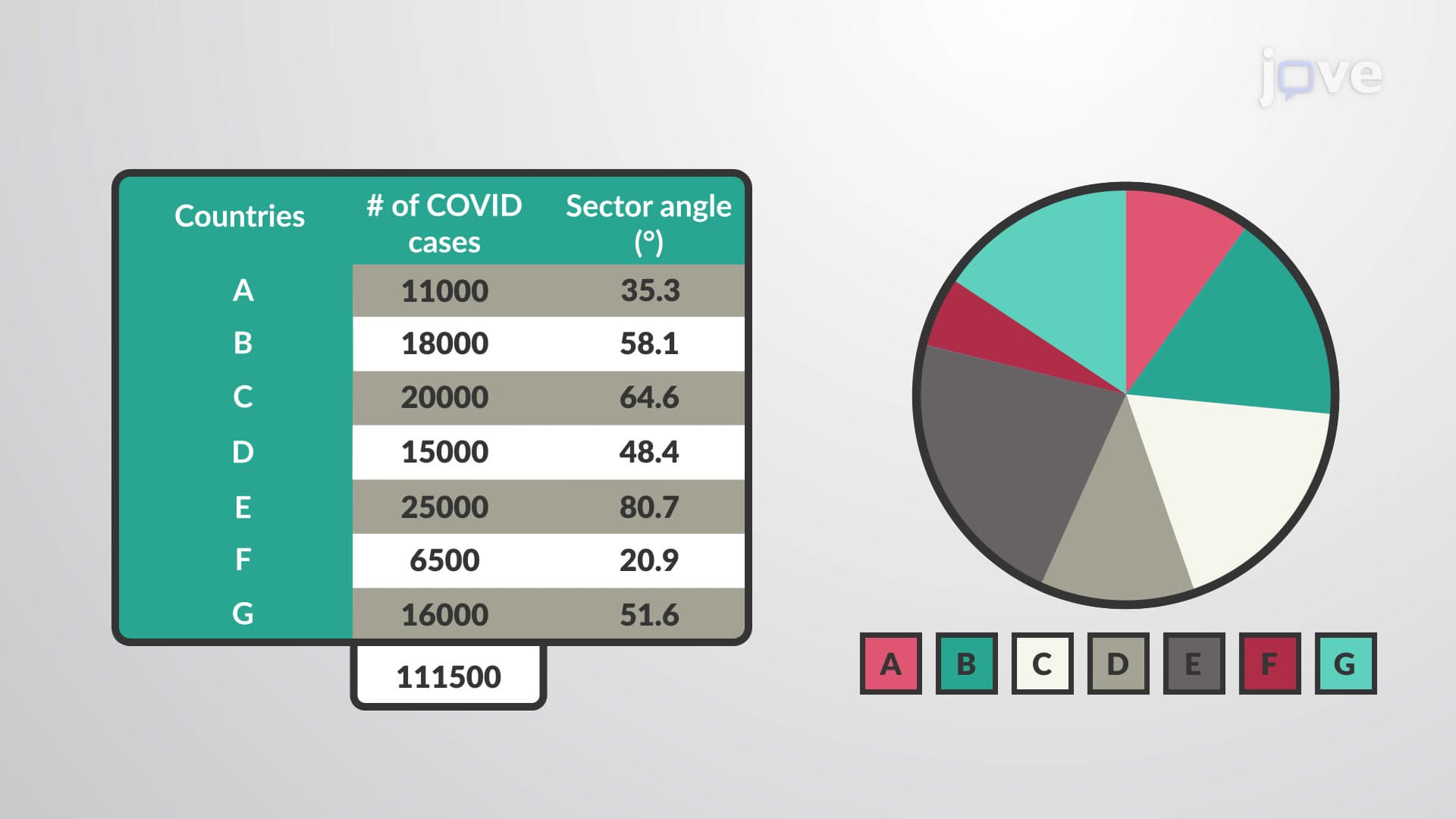
Ever wonder how Netflix analyzes viewer ratings across millions of users, or how the CDC tracks COVID-19 case distributions by age groups? A histogram transforms raw numerical data into clear visual patterns through connected bars that reveal data distribution at a glance. Unlike simple bar charts, histograms use class boundaries—calculated midpoints between data intervals—to create seamless visual representations of quantitative information, making complex datasets accessible for analysis in everything from standardized test scores to market research. Watch the full video on JoVE Coach to master this concept with expert-led visuals and step-by-step explanations.
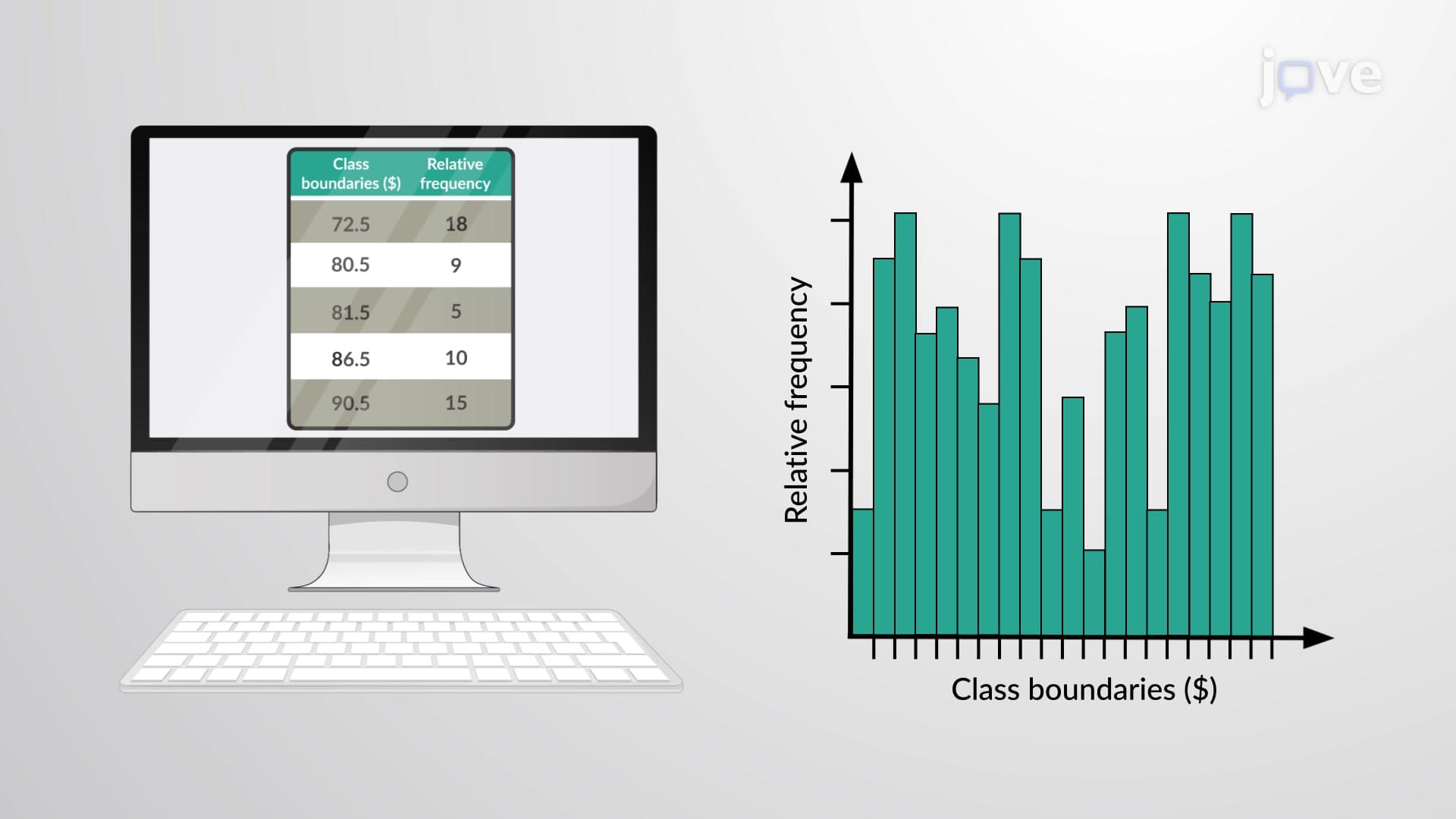
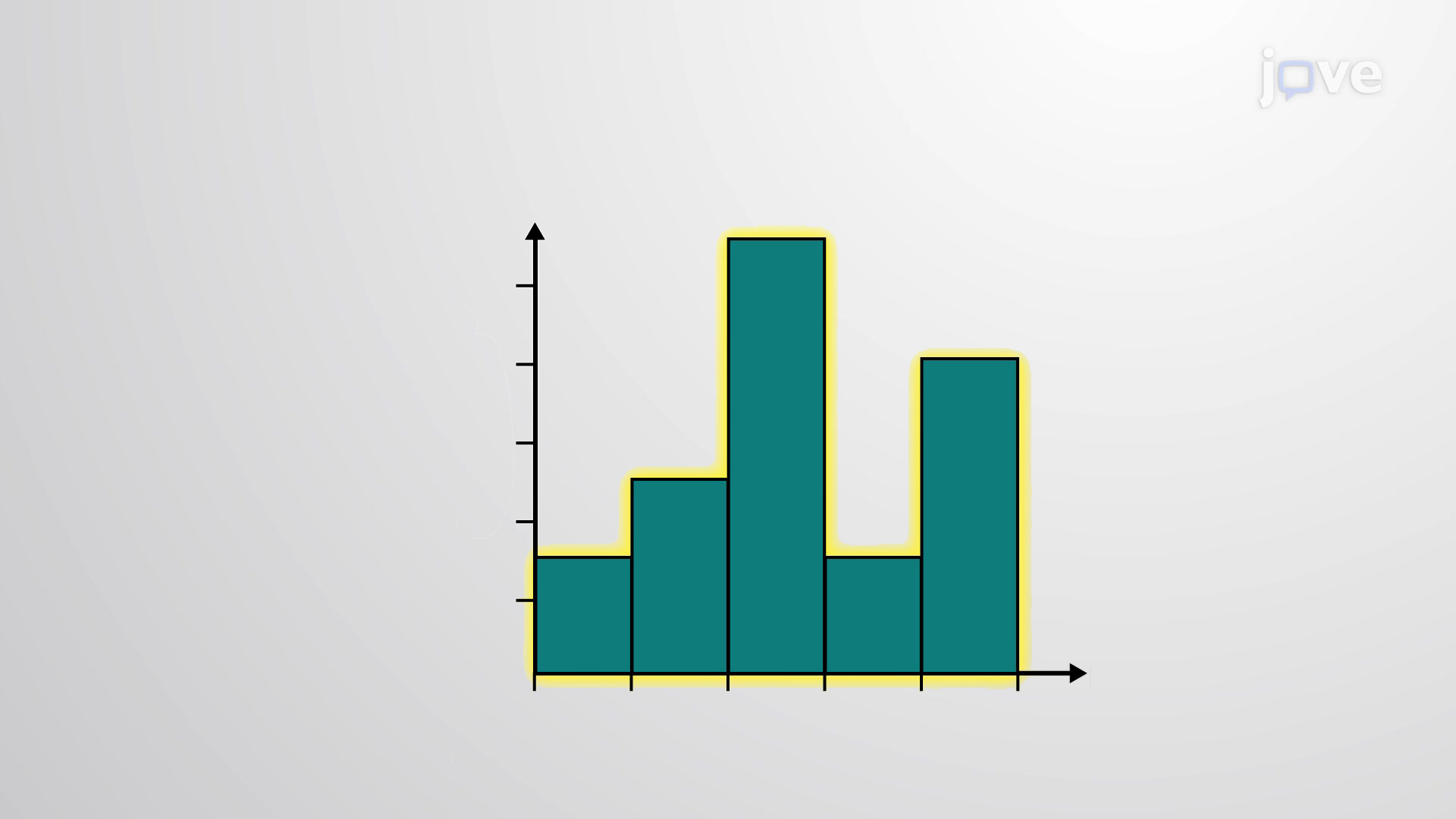
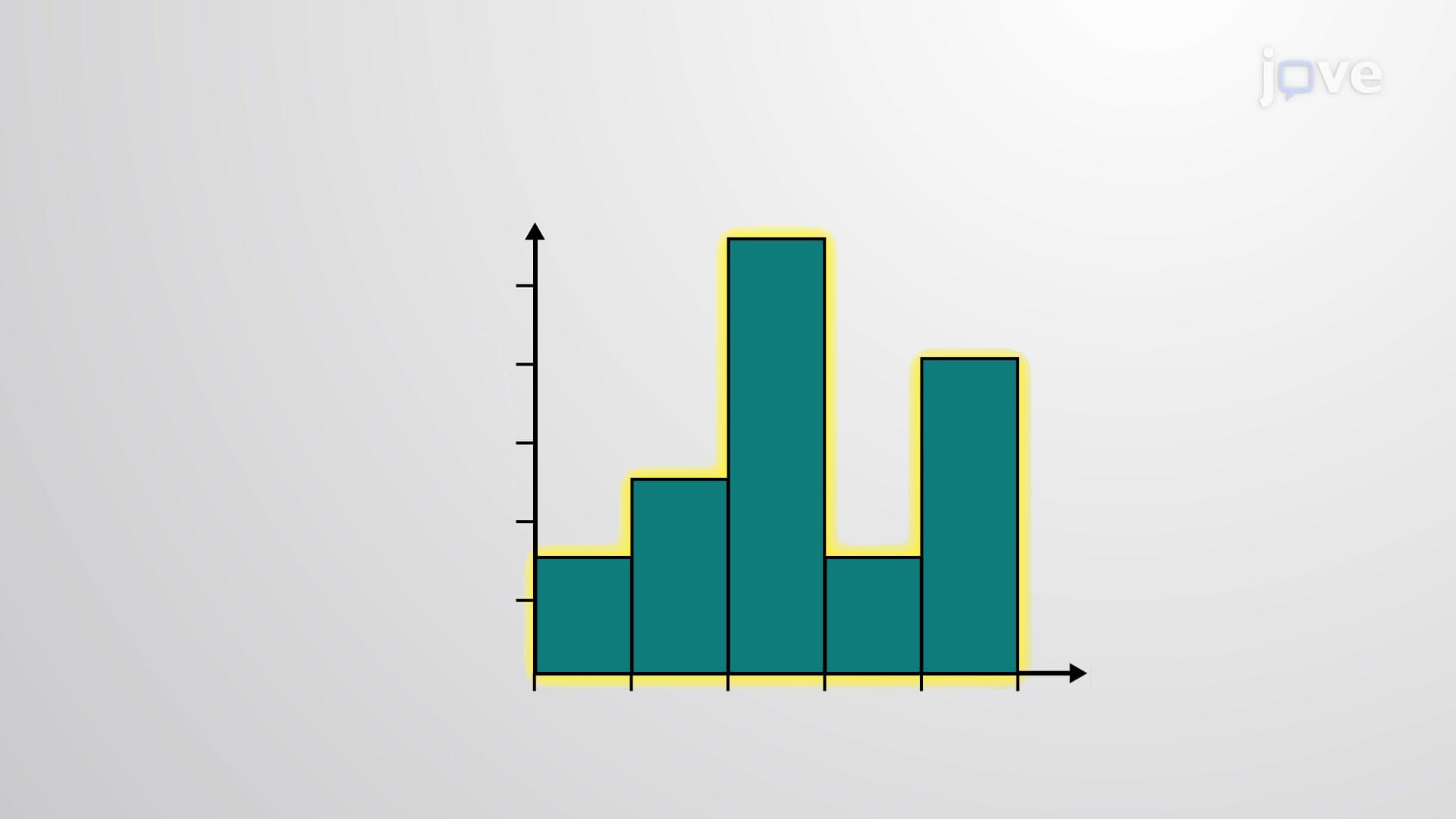
A histogram represents one of the most powerful tools in descriptive statistics, transforming numerical data into intuitive visual formats that reveal underlying patterns and distributions. Unlike traditional bar graphs that display categorical data with gaps between bars, histograms display quantitative data through connected rectangular bars of equal width, creating a continuous visual representation of data frequency across different intervals or classes.
The fundamental architecture of any histogram relies on two critical axes: the horizontal axis represents class boundaries (the range of values for each data interval), while the vertical axis displays the frequency of observations within each class. This structure enables viewers to quickly identify data concentration, outliers, and distribution shapes—essential skills for AP Statistics, college-level mathematics courses, and standardized tests like the SAT Math section.
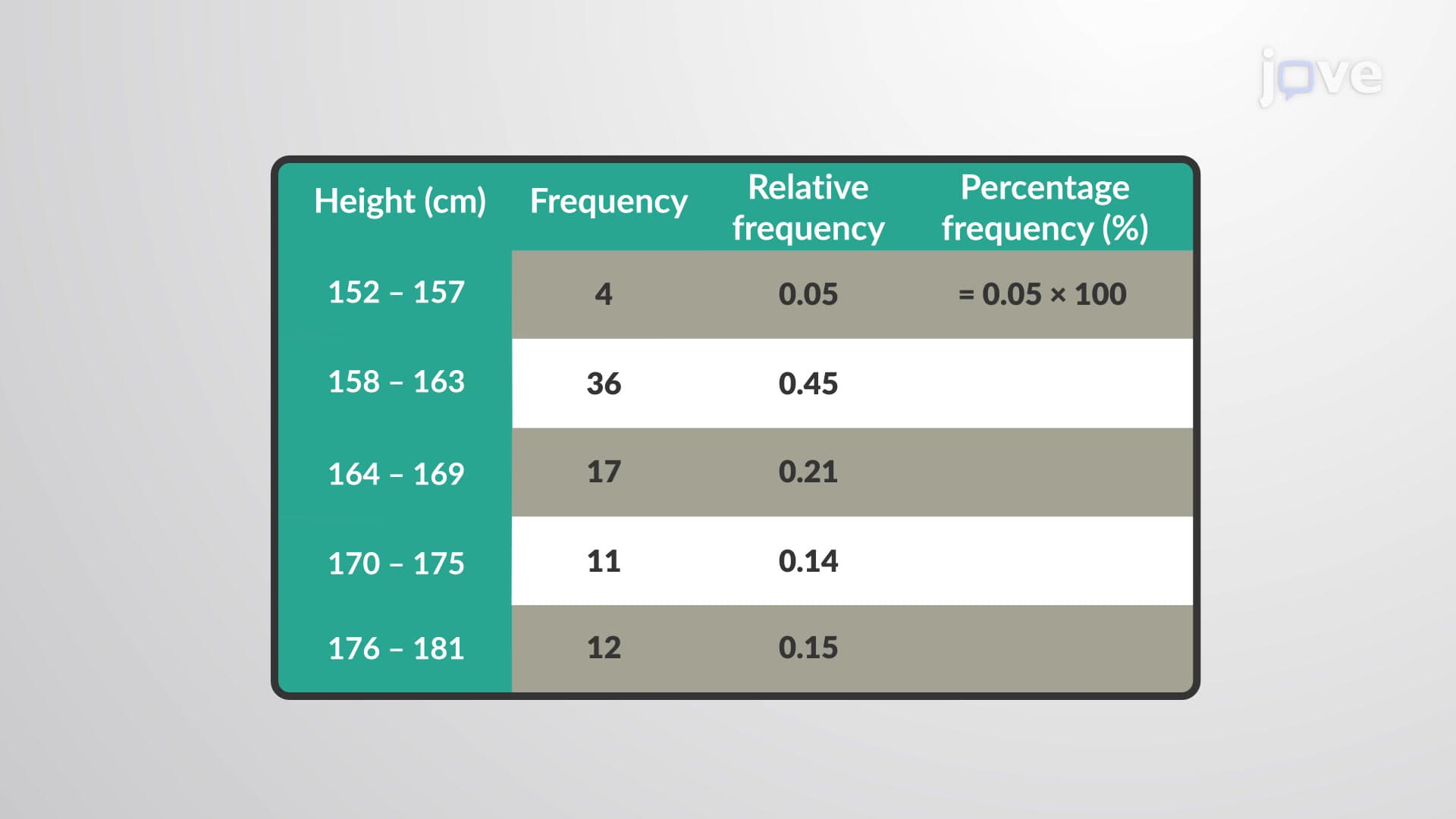
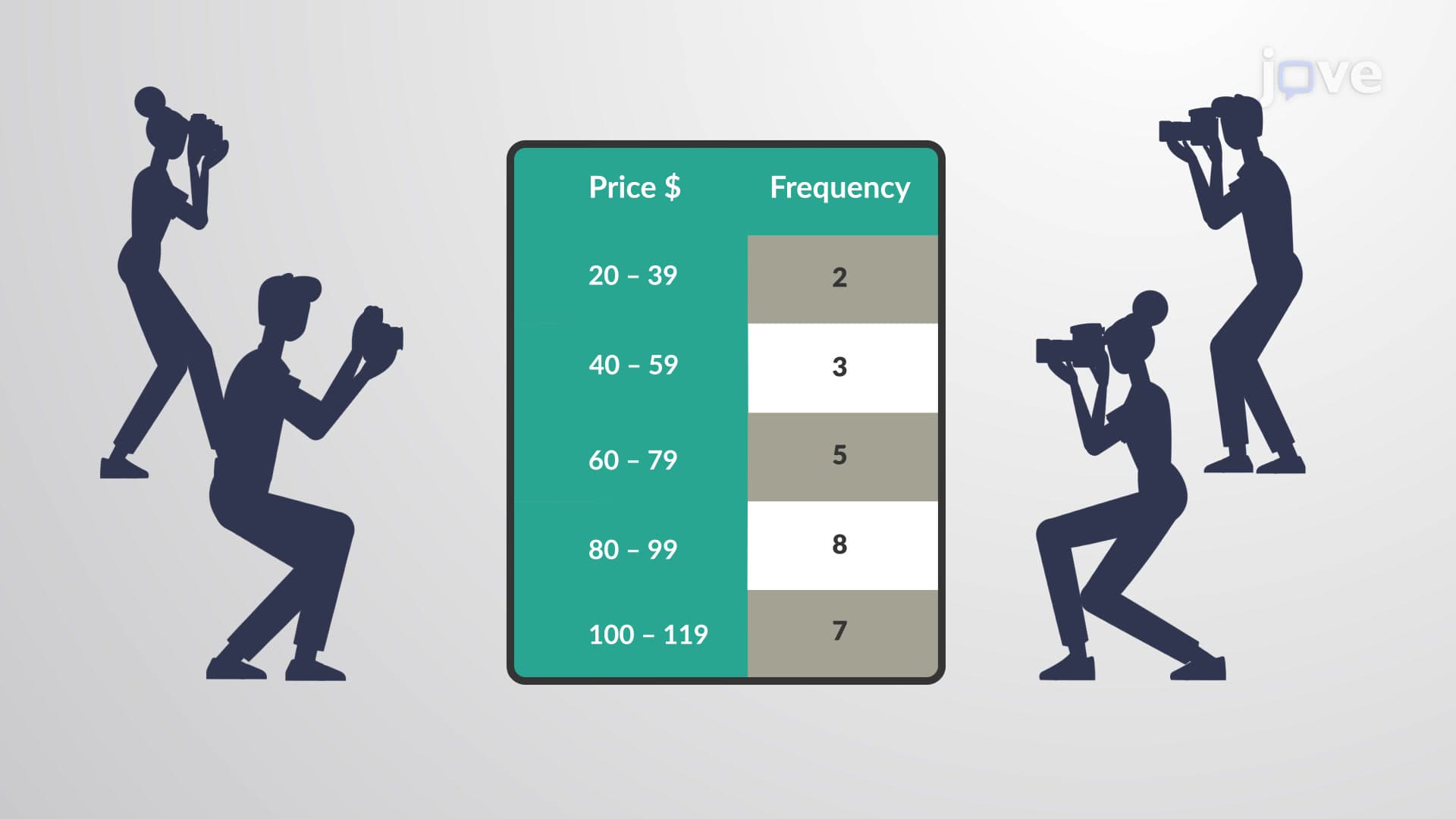
Class boundaries serve as the cornerstone of effective histogram construction, addressing a critical challenge in data visualization: eliminating gaps between consecutive data intervals. When working with grouped data—such as SAT scores ranging from 400-500, 501-600, and 601-700—natural gaps exist between these ranges. Class boundaries calculate the midpoint between the upper limit of one class and the lower limit of the next class, creating seamless continuity.
For example, consider analyzing annual household incomes in different US metropolitan areas. If your data includes ranges like $30,000-$40,000 and $41,000-$51,000, the class boundary would be calculated as ($40,000 + $41,000) ÷ 2 = $40,500. This mathematical precision ensures accurate representation and prevents misleading visual gaps that could skew interpretation.
Histograms prove invaluable across multiple academic disciplines and professional contexts. In AP Biology, students use histograms to analyze genetic trait distributions in population studies. Business students studying market research rely on histograms to visualize consumer spending patterns across demographic groups. Psychology majors examining standardized test scores use histograms to identify normal distributions and statistical outliers.
The College Board frequently includes histogram interpretation questions on Advanced Placement exams, particularly in AP Statistics and AP Psychology. Students must demonstrate proficiency in reading histogram data, calculating measures of central tendency, and identifying distribution characteristics such as skewness, modality, and spread. Mastering histogram analysis directly impacts performance on college entrance exams and university-level statistics courses, where data visualization skills are fundamental to academic success.
Frequently Asked Questions
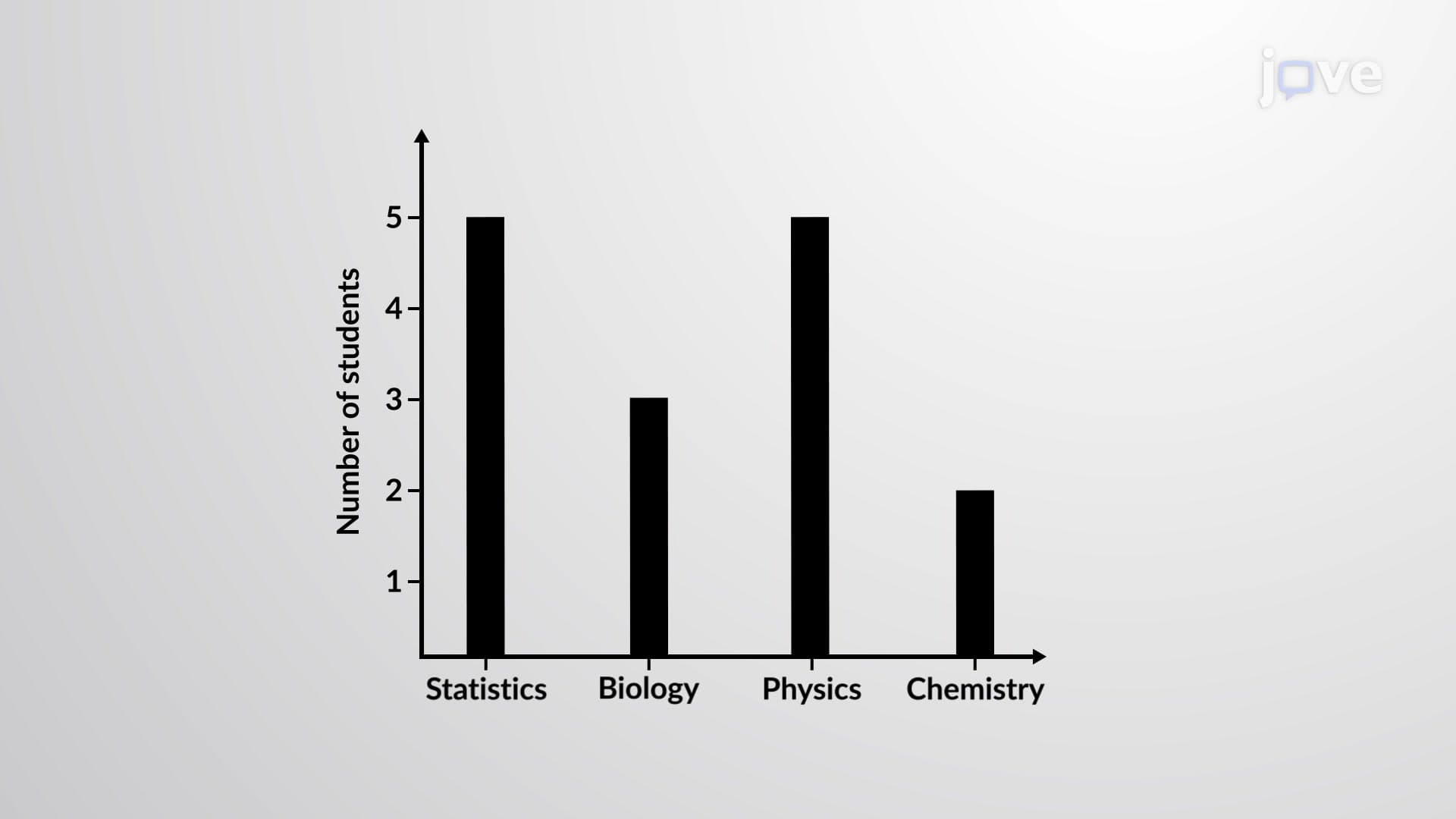
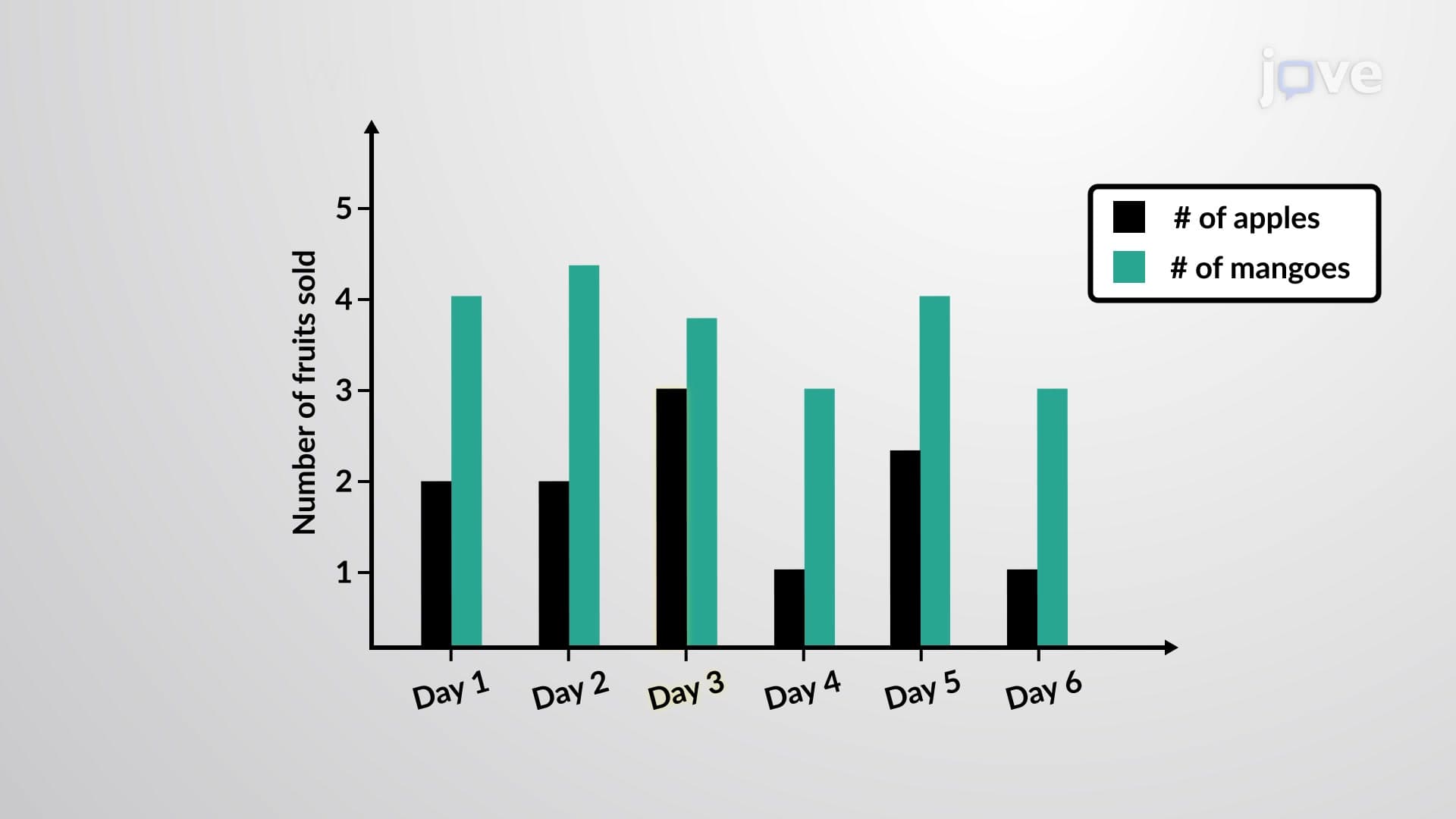
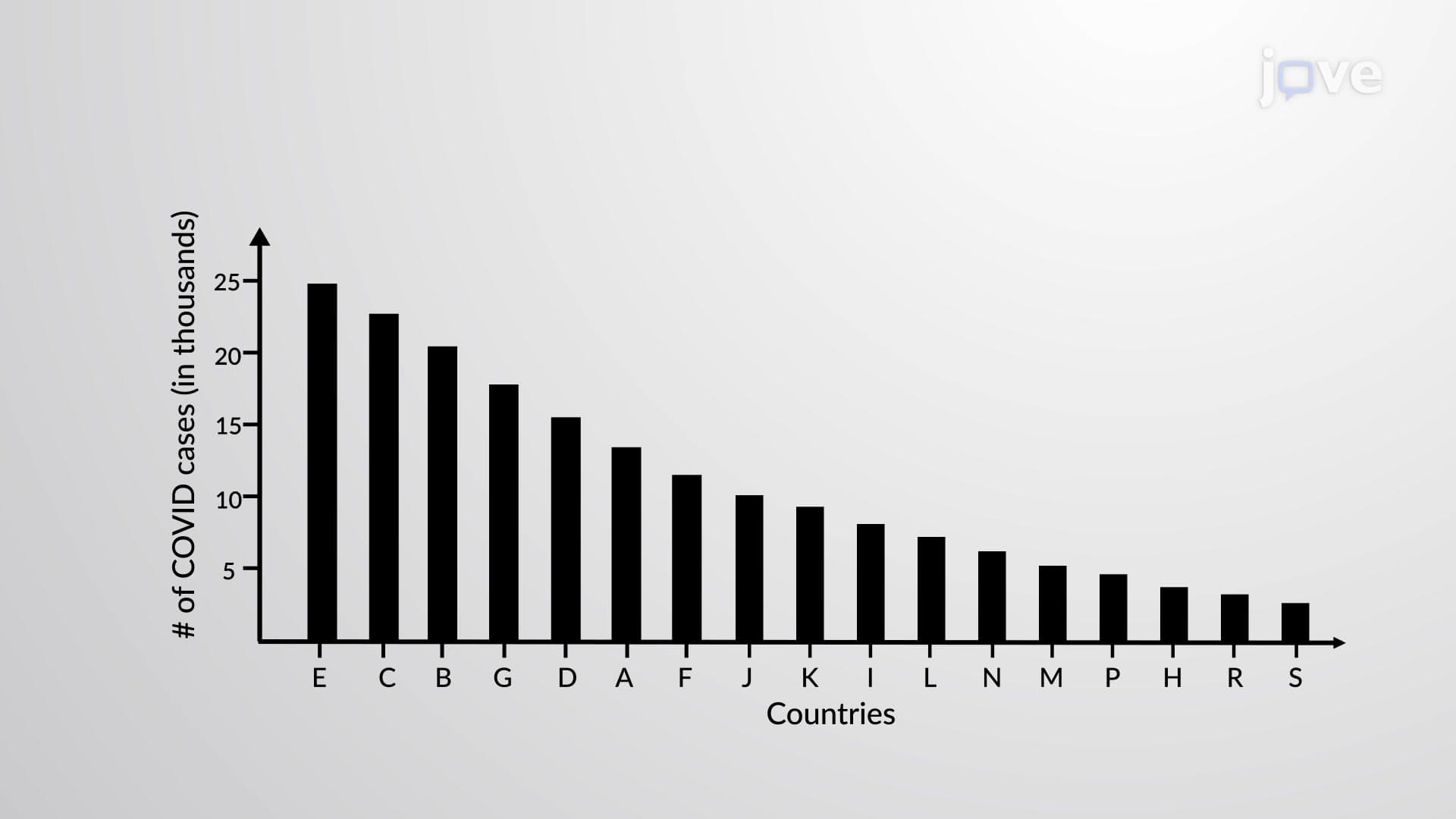
A histogram displays quantitative data using connected bars of equal width with no gaps, showing frequency distributions across continuous data ranges. Bar charts display categorical data with separate, disconnected bars representing distinct categories without mathematical relationships between adjacent bars.
The AP Statistics exam frequently includes histogram interpretation questions worth 10-15% of the total score. Students must analyze shape, center, spread, and outliers from histogram displays. Common question types involve comparing distributions, calculating percentiles, and identifying skewness patterns from visual data representations.
SAT Math includes histogram-based questions in both calculator and non-calculator sections, typically focusing on data interpretation and frequency analysis. Students encounter problems involving median identification, range calculations, and percentage determinations from histogram displays, contributing to the Problem Solving and Data Analysis subscore.
The CDC employs histograms to visualize disease outbreak patterns, vaccination rates by age groups, and mortality statistics across different demographics. For example, COVID-19 case distribution histograms helped identify age-related risk factors and guided targeted intervention strategies throughout the pandemic response.
Basic arithmetic and fraction skills are sufficient for histogram creation and interpretation. The most complex calculation involves finding class boundaries using simple averaging, making histograms accessible to students with Algebra I foundations and strengthening analytical skills for future advanced coursework.
Practice identifying the "SOCS" framework: Shape (symmetric, skewed, uniform), Outliers (unusual data points), Center (mean, median location), and Spread (range, standard deviation). Create flashcards with different histogram shapes and their corresponding real-world scenarios to build pattern recognition skills.
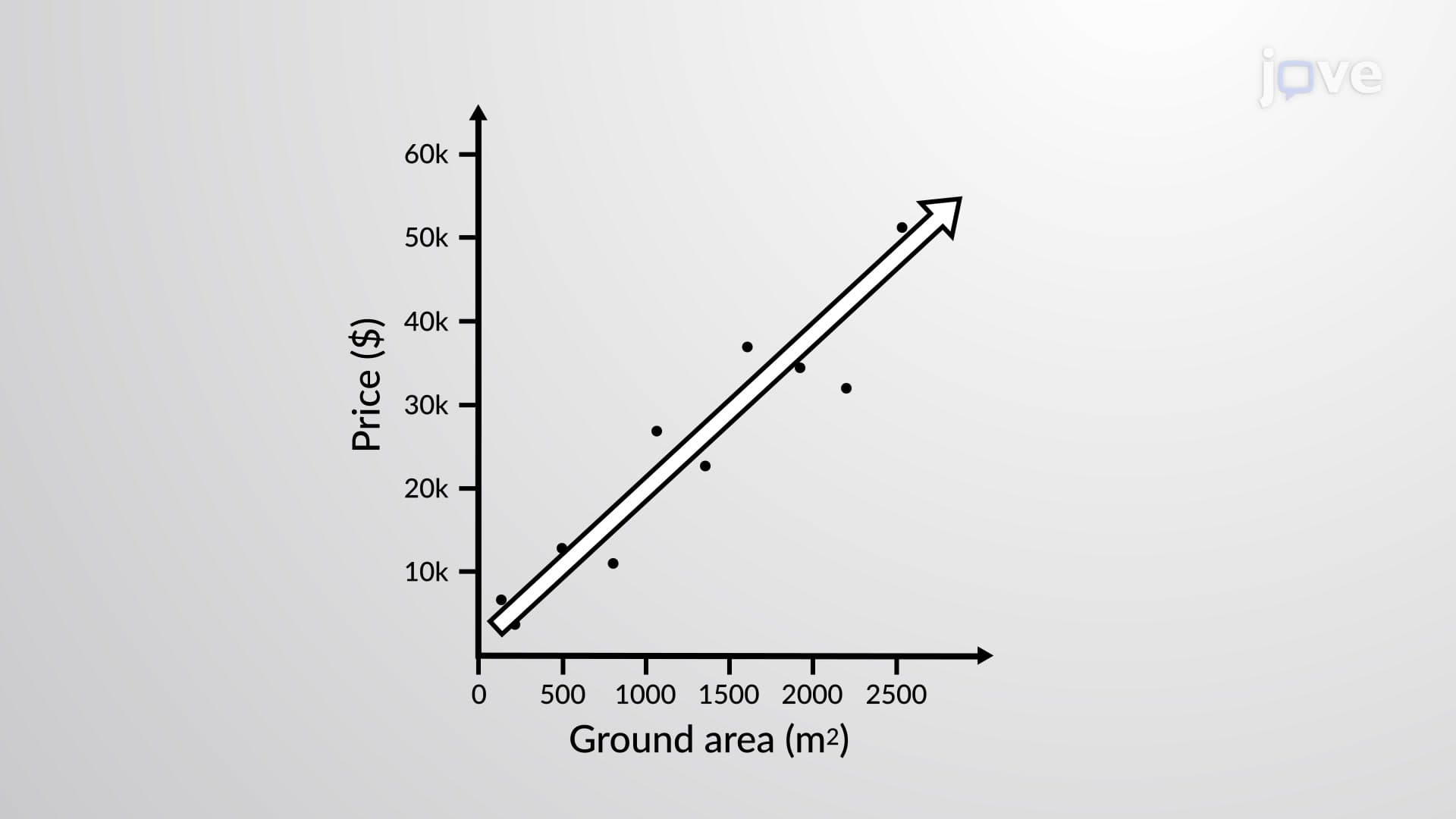
Histogram mastery provides foundation for probability density functions, normal distribution analysis, and inferential statistics concepts. Students progress to box plots, scatter plots, and regression analysis, all requiring strong data visualization interpretation skills developed through histogram practice.
Related Micro-courses

Related Subjects
 Physics 33 micro-courses›
 Math Fundamentals 11 micro-courses›