Loading…
Loading video…
220,300 views
Ever wonder how Netflix tracks your daily viewing hours or how meteorologists predict next week's weather? A time series graph visualizes data collected over specific time intervals, revealing patterns that static snapshots miss entirely. Consider how the Federal Reserve monitors inflation rates monthly—plotting these percentages against time creates a powerful visual story of economic trends. From tracking your heart rate during exercise to analyzing Tesla's stock performance, time series graphs transform numerical data into meaningful insights that drive decisions in healthcare, finance, and research. Watch the full video on JoVE Coach to master this concept with expert-led visuals and step-by-step explanations.
A time series graph represents quantitative measurements collected at sequential time points, creating a visual narrative of how variables change over time. Unlike static bar charts or pie graphs, time series graphs capture the dynamic nature of data, making them indispensable tools in scientific research, business analysis, and academic studies. The fundamental structure requires time as the independent variable (x-axis) and the measured quantity as the dependent variable (y-axis).
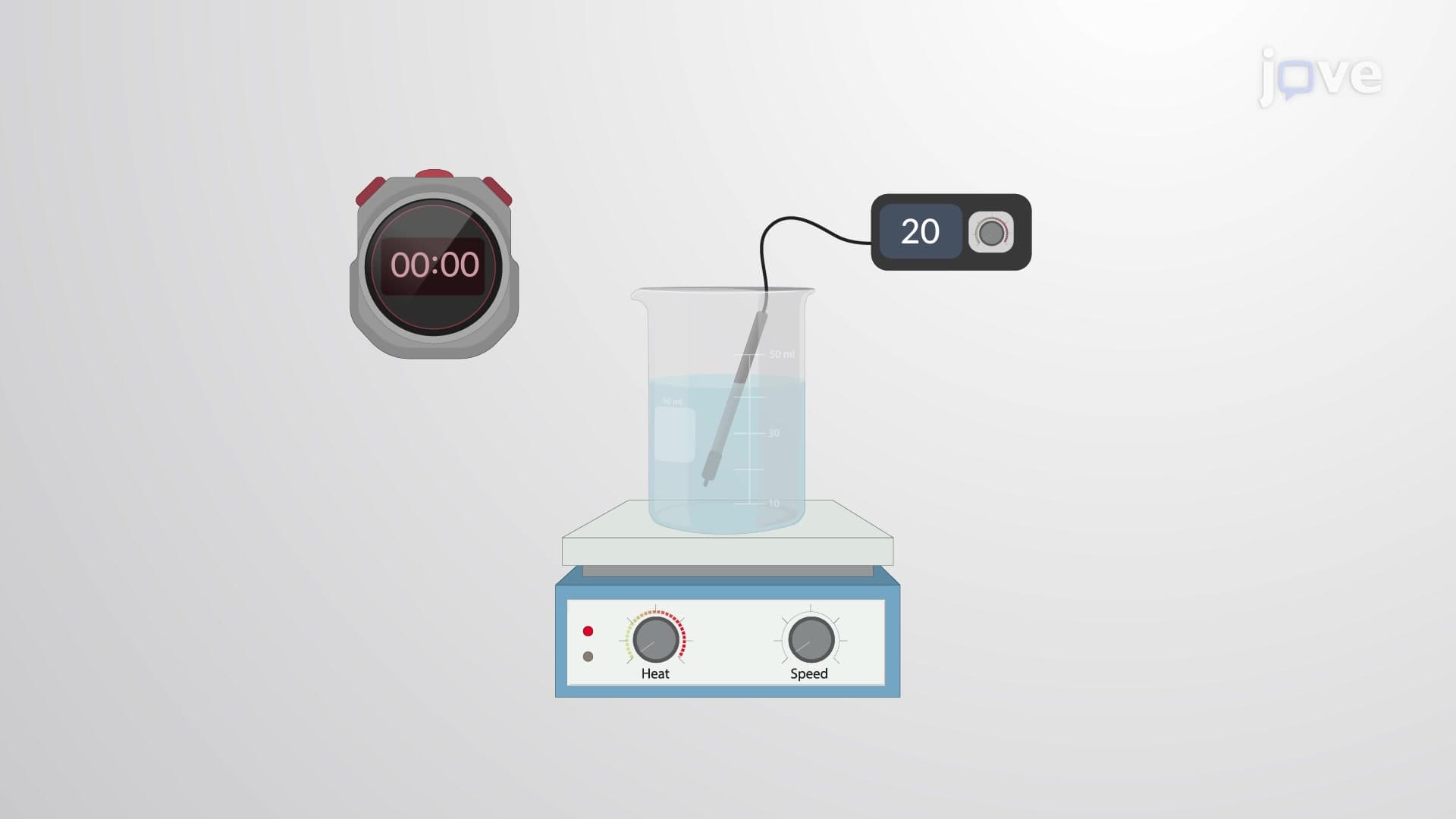
Creating effective time series graphs requires careful attention to several key elements. The time intervals must be consistent and clearly labeled—whether measuring seconds, minutes, days, or years depends on your research question. For AP Statistics students, understanding scale selection proves crucial for accurate interpretation. When plotting temperature changes during a chemistry experiment, minute-by-minute intervals might be appropriate, while tracking quarterly GDP growth requires longer time scales.
The data points connect via continuous lines when dealing with variables that change smoothly over time, such as body temperature or atmospheric pressure. However, discrete measurements like daily website visits or monthly sales figures might be better represented with individual points or stepped lines. College-level statistics courses emphasize this distinction because it affects how viewers interpret trends and make predictions.
Time series graphs appear throughout American academic and professional environments. In AP Biology, students analyze population growth curves of endangered species like California condors. Economics students track unemployment rates during recessions, while pre-med students preparing for the MCAT examine blood glucose levels over time in diabetes research. The CDC extensively uses time series graphs to monitor disease outbreaks—the COVID-19 pandemic highlighted their importance in public health decision-making.
Financial markets provide another compelling application. The New York Stock Exchange generates millions of time series data points daily, helping investors identify trends in companies like Apple or Amazon. Students studying for business school admissions tests often encounter questions about interpreting stock price movements or commodity futures using these graphical representations.
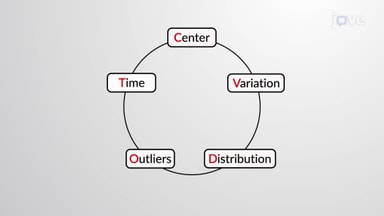
Successful time series analysis extends beyond simple trend identification. Advanced students learn to recognize seasonal patterns (ice cream sales peak in summer), cyclical variations (economic boom-bust cycles), and irregular fluctuations (natural disasters' impact on supply chains). Understanding these patterns proves essential for standardized tests and real-world problem-solving.
Statistical software like Excel, R, and Python enable sophisticated analysis, but hand-construction skills remain valuable for exams and conceptual understanding. Students should practice identifying outliers, understanding correlation versus causation, and recognizing when external factors influence observed trends.
Frequently Asked Questions
A time series graph displays how a measured quantity changes over time by plotting data points chronologically and connecting them with lines. It's like creating a visual timeline that shows patterns, trends, and changes in variables such as temperature, stock prices, or population growth across days, months, or years.
These exams frequently include time series interpretation questions where students analyze trends, identify outliers, and draw conclusions from real-world data. You'll encounter scenarios involving climate data, economic indicators, or scientific measurements requiring pattern recognition and statistical reasoning skills.
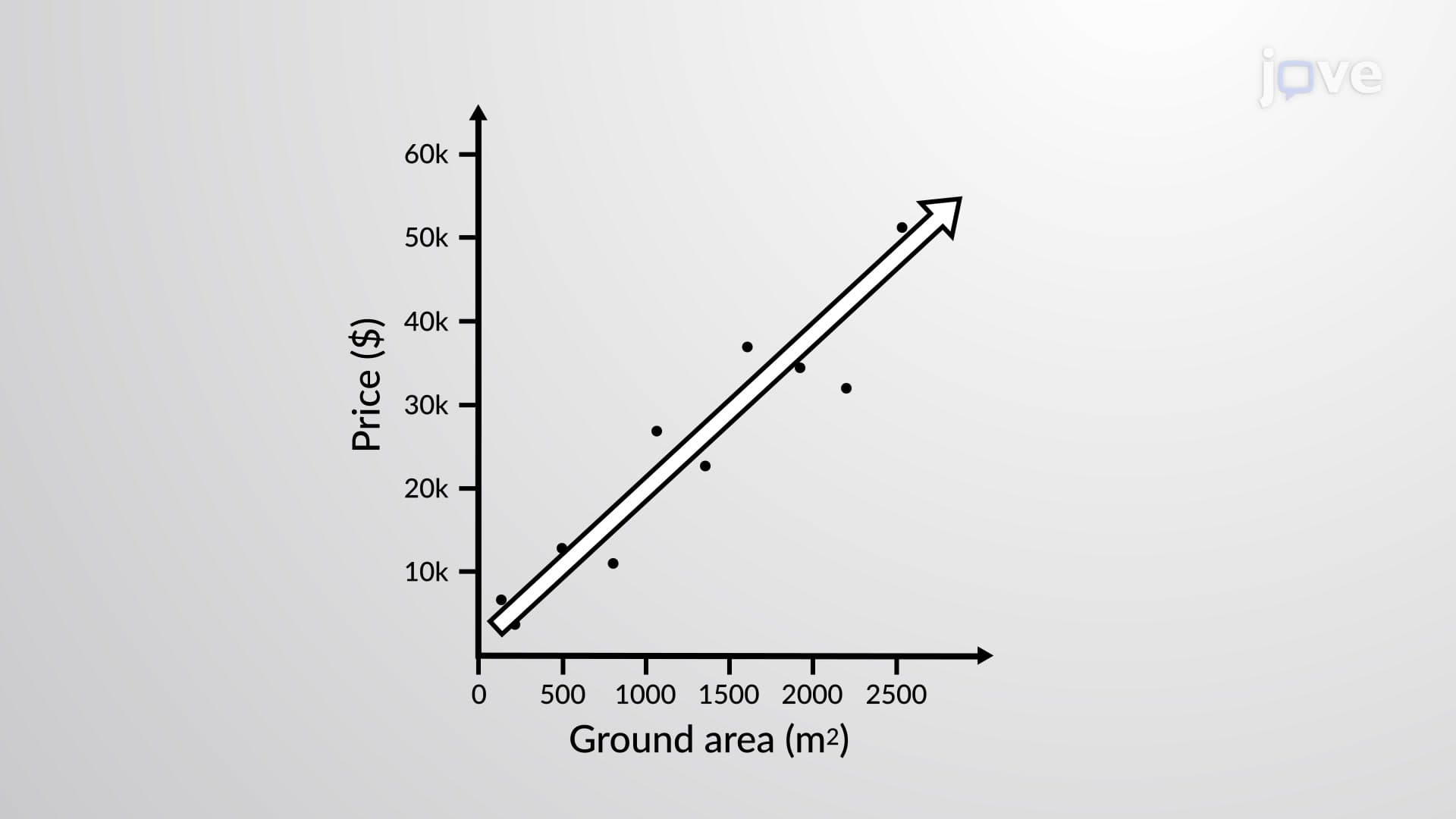
Time series graphs specifically use time as the x-axis variable and connect data points chronologically, while scatter plots can use any two variables without temporal relationships. Time series graphs emphasize trends over time, whereas scatter plots focus on correlations between any two measurable quantities.
Absolutely! Time series graphs excel in psychology (tracking behavior changes), biology (monitoring growth rates), economics (analyzing market trends), and environmental science (studying climate patterns). They're essential tools for undergraduate research and graduate school applications.
Medical professionals track patient vital signs, medication effectiveness, and recovery progress using time series graphs. For students preparing for pre-health programs, understanding these applications helps with MCAT preparation and demonstrates the practical value of statistical visualization in healthcare decision-making.
No advanced calculus required! Basic algebra and data organization skills suffice for most applications. High school students can successfully create and analyze time series graphs using spreadsheet software or even hand-drawing techniques for classroom assignments and standardized tests.
Practice with real datasets from sources like the Federal Reserve Economic Data (FRED) or CDC databases. Focus on identifying three key patterns: trends (overall direction), seasonal variations (predictable cycles), and outliers (unusual data points). Create flashcards for common interpretation terminology.
Financial analysts, epidemiologists, climate scientists, market researchers, and quality control engineers use time series analysis daily. These skills also prove valuable in data science, business consulting, and academic research across multiple disciplines, making them excellent additions to any college resume.
Related Micro-courses

Related Subjects
 Physics 33 micro-courses›
 Math Fundamentals 11 micro-courses›