Loading…
Loading video…
220,300 views
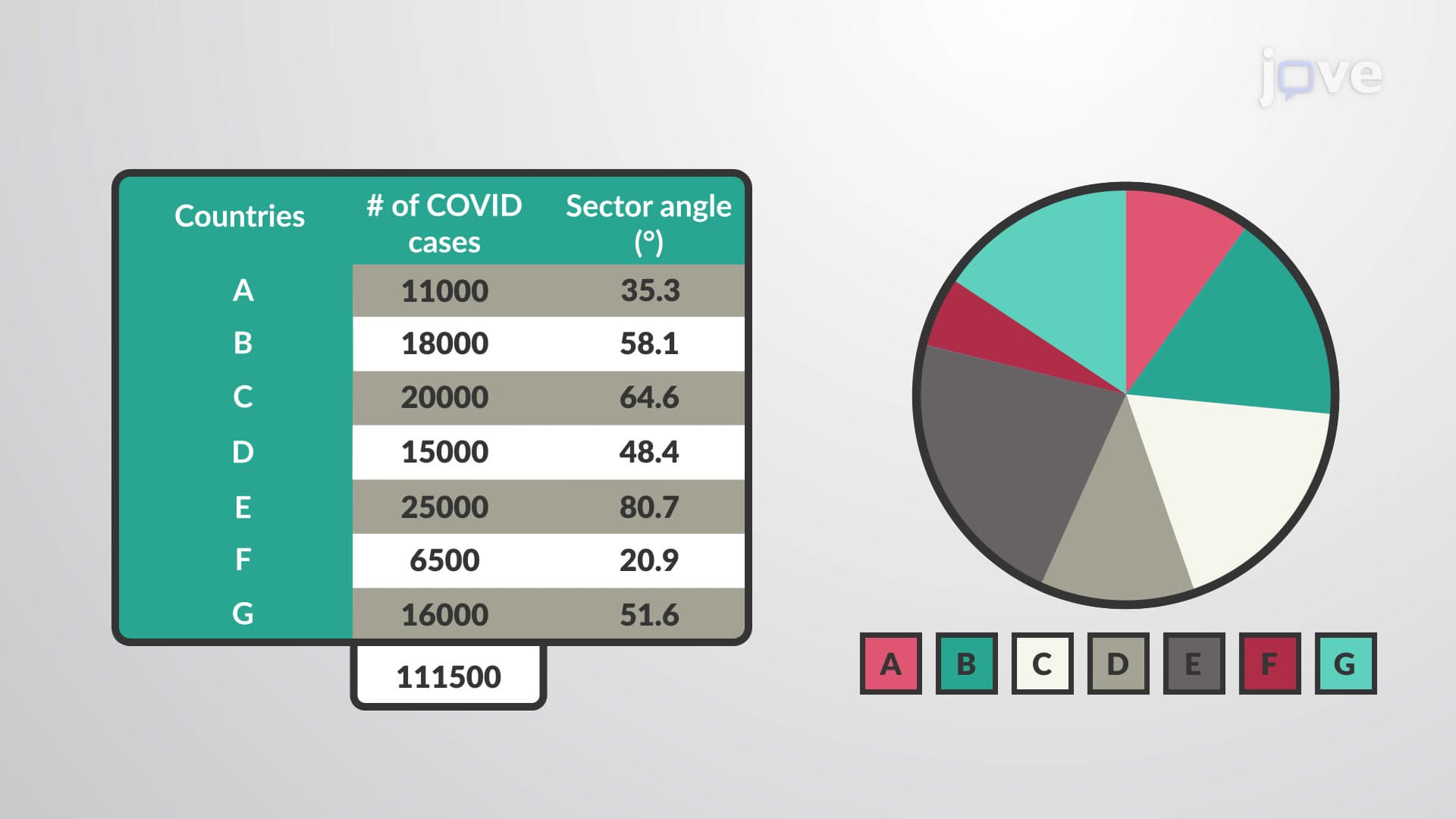
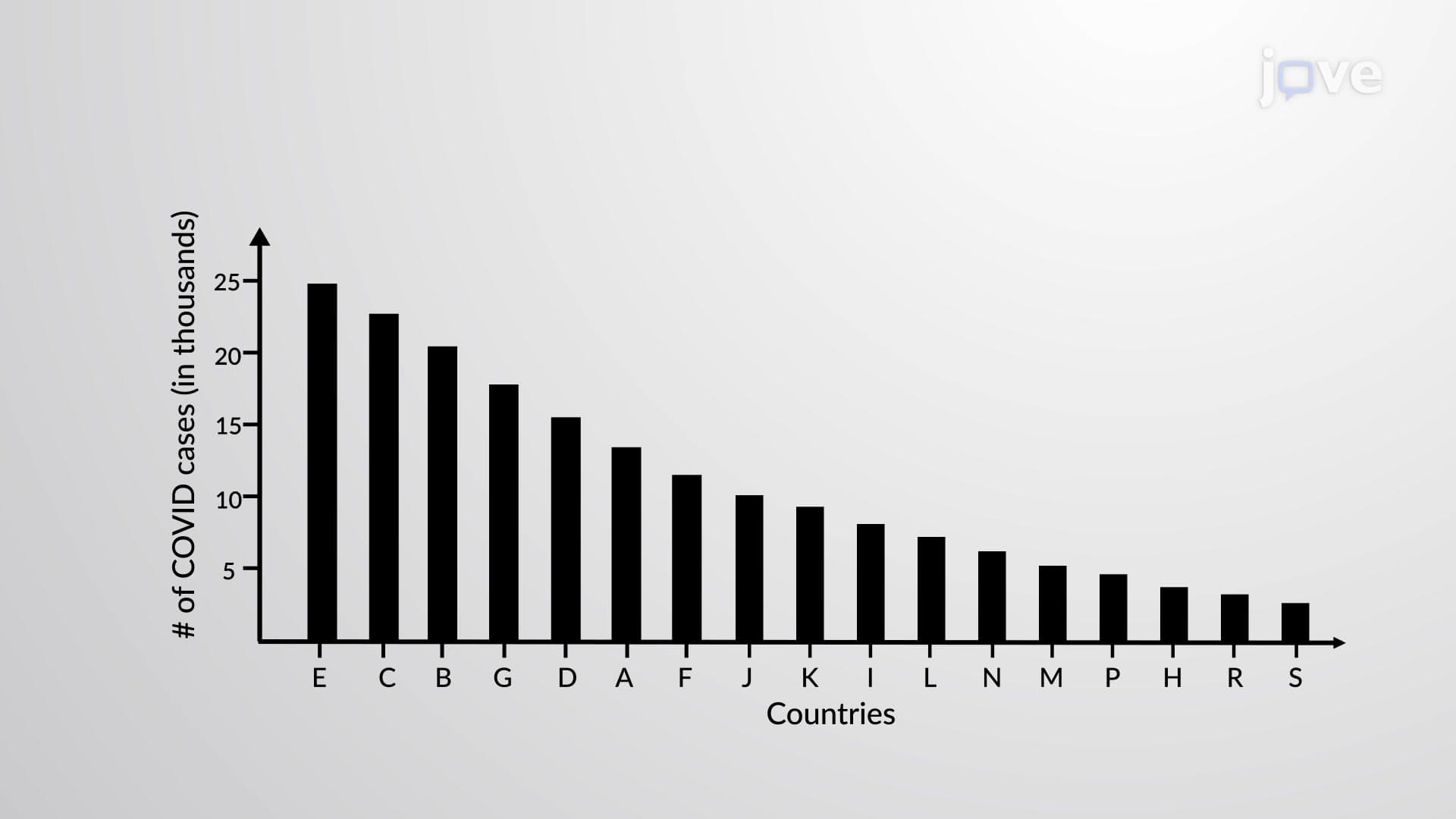
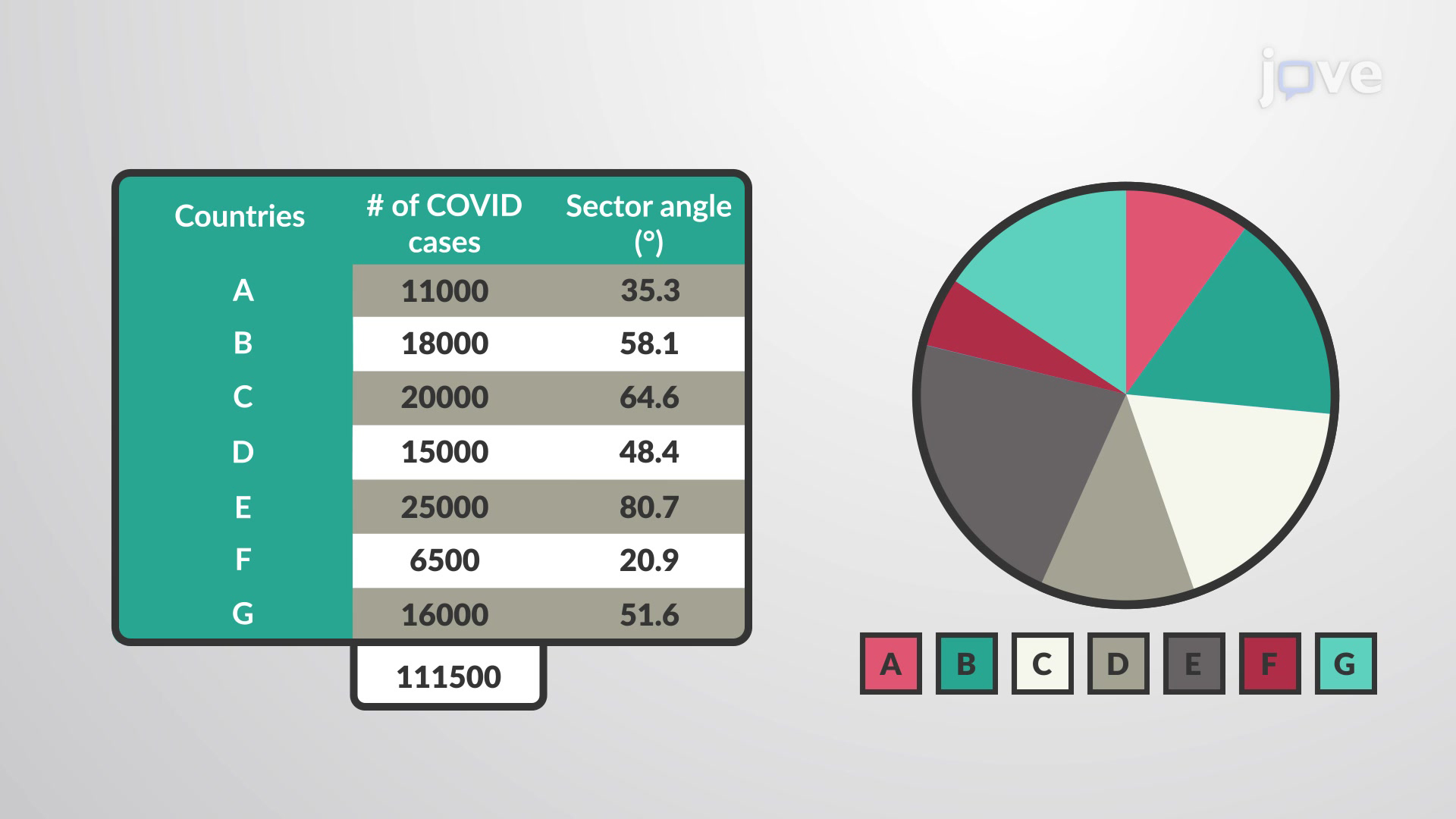
Did you know that pie charts help visualize how the 2020 US Census data breaks down America's 331 million residents by demographic categories? A pie chart transforms numerical data into circular slices, where each wedge represents a proportional part of the whole dataset. Using COVID-19 case distribution across different countries as an example, this visualization method converts frequency counts into sector angles by dividing individual values by the total sum and multiplying by 360 degrees. Watch the full video on JoVE Coach to master this concept with expert-led visuals and step-by-step explanations.
A pie chart represents a fundamental data visualization tool that transforms numerical information into an intuitive circular format. This graphical representation divides a complete circle into sectors, where each slice corresponds proportionally to specific data categories within the overall dataset. Unlike linear graphs, pie charts excel at showing part-to-whole relationships, making them invaluable for analyzing categorical data distributions.
The mathematical foundation relies on the 360-degree principle. To calculate each sector's angle, divide the individual category value by the total sum, then multiply by 360. For instance, if analyzing US state population data where California represents 39.5 million out of 331 million total Americans, California's sector would occupy (39.5/331) × 360 = approximately 43 degrees of the circle.
Creating accurate pie charts requires systematic calculation and precise angle measurement. Students frequently encounter this concept in AP Statistics courses, where they must demonstrate proficiency in data representation techniques. The construction process involves several critical steps: data collection, percentage calculation, angle conversion, and visual assembly.
Consider analyzing SAT score distributions across five performance ranges. If 15% scored 1400-1600, 25% scored 1200-1399, 35% scored 1000-1199, 20% scored 800-999, and 5% scored below 800, these percentages translate directly into sector angles: 54°, 90°, 126°, 72°, and 18° respectively. This mathematical relationship ensures visual accuracy and prevents misrepresentation.
Pie charts appear extensively throughout American academic and professional environments. The US Department of Education uses them to illustrate federal budget allocations across different educational programs. Healthcare organizations employ pie charts to display disease prevalence rates, insurance coverage distributions, and treatment outcome percentages.
In college-level statistics courses, students analyze complex datasets like Census Bureau reports, election results, and economic indicators using pie chart methodology. These practical applications prepare students for standardized exams including AP Statistics, where pie chart interpretation questions commonly appear alongside other descriptive statistics concepts.
While pie charts offer intuitive visual appeal, they work best with limited categories (typically 5-7 maximum) and when precise comparisons aren't essential. They excel at highlighting dominant categories and showing clear majority-minority relationships within datasets. However, bar charts often prove superior for detailed numerical comparisons or when dealing with numerous categories.
Understanding these strengths and limitations helps students choose appropriate visualization methods for different analytical scenarios, a skill frequently tested in college statistics examinations and research methodology courses.
Frequently Asked Questions
A pie chart is a circular graph that shows how different parts make up a whole dataset, like slices of an actual pie. Each slice represents a category's proportion of the total, with larger slices indicating bigger values. It's perfect for visualizing survey results, budget breakdowns, or population demographics where you want to see what percentage each group represents.
AP Statistics frequently tests pie chart interpretation, construction, and comparison with other graph types. Students must calculate sector angles, identify the largest/smallest categories, and explain when pie charts are appropriate versus bar graphs or histograms. Practice problems often involve real datasets like election results or demographic information requiring both mathematical calculation and statistical reasoning.
The biggest error is forgetting to verify that all sector angles sum to exactly 360 degrees, leading to inaccurate representations. Students also struggle with converting percentages to degrees correctly, often multiplying by 100 instead of 360. Always double-check your angle calculations and ensure your visual proportions match your mathematical results.
Major US corporations use pie charts in annual reports to show revenue distribution across different product lines or geographic regions. Healthcare systems display patient demographics, insurance coverage types, and disease prevalence rates using pie charts. Government agencies like the CDC regularly publish pie charts showing vaccination rates, health condition distributions, and public health funding allocations.
Not at all! Pie charts only require basic arithmetic operations like division, multiplication, and percentage calculations. If you can calculate what fraction one number represents of a larger total, you have the foundational skills needed. The concept builds naturally from elementary fraction and percentage work, making it accessible to most high school students.
Focus on the core relationship: (Category Value ÷ Total Value) × 360° = Sector Angle. Practice this formula with different datasets until it becomes automatic. Create memory aids by remembering that circles always have 360 degrees, and percentages must sum to 100%. Regular practice with real-world examples like school survey data or sports statistics helps reinforce the concepts.
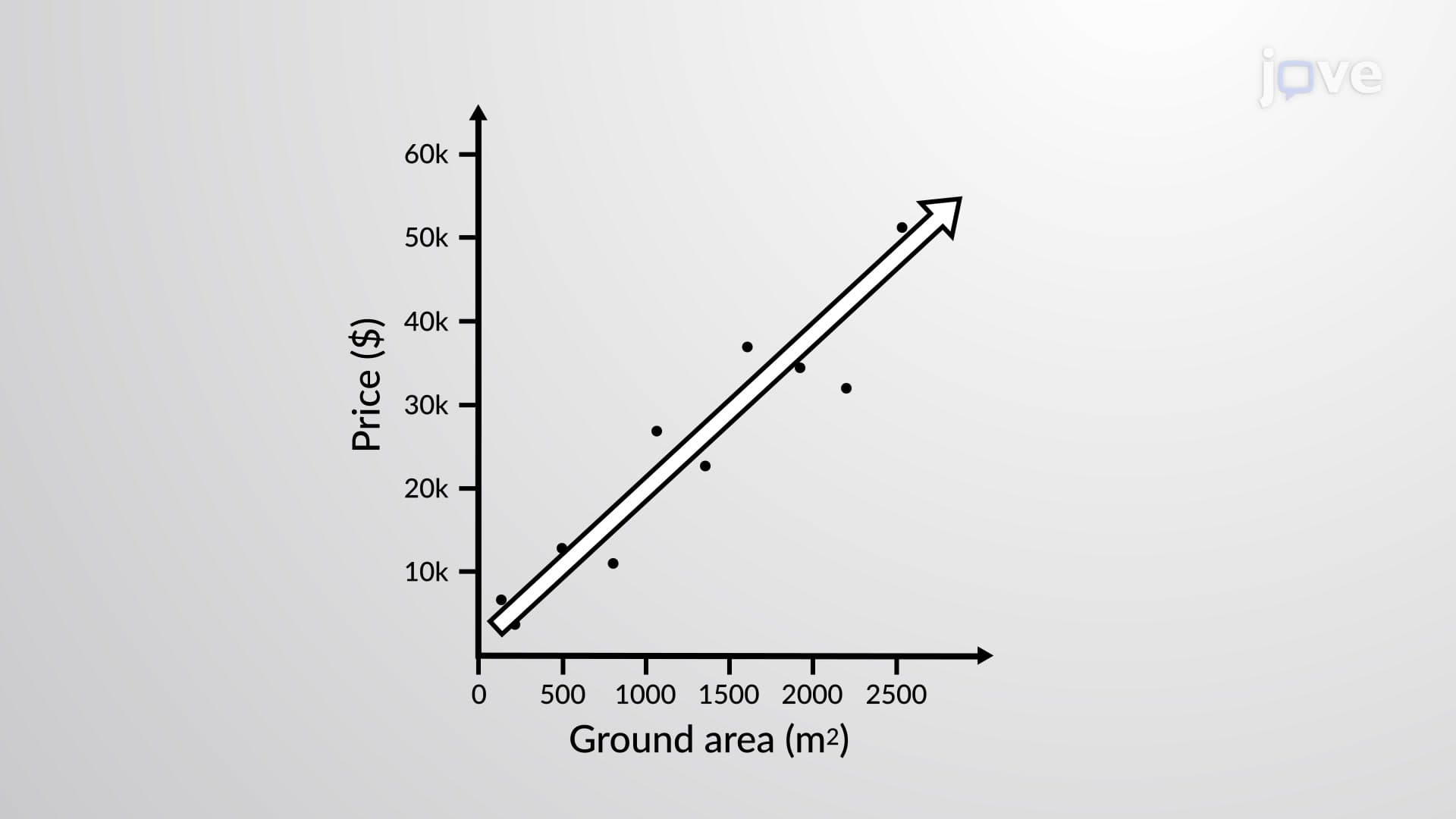
Progress to bar graphs and histograms for comparing multiple categories or showing data distributions. Then explore scatter plots for analyzing relationships between two variables, and box plots for displaying statistical summaries. These visualization tools complement pie charts and appear frequently together in AP Statistics curricula and college-level data analysis courses.
Related Micro-courses

Related Subjects
 Physics 33 micro-courses›
 Math Fundamentals 11 micro-courses›