Loading…
Loading video…
220,300 views
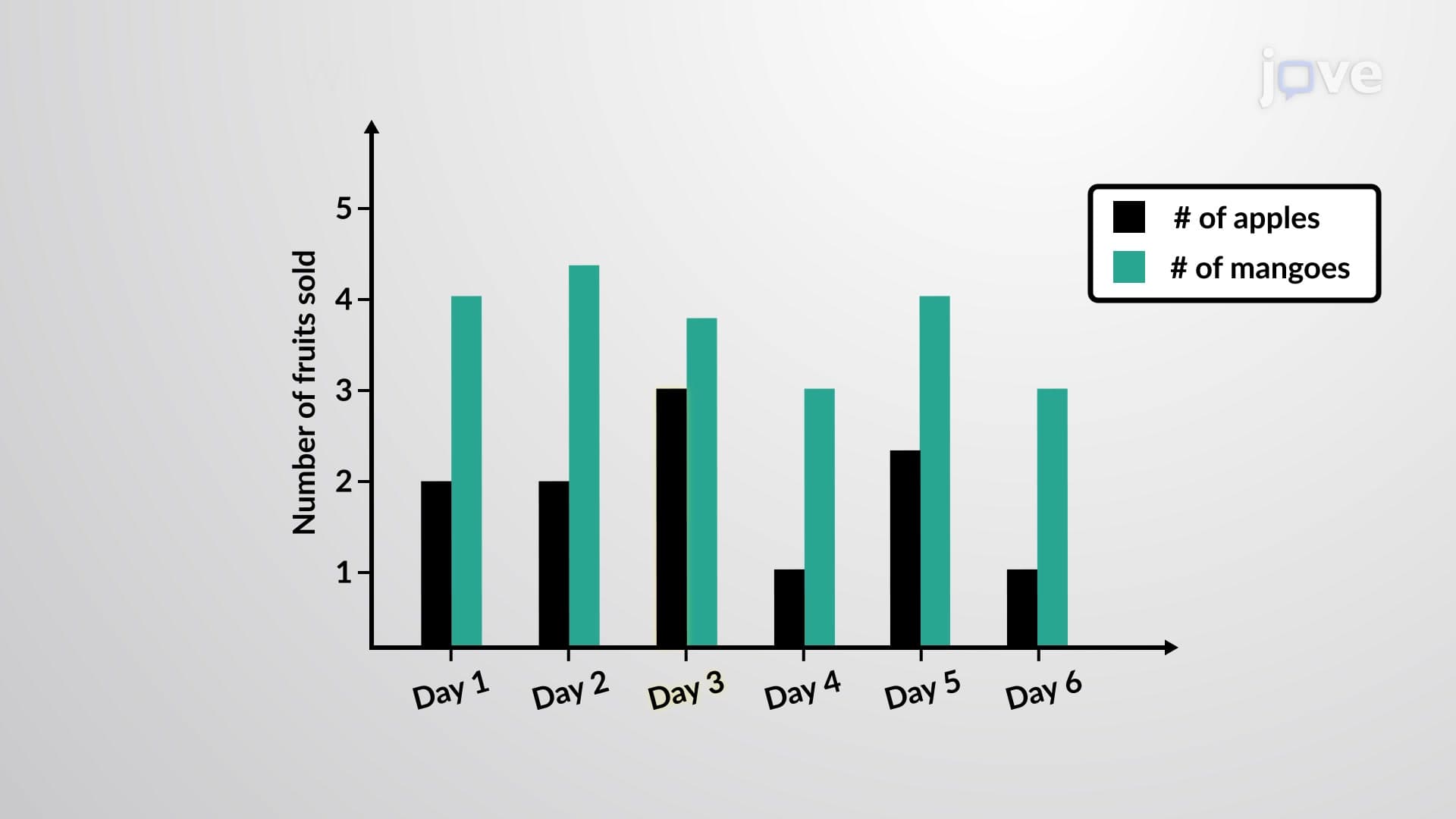
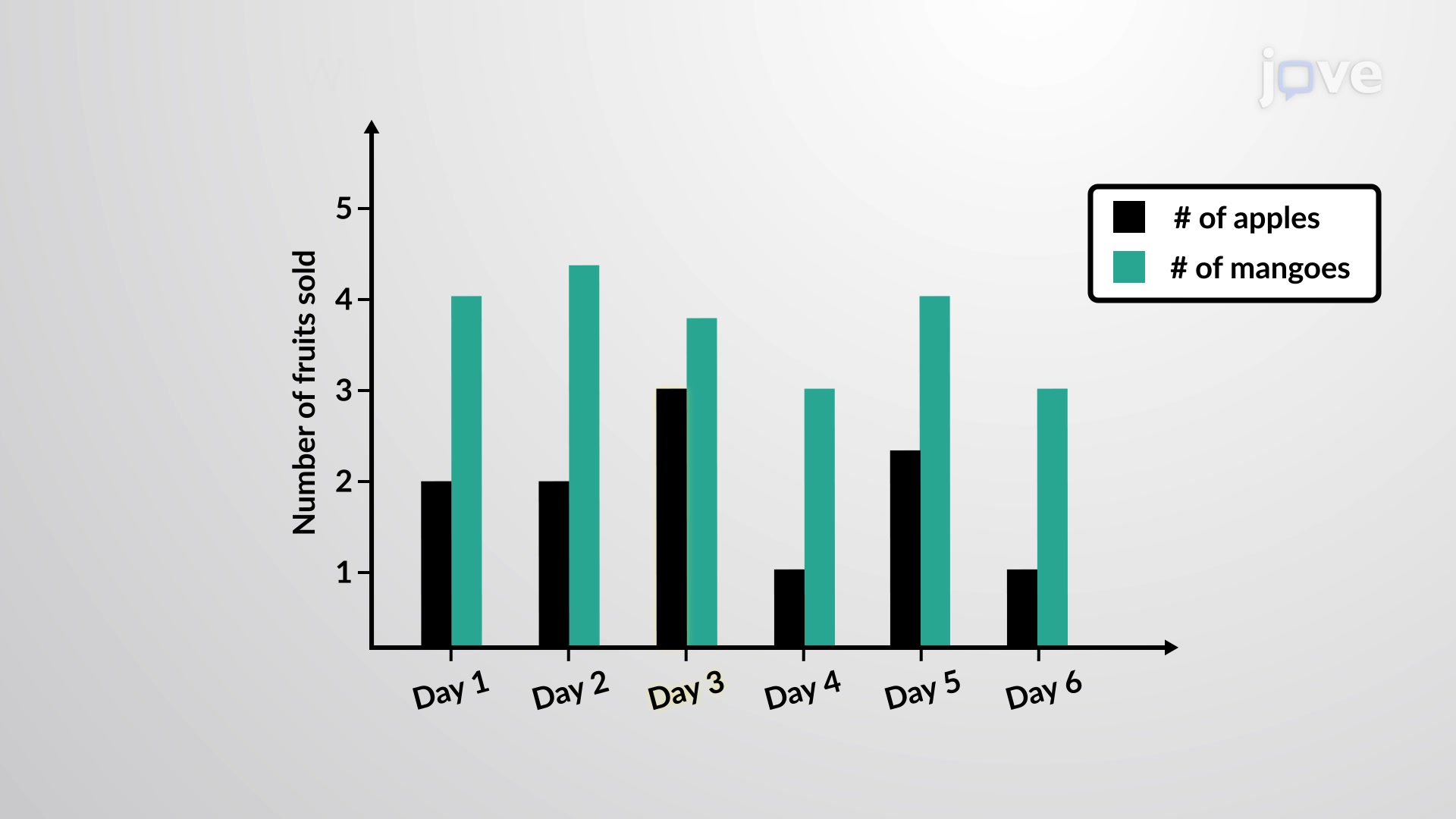
Did you know that comparing enrollment trends across different majors at US universities becomes crystal clear with a multiple bar graph? This powerful visualization tool displays two or more data sets side by side using grouped bars, making it easy to spot patterns and differences. For example, admissions offices at schools like UCLA use multiple bar graphs to compare male versus female enrollment across departments like engineering, biology, and business. What is multiple bar graph techniques help students and professionals analyze complex categorical data with remarkable clarity. Watch the full video on JoVE Coach to master this concept with expert-led visuals and step-by-step explanations.
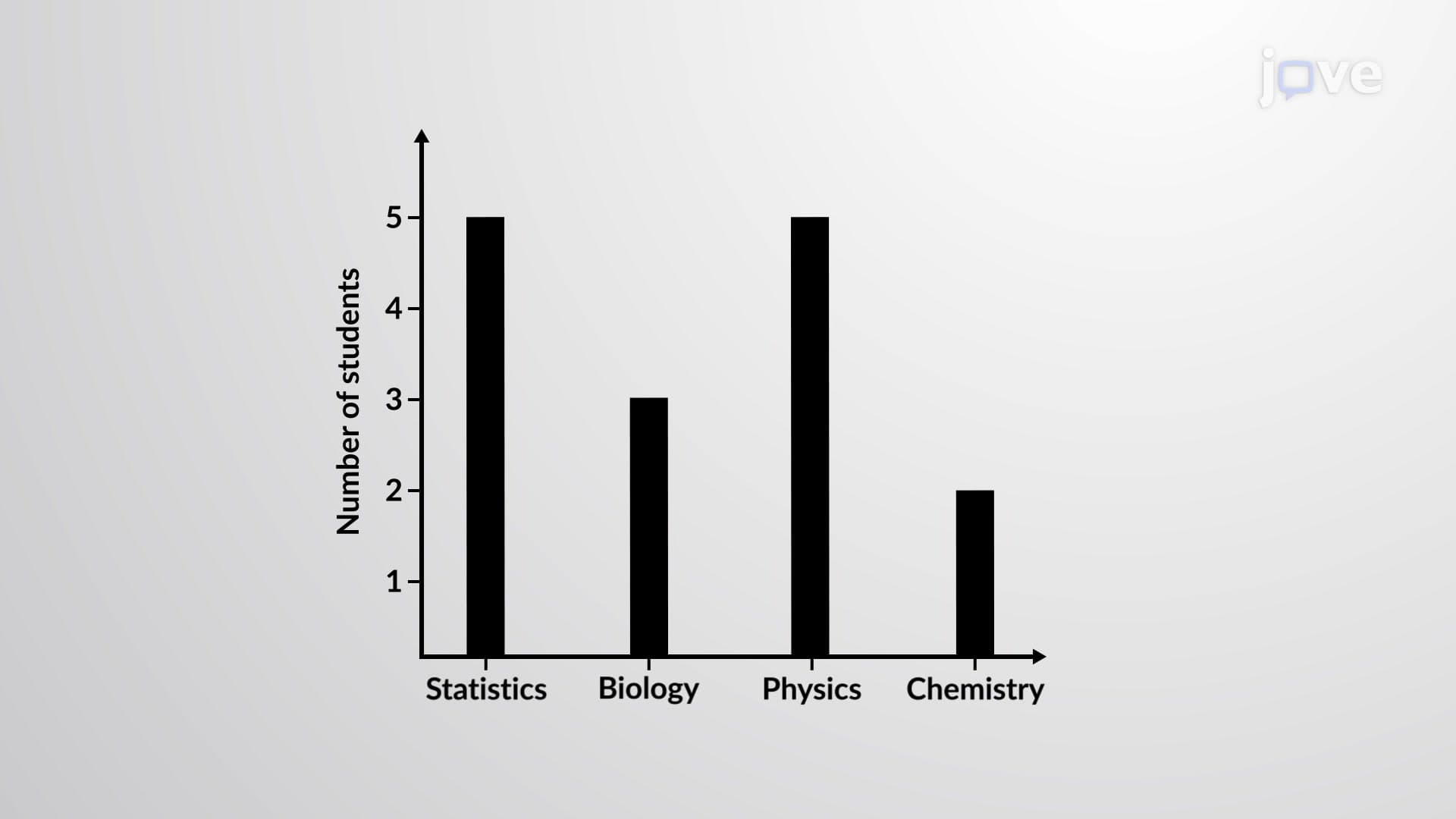
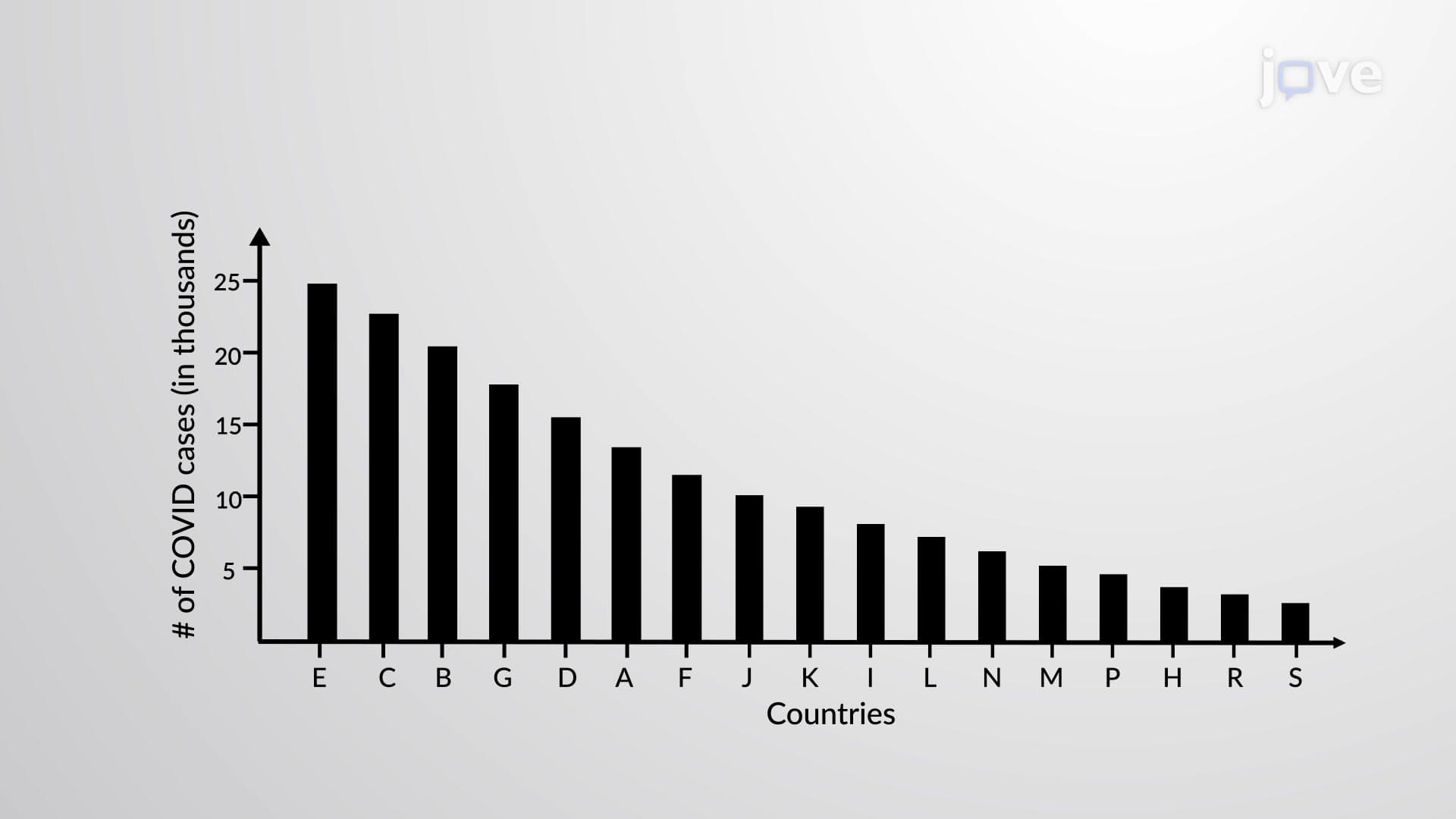
A multiple bar graph represents a sophisticated data visualization technique that displays two or more related data sets using grouped bars positioned side by side. Unlike simple bar graphs that show single data series, multiple bar graphs excel at revealing comparative relationships between categories. The multiple bar graph definition encompasses charts where each category contains multiple bars representing different data groups, separated by small gaps to maintain visual clarity.
The fundamental structure includes several key elements: categorical labels along the horizontal axis, numerical scales on the vertical axis, grouped bars of different colors or patterns, and a comprehensive legend identifying each data series. This arrangement allows viewers to make direct comparisons both within categories and across different data sets simultaneously.
Understanding the multiple bar graph concept proves essential for students tackling AP Statistics, college-level data analysis courses, and standardized tests like the SAT Math section. High school students frequently encounter these graphs when analyzing survey results, comparing academic performance across different demographic groups, or examining scientific experimental data with multiple variables.
In academic settings, the multiple bar graph study guide typically emphasizes proper scale selection, appropriate color coding, and clear labeling practices. Students learn to identify misleading representations, such as truncated scales or inappropriate bar spacing, which can distort data interpretation. College admissions tests often feature multiple bar graph questions requiring students to extract specific information, calculate percentages, or identify trends across compared groups.
The multiple bar graph basics extend far beyond classroom exercises into professional data analysis. Market researchers use these visualizations to compare product sales across different regions or demographic segments. For instance, a pharmaceutical company might use multiple bar graphs to display medication effectiveness across age groups, with separate bars representing different treatment protocols.
Healthcare professionals regularly encounter multiple bar graphs in medical journals and research publications. The MCAT frequently includes data interpretation questions featuring these visualizations, particularly in passages discussing clinical trial results or epidemiological studies. Understanding what is multiple bar graph in detail helps pre-med students analyze treatment outcomes, patient demographics, and disease prevalence patterns effectively.
Mastering understanding multiple bar graph interpretation involves recognizing subtle patterns and making accurate quantitative comparisons. Students learn to calculate percentage differences, identify statistical significance, and draw evidence-based conclusions. Advanced applications include creating multiple bar graphs using software like Excel or Google Sheets, selecting appropriate color schemes for accessibility, and presenting findings to diverse audiences clearly and persuasively.
Frequently Asked Questions
A multiple bar graph displays two or more data sets using grouped bars side by side, while regular bar graphs show only one data series. This allows direct comparison of multiple categories simultaneously. Multiple bar graphs use different colors or patterns to distinguish between data sets, making them ideal for analyzing relationships between groups like comparing test scores across different schools or demographic categories.
AP Statistics frequently features multiple bar graph questions requiring students to interpret comparative data, calculate differences between groups, or identify trends. Students must analyze grouped bars to answer questions about which category shows the largest disparity or calculate percentage changes between data sets. These questions test both graph reading skills and statistical reasoning abilities essential for college-level coursework.
SAT Math includes multiple bar graph problems focusing on data interpretation, percentage calculations, and trend identification. Students might need to determine which group has the highest values, calculate ratios between different bars, or predict future trends based on displayed patterns. These questions emphasize quantitative reasoning and graph literacy skills crucial for college success.
MCAT passages often include multiple bar graphs displaying research data, clinical trial results, or population health statistics. Students must interpret experimental outcomes, compare treatment effectiveness across different groups, or analyze demographic health patterns. Strong multiple bar graph interpretation skills help future medical professionals understand scientific literature and evidence-based medicine principles.
Business analysts, market researchers, healthcare professionals, and educators regularly create and interpret multiple bar graphs. For example, Netflix uses these visualizations to compare viewership across different demographic segments, while the CDC employs them to track disease prevalence across various population groups. Marketing teams analyze consumer preferences, and academic researchers display experimental results using multiple bar graph formats.
No advanced mathematics background is required for basic multiple bar graph interpretation. Students need fundamental arithmetic skills for calculations and basic statistical concepts like percentages and ratios. High school algebra provides sufficient mathematical foundation, making multiple bar graphs accessible to students across various academic levels and professional backgrounds seeking data literacy skills.
Practice with diverse real-world examples from reputable sources like CDC reports, Census Bureau data, or academic research publications. Focus on identifying patterns, calculating percentage differences, and making evidence-based comparisons. Create your own multiple bar graphs using familiar data sets to understand construction principles. Time yourself answering interpretation questions to build speed and accuracy for standardized tests.
Consider studying stacked bar graphs, grouped column charts, and combination charts mixing bars with line graphs. Explore statistical concepts like confidence intervals, error bars, and correlation analysis. Advanced students can investigate data visualization software, interactive dashboard creation, and statistical programming languages like R or Python for professional-level data analysis capabilities.
Related Micro-courses

Related Subjects
 Physics 33 micro-courses›
 Math Fundamentals 11 micro-courses›