Loading video…


 15 Concepts
 340.6K views

Video Summary: How Data are Classified Categorical Data Explained
Ever wonder how Netflix categorizes movies or how the US Census Bureau organizes demographic information? Understanding how data are classified categorical data is essential for making sense of non-numerical information that surrounds us daily. From blood types used in American hospitals (A, B, AB, O) to clothing sizes at major retailers, categorical data classification helps organize qualitative observations into meaningful groups. This fundamental statistical concept in "How Data are Classified Categorical Data Explained" provides the foundation for data analysis across healthcare, business, and research. Watch the full video on JoVE Coach to master this concept with expert-led visuals and step-by-step explanations.
Categorical data represents one of the fundamental building blocks of statistical analysis, forming the backbone of how researchers, analysts, and scientists organize non-numerical information. Unlike quantitative data that deals with measurable quantities, categorical data focuses on qualitative characteristics that can be grouped into distinct categories or labels.
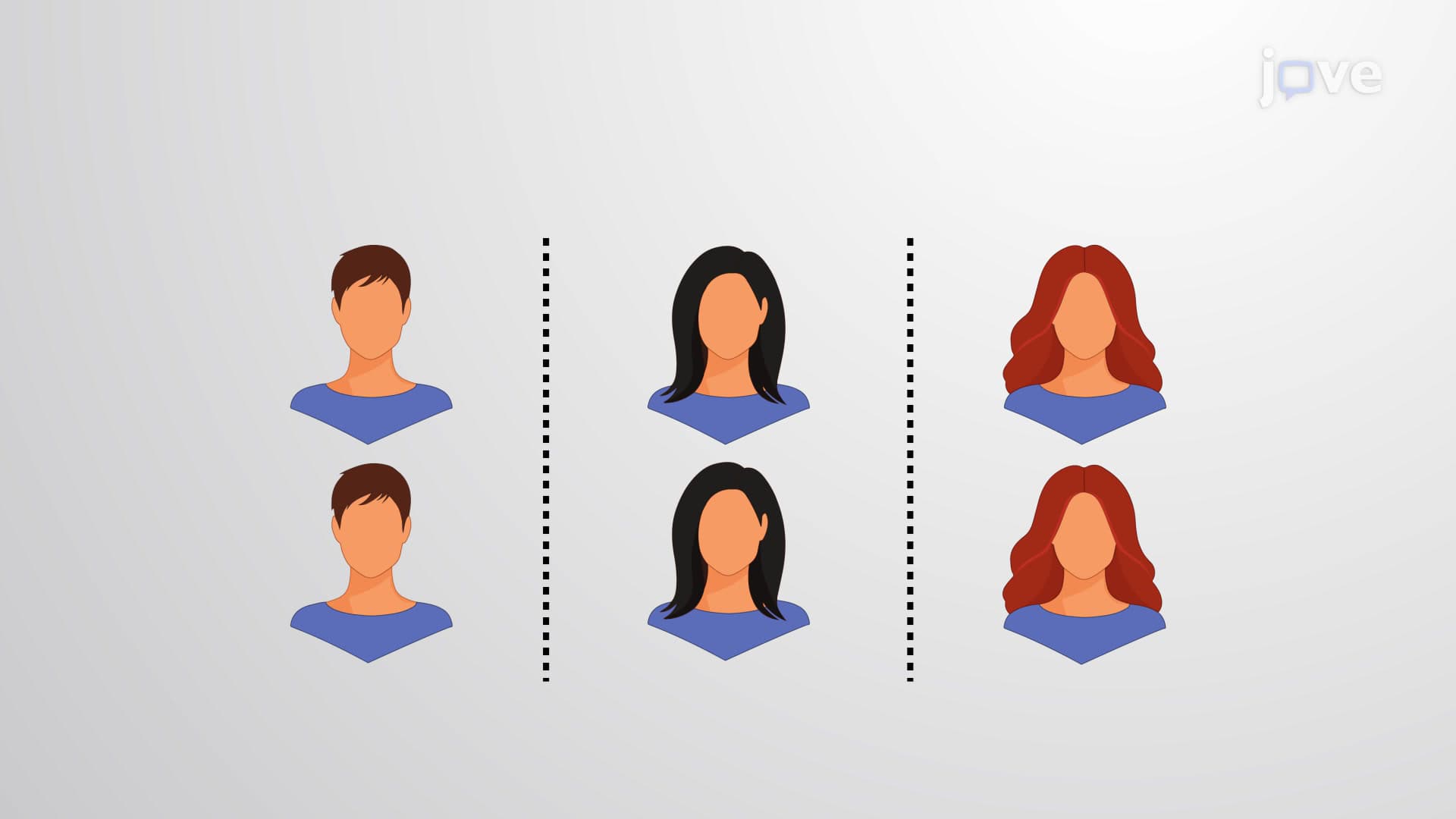
The classification system for categorical data includes two primary subtypes. Nominal categorical data consists of categories with no inherent order or ranking. Classic examples include gender classifications used by the US Department of Labor, state names in demographic surveys, or car brands in automotive industry analysis. These categories are mutually exclusive and collectively exhaustive, meaning each observation fits into exactly one category.
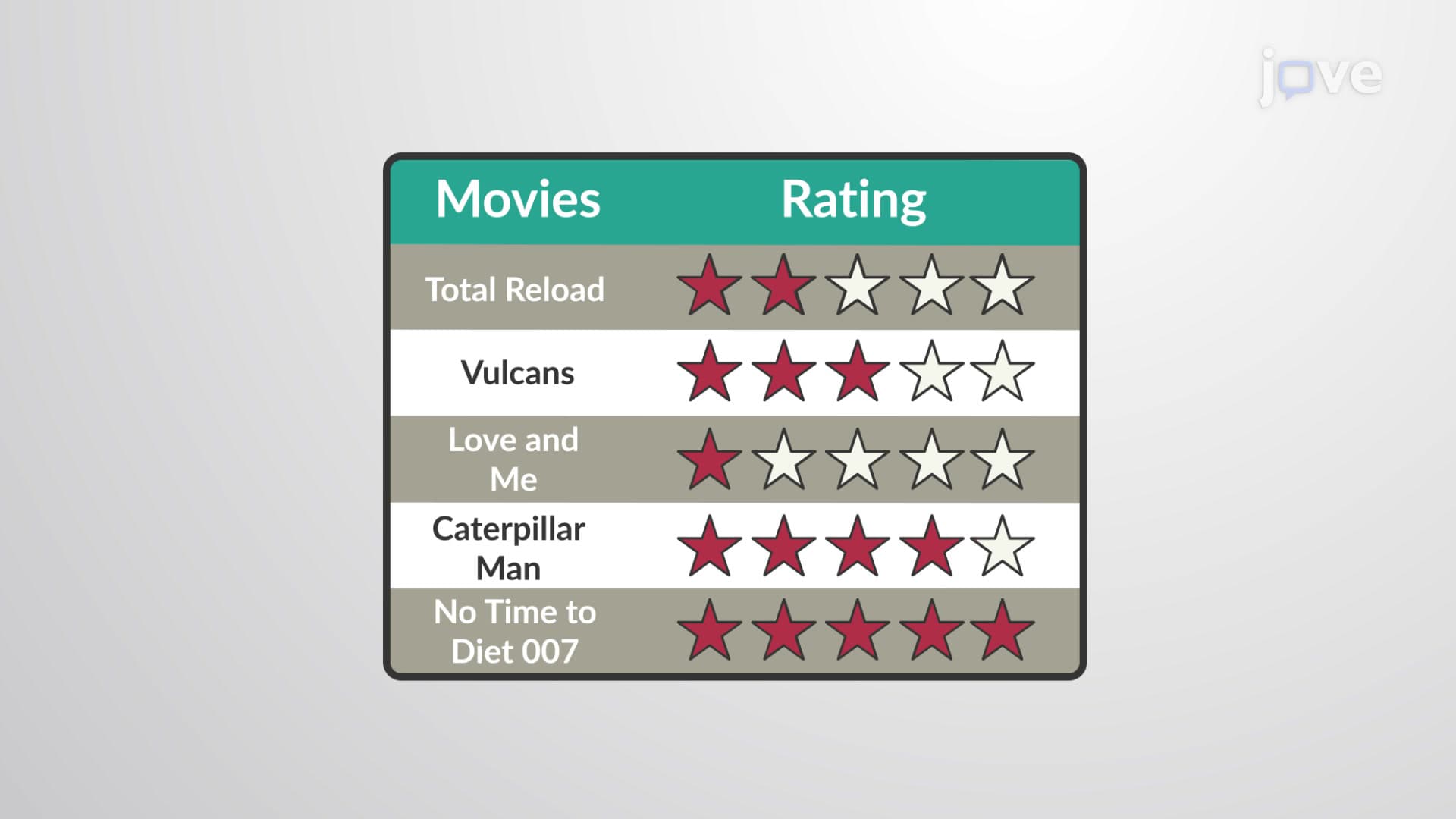
Ordinal categorical data, conversely, maintains a logical order or hierarchy between categories. American education systems provide excellent examples: elementary, middle school, high school, and college represent ordered levels. Similarly, customer satisfaction surveys used by major US retailers often employ ordinal scales like "very dissatisfied," "dissatisfied," "neutral," "satisfied," and "very satisfied."
Healthcare systems extensively utilize categorical data classification. The American Medical Association relies on categorical data for patient demographics, diagnosis codes (ICD-10), and treatment outcomes. Blood type classification (A, B, AB, O) represents a nominal system, while cancer staging (Stage I through Stage IV) exemplifies ordinal classification.
Market research companies like Nielsen and Gallup depend heavily on categorical data analysis. Political polling during US presidential elections categorizes voter preferences, while consumer behavior studies classify purchasing patterns across demographic groups. These applications demonstrate how categorical data drives decision-making in business and policy.
Students preparing for standardized tests encounter categorical data concepts regularly. AP Statistics examinations frequently test understanding of variable types and appropriate analysis methods. College-level statistics courses at institutions like UCLA, University of Texas, and Florida State University emphasize categorical data as foundational knowledge for advanced topics like chi-square tests and contingency table analysis.
The Medical College Admission Test (MCAT) incorporates categorical data concepts within its psychological and sociological foundations section, particularly when addressing research methodology and data interpretation.
Related Micro-courses