Loading video…


 15 Concepts
 340.6K views

Video Summary: What Is Data Collection by Observations
Did you know the famous Nurses' Health Study has tracked over 280,000 US healthcare workers for four decades without changing a single aspect of their daily routines? Data collection by observations is a fundamental research method where scientists gather information by watching and measuring subjects without interfering with their natural behavior or environment. This non-invasive approach has revealed groundbreaking insights, from tracking aircraft patterns at busy airports like Atlanta's Hartsfield-Jackson to discovering links between shift work and chronic diseases. Watch the full video on JoVE Coach to master this concept with expert-led visuals and step-by-step explanations.
Data collection by observations forms the backbone of statistical research across countless fields, from public health to environmental science. Unlike experimental studies where researchers actively manipulate variables, observational studies involve systematically watching, measuring, and recording phenomena as they naturally occur. This approach allows scientists to gather authentic data about real-world behaviors, patterns, and outcomes without creating artificial laboratory conditions that might not reflect true circumstances.
The fundamental principle underlying observational data collection is non-interference. Researchers act as neutral observers, carefully documenting what they see without influencing the subjects or environment under study. This methodology proves particularly valuable when ethical constraints prevent manipulation-you couldn't ethically expose people to harmful substances to study disease development, but you can observe populations with different natural exposure levels.
Successful observational studies require meticulous planning and standardized measurement protocols. Researchers must define exactly what they're observing, establish consistent data collection procedures, and train observers to minimize bias. For instance, the Behavioral Risk Factor Surveillance System (BRFSS), conducted annually by the CDC, uses standardized telephone surveys to observe health behaviors across all 50 US states, creating the nation's largest health survey system.
Cross-sectional studies capture a snapshot of a population at one point in time, like the US Census conducted every decade. These studies help identify correlations and prevalence rates but cannot establish cause-and-effect relationships. The National Health and Nutrition Examination Survey (NHANES) exemplifies this approach, assessing Americans' health status through interviews, physical examinations, and laboratory tests.
Longitudinal studies follow the same subjects over extended periods, revealing how factors change over time. The Framingham Heart Study, launched in 1948, has tracked cardiovascular health across three generations of Massachusetts residents, leading to breakthrough discoveries about heart disease risk factors that now guide medical practice nationwide.
Case-control studies work backward from outcomes, comparing people with specific conditions to those without them. For example, researchers studying lung cancer might observe the smoking histories of cancer patients versus healthy controls, revealing patterns that suggest causal relationships.
Students encounter observational data collection concepts throughout their academic journey. AP Statistics courses emphasize distinguishing between observational studies and experiments, while college research methods classes require designing observational studies. Pre-med students preparing for the MCAT must understand how observational studies contribute to evidence-based medicine, particularly in epidemiology sections.
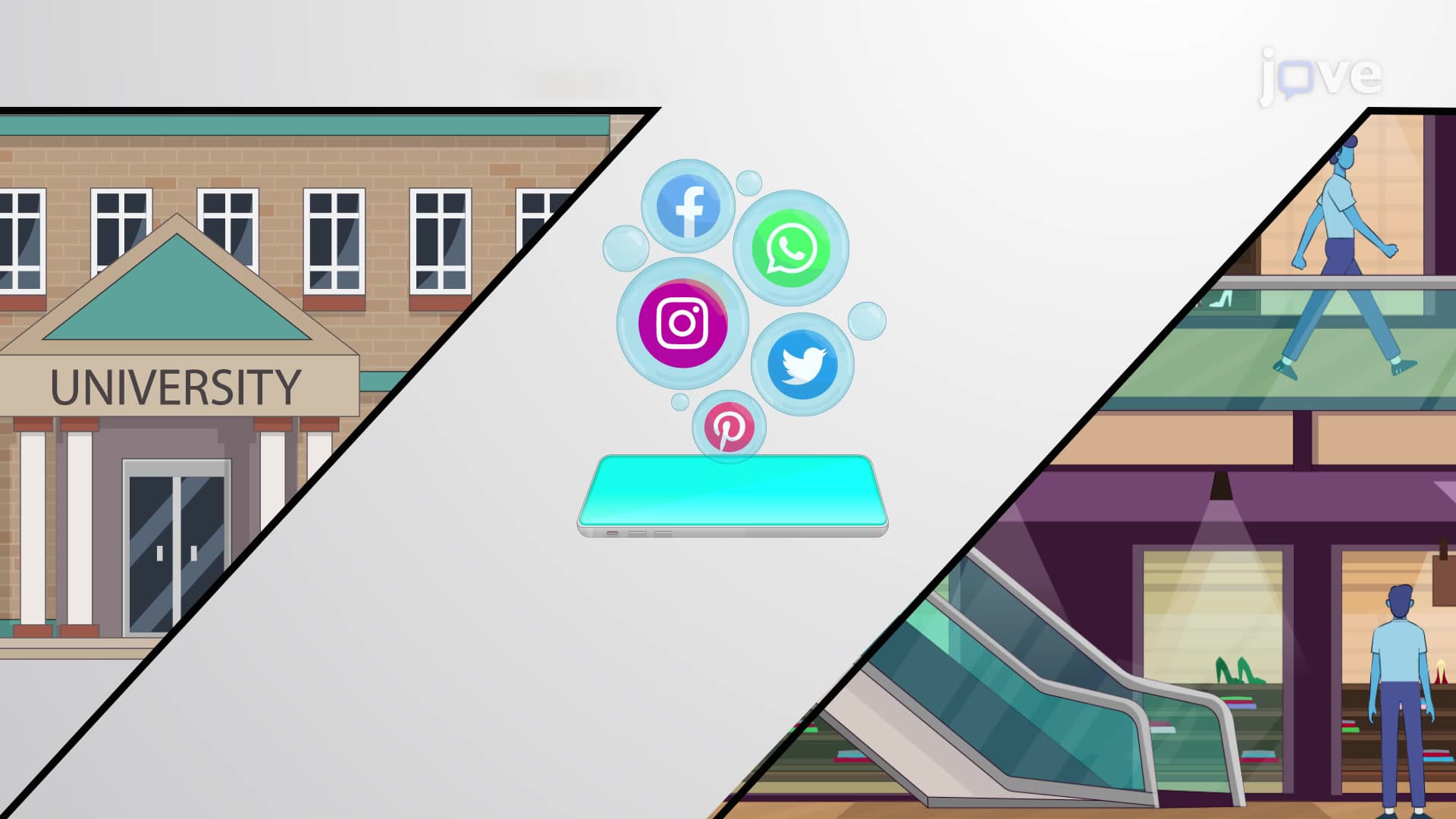
Professional applications span virtually every field. Market researchers observe consumer behavior in retail environments, urban planners study traffic patterns, and educators assess classroom dynamics. Understanding these methods proves essential for interpreting research findings, whether you're reading scientific literature, analyzing business reports, or evaluating policy proposals based on observational data.
Related Micro-courses