Loading video…


 15 Concepts
 340.6K views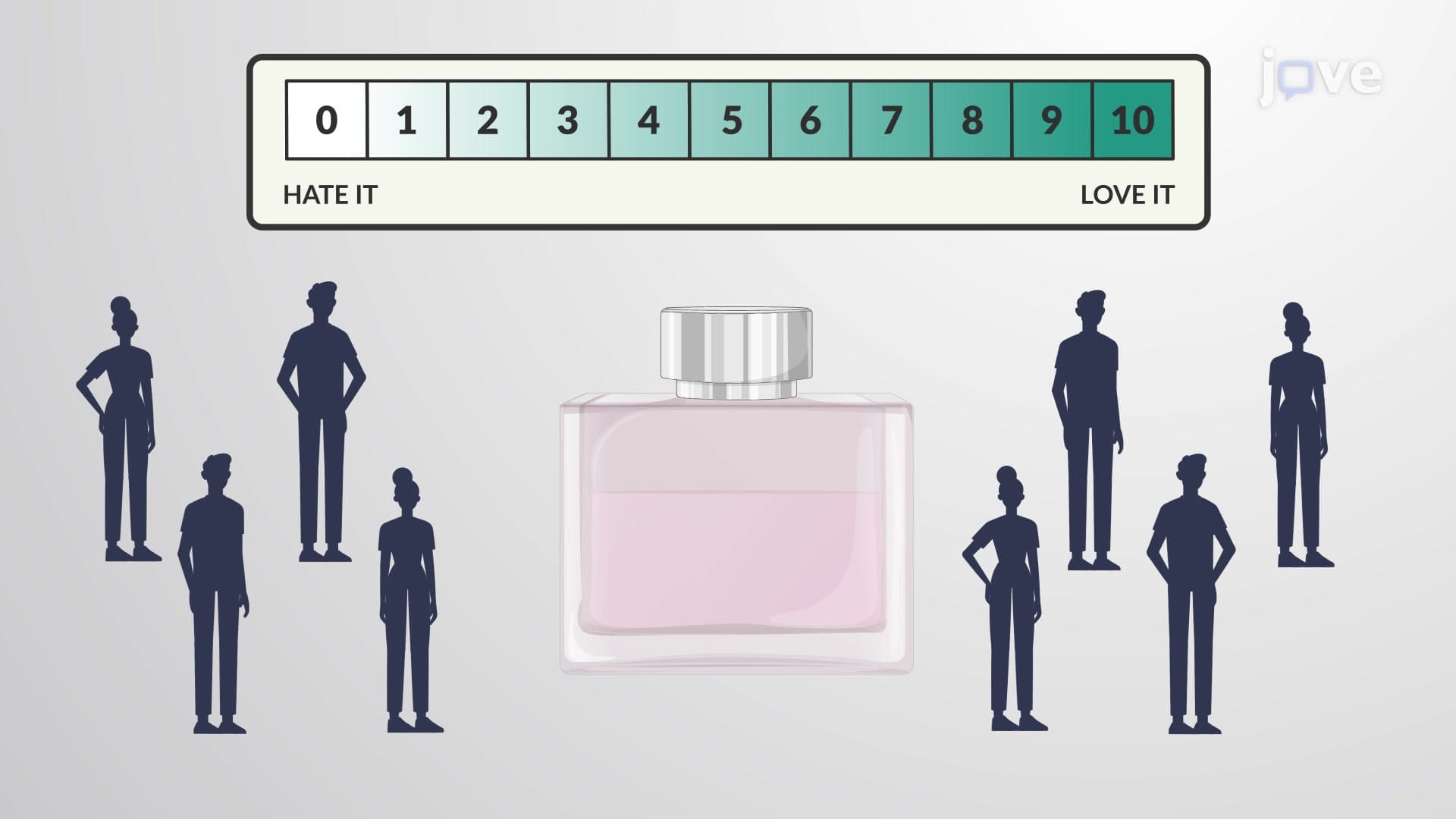

Video Summary: What Is Data Collection by Survey
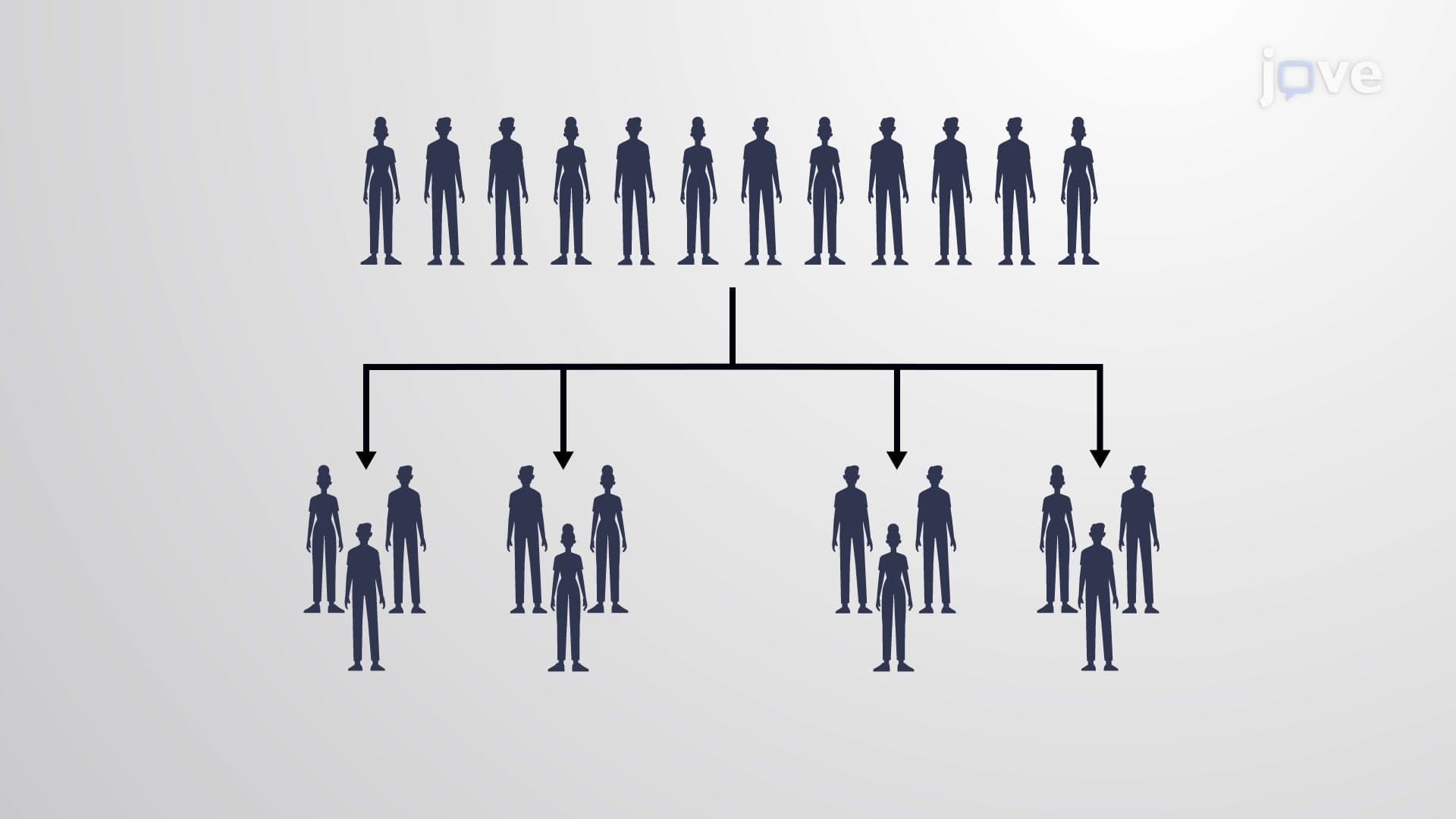
Ever wonder how Netflix knows what shows you'll love, or how pollsters predict election results? Data collection by survey is the systematic process of gathering information from selected individuals within a target population to understand their opinions, experiences, or knowledge about specific topics. For instance, when McDonald's tests a new menu item, they survey customers across different US locations to gauge preferences before nationwide rollout. This foundational research method transforms individual responses into actionable insights that drive business decisions and scientific understanding. Watch the full video on JoVE Coach to master this concept with expert-led visuals and step-by-step explanations.
Data collection by survey represents a cornerstone methodology in quantitative research, enabling researchers to systematically gather information from representative samples of larger populations. Unlike observational studies that record naturally occurring behaviors, surveys actively solicit responses through structured questioning, making them invaluable for understanding attitudes, preferences, and experiences that cannot be directly observed.
Effective survey implementation requires careful consideration of sampling techniques, question design, and data collection methods. Random sampling ensures each population member has an equal chance of selection, while stratified sampling guarantees representation across important demographic groups. For AP Statistics students, understanding these sampling methods is crucial for analyzing survey validity and potential biases.
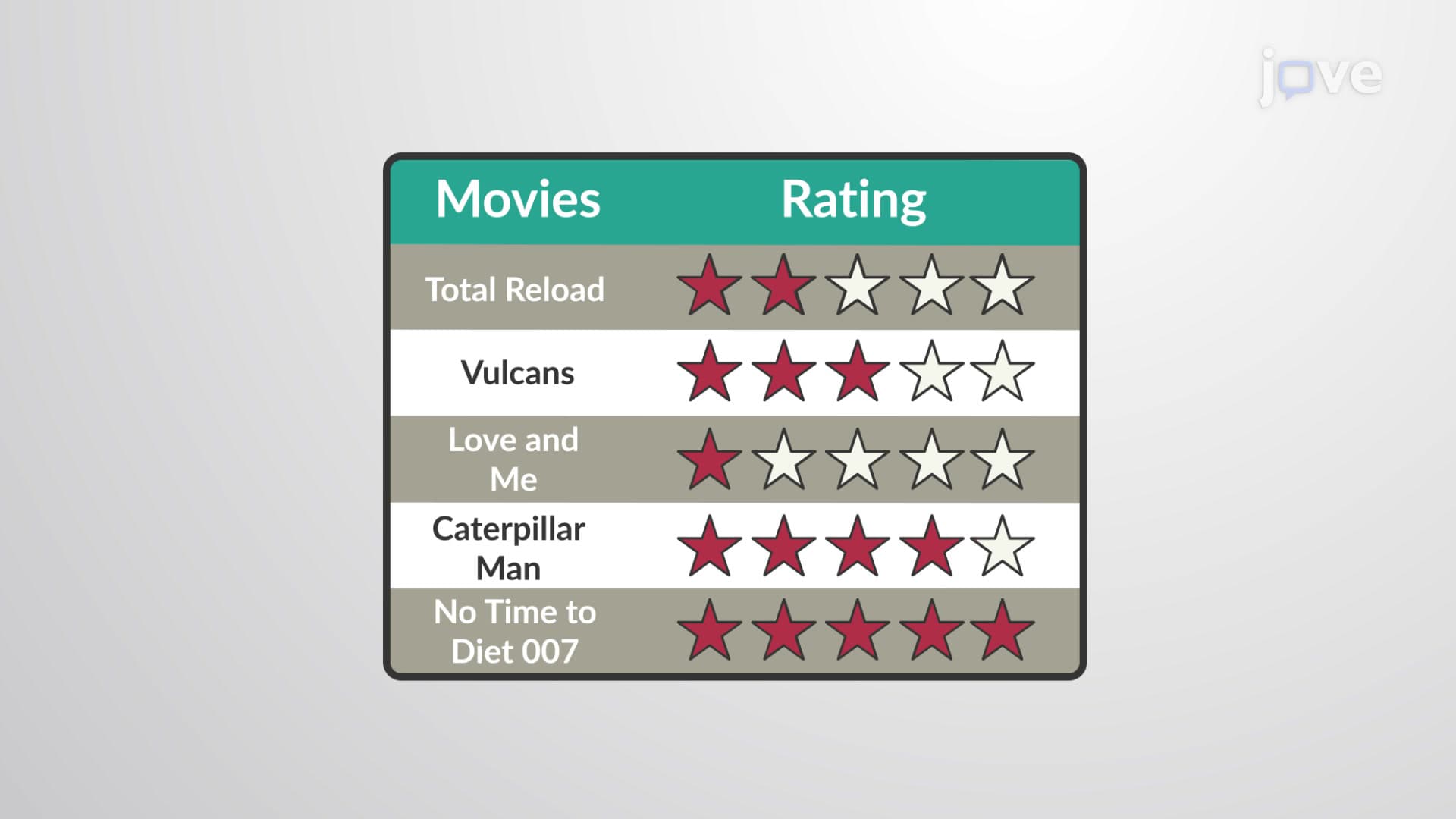
Survey questions must be clear, unbiased, and appropriate for the target audience. Likert scales (like the 0-10 perfume rating example) provide quantifiable responses, while open-ended questions capture nuanced feedback. The Pew Research Center, a leading US polling organization, exemplifies best practices by pretesting questions and using multiple data collection methods to ensure accuracy.
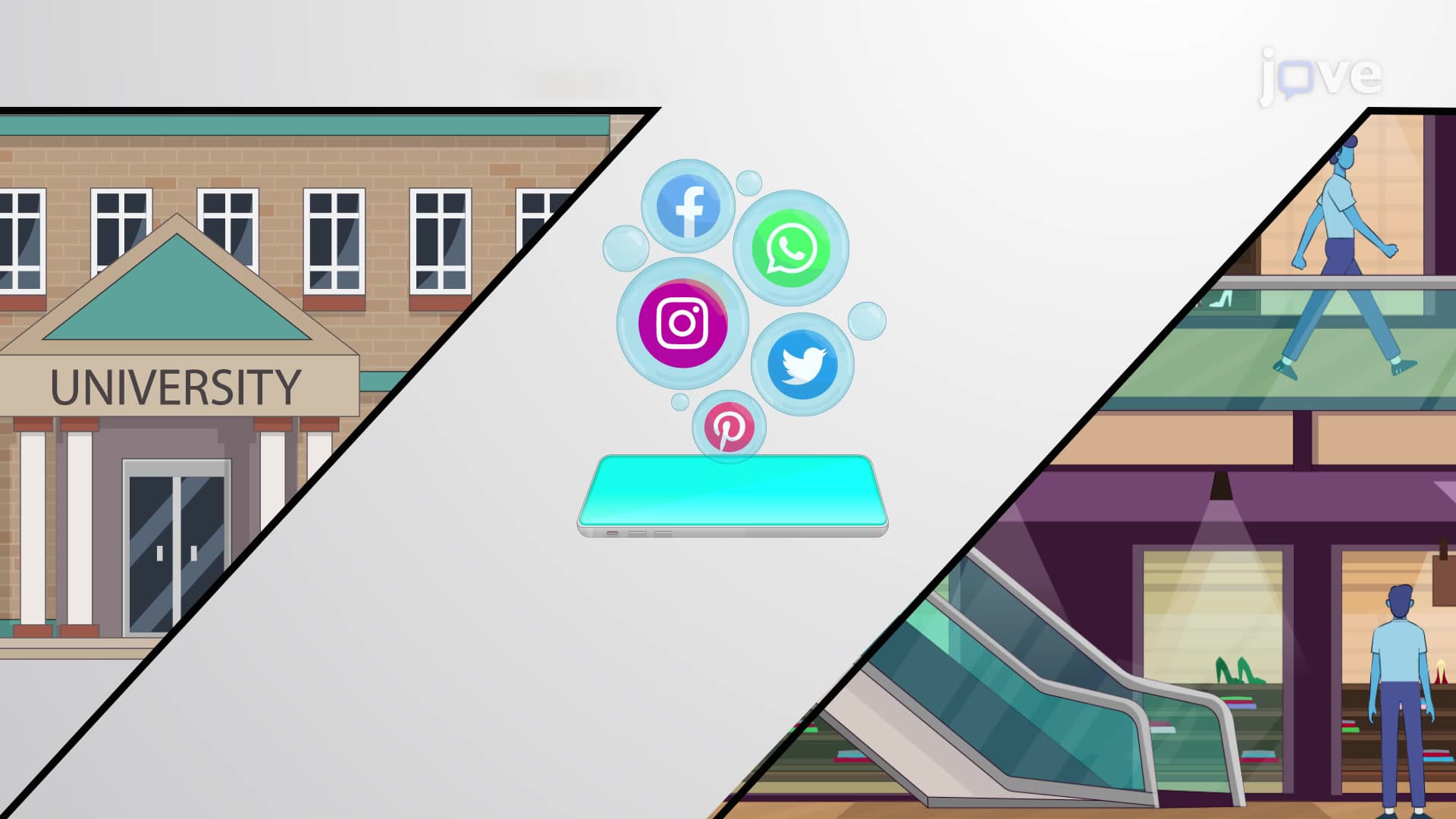
Face-to-face interviews offer the highest response quality but require significant resources. Written questionnaires, whether paper-based or digital, provide cost-effective data collection for large samples. The US Census Bureau successfully combines both approaches, using mail questionnaires followed by in-person visits for non-respondents.
Focus groups facilitate in-depth exploration of complex topics through moderated discussions. Companies like Procter & Gamble regularly use focus groups in Cincinnati and other US cities to test product concepts before launch. Telephone surveys, though declining due to cell phone prevalence, remain valuable for time-sensitive polling, as demonstrated by Gallup's political surveys.
Survey data collection appears frequently in college research methods courses and standardized exams. MCAT behavioral sciences sections test understanding of survey bias and validity. Business students encounter survey applications in marketing research courses, while psychology majors learn survey techniques for studying human behavior.
Professional applications span numerous industries. Healthcare organizations use patient satisfaction surveys to improve care quality, while educational institutions employ student feedback surveys to enhance curriculum effectiveness. Government agencies like the Bureau of Labor Statistics conduct monthly employment surveys that inform national economic policy.
Related Micro-courses