Loading video…


 15 Concepts
 340.6K views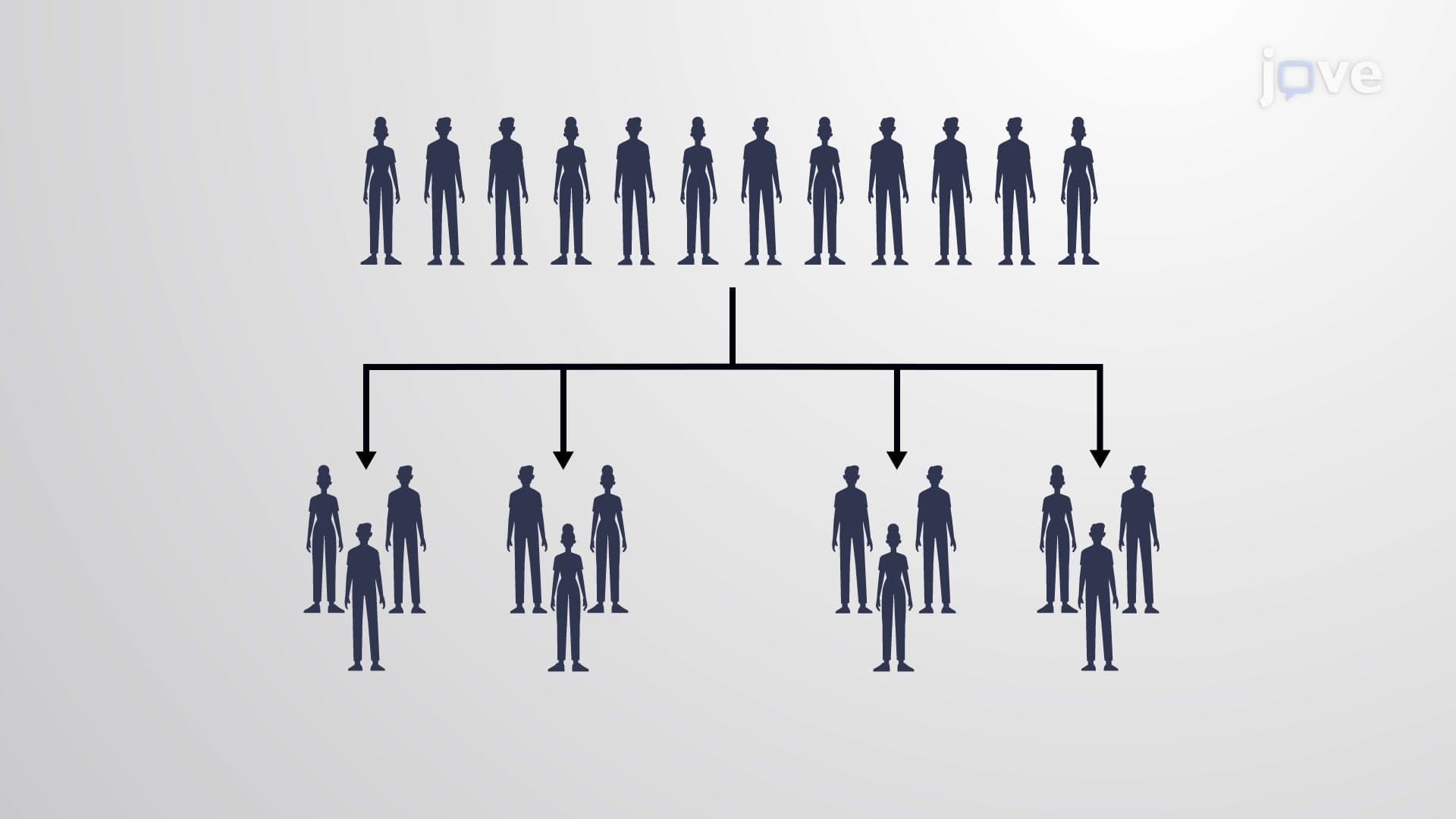

Video Summary: What Is Cluster Sampling Method
Ever wondered how researchers survey millions of Americans without interviewing every single person? The cluster sampling method makes this possible by dividing large populations into manageable groups called clusters. When studying high school career preferences across Texas, researchers might select entire school districts as clusters rather than individual students from every district. This sampling technique transforms overwhelming research tasks into cost-effective studies while maintaining statistical validity. Watch the full video on JoVE Coach to master this concept with expert-led visuals and step-by-step explanations.
The cluster sampling method represents one of the most practical approaches to sampling when researchers face large, geographically dispersed populations. This technique involves dividing the entire population into distinct groups or "clusters," then randomly selecting some of these clusters for complete analysis. Unlike other sampling methods that select individuals directly, cluster sampling treats entire groups as sampling units.
The cluster sampling method definition encompasses several key characteristics that distinguish it from other sampling techniques. Clusters typically represent natural groupings within the population, such as schools within a district, hospitals within a state, or neighborhoods within a city. Each selected cluster undergoes complete enumeration, meaning every individual within chosen clusters participates in the study.
For example, when the U.S. Census Bureau conducts the American Community Survey, they often use cluster sampling by selecting specific geographic blocks rather than individual households scattered across the entire country. This approach significantly reduces travel costs and administrative complexity while maintaining statistical validity.
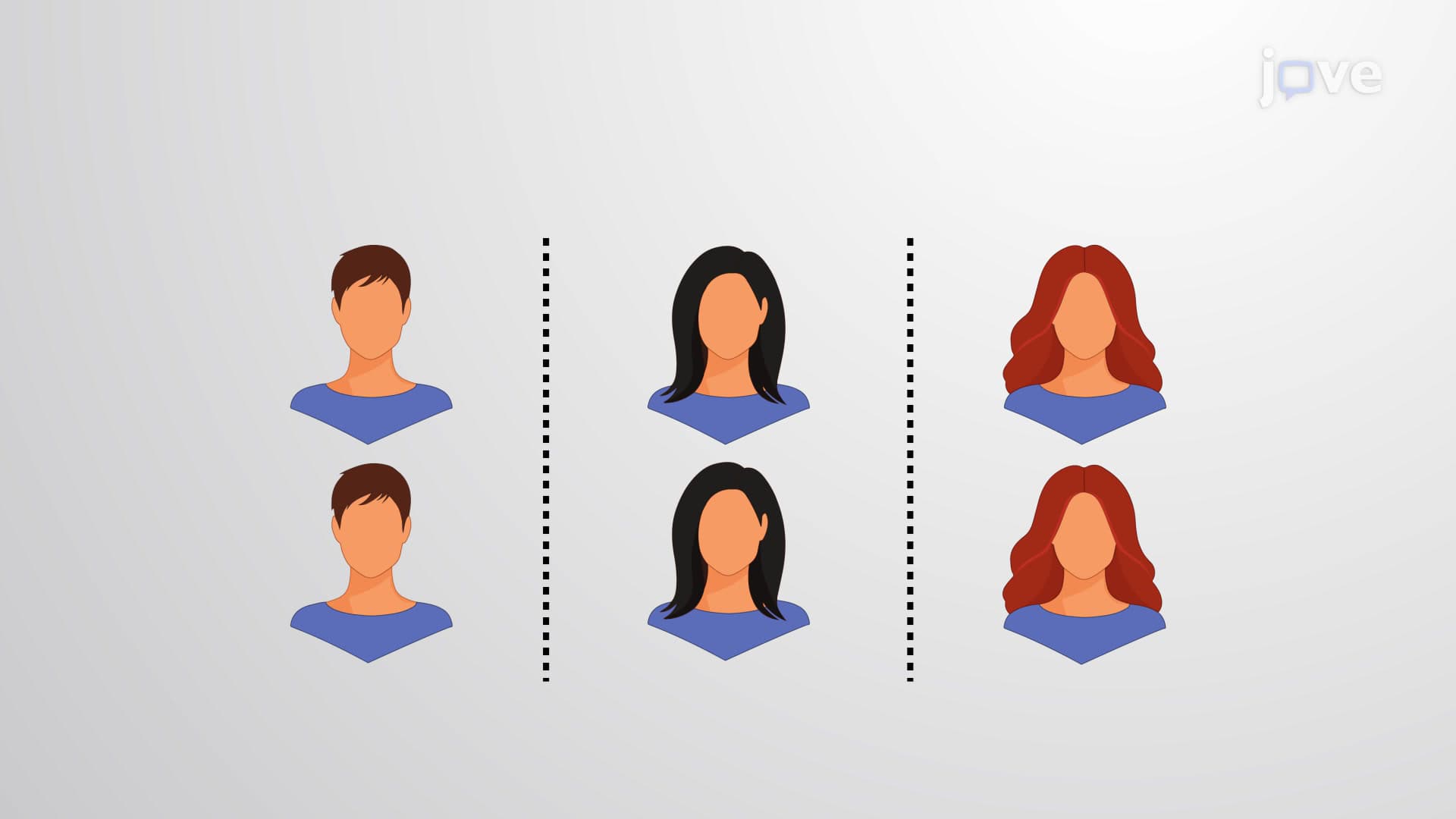
A crucial aspect of understanding what is cluster sampling method in detail involves recognizing how it differs from stratified sampling. While stratified sampling creates homogeneous groups (strata) and selects few individuals from each stratum, cluster sampling works with heterogeneous clusters and includes all individuals from selected clusters. In cluster sampling, each cluster should ideally represent a miniature version of the entire population.
Consider studying SAT preparation effectiveness across California high schools. Stratified sampling would group schools by similar characteristics (size, location, demographics) and select few students from each group. Cluster sampling would randomly select entire schools and survey all students within those chosen schools.
The cluster sampling method overview reveals significant practical benefits, particularly for large-scale studies. This approach dramatically reduces data collection costs, simplifies fieldwork logistics, and enables researchers to study populations that would otherwise be impossible to access individually. Many AP Statistics students learn cluster sampling because it frequently appears in college-level research methods courses and standardized tests.
However, cluster sampling introduces higher sampling error compared to simple random sampling, especially when clusters vary significantly from each other. The method also risks bias if selected clusters don't adequately represent the broader population diversity.
Related Micro-courses