Loading video…


 15 Concepts
 340.6K views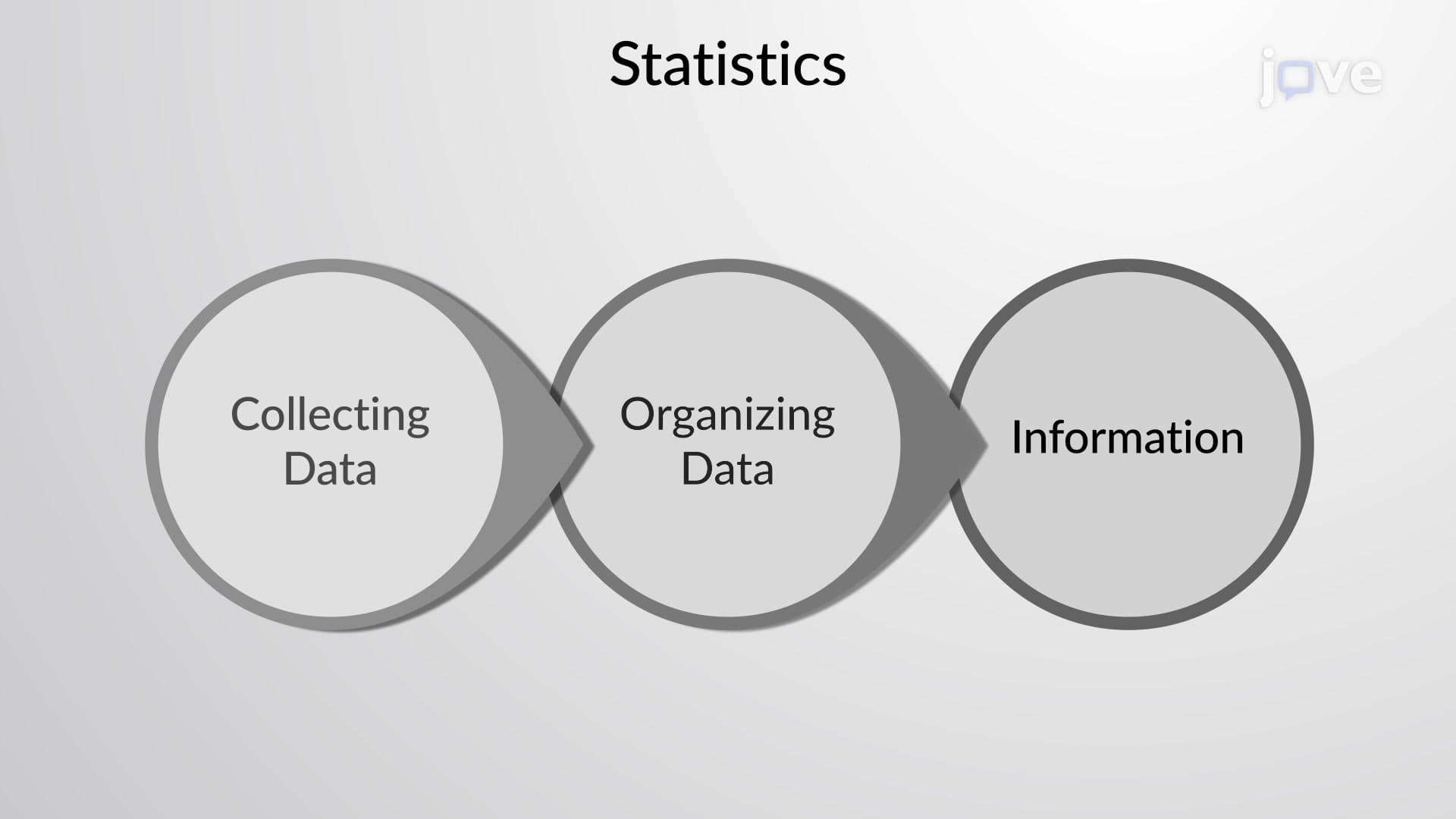

Video Summary: What Is Statistics
Did you know that statistics helps determine everything from election predictions to FDA drug approvals? Statistics is the science of collecting, organizing, and extracting meaningful insights from data to make informed decisions. For example, the U.S. Census Bureau uses statistical methods to count America's population every decade, influencing congressional representation and federal funding. Understanding what is statistics reveals how we transform raw data into actionable knowledge through sampling, analysis, and inference. Watch the full video on JoVE Coach to master this concept with expert-led visuals and step-by-step explanations.
What is statistics? At its core, statistics is the mathematical science that transforms raw data into meaningful insights through systematic collection, organization, analysis, and interpretation. This field serves as the backbone of evidence-based decision making in everything from medical research at the National Institutes of Health to market research conducted by major corporations like Apple and Google.
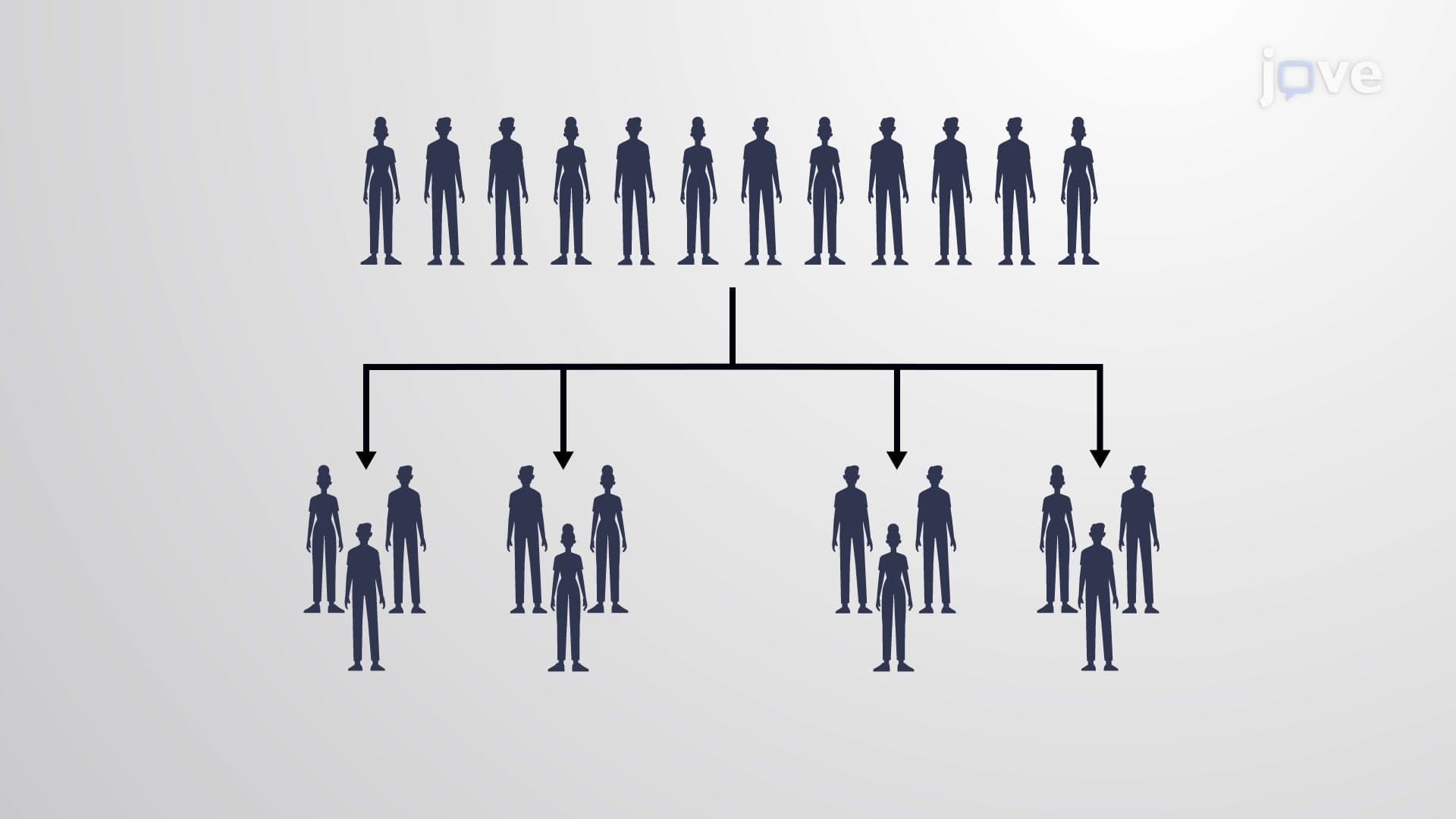
Every statistical study begins with defining the population-the complete group of individuals, objects, or measurements that researchers want to study. For instance, if studying standardized test performance, the population might be all high school seniors in the United States. However, surveying every single student would be impractical and expensive.
This is where sampling becomes crucial. A sample represents a carefully selected subset of the population that researchers can actually study. The U.S. Bureau of Labor Statistics uses this approach when calculating unemployment rates-they survey approximately 60,000 households monthly to represent the entire American workforce of over 160 million people.
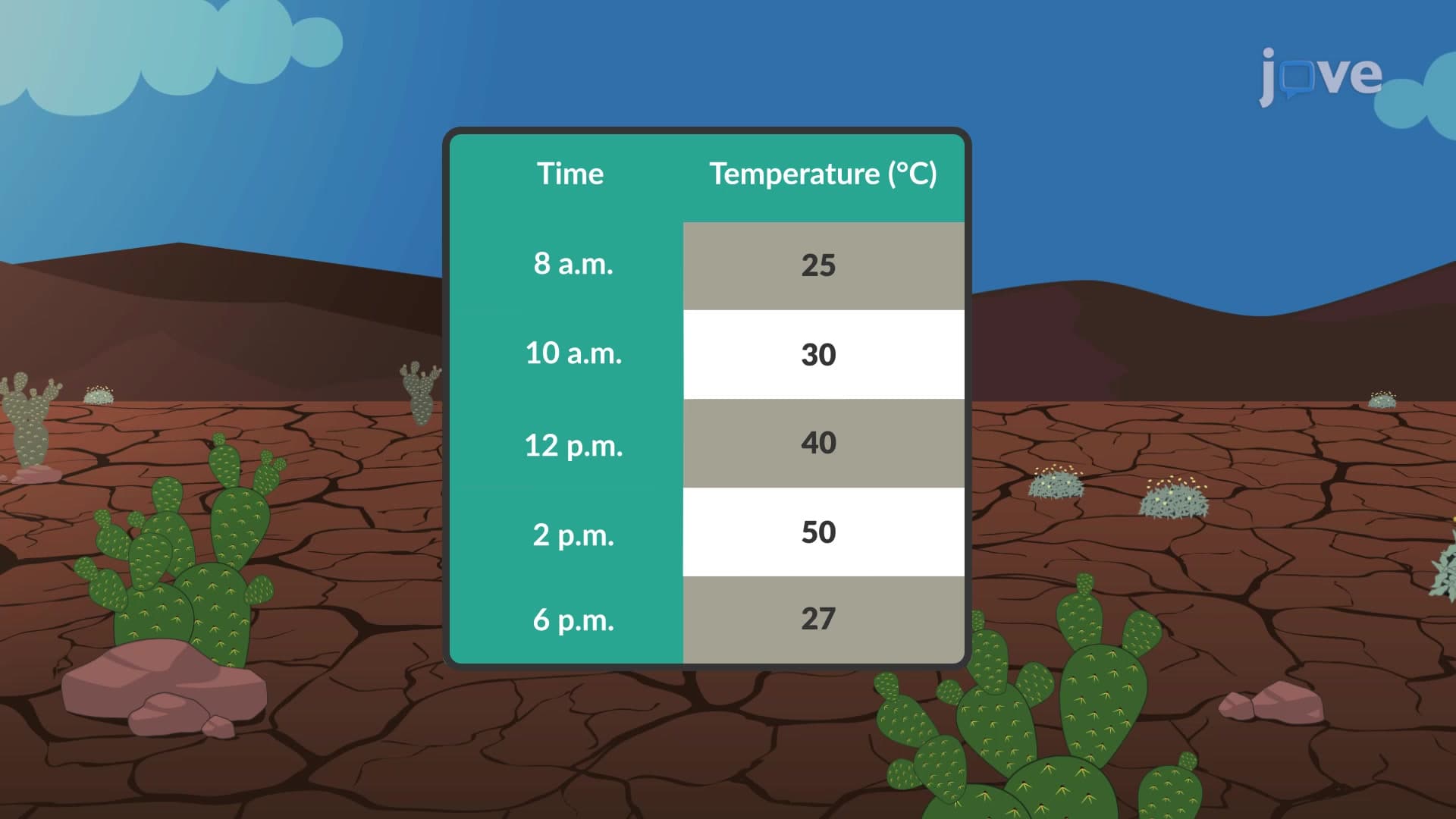
Descriptive statistics involves organizing, summarizing, and presenting data in meaningful ways. Think of how ESPN displays basketball statistics-average points per game, shooting percentages, and win-loss records. These numbers describe what has already happened without making predictions.
Inferential statistics takes this further by using sample data to make educated predictions about the entire population. When Gallup polls 1,000 Americans to predict election outcomes, they're using inferential statistics to estimate how 240 million eligible voters might behave.
Statistics appears prominently on standardized tests including the AP Statistics exam, SAT Math sections, and college placement tests. Students encounter statistical concepts in psychology research methods, biology lab experiments, and business analytics courses. Understanding these fundamentals prepares students for advanced coursework in data science, economics, and scientific research-fields experiencing explosive growth in today's data-driven economy.
Related Micro-courses