Loading video…


 16 Concepts
 10.9K views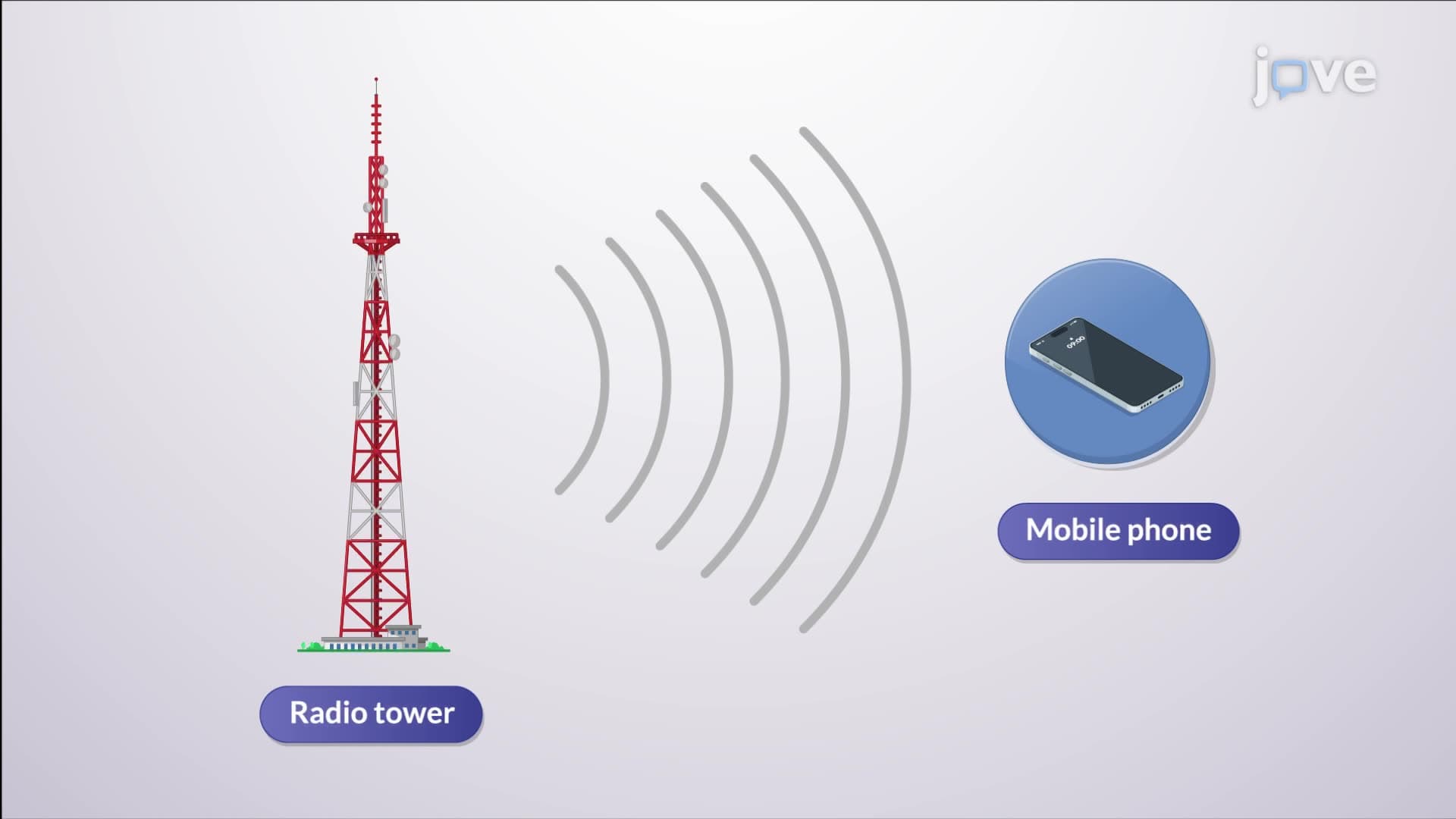

Video Summary: Mesh Analysis for Ac Circuits Explained
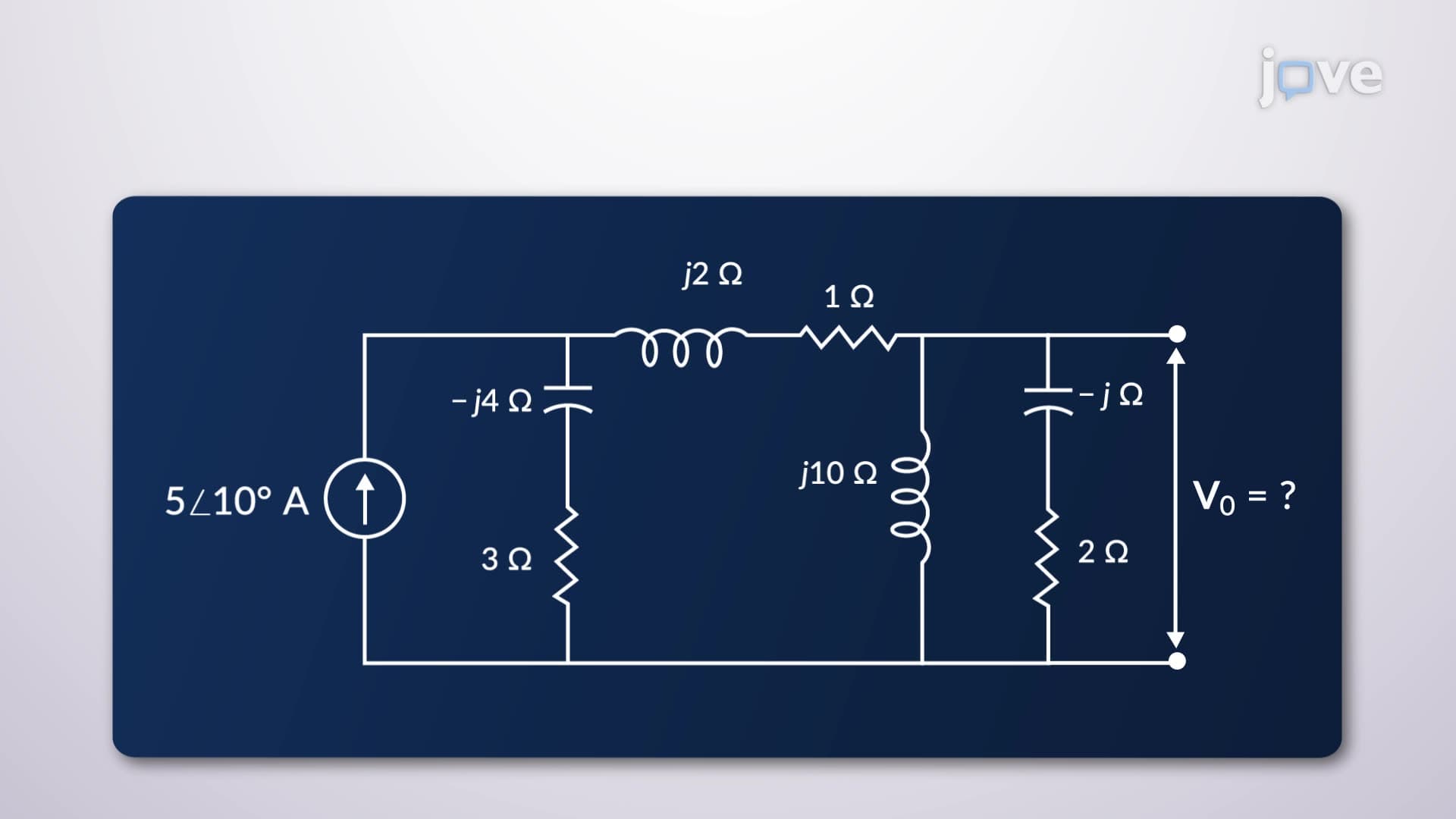
Ever wonder how your smartphone's wireless charging pad knows exactly how much power to deliver? Source transformation for ac circuits is the key technique engineers use to analyze these complex power transfer systems. In mesh analysis for AC circuits, electrical engineers at companies like Apple and Tesla solve intricate impedance-matching problems by converting voltage and current sources into equivalent forms. This powerful method simplifies radio transmitters, wireless charging systems, and power grid components across the United States. Watch the full video on JoVE Coach to master this concept with expert-led visuals and step-by-step explanations.
Mesh analysis for AC circuits represents one of the most powerful techniques in electrical engineering for solving complex alternating current networks. Unlike DC circuits where resistances dominate, AC circuits involve impedances that vary with frequency, making analysis significantly more challenging. This method becomes essential when dealing with radio frequency circuits, power distribution systems, and electronic devices that operate with sinusoidal signals.
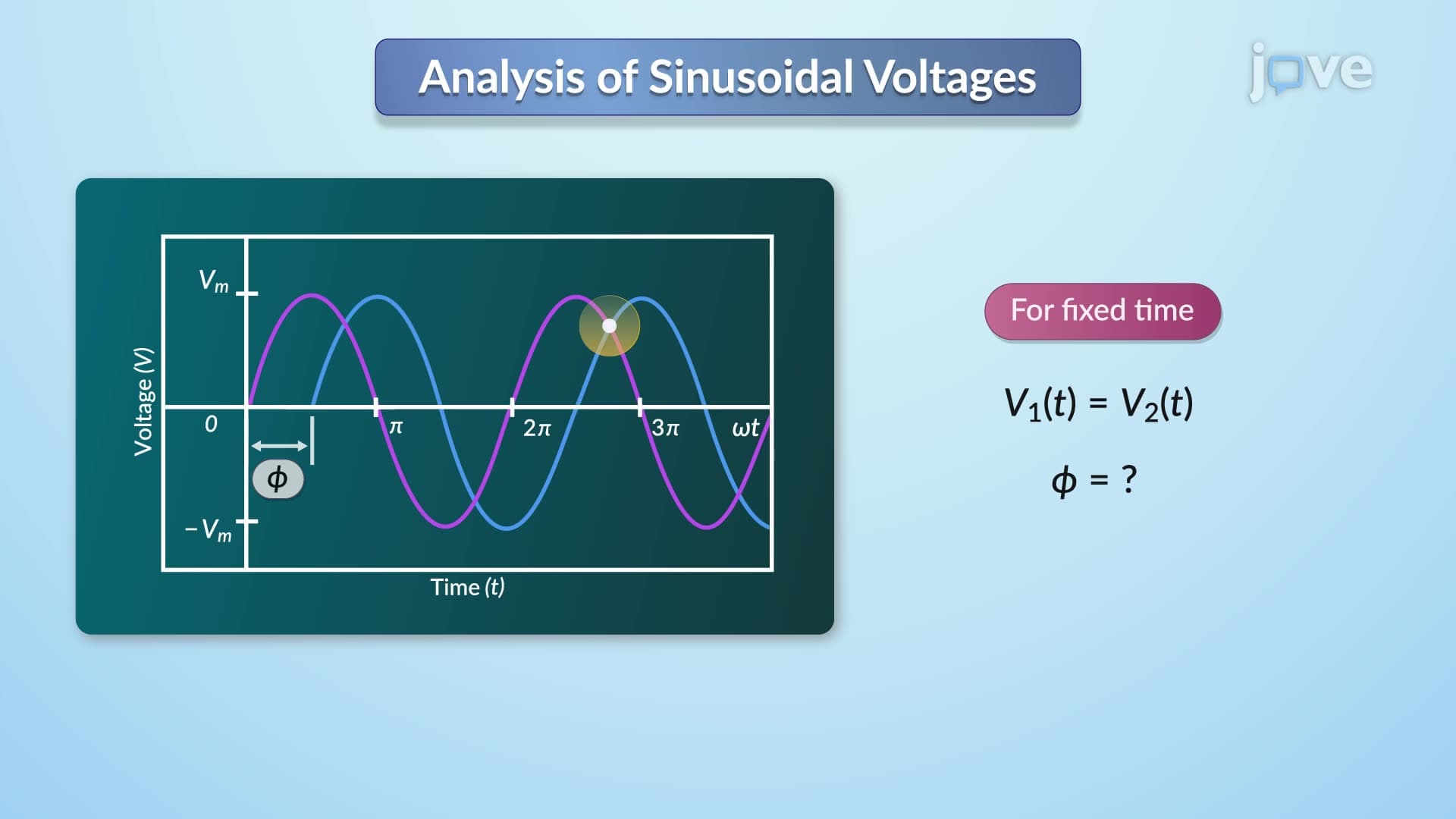
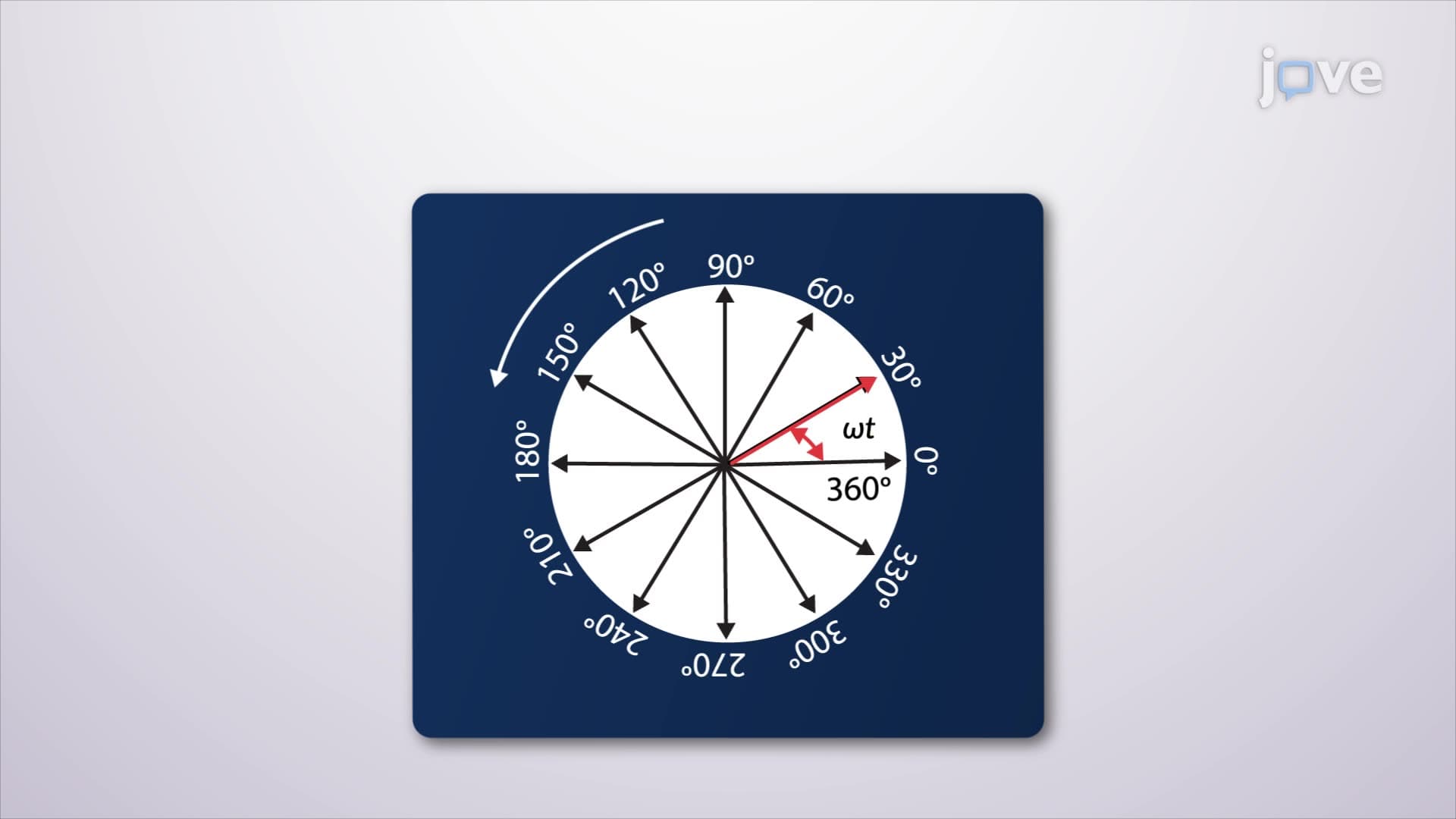
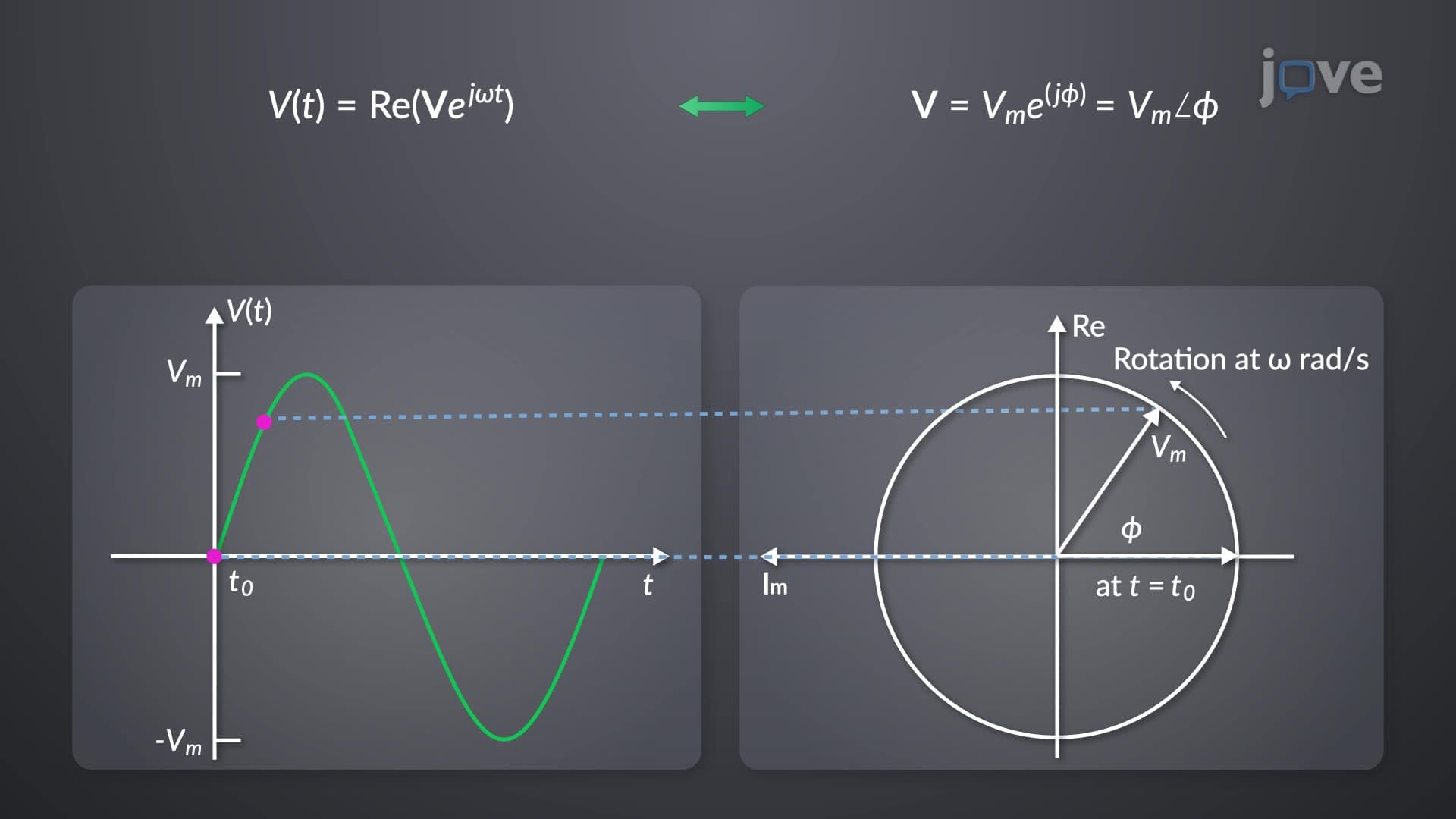
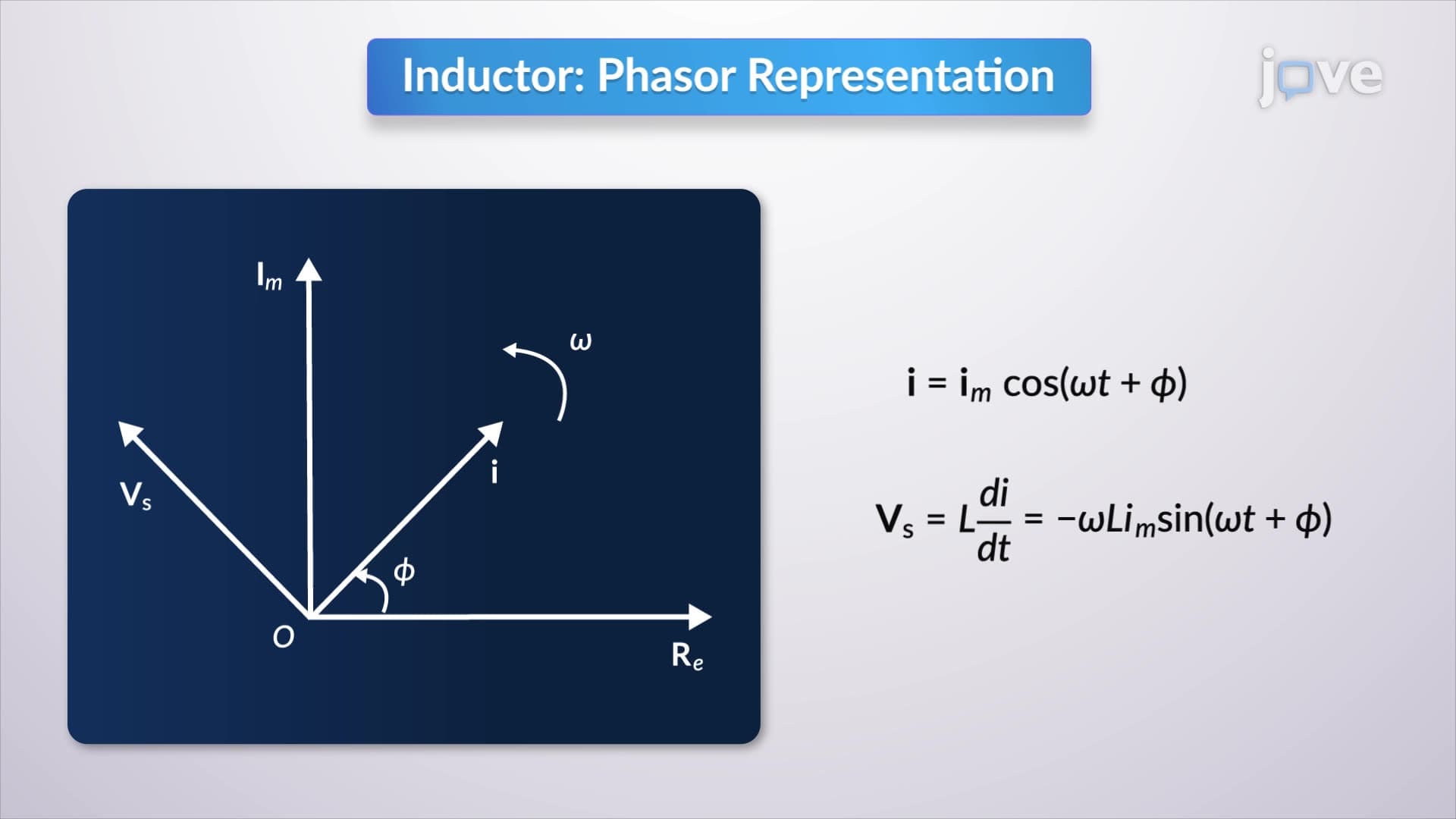
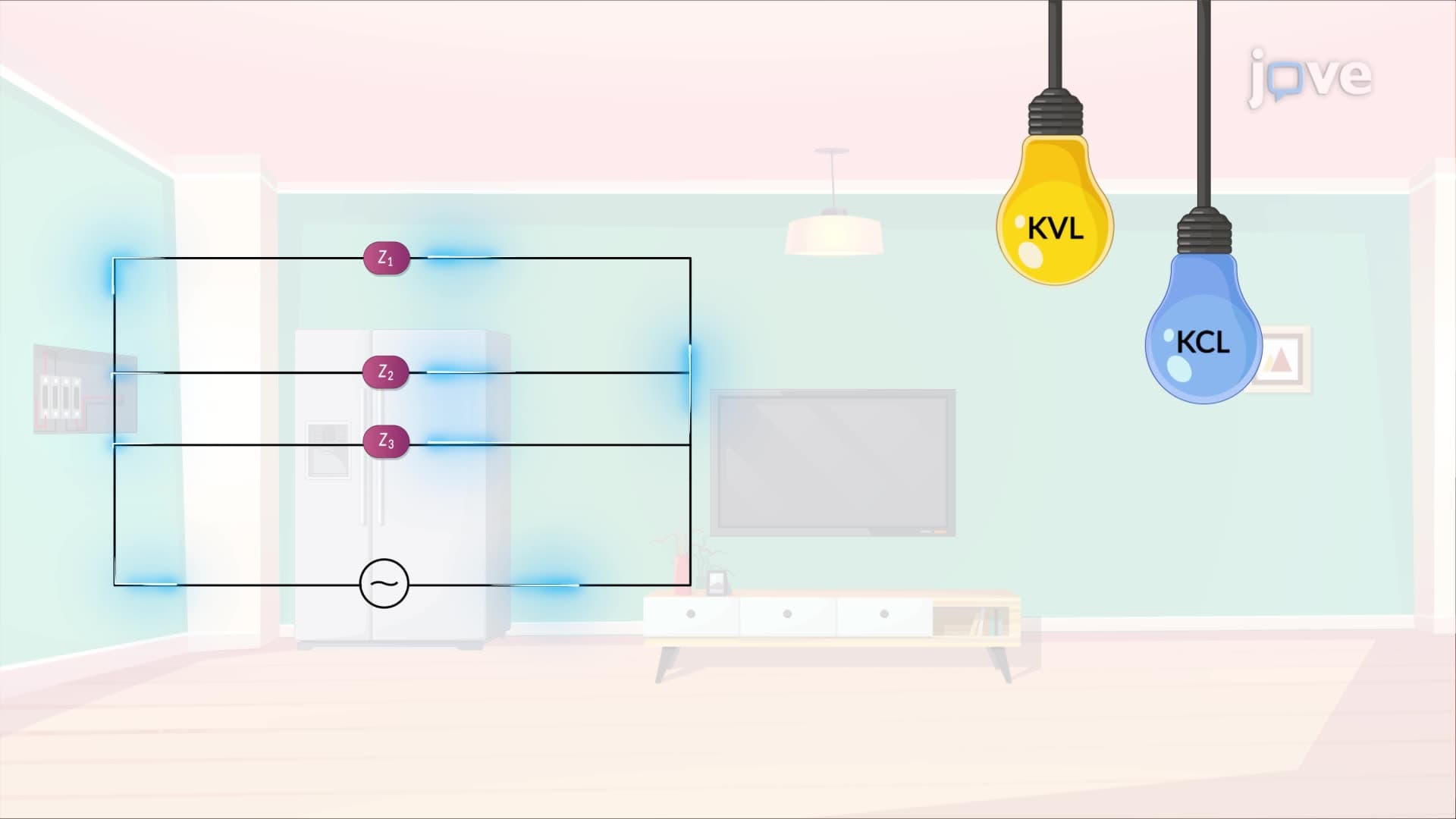
The technique builds upon Kirchhoff's voltage law, systematically assigning mesh currents to closed loops within the circuit. In AC applications, these currents are represented as phasors-complex numbers that capture both magnitude and phase relationships. This mathematical approach proves invaluable for students preparing for AP Physics C: Electricity and Magnetism, where AC circuit analysis frequently appears on free-response questions.
Source transformation for ac circuits provides a complementary tool that works hand-in-hand with mesh analysis. This technique allows engineers to convert voltage sources with series impedances into equivalent current sources with parallel impedances, or vice versa. The transformation maintains the same terminal behavior while potentially simplifying the analysis.
Consider how this applies in real-world scenarios: engineers at Qualcomm use these principles when designing smartphone radio frequency amplifiers. By applying source transformation for ac circuits tutorial methods, they can optimize impedance matching between different circuit stages, ensuring maximum power transfer and minimal signal reflection. This concept frequently appears in college-level circuit analysis courses and electrical engineering licensing exams.
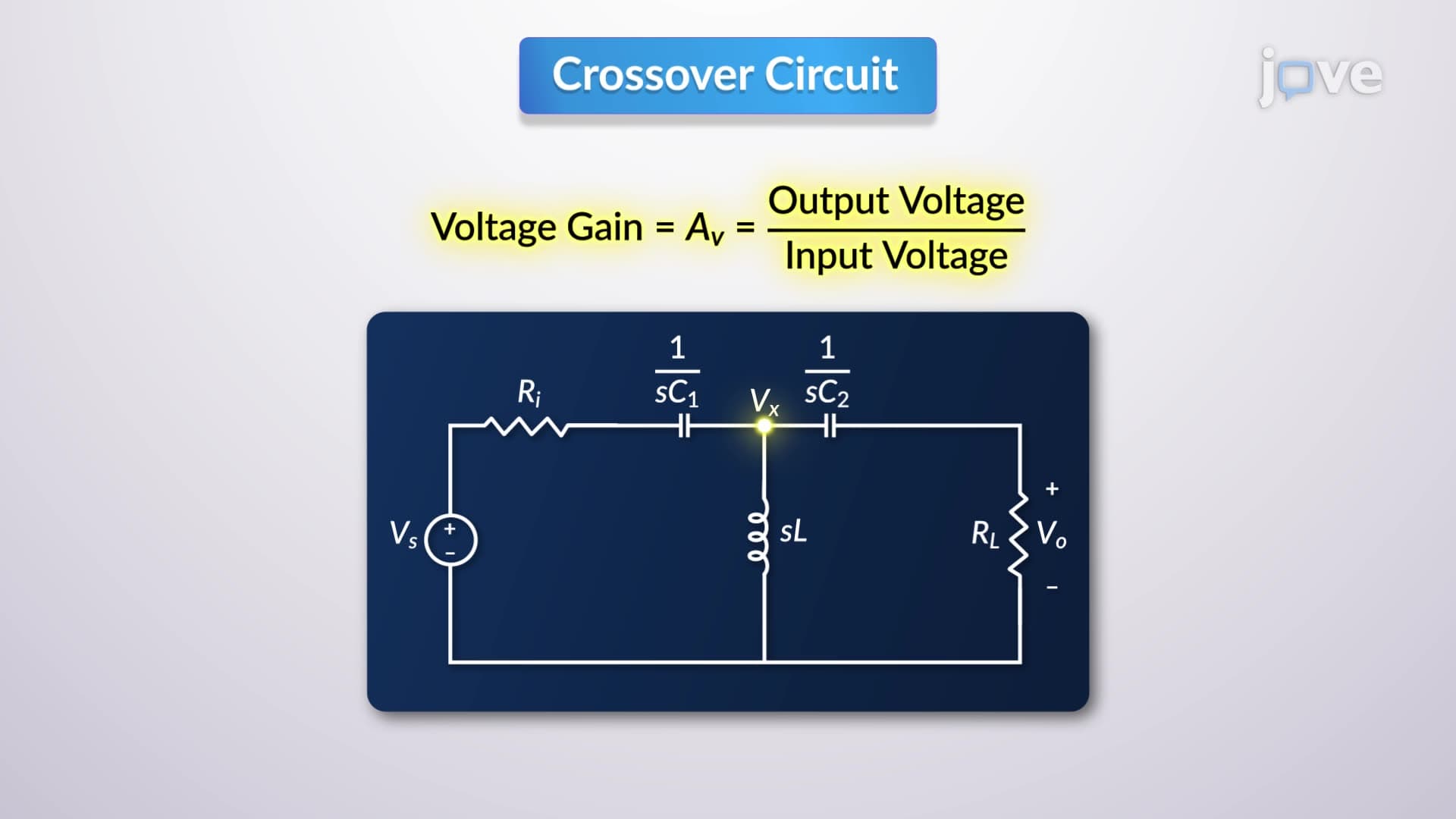
The mathematical foundation involves representing impedances in polar form, where inductors become jωL and capacitors become 1/(jωC). Here, j represents the imaginary unit, ω denotes angular frequency, and L and C represent inductance and capacitance values respectively. Students learning how source transformation for ac circuits works must master these relationships to succeed in coursework and standardized tests.
Matrix methods and Cramer's rule provide systematic approaches to solving the resulting linear equations. Understanding source transformation for ac circuits requires proficiency with complex number algebra, making it an excellent bridge between mathematics and engineering applications. This mathematical rigor prepares students for advanced topics in signal processing and electromagnetic field theory.
Source transformation for ac circuits overview extends far beyond academic exercises. Tesla's wireless charging systems rely on these principles to optimize power transfer efficiency between charging pads and vehicle batteries. Similarly, radio engineers at companies like Motorola apply these concepts when designing two-way radio systems for police and fire departments across the United States.
The source transformation for ac circuits concept proves essential in power grid analysis, where utility companies must manage reactive power flow and voltage regulation. Students studying this material gain valuable insights into careers spanning telecommunications, power systems engineering, and renewable energy integration-all rapidly growing fields in the US economy.
Related Micro-courses