Loading video…


 16 Concepts
 10.9K views

Video Summary: What Is Impedance Combination
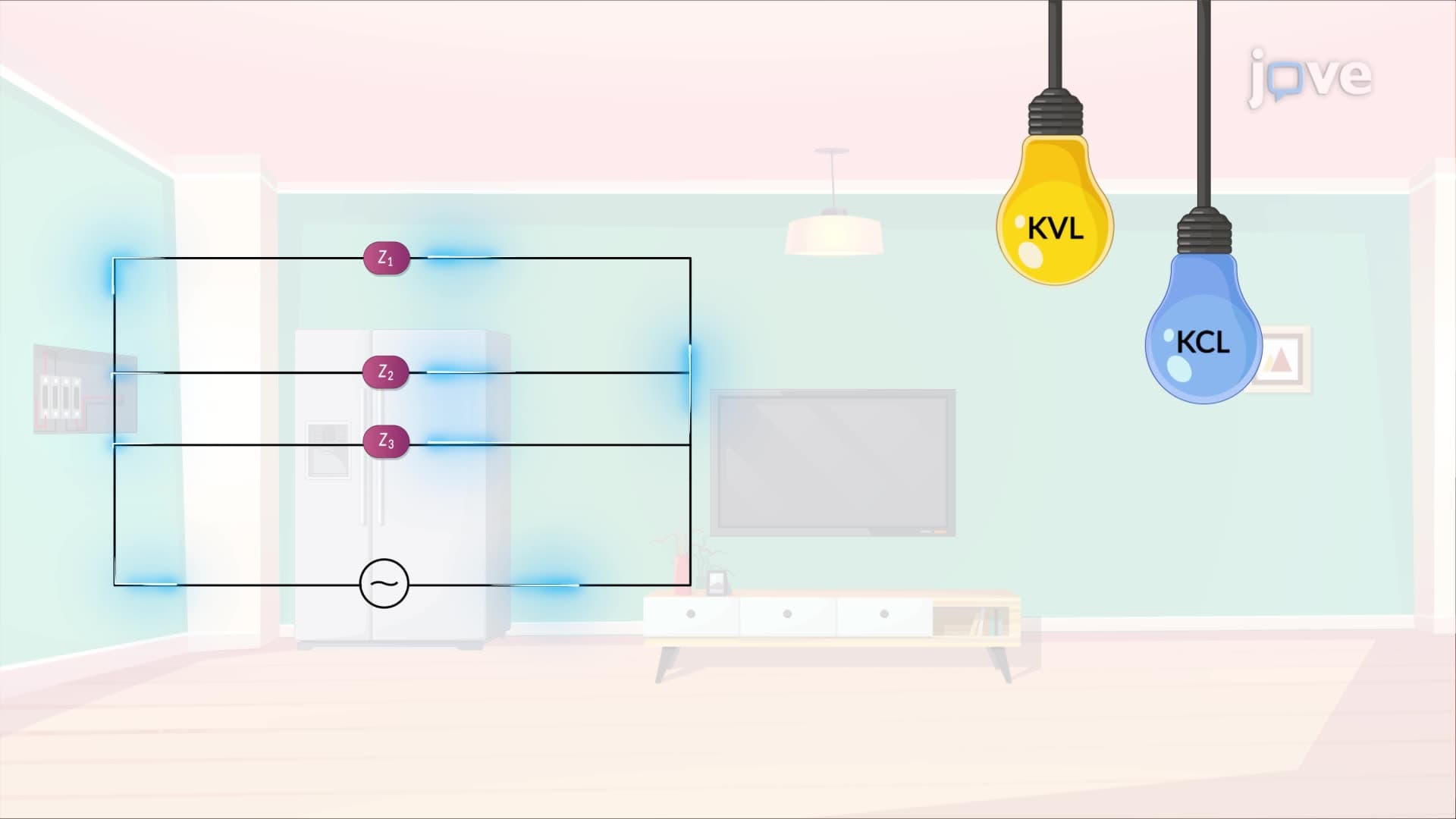
Ever wonder why your Christmas lights stay on when one bulb burns out? Node analysis for AC circuits reveals how impedances combine in series and parallel configurations, creating the electrical pathways that power everything from holiday decorations to the smart grid systems across Texas and California. Understanding impedance combination principles helps explain voltage and current distribution in complex AC networks. Watch the full video on JoVE Coach to master this concept with expert-led visuals and step-by-step explanations.
Impedance combination forms the cornerstone of AC circuit analysis, extending the familiar concepts of resistor networks into the complex domain of alternating current systems. Unlike DC circuits that deal only with resistance, AC circuits must account for impedance-a complex quantity that includes both resistive and reactive components from inductors and capacitors.
When studying node analysis for AC circuits, engineers and students encounter two primary combination methods: series and parallel configurations. Each method follows distinct mathematical rules and produces different electrical behaviors, making impedance combination essential for designing everything from power distribution systems in major US cities to the electronic circuits in smartphones manufactured in Silicon Valley.
In series impedance arrangements, components connect end-to-end like links in a chain, forcing the same current through each element. The total impedance equals the algebraic sum of individual impedances: Z(total) = Z1 + Z2 + Z3 + ... This relationship mirrors Ohm's law for resistors but extends to complex impedances involving phase relationships.
Series combinations create voltage dividers, where the source voltage distributes proportionally based on each component's impedance magnitude. This principle governs the operation of transformers in US power grids, where voltage steps down from transmission levels (typically 345 kV or 500 kV) to household levels (120V/240V). Students preparing for AP Physics or college-level electrical engineering courses must master these calculations, as they appear frequently on standardized exams and practical applications.
Parallel impedance combinations offer multiple current paths, with each component maintaining the same voltage across its terminals. The equivalent impedance follows the reciprocal rule: 1/Z(total) = 1/Z1 + 1/Z2 + 1/Z3 + ... This arrangement enables current division, where total current splits inversely proportional to impedance values.
Modern residential wiring throughout the United States employs parallel combinations to ensure appliances operate independently. When you flip a light switch in your kitchen, other devices continue functioning because they exist on separate parallel branches. This design philosophy extends to critical infrastructure, including hospital electrical systems and data centers that power major tech companies like Google and Microsoft.
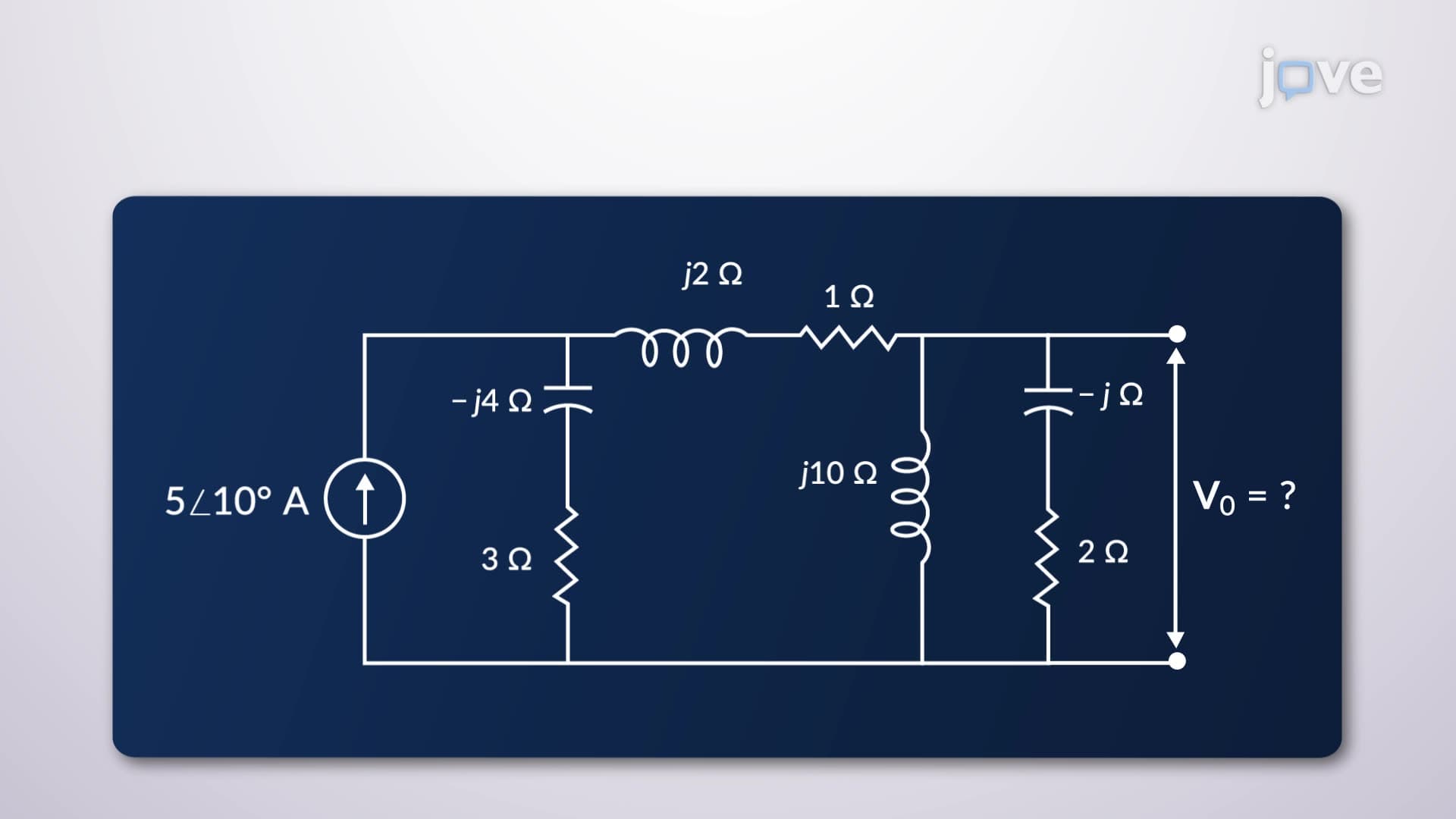
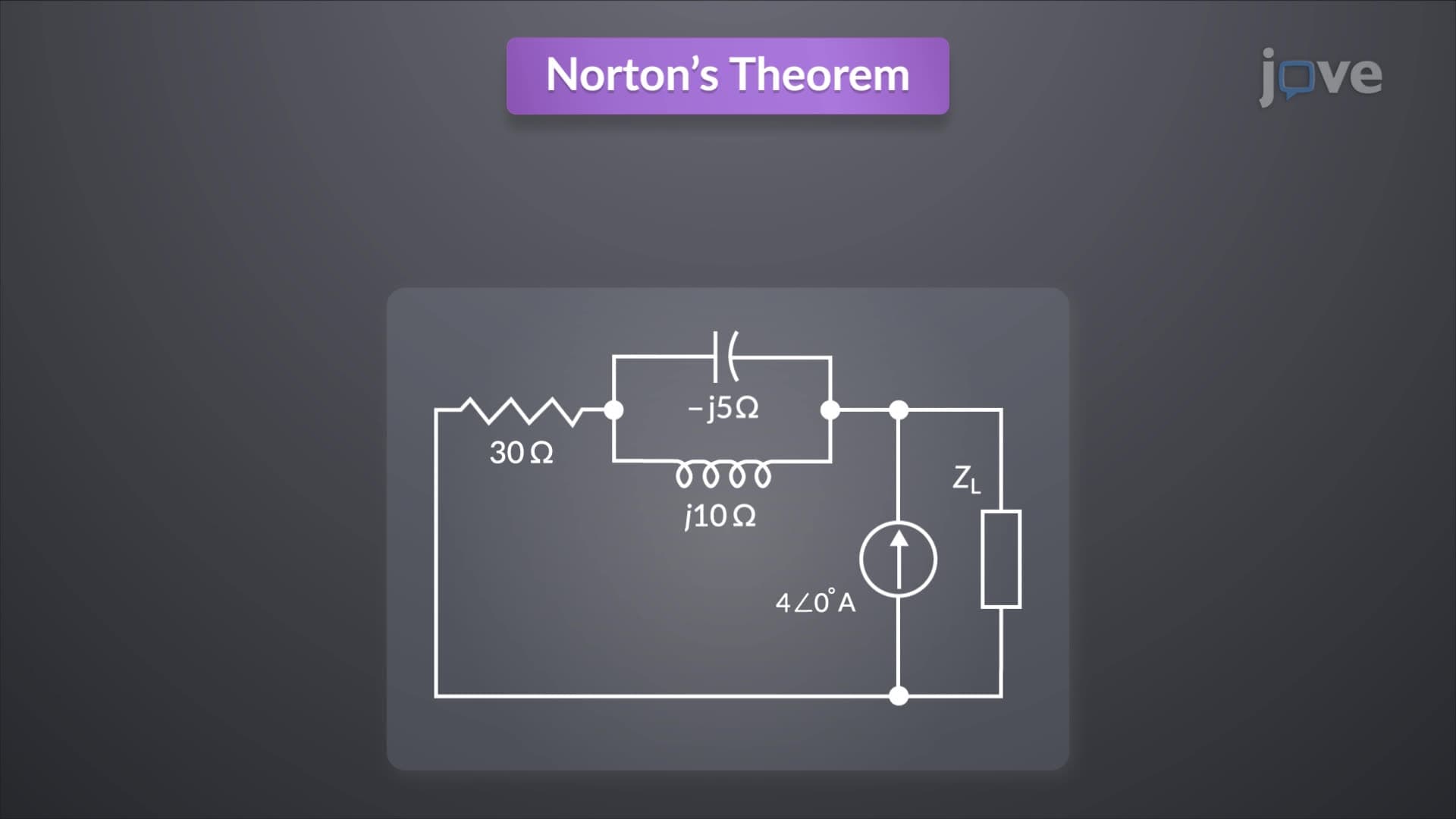
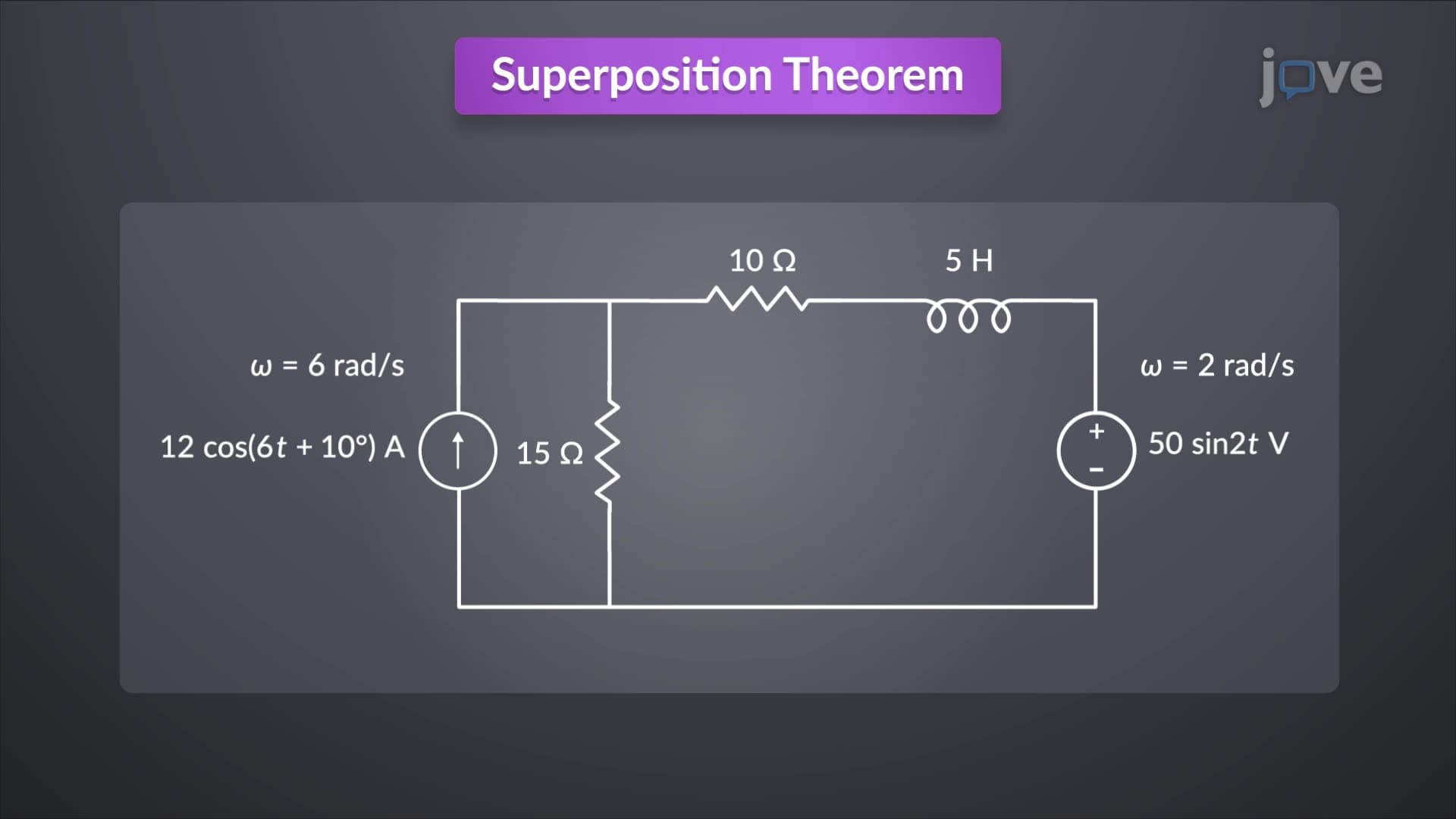
Node analysis for AC circuits tutorial problems frequently combine both series and parallel elements, creating complex networks requiring systematic solution approaches. Engineers use admittance (Y = 1/Z) to simplify parallel calculations, since admittances add directly in parallel combinations. This mathematical convenience proves invaluable when analyzing multi-node circuits found in power systems, electronic filters, and communication networks that form the backbone of America's digital infrastructure.
Related Micro-courses