Loading video…


 16 Concepts
 10.9K views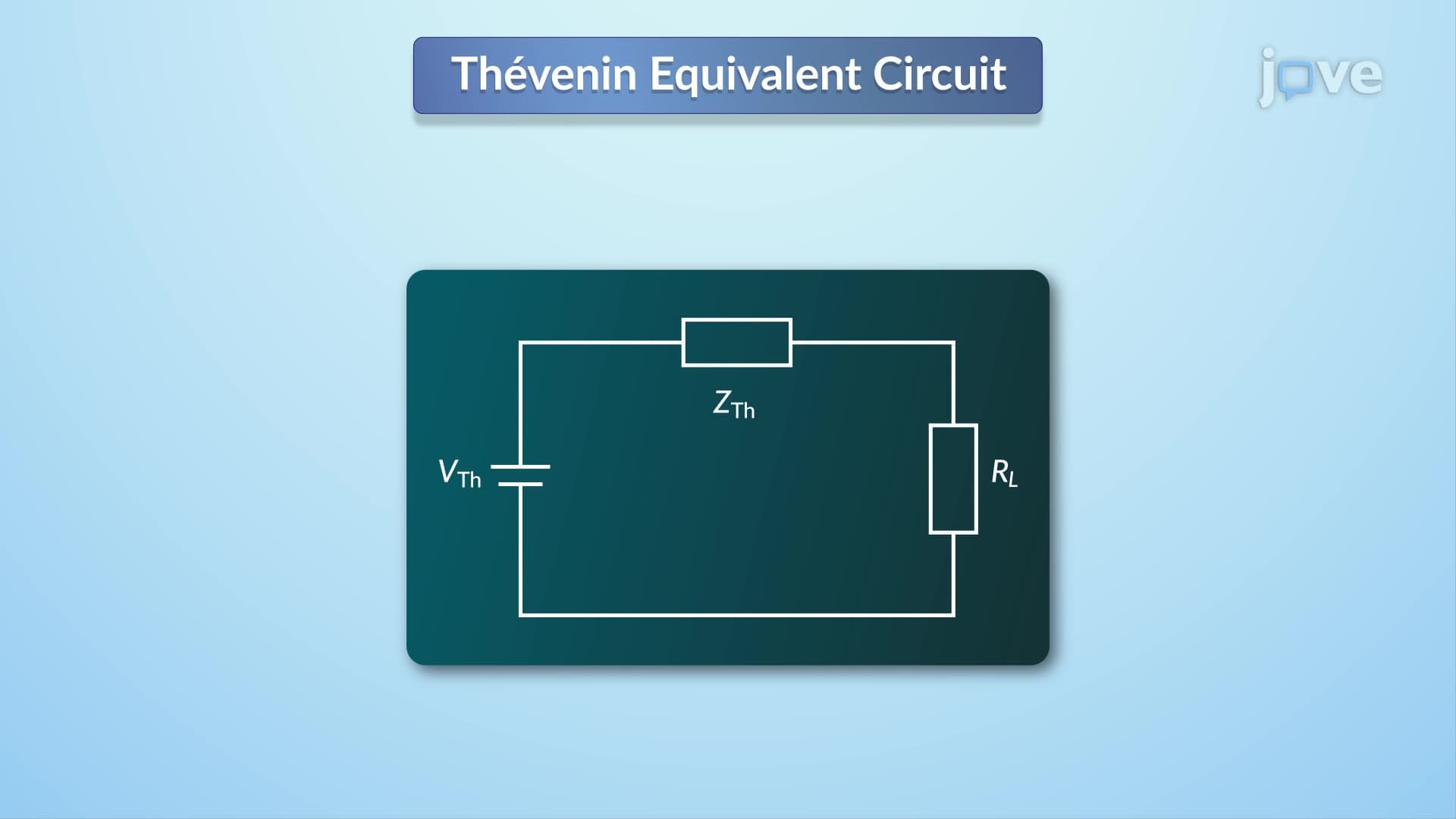

Video Summary: What are Th Venin Equivalent Circuits
Did you know that every power outlet in your home can be simplified into just two components? Norton equivalent circuits and their counterpart, Thévenin equivalent circuits, transform complex electrical networks into manageable models. Consider how engineers at Pacific Gas & Electric analyze California's power grid-they use What are Thévenin Equivalent Circuits principles to model thousands of transformers and distribution lines as simple voltage sources with series resistance. This fundamental circuit analysis technique helps students master everything from basic household wiring to advanced power system design. Watch the full video on JoVE Coach to master this concept with expert-led visuals and step-by-step explanations.
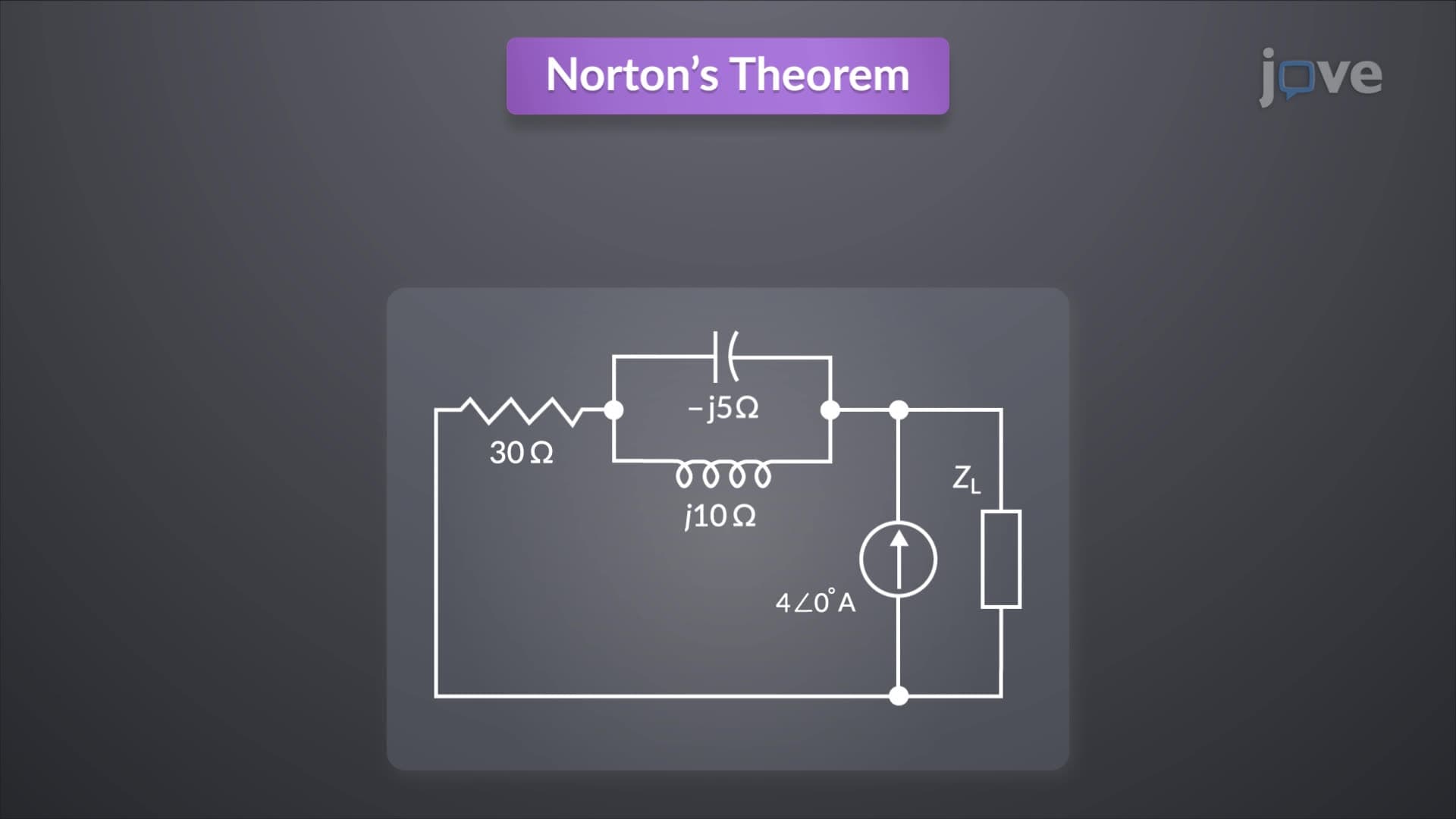
Norton equivalent circuits represent one of the most powerful simplification techniques in electrical engineering, working alongside Thévenin equivalent circuits to transform complex networks into manageable models. Named after French engineer Léon Charles Thévenin, this method allows engineers to replace any linear circuit containing voltage sources, current sources, and resistors with a single voltage source in series with a single resistor.
The types of norton equivalent circuits appear everywhere in American infrastructure. When Tesla designs charging stations across Interstate 5, engineers use equivalent circuits to model the complex grid connections at each location. Similarly, when Apple develops power management for the iPhone, circuit designers rely on these principles to optimize battery performance and charging efficiency.
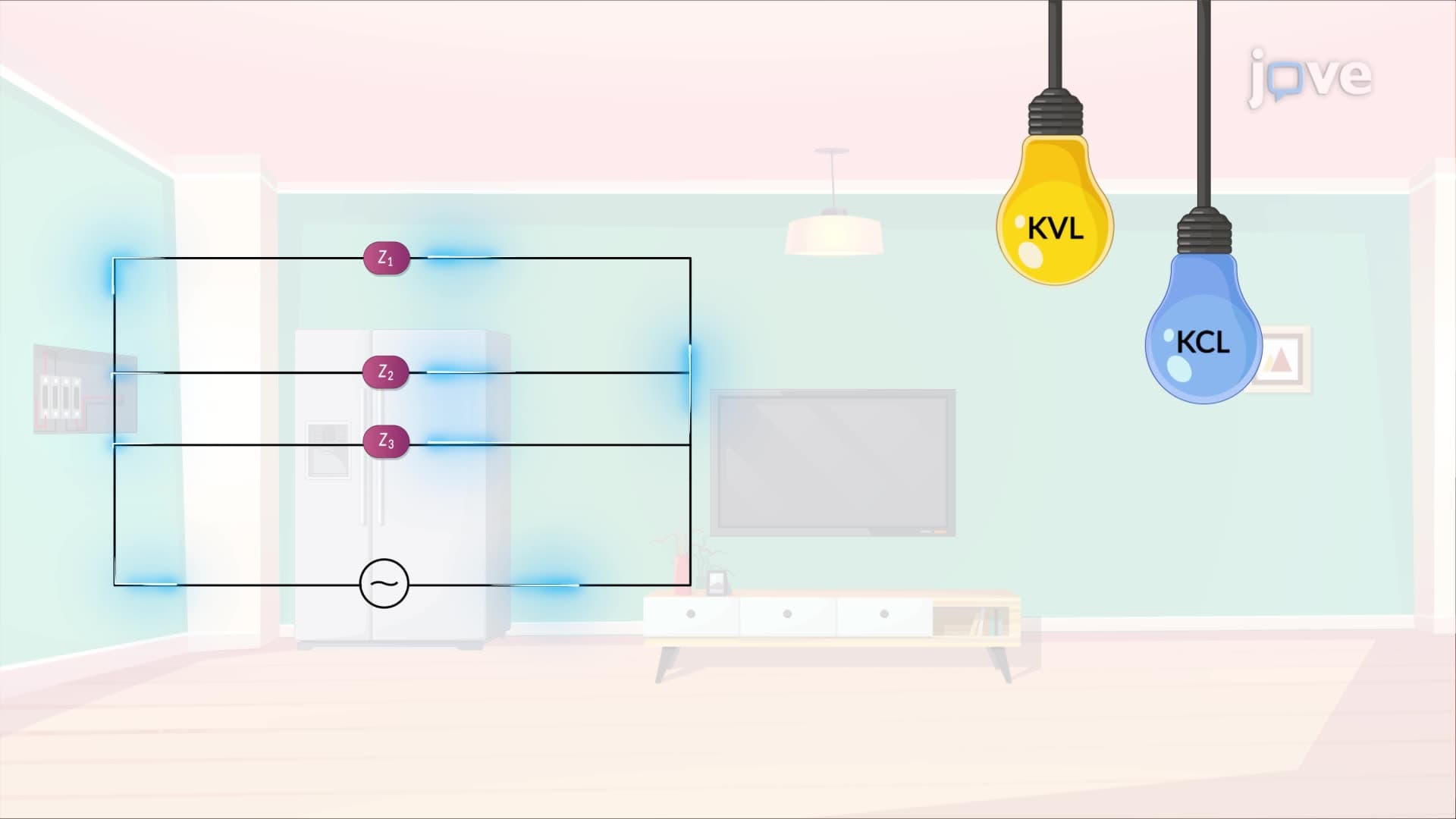
In residential applications, your home's electrical panel represents a practical Thévenin equivalent circuit. The utility company's complex distribution network-including transformers, transmission lines, and generation sources-appears to your house as a simple 120V/240V source with internal resistance. This simplification enables electricians to calculate proper wire sizing and circuit protection without analyzing the entire power grid.
Determining equivalent circuits requires two key parameters. The Thévenin voltage equals the open-circuit voltage across the terminals where you'll connect your load. To find this, calculate the voltage that appears when no current flows-essentially the voltage divider effect across the original circuit's components.
The Thévenin resistance represents the equivalent resistance seen from the load terminals when all independent sources are deactivated (voltage sources become short circuits, current sources become open circuits). This calculation often involves parallel and series resistance combinations, making it essential for AP Physics and college-level circuit analysis courses.
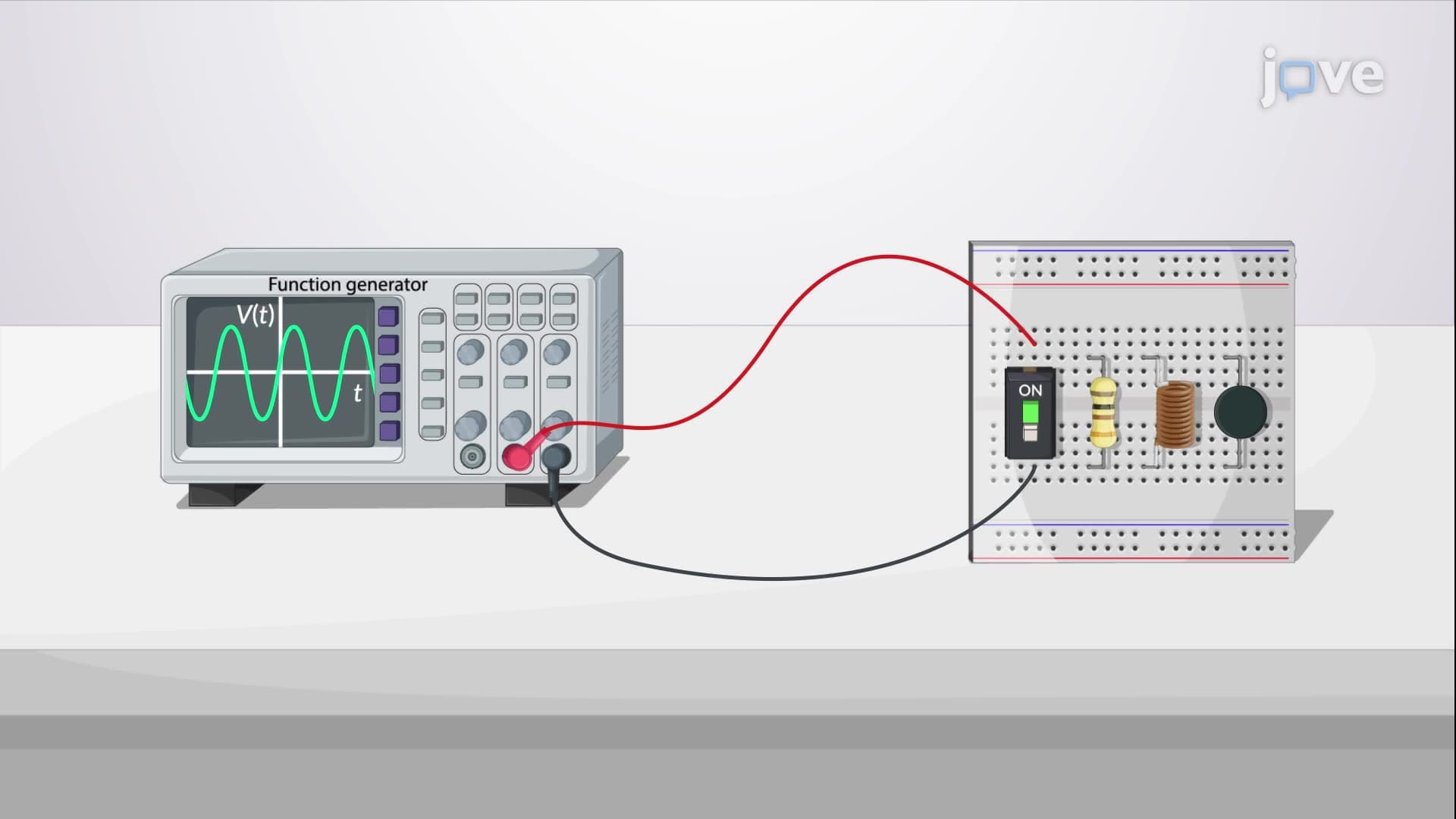
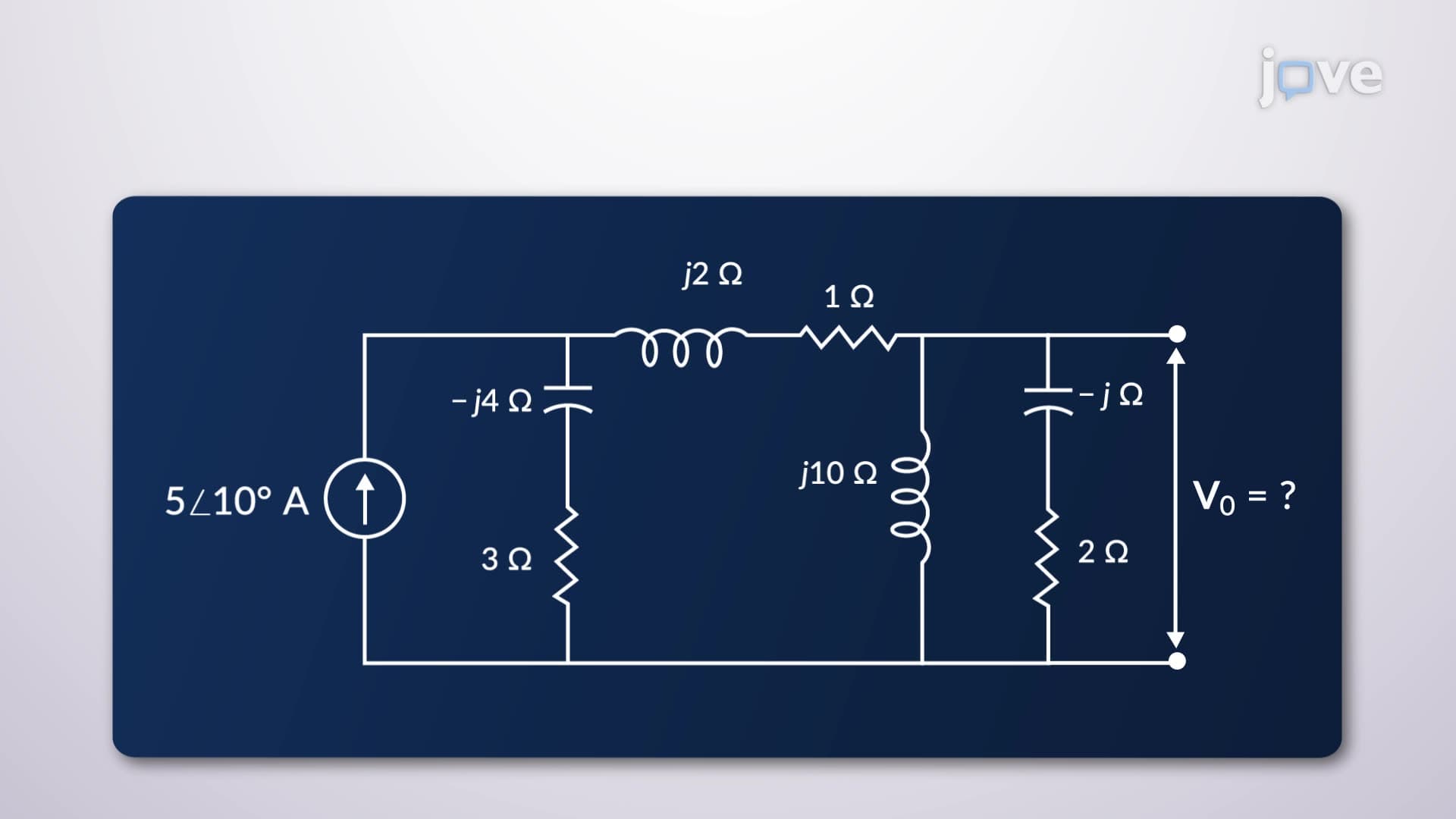
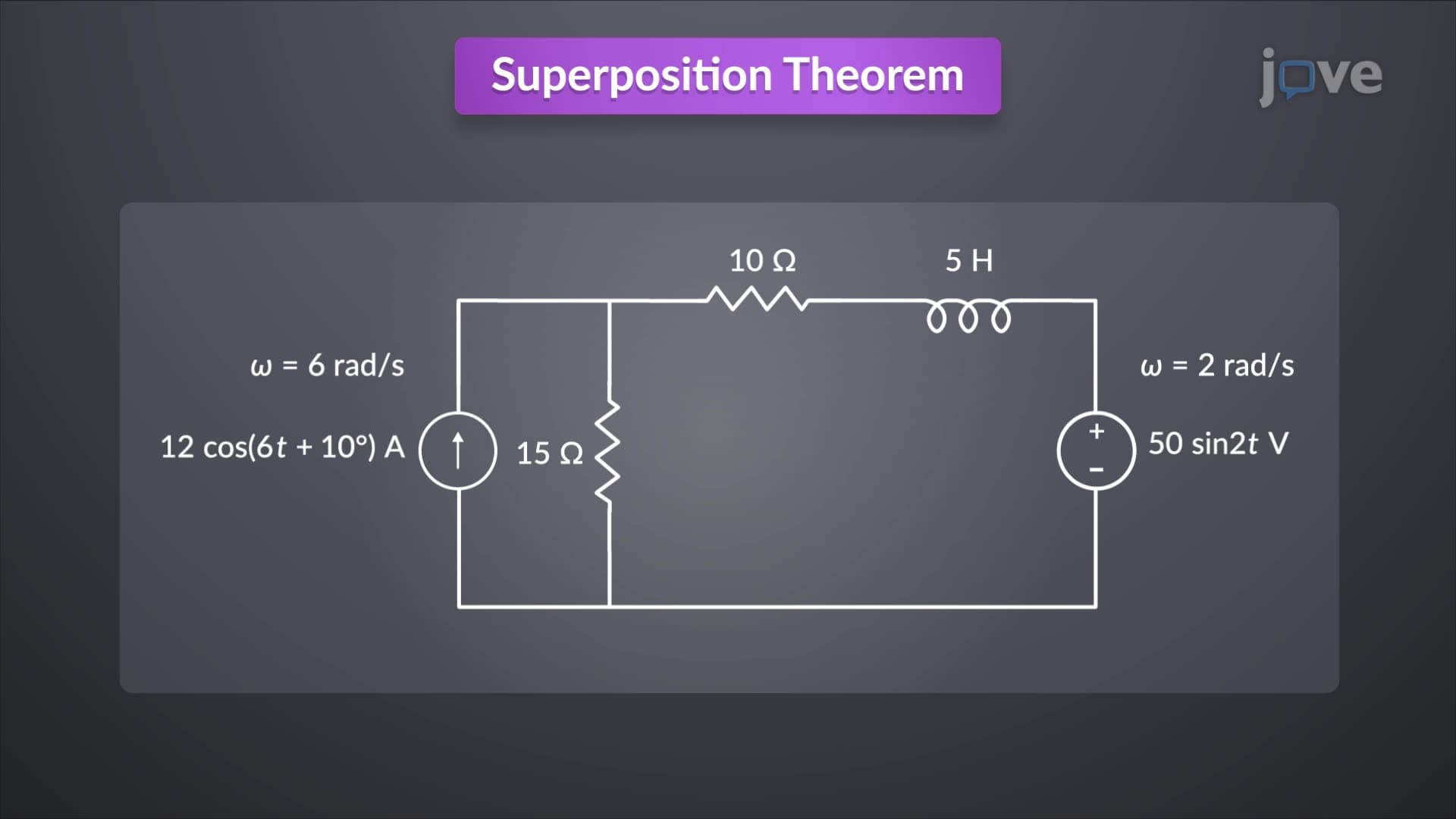
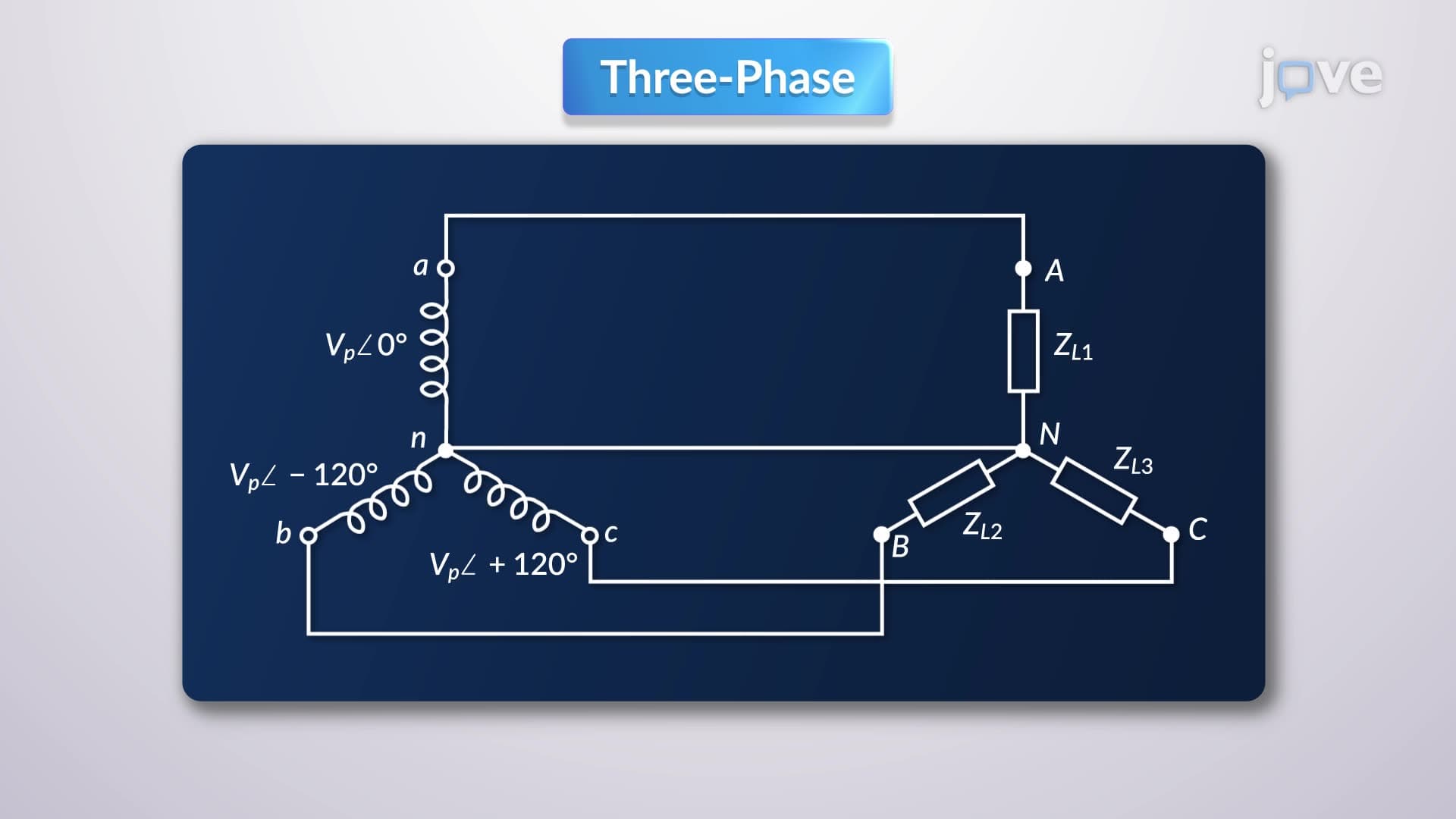
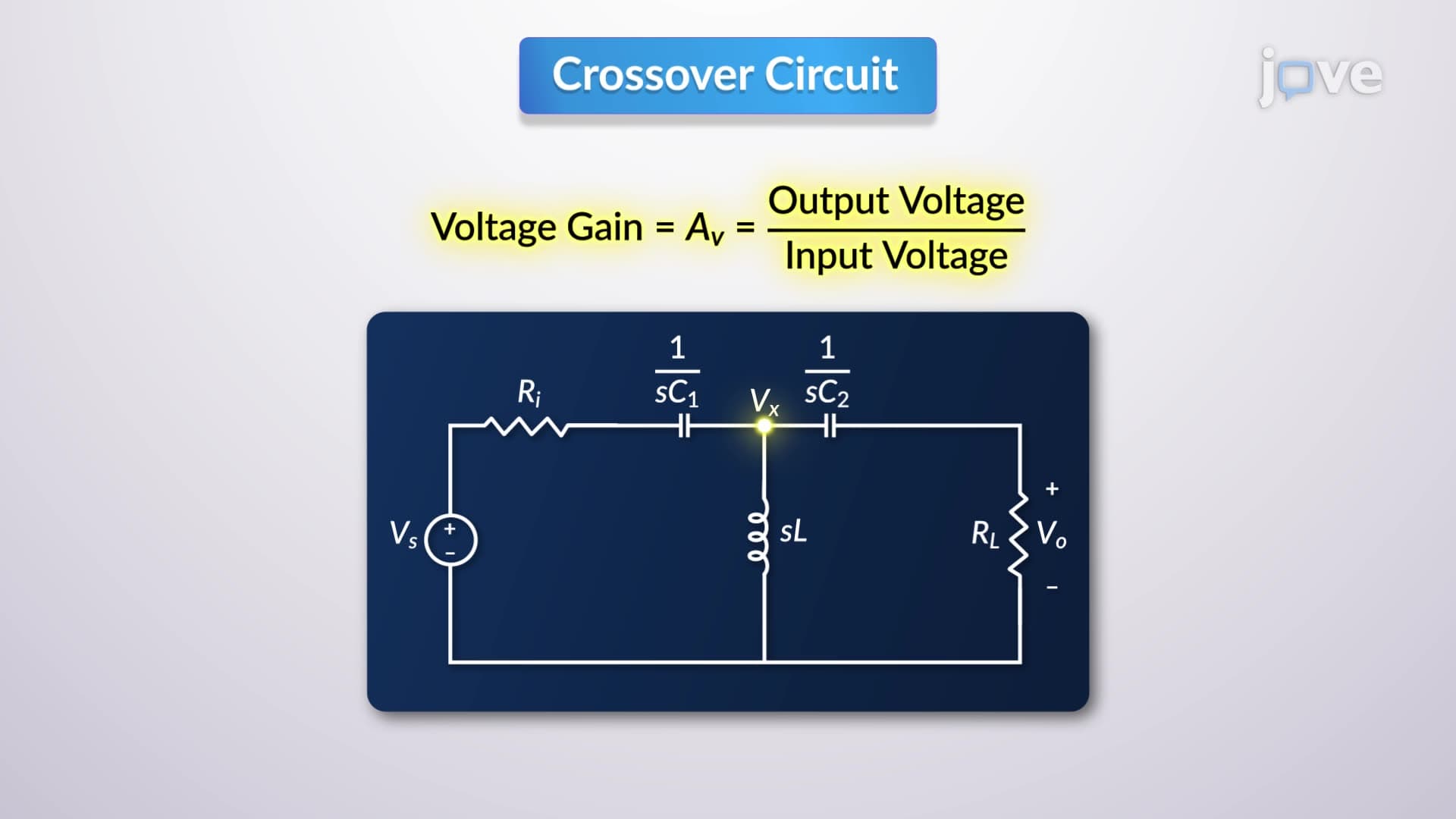
AC circuits introduce complexity through reactive components. When analyzing circuits with capacitors and inductors, equivalent circuits must account for frequency-dependent impedances. This becomes crucial in power systems courses at universities like MIT and Stanford, where students analyze three-phase systems and power factor correction.
For circuits with multiple frequencies-common in communications systems at companies like Qualcomm in San Diego-engineers must calculate separate equivalent circuits for each frequency component. This principle underlies filter design and signal processing applications throughout Silicon Valley's tech industry.
Related Micro-courses