Loading video…


 16 Concepts
 10.9K views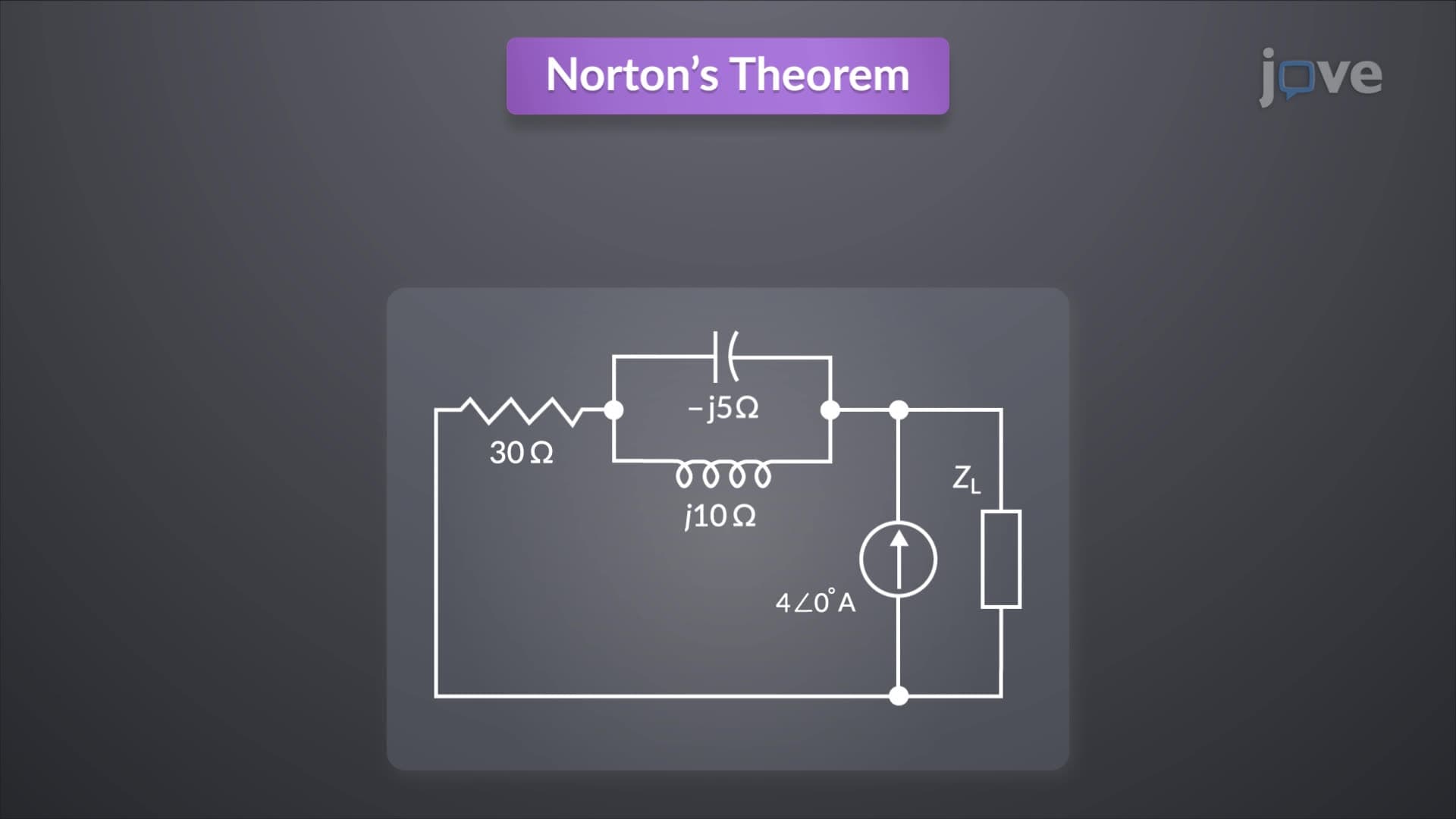

Video Summary: What are Norton Equivalent Circuits
Ever wonder how Tesla's electric vehicles manage complex power distribution systems so efficiently? The superposition theorem for ac circuits and Norton equivalent circuits work together to simplify intricate electrical networks into manageable components. Consider how engineers at General Electric design power grids-they use Norton equivalent circuits to replace complex multi-branch networks with a simple current source and parallel resistance. What are Norton Equivalent Circuits? They're powerful tools that transform complicated electrical systems into basic, analyzable forms. Watch the full video on JoVE Coach to master this concept with expert-led visuals and step-by-step explanations.
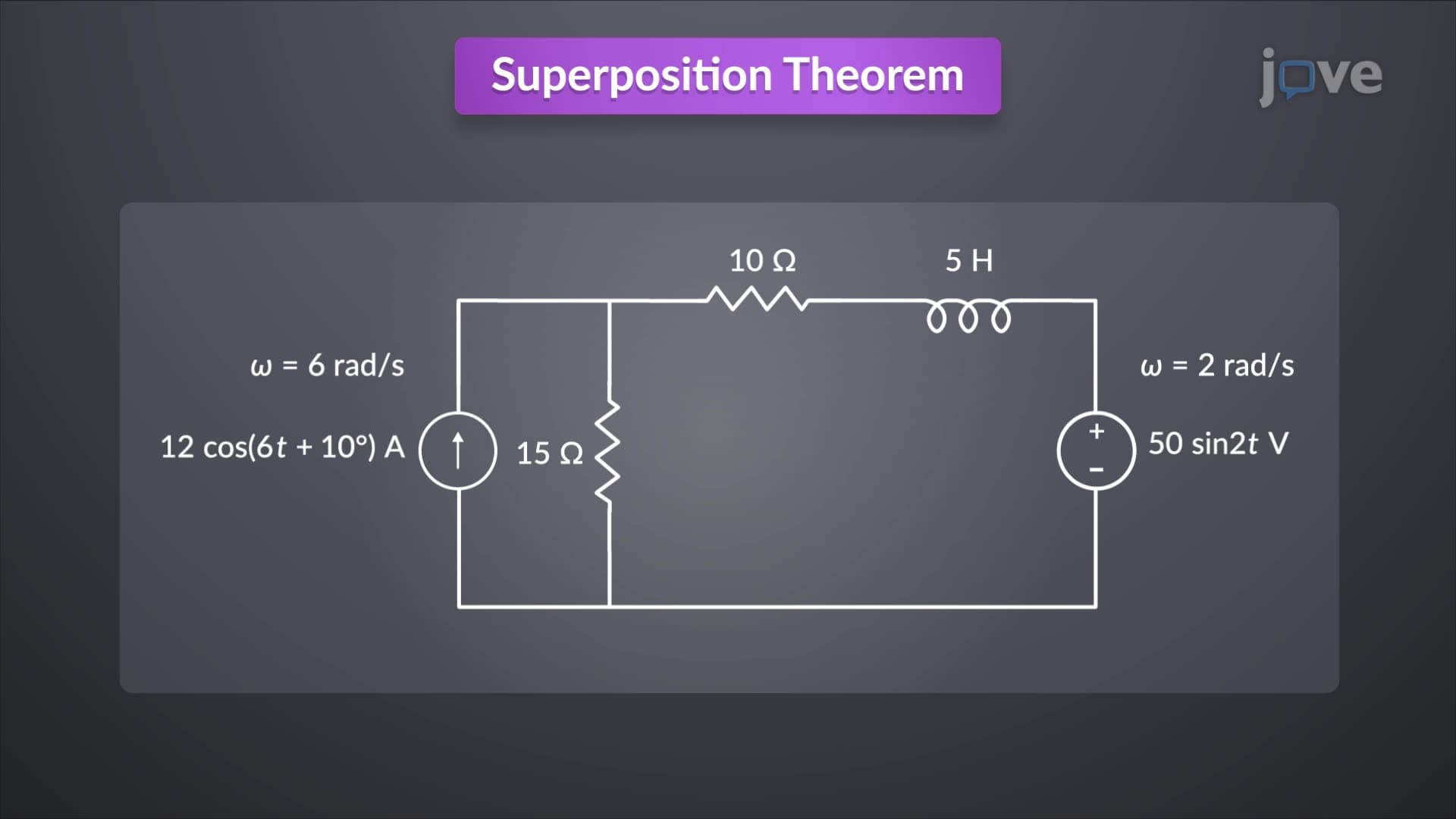
Norton's theorem revolutionizes how electrical engineers approach complex circuit analysis by transforming any linear two-terminal network into an equivalent circuit containing just a current source in parallel with an impedance. This powerful concept builds upon the superposition theorem for ac circuits, which allows engineers to analyze circuits with multiple AC sources by considering each source's effect individually.
When you encounter a complex circuit-like those found in smartphone charging systems or electric vehicle battery management-Norton equivalents provide a pathway to simplification. The Norton current represents the short-circuit current that would flow if you connected the two terminals together, while the Norton resistance equals the equivalent resistance seen from the terminals when all independent sources are deactivated.
The connection between Norton equivalents and the superposition theorem for ac circuits tutorial approach becomes clear when analyzing multi-source networks. In AC circuits, where sinusoidal voltages and currents operate at different frequencies, Norton's theorem allows you to replace complex impedance networks with simple equivalent circuits.
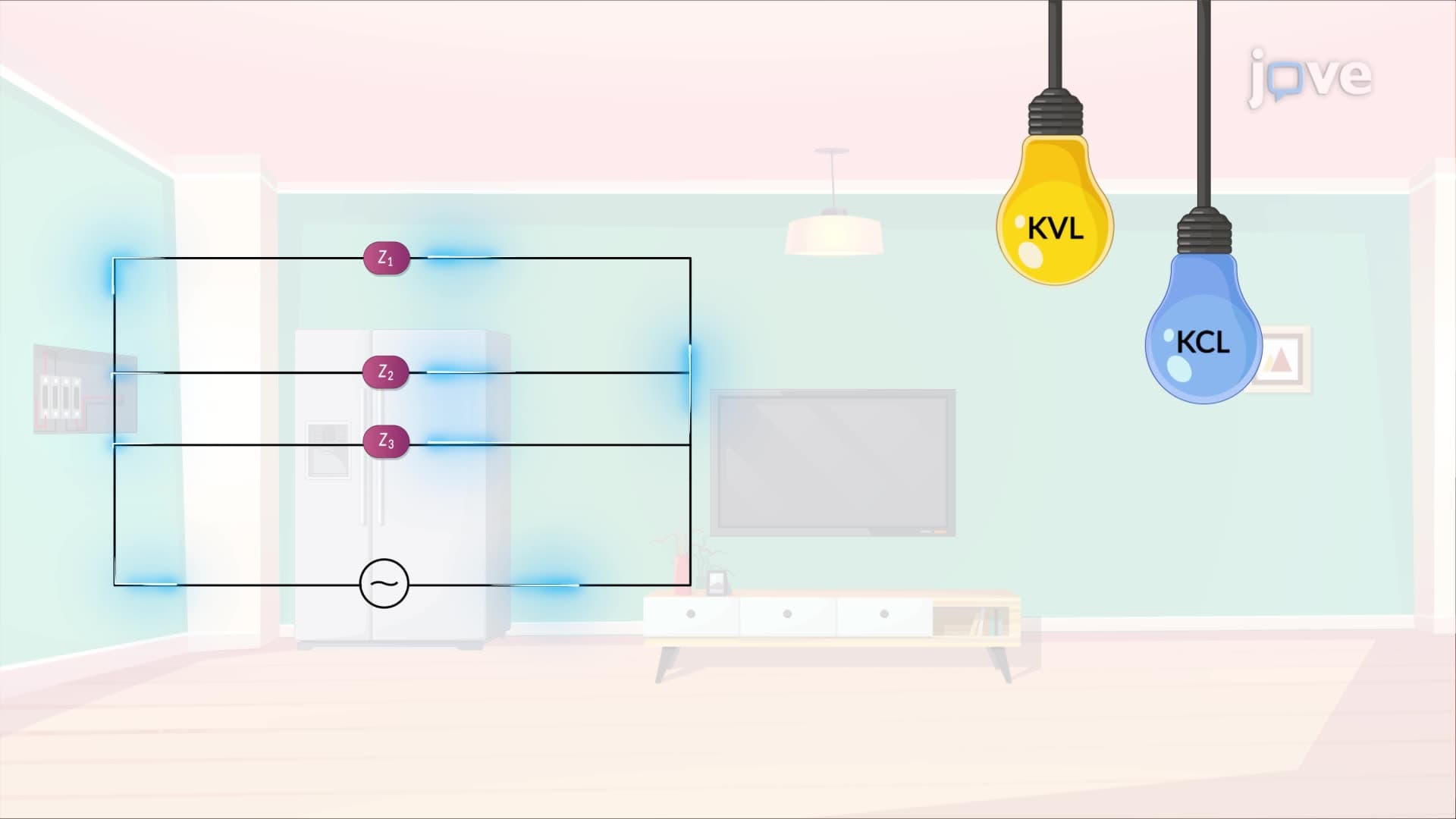
Consider analyzing the power distribution system in a typical American home. The electrical panel receives 240V split-phase power, which gets distributed through multiple branch circuits. Using Norton equivalents, electrical contractors can model each major appliance circuit as a current source with parallel resistance, dramatically simplifying load calculations and troubleshooting procedures.
The superposition theorem for ac circuits overview demonstrates how Norton equivalents prove invaluable in real-world applications. At companies like Intel, circuit designers use Norton models when analyzing power delivery networks for microprocessors. These complex circuits contain thousands of components, but Norton equivalents allow engineers to focus on critical performance parameters without getting lost in circuit complexity.
Students preparing for AP Physics C or college-level electrical engineering courses will encounter Norton's theorem in contexts ranging from simple resistor networks to sophisticated filter designs. The theorem proves especially useful when analyzing circuits containing dependent sources-common in amplifier designs used throughout American electronics manufacturing.
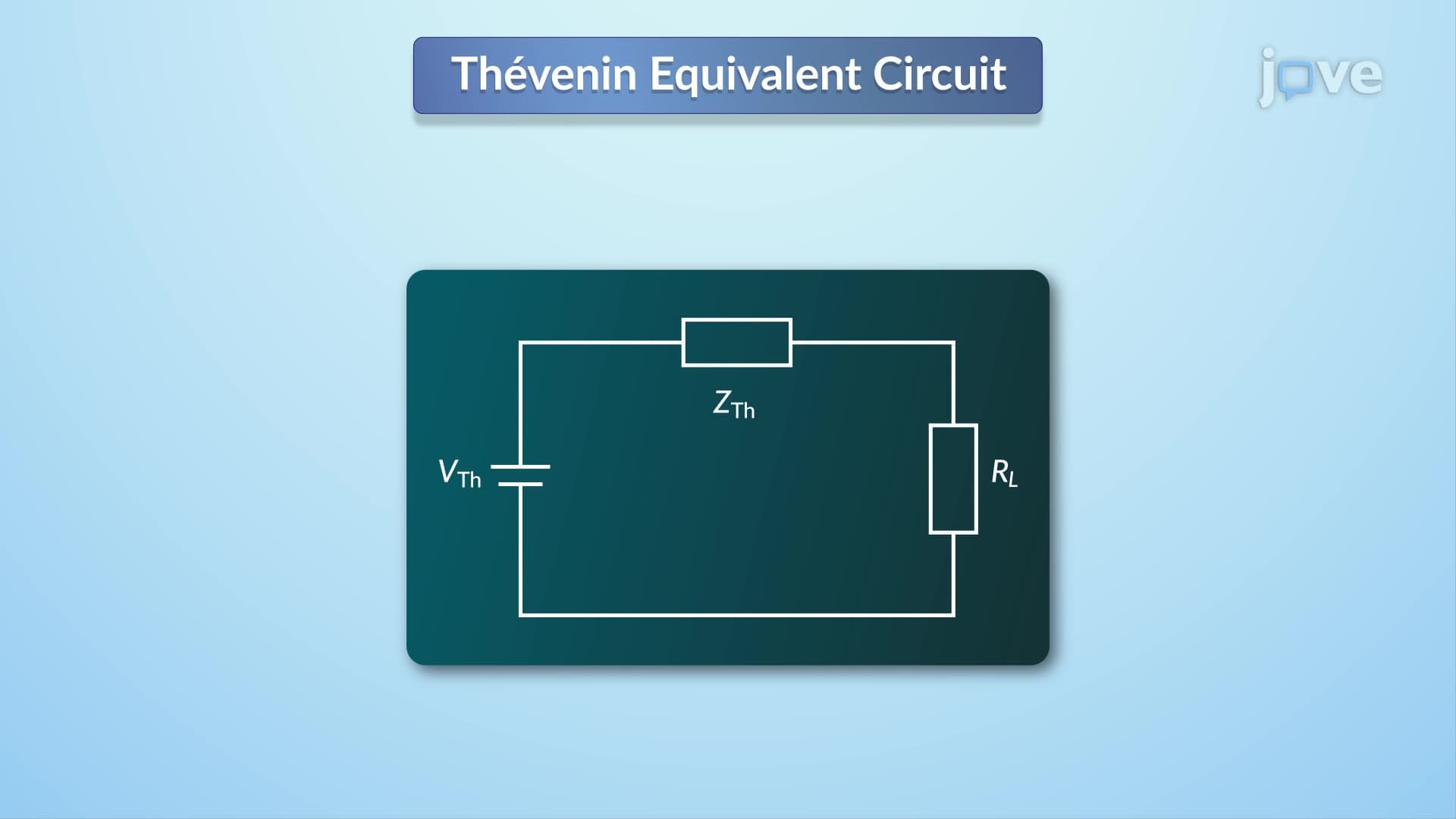
Understanding how superposition theorem for ac circuits works alongside Norton's theorem provides students with powerful problem-solving tools for standardized tests and college coursework. The mathematical relationship between Norton current (In), Thevenin voltage (Vth), and Thevenin resistance (Rth) follows the simple formula: In = Vth/Rth.
This relationship proves crucial when solving circuit problems on exams like the Fundamentals of Engineering (FE) exam, required for engineering licensure in the United States. Students who master Norton equivalent concepts demonstrate strong analytical thinking skills valued by admissions committees at top engineering programs like those at MIT, Stanford, and UC Berkeley.
Related Micro-courses