Loading video…


 16 Concepts
 10.9K views

Video Summary: Node Analysis for Ac Circuits Explained
Did you know that the same electrical principles powering your smartphone also control life-saving medical devices like rotablator systems used in heart surgeries? Mesh analysis for ac circuits provides the mathematical foundation for understanding how complex electrical networks operate in both consumer electronics and critical medical equipment across US hospitals. Node Analysis For AC Circuits Explained demonstrates how engineers apply Kirchhoff's laws to solve multi-node circuits with alternating current sources. Watch the full video on JoVE Coach to master this concept with expert-led visuals and step-by-step explanations.
Node analysis represents one of the most powerful systematic approaches for solving complex alternating current circuits, particularly those encountered in advanced electronics and biomedical applications. Unlike DC circuits where resistances remain constant, AC circuits introduce reactive components-inductors and capacitors-whose impedances vary with frequency. This fundamental difference requires engineers to work in the frequency domain using complex numbers and phasor representations.
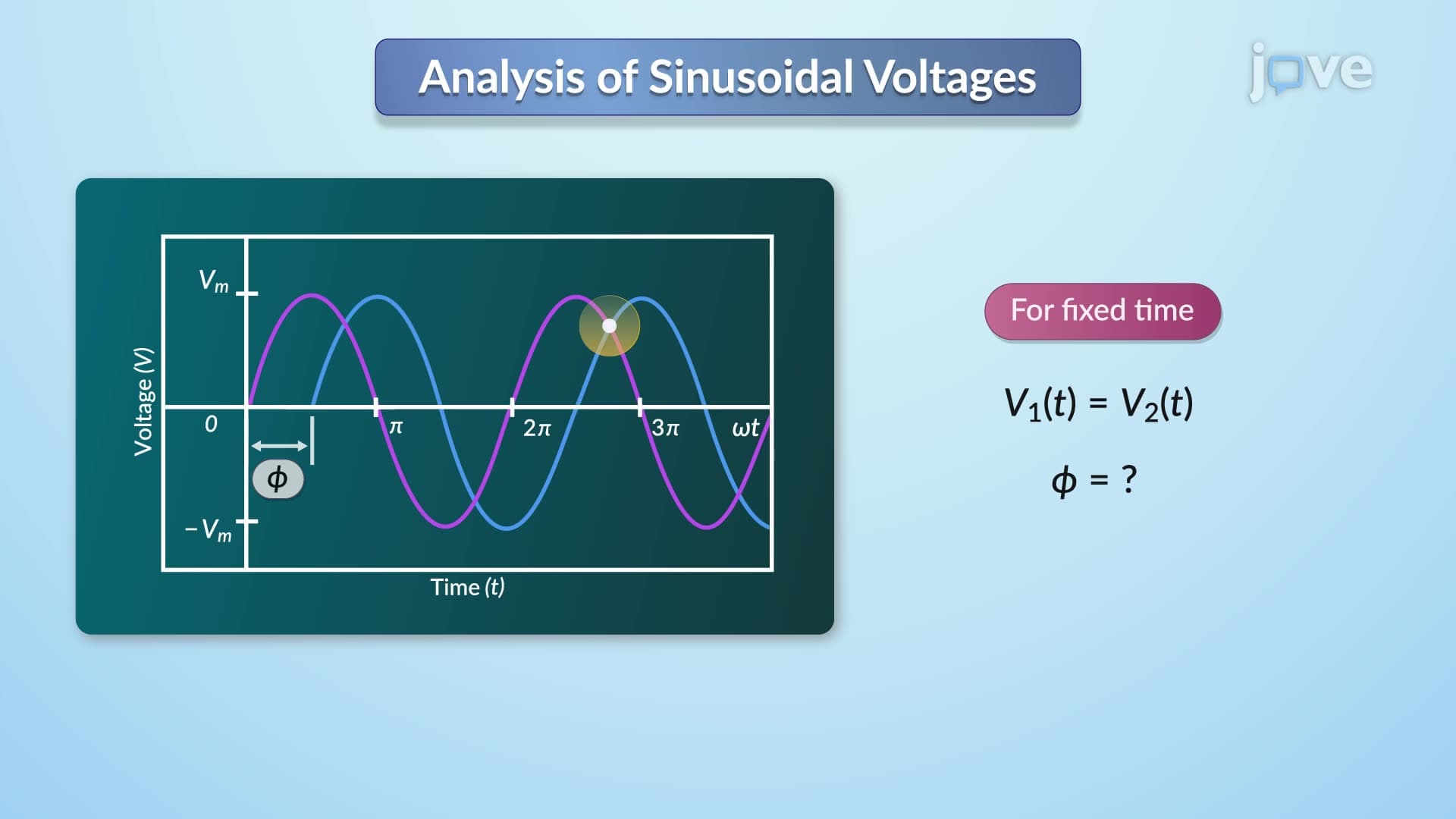
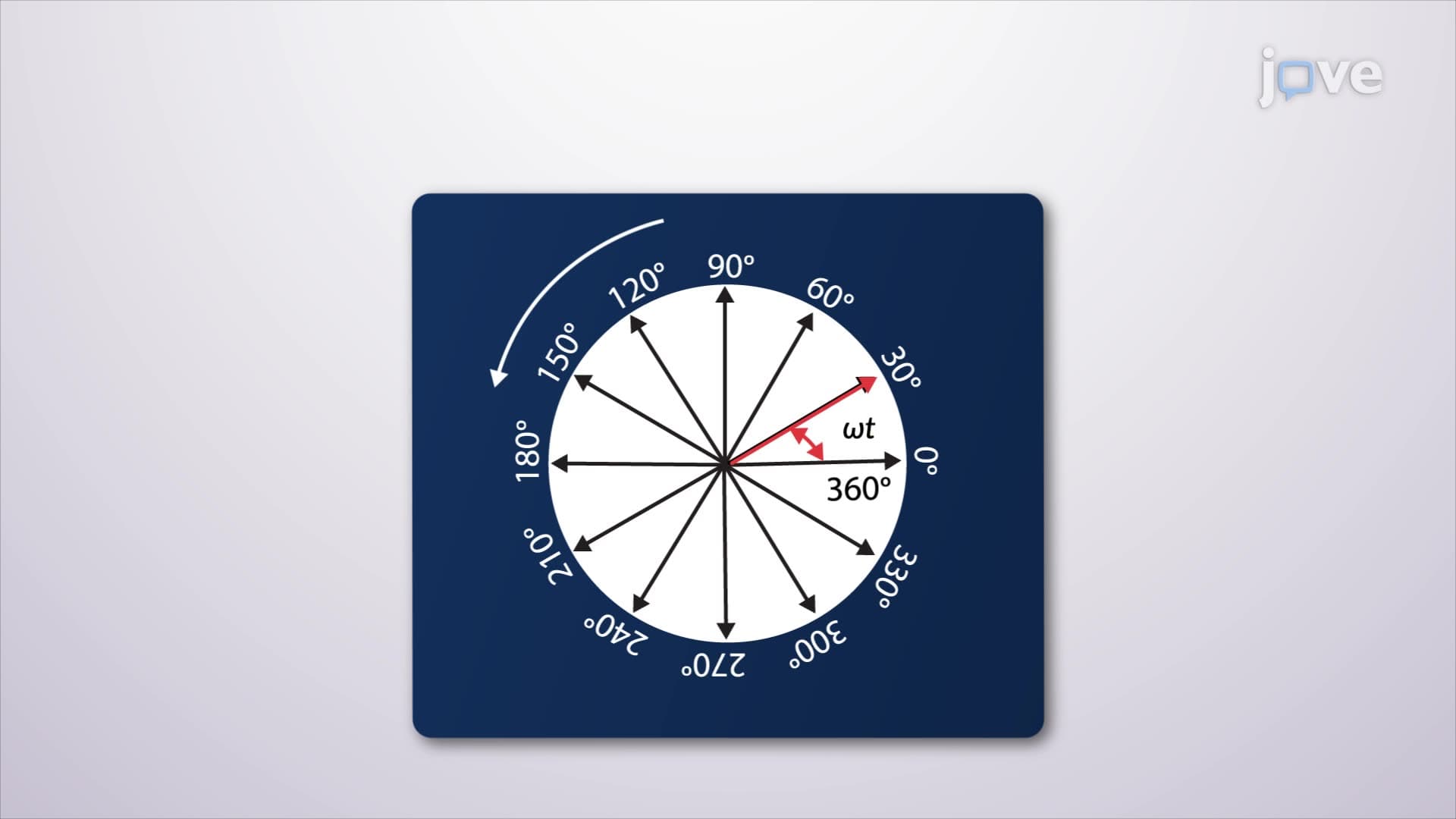
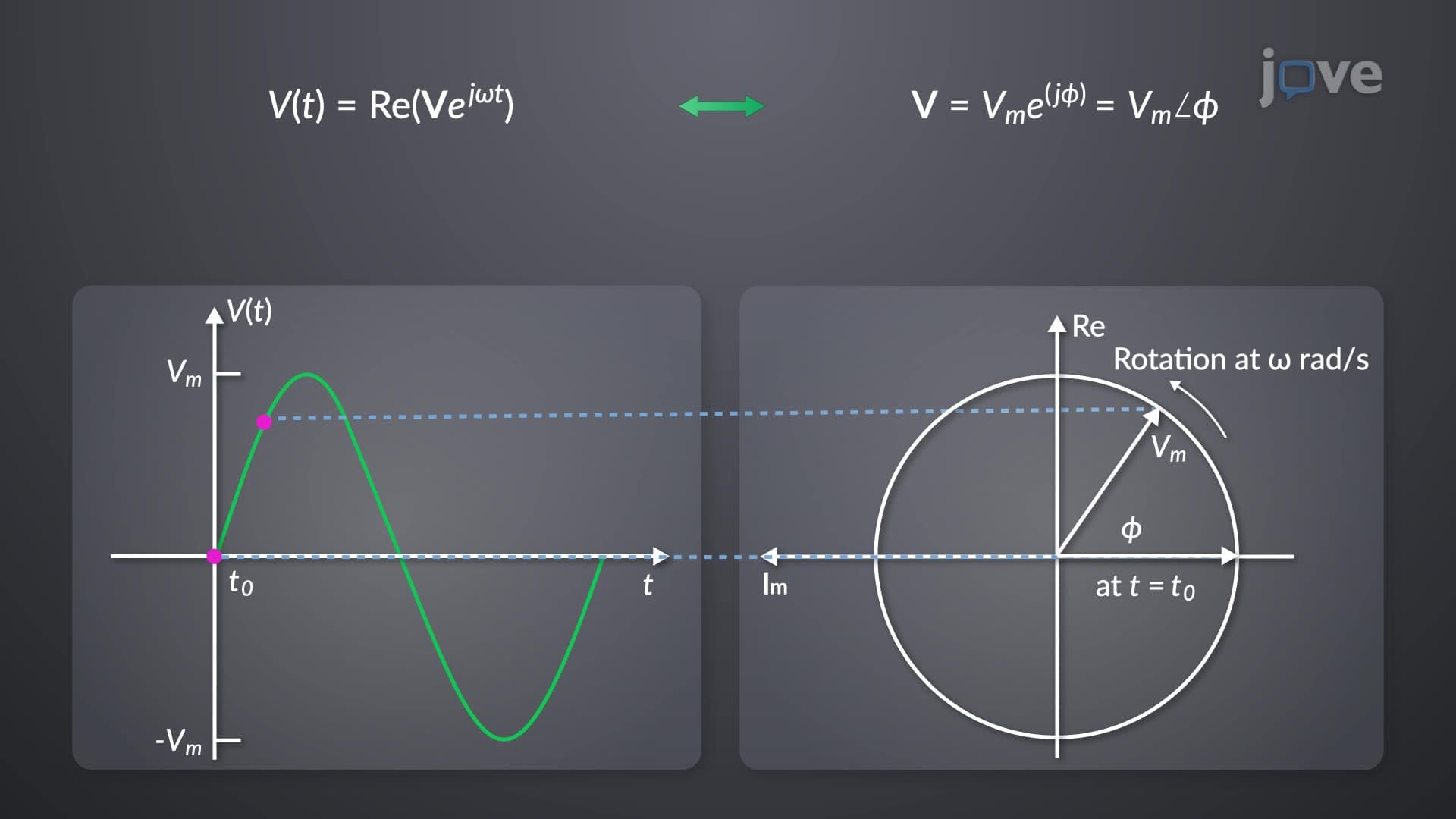
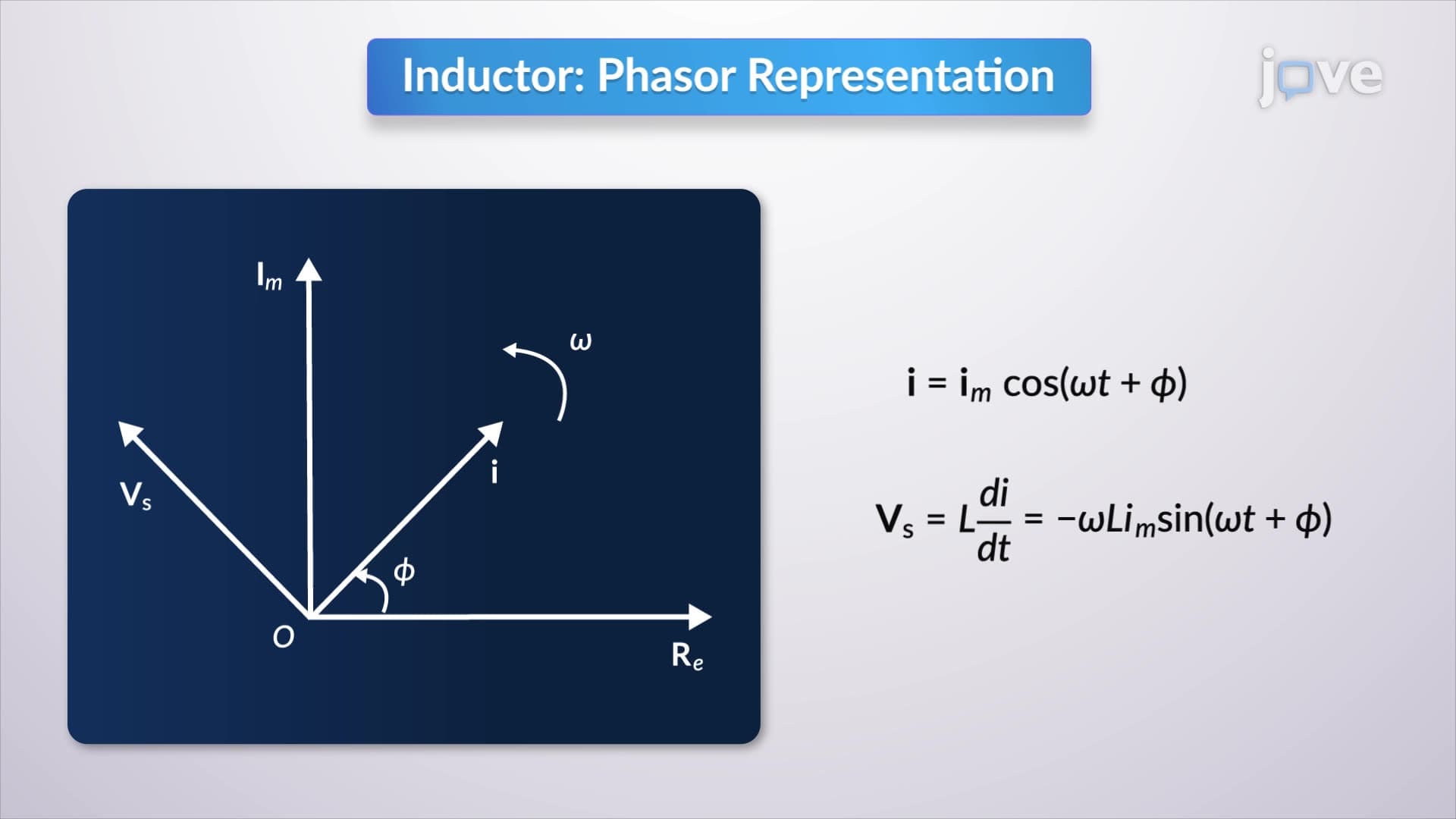
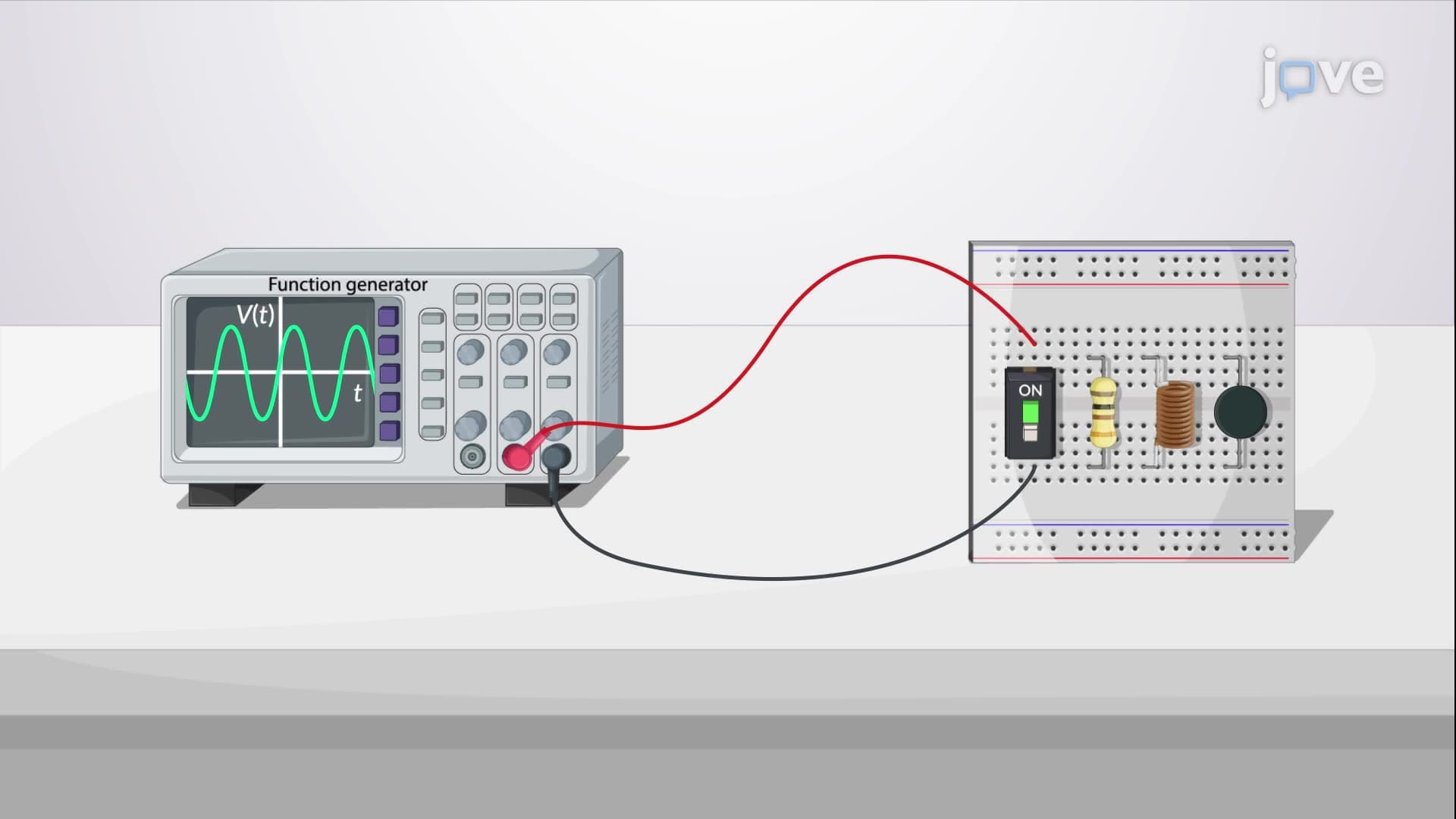
When analyzing AC circuits, engineers first convert time-varying sinusoidal sources into phasor form, representing both magnitude and phase information. For a circuit operating at angular frequency ω, inductive impedance becomes Z(L) = jωL while capacitive impedance transforms to Z(C) = 1/(jωC). These complex impedances replace simple resistances in our nodal equations. US engineering programs, including those preparing students for the Fundamentals of Engineering (FE) exam, emphasize this frequency domain approach because it simplifies calculations while maintaining mathematical rigor.
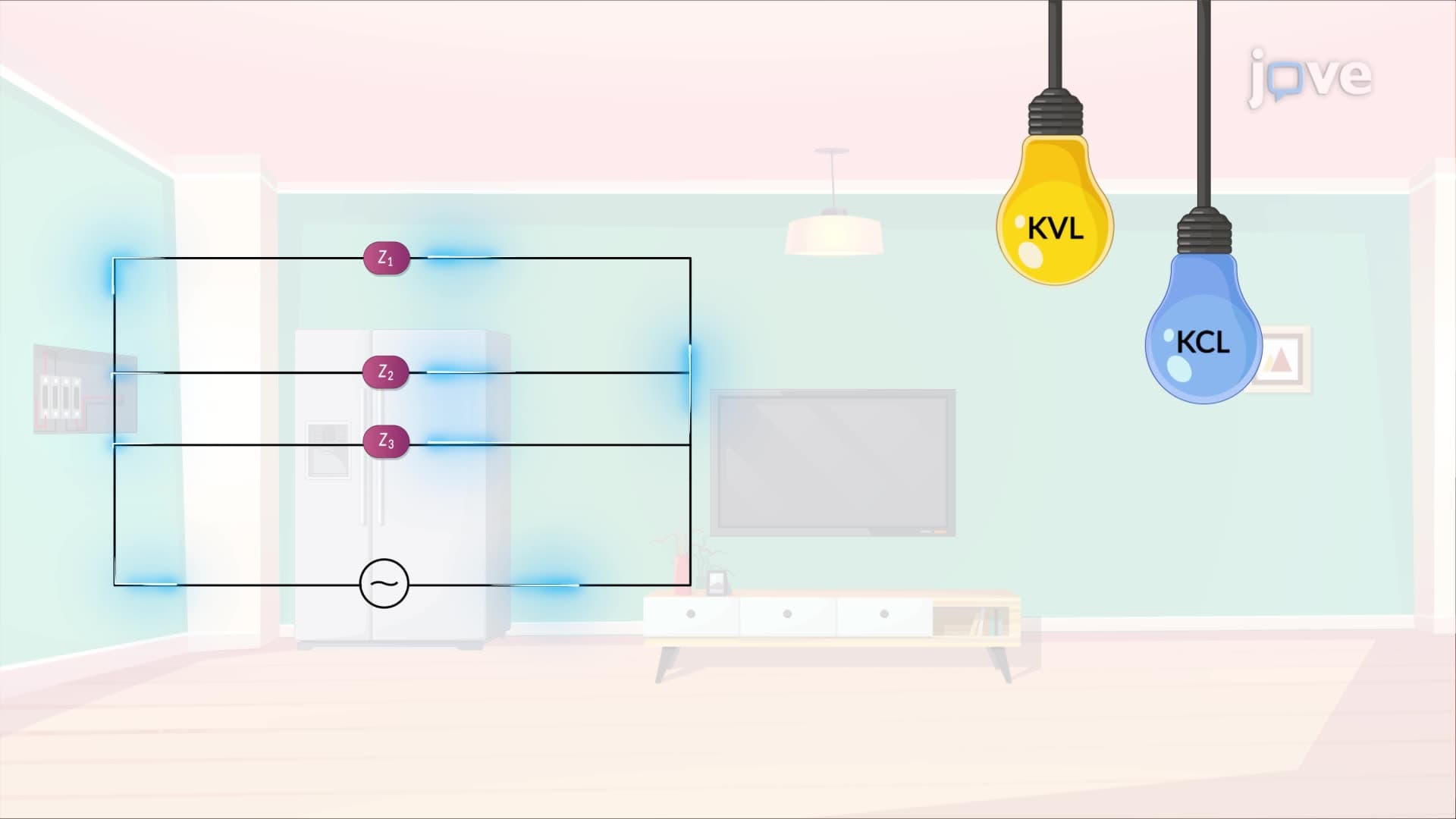
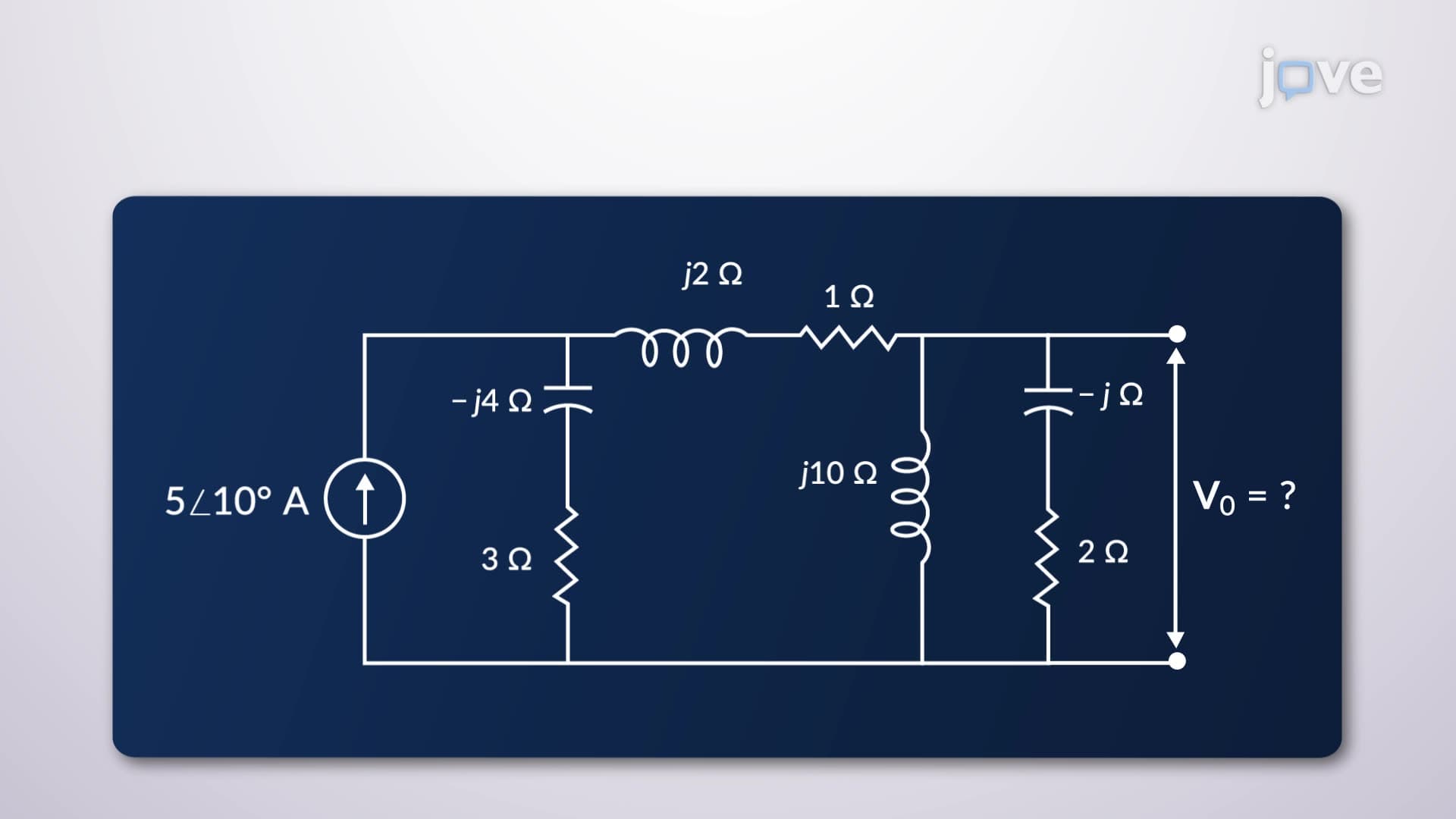
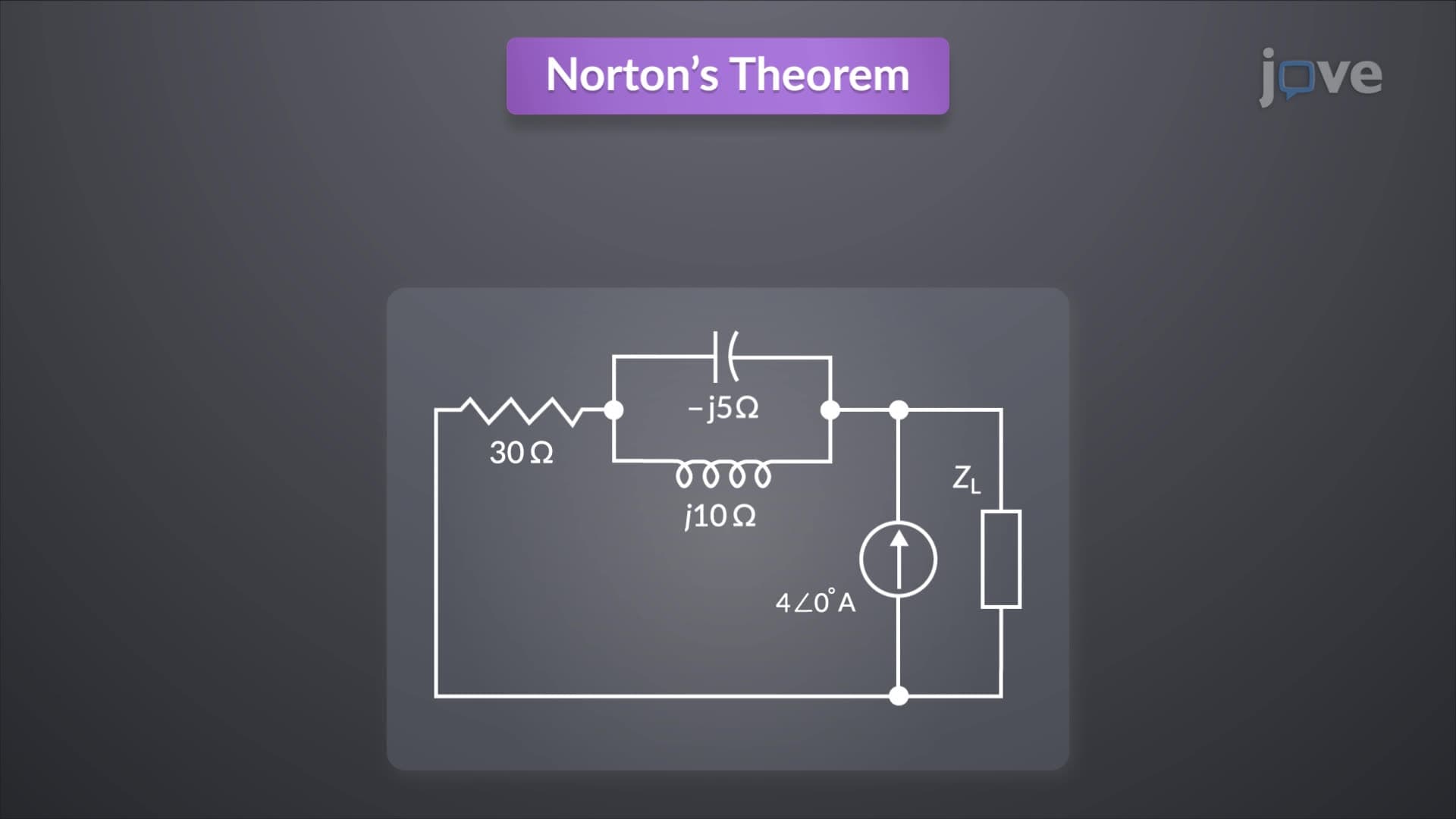
The node analysis process begins by identifying all essential nodes-junction points where three or more circuit elements connect. Engineers then apply Kirchhoff's Current Law (KCL) at each node, stating that the algebraic sum of currents entering and leaving any node equals zero. For AC circuits, these currents are expressed using Ohm's law with complex impedances: I = V/Z. In dual-node circuits like the rotablator system example, this creates two independent equations with two unknown nodal voltages.
Node analysis for AC circuits appears extensively in US standardized tests including the AP Physics C exam, college-level circuit analysis courses, and professional engineering licensing examinations. Biomedical applications represent particularly compelling examples-from cardiac pacemaker circuits to MRI gradient coils used in hospitals nationwide. Power systems engineers at companies like General Electric apply these same principles when designing three-phase distribution networks serving US communities. Students mastering this technique develop problem-solving skills applicable across electrical, computer, and biomedical engineering disciplines, making it essential preparation for STEM careers in the American job market.
Related Micro-courses